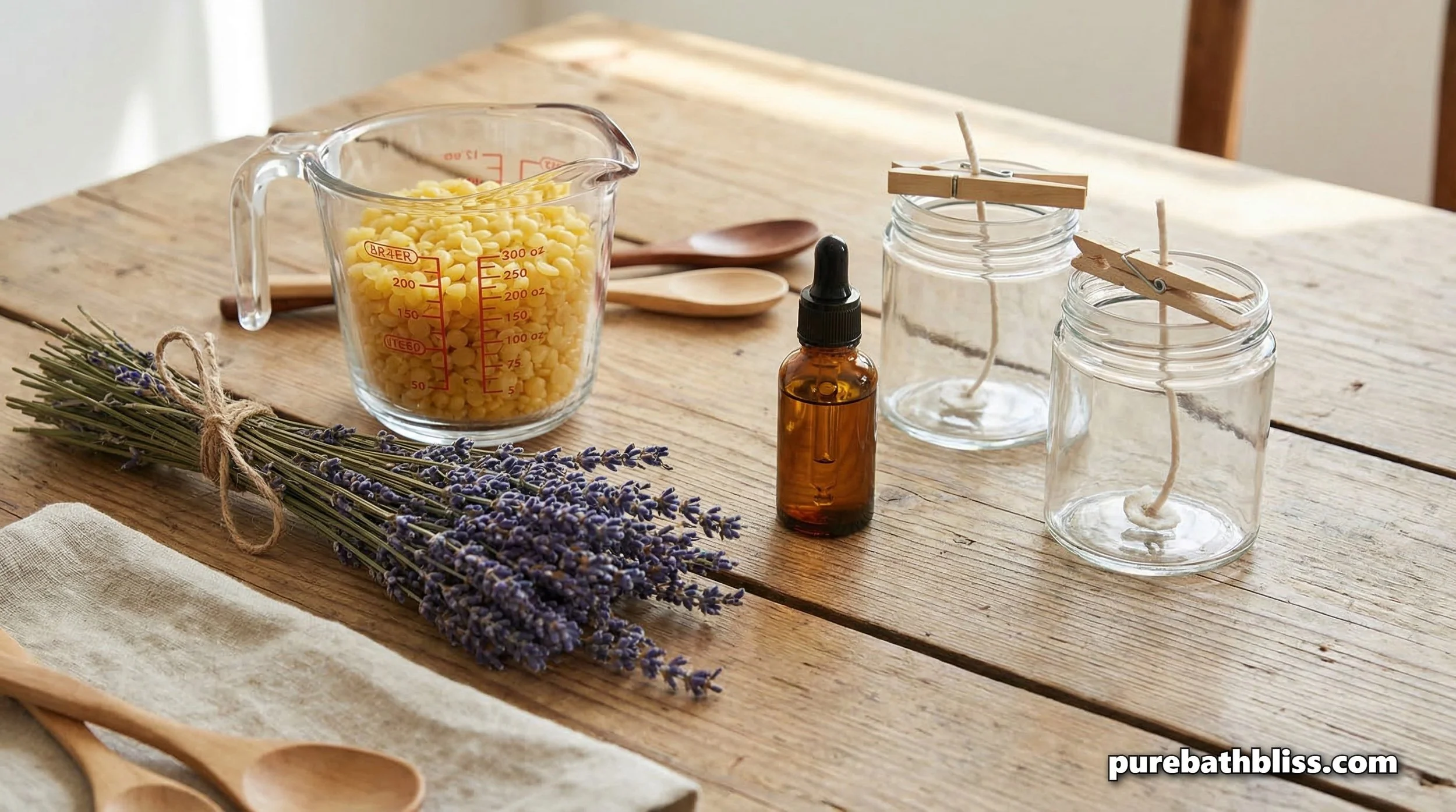
How to Make DIY Beeswax Candles for Your Bathroom (Lavender and 4 Other Blends)
Paraffin candles release toluene and benzene when they burn. In a small enclosed bathroom with limited ventilation, that matters more than most people realise. Beeswax candles burn completely cleanly, last 2 to 3 times longer, and cost a fraction of what commercial options charge. Here is the complete recipe with five scent blends and the one temperature mistake that kills the fragrance throw.
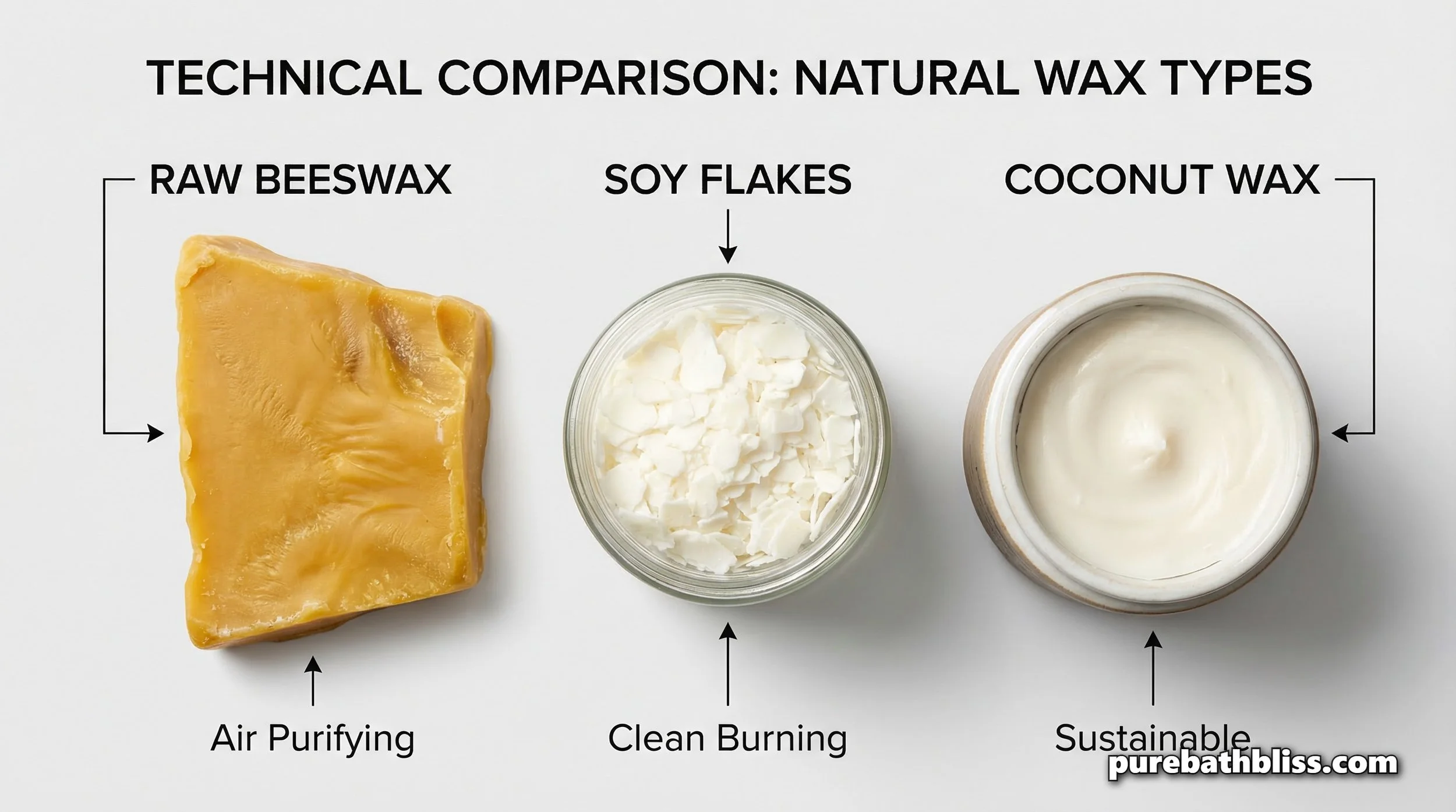
The Best Non-Toxic Candles for a Healthy Bathroom Sanctuary
In my years as a Red Seal carpenter, I’ve seen the long-term effects of poor air quality on a home’s infrastructure, from mold growth to soot-stained ceilings. But as a father of four, my focus is often on what we are breathing in while we’re inside those walls. The bathroom is often the smallest room in the house, which means the concentration of whatever you put in the air increases rapidly.
When you light a candle to enhance your nightly "sanctuary" ritual, you might unknowingly be introducing paraffin wax (a petroleum byproduct) and synthetic fragrances into a small, enclosed space. In 2026, the shift toward Air Quality & Healthy Home standards means looking for candles that provide a spa-like scent without the toxic soot.
In this guide, we’ll explore the best non-toxic candle materials and how to choose scents that support the Psychology of a Clean Bathroom.
Beyond the Soak: A Professional Guide to Showerhead Longevity
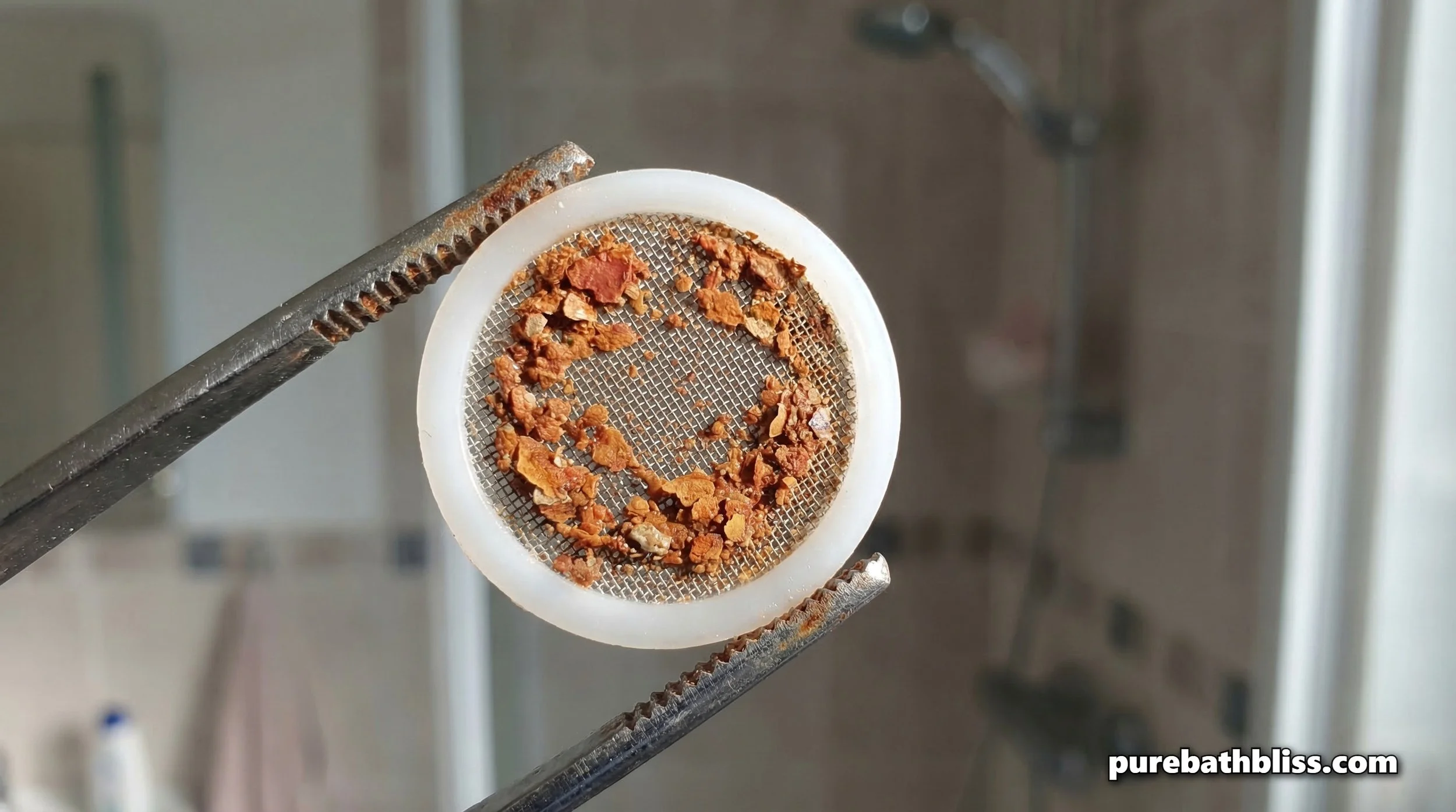
As a Red Seal carpenter, I’ve spent my career looking at what’s behind the walls and under the finish. I’ve seen $500 rain showerheads tossed in the trash simply because the owner didn't know how to maintain the "guts" of the fixture. For a father of four, the shower isn't just a place to get clean, it's a high-use piece of infrastructure that needs to stand up to constant daily wear.
We’ve already covered the basics of how to clean your showerhead using the vinegar soak method. But a deep clean is only half the battle. If you want your bathroom fixtures to last a decade instead of a couple of years, you need to understand the mechanical side of things: the seals, the internal filters, and the friction points.
In this guide, we’re looking at showerhead health from a builder's perspective, helping you troubleshoot leaks, manage water pressure, and decide when a repair is worth it and when it’s time for a full replacement.
How to Remove Hard Water Stains from Glass Without Scratching
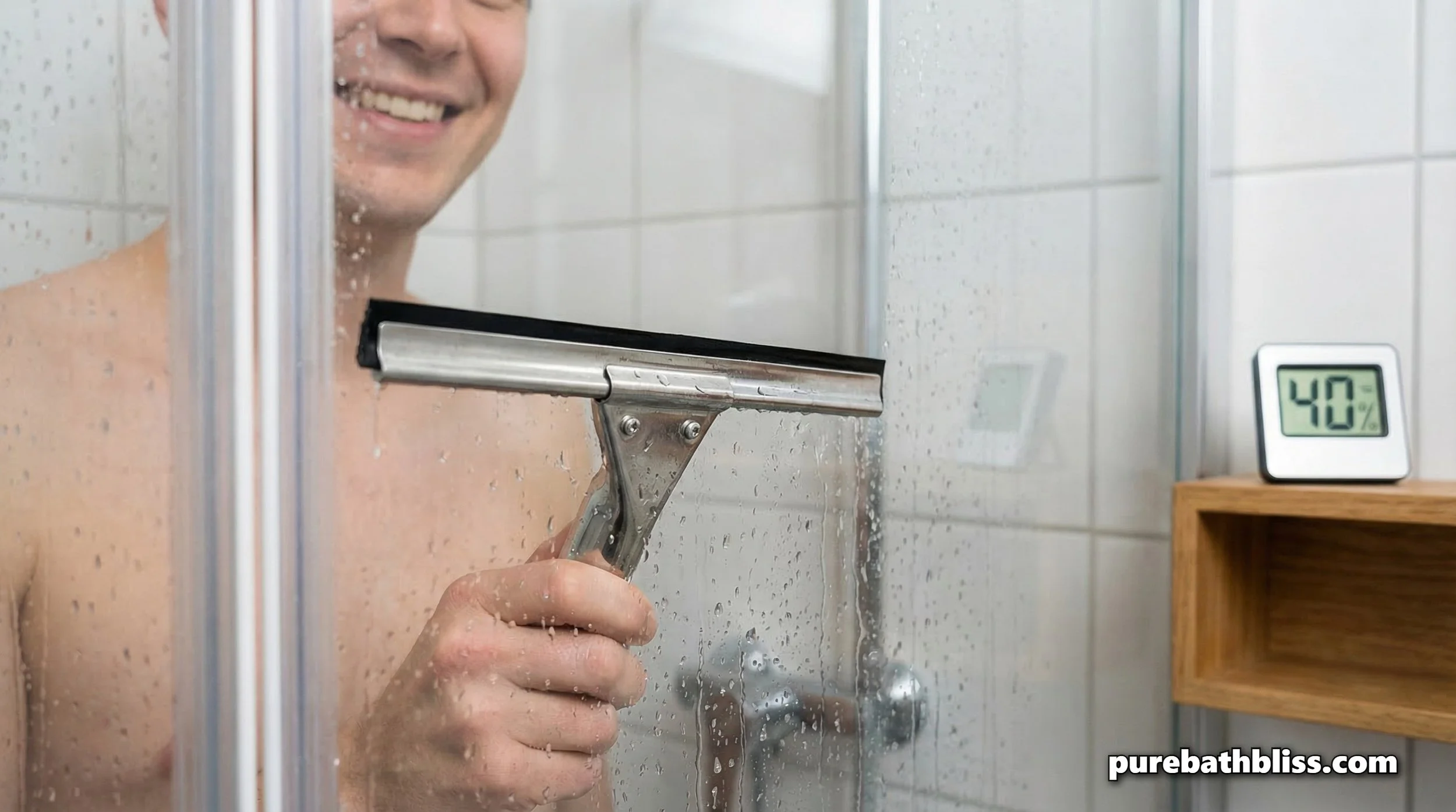
There is nothing quite as frustrating as finishing a deep clean of your bathroom only to realize your glass shower doors still look cloudy, "milky," or covered in white, crusty spots. These aren't just water marks; they are mineral deposits that have physically bonded to the glass. If left too long, they can actually "etch" the surface, leading to permanent damage that no amount of scrubbing can fix.
In 2026, we are seeing a shift away from harsh, abrasive chemicals that can scratch the glass and irritate your lungs. Instead, we are using "organic" chemistry to dissolve the minerals while preserving the clarity of the glass infrastructure.
In this guide, we will look at the science of hard water, why standard glass cleaners fail, and how to restore your shower doors to a factory-fresh shine without damaging the surface.
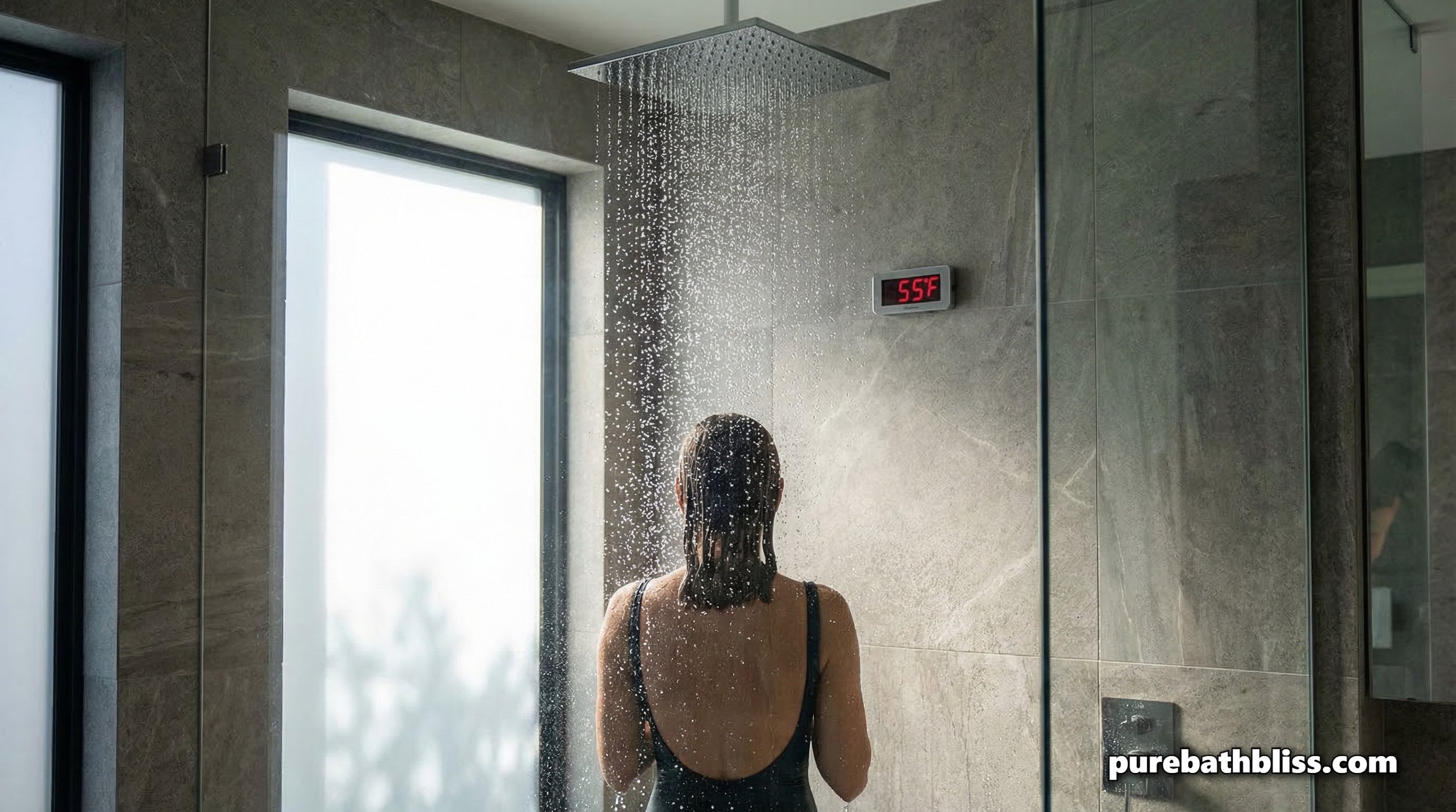
The Science of the Morning Cold Plunge: Transforming Your Shower Ritual
In 2026, the bathroom has evolved into a "Bio-Hacking Station." While we once viewed the shower as merely a place to wash away the day’s grime, we now understand it as a powerful tool for regulating our nervous system. The most significant trend in modern wellness is the "Cold Plunge", specifically, the deliberate practice of ending your morning shower with 60 to 90 seconds of cold water.
The science behind cold thermogenesis is robust. It isn't just about "waking up"; it’s about a physiological reset that triggers the release of norepinephrine and dopamine, providing a mental clarity that lasts for hours. However, to make this practice sustainable and safe, you have to understand the impact it has on your body and your bathroom's environment.
In this guide, we will explore the "hormetic stress" of cold water, how it ties into the Psychology of a Clean Bathroom, and the infrastructure you need to support a high-performance morning routine.
The Psychology of a Clean Bathroom: Why a Tidy Space Calms the Mind
In the world of home maintenance, we often focus on the "how", how to fix a vibrating fan, how to scrub grout, or how to stop a leak. But in 2026, as the lines between our work lives and our personal lives continue to blur, the "why" is becoming even more important. Specifically: Why does a clean bathroom have such a profound impact on our mental health?
The bathroom is the only room in the house where we are truly alone, often both physically and digitally. It is where we start our day by setting our intentions and where we end it by shedding the stress of the world. Psychologists refer to this as a "Liminal Space", a transitional zone where we move from one state of being to another. When this space is cluttered, grimy, or smelling of "biofilm" from a sink, as we discussed in Why Your Bathroom Sink Smells Like Sulfur, that transition is interrupted by stress.
In this guide, we will explore the "Sanctuary Effect," the science of cortisol in domestic environments, and how a clean bathroom infrastructure supports a clear mind.
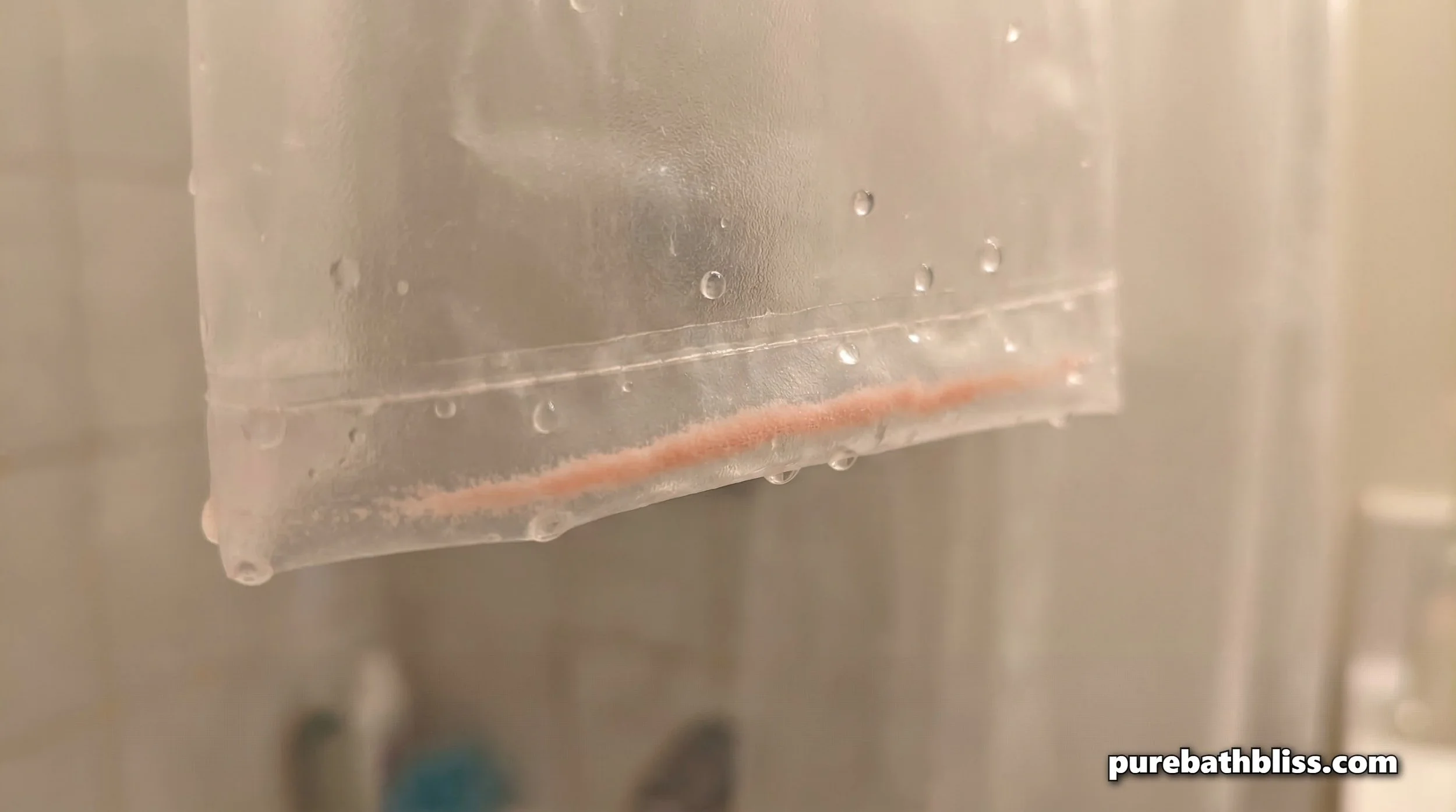
Why Your Shower Curtain Gets That "Pink Slimy" Mold (and How to Stop It)
If you have ever pulled back your shower curtain only to find a bright pink, slimy residue creeping along the bottom edge or hiding in the folds of the liner, you aren’t alone. It looks like something from a science fiction movie, and it seems to appear out of nowhere, even if you clean your bathroom regularly.
While many homeowners refer to this as "pink mold," it is actually an airborne bacterium called Serratia marcescens. It thrives in the exact environment your bathroom provides: warm, moist, and full of "food" like soap residue and shampoo minerals.
In 2026, as we focus more on Air Quality & Healthy Home standards, understanding the biology of your bathroom is the first step in maintaining a true sanctuary. This "pink slime" isn't just an eyesore, if left unchecked, it can become a persistent nuisance that compromises your home’s purity. In this guide, we’ll dive into the science of Serratia, how to kill it without toxic chemicals, and the infrastructure changes you can make to stop it from coming back.
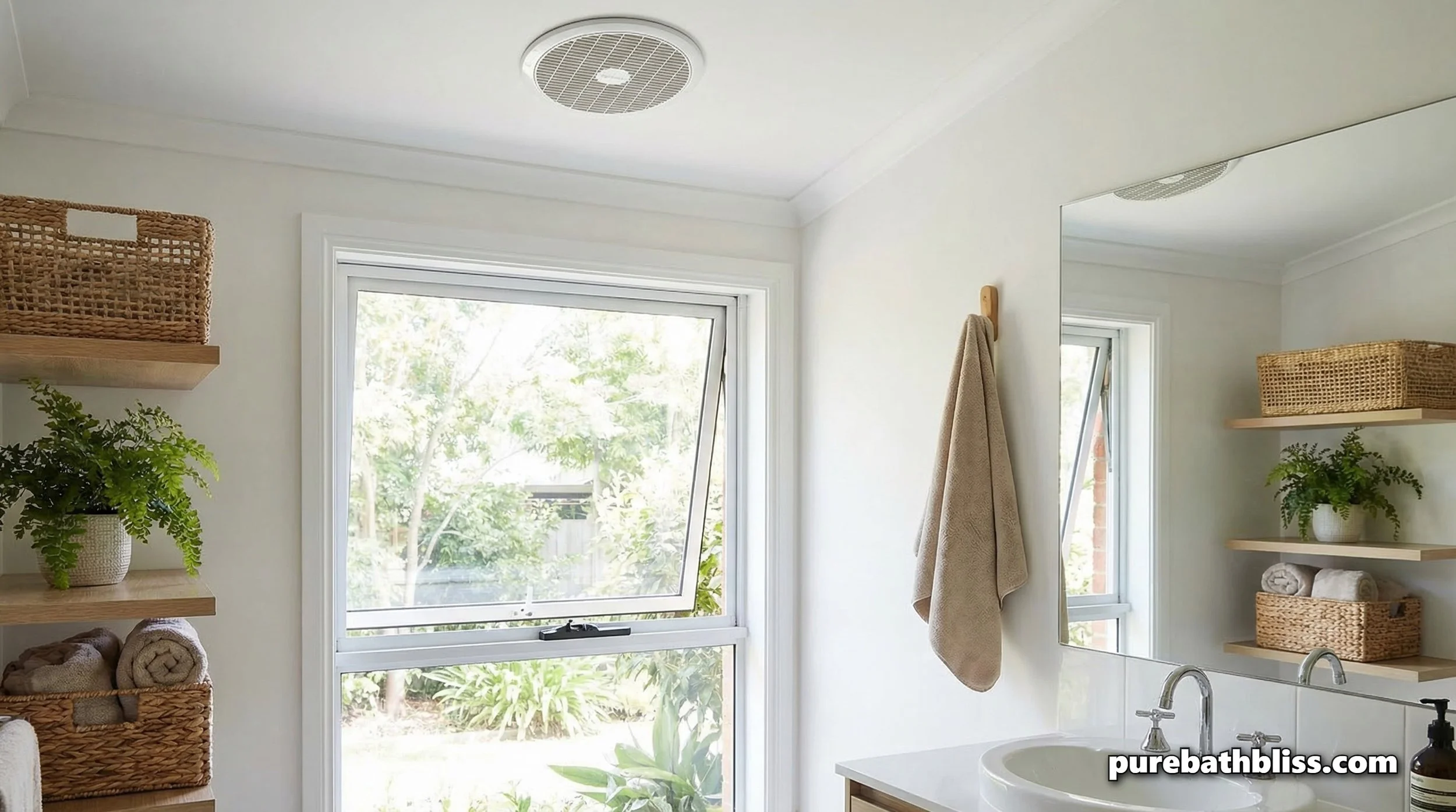
Drying Out Your Bathroom: The Post-Soak Protocol
There is nothing quite like the feeling of stepping out of a long, hot bath enriched with 7 Brilliant Uses for Epsom Salt in Your Bathroom. Your muscles are relaxed, your skin is glowing, and your mind is clear. But while you are feeling refreshed, your bathroom is under a massive amount of stress.
A single long bath or a 15-minute hot shower releases enough moisture into the air to saturate every surface in the room. If that moisture is allowed to sit, it begins a slow process of structural decay. It seeps into your drywall, weakens your wallpaper adhesive, and provides the perfect breeding ground for mold behind your vanity.
In 2026, a "Healthy Home" isn't just about the products you use; it’s about how you manage the environment. To protect your sanctuary, you need a post-soak protocol that ensures your bathroom is bone-dry within 30 minutes of you leaving the room. Here is the science of the "Dry Down" and how to do it right.
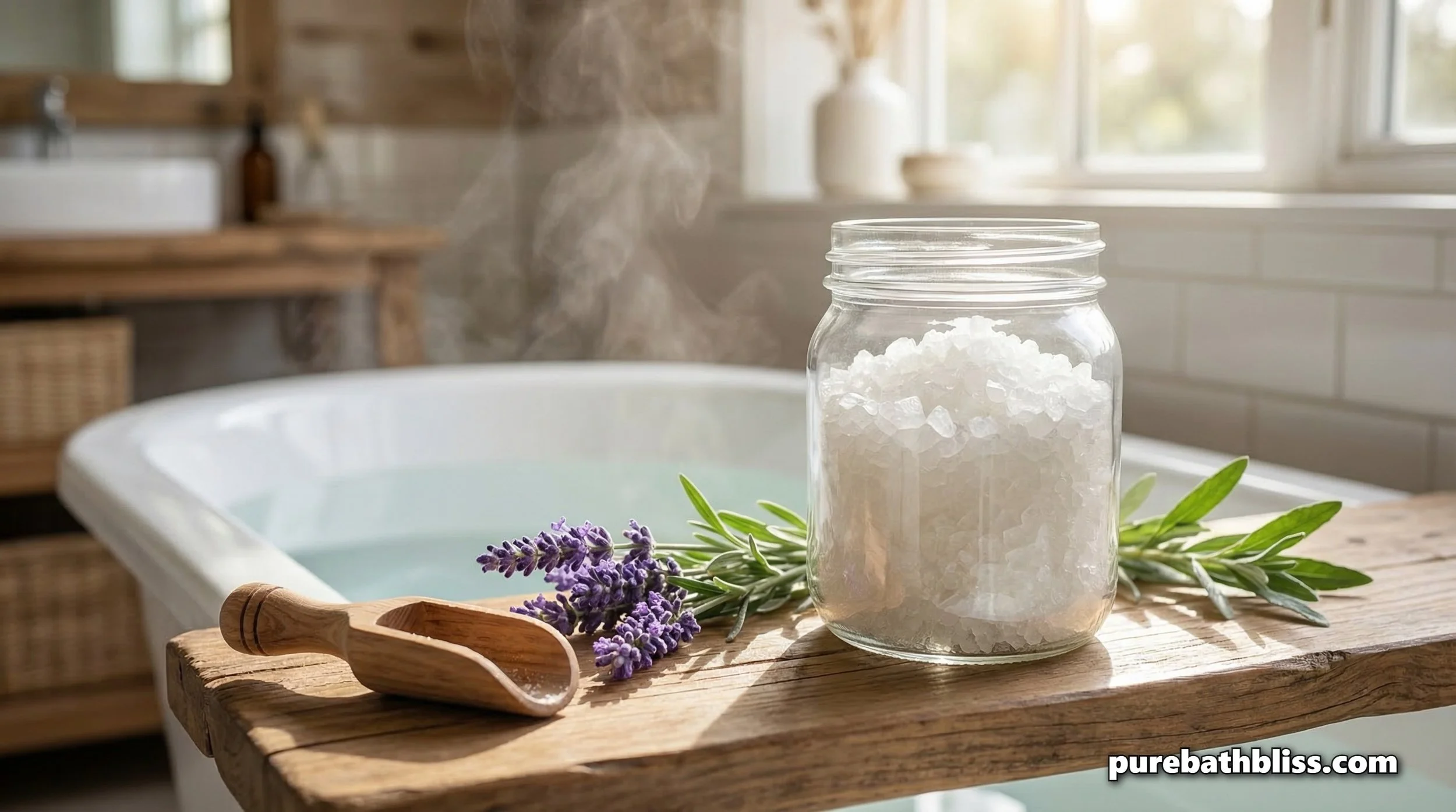
7 Brilliant Uses for Epsom Salt in Your Bathroom
Epsom salt is a staple in the medicine cabinet of almost every home, yet it remains one of the most underutilized tools in the modern bathroom. Despite the name, Epsom salt isn't actually salt at all—it is a naturally occurring pure mineral compound of magnesium and sulfate. Named after a bitter saline spring at Epsom in Surrey, England, this compound has been used for centuries as a natural remedy for everything from muscle soreness to skin exfoliation.
In 2026, as we shift toward a more "organic" and intentional home lifestyle, Epsom salt is experiencing a resurgence. It fits perfectly into the "Wellness and Purity" philosophy because it is non-toxic, biodegradable, and incredibly versatile. Whether you are looking to enhance your nightly ritual or need a gentle abrasive for cleaning, magnesium sulfate is your best friend.
In this guide, we’ll explore seven brilliant ways to use Epsom salt to improve your health and the maintenance of your bathroom sanctuary.
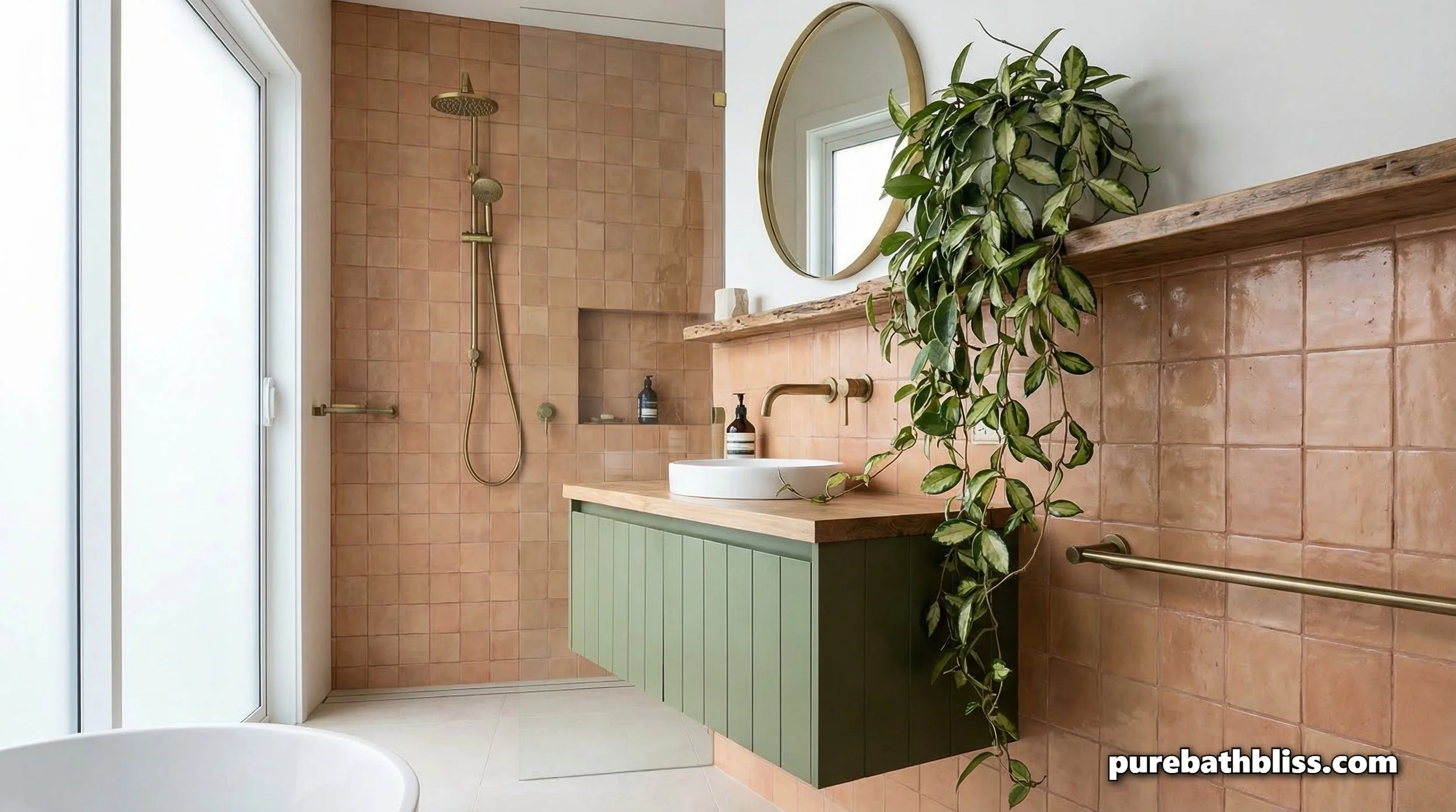
Bathroom Color Trends 2026: Earthy Tones and "Living" Finishes
In 2026, the bathroom has officially transitioned from a purely functional utility room into a "Wellness Sanctuary." This shift in how we use the space has radically changed the color palettes we are seeing in high-end design and home renovations. The stark, sterile "all-white" bathrooms of the last decade are being replaced by colors that feel grounded, organic, and deeply restorative.
As we discussed in our look at Top 5 Guest Bathroom Trends for 2026, the goal now is to create a space that feels like a natural extension of the earth. We are seeing a move away from "cool" grays and toward "warm" neutrals that mimic the textures of stone, clay, and forest floors. These colors don't just look better; they interact with the steam and light of a bathroom to create a more soothing atmosphere.
In this guide, we will break down the four defining color stories of 2026 and how you can integrate them into your home without a full remodel.
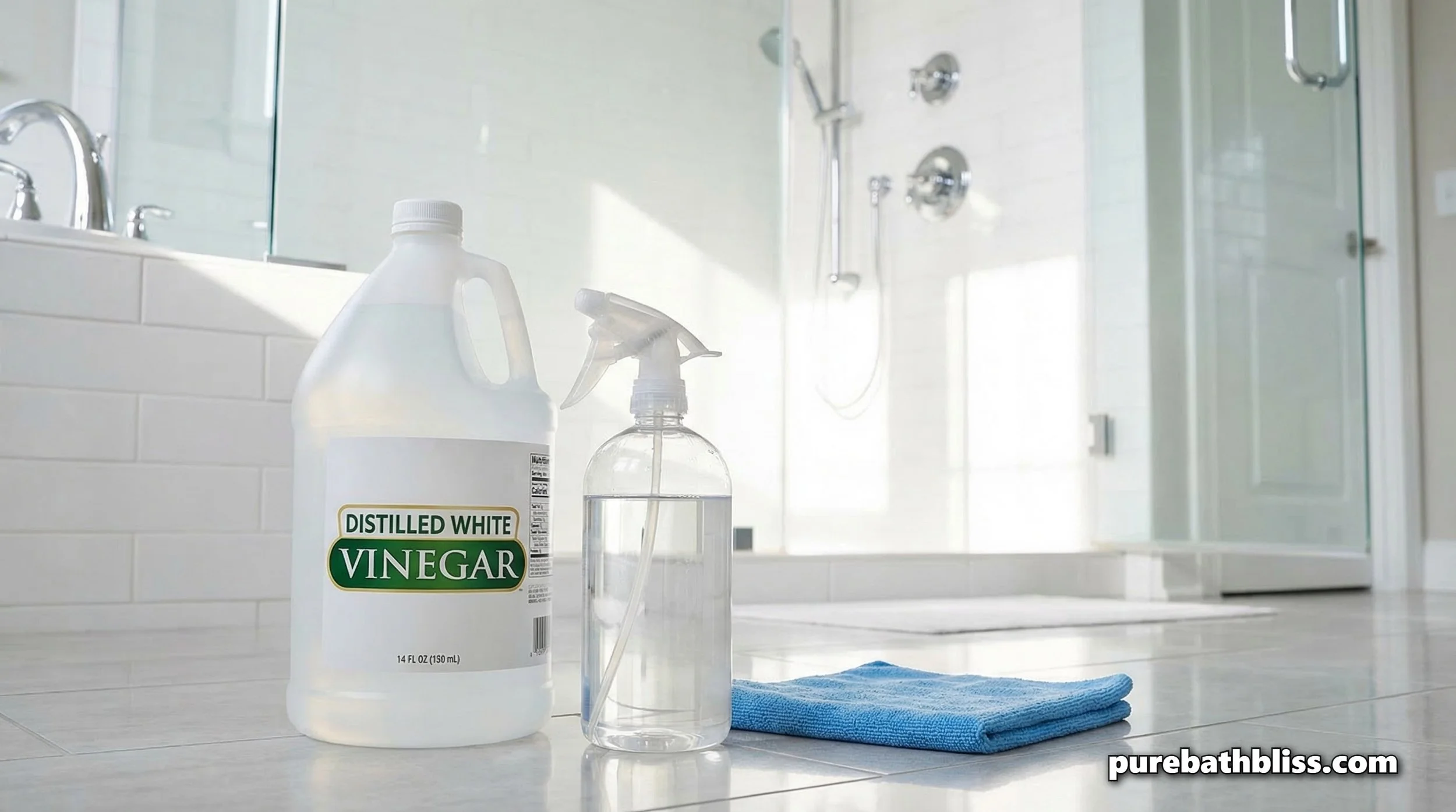
7 Genius Ways to Use White Vinegar in Your Bathroom Deep Clean
If there is one "miracle" ingredient that every homeowner should have in their cleaning arsenal, it is distilled white vinegar. While the modern cleaning aisle is packed with neon-colored liquids and synthetic "mountain breeze" scents, many professional cleaners and builders still reach for the gallon jug of vinegar. Why? Because it is one of the most effective, non-toxic, and affordable ways to manage the specific types of grime found in a bathroom.
Vinegar is a dilute form of acetic acid. This acidity makes it a natural solvent for the alkaline mineral deposits (like calcium and magnesium) that thrive in a wet environment. It is the perfect companion to our sister site’s guide on7 Uses for Vinegar in the Kitchen. But while the kitchen uses focus on grease and food safety, the bathroom uses are all about managing "hard water" and preventing the structural decay that moisture causes.
In this guide, we will look at seven genius ways to integrate white vinegar into your weekly deep clean without damaging your bathroom's sensitive infrastructure.
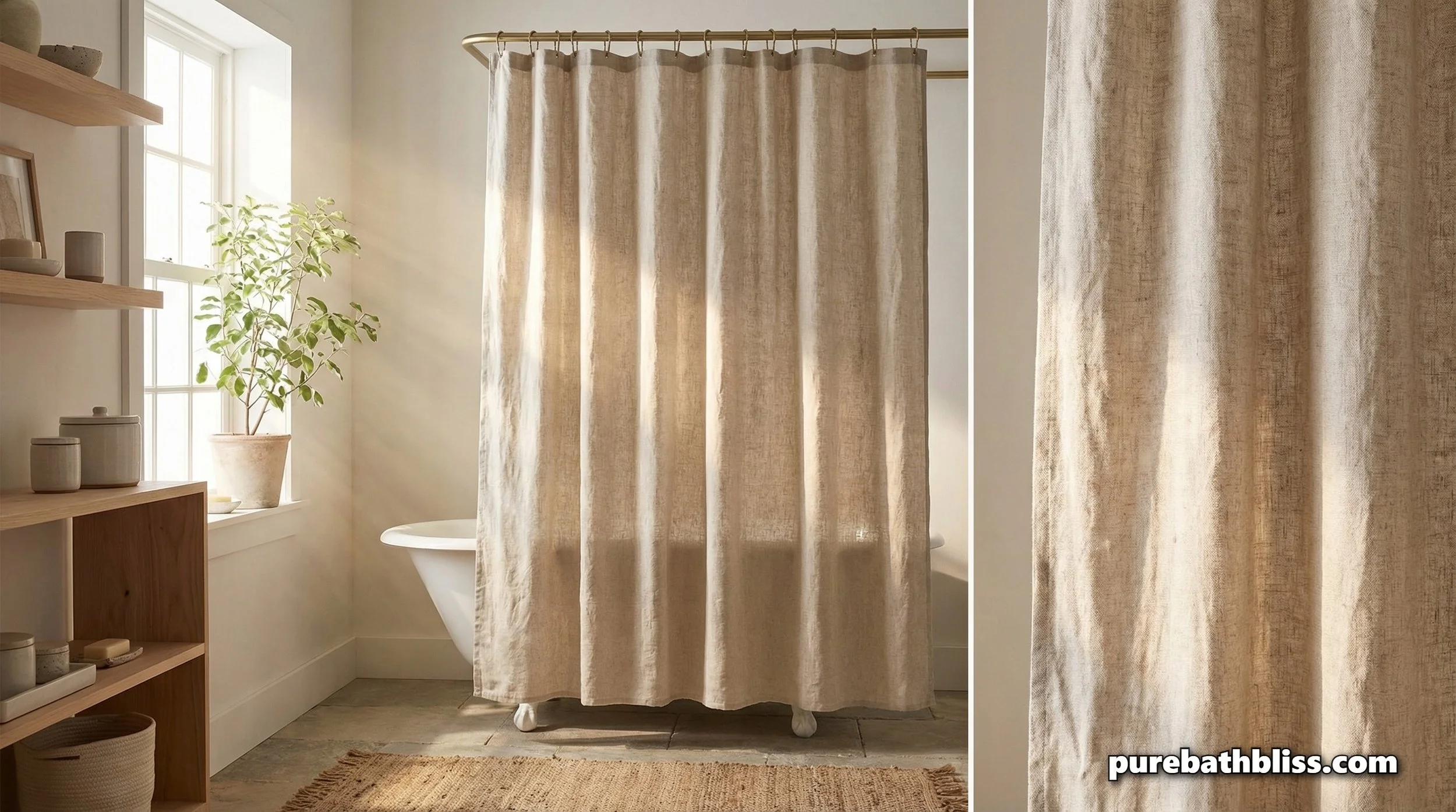
The Best Non-Toxic Shower Curtains: Why PVC is Officially Out
When we talk about "Bathroom Infrastructure," we usually think of the low-flow toilet or the copper piping behind the walls. But one of the largest surfaces in your bathroom, and the one most likely to impact the air you breathe, is your shower curtain.
If you’ve ever unrolled a brand-new plastic shower liner and been hit with that sharp, chemical "new shower curtain smell," you are smelling Volatile Organic Compounds (VOCs). In 2026, the data is clear: the standard PVC (polyvinyl chloride) liner is a major contributor to indoor air pollution. As a parent of four, I’ve realized that cleaning the pink slime bacteria off a toxic curtain is a losing battle for your health.
In this guide, we’ll dive into why PVC is being phased out of the modern home and explore the high-performance, non-toxic materials that will keep your bathroom safe, stylish, and breathable.
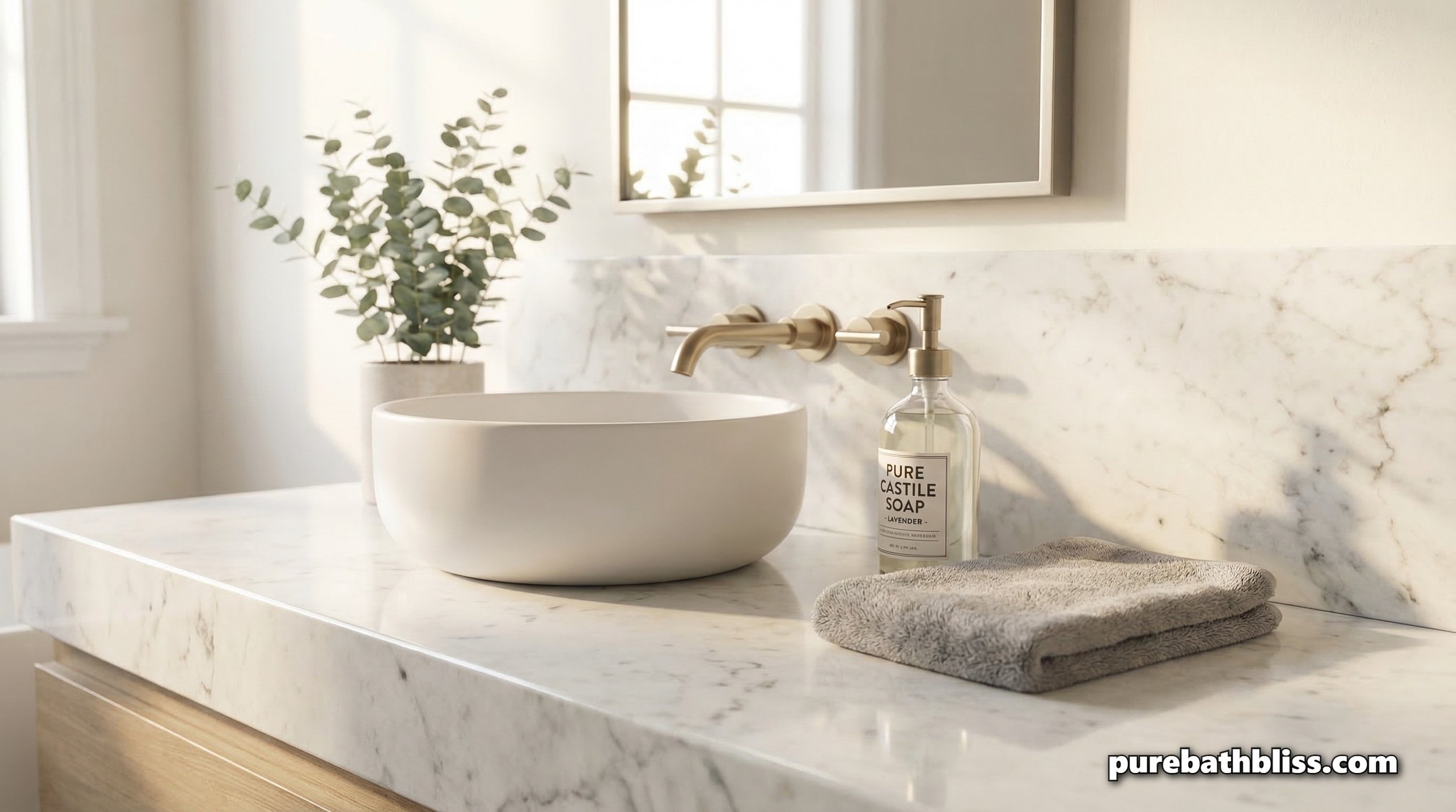
Can I Use Castile Soap to Clean Travertine and Marble Vanities?
When you invest in a natural stone vanity, whether it is the warm, earthy tones of travertine or the classic, veined elegance of marble, you are adding a piece of the earth to your bathroom infrastructure. However, these stones come with a "manual" that most homeowners ignore. Natural stone is porous, sensitive, and incredibly easy to ruin with the wrong cleaner.
The short answer is yes, you can use Castile soap to clean travertine and marble, and in many cases, it is actually the best choice you can make. While many "all-purpose" bathroom cleaners contain acids that eat away at the stone, Castile soap is a gentle, alkaline-based cleaner that respects the delicate chemistry of natural rock.
In this guide, we will explore the science of why stone reacts to certain cleaners, how to use Castile soap effectively without leaving streaks, and how to protect your investment for decades.
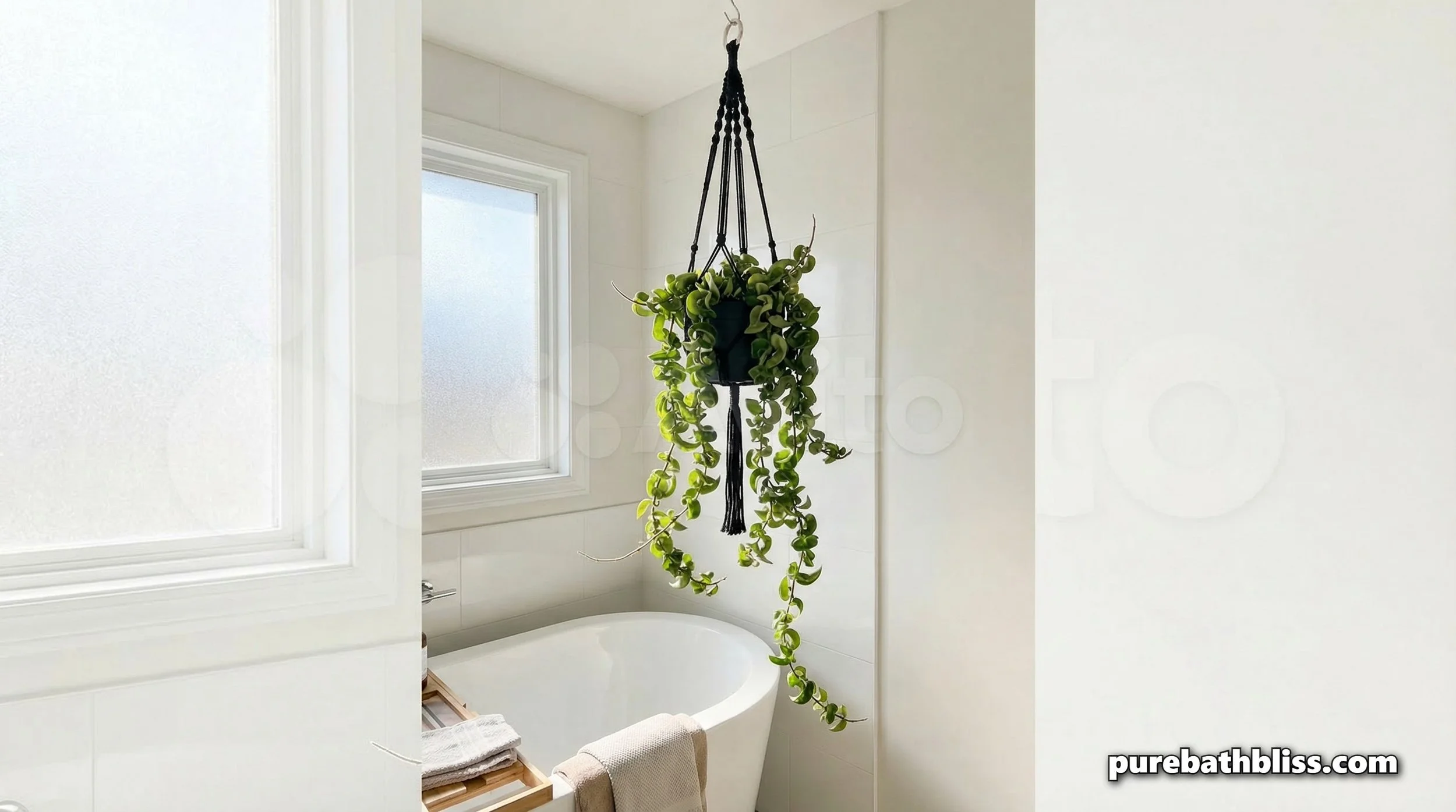
How to Care for Hoyas: The Must Have "Organic" Vining Plant of 2026
If you are looking for the perfect "organic" architectural element to add to your bathroom, look no further than the Hoya. Often called "Wax Plants" because of their thick, succulent-like leaves and stunning porcelain-like flowers, Hoyas have become the breakout interior design trend of 2026. While the fiddle-leaf fig and the snake plant had their moments, the Hoya is winning hearts this year because of its incredible versatility and its ability to turn a cold, tiled bathroom into a lush, vining sanctuary.
Hoyas are epiphytic, meaning in the wild, they often grow on other plants or trees rather than in the dirt. This makes them uniquely suited for the bathroom environment. They love the vertical space of a shower curtain rod or a high shelf, and they thrive on the humidity that other houseplants find overwhelming.
However, because they are semi-succulent, they have very specific needs. If you treat them like a standard tropical fern, you will quickly run into problems. In this guide, we will break down the science of Hoya care and how to integrate these beautiful vines into your healthy home.
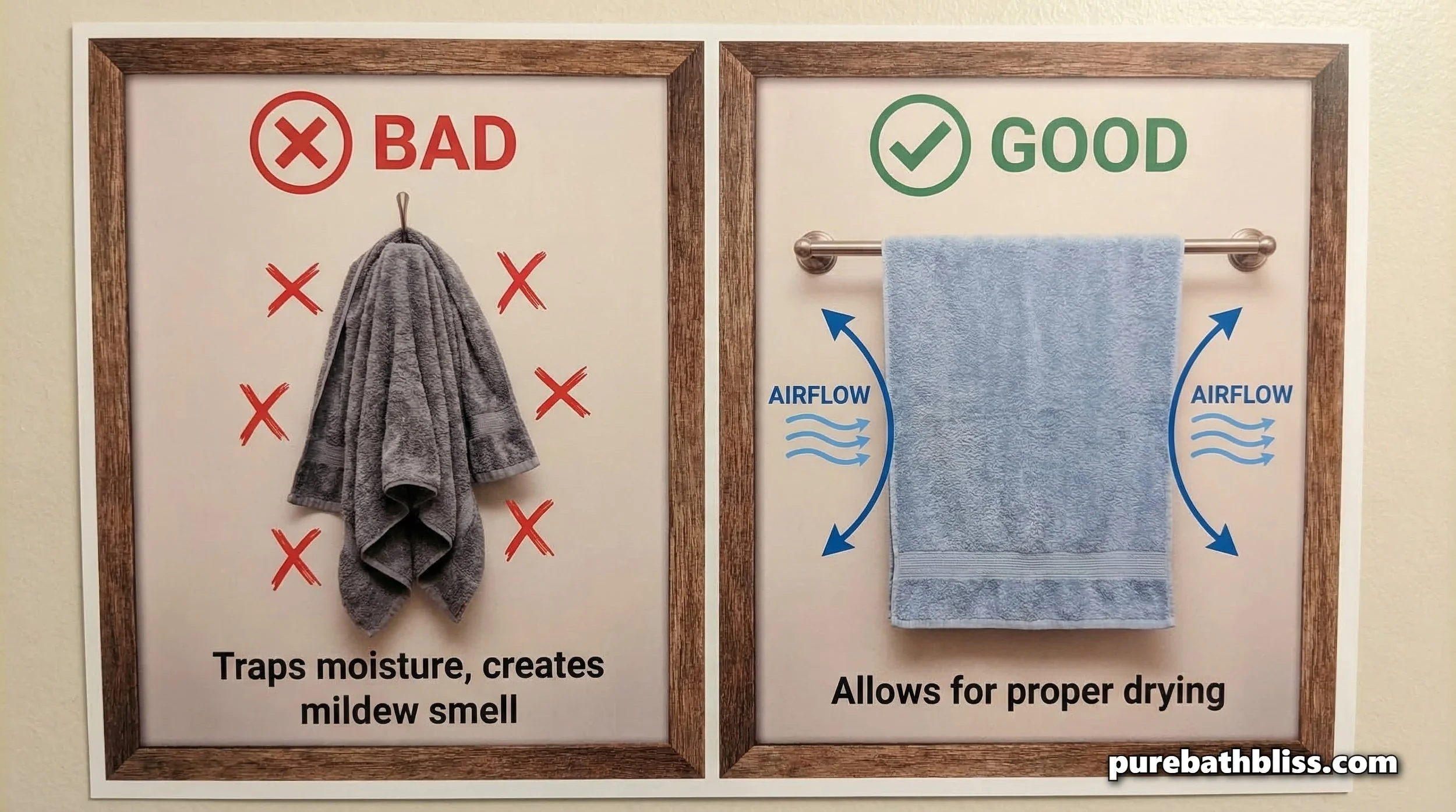
Why Your Bath Towels Take Forever to Dry
There is nothing quite as discouraging as reaching for a towel after a shower, only to find it is still damp and cold from the day before. Even worse is when that dampness turns into a lingering "sour" smell that no amount of laundry detergent seems to fix. If your towels take forever to dry, it isn't just an inconvenience, it’s a signal that your bathroom’s environment is out of balance.
A towel that stays wet for hours becomes a breeding ground for bacteria and mildew. This affects your skin health and the overall air quality of your home. To fix the problem, we have to look at the physics of evaporation, the material science of the towel itself, and the infrastructure of the room.
In this guide, we will explore why moisture gets trapped in your linens and the simple changes you can make to ensure your towels are fluffy, dry, and fresh every single morning.
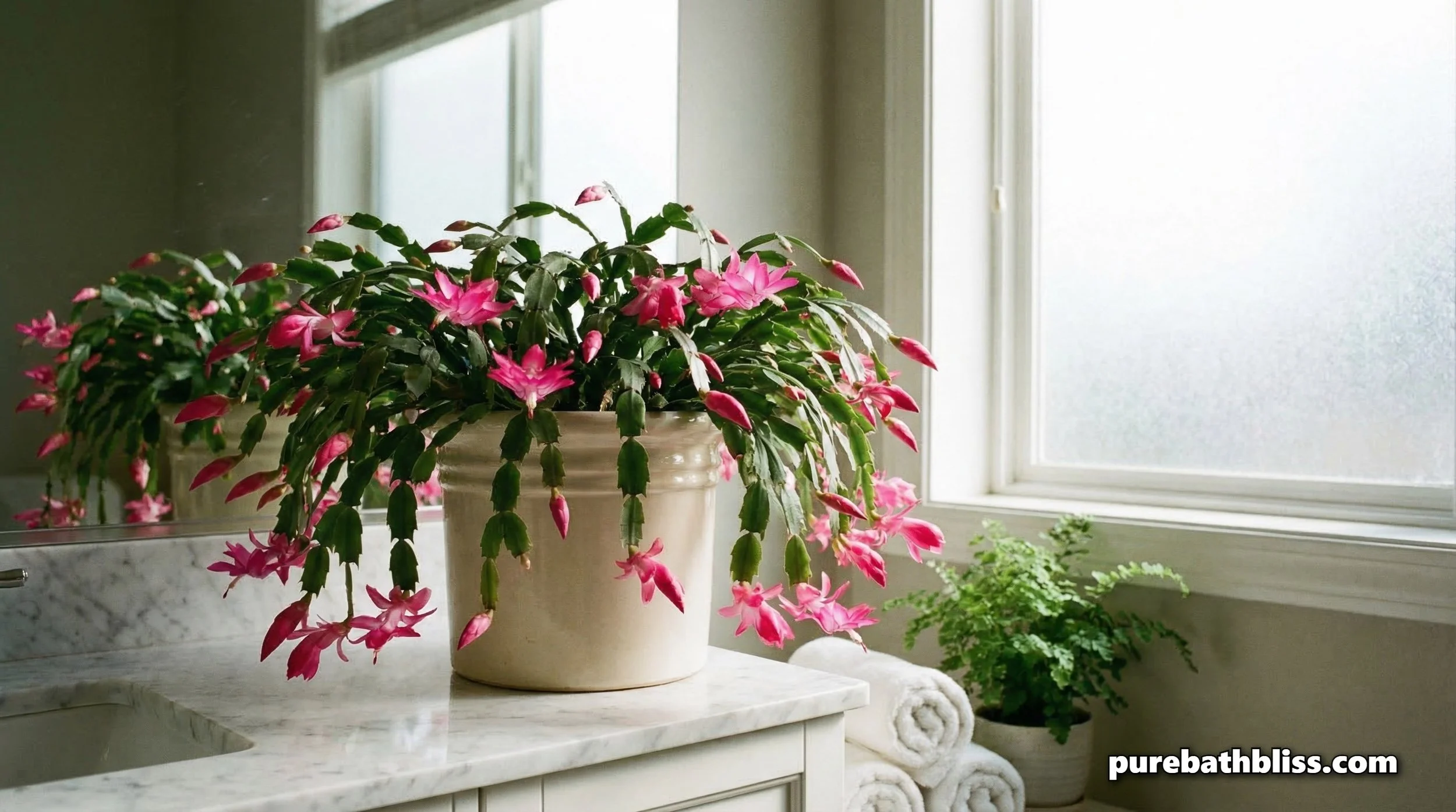
What to Do When Your Christmas Cactus Flowers in Your Bathroom
Finding a burst of bright pink, red, or white flowers in your bathroom during the darkest months of the year is one of the most rewarding parts of being a "plant parent." The Christmas cactus (Schlumbergera) is a holiday staple, but unlike its desert cousins, this plant is actually a tropical succulent that originates from the coastal mountains of Brazil.
In its natural habitat, it lives in the humid, shaded crevices of trees, which makes your bathroom one of the best places in your house for it to thrive. The combination of filtered light and the steam from your daily shower creates a mini-rainforest environment that can trigger spectacular blooms.
However, once those buds appear, the plant becomes much more sensitive. One wrong move and those beautiful flowers can drop off before they even open. In this guide, we will look at exactly how to care for your flowering Christmas cactus in the bathroom, how to use that humidity to your advantage, and how to keep the plant healthy for years to come.
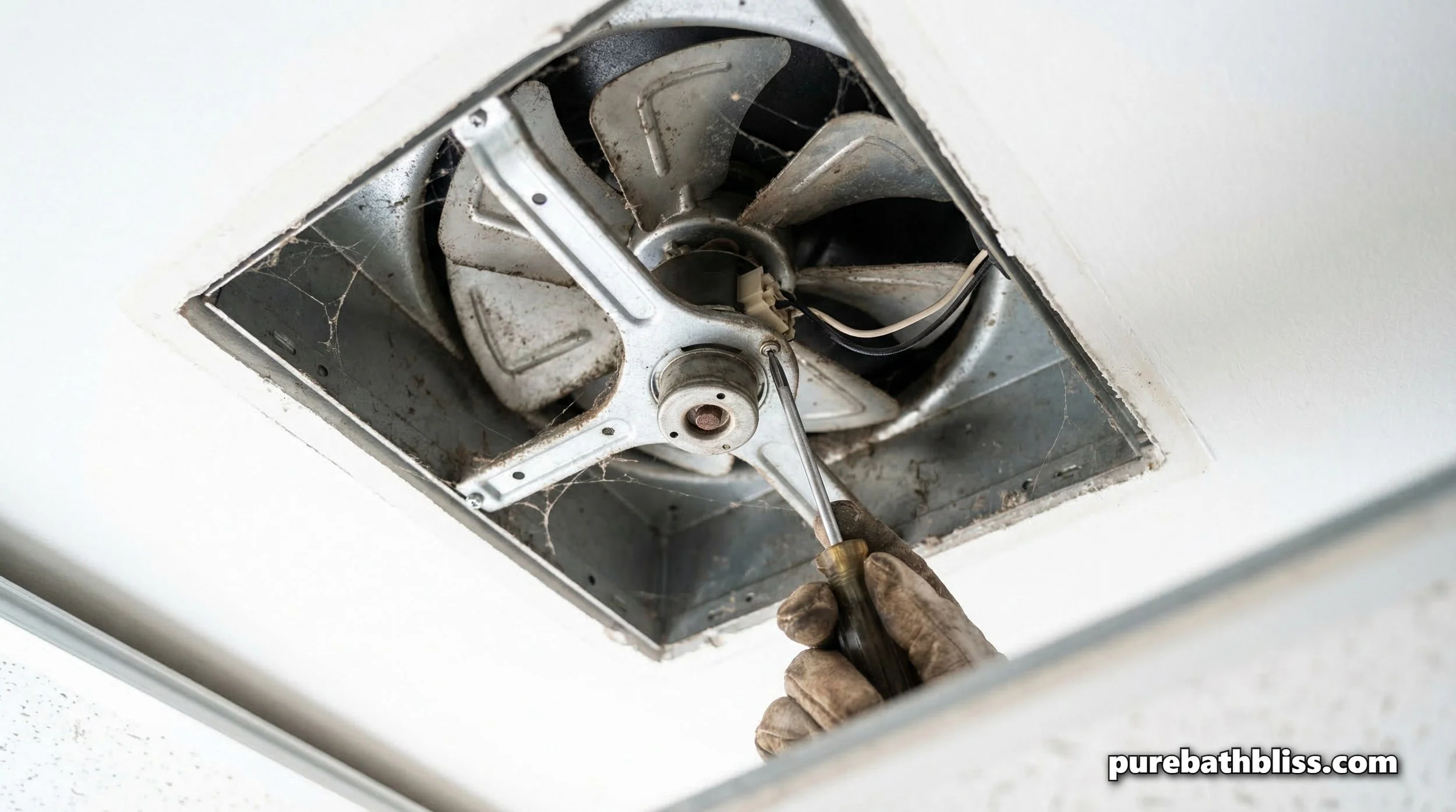
Why Is My Bathroom Fan Vibrating?
A bathroom fan should be a background hum, a steady, reassuring sound that tells you moisture is being pulled out of the room. But when that hum turns into a violent vibration or a loud rattling noise, it becomes impossible to relax. Beyond the noise, a vibrating fan is a sign that something is mechanically wrong. If left ignored, that vibration can shake the mounting screws loose, damage your ceiling drywall, or cause the motor to burn out prematurely.
As we discussed in How to Stop Moisture Before It Causes Damage, the exhaust fan is the most important piece of infrastructure in your bathroom. If you stop using it because the noise is too annoying, you are inviting mold and mildew to take over. Fixing a vibrating fan is usually a simple DIY task that requires no special plumbing or electrical skills. In this guide, we will look at the science of why fans vibrate and how you can silence yours for good.
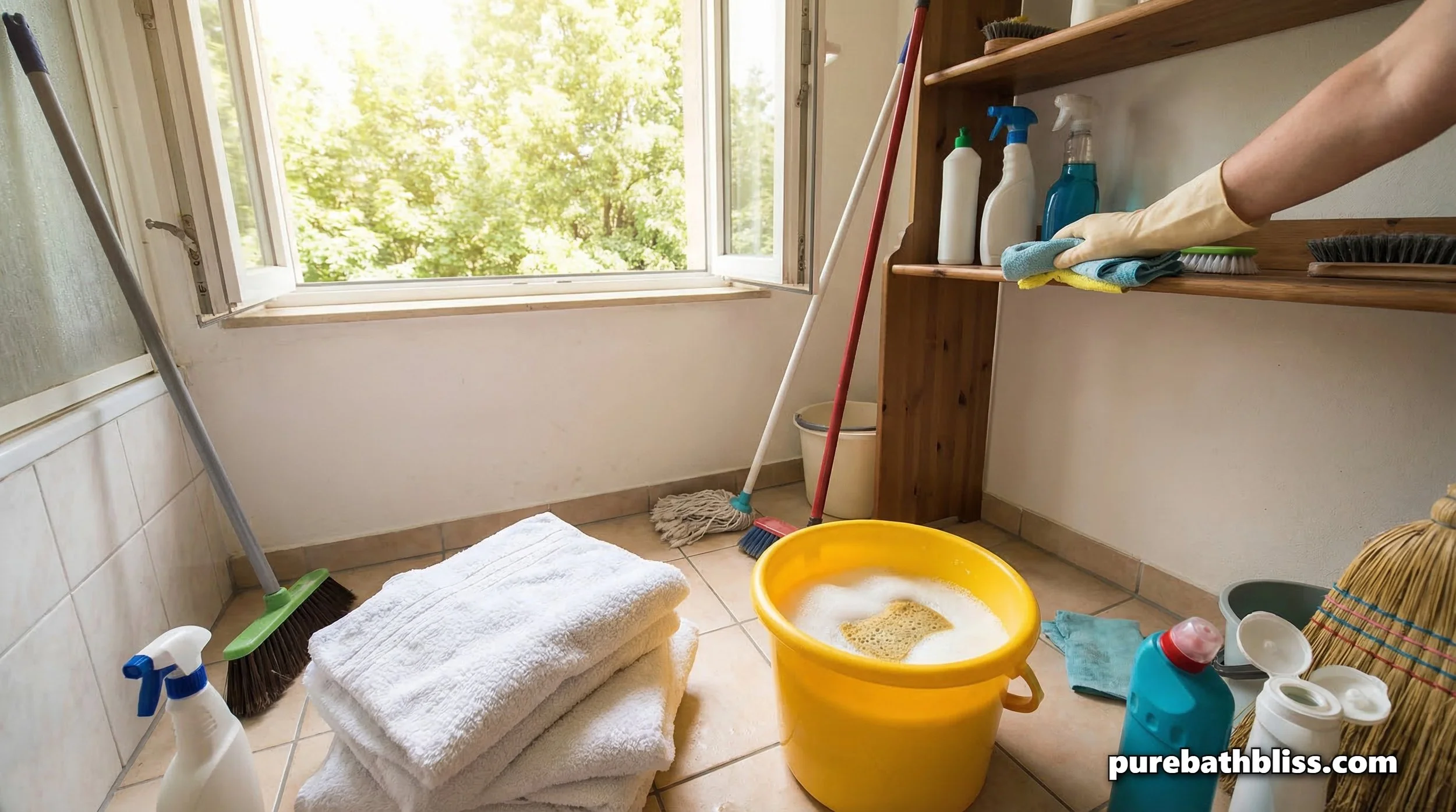
7 Tips for Spring Cleaning Your Bathroom
Spring cleaning is more than just a tradition; it is a vital part of home maintenance. In a bathroom, where moisture and daily use are constant, a deep clean once a year allows you to inspect the "bones" of the room. It is the time to look behind the vanity, check the seals, and clear out the dust that has settled in the hard-to-reach places.
If you have been following our recent guides, you know that keeping a bathroom in top shape is about more than just aesthetics. It is about protecting your infrastructure. When you let dust and grime build up, you are inviting moisture to settle and mold to grow. By taking a day to perform a thorough spring reset, you are extending the life of your tile, your fixtures, and your flooring.
Here are seven essential tips for spring cleaning your bathroom to ensure it remains a clean, functional sanctuary for the rest of the year.
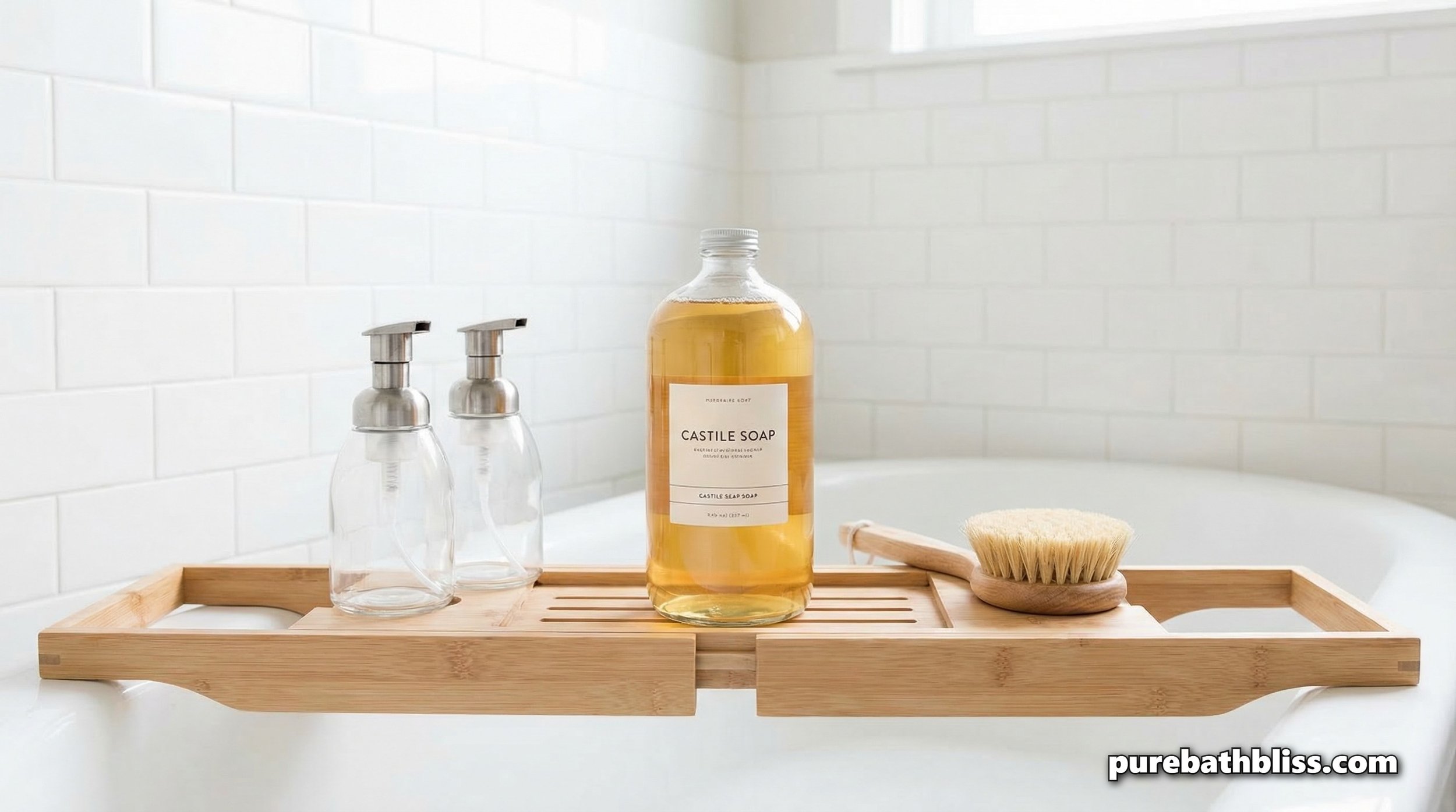
6 Brilliant Uses for Castile Soap in the Bathroom
In our quest to create a healthier, more sustainable home, we often overlook the simplest solutions. We tend to buy a different plastic bottle for every single task: one for the mirror, one for the floor, one for the toilet, and another for our skin. Not only does this clutter your cabinets, making it harder to stay organized as we discussed in How to Keep Your Guest Bathroom Simple, but it also fills your home with a cocktail of synthetic chemicals and artificial fragrances.
Enter Castile soap. Named after the Castile region of Spain where it was traditionally made with 100% olive oil, modern Castile soap is a concentrated, vegetable-based soap that is entirely biodegradable and non-toxic. It is the "Swiss Army Knife" of the cleaning world.
If you’ve already started simplifying your home, you might have seen our sister site's guide on 5 Brilliant Uses for Castile Soap in the Kitchen. But today, we are bringing this powerhouse into the bathroom. Because it is a true soap (made from fats and oils) rather than a synthetic detergent, it works differently than store-bought cleaners. It emulsifies dirt and oils, allowing them to be rinsed away without leaving behind the harsh residues that can damage your bathroom’s infrastructure.
Here are six brilliant ways to use Castile soap in your bathroom sanctuary.
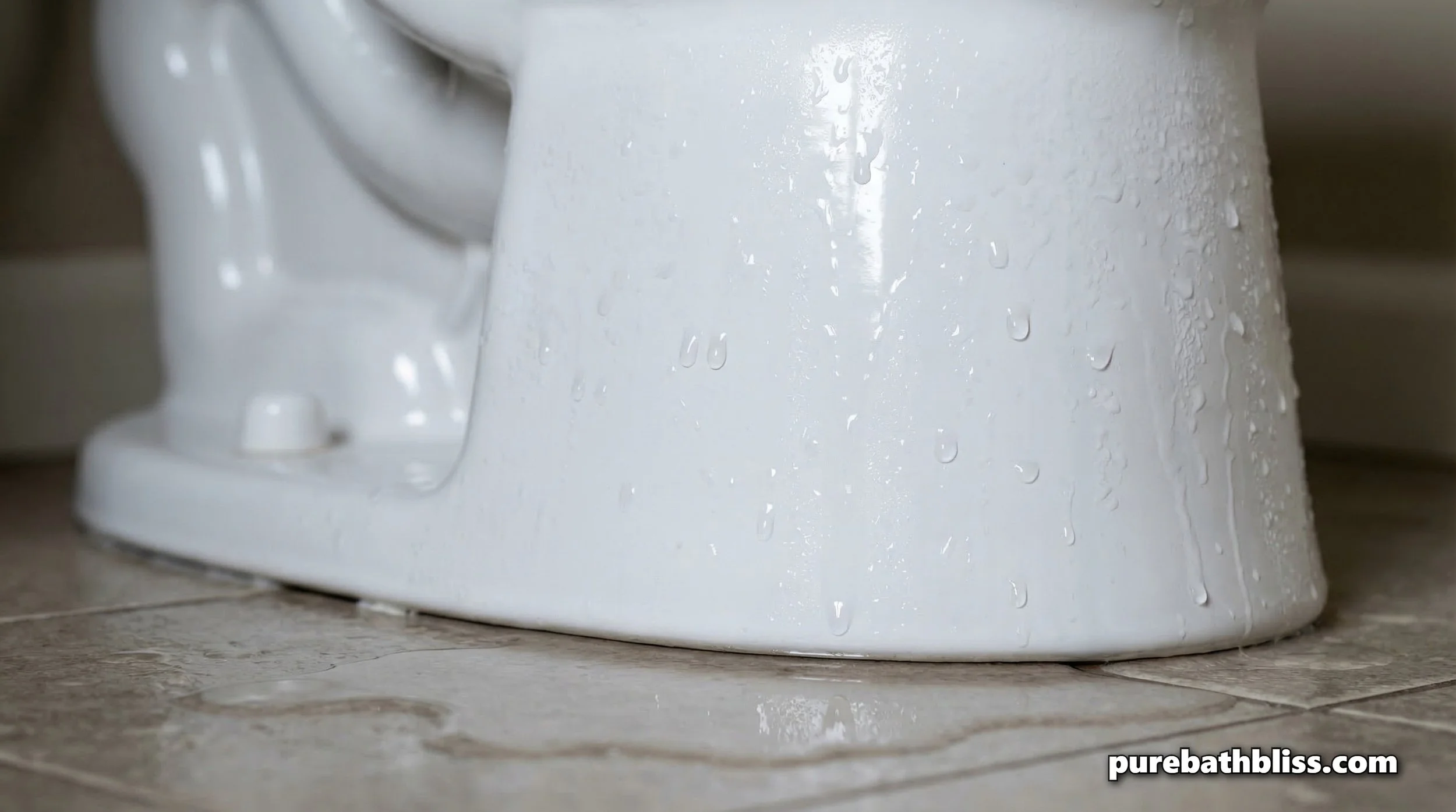
Why Is My Toilet Sweating?
If you have ever walked into your bathroom and noticed a puddle of water on the floor around the base of the toilet, your first thought is likely a leak. You check the wax ring, you check the supply line, but everything seems dry. Then you look up and see the entire outside of the porcelain tank covered in beads of water.
This is what we call a "sweating toilet," and while it looks like a small problem, it is actually a major threat to your home’s infrastructure. In a bathroom, moisture is the enemy of longevity. If your toilet sweats every day, that water is constantly dripping onto your floor, soaking into your grout, and potentially rotting the subfloor beneath your tile.
As we discussed in Why Your Bathroom Floor is Working Harder Than You Think, your floor is designed to handle some surface water, but it is not designed to be a permanent sponge for a dripping tank. In this guide, we are going to look at the science of why toilets sweat and the simple steps you can take to keep your bathroom dry and safe.