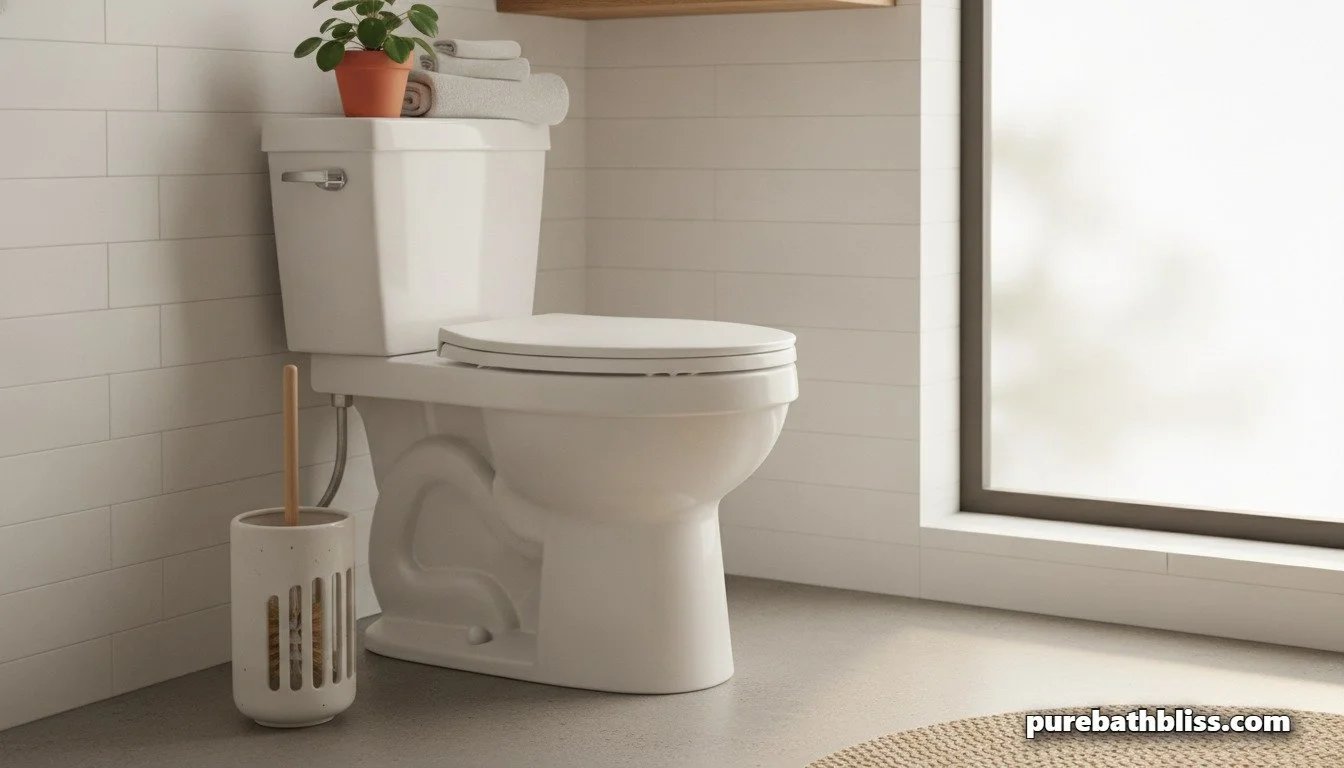
How to Choose an Eco-Friendly Toilet Brush That Won't Harbor Bacteria
Let me be straight with you, this is not the most glamorous topic I've ever written about. But after four kids and years of renovating bathrooms for clients, I can tell you that the toilet brush is one of the most overlooked hygiene problems in the average home. We spend money on fancy soaps, designer fixtures, and quality tile, and then we shove a bacteria-soaked plastic brush into a dark, damp holder and forget about it for six months.
When my wife and I started making more intentional choices about what we brought into our home, the toilet brush came up surprisingly fast. The standard plastic brush isn't just bad for the environment, it's actually worse for hygiene than most people realize. And switching to an eco-friendly option isn't just a feel-good move. Done right, it's a genuinely cleaner choice. Here's everything you need to know to pick the right one
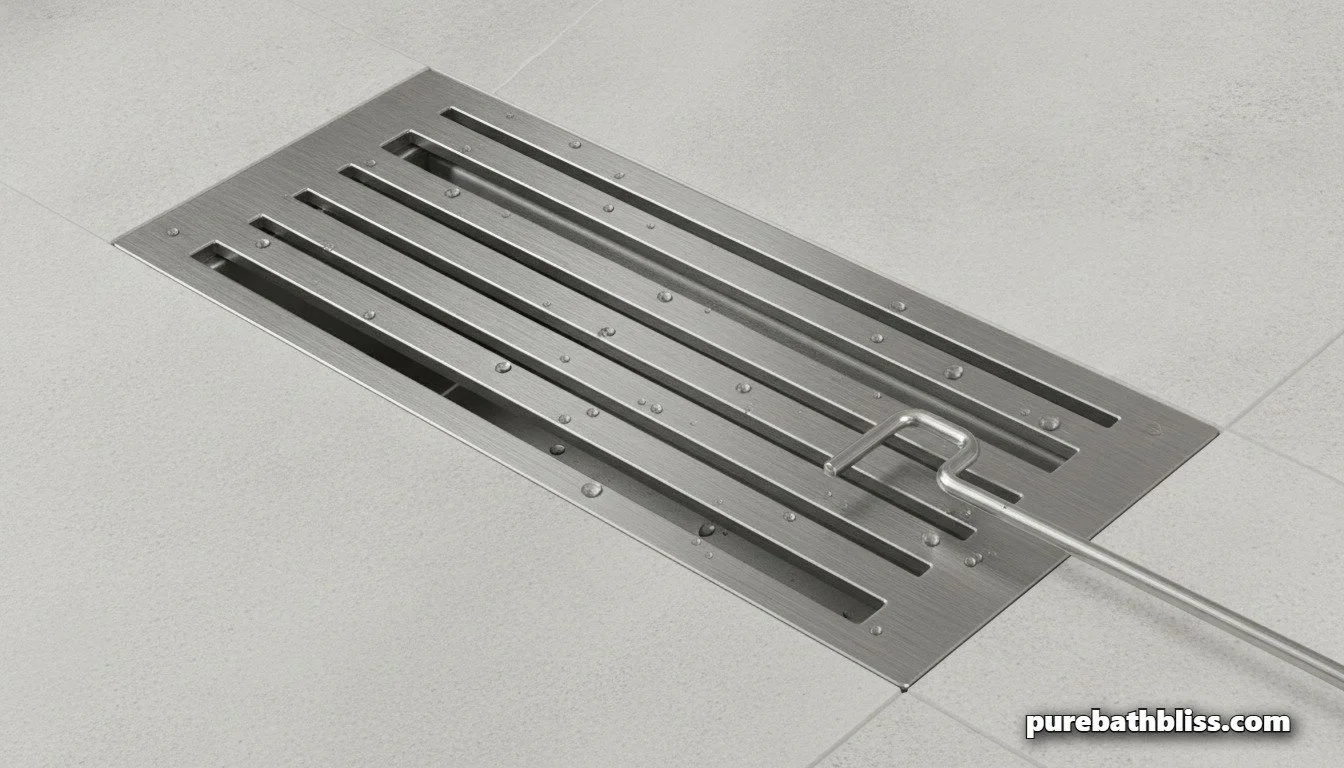
The Linear Drain Dilemma: Gorgeous Design vs. Hidden Maintenance
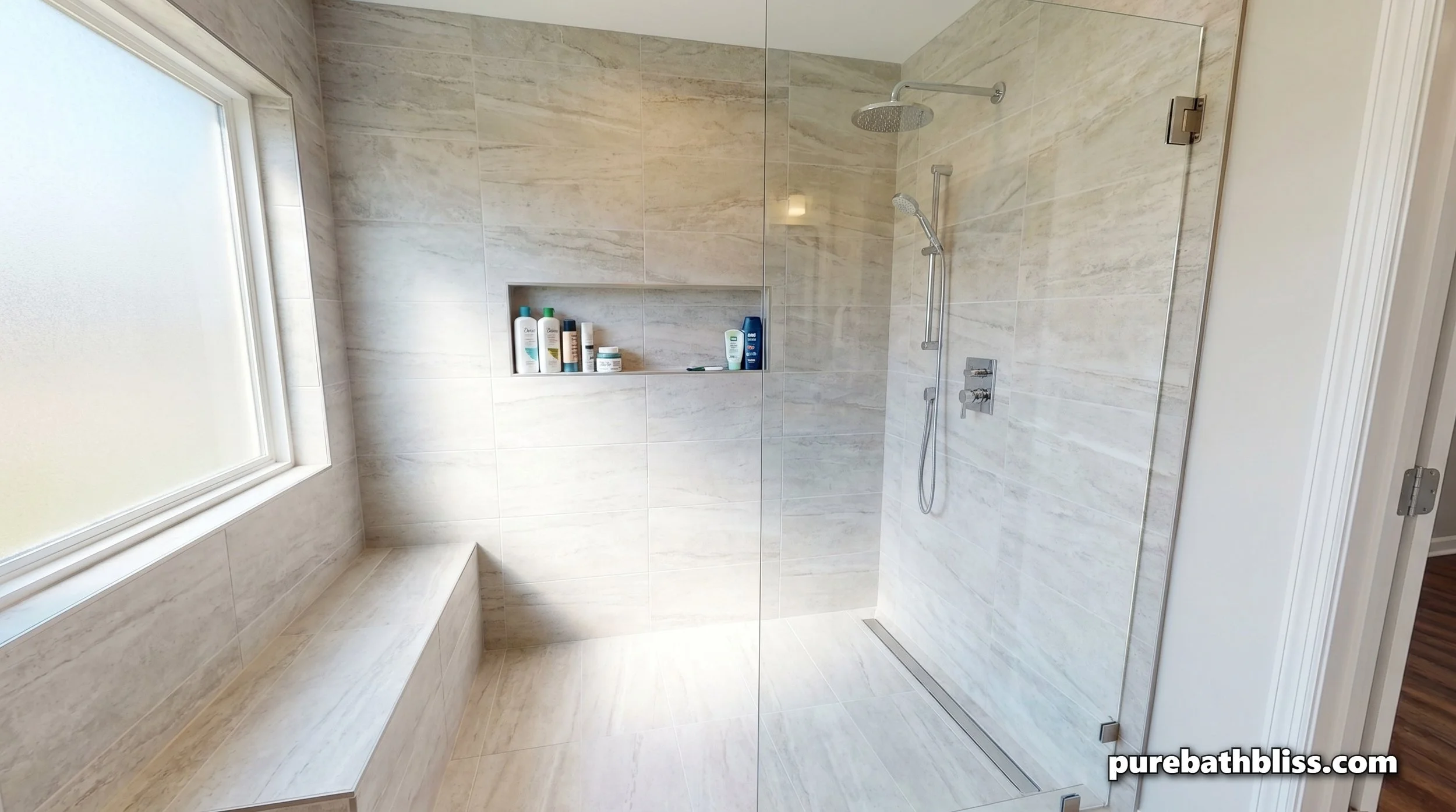
If you have chosen a curbless walk-in shower for your home, you likely fell in love with the seamless, architectural look of a linear drain. Unlike traditional center strainers that force you to cut floor tiles into a sloping bowl, a linear drain sits flush along the wall or threshold. It allows for a continuous, uninterrupted floor design that epitomizes the high-end spa aesthetic.
However, once you begin using the space daily, a major "lightbulb moment" occurs: Linear drains do not clean themselves, and they trap hair across a much wider surface area than a standard drain. Because the collection channel is long and shallow, water moves more slowly across it, creating a prime environment for hair strands, body oils, and organic conditioners to mingle. Left unmanaged, this combination creates a sticky bacterial film known as biofilm, which triggers slow drainage and a musty odor.
As your home care expert, I want to ensure your architectural shower stays truly pristine. Here is the quick weekly maintenance routine to keep your linear drain functioning flawlessly and entirely odor-free.
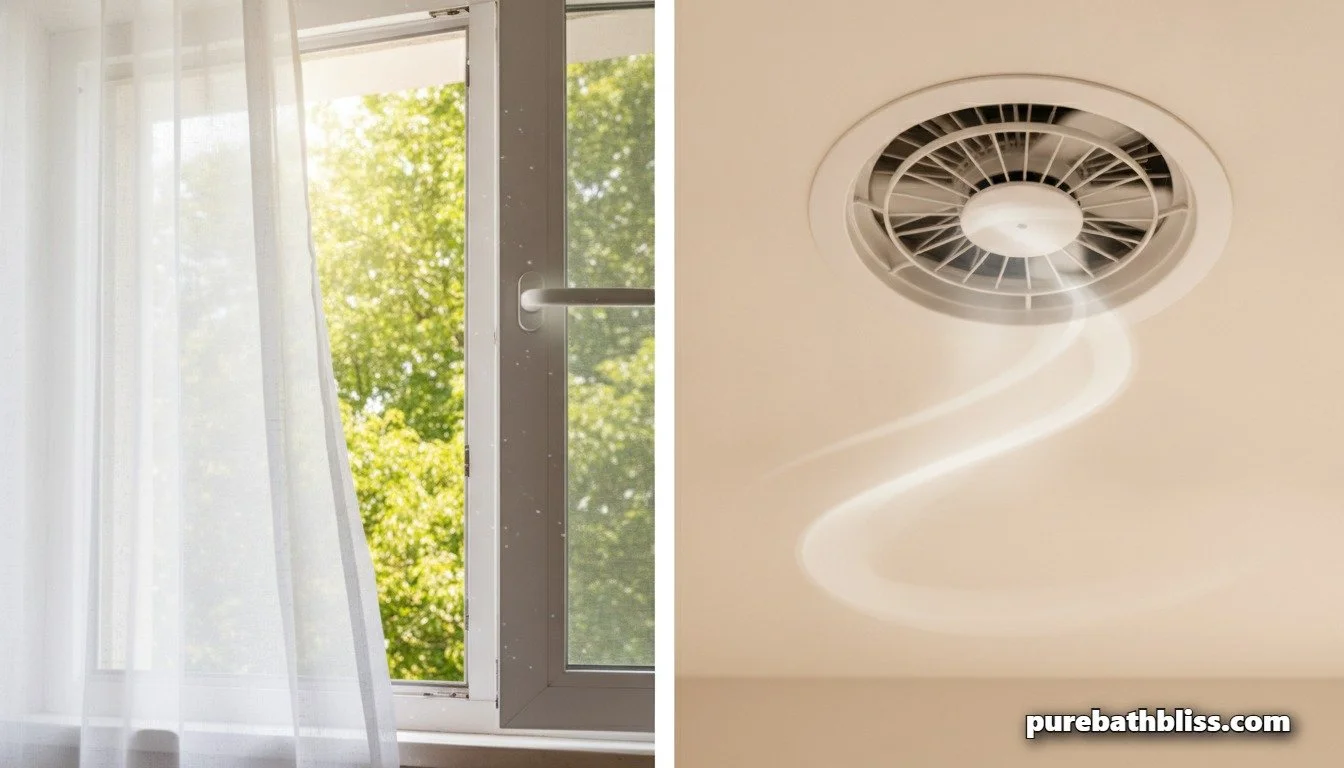
The Cheapest Way to Prevent Bathroom Mold and Mildew
When summer humidity peaks, bathroom mold and mildew become an ongoing battle. Spores thrive in the damp, stagnant air left behind after a hot shower, quickly turning pristine grout lines and corners into a breeding ground for respiratory irritation and allergy flare-ups.
Most people immediately turn to Google to hunt down expensive dehumidifiers, heavy-duty air purifiers, or costly chemical treatments to fix the problem. But the absolute cheapest, most effective way to protect your bathroom infrastructure doesn't cost a single dime. The ultimate solution lies in simply optimizing and managing the fixtures you already own.
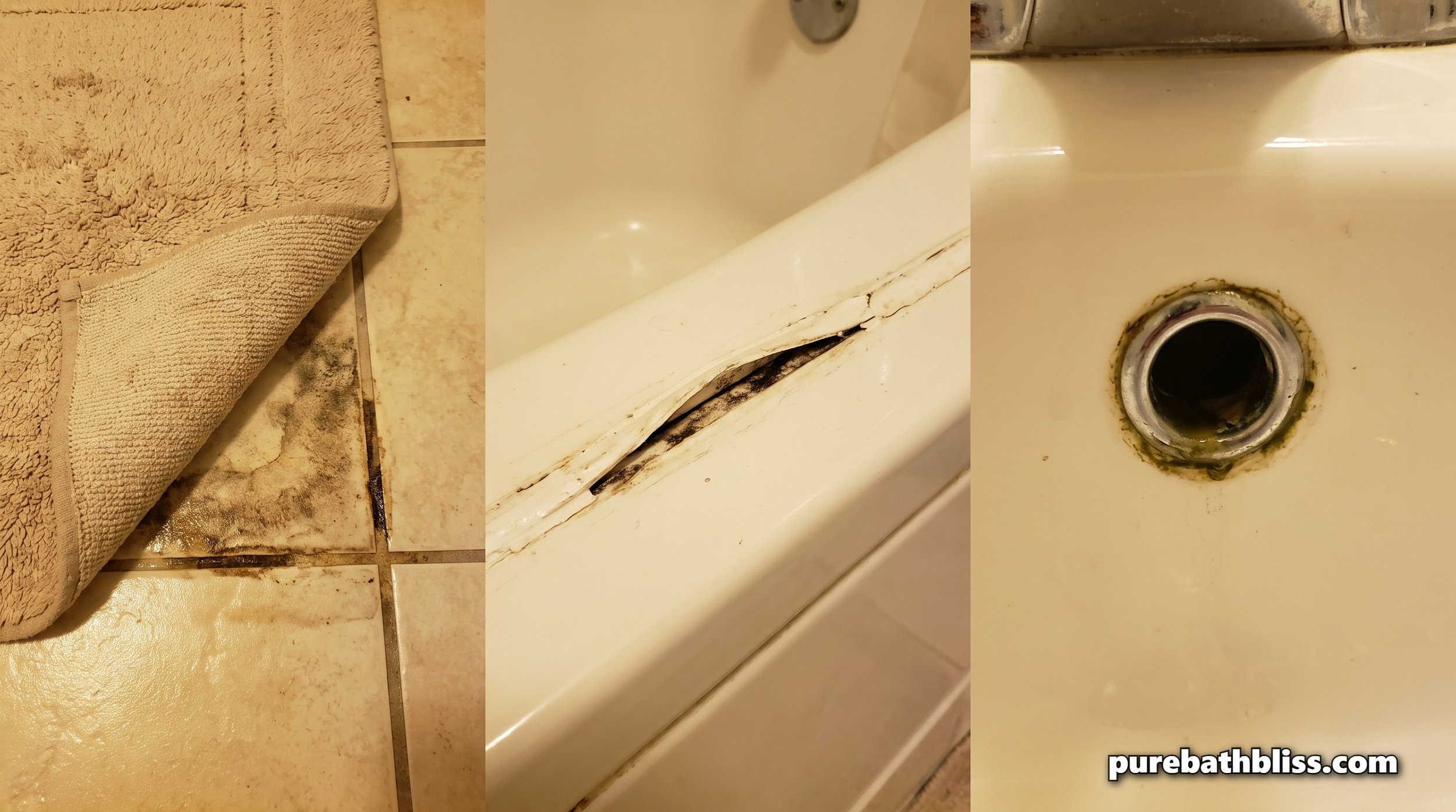
Summer Bathroom Problems: How to Fix Humidity, Mold, Pink Slime, and Condensation
Summer is the hardest month on a bathroom. Outdoor humidity is at its annual peak, the bathroom is being used more frequently, and the combination of heat, moisture, and reduced temperature differential between surfaces means mold establishes faster and spreads further than at any other time of year. Here is the complete guide to the five most common summer bathroom problems, what each one actually is, and the specific fixes that address the cause rather than the symptom.

Why Are There Tiny Flies in My Bathroom in Summer? (And How to Get Rid of Them)
The small flies appearing in your bathroom every summer are not random. Each species has a specific breeding source, a specific appearance, and a specific fix. Identify which one you have and you can eliminate them in a week using nothing more than boiling water, vinegar, and a drain brush.
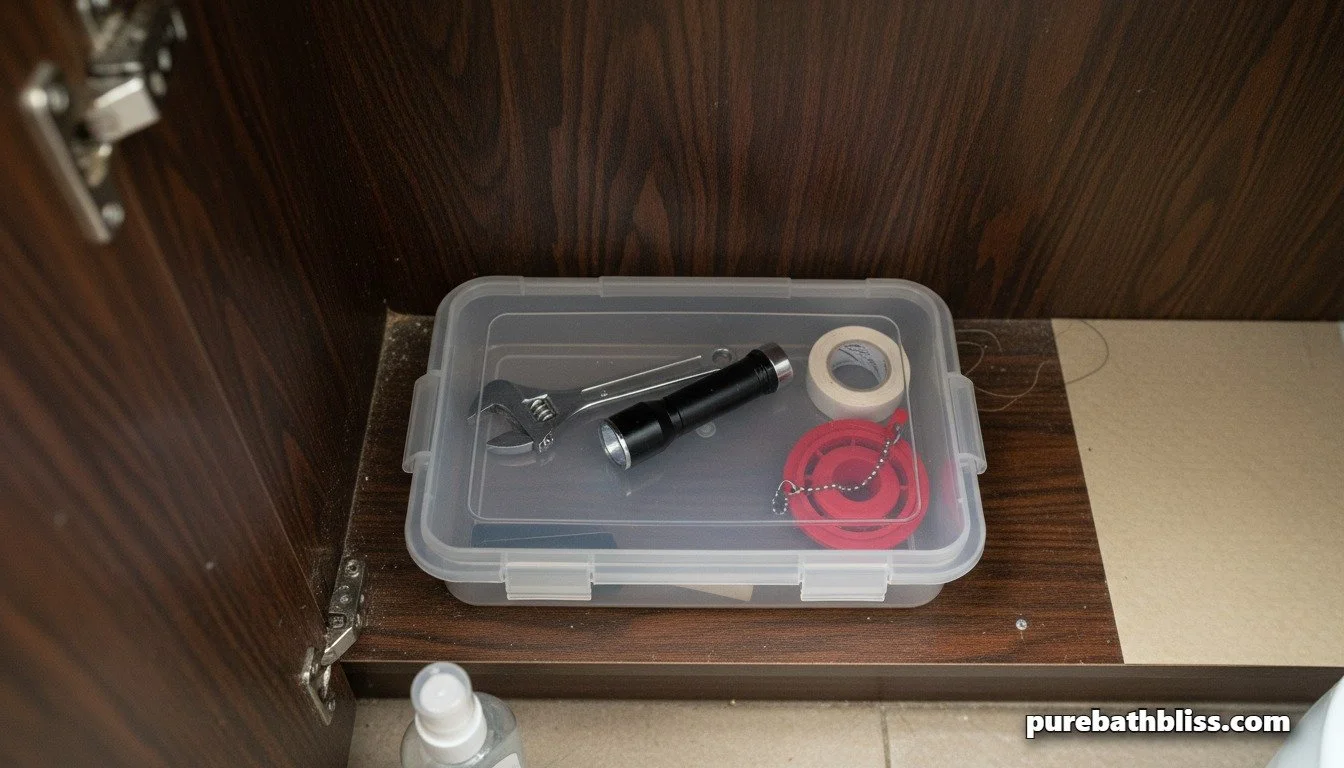
The Bathroom Emergency Kit: Protecting Your Home’s Infrastructure
In my years as a builder, I’ve noticed that most homeowners are reactive rather than proactive. They wait for a pipe to pinhole or a toilet to overflow before they start looking for a wrench. But in 2026, high-performance home ownership is about "Infrastructure Insurance."
If a leak starts at midnight, your organized vanity drawers won't help you if they don't contain the right tools. A "Bathroom Emergency Kit" is a small, dedicated bin tucked into the back of your cabinet that contains everything you need to stop a minor issue from becoming a major renovation.
Here are the 7 essential items I recommend hiding behind your vanity to protect your home’s "Internal Infrastructure."
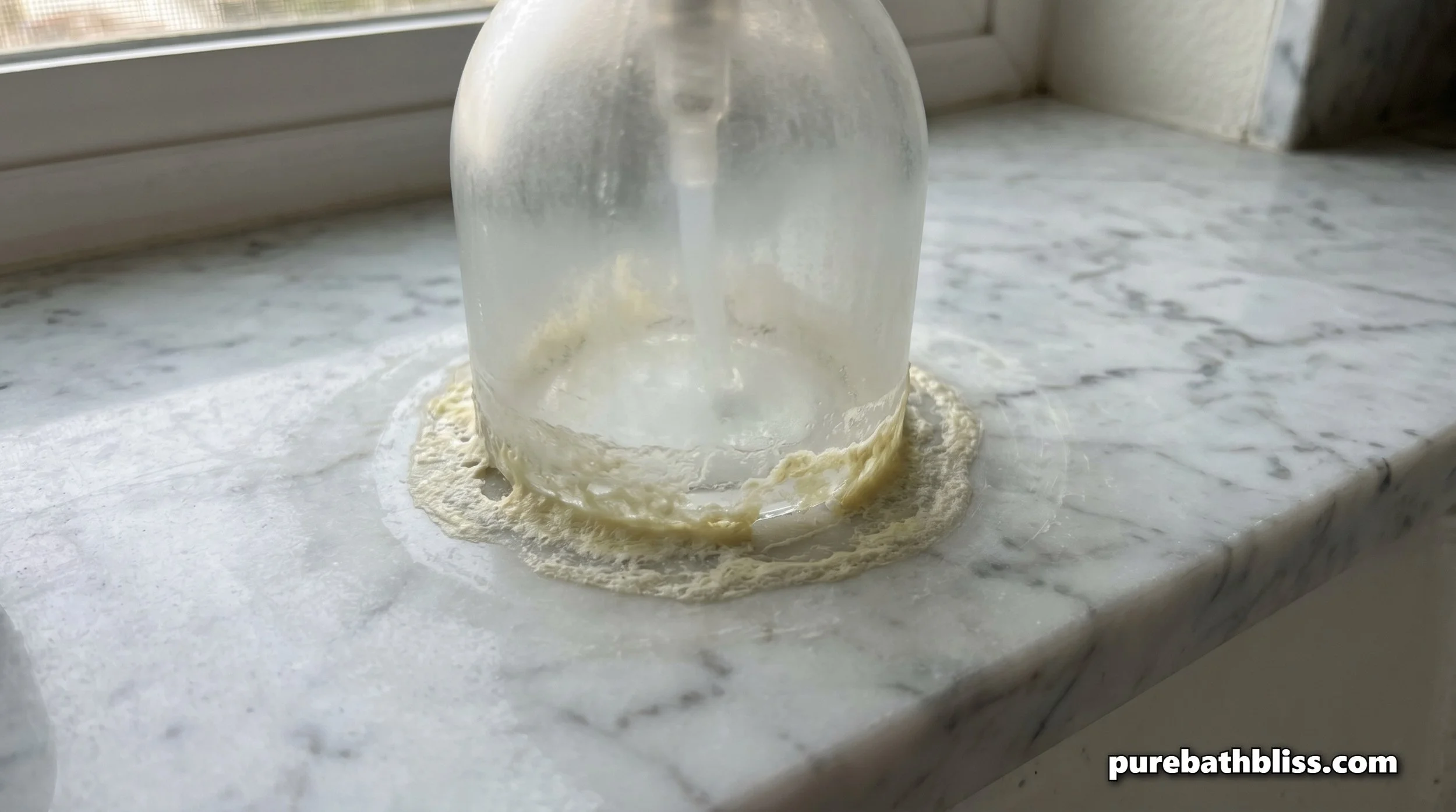
The Cost of Residue: Why Soap and Shampoo Are Silent Surface Killers
In the world of home maintenance, we often view soap scum as a mere aesthetic nuisance, a cloudy film that makes a shower look "unclean." But as a builder, I view soap and shampoo residue as a chemical threat to your bathroom’s "Internal Infrastructure." Most modern liquid soaps and shampoos contain surfactants, oils, and synthetic fragrances that are designed to be rinsed away immediately. When they sit on a surface, they become a corrosive "bio-film."
In 2026, we are seeing more high-end finishes like brushed brass fixtures and natural stone. These materials are particularly vulnerable to the long-term effects of "standing soap." Whether it’s on your counter, your shower floor, or the rim of your tub, leaving residue to sit is the fastest way to degrade the sealers and finishes you’ve invested in.
Here is why the "Post-Shower Rinse" is the most important 30 seconds of your daily routine.
High-Performance Grout: The End of Scrubbing
In traditional construction, grout is often the "weak link" of the bathroom. Most standard cement-based grouts are porous, meaning they act like a hard sponge that absorbs water, soap scum, and pink slime bacteria. As a builder, I’ve spent more time answering questions about "how to clean grout" than almost any other topic.
But in 2026, we’ve moved past the era of porous cement. If you want a bathroom that stays pristine with minimal effort, you need to upgrade your "Grout Infrastructure" to High-Performance Epoxy or Urethane. These materials aren't just fillers; they are liquid plastics and resins that create a 100% waterproof, stain-proof barrier.
Whether you are pairing them with a seamless microcement bathroom finish or traditional tile, choosing the right grout is a "Builder-Grade" decision that will save you years of scrubbing.

4 Genius Bathroom Hacks Using Shampoo: The Surfactant Secret
Most people think of shampoo as a personal care product, but in the world of professional maintenance, it is actually a highly sophisticated surfactant. It is engineered to trap oils and rinse them away without damaging organic fibers. As a builder, I’ve found that this exact chemistry makes it the ultimate "SpongeHack" for high-end bathrooms.
If you have brushed brass fixtures or a modern microcement shower, you know that standard acidic cleaners can be too aggressive. They can eat through the sink seals and dull the finish of your hard work.
In 2026, the trend is toward "Safe-Scrub" methods that utilize what you already have in your linen closet. Here are 5 ways to use a bottle of shampoo to maintain your bathroom infrastructure.
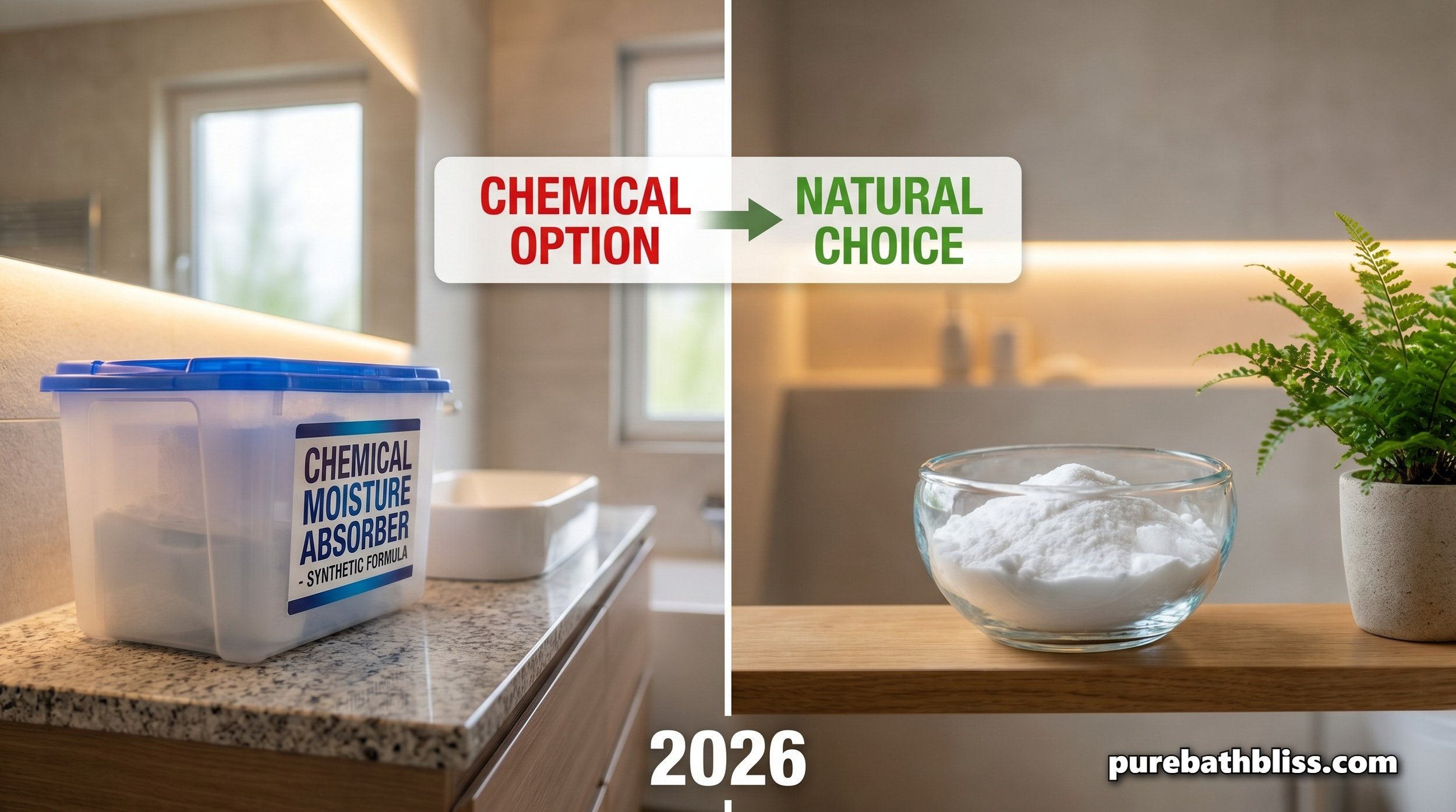
The Dry Baking Soda Sweep: The Ultimate Bathroom Moisture Hack
In the world of home maintenance, moisture is the ultimate enemy of "Internal Infrastructure." As a builder, I’ve seen thousands of dollars in custom cabinetry ruined by a simple, silent culprit: high humidity trapped in enclosed spaces. Whether it’s a deep vanity drawer or a cramped linen closet, moisture settles in these "dead zones," leading to warped wood, peeling liners, and that unmistakable musty smell.
Most people reach for a spray or a candle to mask the odor, but in 2026, we are focused on the source. If you want to maintain the psychology of a clean bathroom, you have to manage the humidity levels inside your storage.
Enter the "Dry Baking Soda Sweep." This is a classic hack that utilizes the chemical properties of Sodium Bicarbonate to act as a non-toxic desiccant. It’s the cheapest "Builder-Grade" fix for protecting your bathroom’s cabinetry and linens.

The Mirror Rot Protocol: How to Fix and Hide "Black Edges"
It starts as a tiny dark speck in the corner, and before you know it, a jagged, black "rot" is creeping across the edges of your bathroom mirror. In the construction industry, we call this desilvering. As a builder, I see this in almost every home over ten years old, and while it looks like a catastrophic failure of your bathroom "Infrastructure," it’s actually a very common chemical reaction.
Your mirror isn't just a piece of glass; it’s a high-performance sandwich. The back of the glass is coated with a thin layer of silver (which creates the reflection) and then sealed with a protective layer of copper and paint. When moisture or harsh chemicals penetrate that protective backing, the silver begins to oxidize, literally rusting away and leaving those ugly black edges behind.
If you’ve been working on the psychology of a clean bathroom, those black spots can be incredibly frustrating. They make a clean space feel neglected. Today, I’m going to show you the professional ways to stop the spread, hide the damage, and prevent it from happening to your new mirrors.
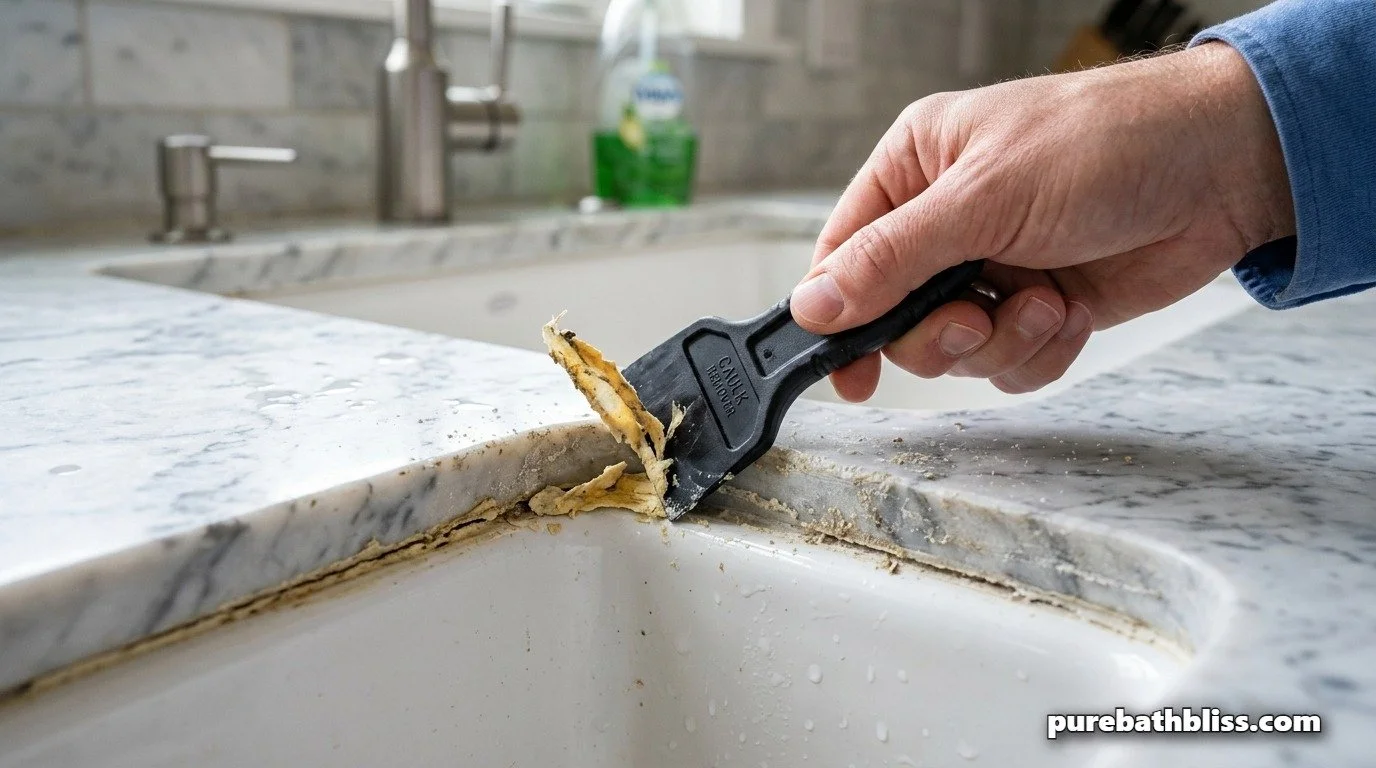
How to Recaulk Your Bathroom Sink: The 15-Minute Moisture Seal
In the world of home maintenance, "Infrastructure" isn't just about the pipes you can see under the cabinet; it’s about the invisible seals that keep water where it belongs. As a builder, the most common "hidden" damage I see in bathrooms is rotting vanity carcases and crumbling drywall caused by a failed bead of caulk around the sink rim.
When that thin line of silicone cracks or peels, water from every hand wash and face scrub seeps underneath the basin. This creates a dark, damp "petri dish" for pink slime bacteria and structural rot. If you've noticed the edges of your sink looking yellow, black, or pulling away, your first line of defense is a fresh, professional-grade seal.
You don't need a plumber for this. Recaulking a sink is a high-impact, low-cost "reset" that immediately elevates the psychology of a clean bathroom. Here is the professional "no-mess" method for recaulking your sink to achieve a builder-grade finish.
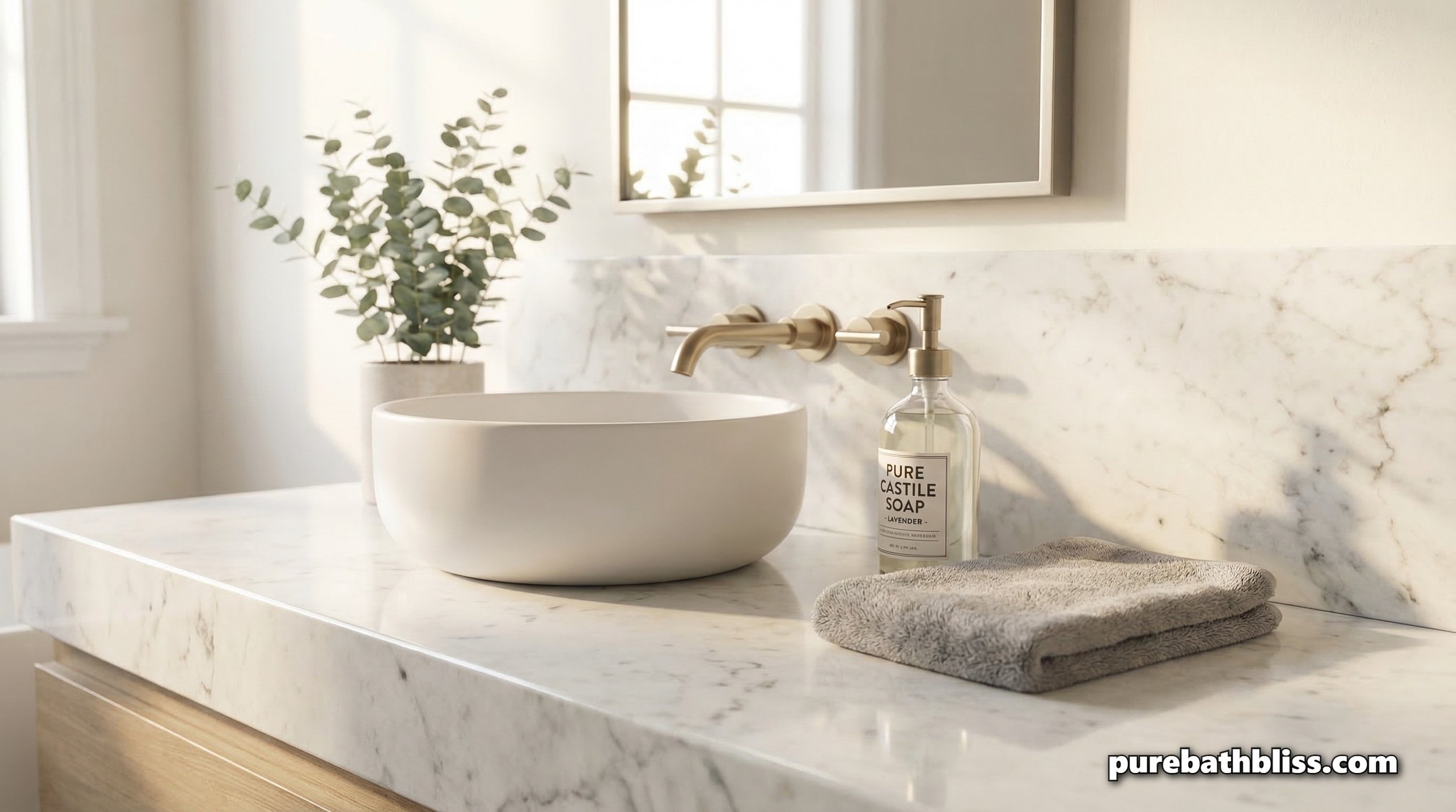
Can I Use Castile Soap to Clean Travertine and Marble Vanities?
When you invest in a natural stone vanity, whether it is the warm, earthy tones of travertine or the classic, veined elegance of marble, you are adding a piece of the earth to your bathroom infrastructure. However, these stones come with a "manual" that most homeowners ignore. Natural stone is porous, sensitive, and incredibly easy to ruin with the wrong cleaner.
The short answer is yes, you can use Castile soap to clean travertine and marble, and in many cases, it is actually the best choice you can make. While many "all-purpose" bathroom cleaners contain acids that eat away at the stone, Castile soap is a gentle, alkaline-based cleaner that respects the delicate chemistry of natural rock.
In this guide, we will explore the science of why stone reacts to certain cleaners, how to use Castile soap effectively without leaving streaks, and how to protect your investment for decades.
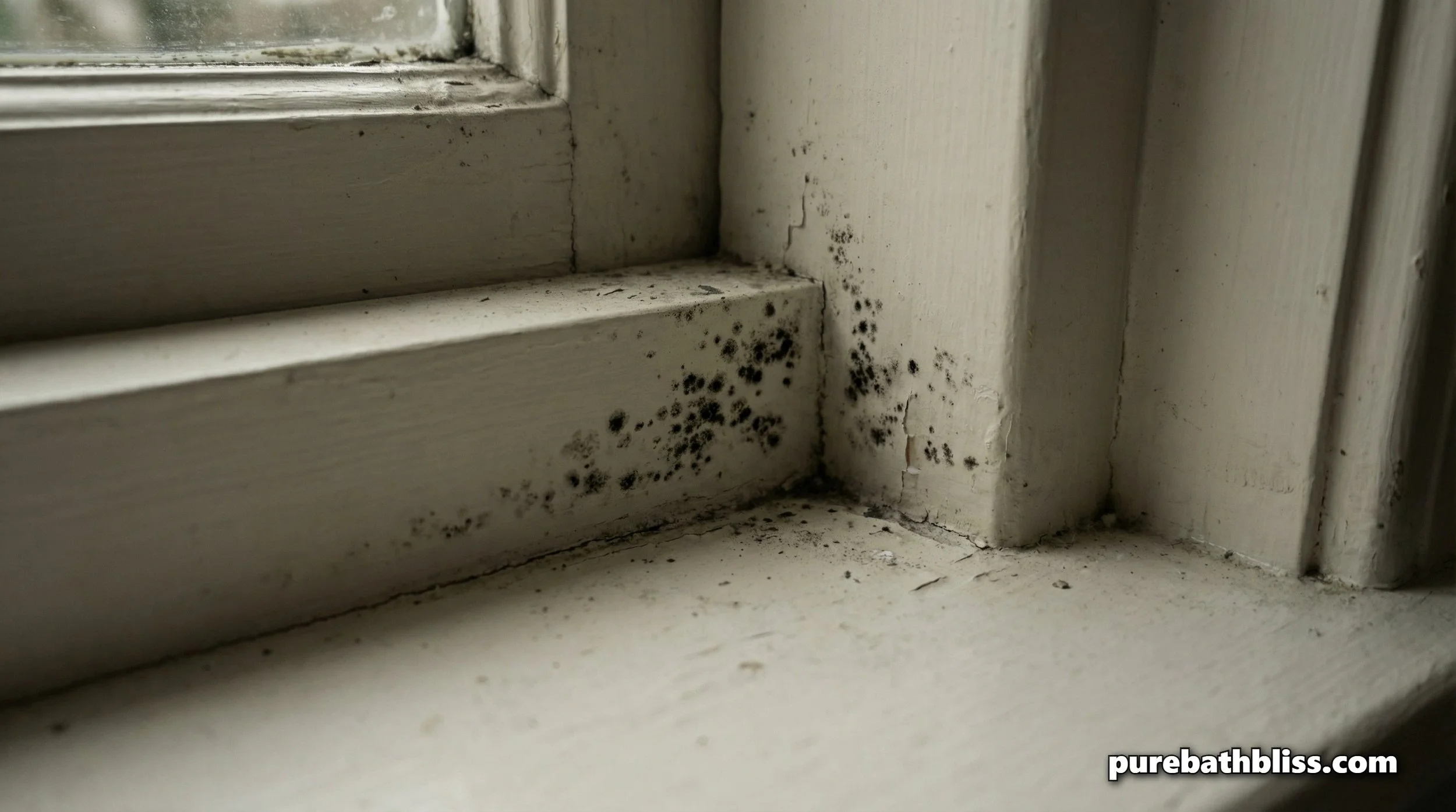
Why is There Black Stuff on My Windowsill? (And How to Fix It)
We have all been there: you are performing a morning wipe-down, perhaps tending to your How to Waterproof Your Bathroom Plants, and you notice those persistent black specks or smears on the windowsill. It is disheartening, especially in a space you have worked hard to keep clean.
That "black stuff" is rarely just dust. More often than not, it is a combination of mold and mildew thriving in a micro-environment that is perfectly suited for its growth. While it is easy to assume this means your home is "dirty," it is actually a sign of a structural and environmental imbalance. In a Sustainable Sanctuary, we don't just scrub the symptoms away; we treat the conditions that allow the mold to exist in the first place.
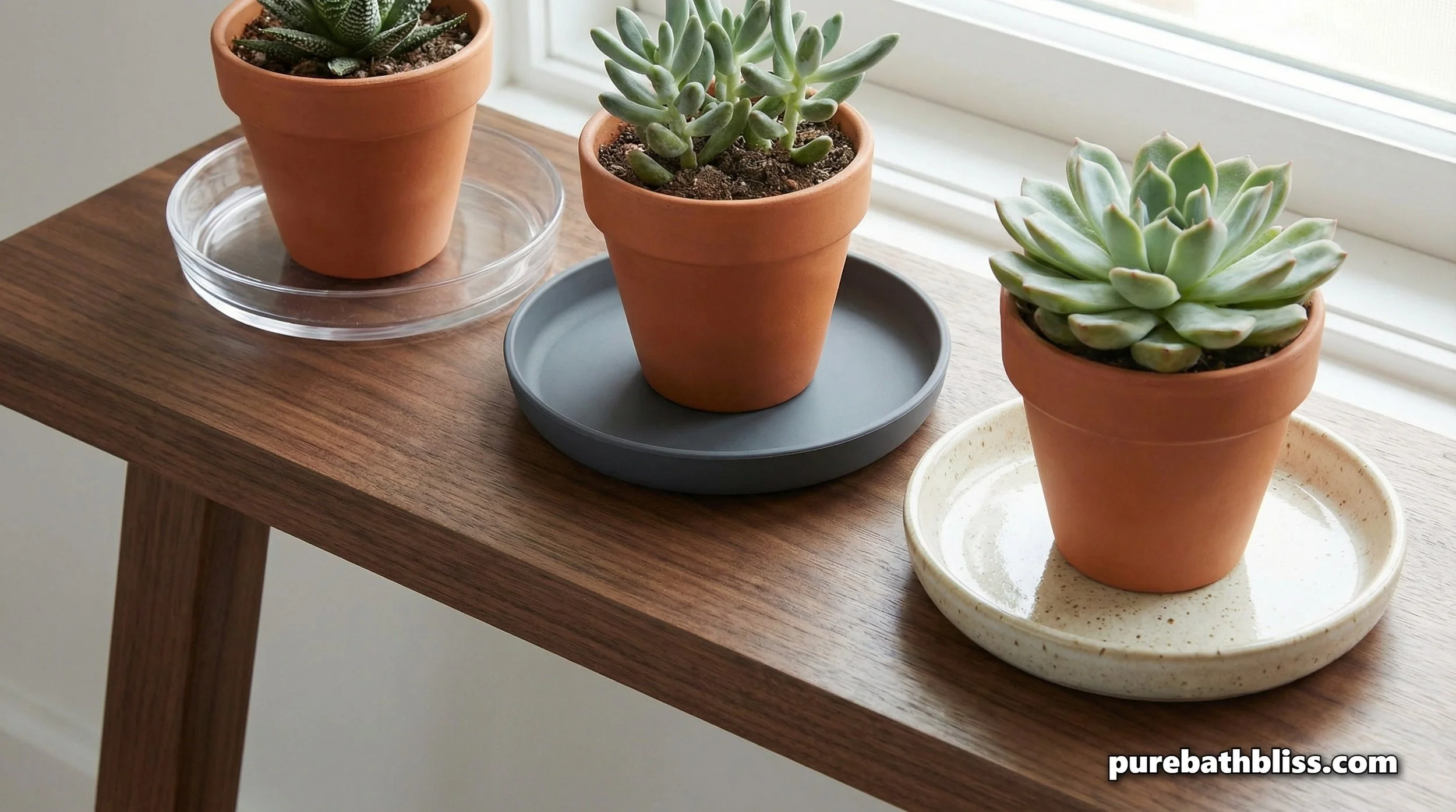
The Lush Sanctuary: How to Waterproof Your Bathroom Plants
A bathroom filled with greenery is the ultimate expression of a Sustainable Sanctuary. The humidity naturally mirrors the environment many tropical plants crave, turning a sterile space into a restorative living room. However, there is a technical friction between the "lush life" of a plant and the delicate infrastructure of your home. As a builder, I have seen far too many custom vanities and wooden shelves ruined by the slow, insidious "wicking" of water trapped beneath a decorative pot.
You do not need to choose between a verdant, thriving plant collection and the integrity of your cabinetry. By treating your plant setup as a mechanical system, where drainage and moisture barriers are prioritized, you can enjoy the growth without the risk of rot, mold, or bubbling paint.

The Sanctuary Reset: A Seasonal Guide to Deep-Cleaning Your Bathroom
When the seasons shift, our homes feel the change. After months of damp, cold winters, our bathrooms often bear the brunt of the humidity. With windows shut tight and steam constant, the air becomes heavy, and the room's materials, grout, caulk, ventilation fans, are pushed to their limits. Spring is the perfect time to perform a "Sanctuary Reset."
This is not simply about wiping down a mirror; it is about tending to the hidden infrastructure of your bathroom. We are focusing on ventilation efficiency, the integrity of structural seals, and the health of your drainage, the "bones" of your space. These elements keep your bathroom resilient, fresh, and free from the hidden stressors that can lead to long-term wear. By focusing on these deep-maintenance tasks, you are curating a resilient sanctuary that supports your wellness all year long.