The Science of the Morning Cold Plunge: Transforming Your Shower Ritual
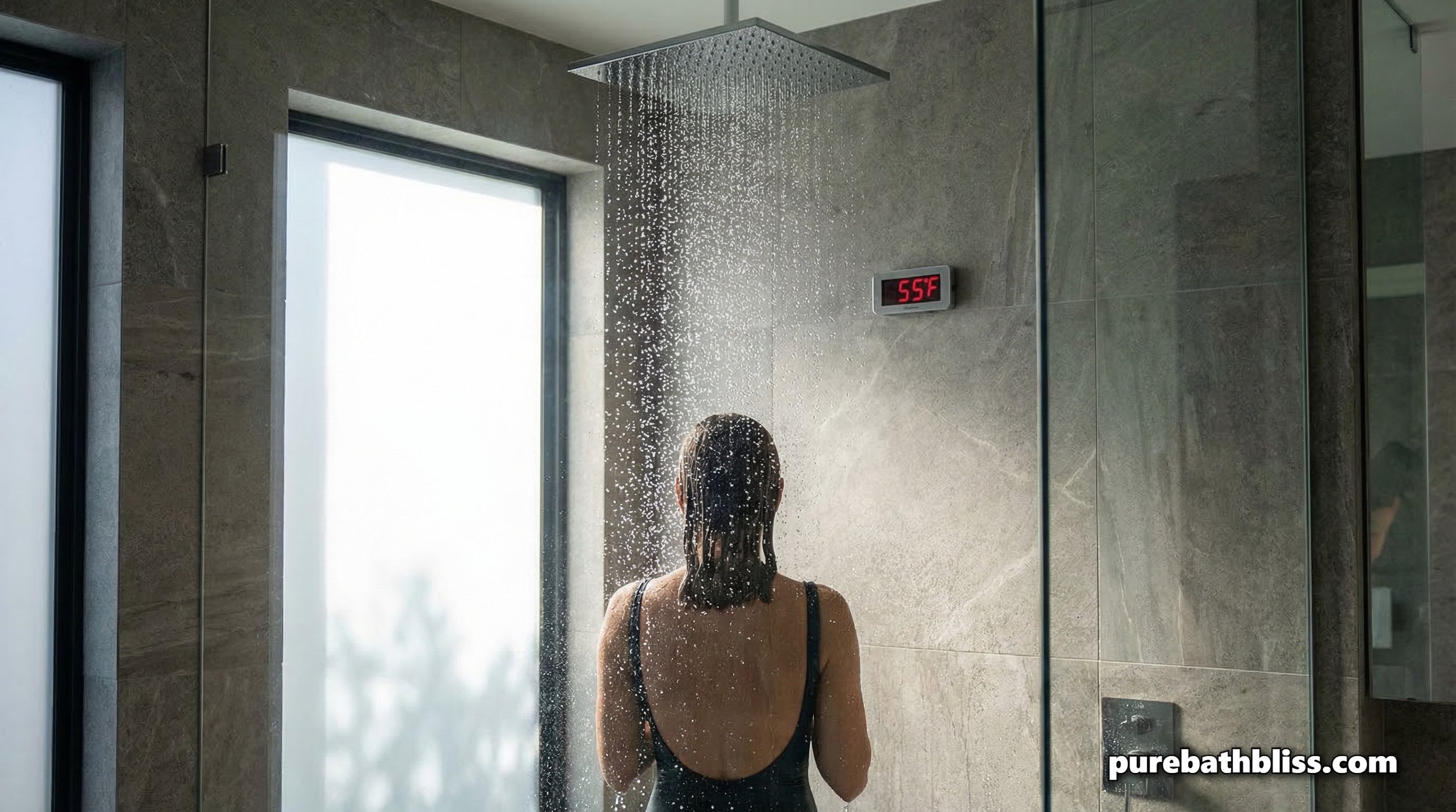
In 2026, the bathroom has evolved into a "Bio-Hacking Station." While we once viewed the shower as merely a place to wash away the day’s grime, we now understand it as a powerful tool for regulating our nervous system. The most significant trend in modern wellness is the "Cold Plunge", specifically, the deliberate practice of ending your morning shower with 60 to 90 seconds of cold water.
The science behind cold thermogenesis is robust. It isn't just about "waking up"; it’s about a physiological reset that triggers the release of norepinephrine and dopamine, providing a mental clarity that lasts for hours. However, to make this practice sustainable and safe, you have to understand the impact it has on your body and your bathroom's environment.
In this guide, we will explore the "hormetic stress" of cold water, how it ties into the Psychology of a Clean Bathroom, and the infrastructure you need to support a high-performance morning routine.
The Physiology of "Hormetic Stress"
Hormesis is the biological phenomenon where a brief, controlled exposure to a stressor (like cold water) results in a net benefit to the organism. When the cold water hits your skin, your body enters a "fight or flight" state for a split second. Your heart rate increases, and your breath catches.
As you push through the initial shock, your body begins to adapt. This strengthens your "Vagal Tone", the health of your vagus nerve, which is responsible for how quickly you can return to a state of calm after a stressful event. By starting your day with a cold plunge, you are essentially "training" your brain to stay calm under pressure. This mental fortitude is a key part of The January Reset: A 5-Day Non-Toxic Bathroom Detox Guide, where we focus on removing internal and external toxins.
From Shower to Sanctuary: Taking the Next Step
For many, the morning cold shower is the "gateway drug" to cold therapy. Once you experience the sustained dopamine baseline that comes from a 60-second blast, you may find that a standard shower isn't deep enough to get the full vagus nerve stimulation you desire.
If you find yourself craving a true 3-minute immersion to trigger deep-tissue recovery, you might be ready for a dedicated setup. We have already vetted the best infrastructure for this in our guide to the 3 Best Indoor Cold Plunge Tubs for Your Bathroom Sanctuary. These units allow for full vertical immersion, which is the gold standard for cold thermogenesis.
1. Managing the "Vapor Shift"
A cold plunge creates a unique environmental challenge for your bathroom. When you switch from a hot, steamy shower to a cold blast, the temperature of the air in the room drops rapidly. This can cause immediate condensation on your walls and mirrors.
As we discussed in Drying Out Your Bathroom: The Post-Soak Protocol, managing this moisture is critical. The sudden drop in temperature can make your exhaust fan work harder to clear the humid air. If your fan isn't up to the task or is making a rattling noise, you must address it. Refer to Why Is My Bathroom Fan Vibrating? to ensure your ventilation can handle the rapid atmospheric changes of a "Hot-to-Cold" shower cycle.
2. The "Dopamine Baseline" Effect
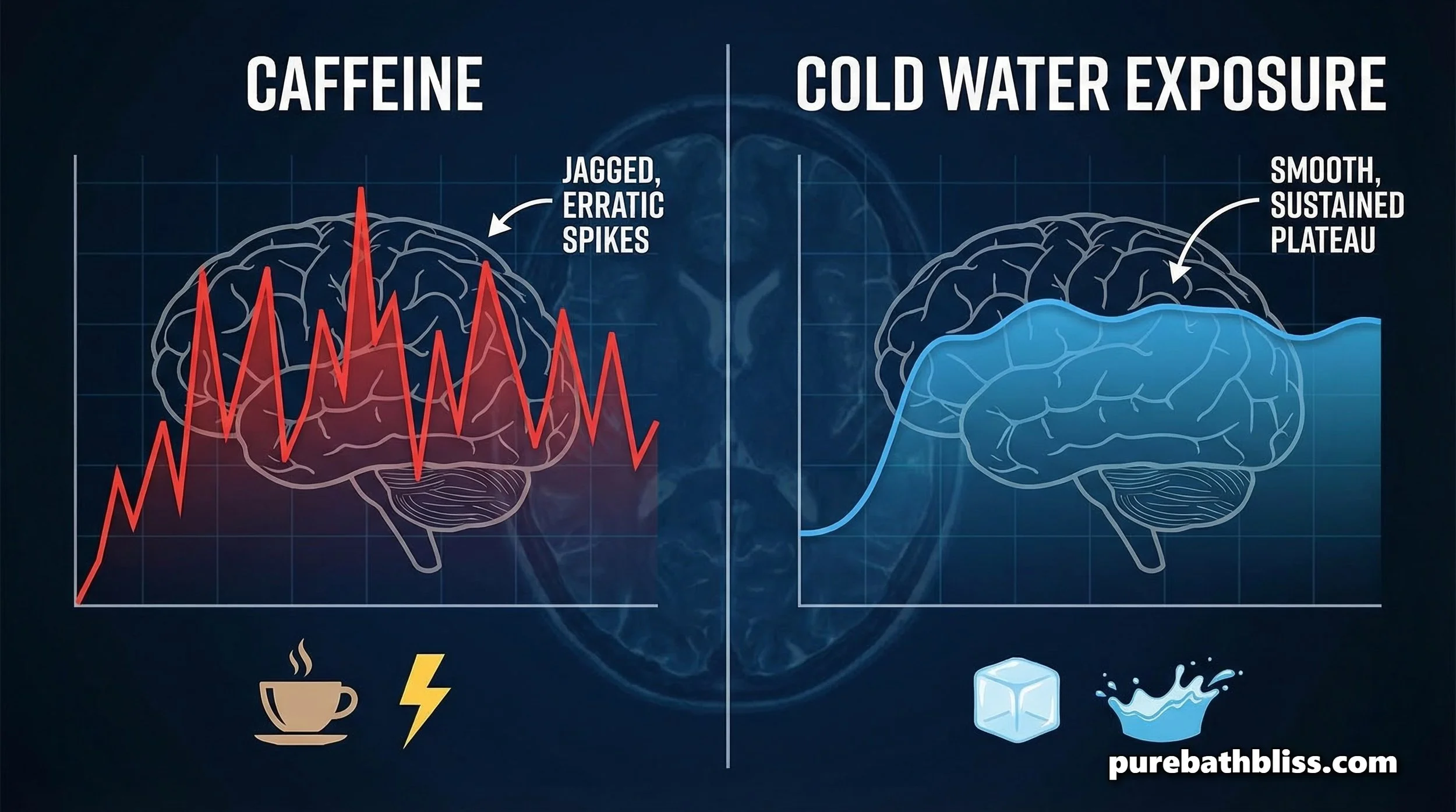
Unlike caffeine, which provides a sharp spike and a subsequent crash, cold exposure has been shown to raise baseline dopamine levels by up to 250%. This elevation is sustained for several hours, leading to increased focus and a more positive mood.
This "natural high" is most effective when practiced in a clean, organized environment. If you step out of a cold shower into a cluttered, messy room, the "visual noise" can dampen the dopamine benefit. This is why we recommend the 5-minute evening "Reset" ritual. Using a non-toxic cleaner like the ones we mentioned in Brilliant Uses for Castile Soap in the Bathroom ensures that your morning plunge happens in a space that feels as fresh as you do.
3. Protecting Your Infrastructure
The rapid temperature swings of a daily cold plunge can put stress on your bathroom fixtures. High-end hardware is designed for standard temperatures, but constant exposure to cold condensation can lead to mineral buildup if the water is allowed to sit.
This is especially true for the "Living Finishes" we discussed in Bathroom Color Trends 2026. After your morning ritual, give your fixtures a quick wipe with a dry cloth. This prevents the hard water spots that eventually lead to the need for a 7 Genius Ways to Use White Vinegar in Your Bathroom Deep Clean.
Summary: The Morning Plunge Checklist
Start Warm: Enjoy your regular wash first to open the pores.
The Switch: Rapidly turn the dial to the coldest setting.
Breathe: Focus on long, slow exhales to calm the initial shock.
Target the Back: Let the cold water hit the base of your neck (where brown fat is stored).
Duration: Aim for 60 to 90 seconds.
Dry Down: Use your protocol to ensure the room dries out as fast as you do.