Snake Plant Care 101: How to Keep Your Bathroom’s Toughest Plant Thriving
Transparency Note: We independently select these products based on research and user reviews. If you buy something through our links, we may earn a commission.
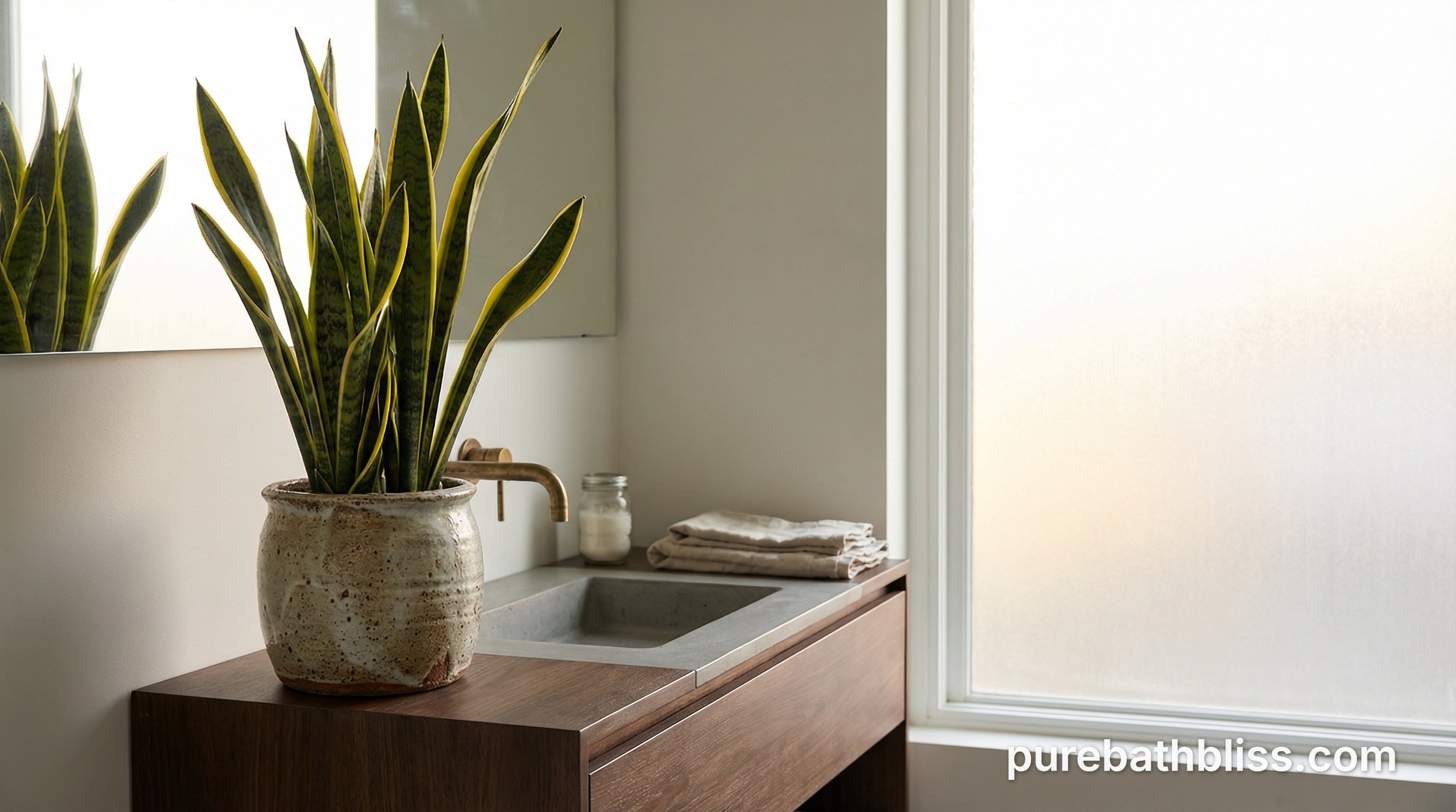
If you’ve spent any time on Pinterest lately, you’ve probably seen the Snake Plant (or Sansevieria) starring in every dream bathroom photo. It’s tall and architectural, and as I always tell my friends, it’s just about the closest thing you can get to a "set it and forget it" plant.
In our guide to 7 "Unkillable" Plants That Thrive in Your Windowless Bathroom, we highlighted the Snake Plant as a top contender for those dark, humid spaces. But because so many of you have been asking about the nitty-gritty of keeping them healthy, I thought we’d take a closer look at what actually makes these plants tick.
Between you and me, the reason people "kill" Snake Plants isn't because they neglect them, it’s usually because they care too much. Let’s break down how to treat them right.
1. The "Less is More" Watering Rule
If there is one thing I want you to remember, it’s this: A Snake Plant would much rather be thirsty than drowning. Because they store water in those thick, sword-like leaves, they can go weeks (and sometimes over a month in the winter) without a single drop.
The Finger Test: Don't just water on a schedule. Stick your finger two inches into the soil. If you feel even a hint of moisture, walk away! Wait until that soil is bone-dry all the way through.
The Drainage Factor: Make sure your pot has a hole in the bottom. If water sits at the roots, they’ll turn to mush, and that’s a heartbreak we want to avoid.
2. Lighting: The Great Adaptor
One of the reasons the Snake Plant is such a superstar in our Windowless Bathroom Guide is its ability to handle low light.
It’s one of the few plants that can actually grow (albeit slowly) in those darker corners of the house. However, if you want it to really take off and show those bright yellow variegations, it loves a bit of indirect sunlight. Just keep it out of harsh, direct afternoon sun, which can actually scorch those beautiful leaves.
3. The Soil Secret (No More White Fuzz!)
I mentioned this in a recent chat, but it’s worth repeating here: in a humid bathroom, your soil needs to breathe.
If you use heavy, standard potting soil, you’ll likely see that white, fuzzy fungus starting to form on top.
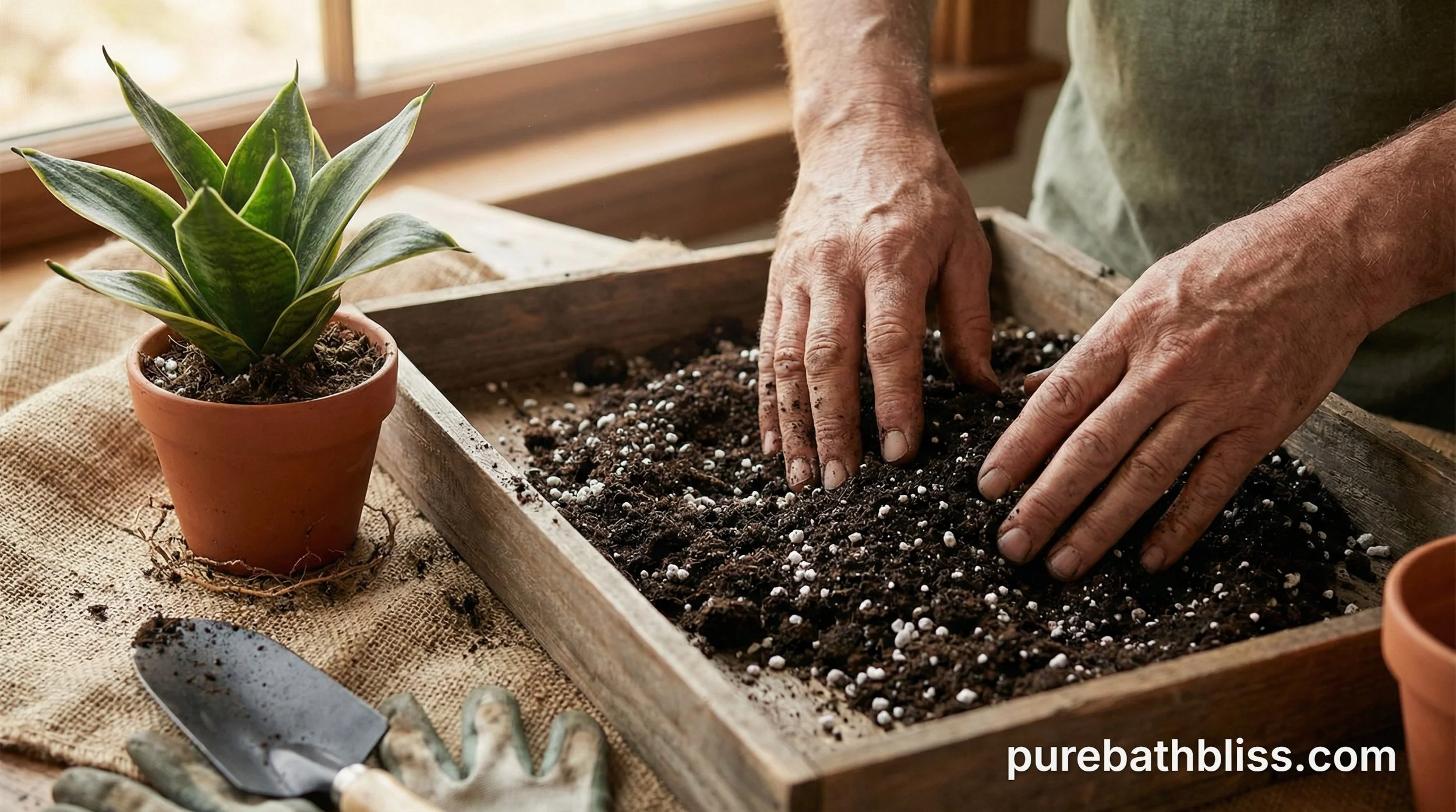
The Fix: Use a succulent or cactus mix, or just add a few handfuls of perlite to your regular dirt. This keeps the soil loose and airy, so the roots don't stay soggy in the bathroom's natural steam.
4. Why It’s the Ultimate "Health" Plant
Aside from looking great, Snake Plants are hard at work while you sleep. Most plants take in CO2 during the day, but the Snake Plant uses something called CAM photosynthesis. This means it actually releases oxygen at night.
Having one in your bathroom (or even your bedroom) helps keep the air fresh while you’re resting. It’s also a champion at filtering out common toxins like formaldehyde, which can be found in everything from your bath mats to your cleaning supplies.
5. Cleaning Your "Natural Air Filter"
Since those leaves are tall and flat, they tend to collect dust. A dusty leaf can't breathe or photosynthesize as well as a clean one.
The Quick Fix: Once a month, take a damp, soft cloth and gently wipe down each leaf. It’s a great little mindful task to do while you’re waiting for your hair mask to set or your bath to fill up. Plus, it makes the plant look instantly shinier and healthier!
The Snake Plant Toolkit
I’ve found over the years that having the right basics on hand makes all the difference in keeping these "unkillable" plants actually alive. Here are the things I keep in my own supply closet to make sure my green roommates are happy:
The "Insurance Policy" Pot: Modern Self-Watering Planter. If you tend to be a bit heavy-handed with the watering can, these are a lifesaver. They allow the plant to drink only what it needs, which is the best way to prevent the dreaded root rot.
The Perfect Soil Mix: Organic Succulent & Cactus Potting Soil. Snake plants hate "heavy" dirt. This mix is nice and airy, which is exactly what you want in a humid bathroom environment.
For Extra Drainage: Horticultural Perlite. If you already have potting soil at home, just mix in a few handfuls of this. It creates those little "breathing holes" in the soil that I mentioned earlier.
The Guesswork Remover: 3-in-1 Soil Moisture Meter. If you’re ever unsure if it’s time to water, this little gadget will tell you exactly what’s happening at the root level. No more messy fingers!
A Gentle Leaf Shine: Organic Neem Oil Spray. A quick spray on a cloth when you're dusting those leaves keeps them looking vibrant and helps keep any pesky bugs away naturally.
Conclusion
The Snake Plant is the perfect roommate for anyone looking to bring a bit of nature into their Zero-Waste Sanctuary. It’s patient, it’s tough, and it’s constantly working to clean your air.
Just remember: give it plenty of drainage, don't overwater it, and let it do its thing. You’ll be a proud plant parent in no time.