Why Is My Toilet Sweating?
Transparency Note: We independently select these products based on research and user reviews. If you buy something through our links, we may earn a commission.
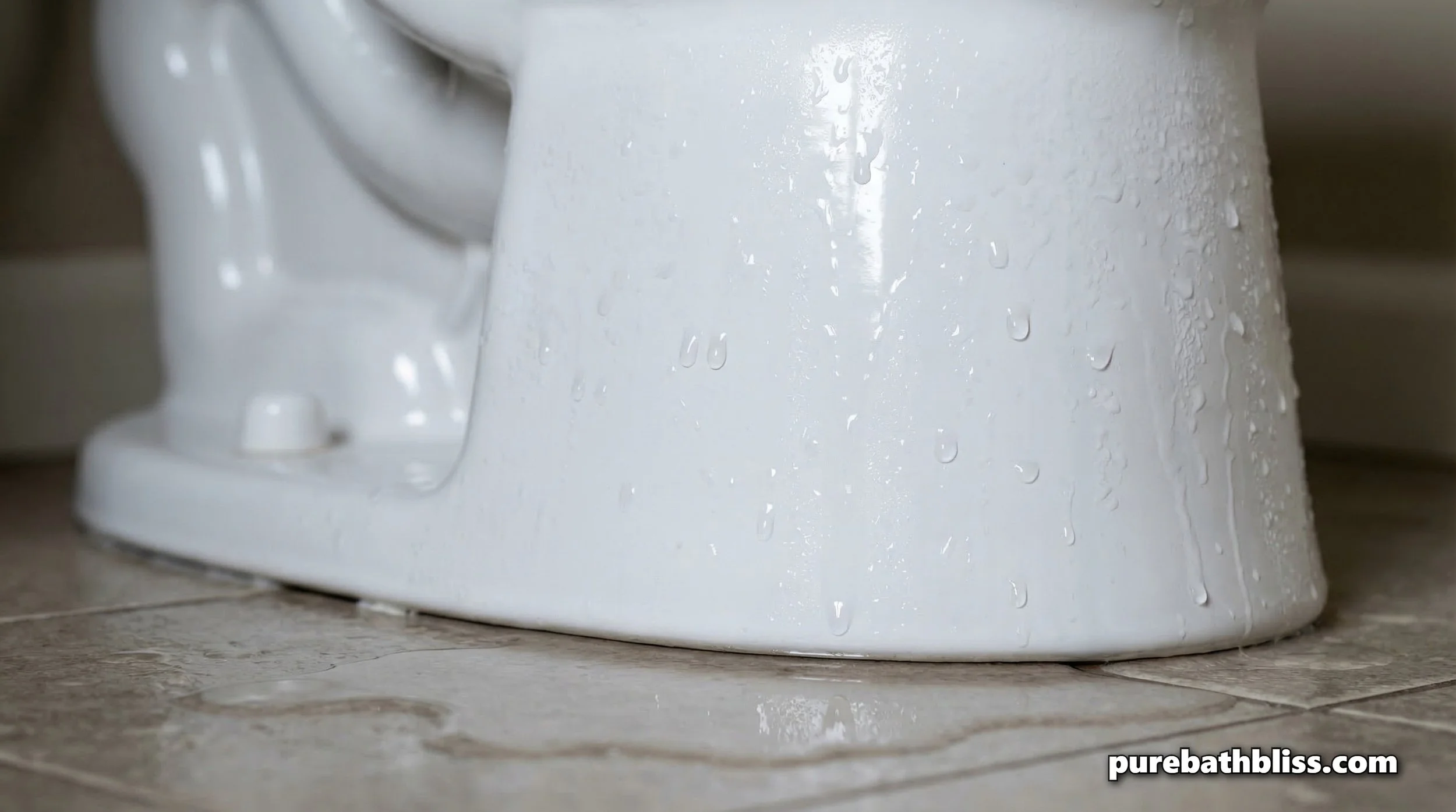
If you have ever walked into your bathroom and noticed a puddle of water on the floor around the base of the toilet, your first thought is likely a leak. You check the wax ring, you check the supply line, but everything seems dry. Then you look up and see the entire outside of the porcelain tank covered in beads of water.
This is what we call a "sweating toilet," and while it looks like a small problem, it is actually a major threat to your home’s infrastructure. In a bathroom, moisture is the enemy of longevity. If your toilet sweats every day, that water is constantly dripping onto your floor, soaking into your grout, and potentially rotting the subfloor beneath your tile.
As we discussed in Why Your Bathroom Floor is Working Harder Than You Think, your floor is designed to handle some surface water, but it is not designed to be a permanent sponge for a dripping tank. In this guide, we are going to look at the science of why toilets sweat and the simple steps you can take to keep your bathroom dry and safe.
The Physics of Condensation
To stop a toilet from sweating, you have to understand the physics behind it. It is the exact same process we talked about inHow to Stop Your Bathroom Mirror from Fogging Up. It all comes down to the temperature difference between the surface and the air.
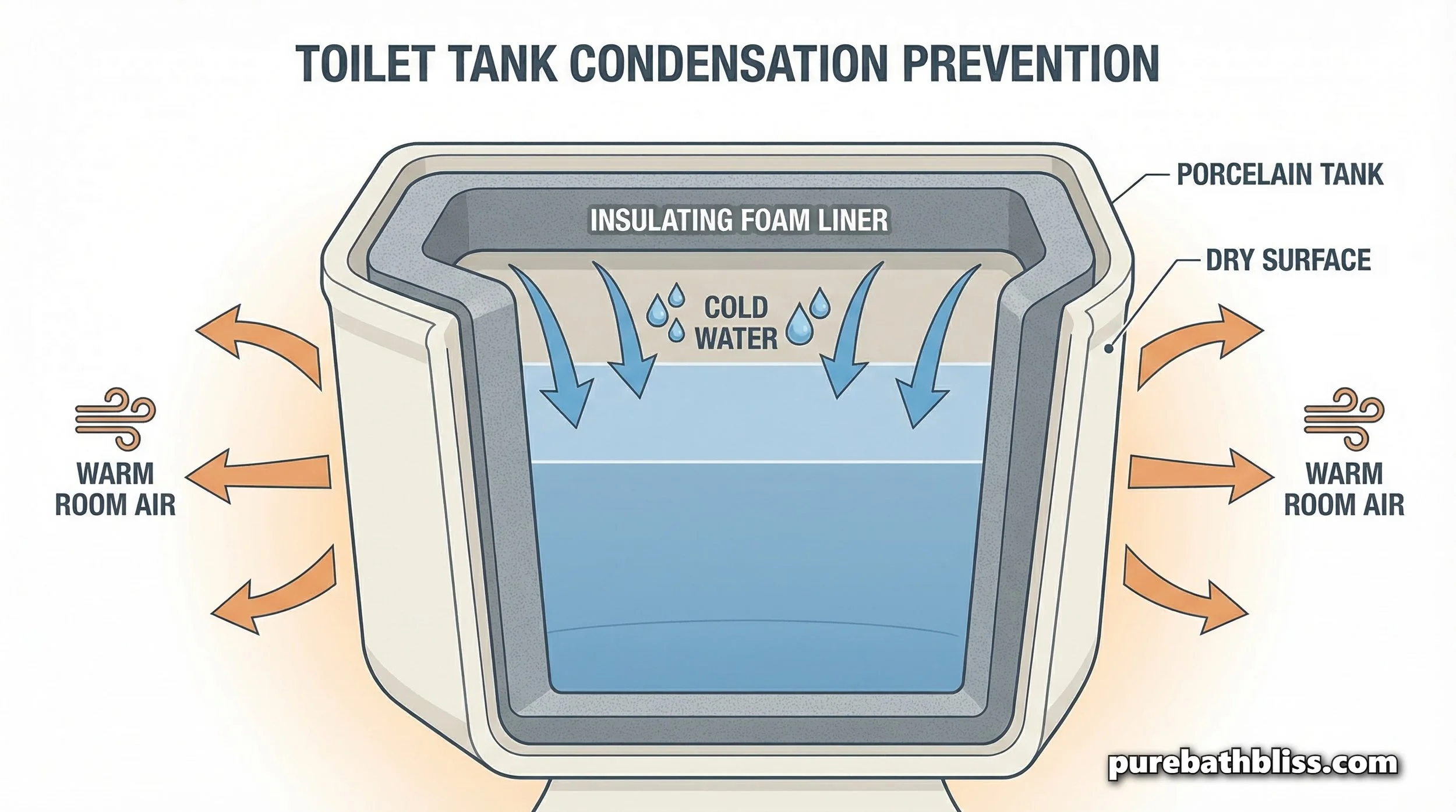
Inside your toilet tank is cold water that comes directly from the pipes under your house. In many regions, this water is very cold, especially in the winter or early spring. This makes the porcelain tank cold to the touch.
Meanwhile, your bathroom air is usually warm and humid, especially after someone takes a shower or uses theDIY Relaxing Shower Steamers: Sleep Blend we just made. When that warm, moist air touches the cold surface of the porcelain tank, the air cools down instantly. Cold air cannot hold as much moisture as warm air, so the water vapor turns into liquid water on the outside of the tank.
If your bathroom doesn't have good airflow, this moisture has nowhere to go. It just sits there until gravity pulls it down to your floor. This is why we always emphasize the "Tissue Test" for your fans in How to Stop Moisture Before It Causes Damage.
Gather Your Supplies: The Fixer's Kit
Before you start trying to insulate your toilet, you need the right tools to handle the moisture and prevent damage to your floor. Here are the essentials I recommend:
Toilet Tank Insulation Liner Kit – A foam lining that creates a thermal barrier inside your tank.
Anti-Siphon Toilet Fill Valve – Some modern valves can help regulate water temperature.
Highly Absorbent Microfiber Bath Mats – To catch any remaining drips while you work on a permanent fix.
Dehumidifier for Small Bathrooms – If your fan isn't enough to pull the moisture out of the air.
Step 1: Reduce the Humidity
The easiest way to stop a toilet from sweating is to change the air in the room. If the air is dry, there is no moisture to turn into "sweat" on the tank.
Run the Fan: Make sure your exhaust fan is running during your shower and for at least 20 minutes afterward.
Keep the Door Open: As we suggested in How to Keep Your Guest Bathroom Simple, keeping the door open allows dry air from the rest of the house to circulate into the bathroom.
Check Your Vents: Ensure that your AC or heating vents are not blocked. Moving air helps evaporate moisture before it can settle on the porcelain.
If you find that your bathroom is always humid, even with the fan on, you might be dealing with a larger air quality issue. We covered this in The January Reset: A 5-Day Non-Toxic Bathroom Detox Guide, where we look at how to refresh the entire environment of the room.
Step 2: The Insulation Method
If reducing the humidity doesn't work, you have to address the temperature of the tank itself. You need to create a barrier so the warm air never touches the cold porcelain.
You can buy a tank insulation kit, which is essentially a sheet of closed-cell foam with an adhesive backing.
Drain the Tank: Turn off the water supply and flush the toilet until the tank is empty.
Dry Completely: This is the most important part. Use a towel and then a hairdryer to make sure the inside of the tank is bone-dry. If it’s wet, the glue won't stick.
Cut and Paste: Cut the foam sheets to fit the inside walls of your tank and press them into place.
Refill: Once the glue has set, turn the water back on.
The foam acts like a wetsuit for your toilet. It keeps the cold water away from the porcelain, which keeps the outside of the tank at room temperature. No cold surface means no condensation.
Step 3: Install a Mixing Valve
If you are comfortable with a bit of plumbing, you can install a tempering valve (also called a mixing valve). This valve connects to both your cold water line and your hot water line. It adds a small amount of warm water to the toilet tank every time it refills.
By raising the temperature of the water inside the tank just a few degrees, you bring the porcelain closer to the room's "dew point." If the tank isn't cold, it won't sweat. However, this can be an expensive fix and is usually only necessary in very humid climates or homes with extremely cold well water.
While you are working on your plumbing, it’s a great time to check for other issues. If you hear your toilet running constantly, check out The 5-Minute Fix: How to Silence That Annoying Running Toilet.
The Danger of Ignoring the Drip
A sweating toilet might seem like a minor cosmetic issue, but for a homeowner, it is a red flag. Water dripping onto the floor will eventually:
Stain your grout: We know from Why Your Bathroom Floor is Working Harder Than You Think that grout is porous and will soak up dirty water.
Loosen your caulk: If water sits around the base of the toilet, it will eat away at the seal. See Why Your Caulk is the Bathroom’s First Line of Defense for how to fix that.
Create Odors: Standing water behind a toilet can grow bacteria and mold, leading to smells similar to what we discussed in Why Your Bathroom Sink Smells Like Sulfur.
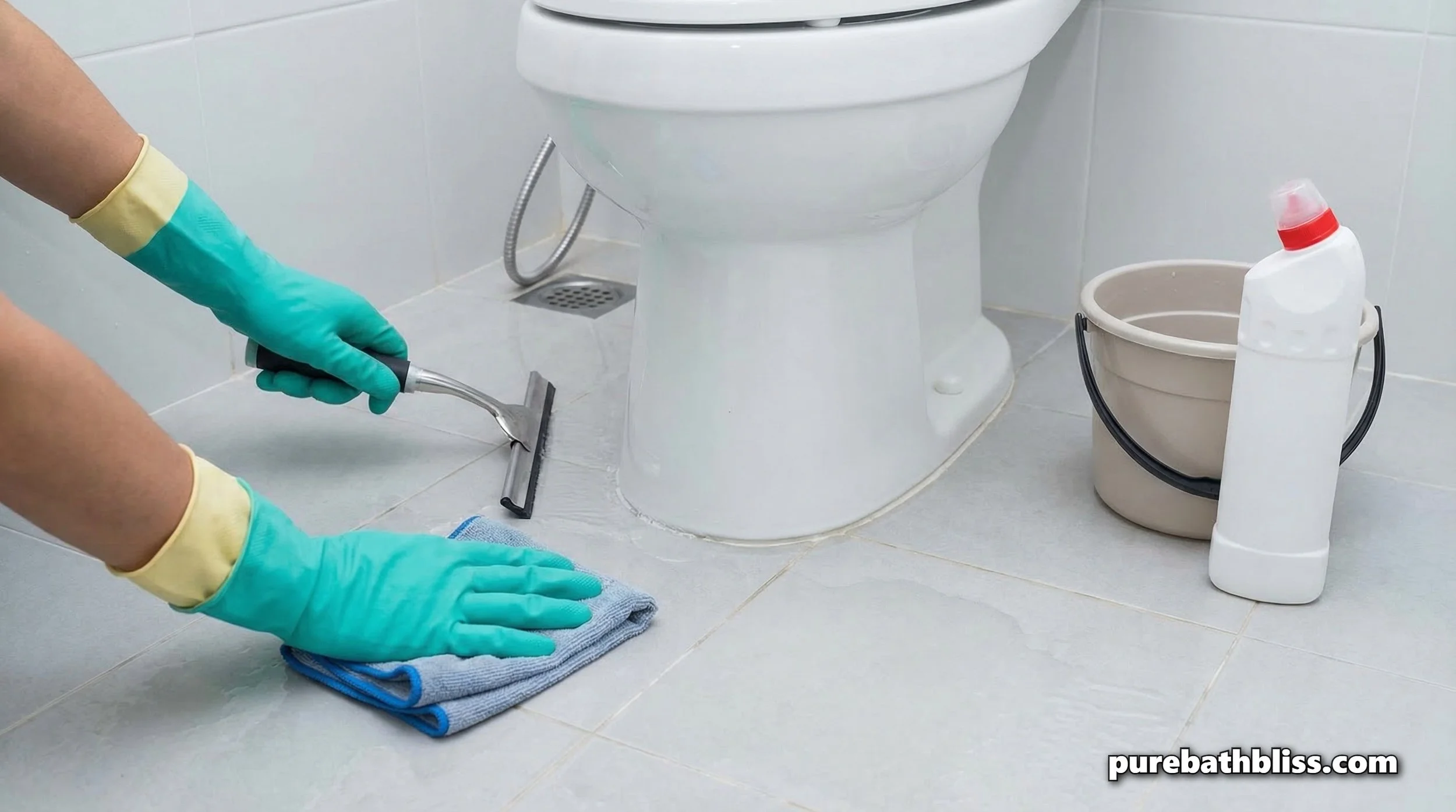
If you ever have a mess while trying to fix your toilet or a spill from a full tank, make sure you handle it correctly. Refer to How to Clean a Bathroom Accident for the right way to dry out your flooring and prevent permanent damage.
Summary: How to Stop the Sweat
Lower the Humidity: Run your fan and keep the door open to dry out the air.
Insulate the Tank: Use a foam liner kit to create a thermal barrier.
Check the Temperature: Consider a mixing valve if your water is exceptionally cold.
Protect the Floor: Use a bath mat as a temporary fix, but find the source of the moisture quickly.
By taking these steps, you are protecting the most expensive parts of your bathroom, the floor and the walls. A dry bathroom is a healthy bathroom, and a little bit of maintenance today will save you from a major repair tomorrow.