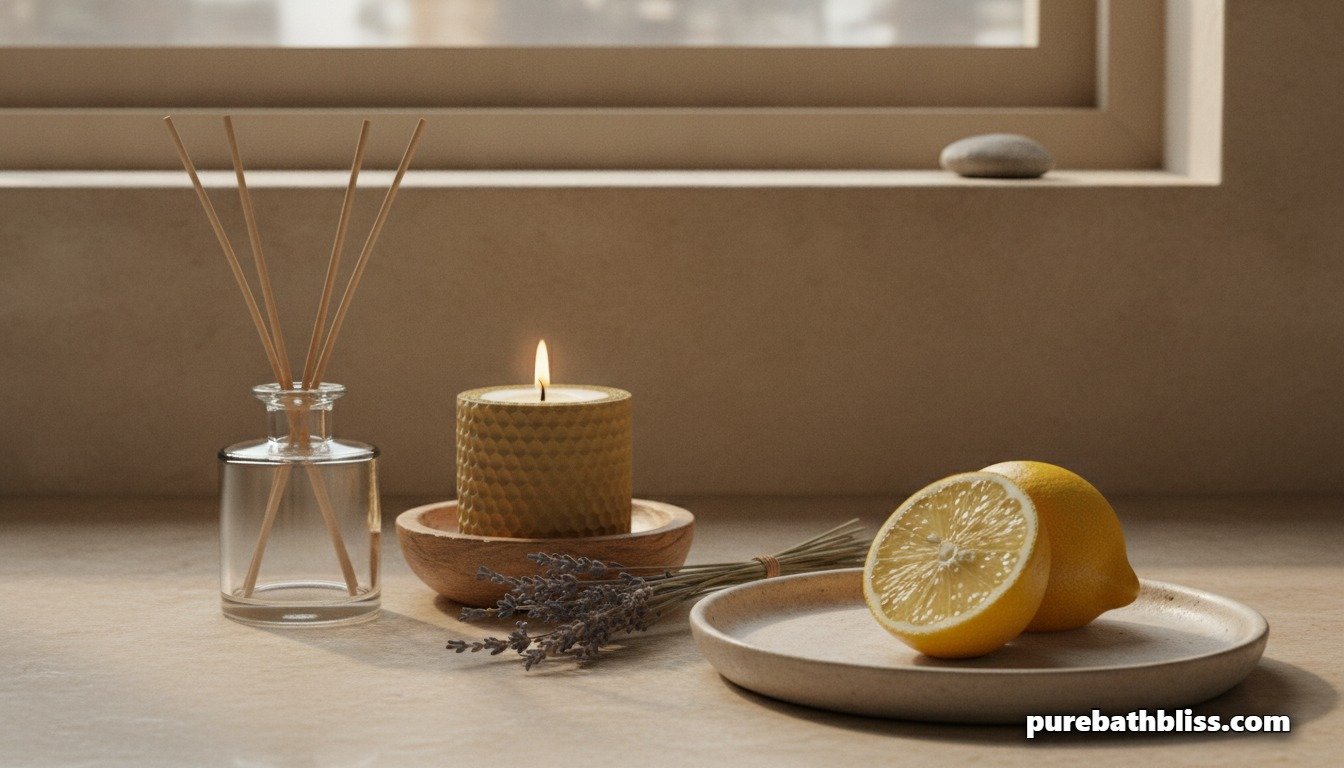
How to Make Your Bathroom Smell Like a Spa (Without Synthetic Fragrance)
A bathroom that smells like a spa is not about buying an expensive plug-in or a scented candle from a big box store. It is about layering a few natural scent sources that work with the room's humidity and ventilation rather than against them. Here are eight methods that work, ranked from easiest to most involved.
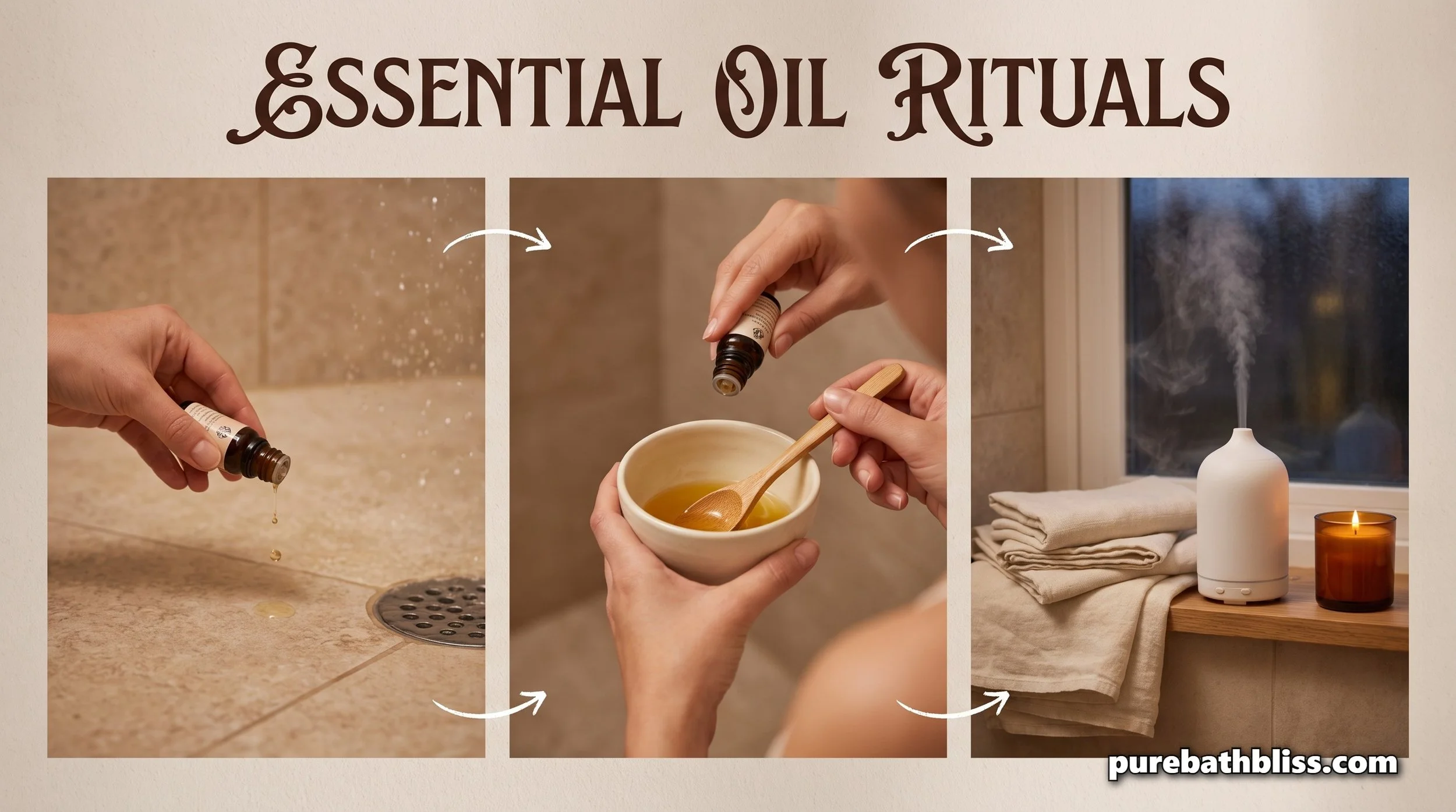
Essential Oils for the Bathroom: The Complete Guide to What Works, What the Science Says, and How to Use Them Safely
Most essential oil guides describe how each oil smells and suggest a mood without explaining the mechanism behind the benefit. Here is the compound-level science behind the six most useful essential oils for the bathroom, the specific safety rules that most guides understate, how to use them in the shower and bath without wasting product, and three DIY bathroom blends with exact ratios.
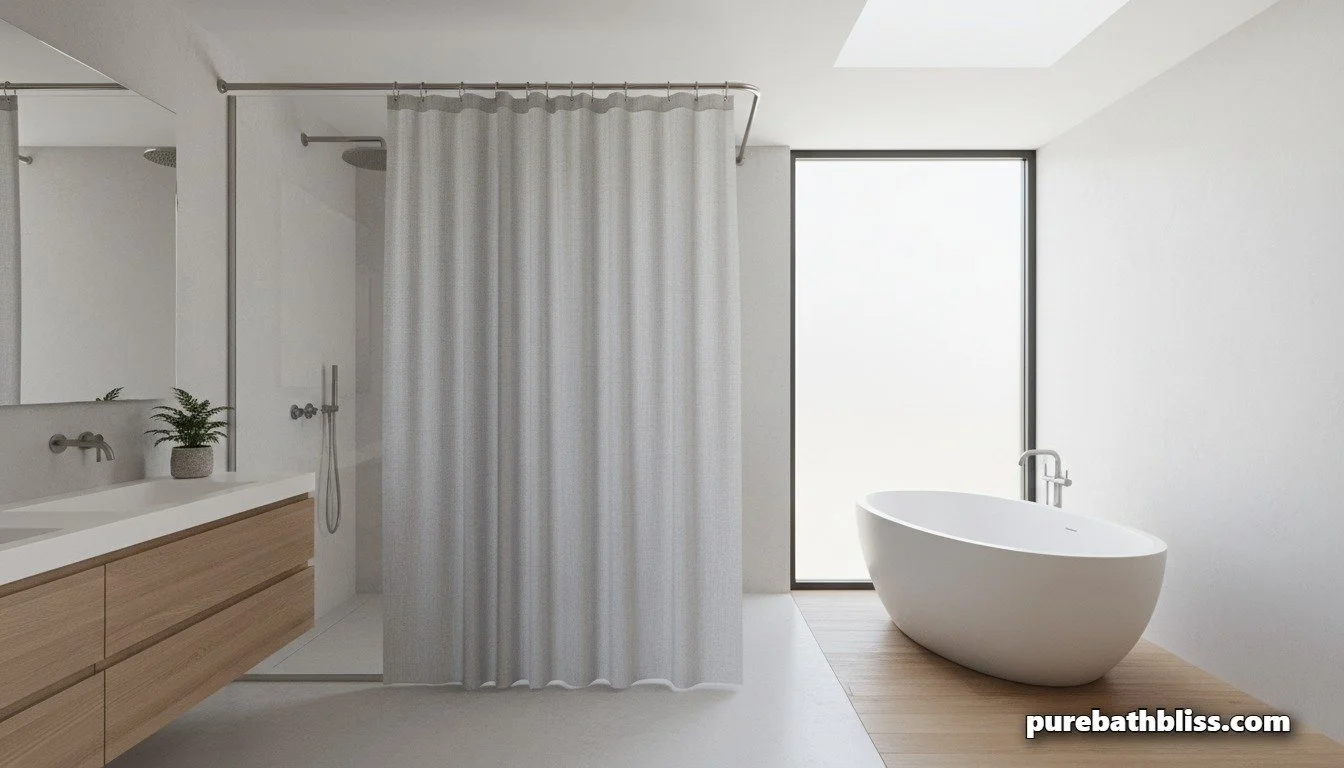
The Shower Curtain Height Hack: Airflow Meets Aesthetic
In most homes, the shower curtain is hung at a "Standard" height, usually just high enough to keep water in the tub. But as a builder focused on "Healthy Home Infrastructure," I see the standard height as a missed opportunity for both air quality and design. If your curtain is hung too low, it creates a "Stagnant Cap" at the top of the shower, trapping steam and heat exactly where pink slime bacteria and mold love to grow.
In 2026, we are moving the "Curtain Line" up. By hanging your shower curtain closer to the ceiling—sometimes called the "Grand Scale" move—you change the way air moves through the room. It’s a simple mechanical adjustment that improves the performance of your no-window powder room ventilation and makes a small bathroom feel like a luxury spa.
Here is why you should ditch the standard rod height and go for the "High-Hang" strategy.
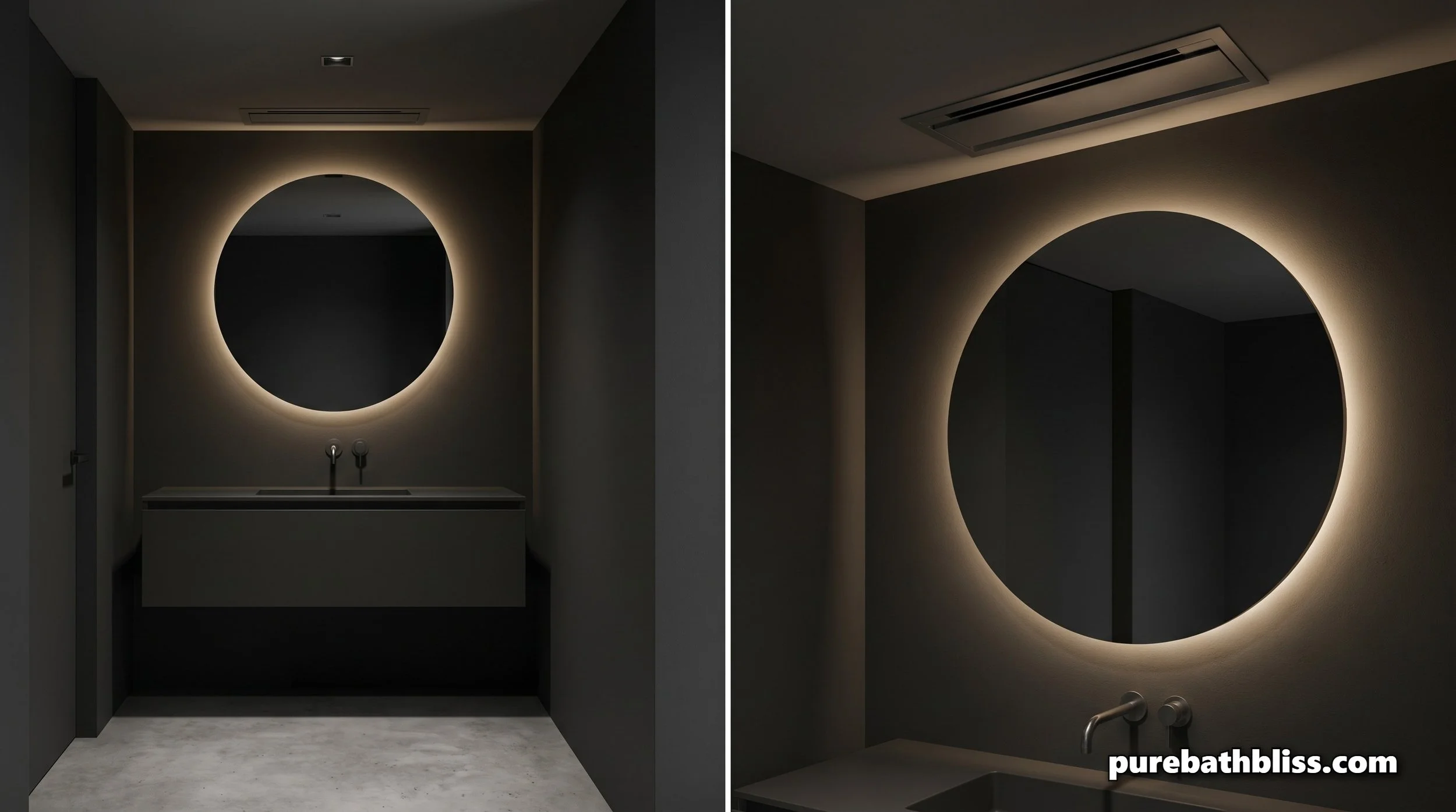
The "No-Window" Powder Room: High-Performance Air Quality
The powder room is often the most used bathroom in the house, yet it typically occupies the smallest footprint, and almost never has a window. As a builder, I see this "Infrastructure" challenge constantly. Without natural cross-ventilation, a windowless powder room can quickly become a stagnant zone where humidity, odors, and VOCs from cleaning supplies get trapped.
In 2026, we are moving away from the "masking" philosophy, where you just spray a heavy perfume to cover up a problem, and toward a Source-Control philosophy. If you want your guests to feel comfortable, you need a room that breathes, even without an exterior wall.
From mechanical upgrades to the dry baking soda moisture hack, here is the professional guide to maintaining pristine air quality in a windowless powder room.
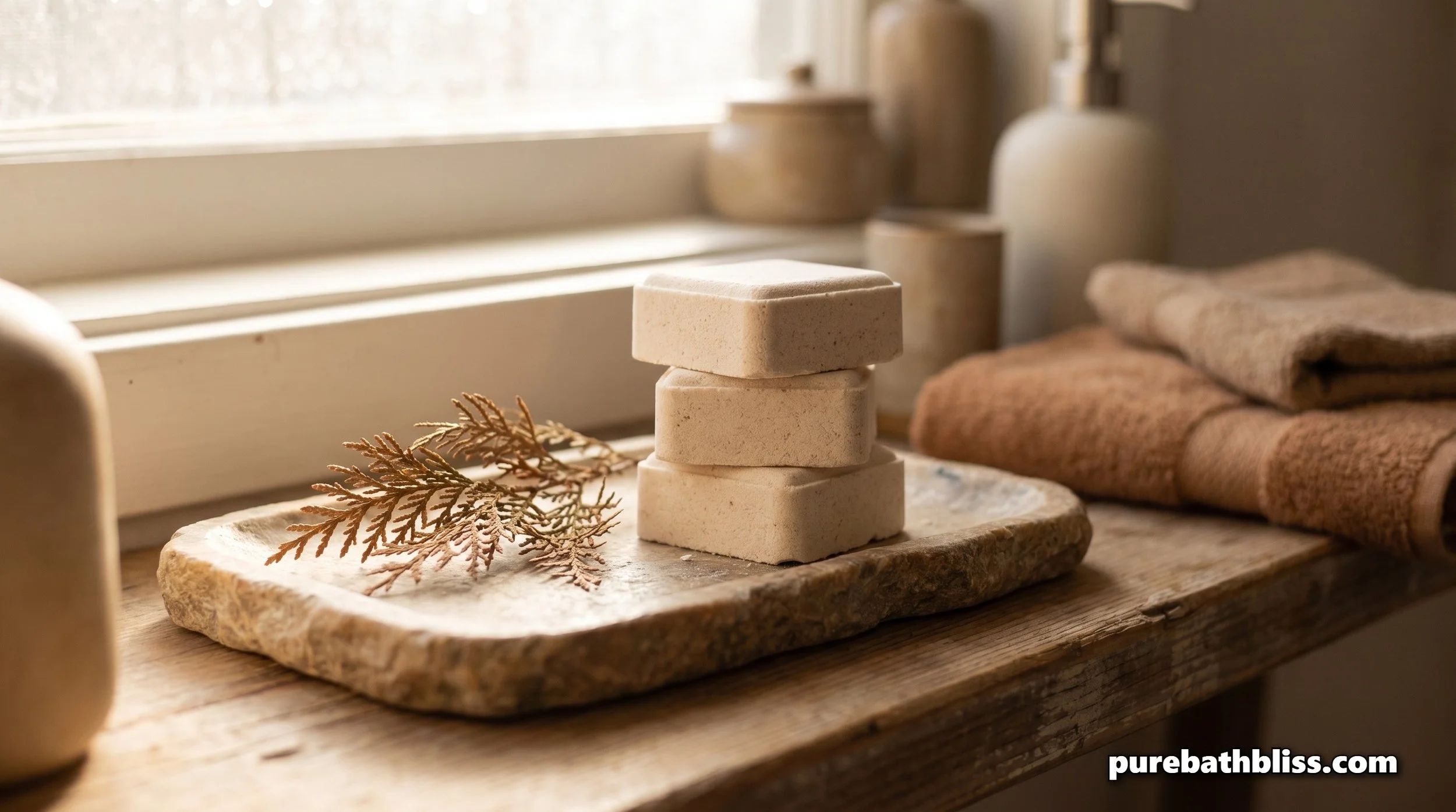
Mindfulness & Meditation Shower Steamers: The Sandalwood + Cedarwood Blend
In the fast-paced flow of modern life, the shower is often the only place where we can truly find a moment of stillness. As a parent and a builder, I’ve realized that the psychology of a clean bathroom isn't just about sparkling tiles, it’s about the sensory "Infrastructure" that allows you to reset your mind.
While many people associate shower steamers with "energizing" citrus or "clearing" eucalyptus, there is a profound power in Grounding Aromas. Sandalwood and Cedarwood are wood-based essential oils that have been used for centuries in meditation practices. They don’t just smell good; they signal to your nervous system that it is time to be present.
By integrating these steamers into your daily routine, you transform a standard hygiene task into a sophisticated "Mindfulness Ritual." Here is the professional, non-toxic guide to crafting these earthy, grounding steamers.
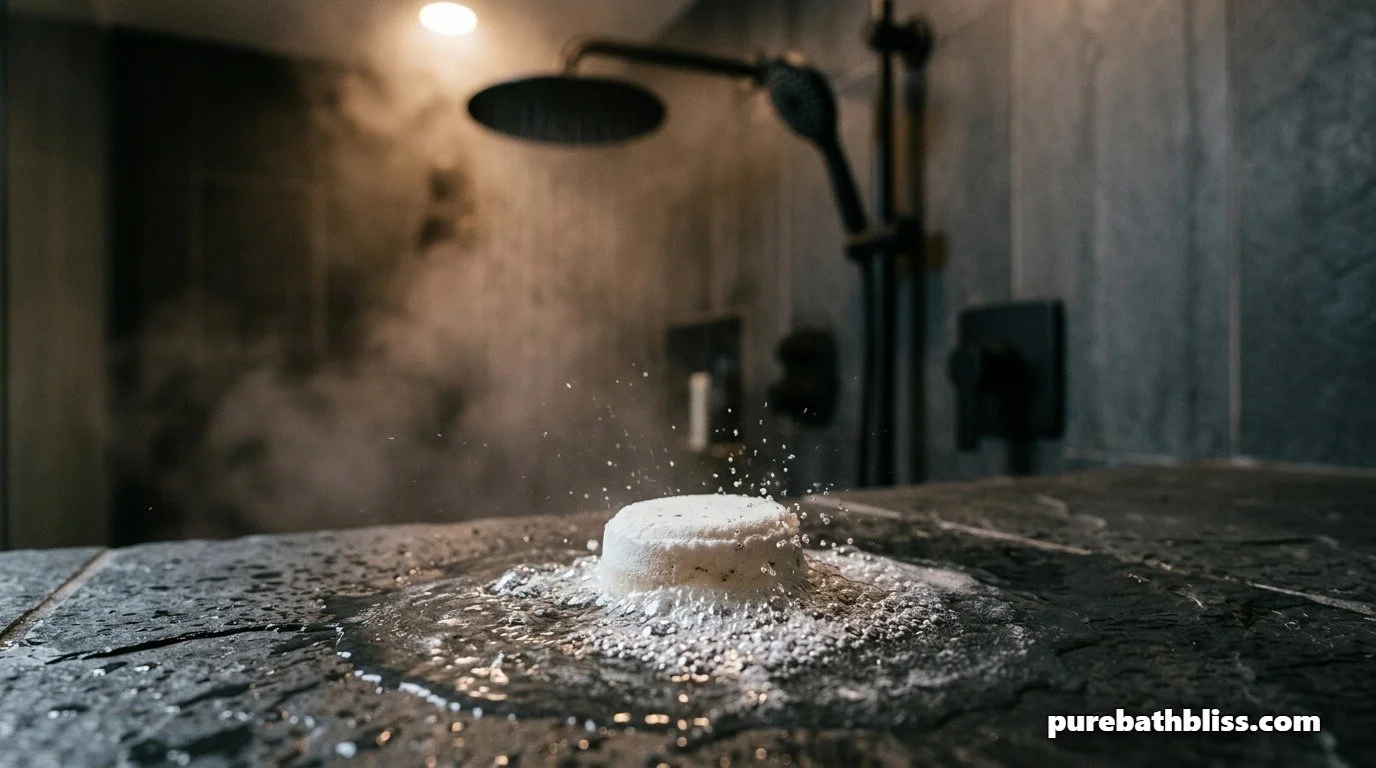
The Infrastructure of Serenity: Engineering the Ultimate Stress-Relief Shower
As a carpenter and a coffee shop owner, I’ve spent my life understanding how "systems" work, whether it’s the structural load of a cantilevered deck or the precise extraction of an espresso shot. In my home, with four kids running around, the bathroom isn't just a room; it’s a high-use sanctuary. But a sanctuary is only as good as the infrastructure supporting it.
When we talk about "Sanctuary through Infrastructure," we aren't just talking about the pipes and the tile. We are talking about the atmospheric load of the room. Stress and anxiety aren't just feelings; they are physiological states that can be disrupted by the right environmental triggers.
While big-box sites like The Spruce will tell you these "smell nice," we’re going deeper. We’re looking at the chemical reaction between citric acid and sodium bicarbonate as a delivery vehicle for therapeutic-grade alkaloids. This isn't a craft project; it's a home-wellness installation.
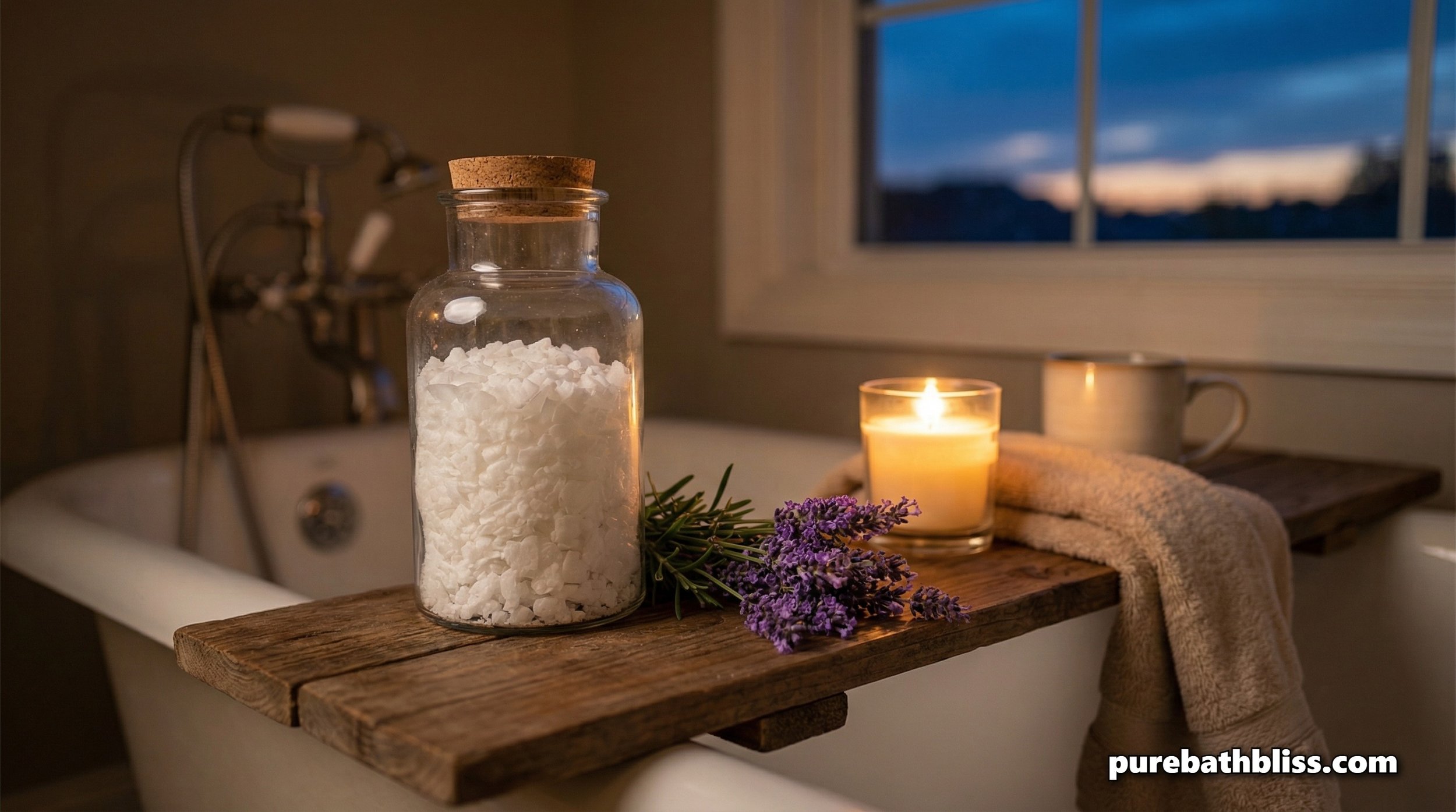
DIY Magnesium "Sleep Soak": The Ultimate Evening Ritual
If you’ve been following our guide on the psychology of a clean bathroom, you know that your environment dictates your mental state. But even the cleanest bathroom can’t fix a racing mind or restless legs after a long day on the job or chasing four kids.
For years, the "Standard Operating Procedure" for a relaxing bath was a bag of grocery-store Epsom salts. But as we move into 2026, we’re looking at the "Internal Infrastructure" of our wellness. While Epsom salts are great, Magnesium Flakes are the high-performance upgrade your nervous system actually needs.
In this guide, I’ll break down why magnesium is the "Master Mineral" for sleep, how to blend it with targeted essential oils, and the professional way to store your salts so they don't turn into a clumpy mess in your vanity.
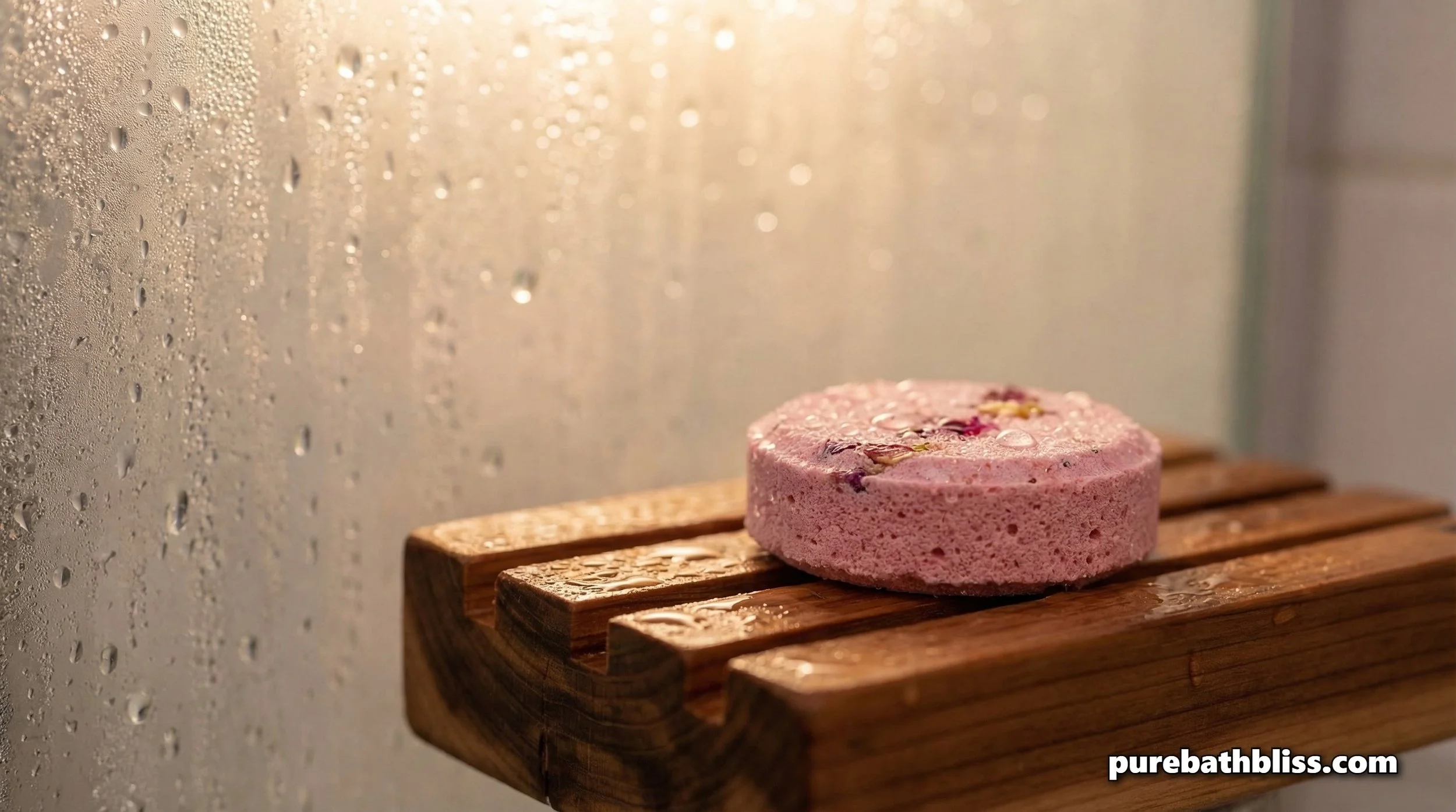
Floral Spa Shower Steamers: The Rose + Jasmine Luxury Reset
There is a common misconception in home maintenance that "clean" has to smell like bleach or industrial lemon. As someone who spends a lot of time analyzing the Psychology of a Clean Bathroom, I’ve found that the most restorative environments are those that trigger a "soft" sensory reset. While our Lemongrass and Tea Tree Steamers are designed to wake you up, this Floral Spa blend is designed to dial the world back.
In 2026, the trend of "Sensory Architecture" is all about creating micro-moments of luxury within your existing footprint. You don’t need a $20,000 marble renovation to feel pampered; you just need to control the air you breathe. This Rose and Jasmine blend is soft, elegant, and provides that high-end "boutique hotel" atmosphere that lingers long after the water is turned off.
In this guide, we’ll break down the chemistry of a perfect, non-crumbly steamer and the best Amazon sources for high-purity floral oils.
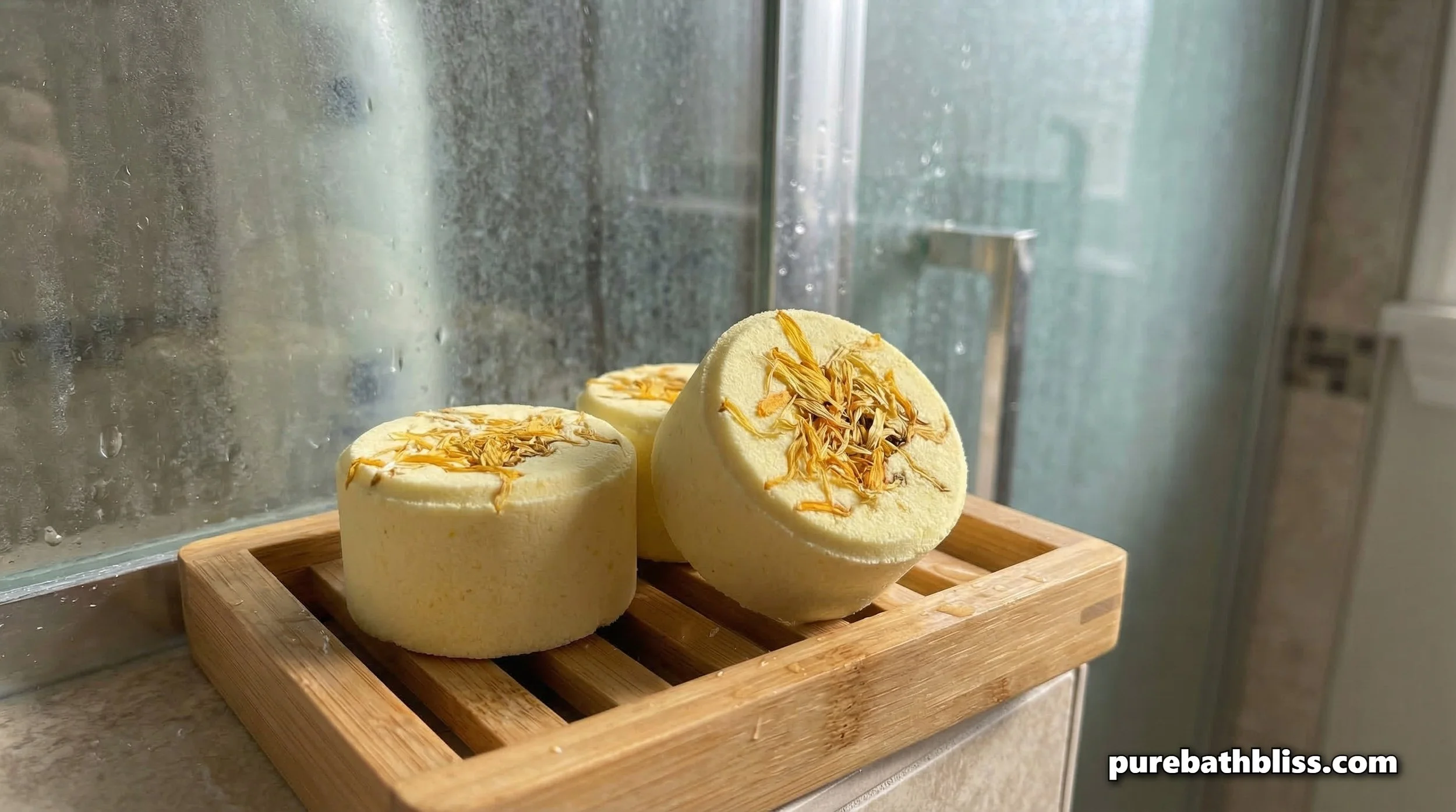
Detox & Purifying Shower Steamers: The Lemongrass + Tea Tree Reset
As a carpenter, I spend my days covered in sawdust, wood glue, and insulation. By the time I get home to my four kids, I don’t just need a shower, I need a total system reset. In my experience, the bathroom is the most important "Utility Room" in the house for mental health. If the air is heavy and the vibe is sluggish, you aren't getting the recovery you need to tackle the next day's build.
In 2026, the trend in Air Quality & Healthy Home is all about "Aromatic Infrastructure." We aren't just masking odors; we are using essential oils to physically alter our environment. These DIY Detox & Purifying Shower Steamers are my go-to for days when the "mental fog" is thick. Lemongrass provides an immediate energy jolt, while tea tree offers that clean, medicinal purity that makes a standard bathroom feel like a high-end spa.
In this guide, I’ll show you the "Builder’s Method" for crafting these steamers so they don’t crumble, along with the specific Amazon-sourced materials I use to get a professional, long-lasting fizz.
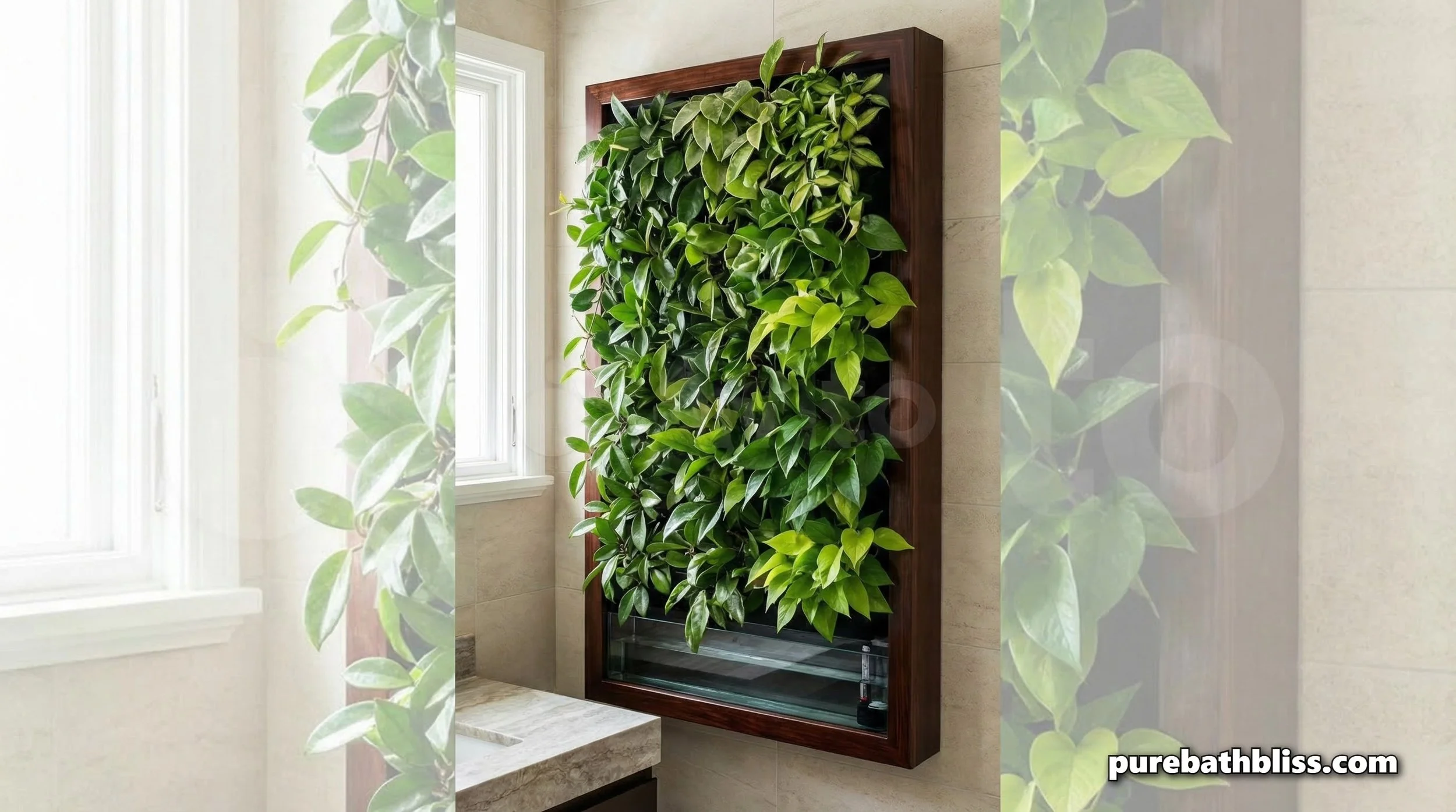
How to Build a Self-Watering Green Wall for Your Bathroom
As a Red Seal carpenter, I’m always looking for ways to make a home’s "Infrastructure" work harder. For a father of four, the dream of a "spa-like" bathroom usually dies the first time you forget to water the plants for a week. We know that 7 Unkillable Plants can survive in a windowless bathroom, but if you want a true "living wall" that purifies the air and survives your busy schedule, you need a system.
In 2026, the "Green Wall" has moved from high-end hotels into the average family home. By using a vertical, self-watering setup, you maximize your square footage and create a natural air-scrubbing station that helps manage the moisture levels we discussed in Drying Out Your Bathroom: The Post-Soak Protocol.
In this guide, we’ll look at the "Builder’s Method" for constructing a waterproof, vertical garden that won't damage your drywall or create mold issues.
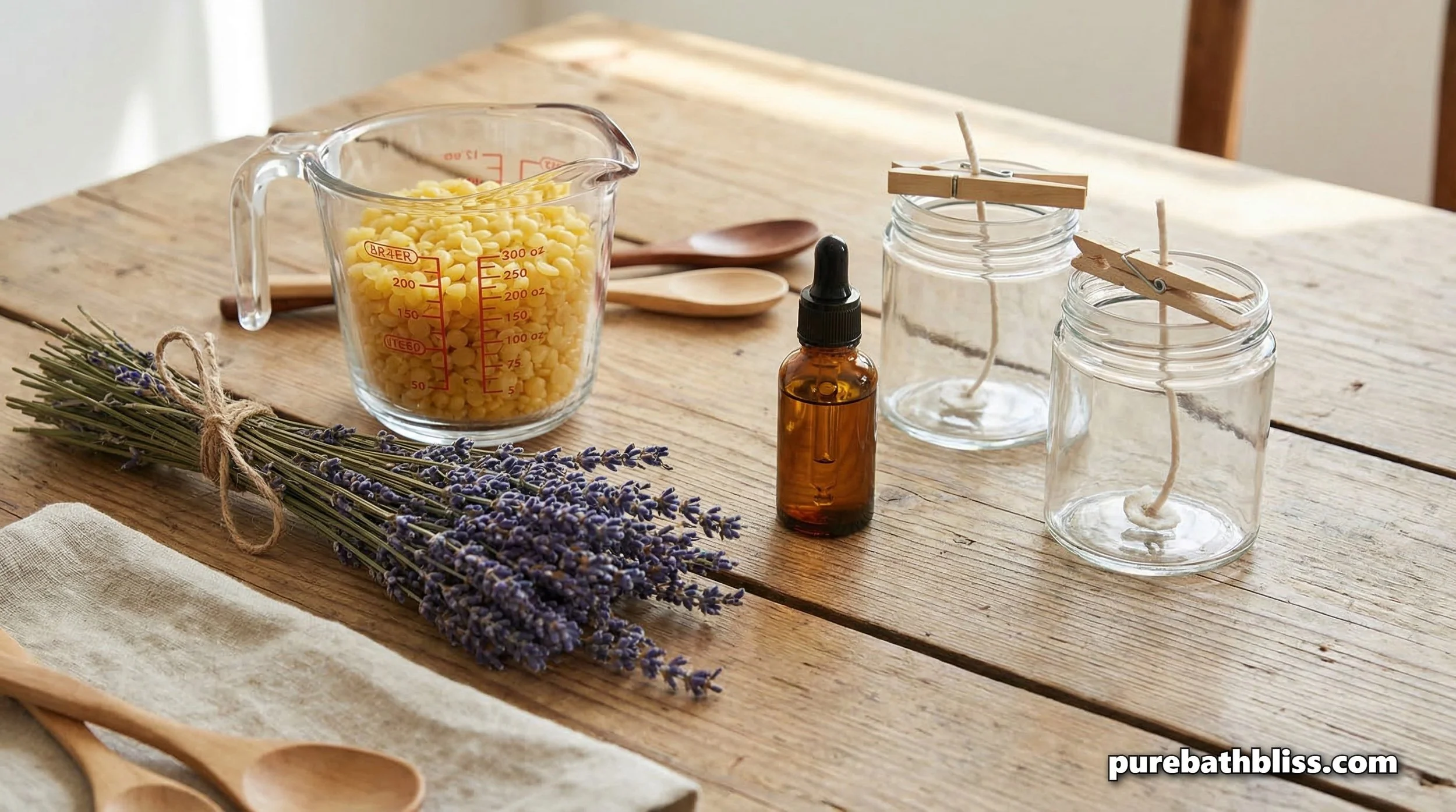
How to Make DIY Beeswax Candles for Your Bathroom (Lavender and 4 Other Blends)
Paraffin candles release toluene and benzene when they burn. In a small enclosed bathroom with limited ventilation, that matters more than most people realise. Beeswax candles burn completely cleanly, last 2 to 3 times longer, and cost a fraction of what commercial options charge. Here is the complete recipe with five scent blends and the one temperature mistake that kills the fragrance throw.
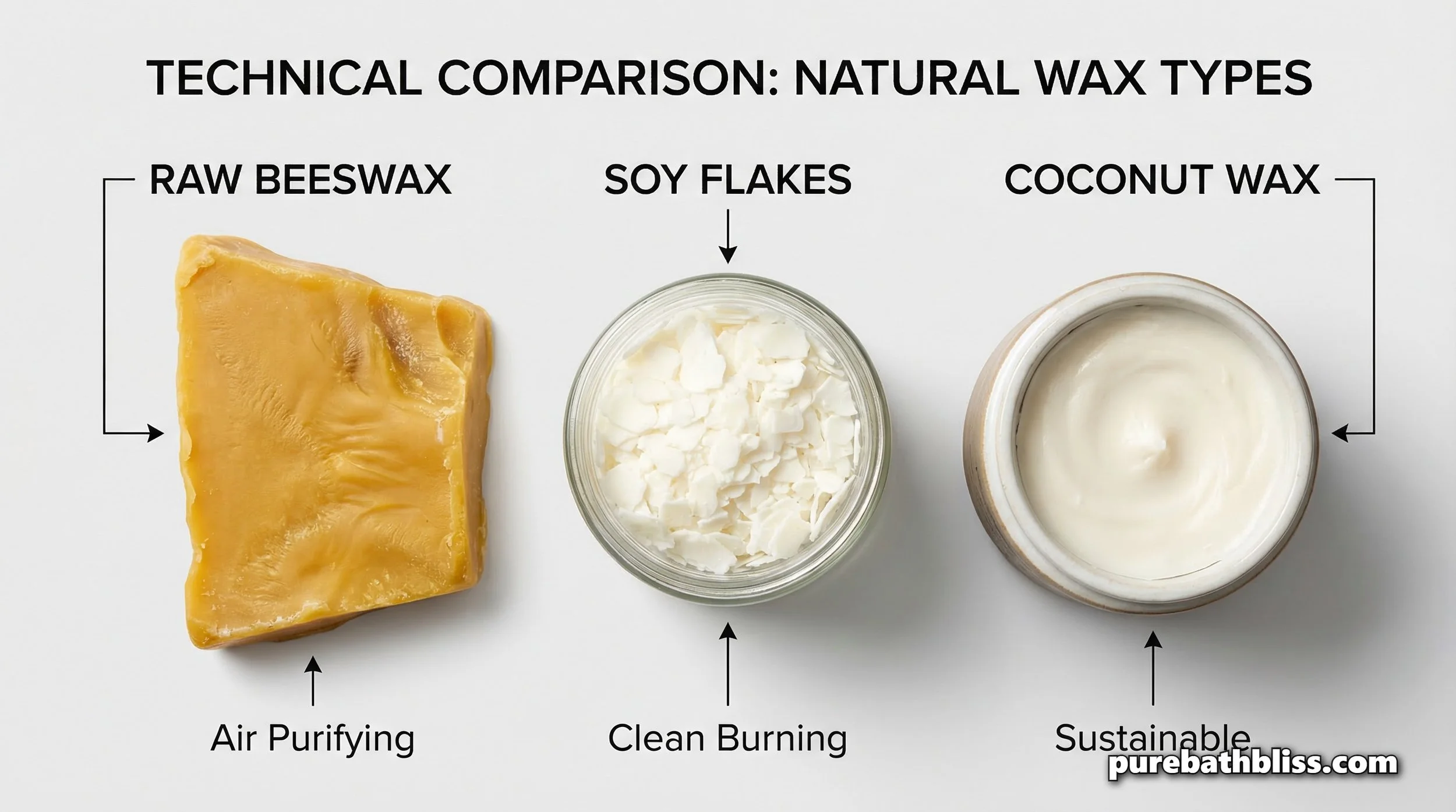
The Best Non-Toxic Candles for a Healthy Bathroom Sanctuary
In my years as a Red Seal carpenter, I’ve seen the long-term effects of poor air quality on a home’s infrastructure, from mold growth to soot-stained ceilings. But as a father of four, my focus is often on what we are breathing in while we’re inside those walls. The bathroom is often the smallest room in the house, which means the concentration of whatever you put in the air increases rapidly.
When you light a candle to enhance your nightly "sanctuary" ritual, you might unknowingly be introducing paraffin wax (a petroleum byproduct) and synthetic fragrances into a small, enclosed space. In 2026, the shift toward Air Quality & Healthy Home standards means looking for candles that provide a spa-like scent without the toxic soot.
In this guide, we’ll explore the best non-toxic candle materials and how to choose scents that support the Psychology of a Clean Bathroom.
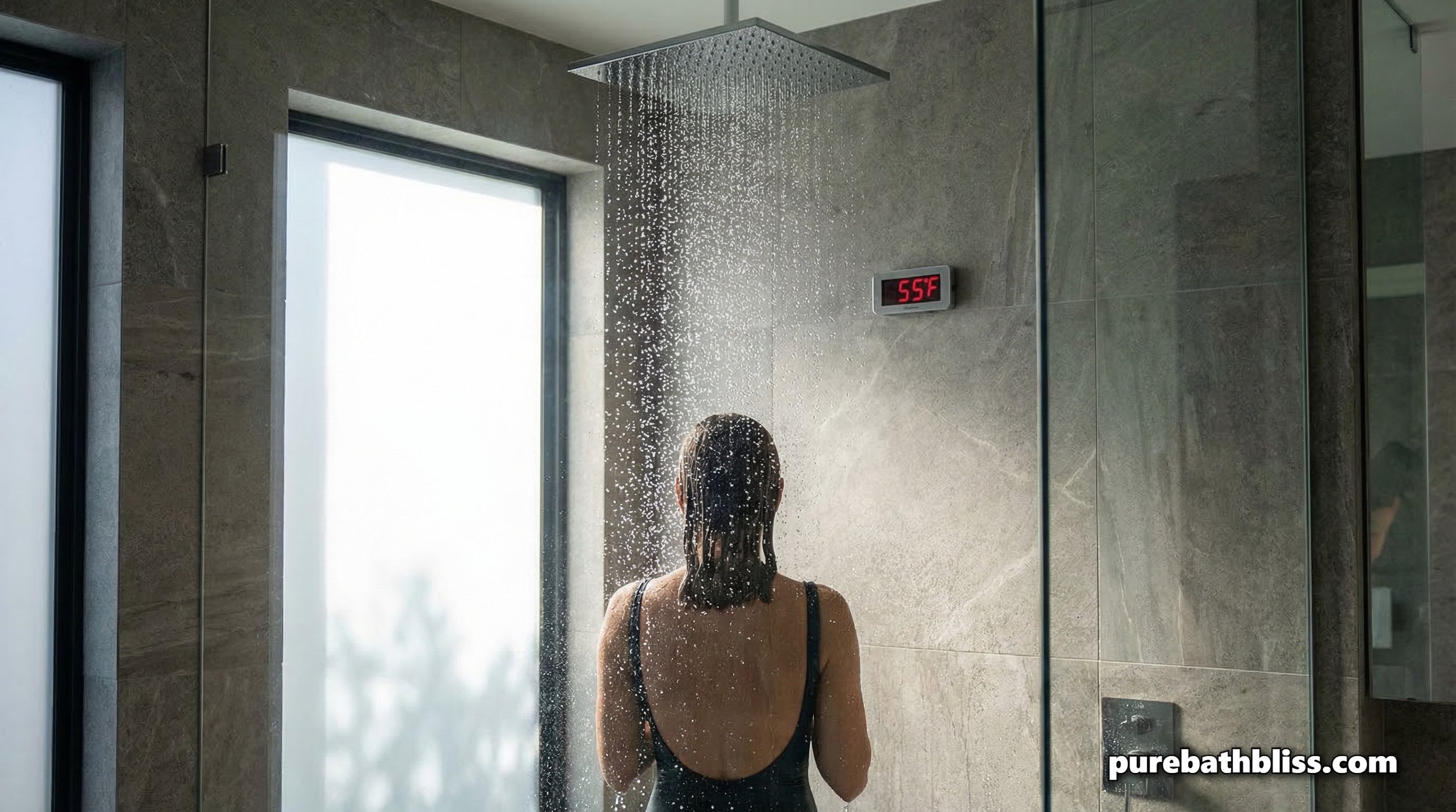
The Science of the Morning Cold Plunge: Transforming Your Shower Ritual
In 2026, the bathroom has evolved into a "Bio-Hacking Station." While we once viewed the shower as merely a place to wash away the day’s grime, we now understand it as a powerful tool for regulating our nervous system. The most significant trend in modern wellness is the "Cold Plunge", specifically, the deliberate practice of ending your morning shower with 60 to 90 seconds of cold water.
The science behind cold thermogenesis is robust. It isn't just about "waking up"; it’s about a physiological reset that triggers the release of norepinephrine and dopamine, providing a mental clarity that lasts for hours. However, to make this practice sustainable and safe, you have to understand the impact it has on your body and your bathroom's environment.
In this guide, we will explore the "hormetic stress" of cold water, how it ties into the Psychology of a Clean Bathroom, and the infrastructure you need to support a high-performance morning routine.
The Psychology of a Clean Bathroom: Why a Tidy Space Calms the Mind
In the world of home maintenance, we often focus on the "how", how to fix a vibrating fan, how to scrub grout, or how to stop a leak. But in 2026, as the lines between our work lives and our personal lives continue to blur, the "why" is becoming even more important. Specifically: Why does a clean bathroom have such a profound impact on our mental health?
The bathroom is the only room in the house where we are truly alone, often both physically and digitally. It is where we start our day by setting our intentions and where we end it by shedding the stress of the world. Psychologists refer to this as a "Liminal Space", a transitional zone where we move from one state of being to another. When this space is cluttered, grimy, or smelling of "biofilm" from a sink, as we discussed in Why Your Bathroom Sink Smells Like Sulfur, that transition is interrupted by stress.
In this guide, we will explore the "Sanctuary Effect," the science of cortisol in domestic environments, and how a clean bathroom infrastructure supports a clear mind.
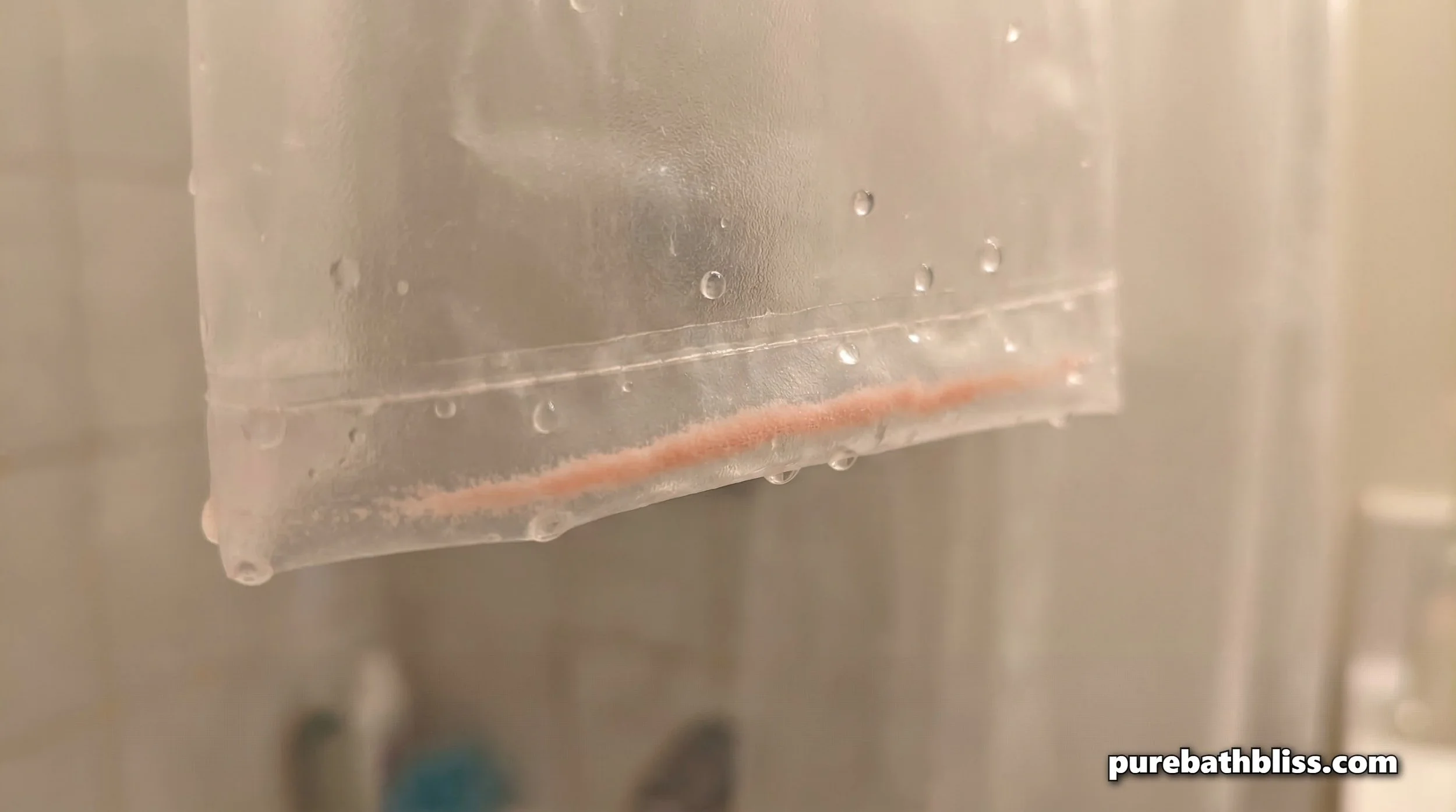
Why Your Shower Curtain Gets That "Pink Slimy" Mold (and How to Stop It)
If you have ever pulled back your shower curtain only to find a bright pink, slimy residue creeping along the bottom edge or hiding in the folds of the liner, you aren’t alone. It looks like something from a science fiction movie, and it seems to appear out of nowhere, even if you clean your bathroom regularly.
While many homeowners refer to this as "pink mold," it is actually an airborne bacterium called Serratia marcescens. It thrives in the exact environment your bathroom provides: warm, moist, and full of "food" like soap residue and shampoo minerals.
In 2026, as we focus more on Air Quality & Healthy Home standards, understanding the biology of your bathroom is the first step in maintaining a true sanctuary. This "pink slime" isn't just an eyesore, if left unchecked, it can become a persistent nuisance that compromises your home’s purity. In this guide, we’ll dive into the science of Serratia, how to kill it without toxic chemicals, and the infrastructure changes you can make to stop it from coming back.
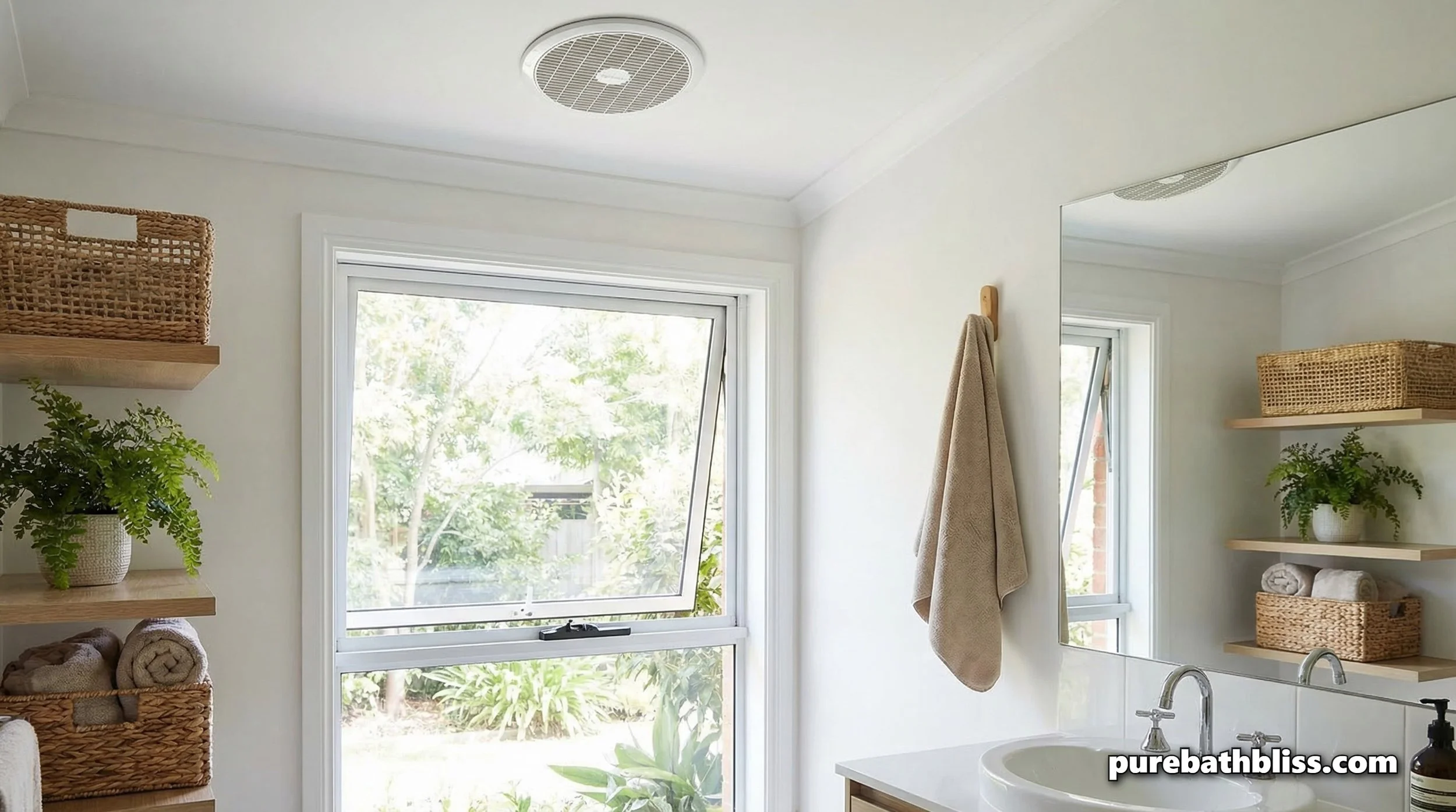
Drying Out Your Bathroom: The Post-Soak Protocol
There is nothing quite like the feeling of stepping out of a long, hot bath enriched with 7 Brilliant Uses for Epsom Salt in Your Bathroom. Your muscles are relaxed, your skin is glowing, and your mind is clear. But while you are feeling refreshed, your bathroom is under a massive amount of stress.
A single long bath or a 15-minute hot shower releases enough moisture into the air to saturate every surface in the room. If that moisture is allowed to sit, it begins a slow process of structural decay. It seeps into your drywall, weakens your wallpaper adhesive, and provides the perfect breeding ground for mold behind your vanity.
In 2026, a "Healthy Home" isn't just about the products you use; it’s about how you manage the environment. To protect your sanctuary, you need a post-soak protocol that ensures your bathroom is bone-dry within 30 minutes of you leaving the room. Here is the science of the "Dry Down" and how to do it right.
7 Brilliant Uses for Epsom Salt in Your Bathroom
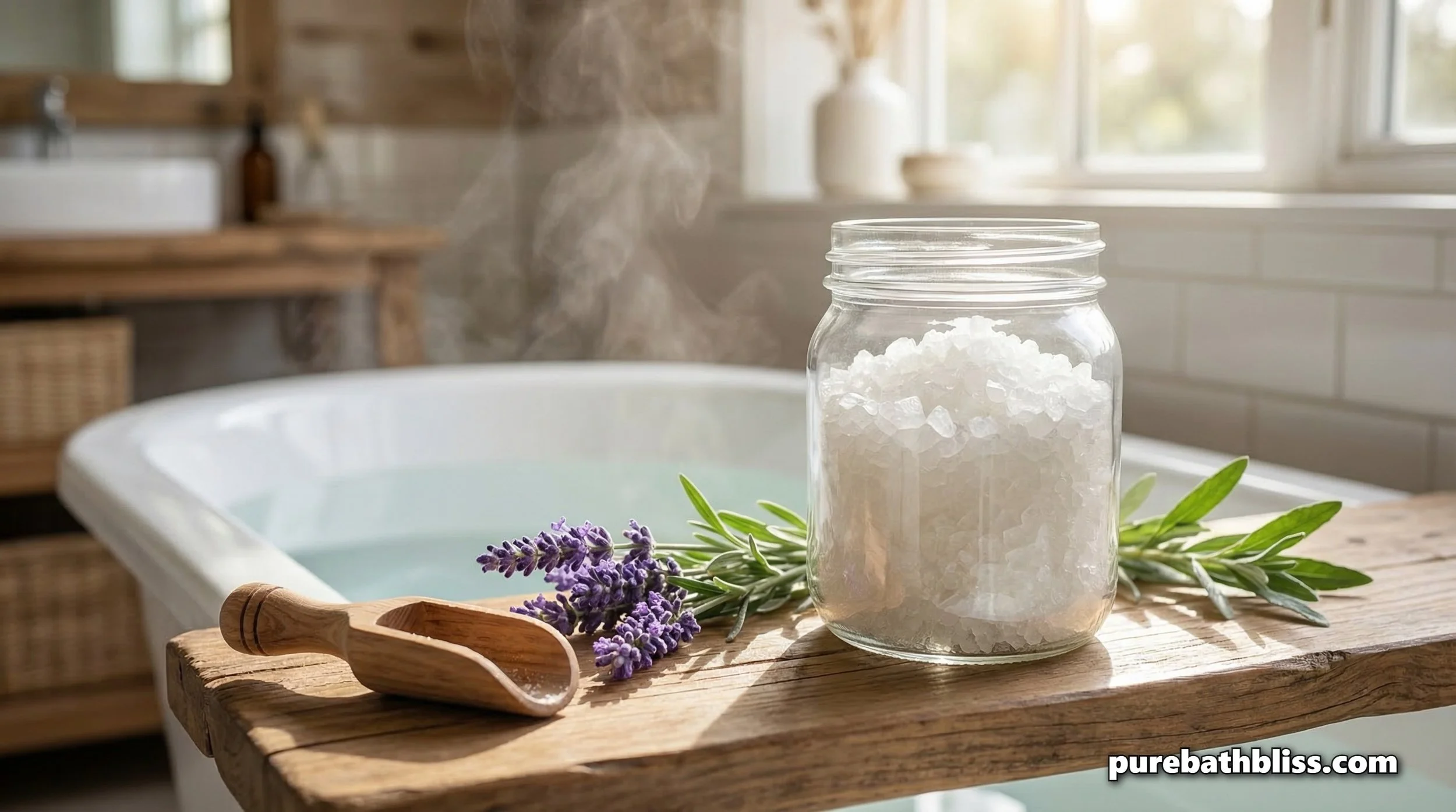
Epsom salt is a staple in the medicine cabinet of almost every home, yet it remains one of the most underutilized tools in the modern bathroom. Despite the name, Epsom salt isn't actually salt at all—it is a naturally occurring pure mineral compound of magnesium and sulfate. Named after a bitter saline spring at Epsom in Surrey, England, this compound has been used for centuries as a natural remedy for everything from muscle soreness to skin exfoliation.
In 2026, as we shift toward a more "organic" and intentional home lifestyle, Epsom salt is experiencing a resurgence. It fits perfectly into the "Wellness and Purity" philosophy because it is non-toxic, biodegradable, and incredibly versatile. Whether you are looking to enhance your nightly ritual or need a gentle abrasive for cleaning, magnesium sulfate is your best friend.
In this guide, we’ll explore seven brilliant ways to use Epsom salt to improve your health and the maintenance of your bathroom sanctuary.
7 Genius Ways to Use White Vinegar in Your Bathroom Deep Clean
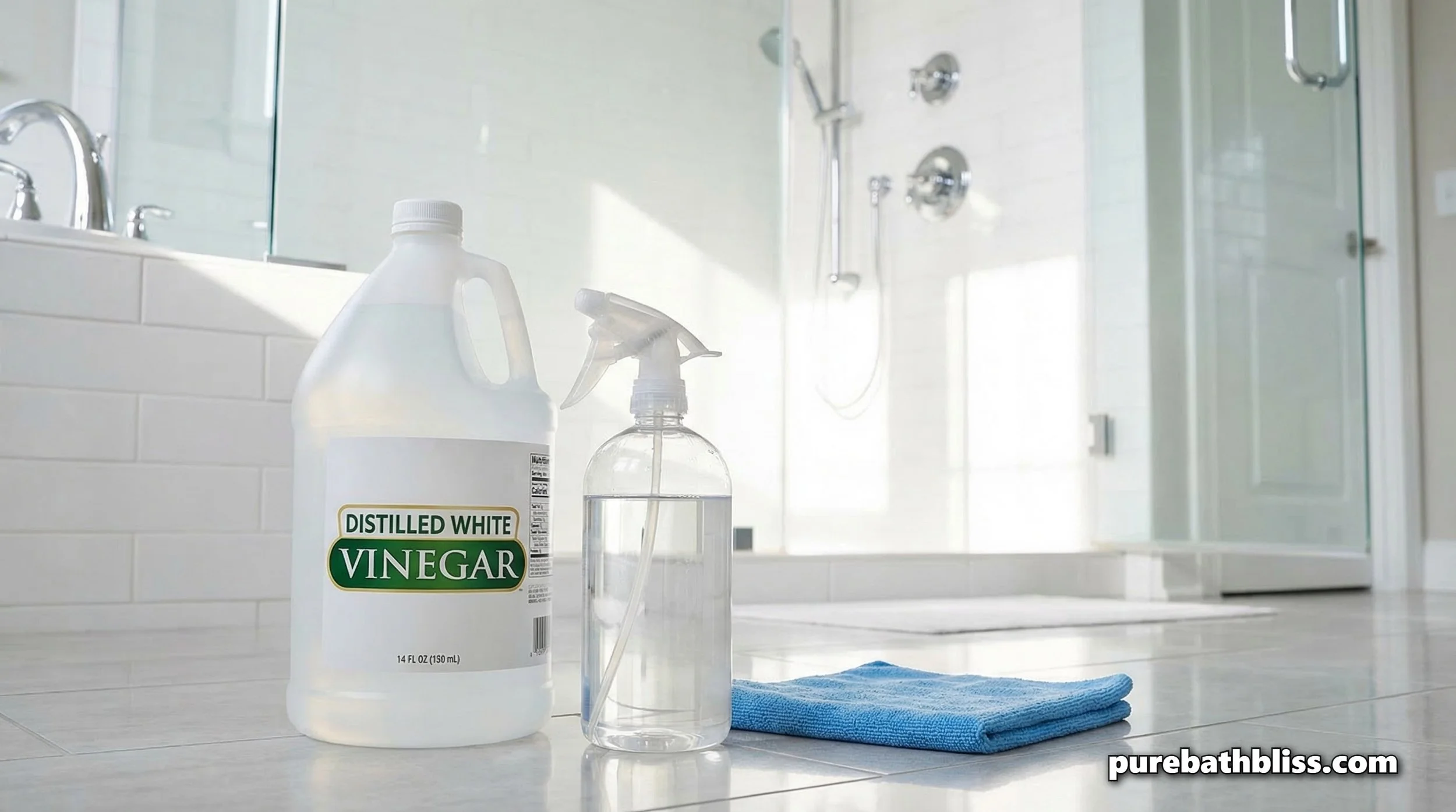
If there is one "miracle" ingredient that every homeowner should have in their cleaning arsenal, it is distilled white vinegar. While the modern cleaning aisle is packed with neon-colored liquids and synthetic "mountain breeze" scents, many professional cleaners and builders still reach for the gallon jug of vinegar. Why? Because it is one of the most effective, non-toxic, and affordable ways to manage the specific types of grime found in a bathroom.
Vinegar is a dilute form of acetic acid. This acidity makes it a natural solvent for the alkaline mineral deposits (like calcium and magnesium) that thrive in a wet environment. It is the perfect companion to our sister site’s guide on7 Uses for Vinegar in the Kitchen. But while the kitchen uses focus on grease and food safety, the bathroom uses are all about managing "hard water" and preventing the structural decay that moisture causes.
In this guide, we will look at seven genius ways to integrate white vinegar into your weekly deep clean without damaging your bathroom's sensitive infrastructure.
How to Care for Hoyas: The Must Have "Organic" Vining Plant of 2026
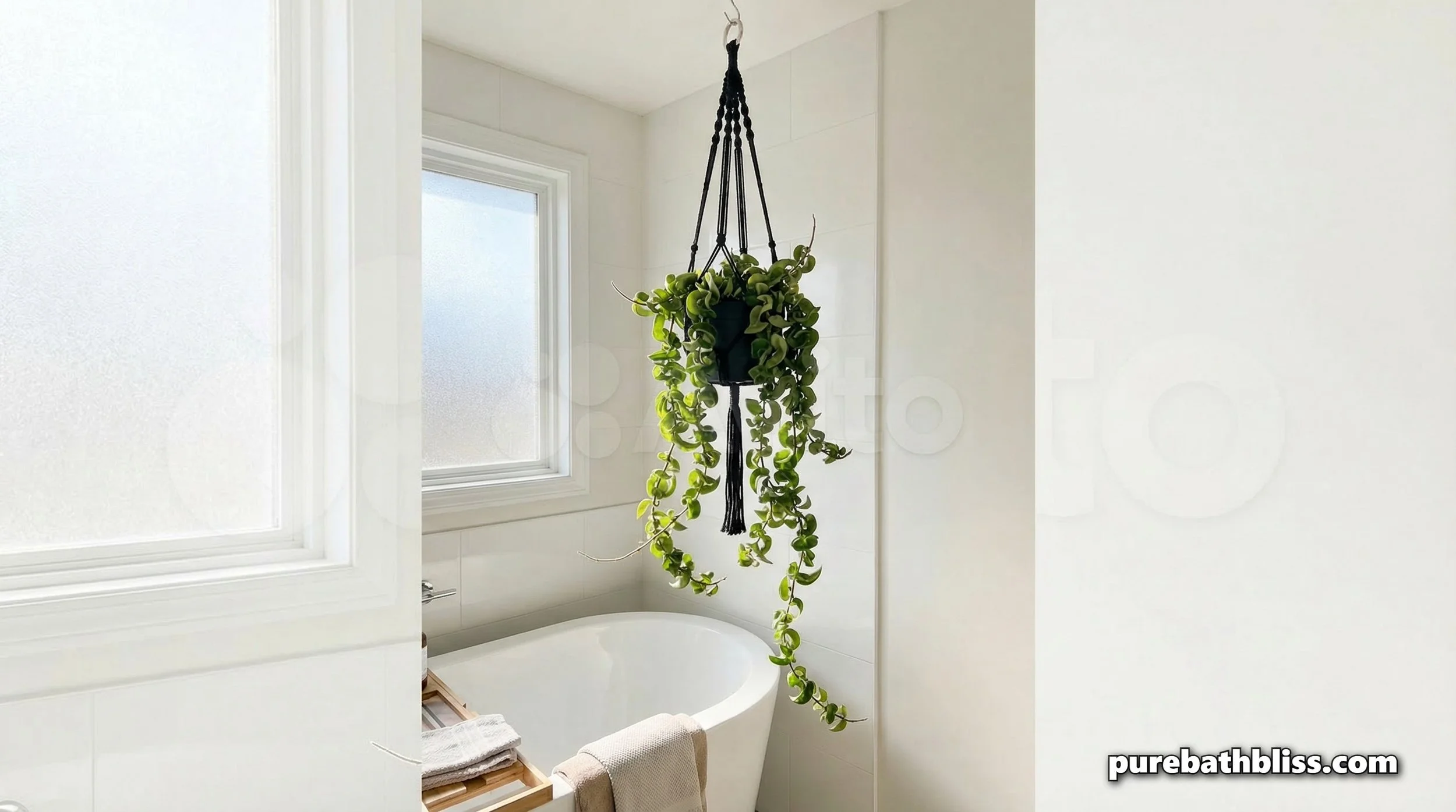
If you are looking for the perfect "organic" architectural element to add to your bathroom, look no further than the Hoya. Often called "Wax Plants" because of their thick, succulent-like leaves and stunning porcelain-like flowers, Hoyas have become the breakout interior design trend of 2026. While the fiddle-leaf fig and the snake plant had their moments, the Hoya is winning hearts this year because of its incredible versatility and its ability to turn a cold, tiled bathroom into a lush, vining sanctuary.
Hoyas are epiphytic, meaning in the wild, they often grow on other plants or trees rather than in the dirt. This makes them uniquely suited for the bathroom environment. They love the vertical space of a shower curtain rod or a high shelf, and they thrive on the humidity that other houseplants find overwhelming.
However, because they are semi-succulent, they have very specific needs. If you treat them like a standard tropical fern, you will quickly run into problems. In this guide, we will break down the science of Hoya care and how to integrate these beautiful vines into your healthy home.
Why Your Bath Towels Take Forever to Dry
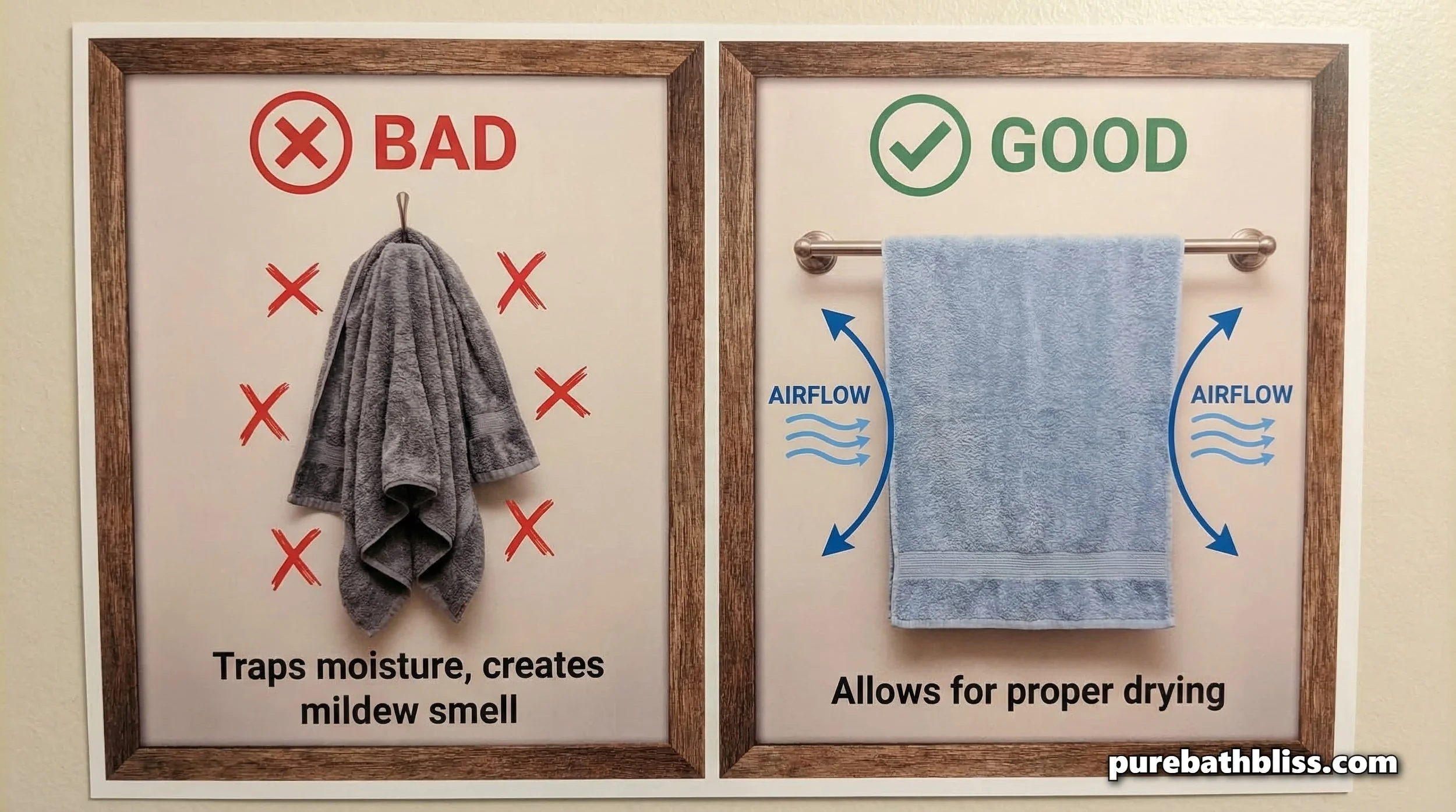
There is nothing quite as discouraging as reaching for a towel after a shower, only to find it is still damp and cold from the day before. Even worse is when that dampness turns into a lingering "sour" smell that no amount of laundry detergent seems to fix. If your towels take forever to dry, it isn't just an inconvenience, it’s a signal that your bathroom’s environment is out of balance.
A towel that stays wet for hours becomes a breeding ground for bacteria and mildew. This affects your skin health and the overall air quality of your home. To fix the problem, we have to look at the physics of evaporation, the material science of the towel itself, and the infrastructure of the room.
In this guide, we will explore why moisture gets trapped in your linens and the simple changes you can make to ensure your towels are fluffy, dry, and fresh every single morning.