7 Brilliant Uses for Epsom Salt in Your Bathroom
Epsom salt is a staple in the medicine cabinet of almost every home, yet it remains one of the most underutilized tools in the modern bathroom. Despite the name, Epsom salt isn't actually salt at all, it is a naturally occurring pure mineral compound of magnesium and sulfate. Named after a bitter saline spring at Epsom in Surrey, England, this compound has been used for centuries as a natural remedy for everything from muscle soreness to skin exfoliation.
In 2026, as we shift toward a more "organic" and intentional home lifestyle, Epsom salt is experiencing a resurgence. It fits perfectly into the "Wellness and Purity" philosophy because it is non-toxic, biodegradable, and incredibly versatile. Whether you are looking to enhance your nightly ritual or need a gentle abrasive for cleaning, magnesium sulfate is your best friend.
In this guide, we’ll explore seven brilliant ways to use Epsom salt to improve your health and the maintenance of your bathroom sanctuary.
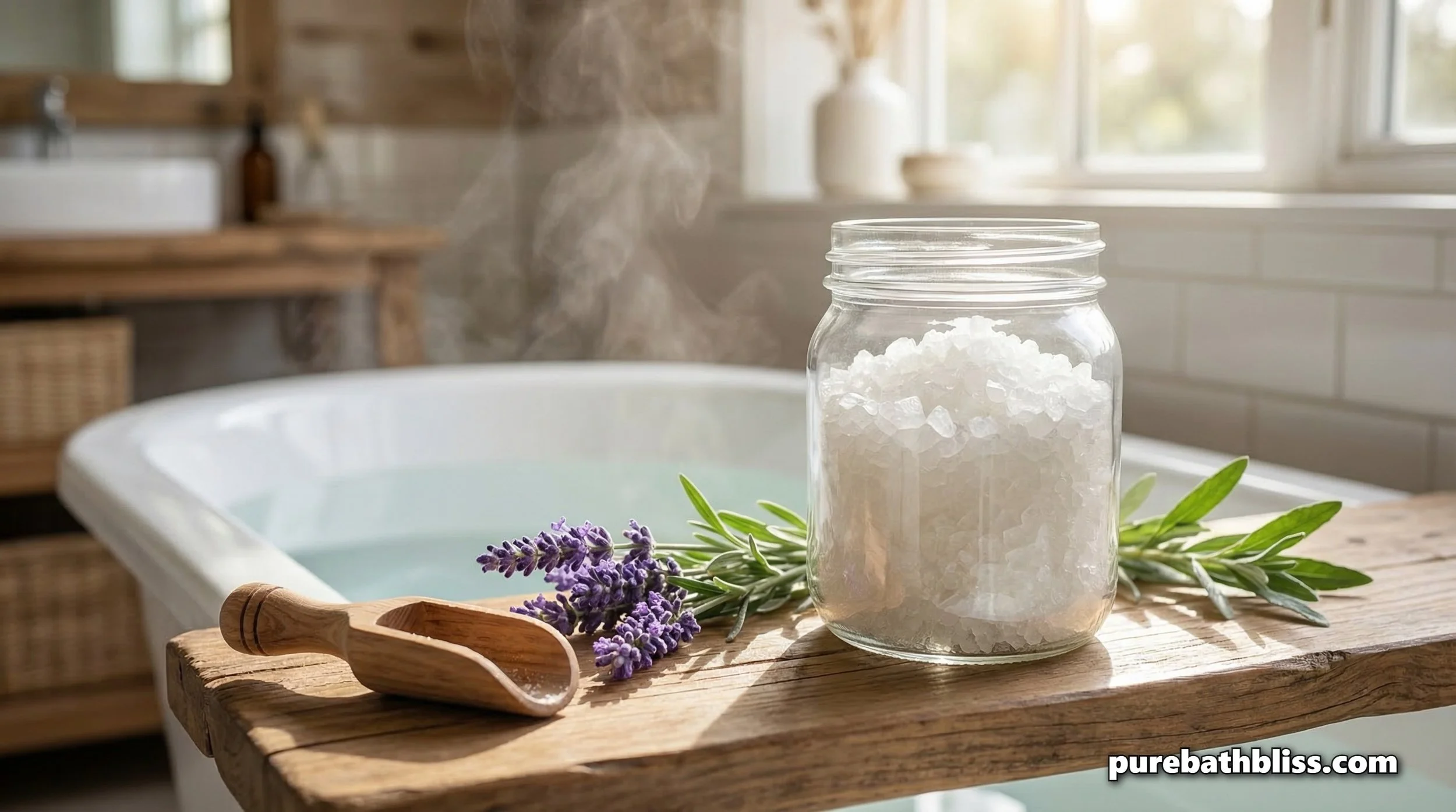
1. The Ultimate Muscle Recovery Soak
The most famous use for Epsom salt is, of course, the bath. When magnesium sulfate is dissolved in warm water, it is absorbed through the skin. This helps to replenish magnesium levels in the body, which is essential for muscle function and reducing inflammation.
To make this a true 2026 wellness experience, don't just dump the salt in. You want to create a "therapeutic brine."
The Mix: 2 cups of Epsom salt added to a standard-sized bathtub.
The Routine: Soak for at least 20 minutes. This allows the magnesium to fully penetrate.
Pro-Tip: If you find your bathroom getting too humid during these long soaks, make sure your ventilation is up to par. As we noted in Why Is My Bathroom Fan Vibrating?, a quiet, efficient fan is the key to enjoying a long bath without damaging your ceiling.
2. DIY Volumizing Hair Mask
If you have oily hair or your locks feel weighed down by product buildup, Epsom salt can act as a natural volumizer. The minerals help strip away the waxy residues that commercial conditioners often leave behind.
The Method: Mix equal parts of your favorite conditioner and Epsom salt.
The Application: Apply to your hair, focusing on the ends, and let it sit for 20 minutes before rinsing thoroughly.
The Science: The salt helps open up the hair cuticle and remove the "gunk" that prevents your hair from having a natural bounce. This is a great addition to your routine if you are already using the gentle cleansing methods we discussed in 6 Brilliant Uses for Castile Soap in the Bathroom.
3. A Gentle Scrub for Sensitive Tile
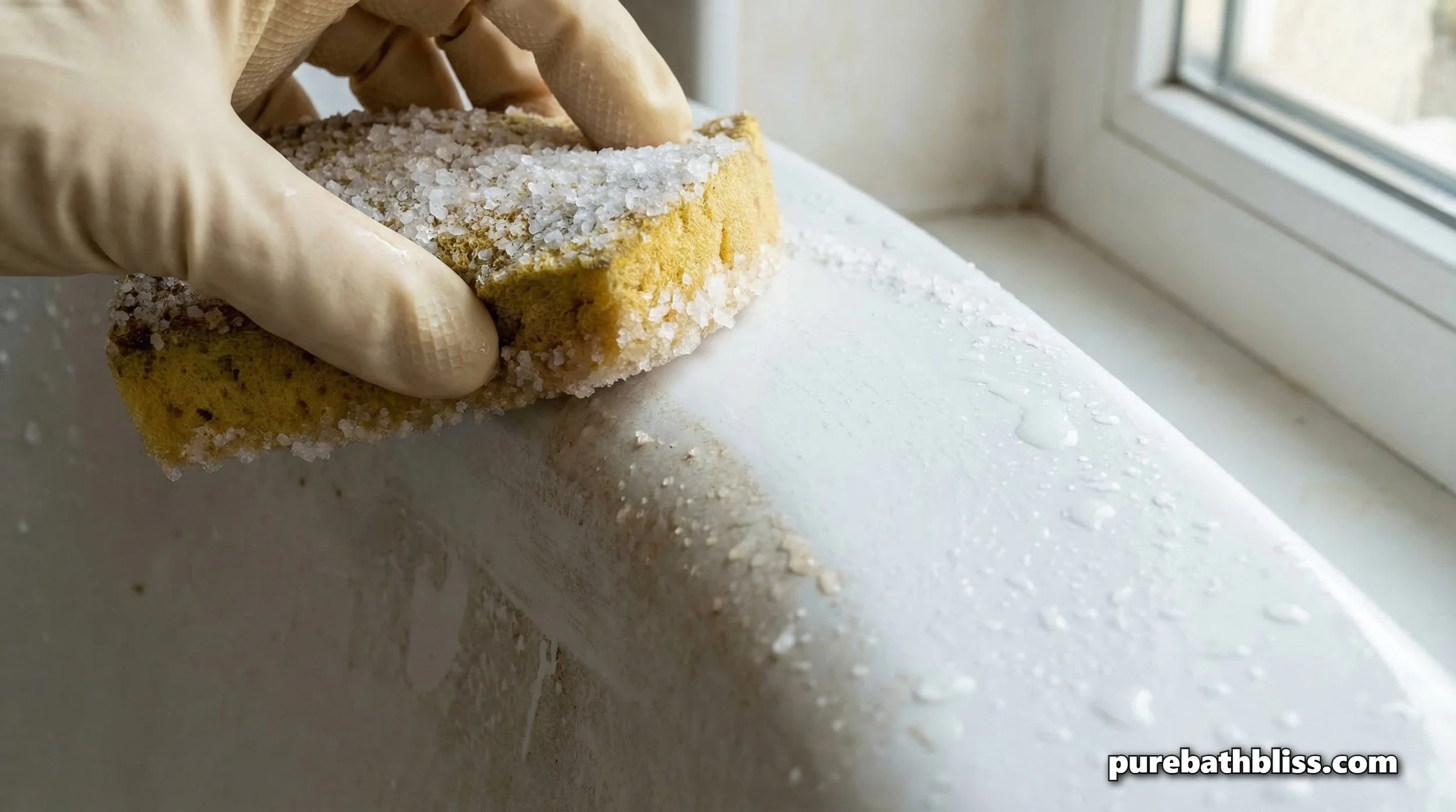
Epsom salt has a unique crystalline structure that makes it an excellent abrasive. It is tougher than baking soda but softer than industrial scouring powders, making it ideal for cleaning delicate surfaces.
If you have a porcelain tub or ceramic tiles that have developed a film of soap scum, Epsom salt can lift it without scratching the finish.
The Mix: Mix 1 part liquid soap with 1 part Epsom salt.
The Action: Use it to scrub the "grime ring" around the tub.
Caution: While safe for porcelain, be careful with natural stone. As we warned in Can I Use Castile Soap on Travertine and Marble Vanities?, any abrasive can eventually dull the seal on marble, so always test a small spot first.
4. Foot Soak for "Infrastructure" Health
We spend a lot of time talking about the infrastructure of the bathroom, but what about the infrastructure of your body? Your feet carry the weight of your day, and an Epsom salt foot soak is the fastest way to reduce swelling and soften calluses.
The Genius Fix: Fill a basin with warm water and a half-cup of Epsom salt.
The Benefit: It draws out toxins and helps neutralize foot odors. If you are doing this in the shower to save time, be mindful of your drain. While Epsom salt dissolves completely, you should still follow up with the boiling water flush we recommended in Why Your Bathroom Sink Smells Like Sulfur to keep your pipes clear of hair and soap scum.
5. Exfoliating "Glow" Body Scrub
In 2026, the trend is moving away from plastic microbeads (which are terrible for our oceans and our plumbing) and toward organic exfoliants. Epsom salt provides a deep exfoliation that removes dead skin cells and increases circulation.
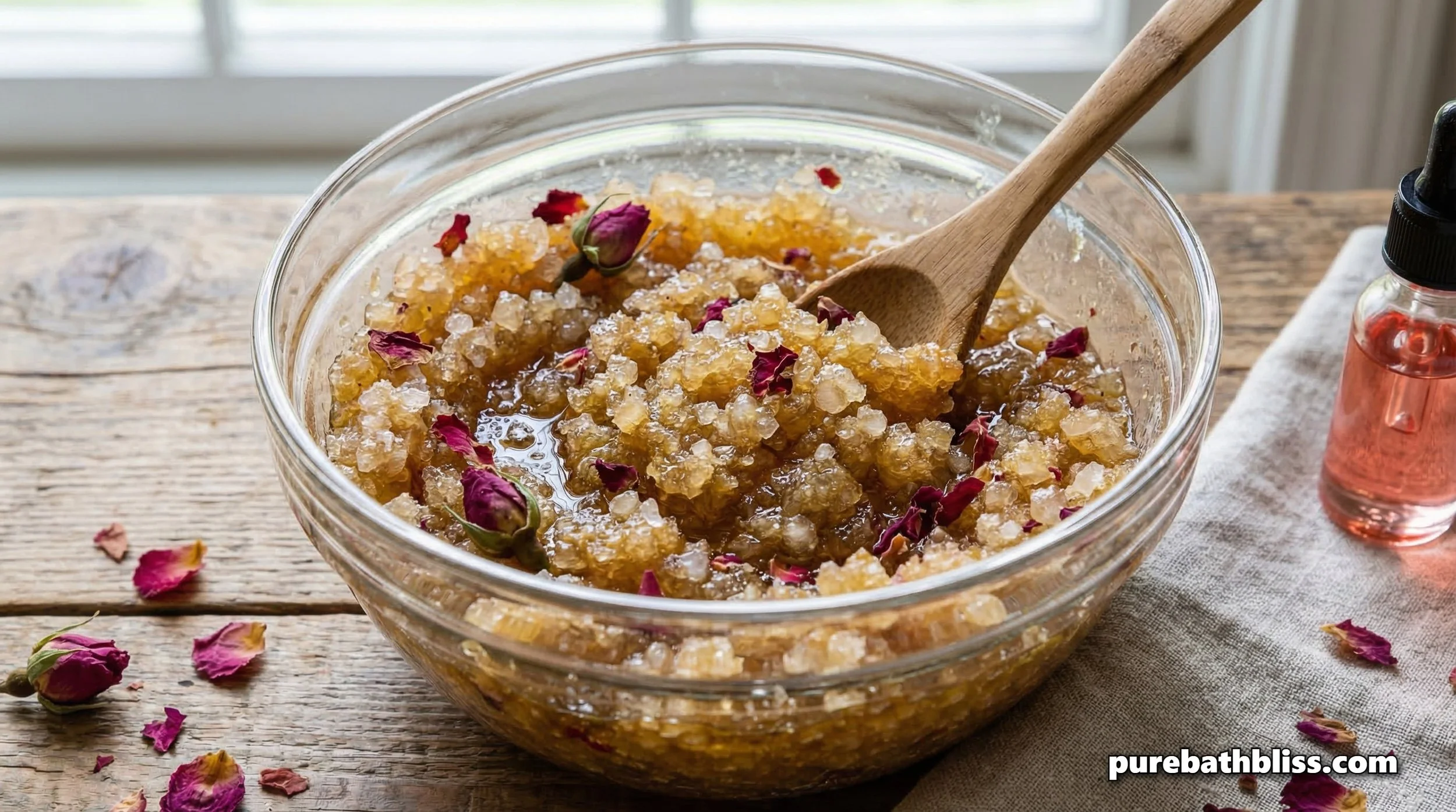
The Recipe: 1 cup Epsom salt and 1/4 cup carrier oil (like almond or coconut oil).
The Customization: Add 10 drops of the oils we used in our DIY Relaxing Shower Steamers: Sleep Blend for a relaxing scent.
The Result: Use this in the shower once a week for skin that looks polished and healthy.
6. Keeping Your Grout White
Because Epsom salt is a mineral, it can actually help "brighten" other minerals. If your grout is looking yellowed or dingy, a deep scrub with Epsom salt can pull the stains out of the porous cement.
This is a perfect task for your seasonal reset. When you are working through your 7 Tips for Spring Cleaning Your Bathroom, try using an Epsom salt and vinegar paste on the floor grout. The vinegar breaks down the minerals while the salt lifts the dirt. (Just remember: no vinegar on marble!)
7. The "Emergency" Splinter Remover
It sounds like an old wives' tale, but it is pure science. Epsom salt increases osmotic pressure on the skin, which can help draw foreign objects to the surface. If you or a child gets a small splinter or a piece of glass in your foot, soaking the area in a concentrated Epsom salt solution for 10 minutes can make it much easier to remove with tweezers.
Summary: Your Epsom Salt Checklist
Full Bath: 2 cups for muscle recovery and magnesium absorption.
Hair Mask: Mix it with conditioner for volume and shine.
Tub Scrub: Pair with soap to remove stubborn soap scum rings.
Foot Soak: Neutralize odors and soften skin in a basin.
Exfoliant: Create a DIY body scrub with organic oils.
Grout: Use as a gentle abrasive to brighten floor lines.
Safety: Use as a soak to help draw out splinters.
Epsom salt is the ultimate multitasker. It bridges the gap between personal wellness and home maintenance, ensuring that both you and your bathroom remain in peak condition.