How to Care for Hoyas: The Must Have "Organic" Vining Plant of 2026
Transparency Note: We independently select these products based on research and user reviews. If you buy something through our links, we may earn a commission.
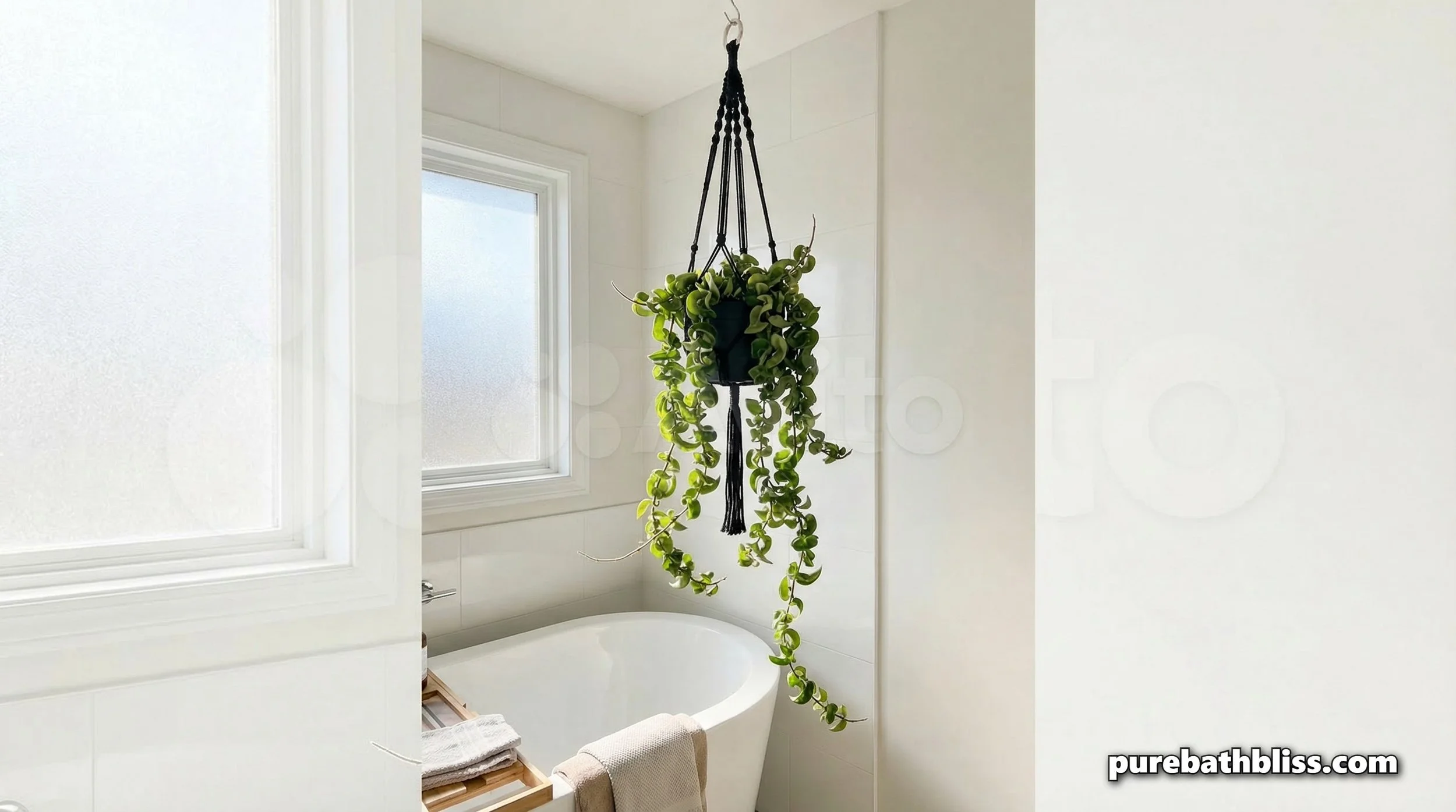
If you are looking for the perfect "organic" architectural element to add to your bathroom, look no further than the Hoya. Often called "Wax Plants" because of their thick, succulent-like leaves and stunning porcelain-like flowers, Hoyas have become the breakout interior design trend of 2026. While the fiddle-leaf fig and the snake plant had their moments, the Hoya is winning hearts this year because of its incredible versatility and its ability to turn a cold, tiled bathroom into a lush, vining sanctuary.
Hoyas are epiphytic, meaning in the wild, they often grow on other plants or trees rather than in the dirt. This makes them uniquely suited for the bathroom environment. They love the vertical space of a shower curtain rod or a high shelf, and they thrive on the humidity that other houseplants find overwhelming.
However, because they are semi-succulent, they have very specific needs. If you treat them like a standard tropical fern, you will quickly run into problems. In this guide, we will break down the science of Hoya care and how to integrate these beautiful vines into your healthy home.
The "Organic" Appeal: Why Hoyas are Trending in 2026
In 2026, the "Organic Modern" aesthetic is all about bringing natural textures into the home to offset the hard surfaces of modern construction. In a bathroom—which is dominated by glass, porcelain, and metal, the soft, trailing vines of a Hoya provide the perfect visual balance.
But it’s not just about looks. Hoyas are excellent air purifiers. As we discussed in 7 Unkillable Plants That Thrive in Your Windowless Bathroom, choosing plants that can handle bathroom life is a key part of maintaining indoor air quality. Hoyas are particularly good at filtering out volatile organic compounds (VOCs) that can linger from traditional cleaning products. This makes them a perfect companion to the 7 Best Plants for Your Kitchen, as both rooms require specialized greenery that can handle the unique temperature swings and humidity levels found in "wet" areas of the home.
Gather Your Hoya Essentials: The Grower's List
Hoyas don't like "wet feet," so having the right potting medium is the difference between a thriving vine and root rot. Here are the supplies I recommend for 2026:
Chunky Orchid Bark and Perlite Mix – Hoyas need air around their roots; never use heavy, standard potting soil.
Glass Misting Bottle – For targeted humidity on the leaves without overwatering the soil.
Neem Oil Leaf Shine – To keep those waxy leaves dust-free and pest-resistant.
Decorative Coco-Coir Poles – If you want your Hoya to climb upward rather than trail down.
Slow-Release Organic Bloom Fertilizer – High in phosphorus to encourage those famous wax flowers.
1. Light: The "Goldilocks" Rule
One of the biggest myths about Hoyas is that they can live in the dark. While they are resilient, if you want your Hoya to grow fast and eventually produce its fragrant flowers, it needs bright, indirect light.
In a bathroom, the best place for a Hoya is near a frosted window or on a shelf that gets plenty of reflected light. If your bathroom is truly windowless, you may want to stick to the species mentioned in our guide on5 Unkillable Trees for Your Bathroom, or invest in a small LED grow light. Without enough light, the "wax" coating on the leaves will dull, and the plant will stop producing new segments.
2. Humidity: Using Your Shower to Your Advantage
Because Hoyas are native to Southeast Asia and Australia, they are programmed to love humid air. This is why they are the "must-have" bathroom plant of 2026. The steam from your shower provides a natural hydration that most living rooms can’t match.
As we covered in What to Do When Your Christmas Cactus Flowers in Your Bathroom, humidity is a double-edged sword. While the Hoya loves the damp air, you must ensure that the room still has proper ventilation. If the air stays stagnant for too long, you risk developing powdery mildew on the leaves. Always ensure your fan is clear of dust; if it’s making noise, check out Why Is My Bathroom Fan Vibrating? to get it running smoothly again.
3. Watering: The "Drying Out" Phase
This is where most Hoya owners fail. Because the leaves are thick and waxy, they store water. This means the plant is much more drought-tolerant than a pothos or a philodendron.
You should allow the potting mix to dry out almost completely before watering again. If you water a Hoya while the soil is still damp, the roots will suffocate. This is why a chunky, "breathable" soil mix is vital. Think of it like your towels: just as we discussed in Why Your Bath Towels Take Forever to Dry, if the fibers stay saturated without airflow, things start to go "sour." The same applies to Hoya roots.
4. The "Don't Touch" Rule (Peduncles)
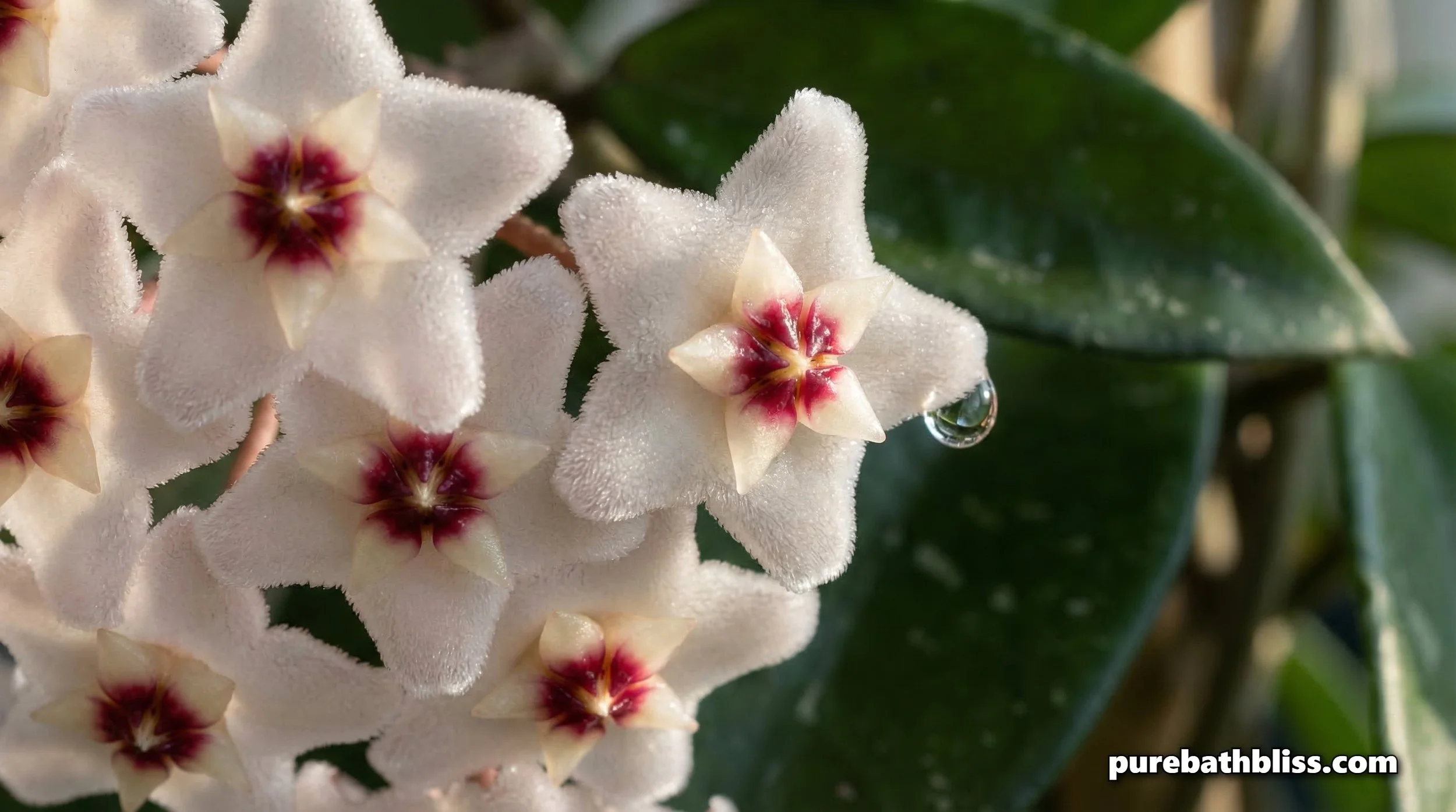
If you are lucky enough to have your Hoya produce flowers, there is one critical rule: Never cut off the flower stalks. In the plant world, these are called peduncles. Unlike most plants that grow a new stem for every flower, Hoyas bloom from the exact same spot year after year. If you "clean up" the plant by cutting off the bare stalks after the flowers fall, you are cutting away next year's blooms.
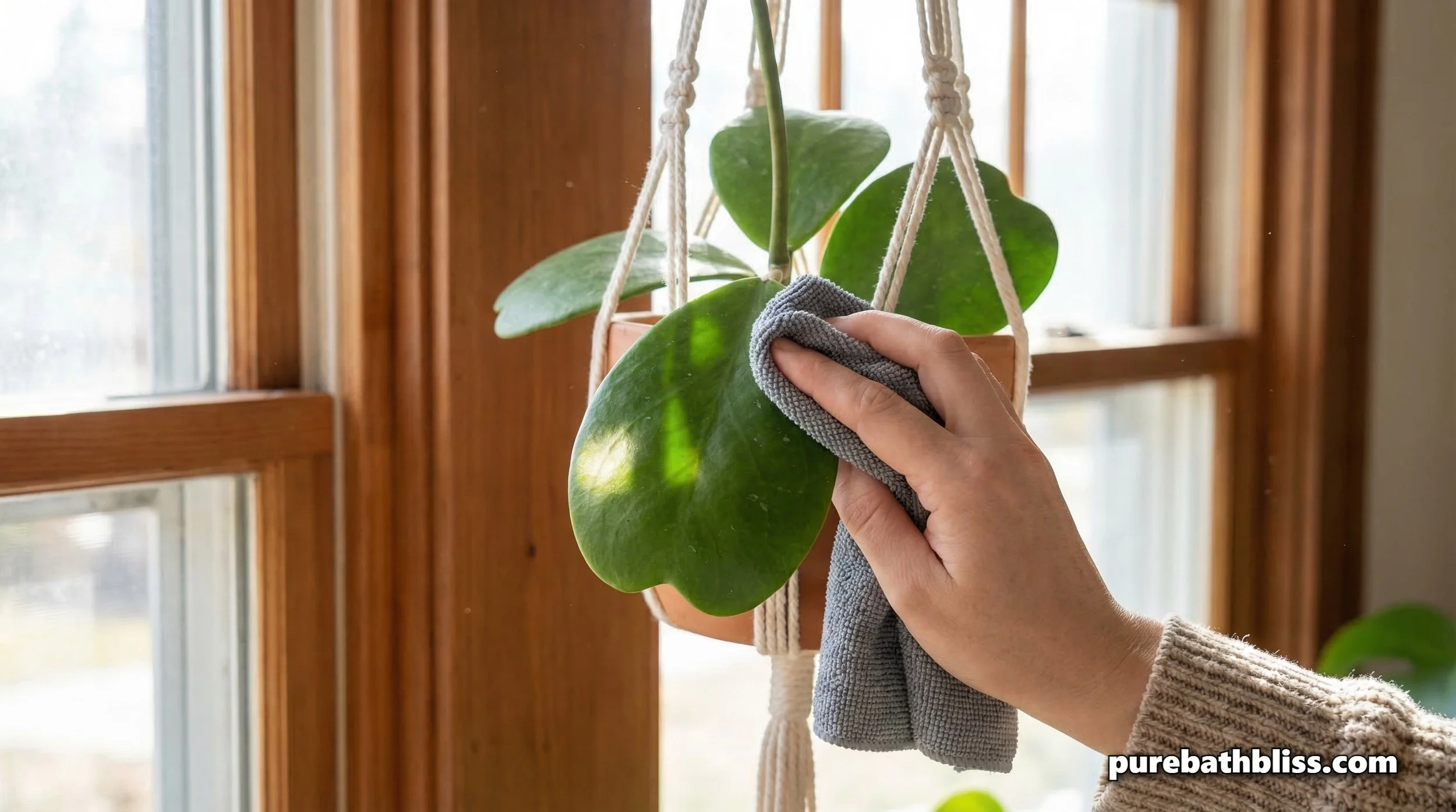
During your 7 Tips for Spring Cleaning Your Bathroom, be very careful when dusting your plants. Use a soft, damp cloth to gently wipe the leaves, but avoid bumping the delicate peduncles.
5. Training Your Vines
Hoyas are natural explorers. They will send out long, leafless tendrils that "reach" for something to grab onto. In 2026, the trend is to let these vines wrap around mirror frames or trail along the top of a medicine cabinet.
Just be careful with where the vines touch. If a vine rests against a cold, damp window during the winter, the leaves may drop. Keep the vines focused on the "warm" parts of the bathroom infrastructure to ensure steady growth.
Summary: The Hoya Success Checklist
Light: Bright, indirect light is a must for growth and flowers.
Soil: Use an orchid-style chunky mix; never standard dirt.
Water: Wait until the soil is dry. When in doubt, don't water.
Humidity: They love shower steam, but keep the fan running to prevent mildew.
Peduncles: Leave the leafless flower stalks alone!
Dusting: Keep the leaves clean so the plant can photosynthesize effectively.
Hoyas are more than just a trend; they are a long-lived, rewarding addition to a healthy bathroom. By respecting their need for airflow and dry roots, you can enjoy a vining sanctuary that brings the "Organic 2026" look to life in your own home.