The Best Non-Toxic Shower Curtains: Why PVC is Officially Out
When we talk about "Bathroom Infrastructure," we usually think of the low-flow toilet or the copper piping behind the walls. But one of the largest surfaces in your bathroom, and the one most likely to impact the air you breathe, is your shower curtain.
If you’ve ever unrolled a brand-new plastic shower liner and been hit with that sharp, chemical "new shower curtain smell," you are smelling Volatile Organic Compounds (VOCs). In 2026, the data is clear: the standard PVC (polyvinyl chloride) liner is a major contributor to indoor air pollution. As a parent of four, I’ve realized that cleaning the pink slime bacteria off a toxic curtain is a losing battle for your health.
In this guide, we’ll dive into why PVC is being phased out of the modern home and explore the high-performance, non-toxic materials that will keep your bathroom safe, stylish, and breathable.
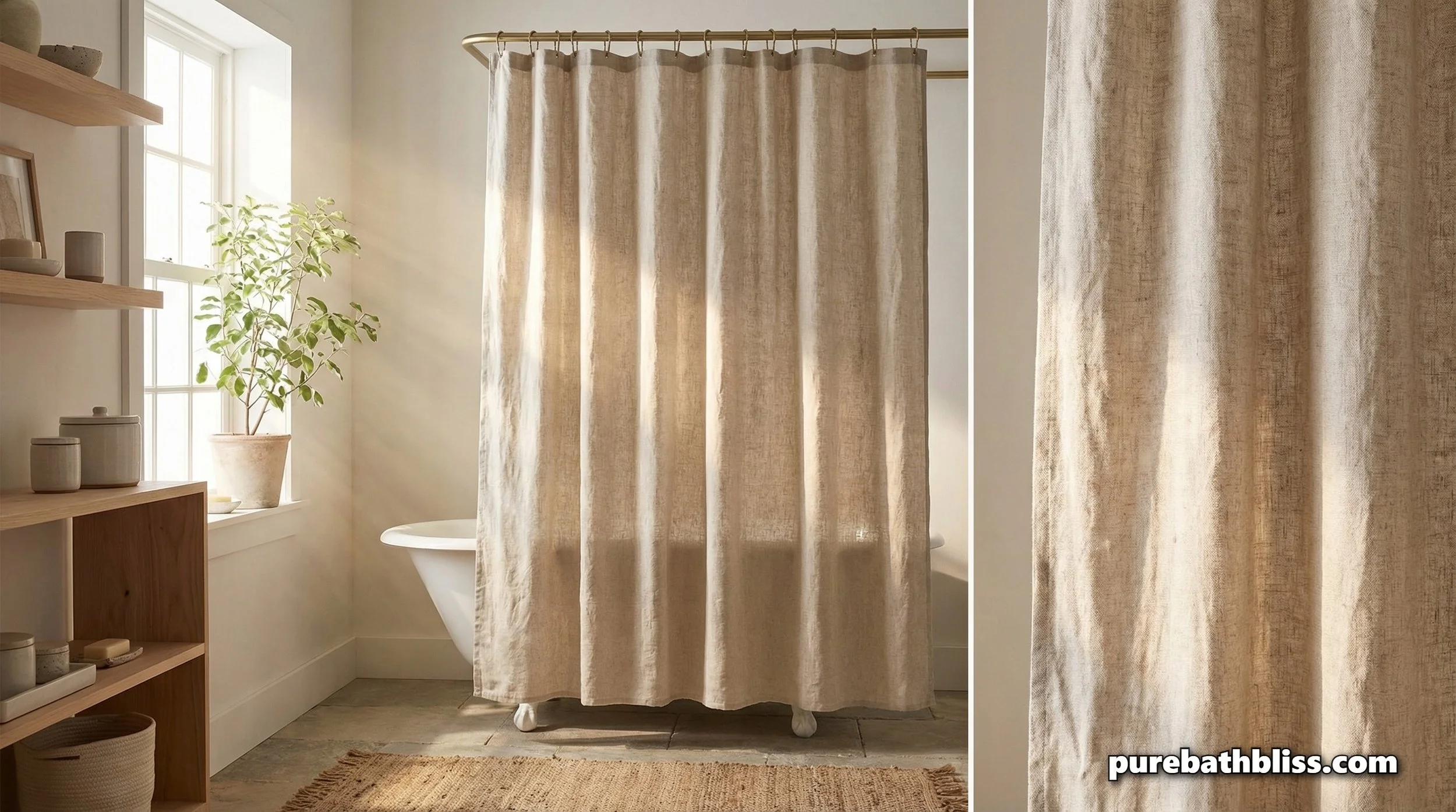
1. The PVC Problem: What’s That Smell?
PVC is often called "poison plastic." To make it flexible enough for a shower liner, manufacturers add phthalates, chemical softeners that aren't chemically bound to the plastic.
Off-Gassing: When you take a hot shower, the heat and humidity accelerate the release of these phthalates into the air. This "off-gassing" can last for months, contributing to headaches, respiratory irritation, and long-term endocrine disruption.
The "Biofilm" Magnet: PVC is prone to attracting soap scum and black mold. Because it’s a non-breathable plastic, moisture sits on the surface, creating a "feeding ground" for bacteria.
2. The 2026 Non-Toxic Alternatives
If you're ready to upgrade your bathroom’s "Air Infrastructure," here are the three materials currently leading the market:
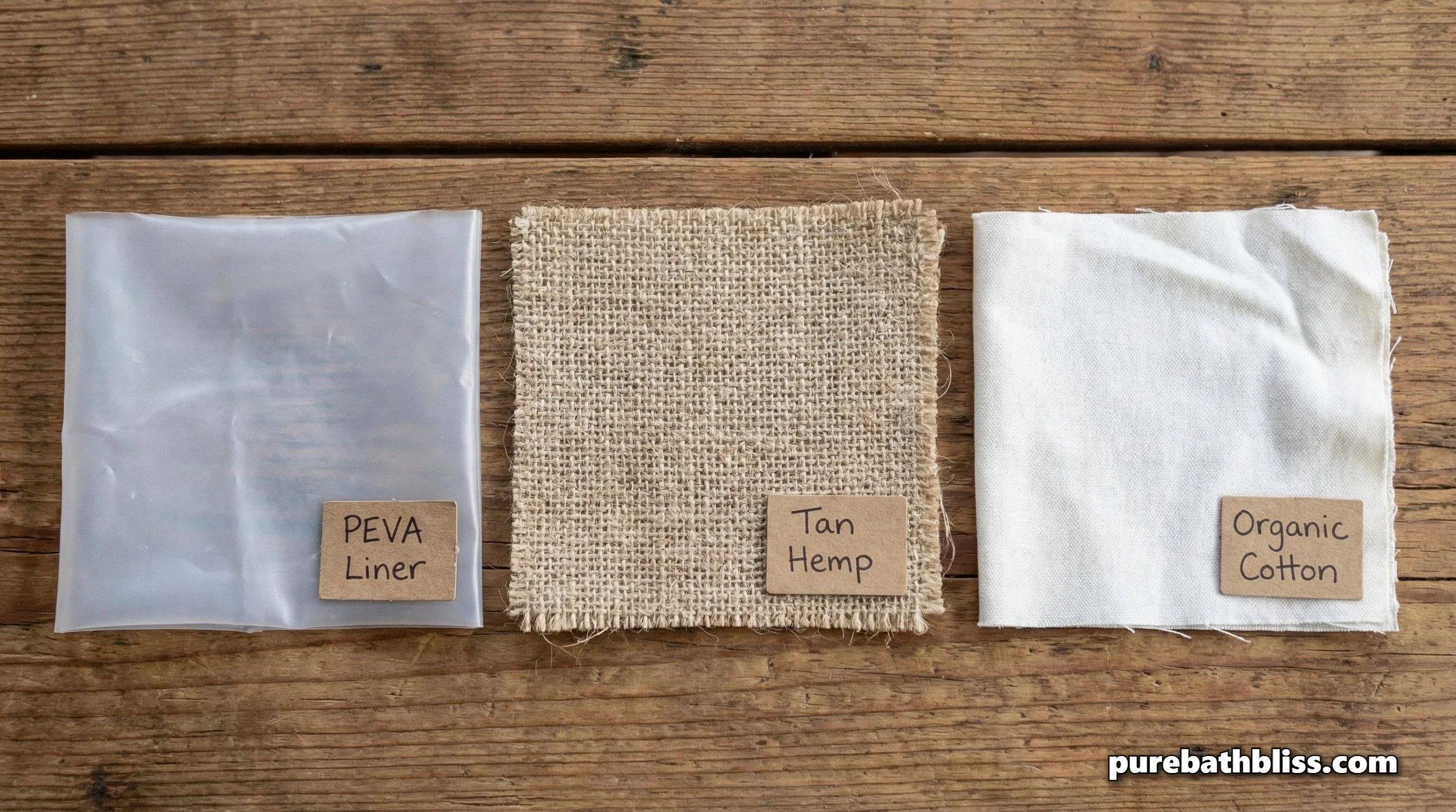
PEVA (Polyethylene Vinyl Acetate): This is the "budget-friendly" non-toxic option. It’s a chlorine-free plastic that provides the same waterproof barrier as PVC without the toxic off-gassing. It's much softer to the touch and biodegradable.
Hemp: The "Builder’s Choice" for sustainability. Hemp is naturally antimicrobial and mildew-resistant. It’s so dense that it doesn't even require a plastic liner if your bathroom has good ventilation.
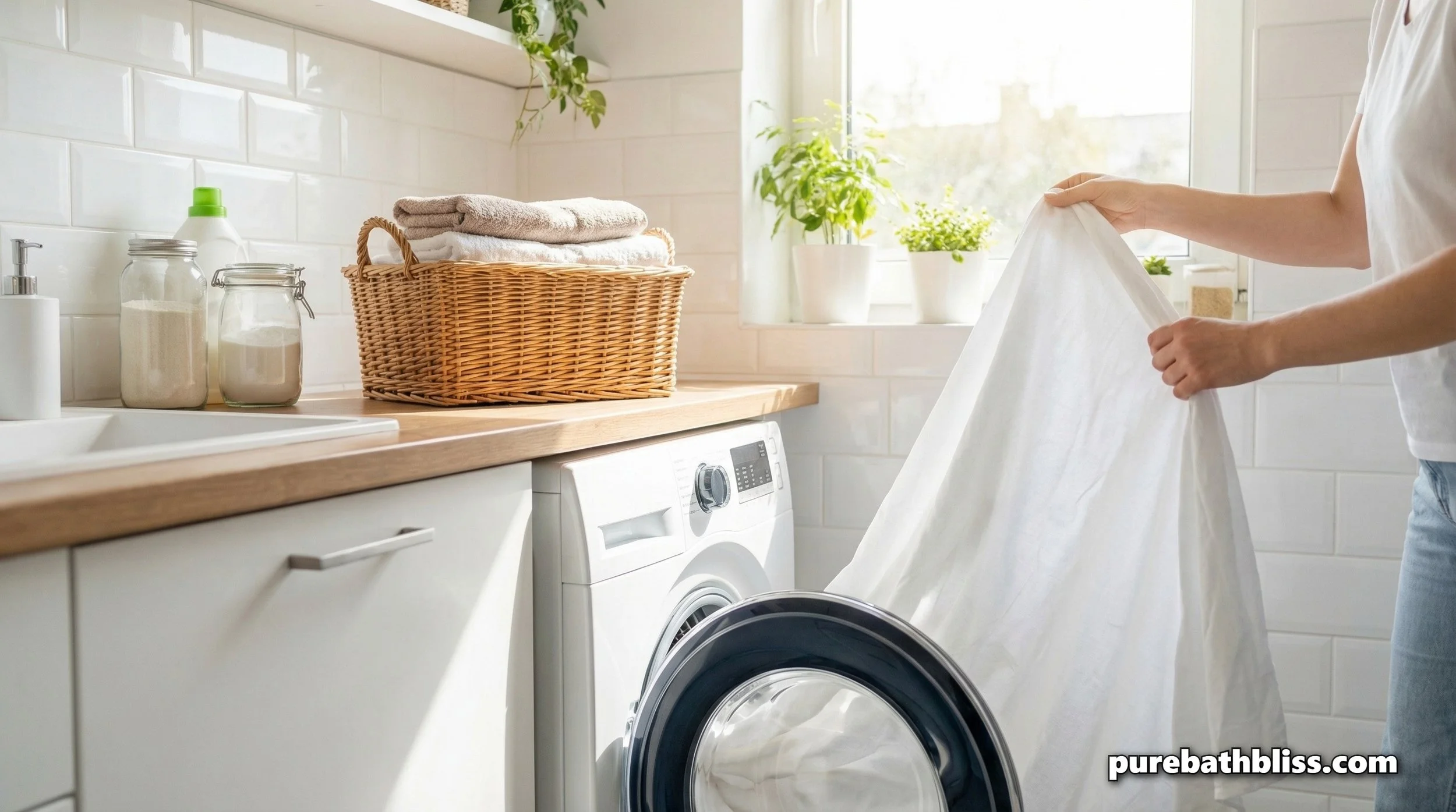
Organic Cotton / Linen: For a high-end "Spa" look, nothing beats natural fibers. They are machine washable, which is the ultimate defense against pink slime.
3. Shower Curtain Material Guide
| Material | Health Impact | Washability | Status |
|---|---|---|---|
| PVC (Vinyl) | Toxic Phthalates / Off-gassing | Hand Wipe Only | Avoid |
| PEVA / EVA | Chlorine-Free / Non-Toxic | Hand Wipe / Gentle Cycle | Good |
| Hemp | Natural / Antimicrobial | Machine Washable | Best |
| Organic Cotton | Breathable / Safe | Machine Washable | Excellent |
4. Maintenance: Stopping Mold on Fabric
The biggest fear homeowners have with fabric curtains is mold. However, if your bathroom mirror height is set correctly and your airflow is optimized, fabric is actually easier to keep clean than plastic.
The "Spread It Out" Rule: After every shower, pull the curtain fully closed (covering the length of the tub). If it stays bunched up in a corner, moisture gets trapped in the folds, leading to black mold.
The Vinegar Cycle: Every two weeks, toss your fabric curtain in the wash with a cup of distilled white vinegar. This kills bacteria and keeps the fabric from getting stiff with mineral buildup.
5. Amazon: The Non-Toxic Shopping List
To get your bathroom "Air Infrastructure" up to code, here are the top-rated 2026 alternatives I recommend:
Heavyweight PEVA Shower Curtain Liner – The best "entry-level" non-toxic option. Look for "chloride-free" on the label.
Raw Hemp Shower Curtain – Ideal for those who want a completely plastic-free experience. Hemp dries incredibly fast.
Weighted Organic Cotton Waffle Weave – Provides that heavy, luxury "hotel feel" without the chemicals.
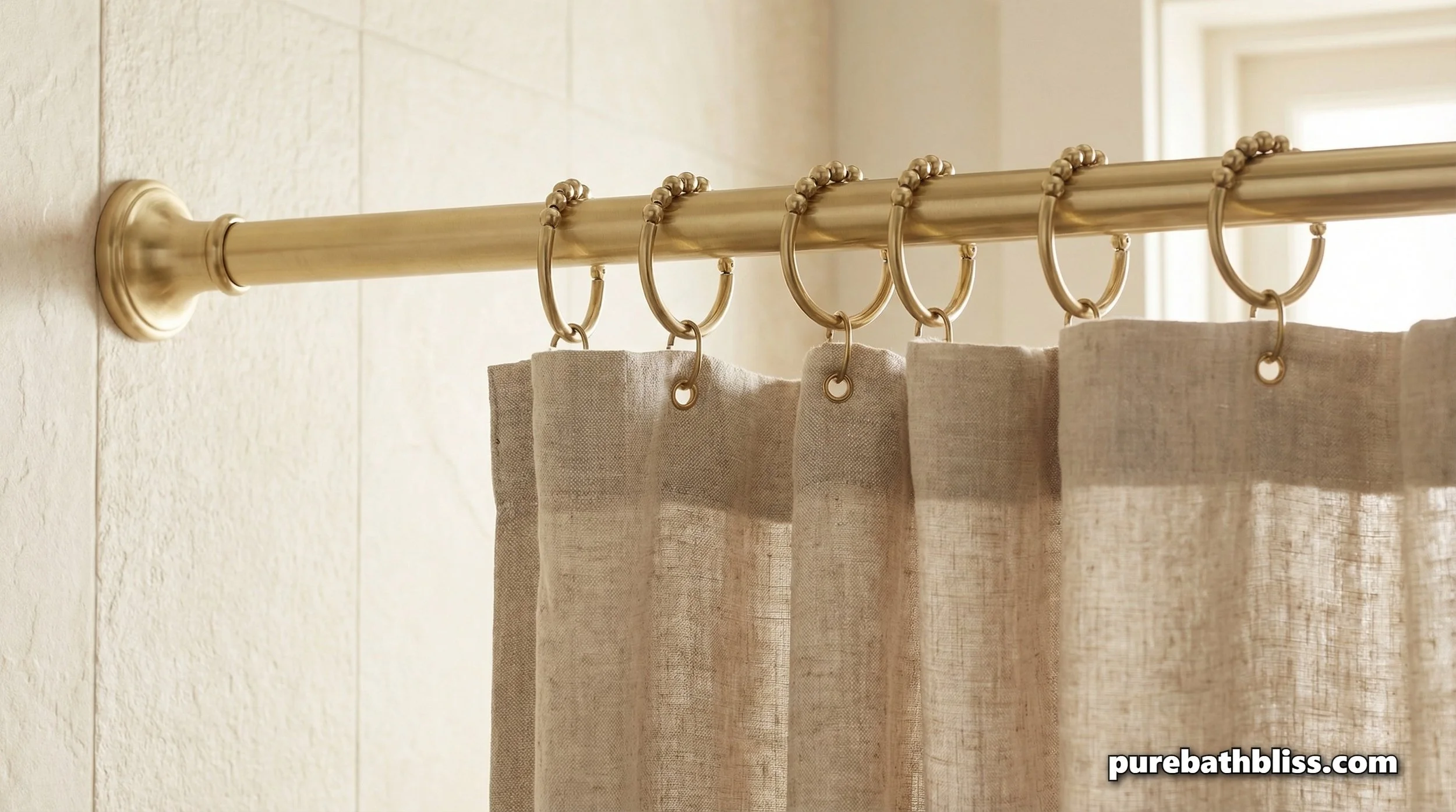
Brushed Brass Roller Rings – Pair your new curtain with brushed brass hardware for a modern, mixed-metal look.
Summary: The Non-Toxic Curtain Checklist
Smell the Difference: If it smells like chemicals, it’s off-gassing.
Check the Label: Look for "PVC-Free," "PEVA," or "GOTS Certified Organic."
Choose Washable: Being able to machine wash your curtain is a game-changer for hygiene.
Manage Your Airflow: Ensure your exhaust fan is running to help fabric dry quickly.
Weighted Bottoms: Look for curtains with magnets or weighted hems to keep the fabric from "billowing" while you shower.
Style with Hardware: Upgrade to brass or nickel rings to finish the look.
Upgrading to a non-toxic shower curtain is one of the easiest "Healthy Home" wins you can achieve. It’s a simple switch that immediately improves your indoor air quality and removes a major source of mold and bacteria from your daily routine.