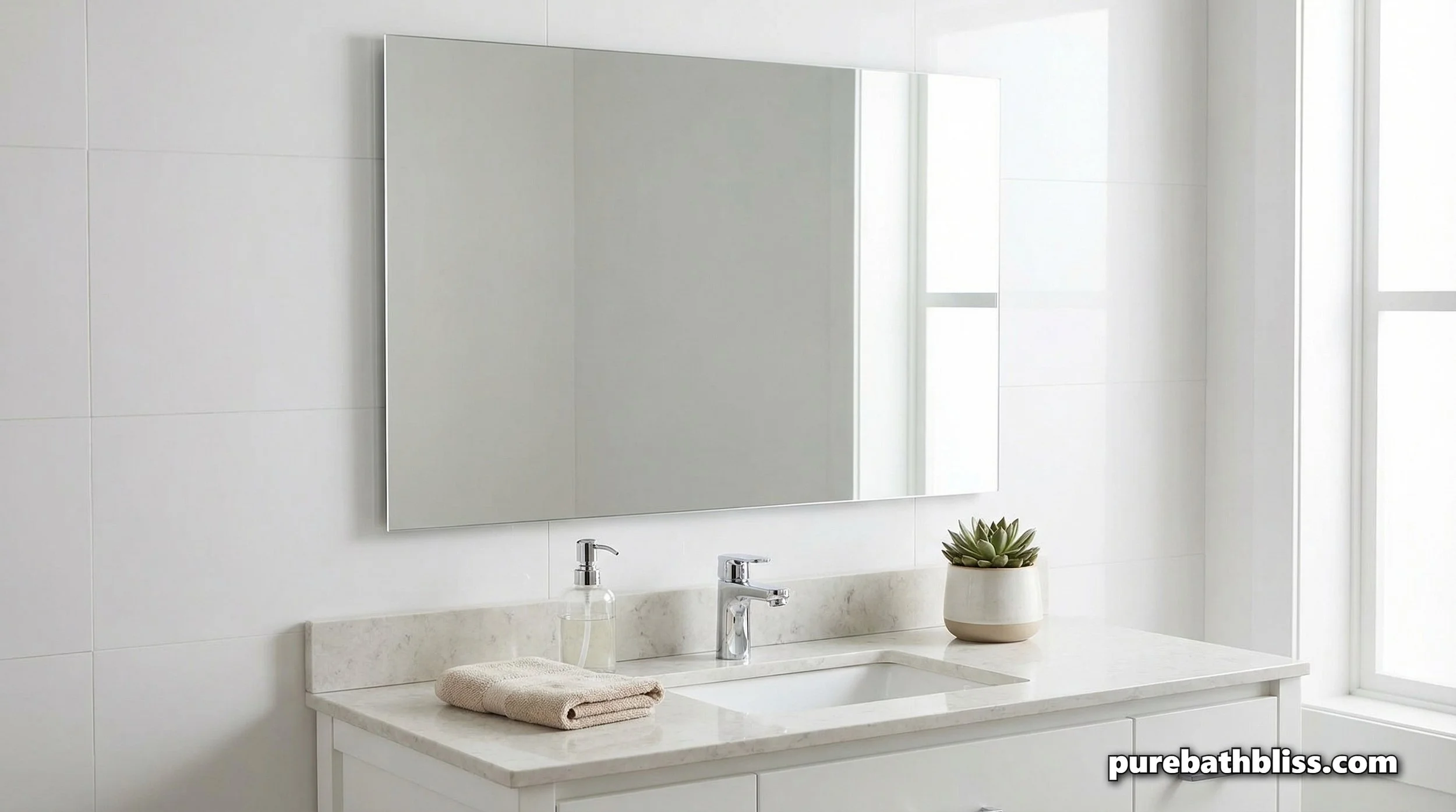
How to Keep Your Guest Bathroom Simple
It is very easy to overdo it when you are getting ready for houseguests. You might feel a lot of pressure to make your home look perfect, like a hotel. You want your friends and family to feel comfortable, so you might add extra toiletries, fancy decorative items, or specialized products to make the space feel luxurious.
In reality, most guests do not need a fancy setup. They just want a clean space that is easy to use. Adding too much stuff to your guest bathroom just creates more work for you to clean and more places for dust to hide. When you have too many things on your counters or shelves, keeping the room tidy becomes a chore.
Here is how to keep your guest bathroom simple, clean, and very easy to maintain.
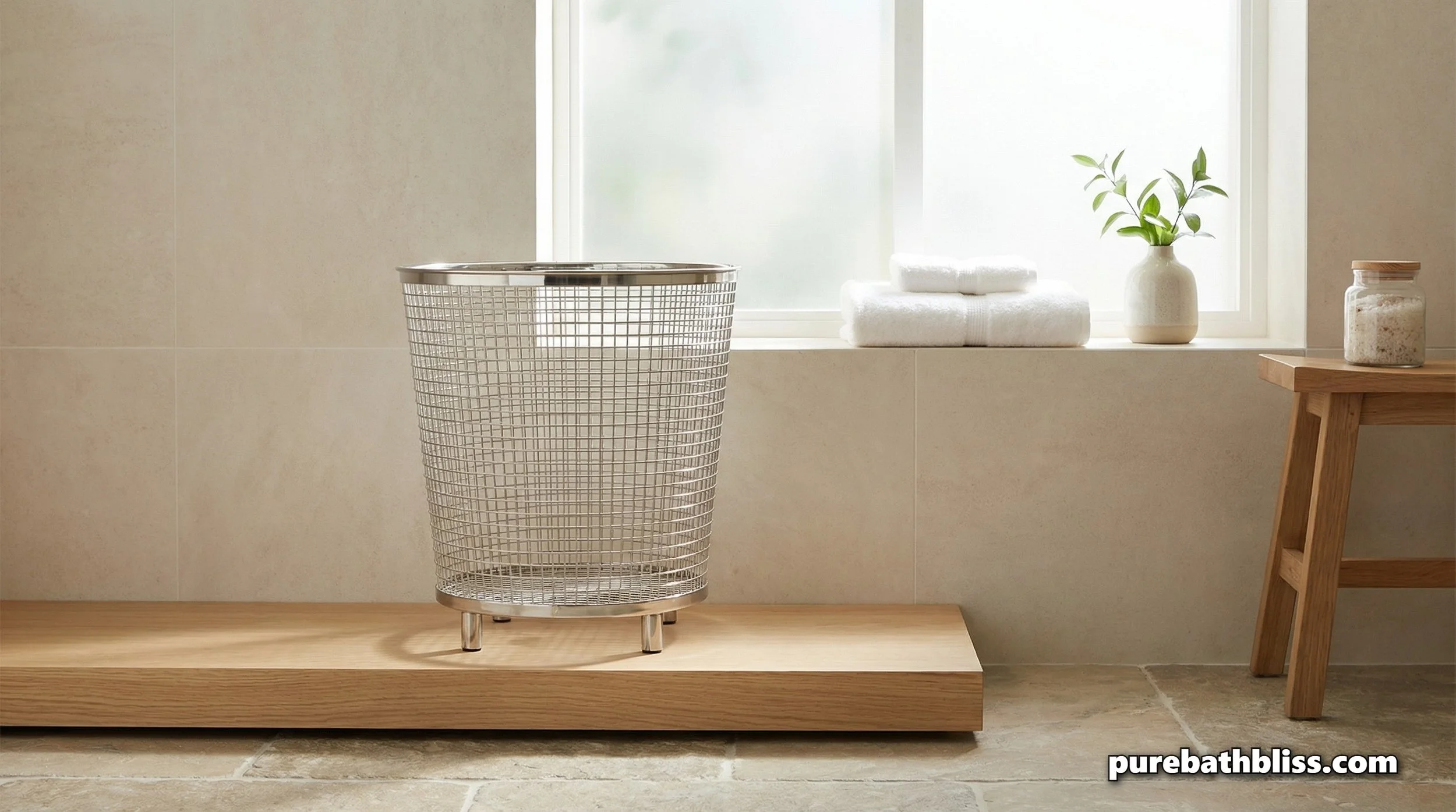
Should You Keep a Hamper in the Bathroom?
As a father of 4, I have fought the laundry battle for years. I understand the pull of the "bathroom hamper", it’s the ultimate convenience. You step out of the shower, shed your clothes, and clunk, right into the basket. It keeps the bedroom floor tidy and minimizes the steps between "done" and "in the wash."
But there is a reason professional organizers and home health experts are often divided on this. As a builder, I look at the bathroom as a high-performance system: a space designed to manage moisture, heat, and sanitation. When you introduce a hamper filled with soiled laundry into that system, you are introducing a variable that can compromise the health of your sanctuary.
Is it possible to keep a hamper in the bathroom? Yes. But it requires a strict set of "stewardship" rules. If you do it wrong, you are essentially building a localized mold farm. If you do it right, you can maintain the convenience without the hygiene penalty.
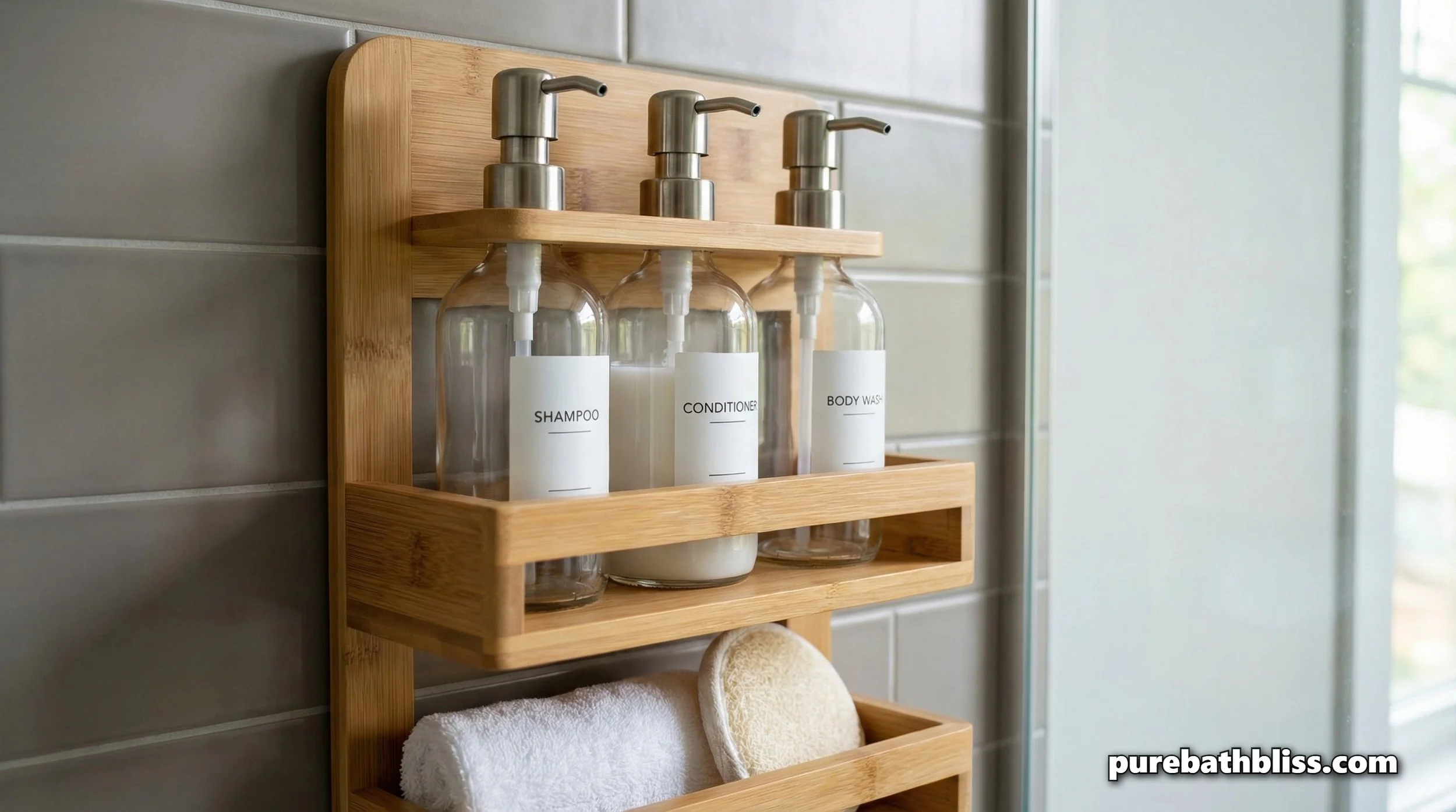
How to Store Your Shampoo
As a father of 4, I have seen the "floor graveyard" in more showers than I care to count. You know the one: fifteen half-empty bottles, caps crusted with dried product, all huddled in the corner of the tub, slowly accumulating a layer of orange, slimy "biofilm."
When people ask me, "Does shampoo storage really matter?" my answer is always a firm yes. It matters for three reasons: hygiene, product longevity, and safety. If you are just tossing your bottles on the shower floor, you aren't just creating visual noise; you are actively working against the health of your sanctuary. Proper storage is one of the easiest ways to keep your shower clean, extend the life of your products, and ensure your space remains a place of restoration rather than a chore zone.
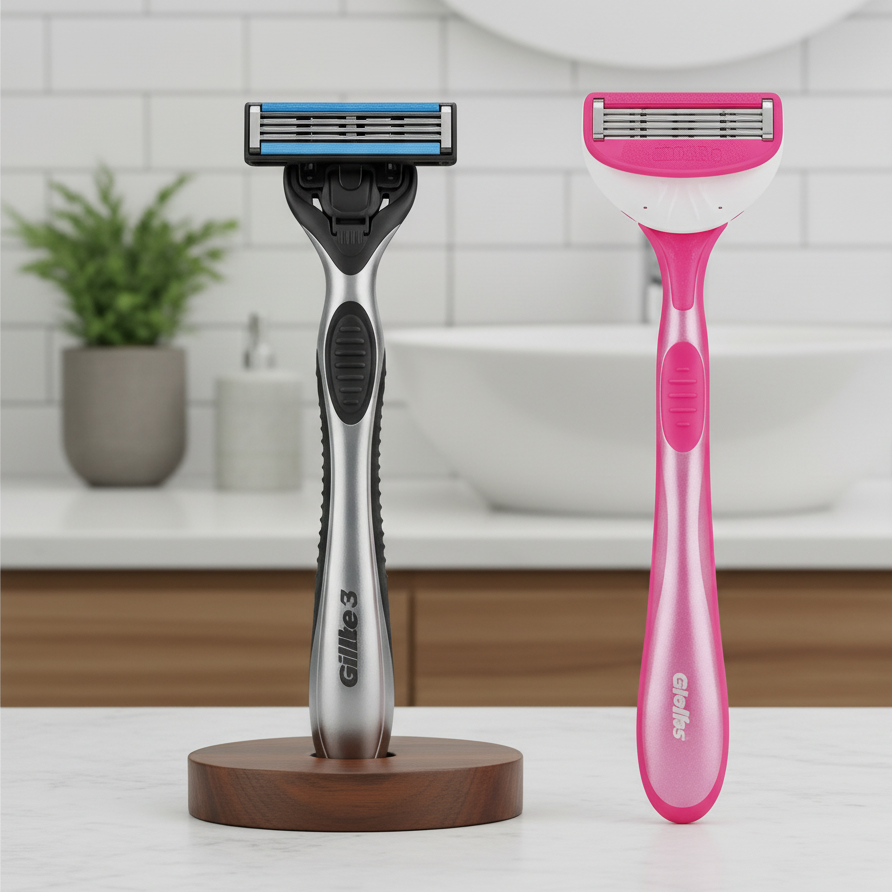
What Is the Difference Between Men’s and Women’s Razors?
When shopping for razors, you’ll notice distinct sections for men’s and women’s products, but are they really that different? While the core function of razors—removing hair—is the same, men’s and women’s razors vary in design, blade configuration, and marketing to suit different shaving needs and preferences. Understanding these differences can help you choose the best razor for your bathroom routine, whether you’re shaving your face, legs, or other areas. This guide breaks down the key distinctions between men’s and women’s razors, focusing on functionality, ergonomics, and practicality for a hygienic, effective shave.
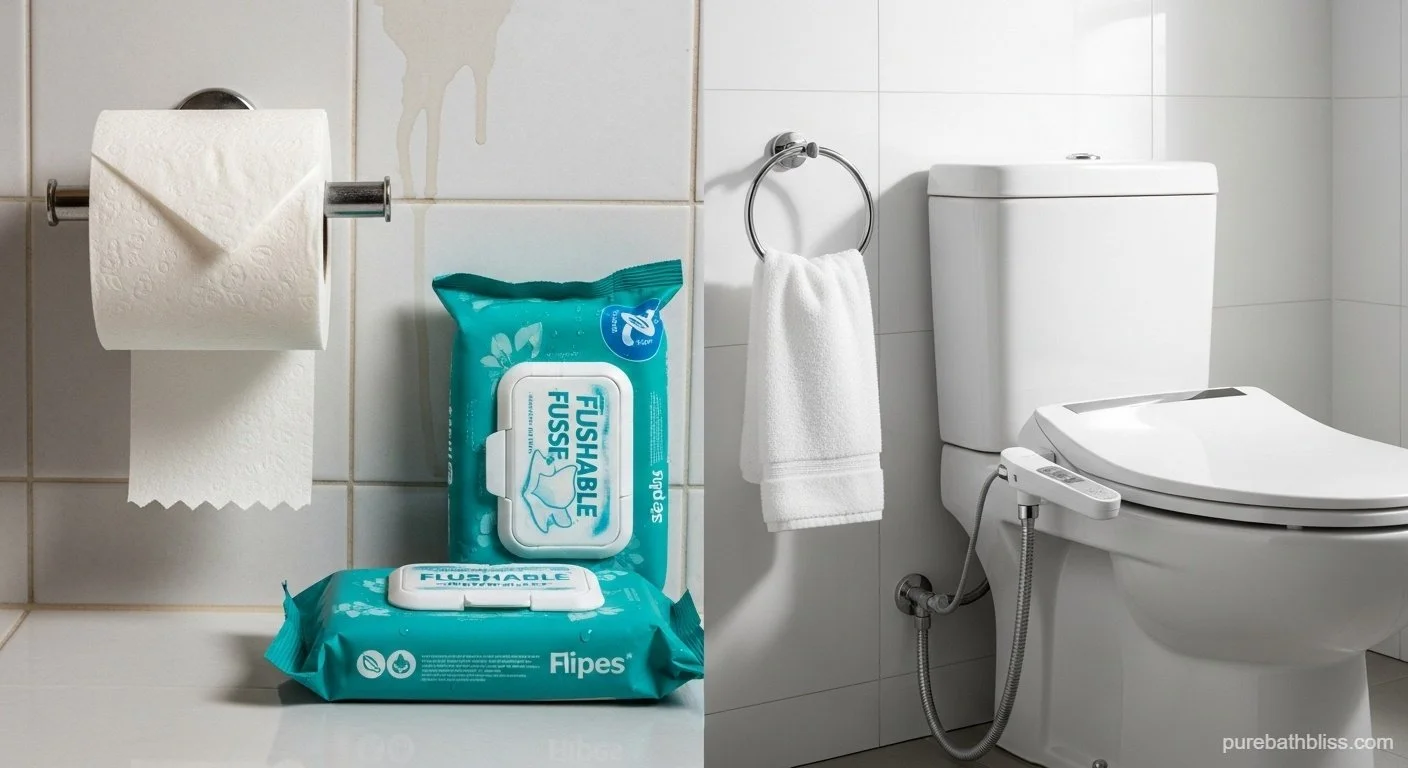
The Final Layer of Softness: Why Reusable Bidet Cloths are the Ultimate Eco-Friendly Swap
In a home designed for wellness, the smallest rituals often make the biggest impact. We have all seen the shift toward bidets in recent years; they are sleeker, more hygienic, and undeniably better for the planet than traditional methods. However, there is a missing piece to that "Pure" bathroom experience that many people overlook: how we dry off.
For decades, the default has been paper. But even the premium, quilted rolls can feel abrasive, cluttered, and inherently wasteful. Reusable bidet cloths (often called "family cloths") are the chic, sustainable answer to a zero-waste bathroom. By moving away from disposables, you are not just saving resources; you are elevating your daily routine with organic textures and a minimalist, clutter-free aesthetic.
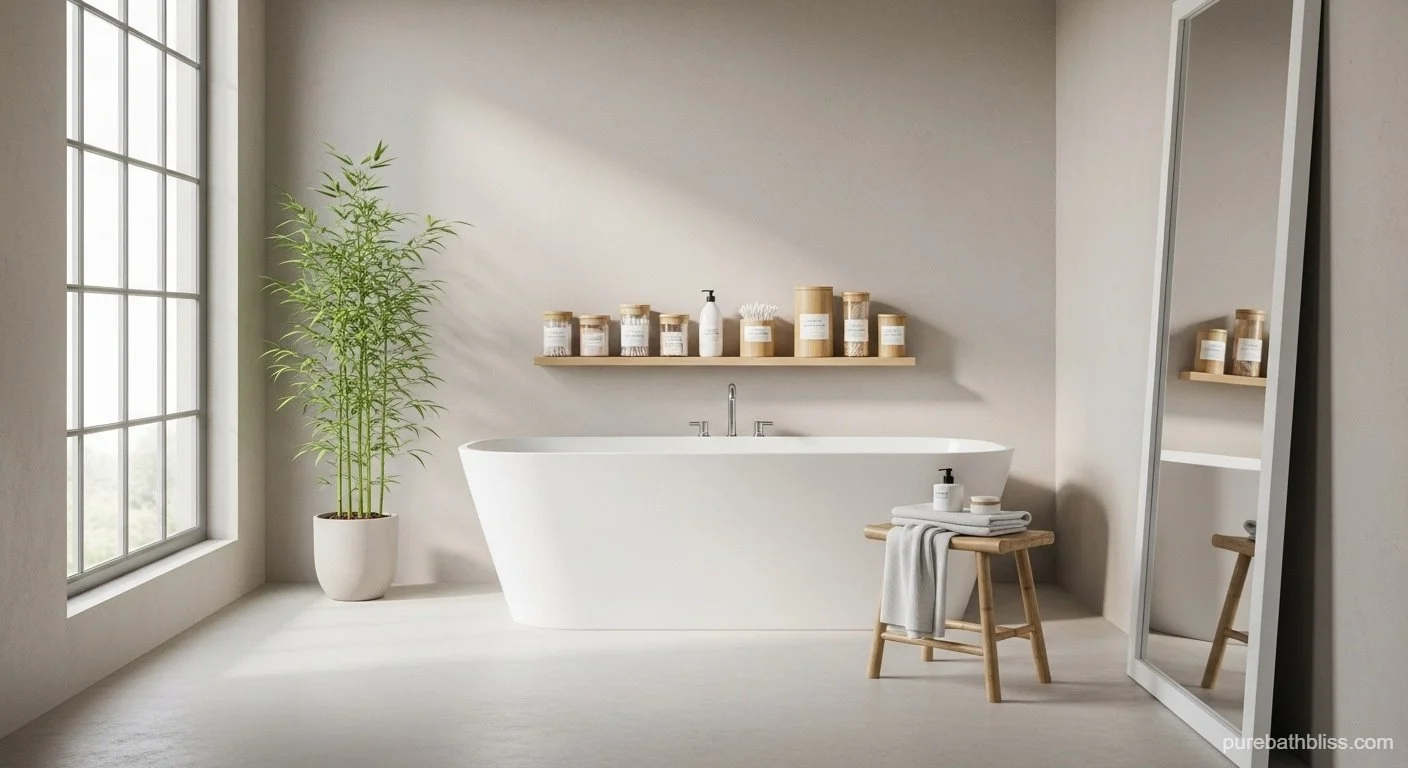
7 Practical Steps to Achieving a Zero Waste Bathroom
The bathroom, often a personal sanctuary, is paradoxically one of the biggest contributors to household waste. From plastic shampoo bottles to disposable razors and endless cotton swabs, our daily routines generate an astonishing volume of non-biodegradable refuse. The statistics are stark: millions of tons of plastic enter our oceans annually, much of it from single-use personal care items. Yet, reimagining this intimate space as a haven of sustainability isn't just an ecological imperative; it's an aesthetic and mindful transformation. Embracing a zero-waste bathroom is a journey, not an overnight switch, inviting us to critically assess our consumption patterns and embrace innovative, planet-friendly alternatives. This comprehensive guide will illuminate seven practical, impactful steps to help you navigate this transition, creating a space that feels good, looks clean, and truly respects our planet.
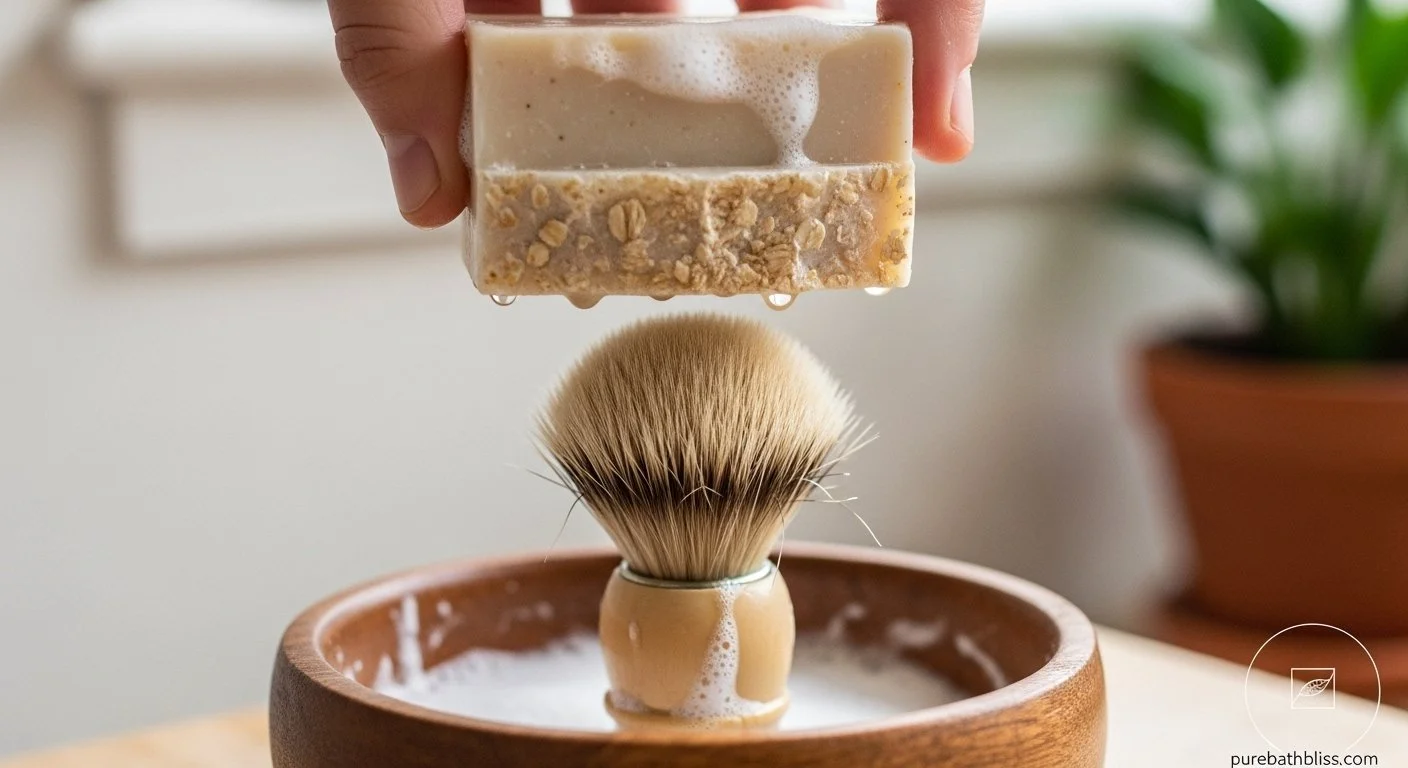
Can I Substitute Soap as Shaving Cream?
Running out of shaving cream and wondering if soap can do the job? Many people consider using bar soap or liquid body wash as a quick substitute for shaving cream in the shower. While it’s possible to shave with soap, there are key differences in performance, skin safety, and overall results compared to dedicated shaving creams. Understanding the pros, cons, and best practices of using soap as a shaving cream substitute can help you achieve a smooth, irritation-free shave while maintaining a hygienic bathroom routine. Here’s what you need to know!
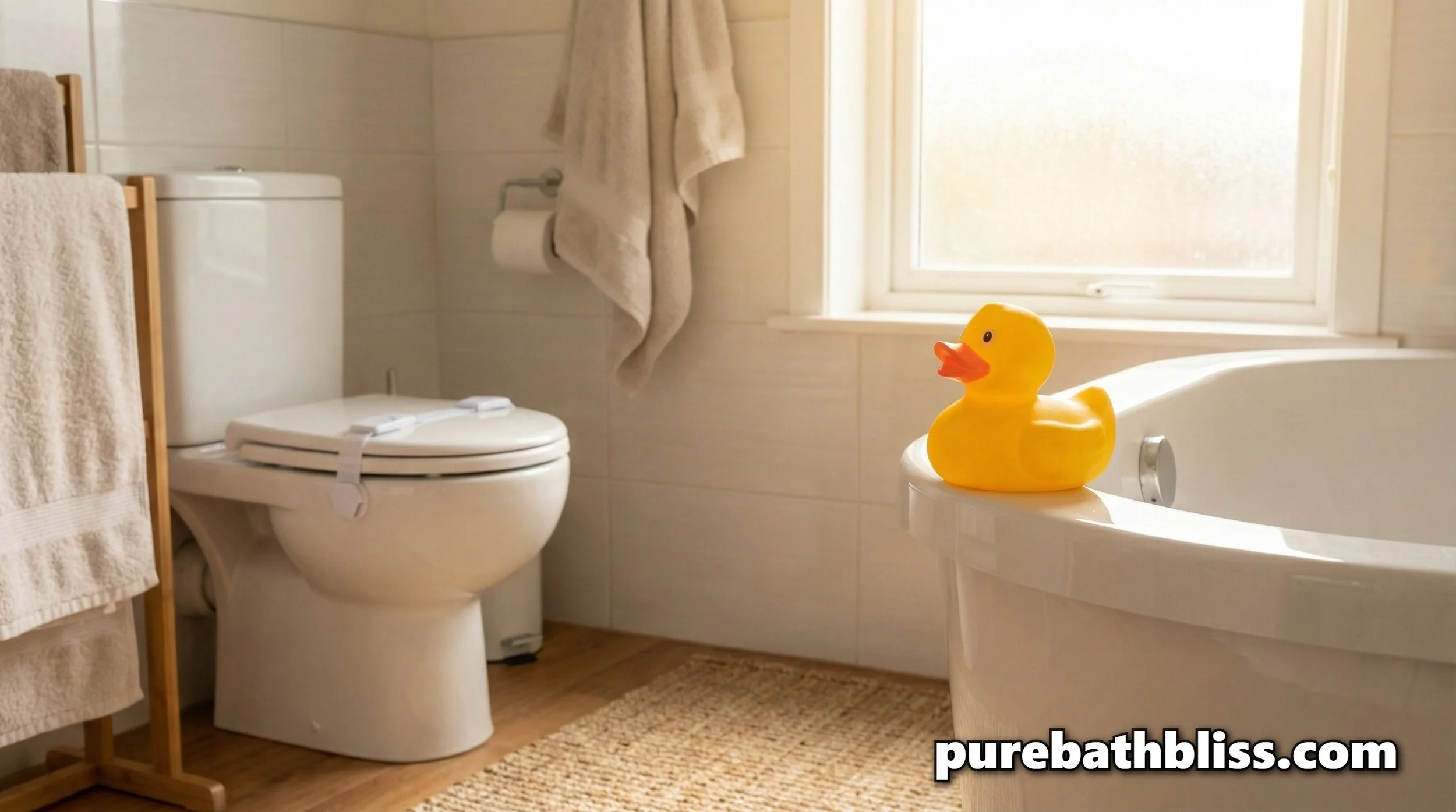
The Safe Sanctuary: A Father’s Guide to Baby-Proofing the Bathroom
If you’re a regular reader here, you know I’m passionate about creating a Zero-Waste Sanctuary. But when you have four young daughters like I do, you quickly realize that a sanctuary isn't just about organic soaps and lush plants, it’s about safety.
As a Red Seal Carpenter, I look at a bathroom and see plumbing, hard surfaces, and potential hazards. As a dad, I see a place where my kids learn to brush their teeth and splash in the tub. Balancing those two perspectives is the key to a truly safe home.
Between you and me, baby-proofing can feel overwhelming. You look at all the gadgets in the store and wonder if you need to wrap the whole room in bubble wrap. You don't. You just need a practical, structural approach to the biggest risks.
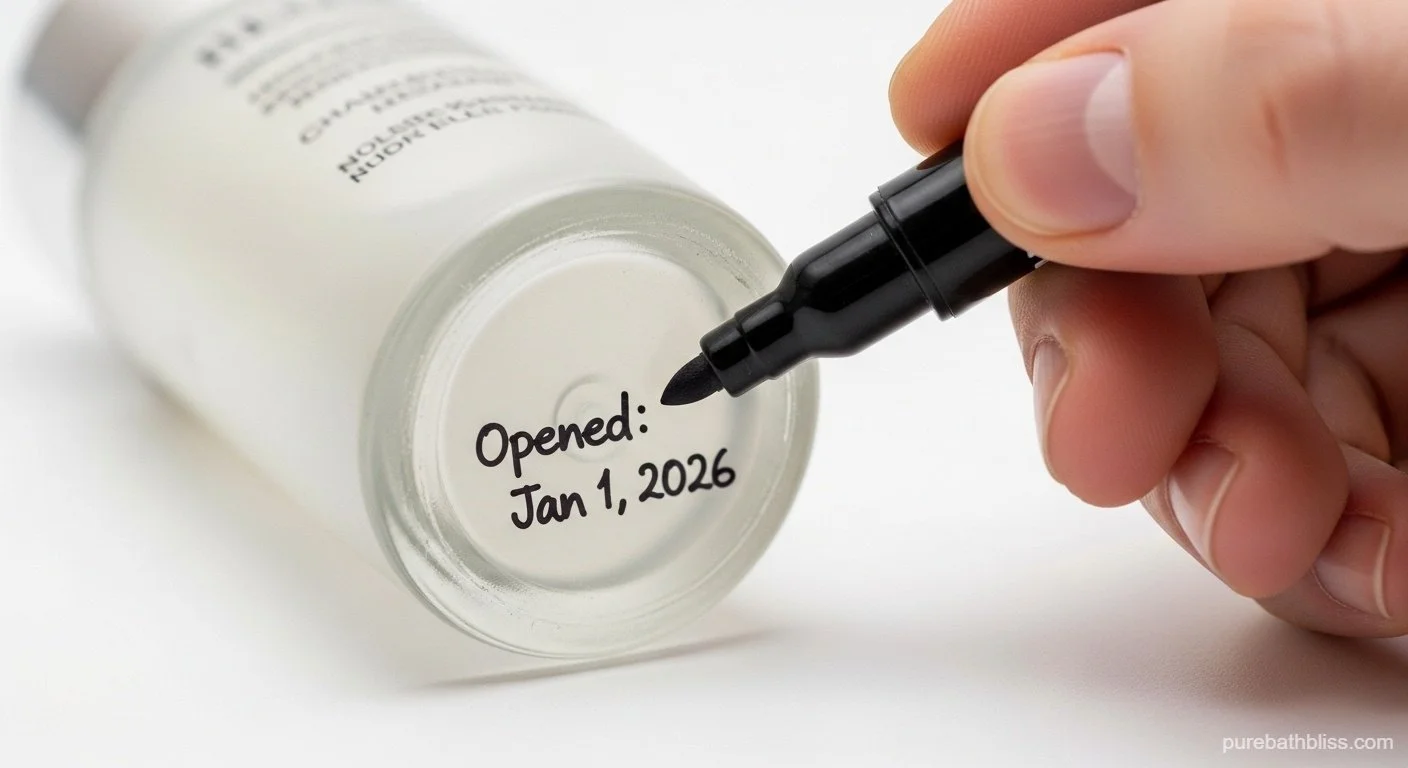
The "Toss It" Guide: When to Throw Out Makeup, Meds, and Sunscreen (Before They Hurt You)
We all have that drawer. You know the one. It’s the bathroom graveyard filled with half-used eyeshadow palettes from three years ago, a sticky bottle of sunscreen from a beach trip in 2019, and a prescription cream you stopped using but felt too guilty to throw away.
It’s easy to think that because these products are sealed in plastic or glass, they last forever. But the reality is that bathroom products—especially organic and natural ones—have a shelf life. Using them past their prime isn't just ineffective; it can be dangerous. Old makeup harbors bacteria that cause pink eye, expired sunscreen offers zero protection against burns, and degraded skincare can turn into a skin irritant.
Consider this your permission slip. This guide is your ultimate New Year detox for your bathroom cabinet. We will teach you how to decode those tiny symbols on the back of the bottle, the exact timelines for tossing common items, and the simple "Sharpie Hack" that ensures you never guess again.
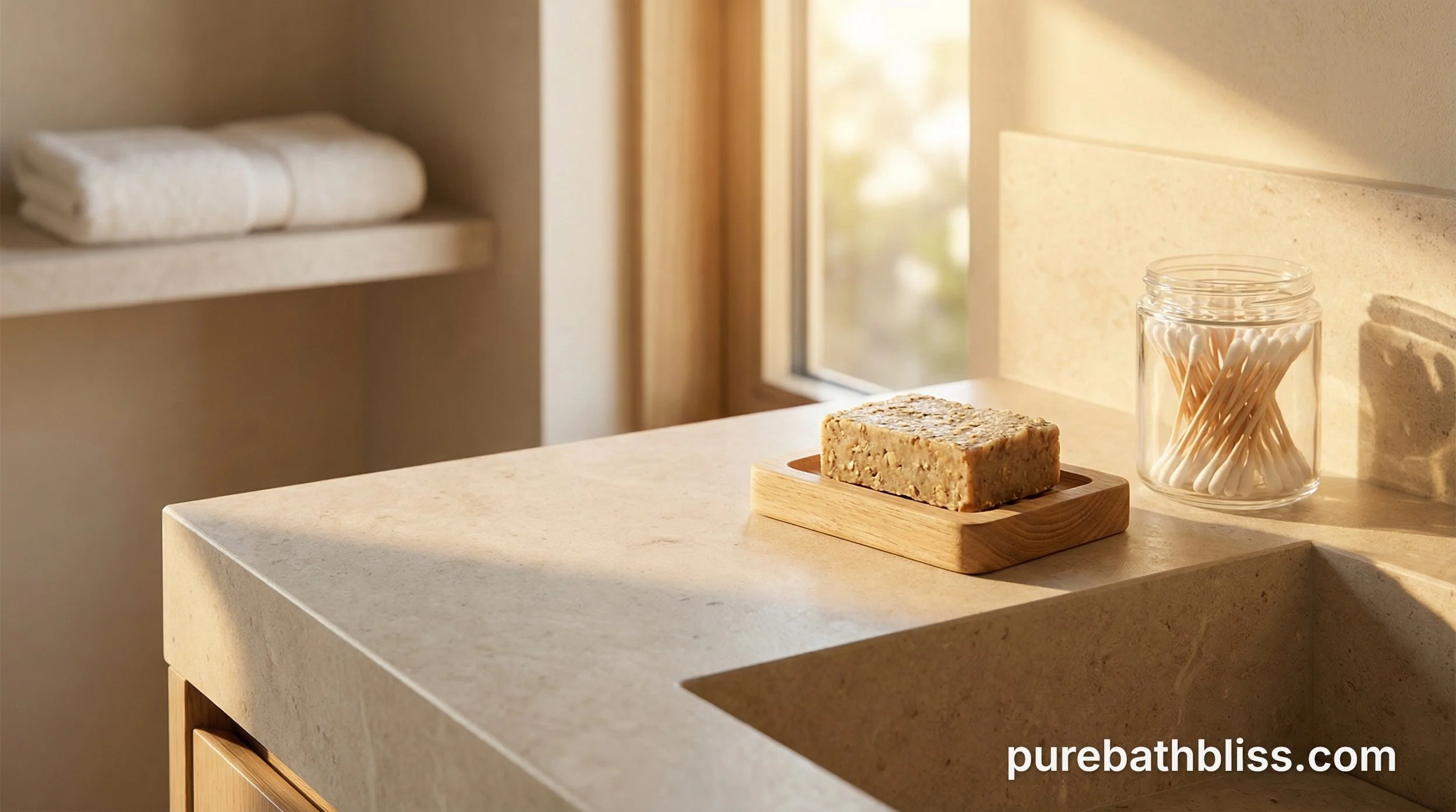
5 Low-Waste Habits for a Fresh Start: Small Changes, Big Impact
If you’ve recently finished our 5-Day Bathroom Detox, you’re probably looking at your space and thinking, "How do I keep it feeling this fresh?" Between you and me, the hardest part of going "eco-friendly" isn't the big renovations, it’s the daily habits. We get so used to reaching for that plastic bottle of body wash or tossing a plastic toothbrush every few months that we don't even think about where it all ends up.
The good news? You don't have to change everything overnight. In fact, I’ve found that just picking five small habits to master in January makes a much bigger difference in the long run. Let’s look at how we can lighten our footprint in the bathroom this year, one simple switch at a time.
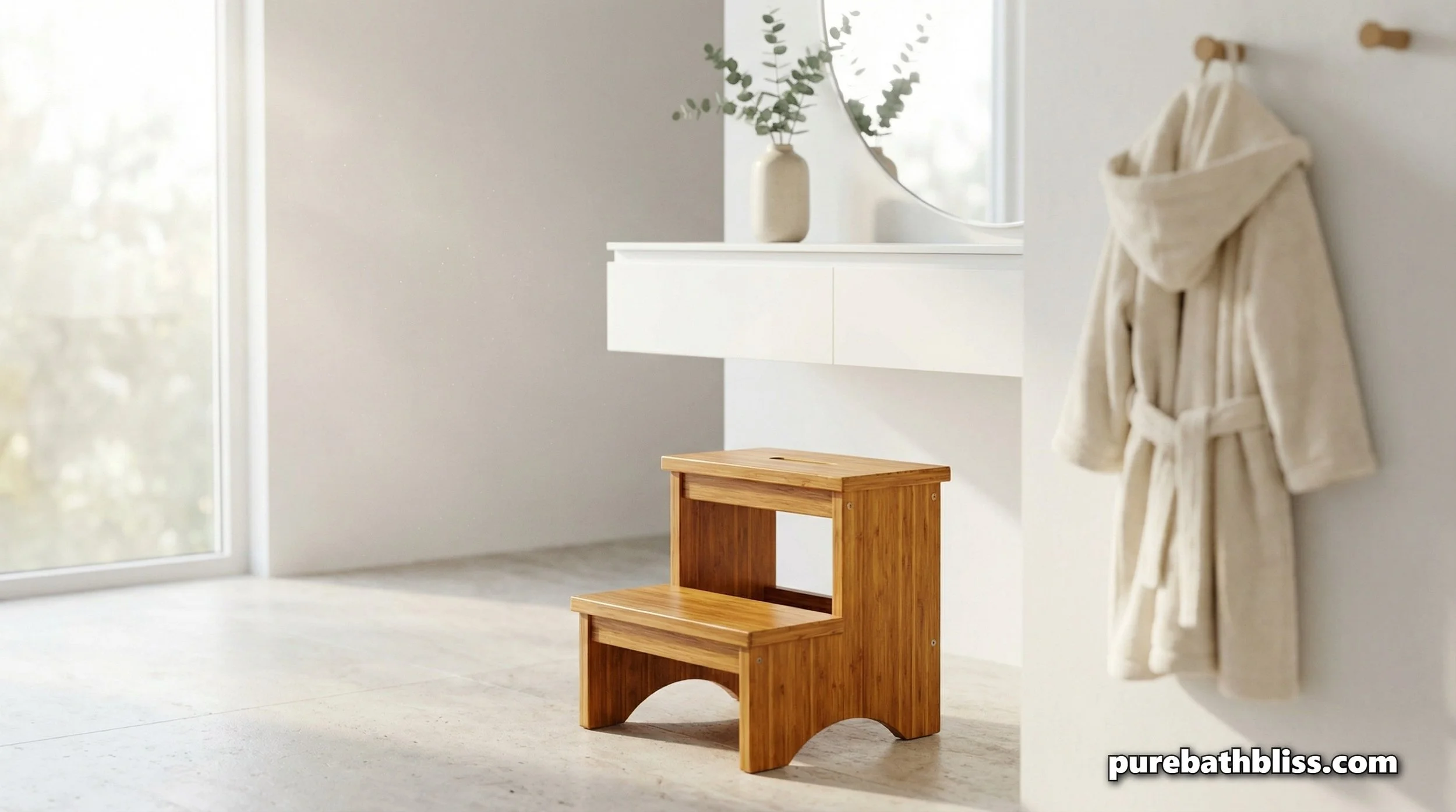
The 5 Best Kids' Step Stools for the Bathroom of 2026
A reliable step stool is the first step toward bathroom autonomy for a growing child. In a Sustainable Sanctuary, we believe that giving children the tools to care for themselves is the ultimate form of stewardship. But as a parent of four children, I know firsthand that not all stools are created equal.
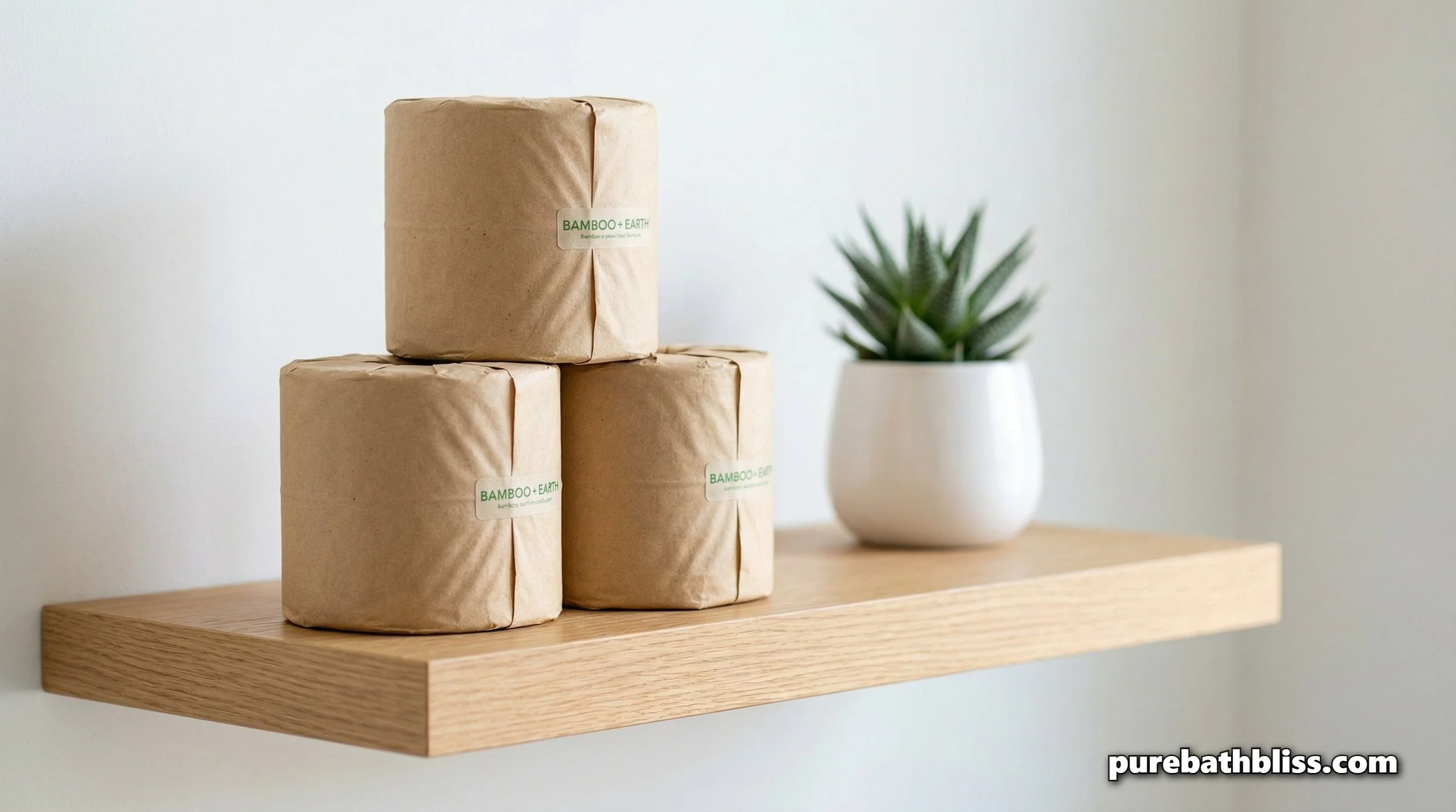
The 5 Best Eco-Friendly Toilet Papers of 2026
Traditional toilet paper is a major contributor to deforestation, with billions of virgin trees cut down annually to produce a product used for mere seconds. Switching to a sustainable alternative, like bamboo or post-consumer recycled fiber, is one of the easiest ways to reduce your household's environmental footprint.
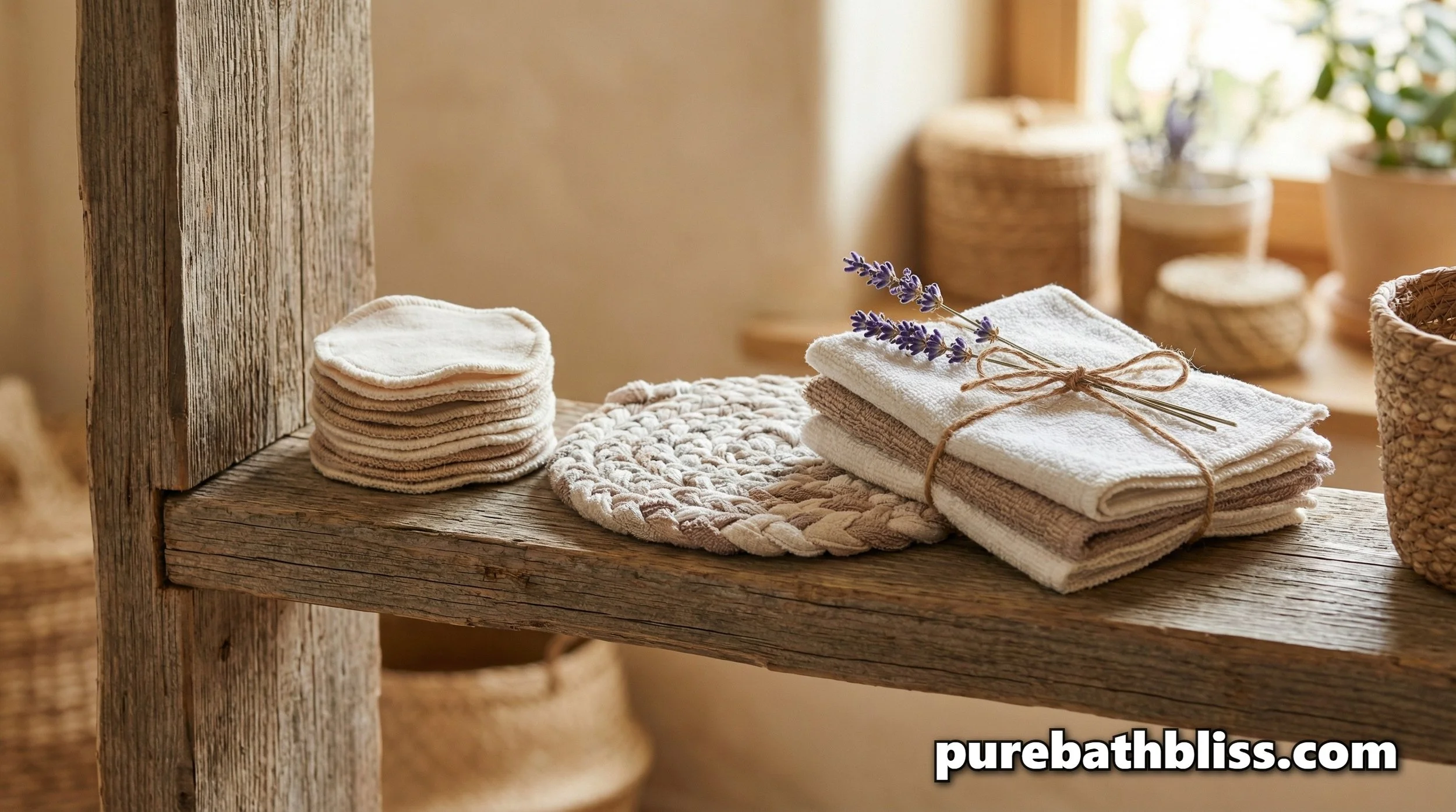
Give New Life to Old Towels: The Ultimate Guide to Sustainable Bathroom Upcycling
If you’ve been doing a "January Reset" of your linen closet, you likely found a few towels that have seen better days. Maybe they’re fraying at the edges, or perhaps they’ve just lost that "spa-day" fluffiness.
Usually, these end up in the rag bin, or worse, the landfill. But as someone who appreciates high-quality materials, I hate seeing durable cotton go to waste. Those old towels are actually a goldmine for DIY projects that can make your bathroom more organized and sustainable.
Between you and me, upcycling isn't just about saving a few dollars; it’s about keeping textiles out of our waste stream and creating something custom for your Zero-Waste Sanctuary. In this guide, we’ll dive into the science of towel fabrics, the environmental "why" behind upcycling, and 10 practical ways to give your linens a second act.
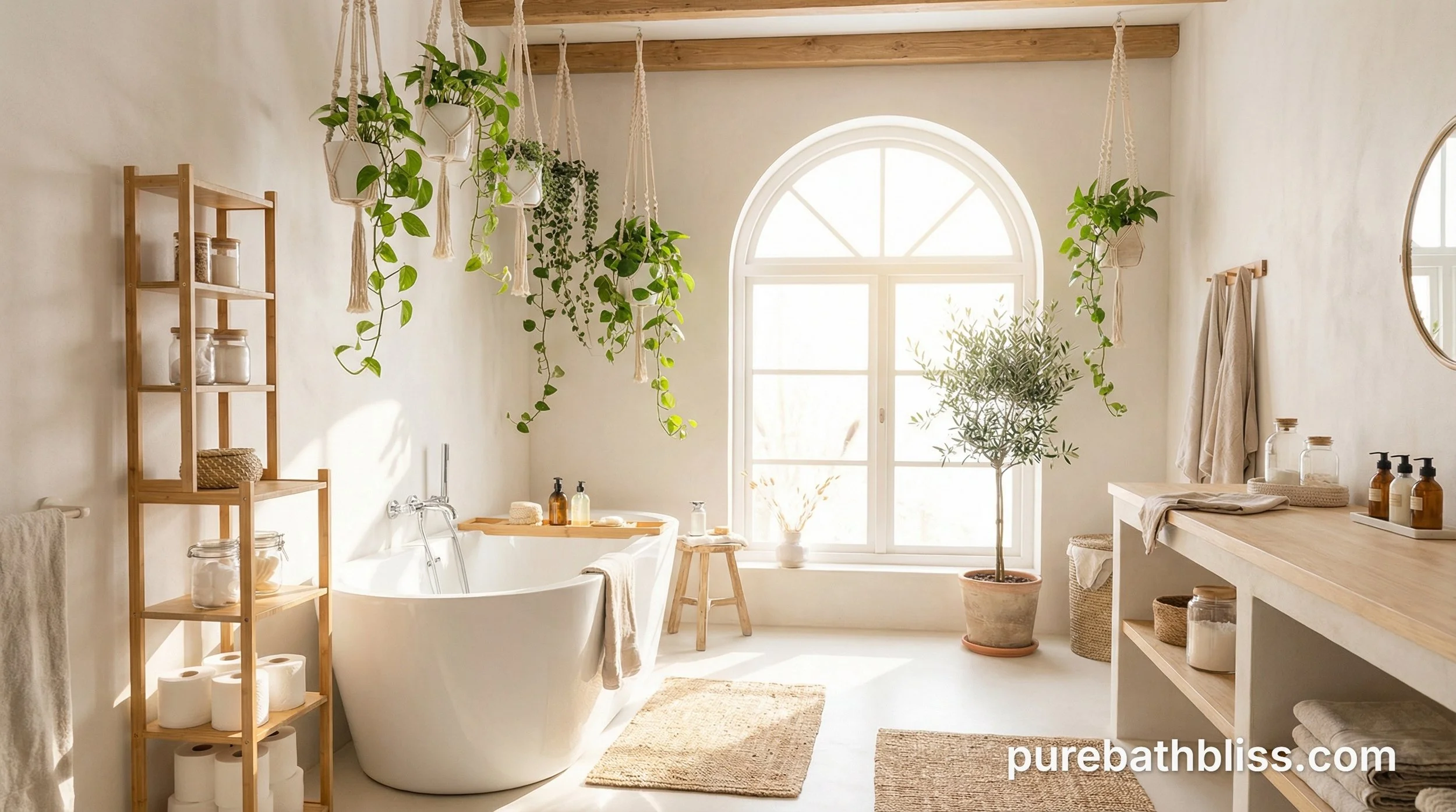
10 Zero-Waste Toilet Paper Storage Hacks for a Clutter-Free Bathroom
Remember the pandemic days of 2020? There was a brief moment in history when toilet paper was more precious than gold. Hiding rolls became a survival skill, and "hoarding" became a household necessity. Fast forward to today, and that survivalist cleverness is evolving into something much more refined: smart, sustainable ways to keep your bathroom tidy without sacrificing your eco-friendly values.
The days of kitschy "jellyfish" disguises or dusty crocheted poodle covers are officially over. In 2026, the "Zero-Waste Sanctuary" is all about subtle, functional solutions that blend seamlessly into a modern, organic aesthetic. We want our bathrooms to feel like a spa, not a warehouse—but we also want to be prepared.
In this guide, we’re exploring 10 brilliant hacks that use upcycled materials, natural fibers, and a dash of creativity to store your TP without adding a single ounce of plastic clutter to the planet.
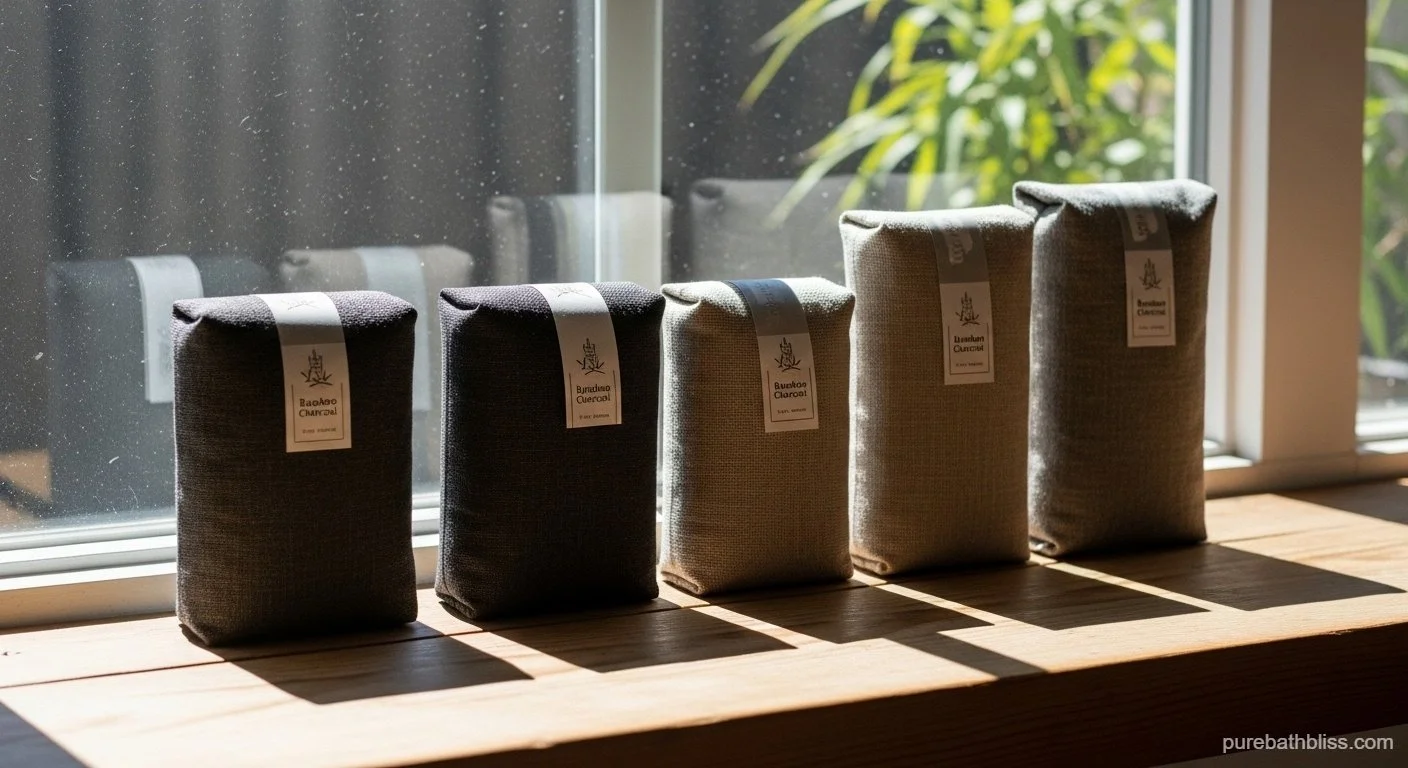
Bamboo Charcoal Bags for an Eco-Friendly Bathroom
In an increasingly conscious world, the quest for sustainable living practices extends into every corner of our homes. While often overlooked, the bathroom presents a unique opportunity for significant environmental improvements. From constant moisture to lingering odors and the pervasive use of chemical-laden products, bathrooms can be a hotbed for indoor air pollutants and unnecessary waste. Fortunately, a simple yet powerful solution has emerged as a cornerstone for a greener, healthier washroom: bamboo charcoal bags. These unassuming pouches of activated carbon from a highly sustainable resource are revolutionizing how we tackle common bathroom challenges, acting as a potent odor eliminator, moisture absorber, and natural air purifier, all without a single drop of harmful chemicals.
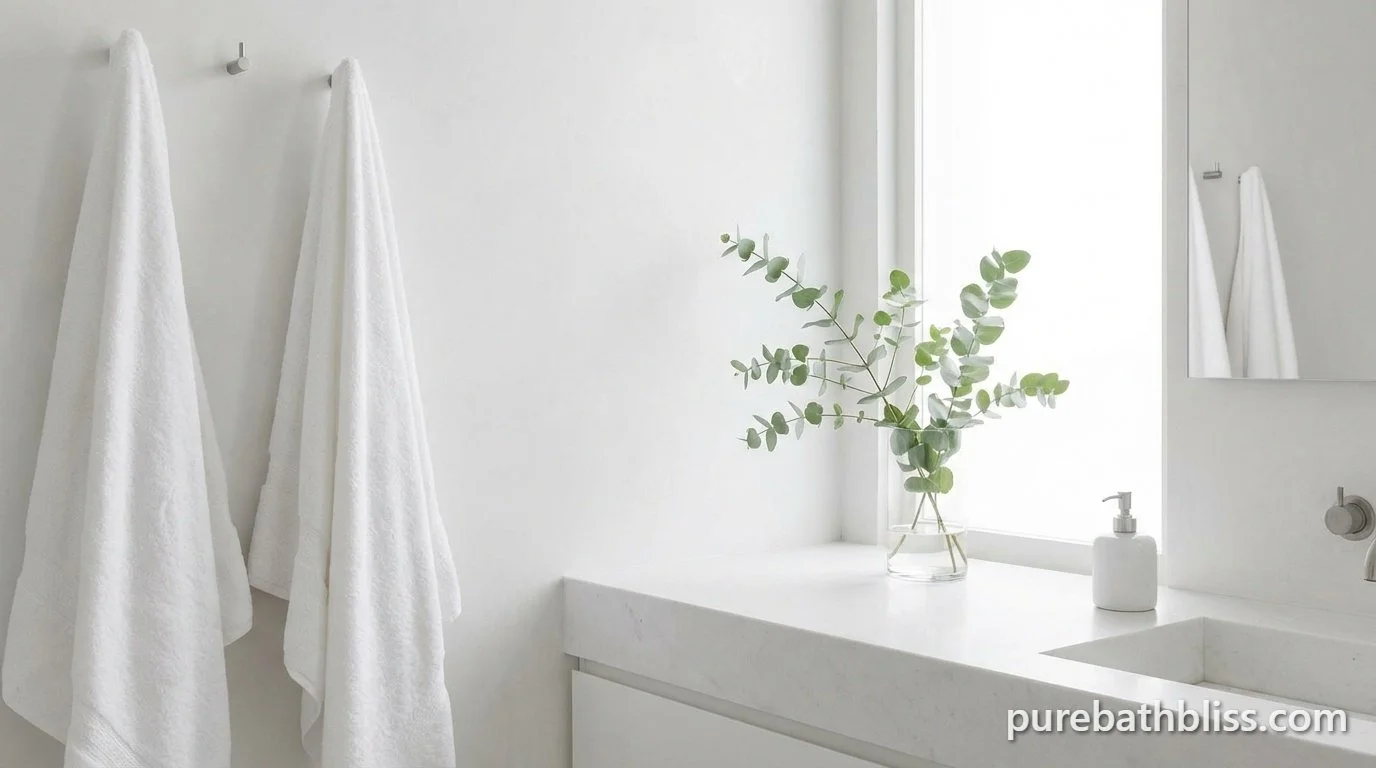
The Psychology of White Towels: Why 5-Star Hotels Never Use Colors
Think back to the last time you walked into a high-end hotel bathroom. What is the first thing you noticed?
It likely wasn't the marble countertops or the designer toiletries. It was the towels. A perfectly folded stack of thick, pristine, brilliantly white towels.
You will almost never see a navy blue towel in a Ritz-Carlton, or a patterned beige towel in a Four Seasons. From boutique inns to sprawling resorts, stark white is the undisputed industry standard for luxury linens.
This isn't a coincidence of design. The ubiquitous white towel is a carefully calculated choice rooted in practicality, psychology, and the subtle art of hospitality. It is a visual cue that tells your brain you are in a place of luxury and safety.
Here is a look inside the "hotel secret" of white linens and why you should consider adopting this standard for your own home.
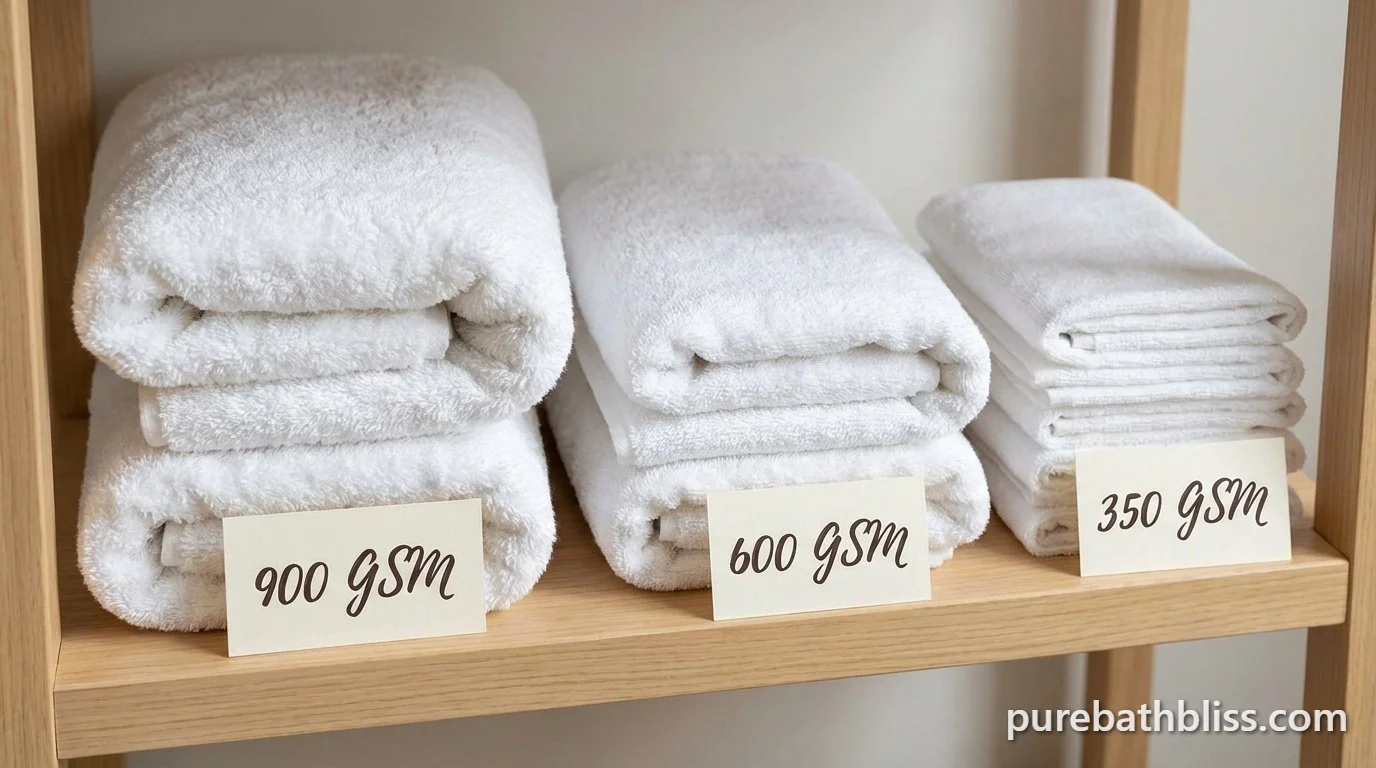
GSM Explained: How to Decode Towel Labels to Find True Luxury
We have all been there. You are standing in the aisle of a home goods store, surrounded by a towering wall of bath towels. You reach out and touch one; it feels incredibly soft, almost silky. You buy a whole set, excited for your next shower.
But a few weeks and a few washes later, that initial softness has vanished. The towel feels thin, it pushes water around instead of absorbing it, and it takes forever to dry between uses.
Why does this happen? It's because in the store, manufacturers often coat towels with temporary softeners that wash right off. If you want to buy a towel that performs as good as it feels, you need to ignore the "ultra-soft" marketing labels and look at the hard data.
The secret to finding true quality lies in a three-letter acronym hidden on the tag: GSM.
This guide will decode the confusing world of towel specs, explaining exactly what GSM is and the crucial difference between cotton types, ensuring you never buy a disappointing towel again.
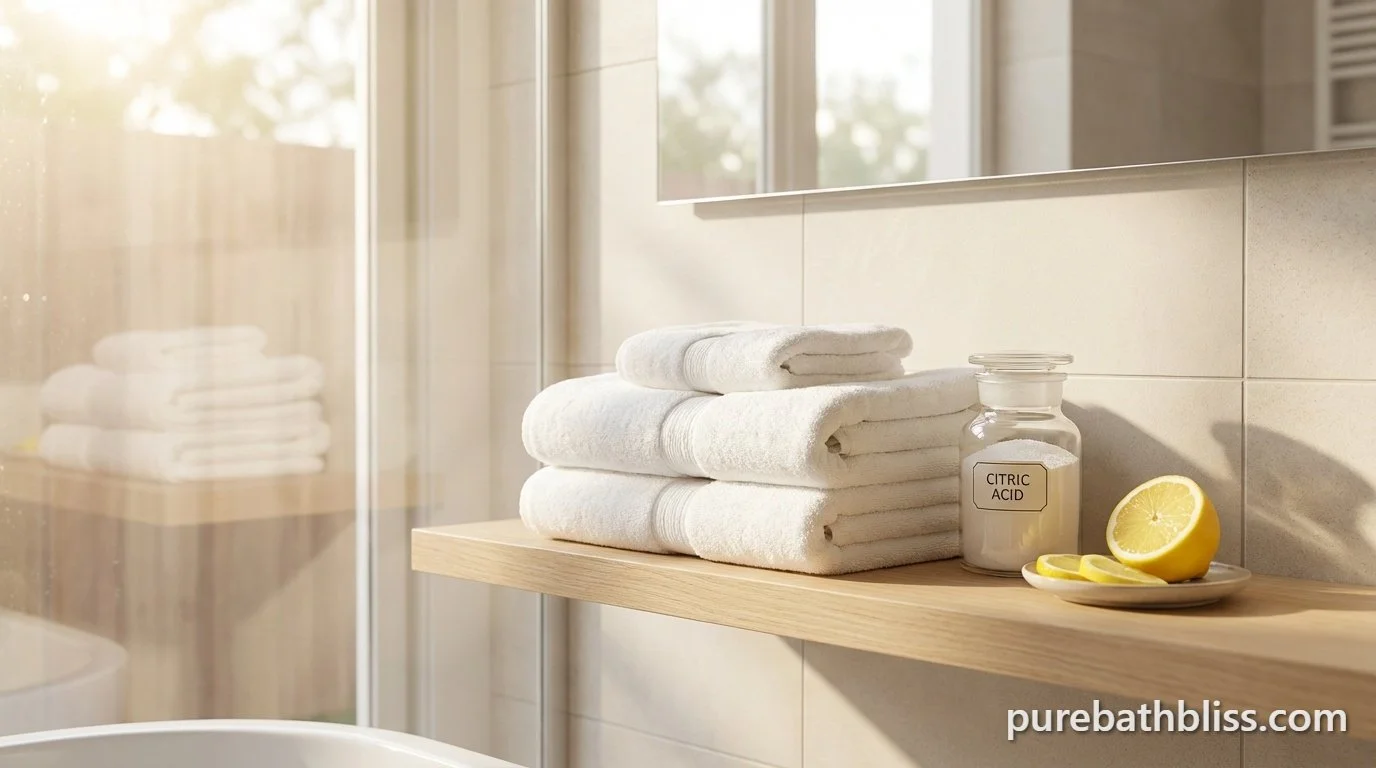
How to Soften Stiff Towels with a Simple Citric Acid Trick
There is a distinct moment of disappointment that happens in bathrooms all over the world. You step out of a steamy, refreshing shower, reach for your towel expecting a warm, cloud-like embrace, and instead, you are met with something that feels akin to sandpaper.
It is a common household mystery: Why do the plush, luxurious towels we buy at the store transform into stiff, scratchy "cardboard" after just a few months of use?
Most of us assume the towel has simply reached the end of its life. We demote these scratchy towels to "dog washing" duty or cleaning rags and head to the store to buy new ones. But the truth is, the cotton fibers in your towels aren't usually worn out—they are just clogged.
The culprit is rarely the quality of the cotton, but rather a combination of your water chemistry and your laundry routine. Fortunately, you don't need to replace your linens or buy expensive chemical softeners. In fact, commercial softeners are part of the problem.
The solution is likely sitting in your kitchen pantry or is available for a few dollars at the grocery store: Citric Acid.
This guide will walk you through the science of why towels go bad, why citric acid is the miracle cure, and exactly how to use it to restore your linens to their original, 5-star hotel glory.
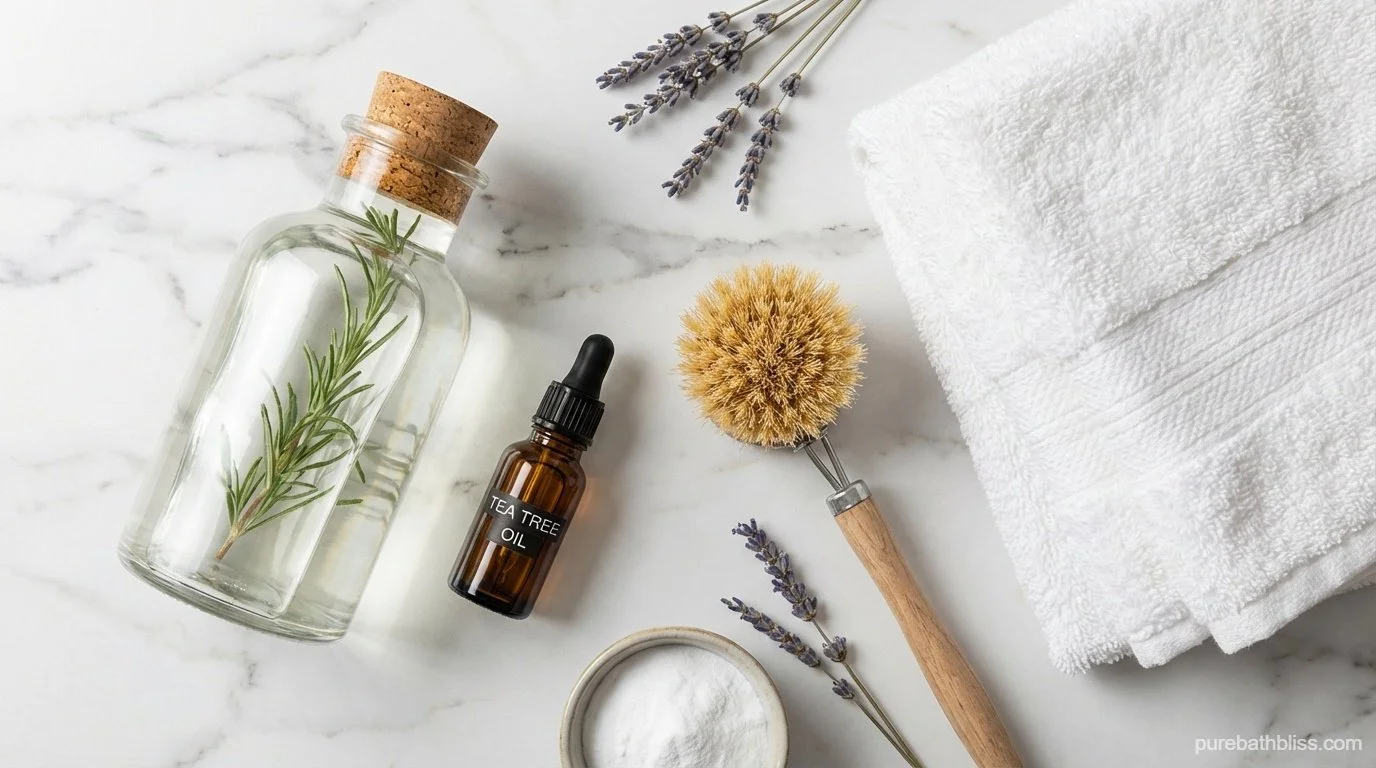
The 15-Minute Weekly Ritual to Keep Bathroom Mold Away (Without Bleach)
Let’s be honest: nobody wakes up on a Saturday morning excited to scrub grout.
For most of us, bathroom cleaning is a chore we dread, procrastinate, and then attack with aggressive chemicals in a frantic attempt to "nuke" the grime. We hold our breath, spray something that smells like a swimming pool, and scrub until our arms ache.
But here is the uncomfortable truth: if you are relying on bleach to keep your bathroom mold-free, you are fighting a losing battle.
Mold is not just "dirt." It is a living organism. When you blast it with chlorine bleach, you might bleach the color out of the surface spores (making it look clean), but the chemical structure of bleach prevents it from penetrating porous materials like grout or drywall. The result? The "roots" of the mold (hyphae) remain alive and well beneath the surface, feeding on the moisture left behind.
This is why that black spot in the corner of your shower keeps coming back, no matter how hard you scrub.
At Pure Bath Bliss, we believe in smarter, safer strategies. You don't need harsh toxins to maintain a sanctuary; you just need a better routine. By shifting from "reactive scrubbing" to "proactive maintenance," you can keep your bathroom perpetually fresh in just 15 minutes a week.
Here is the science-backed, eco-friendly ritual that will change your relationship with your bathroom—and save your grout.
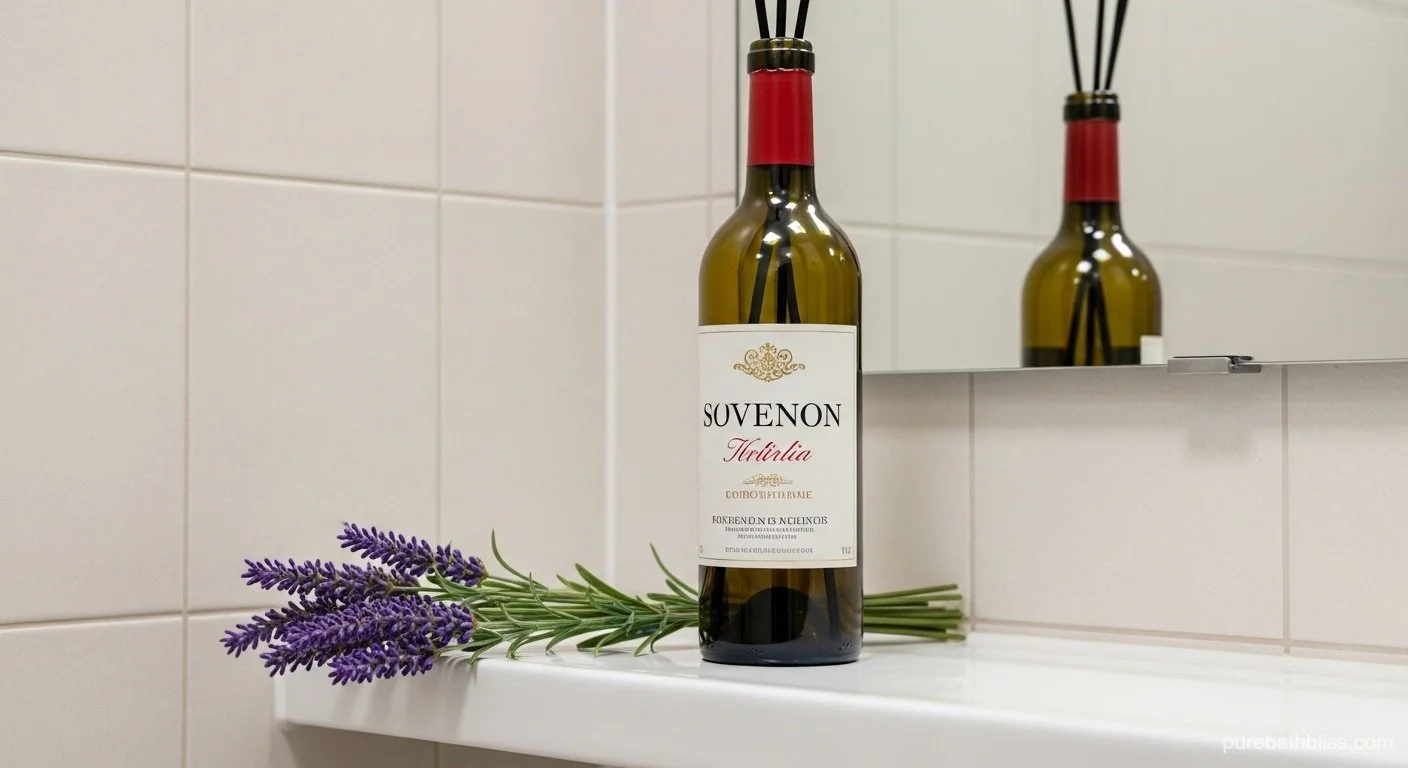
DIY Reed Diffuser with Upcycled Wine Bottle (Zero Waste, 3-Month Scent)
Store diffusers spew synthetics from plastic, needing constant refills—upcycle a wine bottle into a 90-day reed diffuser for $3 of endless, alcohol-free aroma. Bamboo skewers wick carrier oils infused with lavender or citrus, scenting spaces naturally without flames or electricity. 10 minutes to assemble: clean bottle, mix oils, insert reeds—flip weekly for fresh bursts. Refill forever, replace reeds quarterly, or miniaturize for calm travel. Dark glass preserves potency; add vodka for faster wicking. Gift mini versions or customize blends for energy/mood. This swap banishes VOCs, reduces bottle waste, and fills homes with therapeutic air. Breathe deeply, relax fully, and toast to trash-turned-treasure serenity. Perfect for bedrooms or offices, it outlasts $30 commercial ones while supporting zero-waste vibes.