
Beyond Plain White: The 3 Best Undertones for a Perfect "Spa" Vanity Wall
When we envision a high-end spa sanctuary, our minds instinctively sketch out walls draped in crisp, clean white. We associate it with purity, modern minimalism, and the ultimate freshness. Intent on recreating that exact boutique-hotel serenity at home, millions of homeowners grab a standard, untinted gallon of basic "Chantilly" or "True White" paint from the home improvement center and roll it directly onto their vanity walls.
But once the paint dries and the vanity lights flick on, a jarring reality sets in: The bathroom doesn't look like a luxury spa at all. It looks like a dentist’s waiting room.
Plain, untinted white paint lacks visual depth. Because bathrooms are highly reflective spaces packed with glass, porcelain, and mirrors, flat white paint bounces light harshly, amplifying every shadow under your eyes. Even worse, standard white paint acts like a mirror to its surroundings, picking up and magnifying hidden undertones from your lighting bulbs and flooring, making the room look unexpectedly clinical, yellowed, or slightly green.
The design secret behind an authentic spa environment isn't using pure white; it is using a highly complex, mineral-based off-white. Let’s explore the three best paint undertones that will soften your natural stone surfaces and ground your vanity space into a soft, calming retreat.
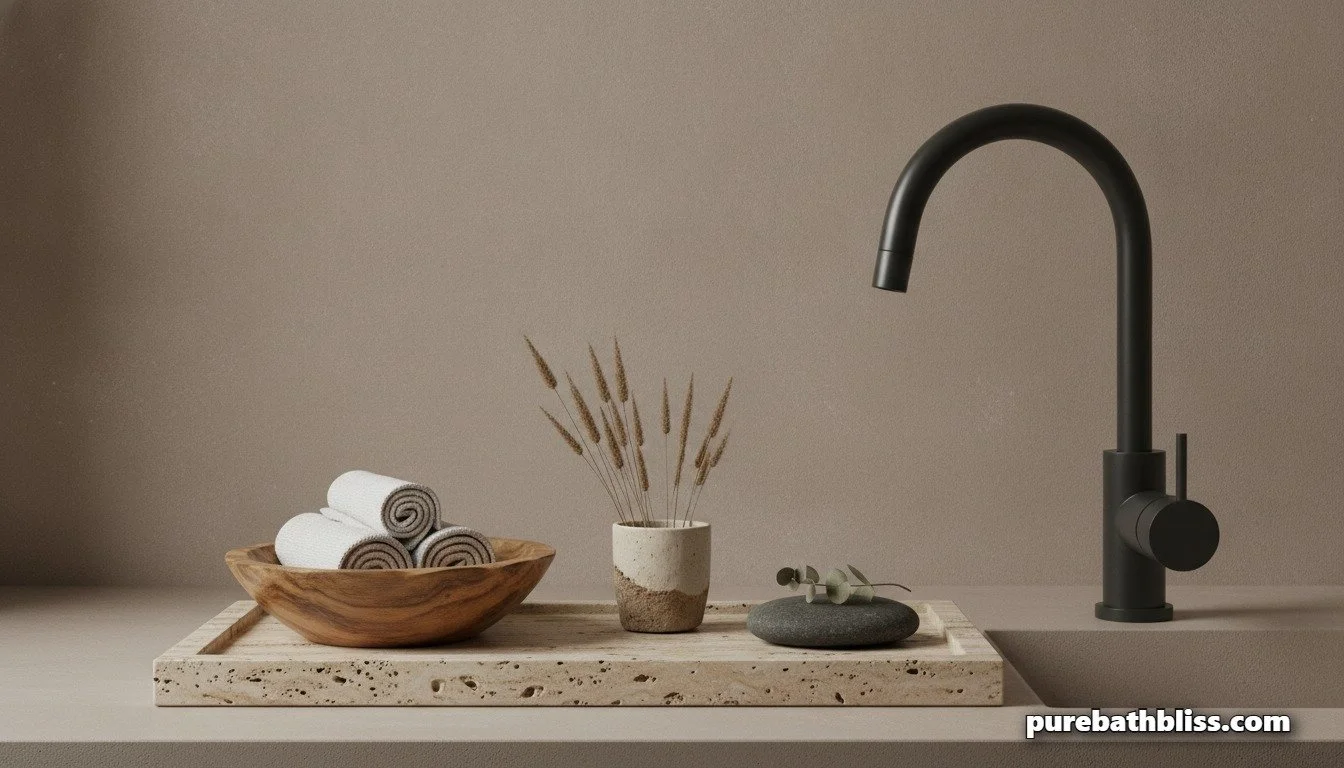
Accenting with Intention: How to Coordinate Paint with "Living" Metal Finishes
When designing an elevated bathroom sanctuary, selecting your fixtures is only half the battle. Bringing home high-end hardware like unlacquered brass, raw copper, or deep matte black is an investment in texture and character. Unlike standard, factory-sealed chrome that remains highly reflective and unchanged forever, these premium choices are known as living finishes. They possess an organic nature that oxidizes and reacts to the moisture, oxygen, and touch within your space.
The ultimate "lightbulb moment" when working with living metals is realizing that your wall color cannot just be an afterthought. Your paint acts as the literal canvas for your fixtures. If you pair a warm, shifting metal with the wrong wall undertone, the hardware can easily look muddy, neglected, or entirely lost against the background.
To help your hardware develop its rich, stunning character patina with maximum clarity, you must coordinate your palette with intention. Here is how to contrast living metals against the perfect paint backdrops to ground your overall design.
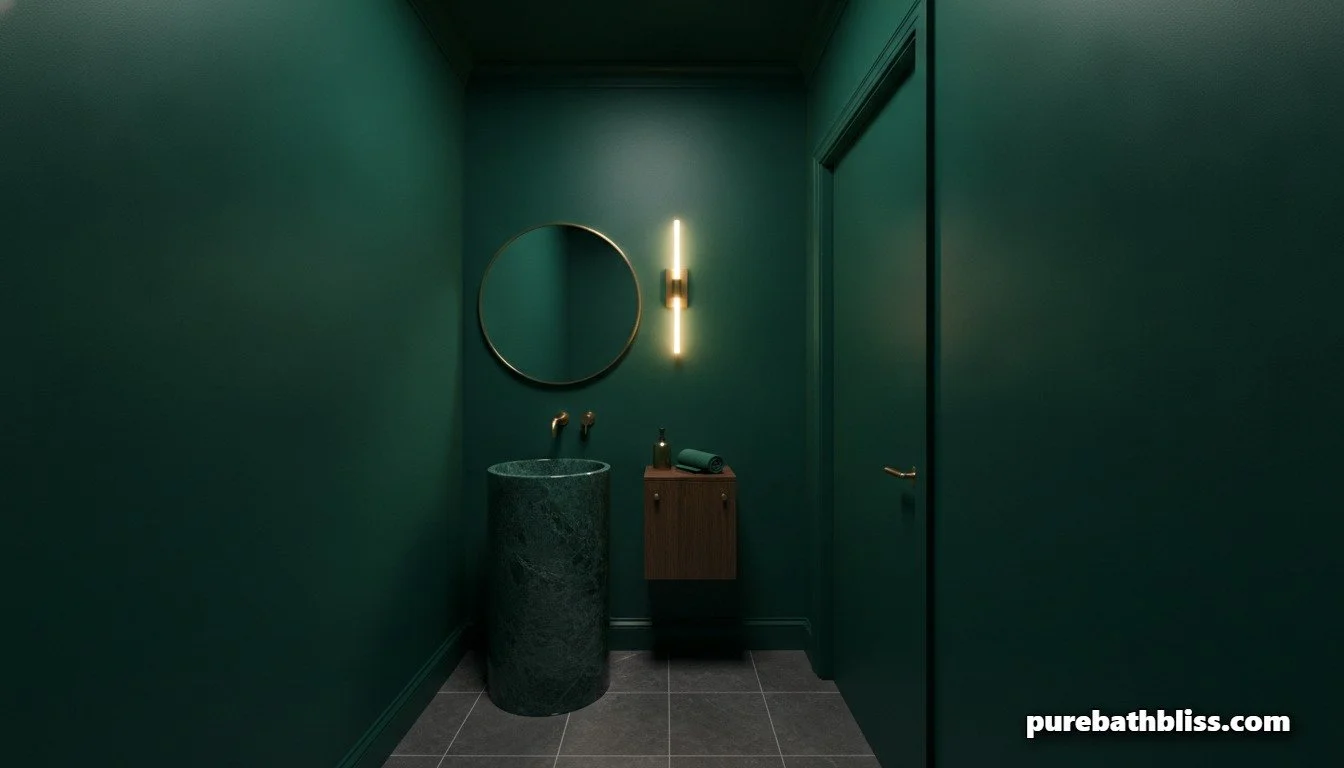
The "Color-Drenched" Powder Room: Why Painting the Ceiling Changes Everything
For decades, well-meaning home improvement shows and traditional design manuals have repeated the exact same rule: if you are decorating a small bathroom or a cramped powder room, you must paint the walls crisp, bright white to "make the space feel bigger."
But let's be honest. When you paint a tiny, windowless half-bath stark white, it rarely feels larger. Instead, it ends up looking clinical, institutional, and entirely devoid of personality. You don’t feel like you’re standing in a high-end oasis; you feel like you’re in a well-lit closet.
The ultimate "lightbulb moment" for small-space design is to stop fighting the room's limited footprint and start leaning into it. Instead of trying to create an illusion of vast space, you can embrace the intimacy to build a dramatic, luxurious "jewel box." The design technique sweeping high-end interiors is known as Color Drenching, and its most important rule is that you must never leave the ceiling white. Here is why painting your ceiling changes everything and how to execute this moody, sophisticated aesthetic flawlessly.
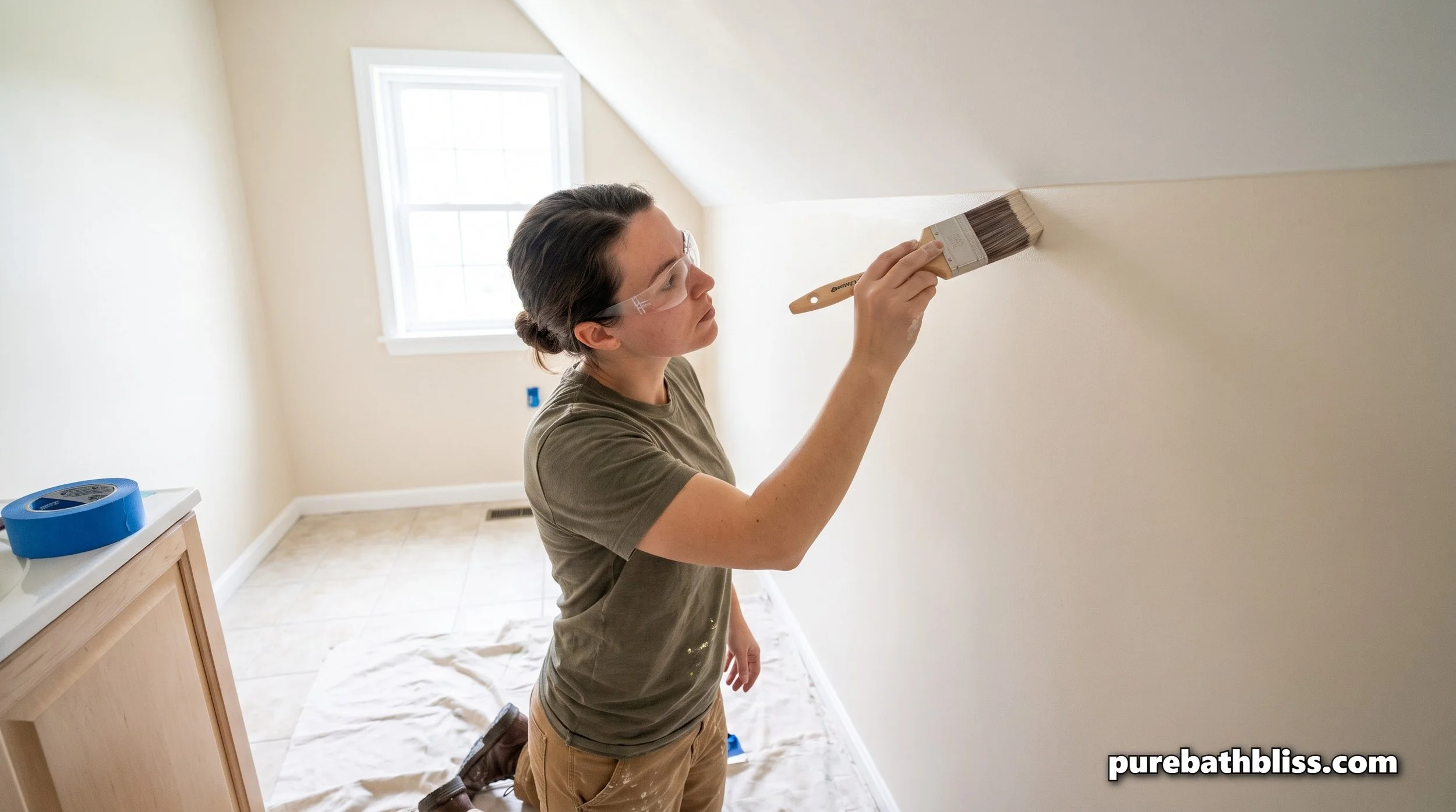
How to Paint a Bathroom: The Red Seal Carpenter's Guide to a Mildew-Resistant Finish That Lasts
Painting a bathroom is not the same as painting any other room and most DIY guides treat it as though it is. The humidity, steam, and temperature cycling in a bathroom make it the most demanding painted surface in any house. Getting it right means understanding moisture vapor transmission, why mold-blocking primer is structural rather than cosmetic, and why cure time is the variable most homeowners ignore until the paint starts peeling. Here is the complete guide with the material science and the technique.
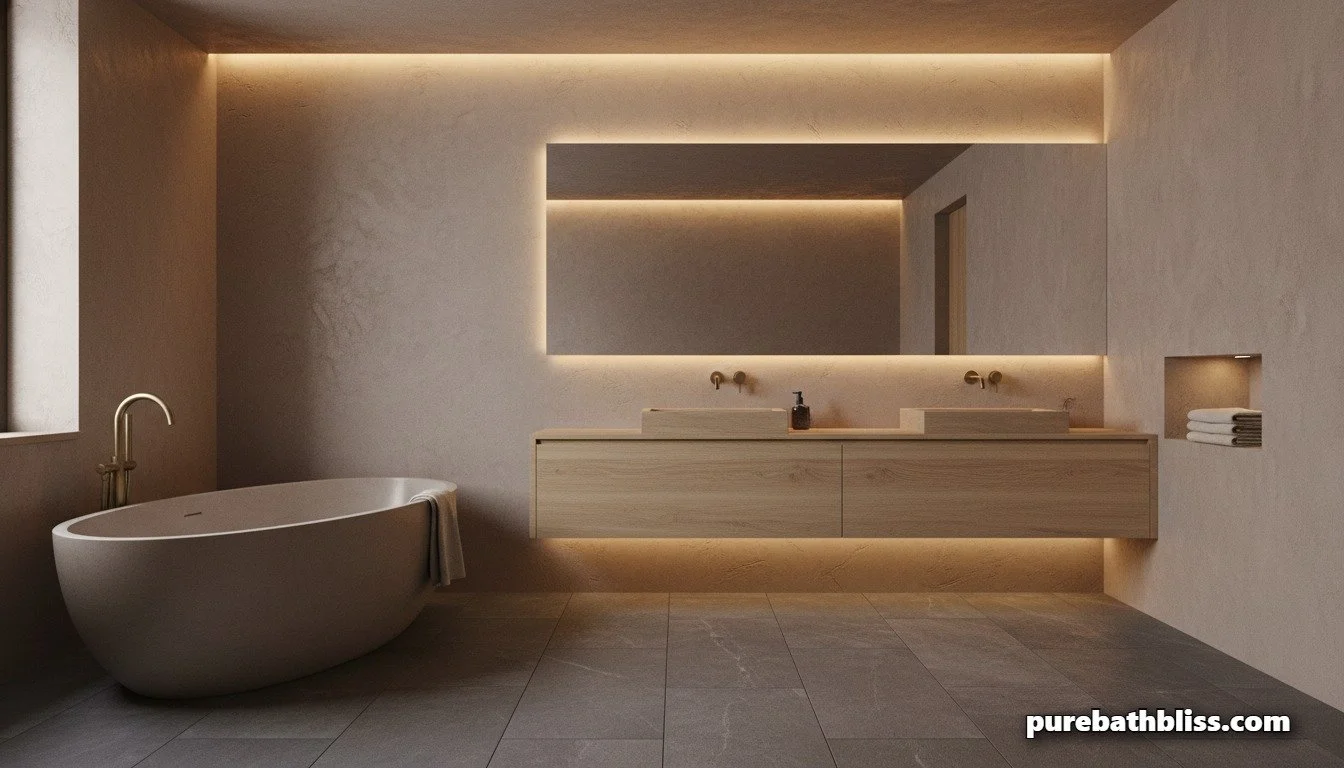
3 Ways "Warm Minimalism" is Replacing the Cold White Bathroom
For the last decade, the "Pinterest-perfect" bathroom followed a very strict script: stark white subway tile, bright white grout, cold marble countertops, and high-gloss chrome fixtures. It was clean, yes, but it was also clinical. It felt more like a laboratory than a sanctuary.
As we move through 2026, we are seeing a massive cultural "lightbulb moment" in interior design. We are collectively craving spaces that feel "soulful" rather than just "sanitized." This shift has given rise to Warm Minimalism. It’s the art of keeping the clean, clutter-free lines of modern design but injecting them with earth-toned palettes and organic, tactile textures. It’s about creating a space that feels like a hug, not a hospital. As your knowledgeable best-friend in home design, I’m showing you the three foundational shifts that will turn your "Cold White" bathroom into a "Warm Minimalist" retreat.
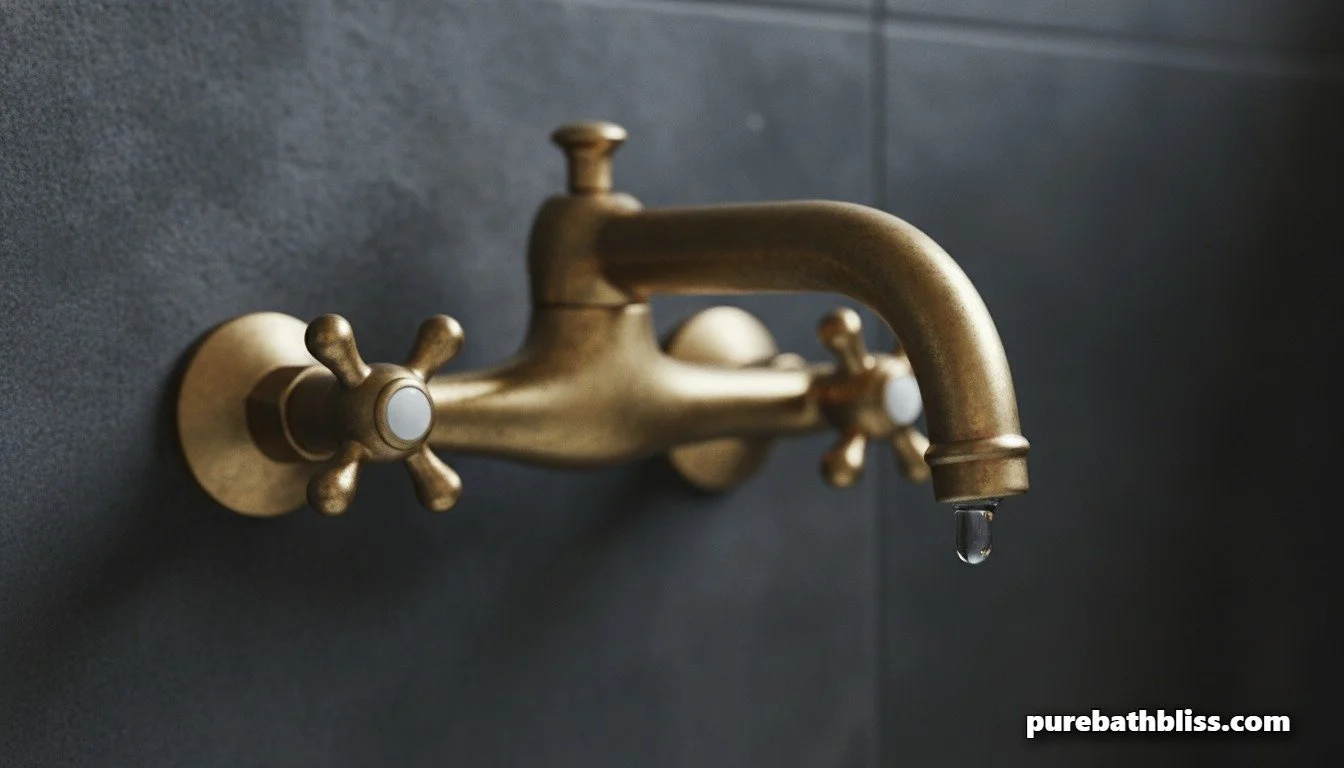
Beyond Chrome: 2026’s "Living Finishes" and How to Clean Them
For decades, the standard for bathroom hardware was simple: make it shiny, and keep it that way. Chrome and brushed nickel were the kings of the "set it and forget it" era. But in 2026, the design world has fallen back in love with Living Finishes. We’re talking about unlacquered brass, raw copper, and oil-rubbed bronze, metals that aren't sealed under a plastic-like coating, but are allowed to breathe, oxidize, and evolve.
As your knowledgeable best friend in home care, I’ll be the first to tell you: these finishes are breathtaking. They bring a warmth and "soul" to the room that chrome simply can't touch. However, they also come with a "lightbulb moment" of reality: you cannot clean them like traditional fixtures. If you hit unlacquered brass with the same harsh chemicals we exposed in our 2026 greenwashing bathroom stone detox, you’ll end up with a splotchy, damaged mess instead of a beautiful patina. Here is how to embrace the age of "living" hardware without losing your mind.
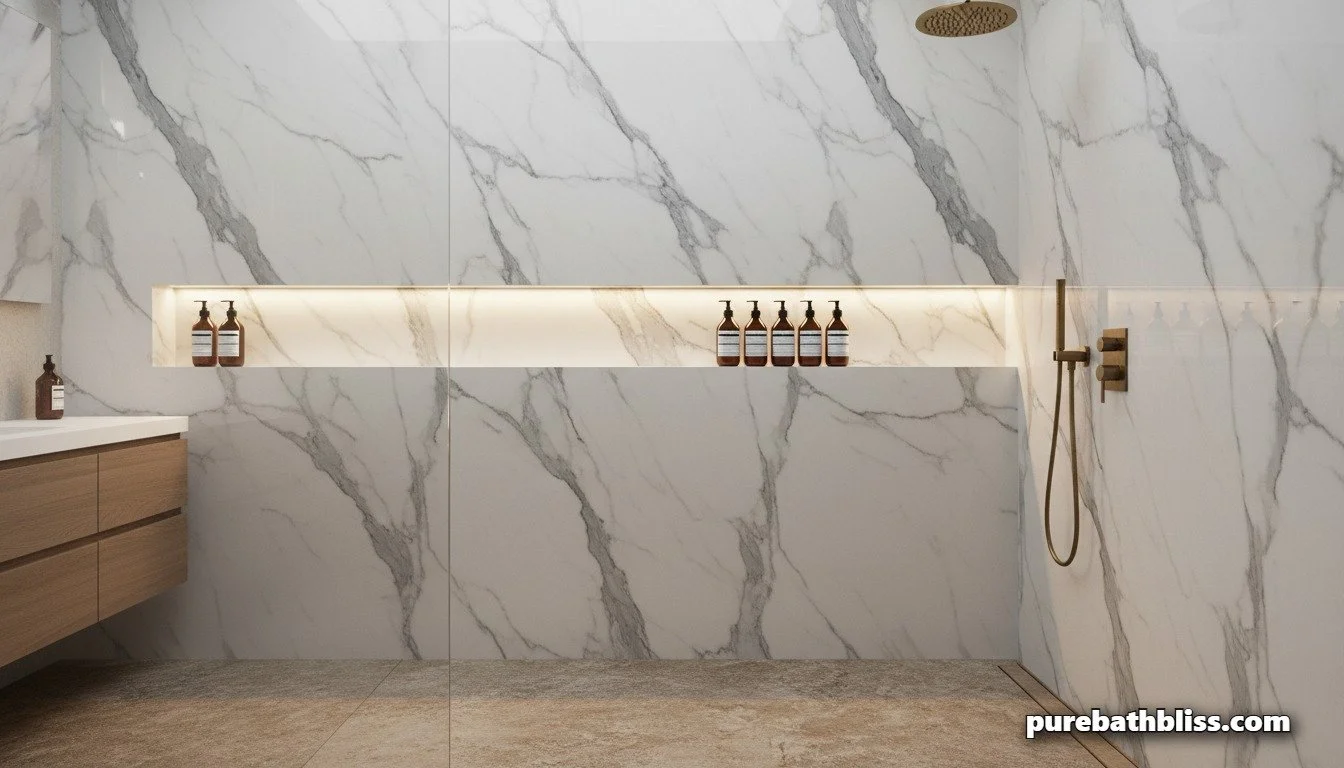
The "No-Grout" Revolution: 2026’s Secret to a Mold-Free Shower
If there is one thing that unites every homeowner in a shared sense of dread, it’s the sight of a toothbrush and a bottle of bleach sitting on the shower floor. We’ve all been there: spending our Saturday mornings scrubbing those tiny, porous lines of grout, trying to vanish the pink slime or the dark speckles of mold that seem to reappear the moment we look away.
But as your knowledgeable best friend in home care, I have some incredible news for you: In 2026, grout is officially optional. We are currently in the middle of a "No-Grout Revolution." High-end designers and savvy renovators are moving away from traditional mosaic tiles and toward "seamless" surfaces. Not only does this create a jaw-dropping, high-end spa aesthetic, but it fundamentally changes the "infrastructure" of your cleaning routine. Imagine a shower where you never, ever have to scrub a grout line again. Let’s dive into how you can join the revolution.
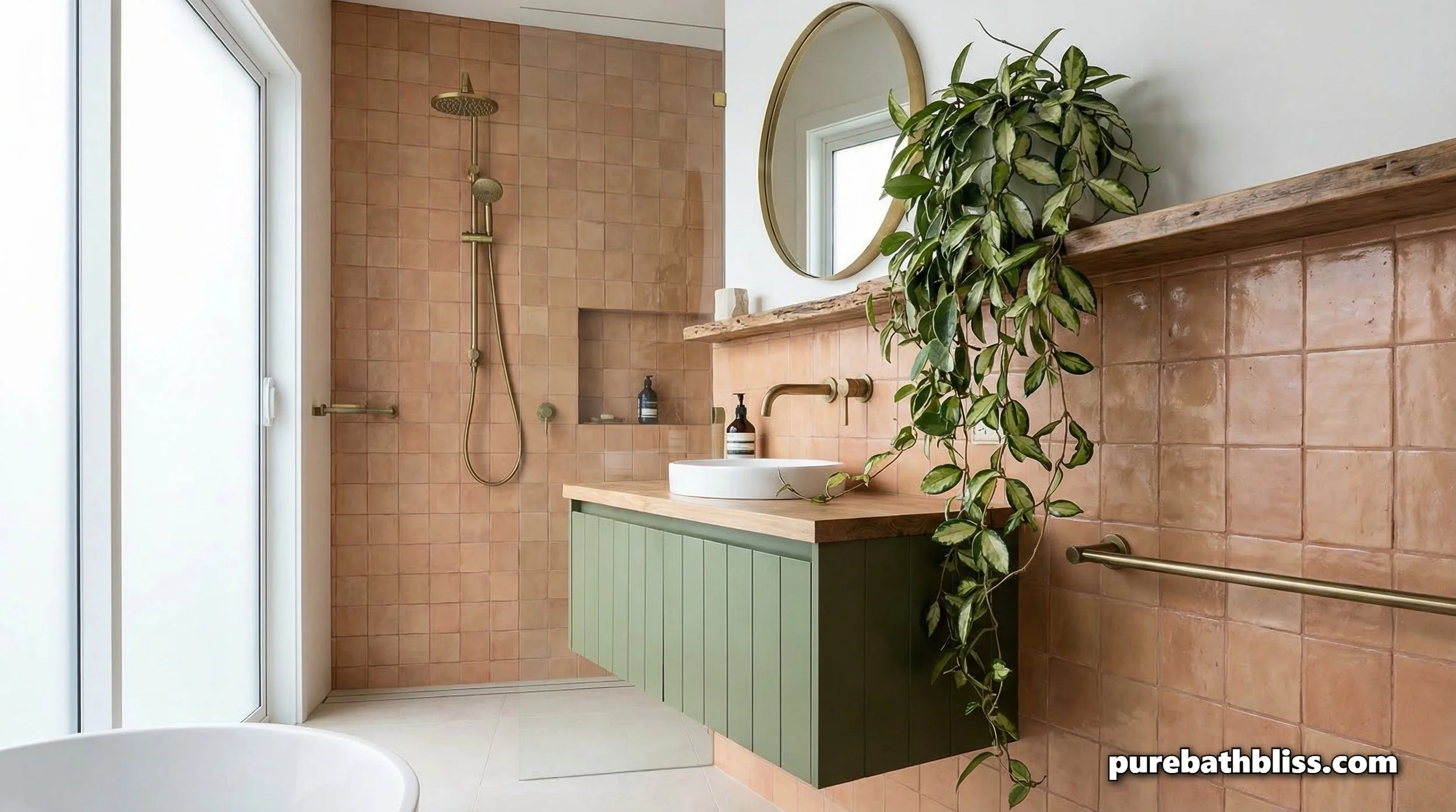
Bathroom Color Trends 2026: Earthy Tones and "Living" Finishes
In 2026, the bathroom has officially transitioned from a purely functional utility room into a "Wellness Sanctuary." This shift in how we use the space has radically changed the color palettes we are seeing in high-end design and home renovations. The stark, sterile "all-white" bathrooms of the last decade are being replaced by colors that feel grounded, organic, and deeply restorative.
As we discussed in our look at Top 5 Guest Bathroom Trends for 2026, the goal now is to create a space that feels like a natural extension of the earth. We are seeing a move away from "cool" grays and toward "warm" neutrals that mimic the textures of stone, clay, and forest floors. These colors don't just look better; they interact with the steam and light of a bathroom to create a more soothing atmosphere.
In this guide, we will break down the four defining color stories of 2026 and how you can integrate them into your home without a full remodel.
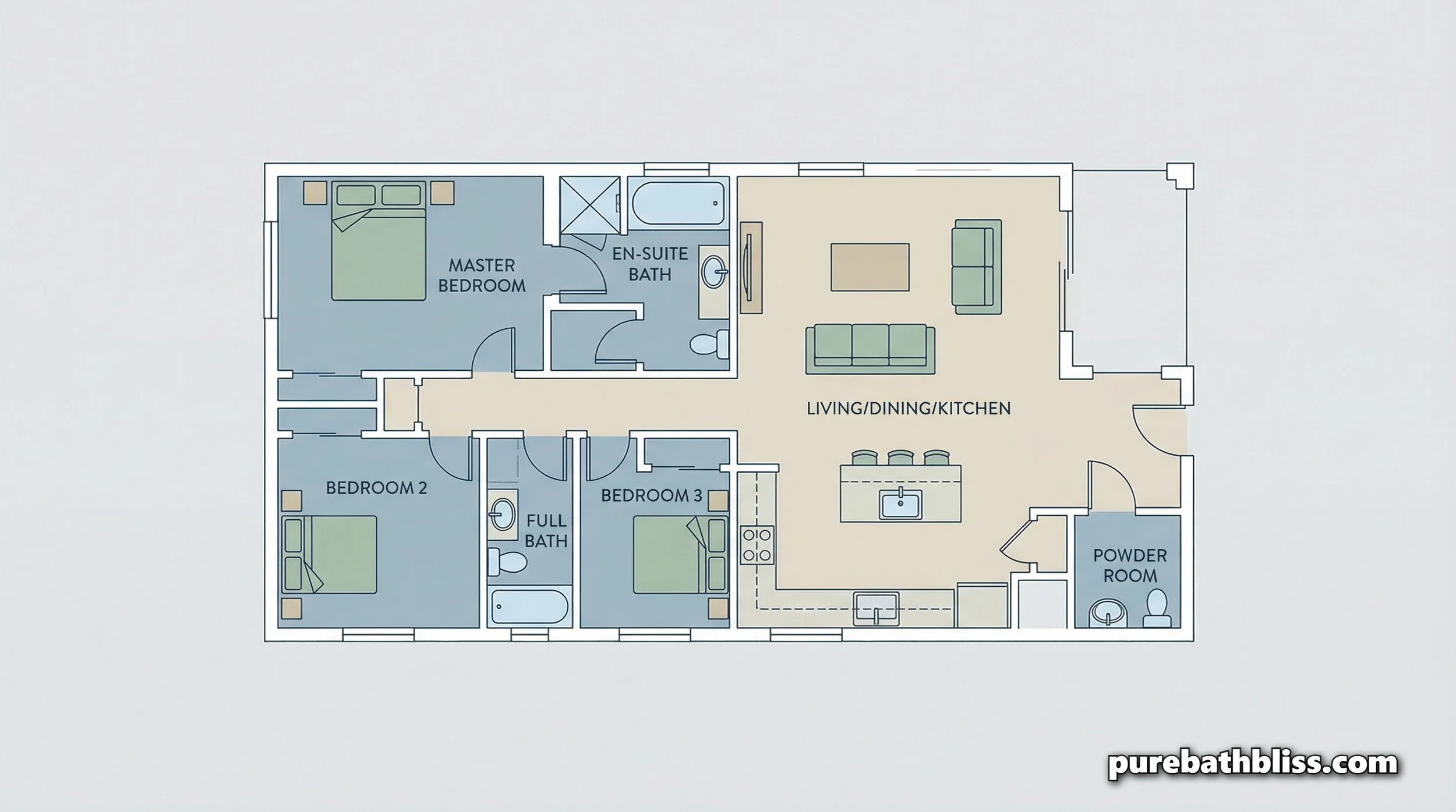
The Best Room to Bathroom Ratio for Home Value
When you are looking at a house, the number of bedrooms usually gets the most attention. People want to know if there is enough space for their family, an office, or a guest room. But as anyone who has lived in a busy house knows, the number of bathrooms is often more important for daily life.
From a value perspective, bathrooms are one of the most important parts of a home. If a house has four bedrooms but only one bathroom, it is going to be very hard to sell. On the other hand, having too many bathrooms can sometimes feel awkward or like a waste of space.
Finding the right balance, the "ratio", is key to making sure your home is comfortable to live in and easy to sell when the time comes. Here is what you need to know about how many bathrooms a house should have and how that number affects your home's value in 2026.
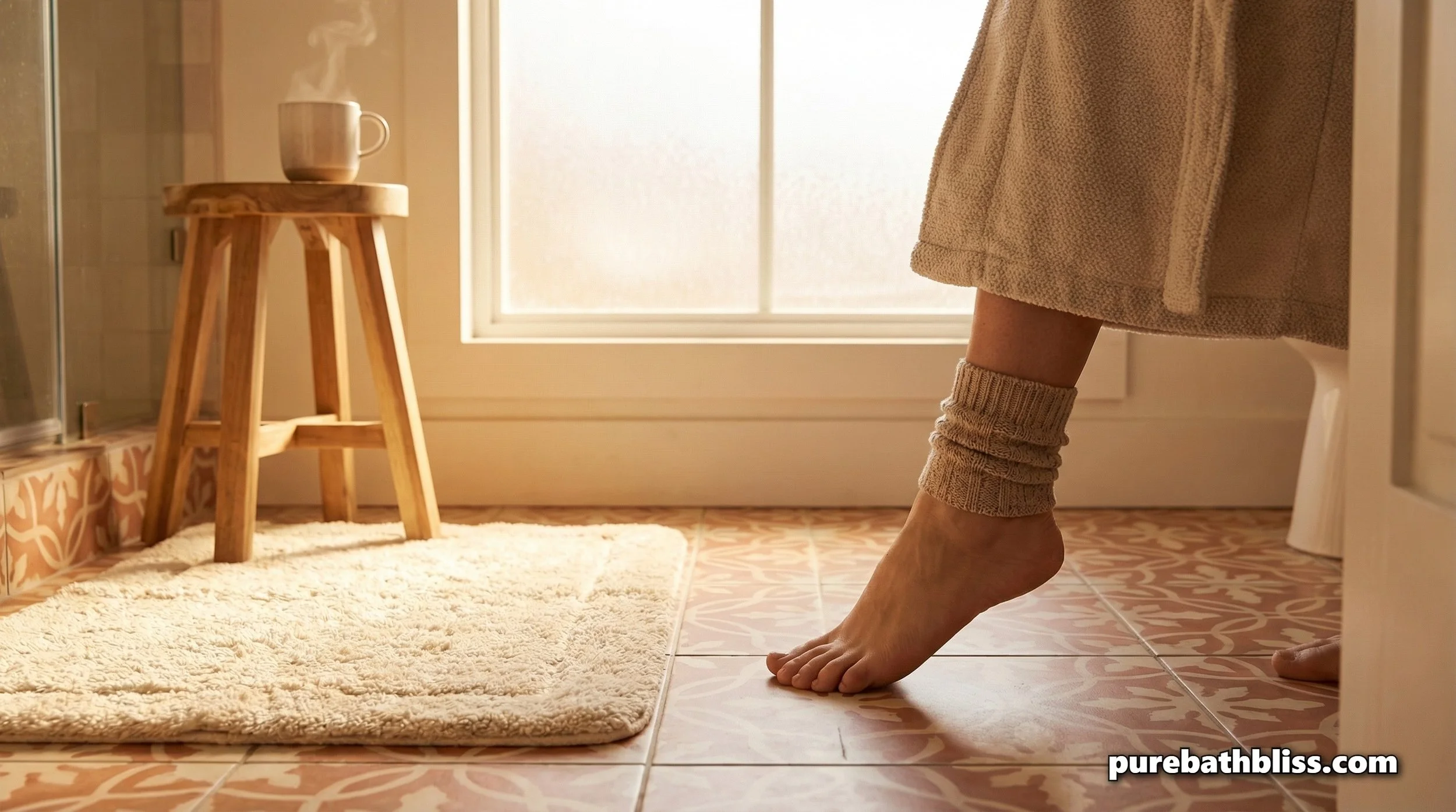
Are Heated Bathroom Floors Worth It?
There is nothing quite like the shock of a cold tile floor on a winter morning. In the world of home renovation, few upgrades feel as indulgent as heated floors. It’s a feature that feels pure "luxury," but as a carpenter, I see it more as a piece of high-performance infrastructure.
Is it worth the investment? Does it actually add value, or is it just another system that can break?
As a father of four, I’m always balancing the desire for a high-end Sustainable Sanctuary with the reality of a family budget. Heated floors are a legitimate upgrade, but they aren't always the right choice for every bathroom. Let’s break down the builder’s perspective so you can decide if it belongs in your renovation plan.
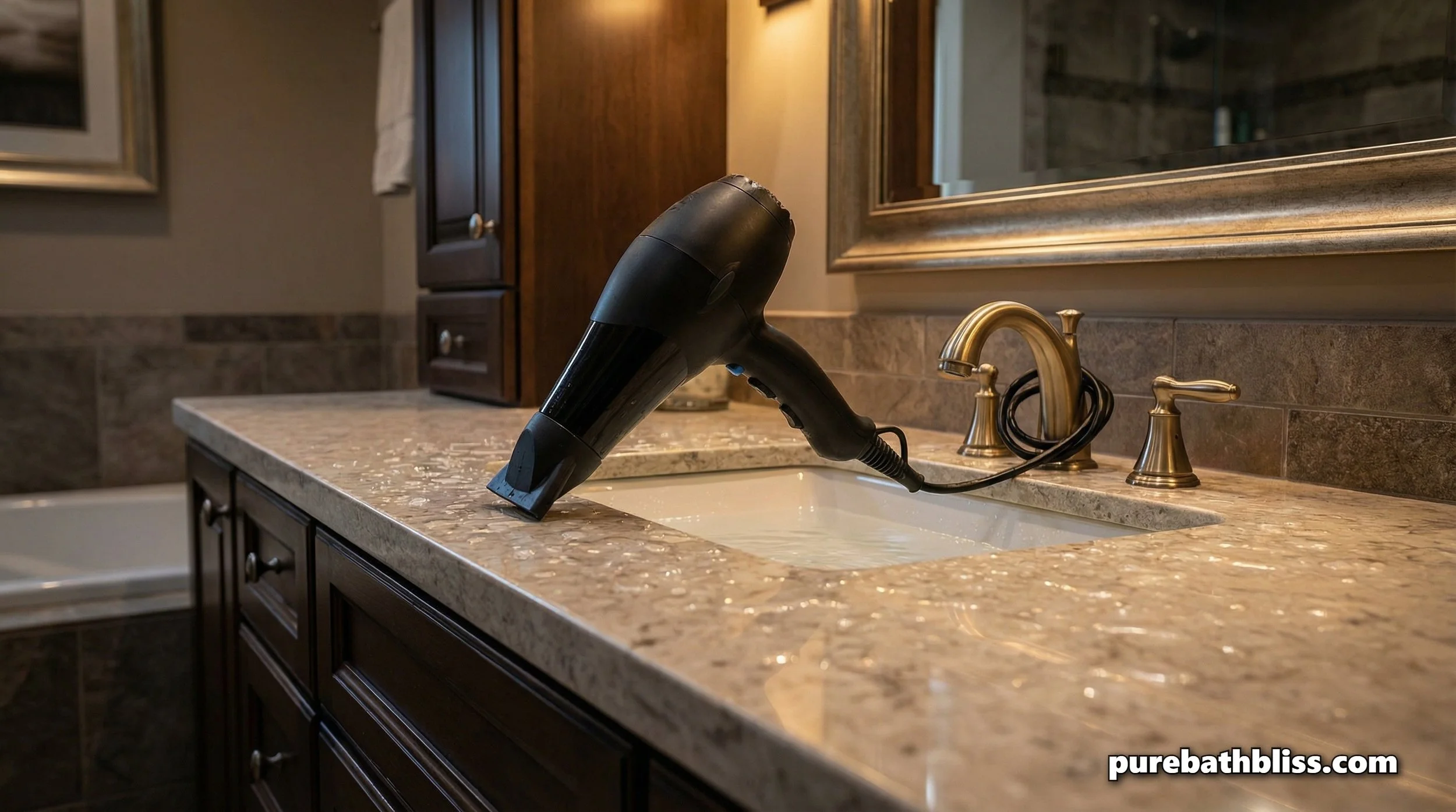
The Countertop Trap: Why Your Blow Dryer Needs a Proper Home
In a Sustainable Sanctuary, we prioritize "Invisible Safety." As a parent of four and a Red Seal Carpenter, I look at a hair dryer sitting on a bathroom counter, and I don't just see a styling tool, I see three distinct threats: a structural hazard, an electrical liability, and a "clutter tax" on your peace of mind.
While it seems convenient to leave it plugged in and ready to go, this habit is a breach of your home’s safety protocol. In my 20 years on job sites, I've seen exactly how moisture and electricity play together. They aren't friends. Leaving your hair dryer out isn't just a design faux pas; it’s an invitation for infrastructure failure.
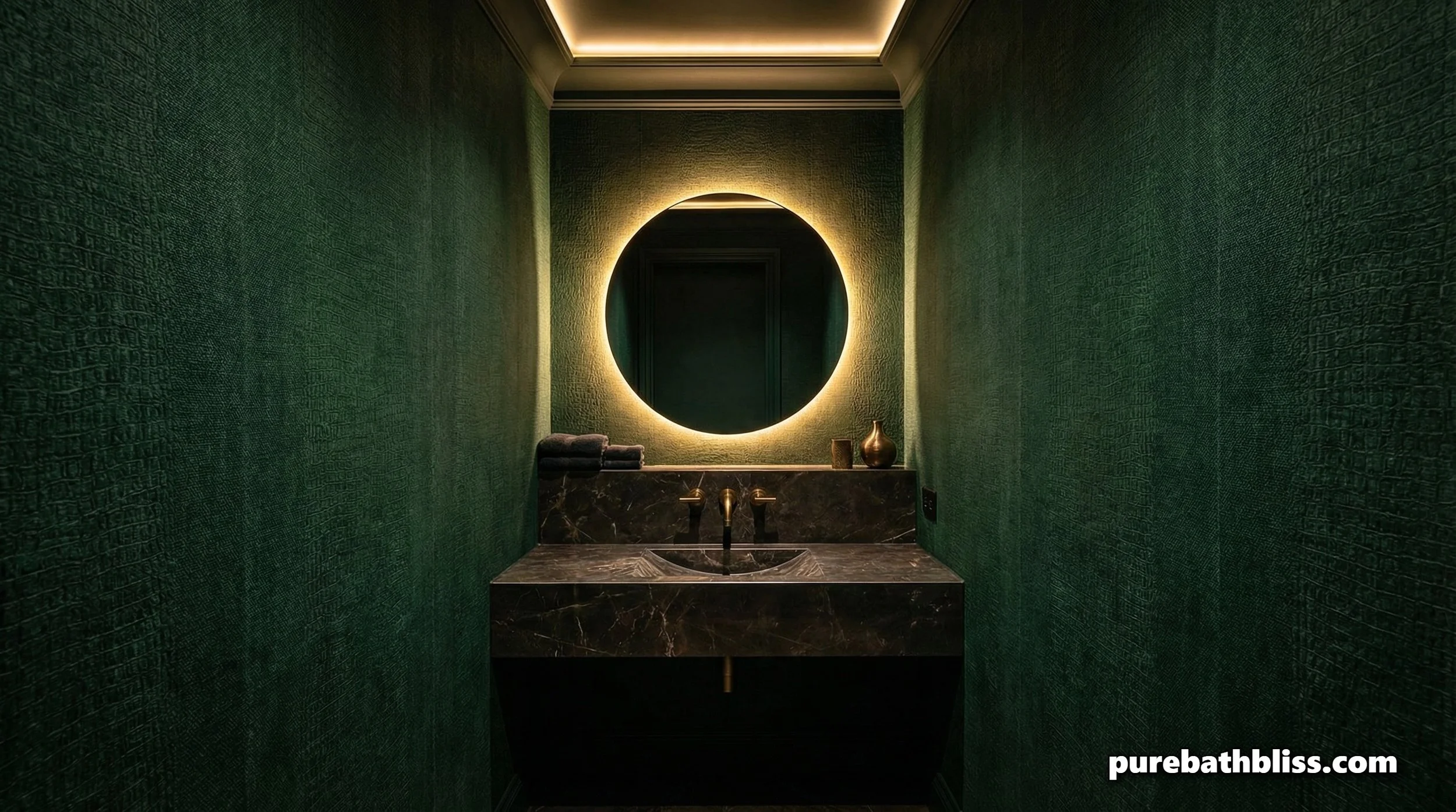
The Power of the Powder Room: More Than Just a Half-Bath
If you’ve ever walked into a small, windowless, yet breathtakingly decorated bathroom on the main floor of a house, you’ve experienced the magic of a powder room. In technical terms, it’s a "half-bath", a room containing only a toilet and a sink. But in the context of a high-end Sustainable Sanctuary, it is so much more.
As a builder, I tell my clients that the powder room is the only place in the home where you can, and should, break all the design rules. Because there is no shower or tub, you don't have to worry about the massive steam and humidity issues we discussed in our Indoor Cold Plunge Guide. This is your chance to go bold, experiment with texture, and create a "jewelry box" for your guests.
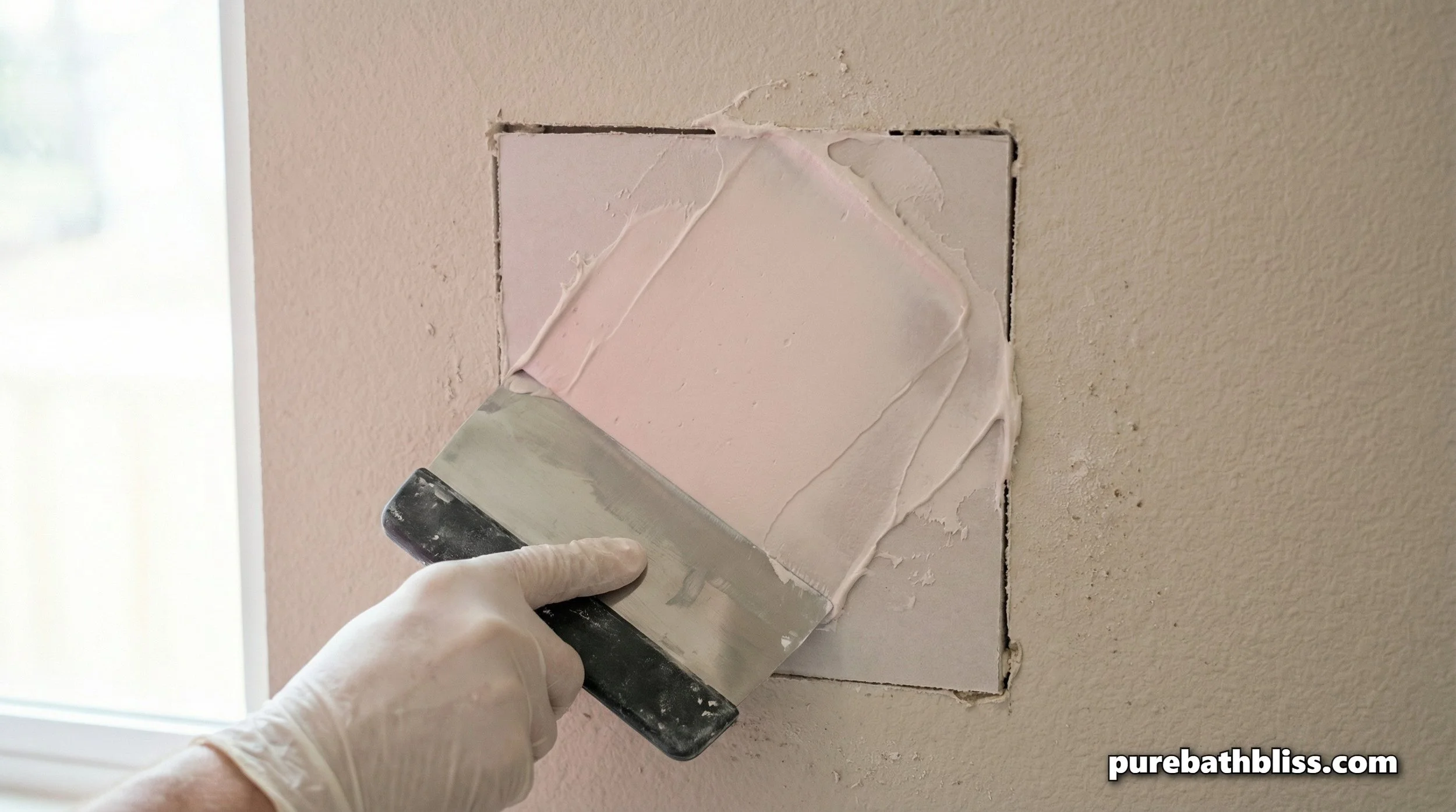
The Invisible Mend: A DIY Guide to Professional Drywall Repair
In my early days on the job site, I learned a hard truth: drywall is 10% application and 90% "feathering." Most homeowners fail at wall repairs because they try to fill a hole in one thick, heavy layer. This leads to cracking, sagging, and a visible "bump" that no amount of paint can hide.
In a Sustainable Sanctuary, we treat our walls like a canvas. A house with "scar tissue" on the walls feels cluttered and unfinished. By mastering the mechanical ritual of the repair, you can maintain the pristine, high-end aesthetic of your home without hiring a contractor for every ding.
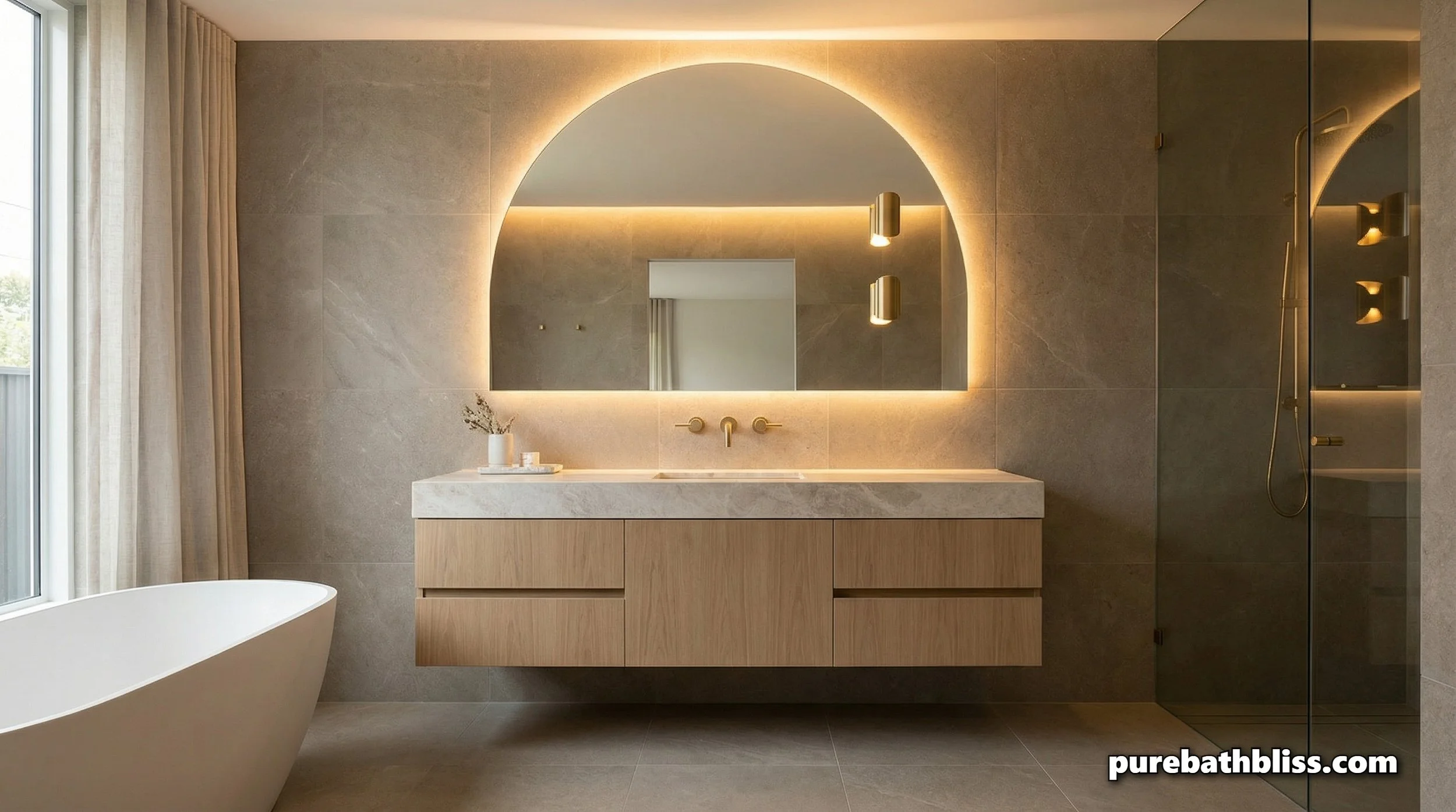
The Midas Touch: Are Gold Bathroom Fixtures Actually Tacky?
If you were to walk into a bathroom remodel in 1988, you’d likely be blinded by high-shine, polished brass. It was everywhere, from the towel bars to the shower door frames. Because of that era’s "maximalist" obsession and the subsequent "over-saturation" of cheap, yellow toned metals, many homeowners still flinch at the mention of gold fixtures. There is a deep-seated fear that the bathroom will look dated before the grout even dries.
But in 2026, gold has undergone a massive "Heritage Revival." We are moving away from the cold, clinical grays and "Millennial Pink" of the last decade and returning toward warmth, organic textures, and a soft, candlelight "glow."
The question today isn't whether gold is inherently tacky, it’s whether you are choosing Gold-Tone (Tacky) or Gold-Finish (Timeless).
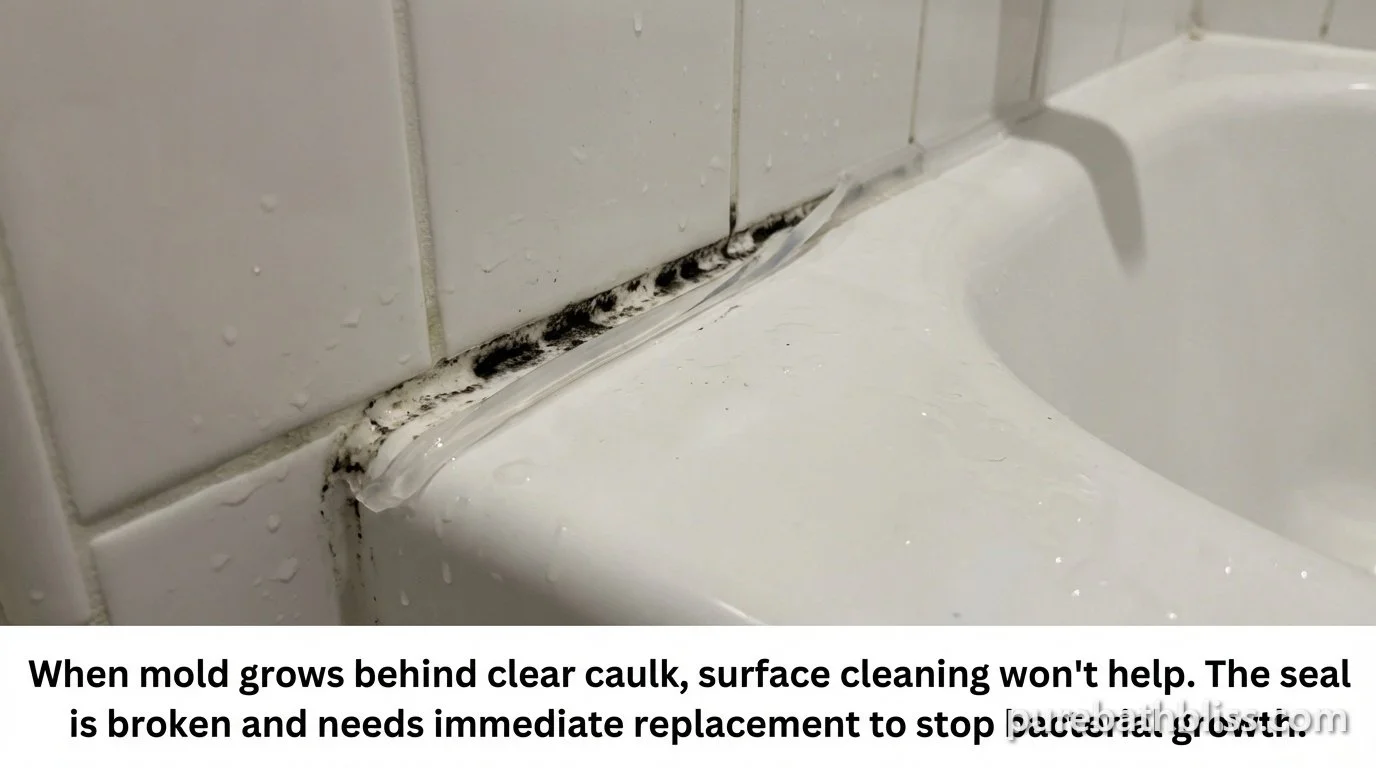
How Often Should I Recaulk My Bathtub? The Definitive 2026 Guide to a Leak-Free Sanctuary
A relaxing soak in the tub is one of life's simple pleasures, a cornerstone of "Pure Bath Bliss." However, the integrity of that peaceful sanctuary relies on something remarkably simple: a thin bead of flexible sealant.
A well-maintained bathtub enhances bathroom hygiene and ensures the longevity of your home’s structure. But the common question plagues many homeowners: how often should you actually recaulk it?
In 2025, as homeowners increasingly focus on sustainable bathroom care—prioritizing longevity and non-toxic living—understanding recaulking frequency is crucial. Ignoring this maintenance task isn't just an aesthetic issue; it’s the primary cause of preventable mold and expensive hidden leaks. This guide explores when and how to recaulk your bathtub, aligning with PureBathBliss.com’s mission for a clean, eco-friendly, and durable space.
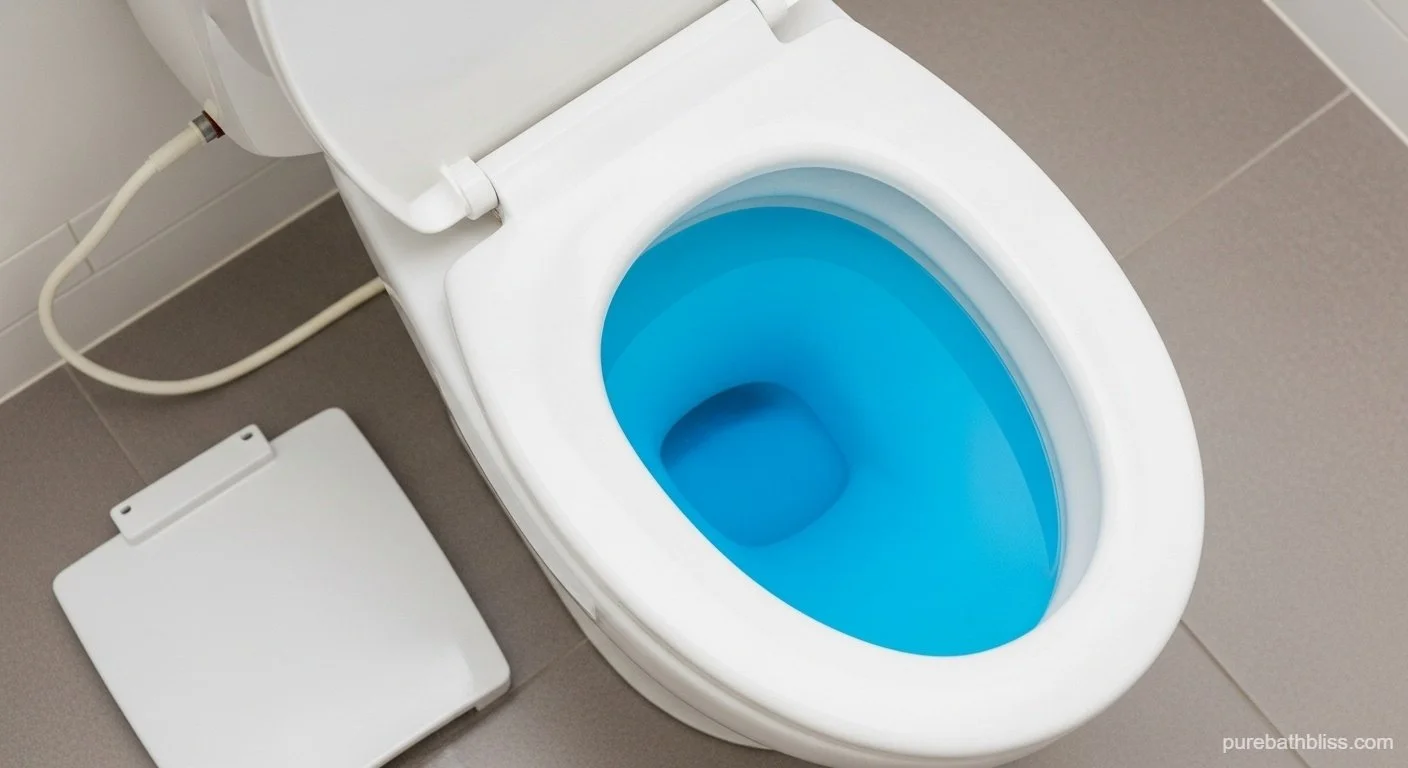
Is Your Toilet "Ghost Flushing"? How to Stop the Leak and Save Money in 10 Minutes
It’s 2:00 AM. The house is silent. Suddenly, you hear it—the sound of water running in the bathroom, followed by a short flush.
You get up to check, but the bathroom is empty. Nobody used it.
This phenomenon is called "Ghost Flushing." While it sounds spooky, the reality is much more mundane and much more expensive. It means water is slowly, silently leaking from your toilet tank into the bowl. When the water level in the tank drops low enough, the float valve kicks in to refill it, causing that random "flush" sound.
A single running toilet can waste up to 200 gallons of water per day. That’s thousands of dollars a year literally flushed down the drain.
The good news? You don’t need a plumber. You just need a $6 part and ten minutes. Here is how to diagnose the leak and fix it yourself.
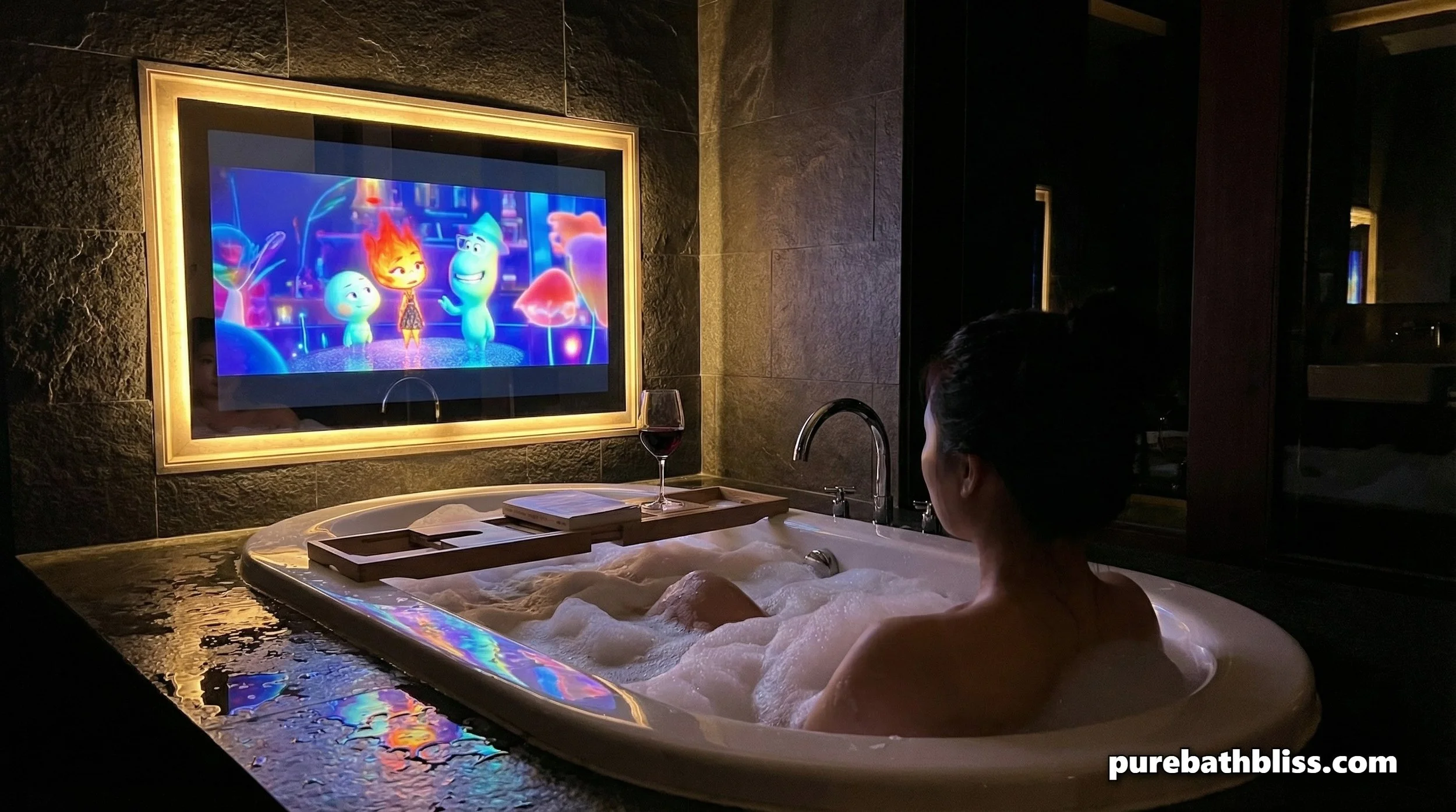
The Future of Reflection: Is a Smart Mirror Right for Your Sanctuary?
In the pursuit of creating a Sustainable Sanctuary, we often focus on the organic: the plants, the non-toxic cleaners, and the calming natural light. But there's a revolutionary element entering the modern bathroom that promises to blend wellness with high-tech efficiency and even high-definition entertainment: The Smart Mirror.
If you’ve ever wished your mirror wouldn’t fog up after a shower, if you struggle to find the perfect lighting for your morning routine, or if you simply dream of catching up on your favorite series while you soak in the tub, you’ve likely considered an upgrade. But are these high-tech reflections worth the investment? Let’s dive into what makes a mirror "smart" and how it fits into a mindful, modern home.
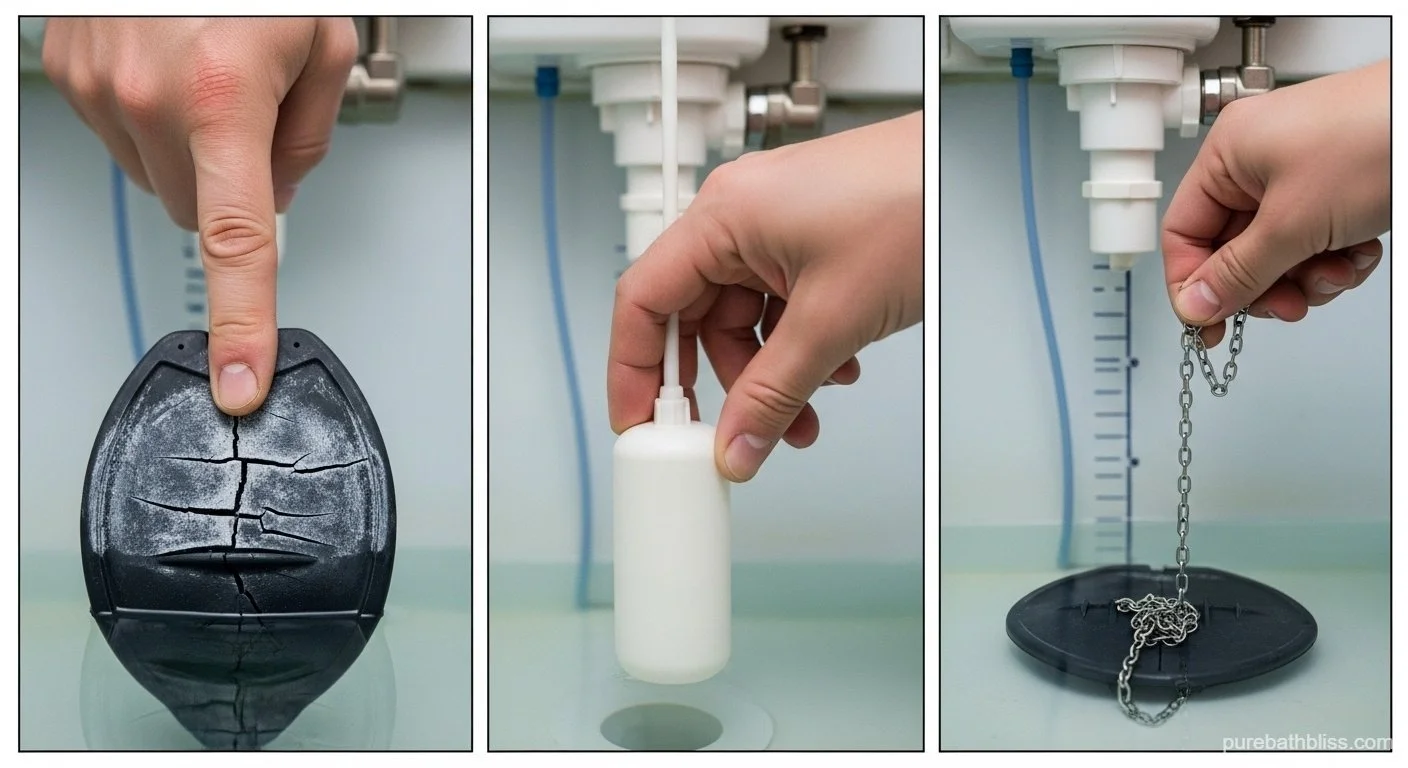
The 5-Minute Fix: How to Silence That Annoying Running Toilet Without Calling a Plumber
It’s 2 a.m. You’re half-asleep when the hiss… drip… hiss starts again. That running toilet isn’t just annoying—it’s draining your wallet and wasting thousands of gallons of water. A plumber? $150+ for a 5-minute job.
Stop.
You don’t need tools, experience, or a pro. Three common culprits cause 95% of running toilets—and each fix takes under 5 minutes. You’ll silence the noise, save $200+ yearly, and cut water waste by up to 4,000 gallons daily.
Grab a towel. Let’s fix it—now.
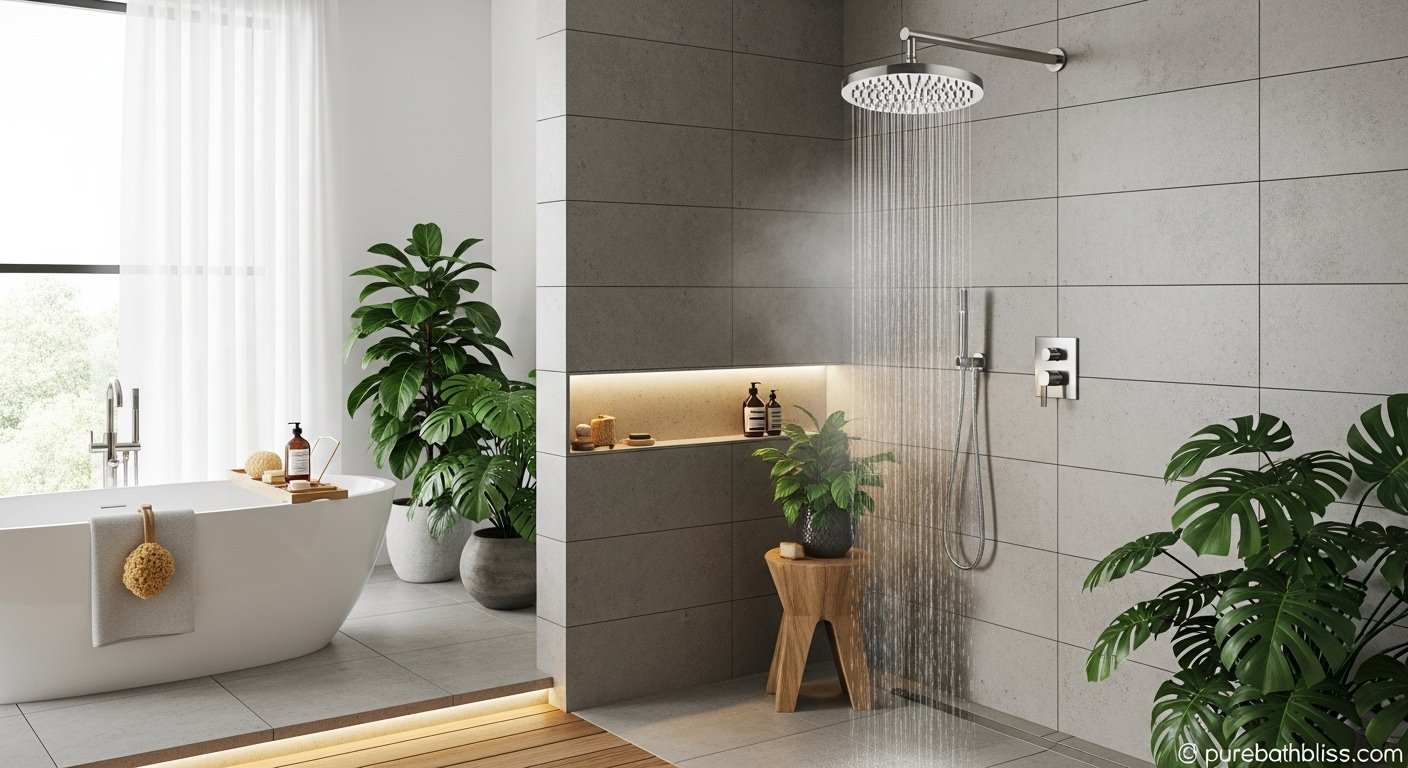
What Is a Rain Shower Showerhead?
A rain shower showerhead transforms your bathroom into a spa-like retreat, delivering a gentle, cascading flow that mimics natural rainfall. Unlike standard showerheads with focused jets, rain showerheads have a wide, flat surface that disperses water evenly over a larger area, creating a luxurious and relaxing shower experience. Popular in modern and eco-conscious bathrooms, they combine style, comfort, and water-saving features. This guide explains what a rain shower showerhead is, its key features, benefits, and considerations to help you decide if it’s right for your sustainable bathroom in 2025.
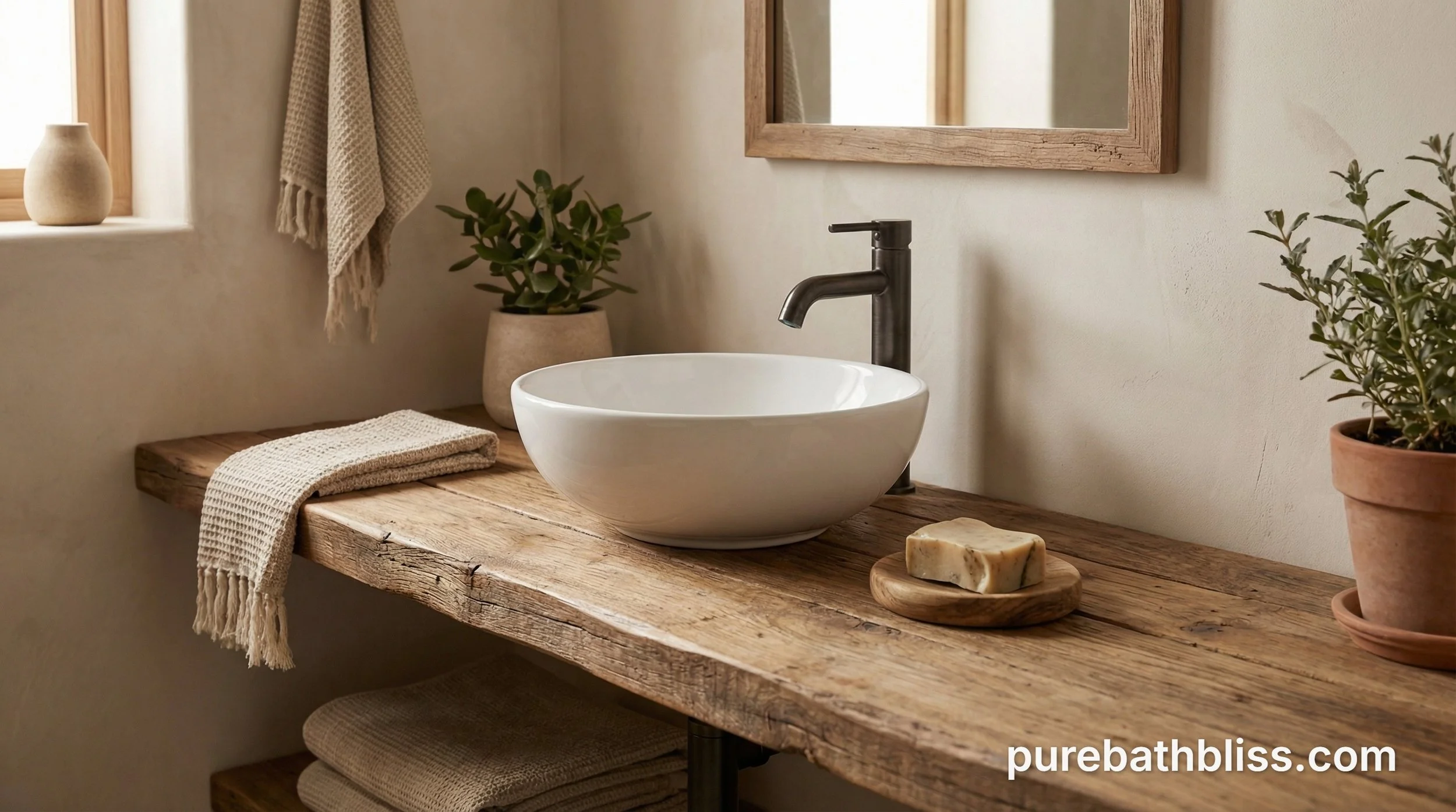
What Is the Ideal Type of Countertop for Your Eco-Friendly Bathroom?
If you’ve been working through a January Reset or slowly building your own Zero-Waste Sanctuary, you know that the bathroom is the heart of a healthy home. But while we focus a lot on the soaps we use and the plants we grow, the "bones" of the room matter just as much.
Your countertop is the real workhorse of the space. It has to handle heat from styling tools, constant splashes from the kids, and the occasional spilled bottle of essential oil. In the past, choosing "eco-friendly" usually meant you had to give up on durability, but honestly, that just isn't true anymore.
Between you and me, the best countertop isn't just the one that looks the part; it's the one that won't end up in a landfill in ten years because it warped, stained, or cracked. Let’s look at the options that actually hold up to real life.