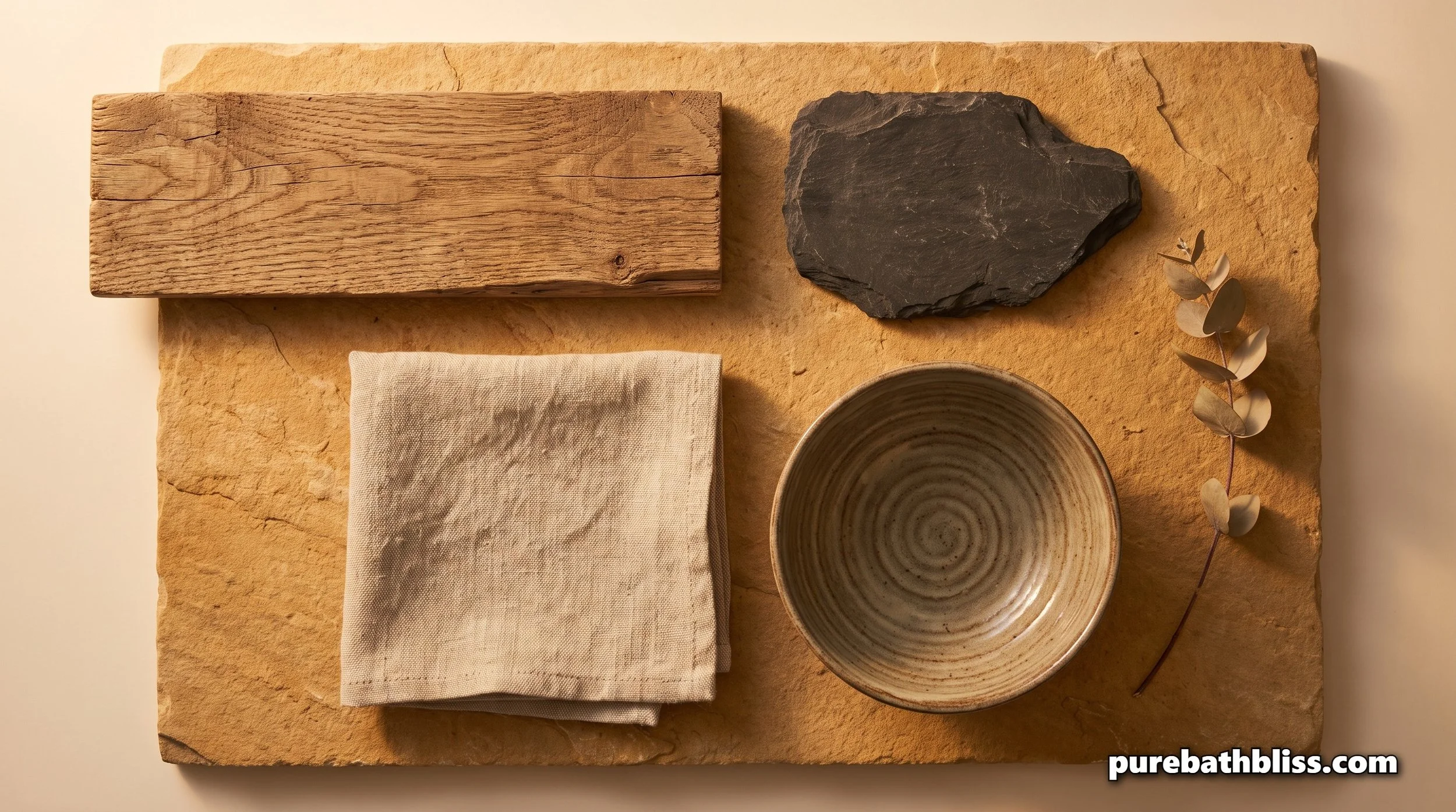
Japandi Bathroom Design: The Complete Guide to Getting It Right
Japandi is the Japanese-Scandinavian design fusion that has overtaken farmhouse as the dominant bathroom aesthetic of 2026. The appeal is genuine: it produces bathrooms that feel like a spa without trying, that age better than trend-driven designs, and that are built on a design philosophy rather than a look. Here is what the philosophy actually means in practice, the five principles that define a genuine Japandi bathroom versus a Pinterest imitation of one, and the specific materials, colors, and accessories that make it work at any budget.
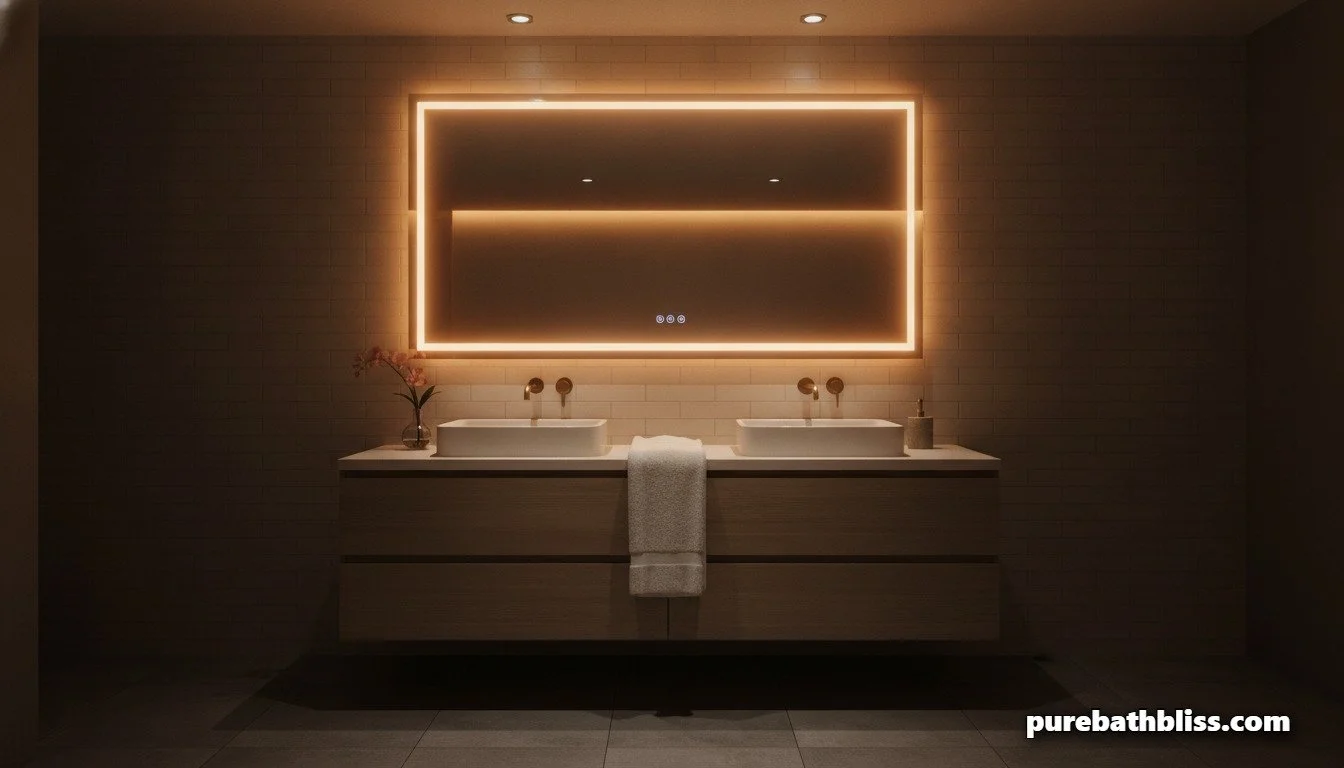
The LED Anti-Fog Bathroom Mirror: Why TikTok Is Obsessed and Whether It's Worth It
LED anti-fog bathroom mirrors went from a hotel luxury to a TikTok obsession to the most searched bathroom upgrade of 2026 in about eighteen months. The question is not whether they look good. They do. The question is whether the features actually work, which ones matter, which ones are gimmicks, and what to buy at each price point. Here is the honest guide.
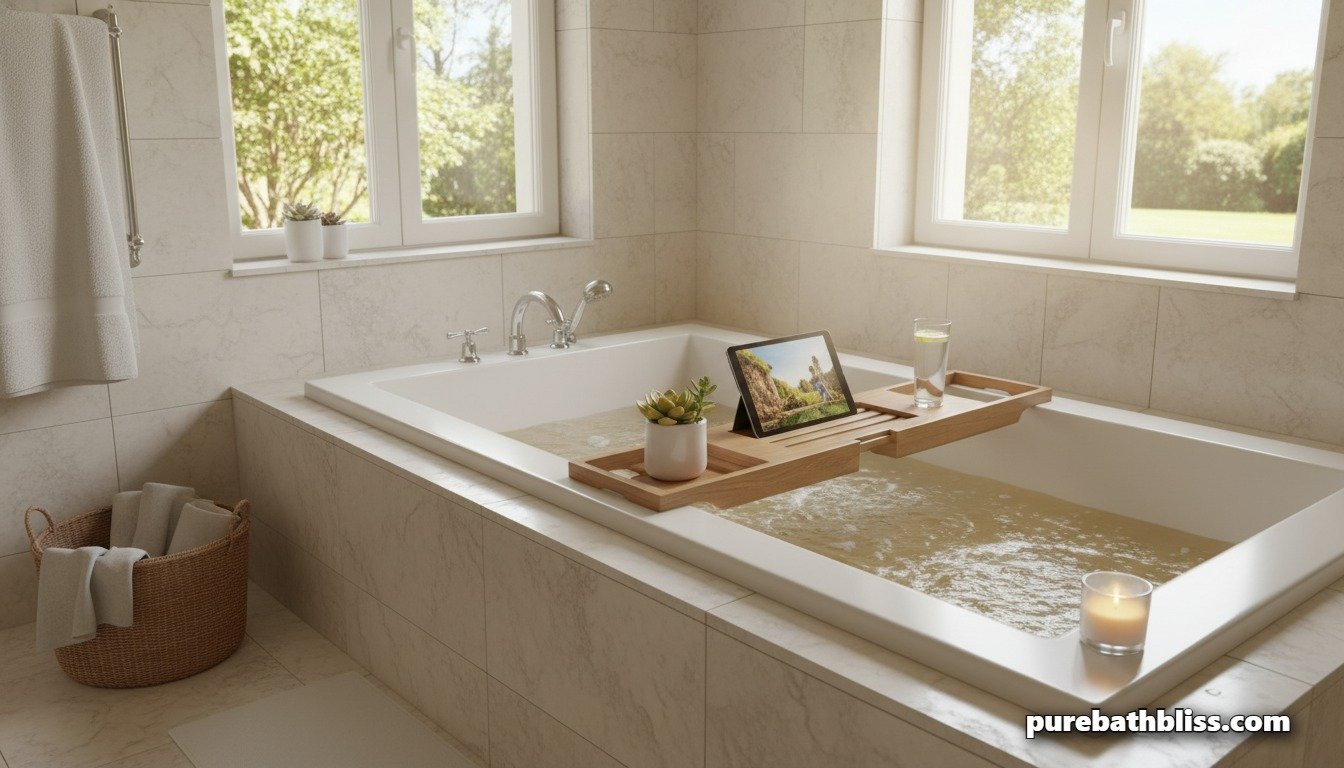
The Spa Tub Upgrade: 5 Amazon Essentials for a High-Performance Soak
If you’ve invested in the "Internal Infrastructure" of a jetted spa tub, you know that the experience is only as good as the accessories you use. However, as a builder, I have a warning: most standard bath products are "Infrastructure Killers." Thick oils, glitter-filled bath bombs, and heavy salts can settle in the flexible piping of a spa tub, leading to mechanical failure and the growth of bio-film and bacteria.
To keep your sanctuary running at peak performance, you need accessories designed for the specific needs of a jetted system. In 2026, we are looking for items that provide luxury without compromising the plumbing and electrical safety of the unit.
Here are the 5 best spa tub accessories on Amazon to help you achieve "Pure Bliss" while protecting your home’s hardware.
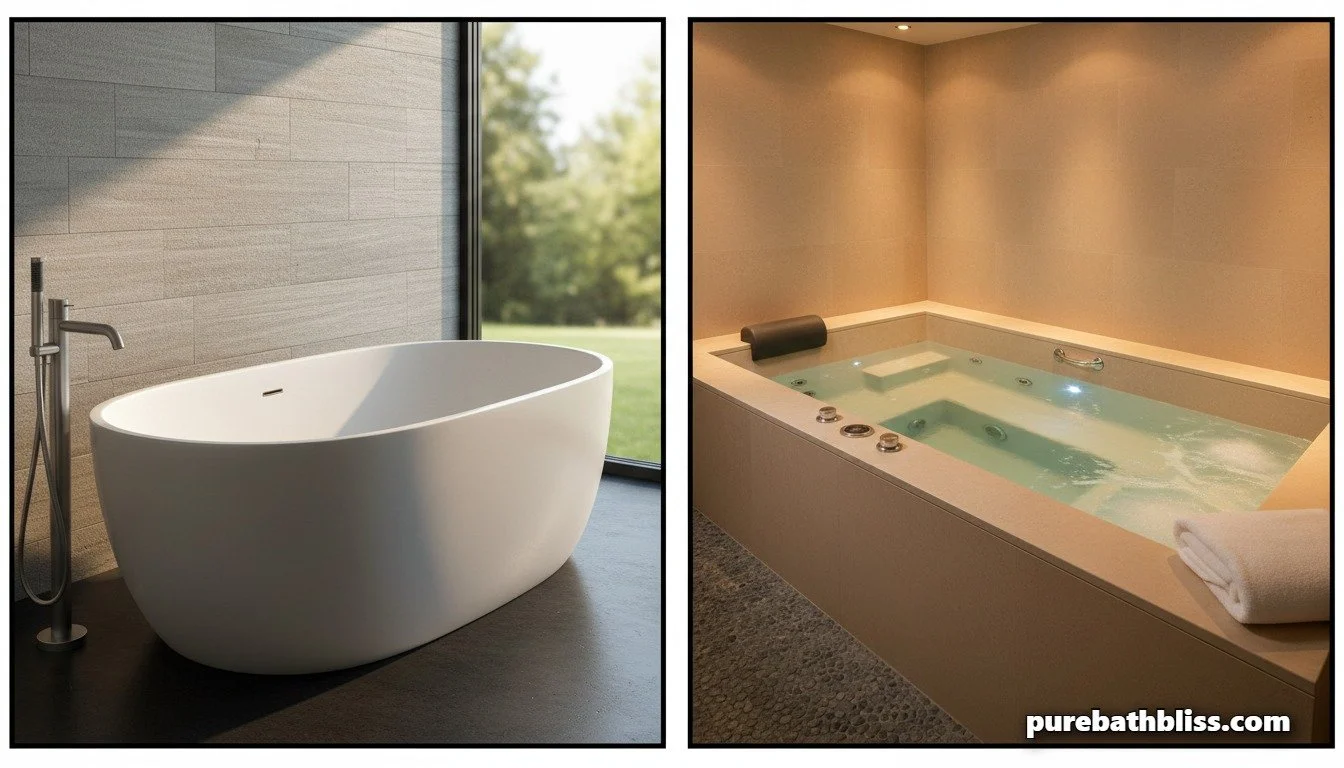
Spa Tub vs. Normal Tub: The Builder’s Infrastructure Guide
When you are designing your sanctuary, the bathtub is the centerpiece. However, the choice between a standard soaking tub and a jetted spa tub isn't just about how it looks, it's about the "Internal Infrastructure" of your bathroom. A spa tub is a complex machine with pumps, motors, and internal piping, whereas a normal tub is a static vessel.
Over the years, many homeowners have moved toward the "Normal" tub for its clean lines and ease of maintenance, especially when paired with a seamless microcement bathroom finish. But if you struggle with muscle tension or chronic pain, the mechanical benefit of a spa tub is hard to beat.
Here is the professional breakdown of which tub is "cooler" for your lifestyle and your home’s longevity.
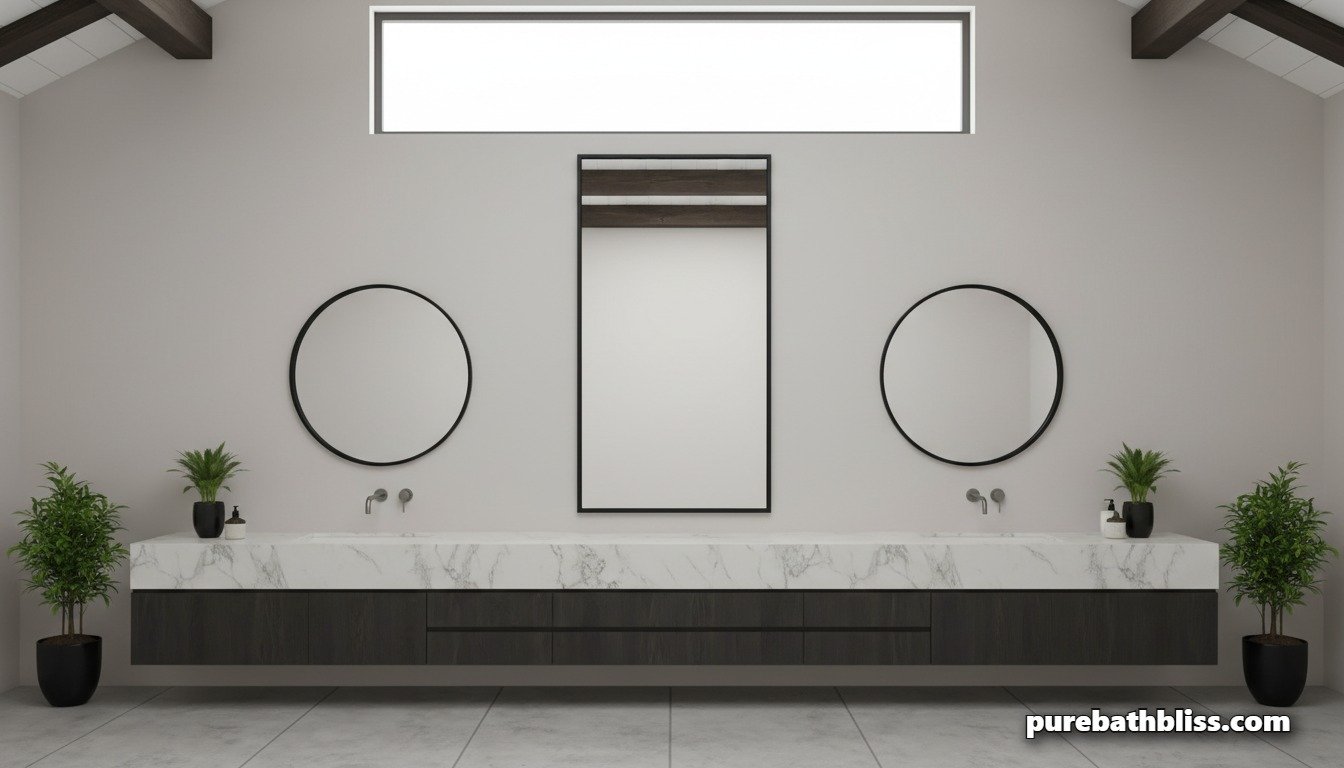
Mirror Shapes & Psychology: Choosing the Right "Scale" for Your Space
In bathroom design, we often treat the mirror as an afterthought—a utility piece meant for checking your teeth. But as a builder, I view the mirror as the primary "Visual Infrastructure" of the room. It is the largest reflective surface in the space, meaning it dictates how light travels and how the room’s "Energy" feels.
In 2026, we are moving away from standard, frameless builder-grade sheets of glass. We are now selecting shapes based on the Psychology of Scale. Whether you are outfitting a tiny jewel box powder room or a sprawling master bath, the shape you choose can either reinforce the room's rigid lines or soften the "Industrial Infrastructure."
Here is the professional guide to choosing between round and rectangular mirrors and the psychological impact each has on your daily routine.
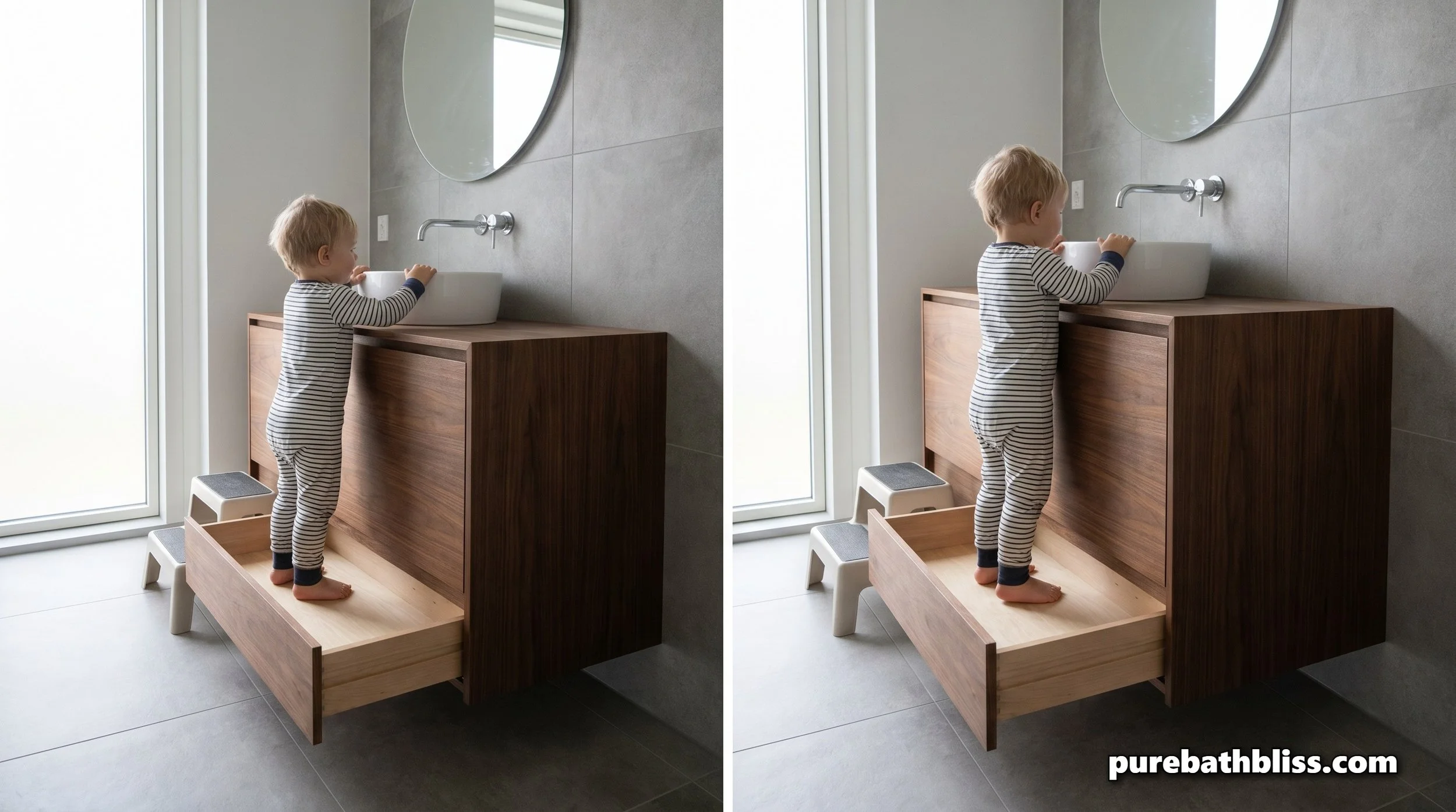
The Built-in Toe-Kick Step: A Bathroom Independence Hack
When kids can’t reach the sink, the standard solution is a plastic step stool. But as a builder, I see these stools as "Infrastructure Hazards." They clutter the floor, scratch your seamless microcement finish, and create a tripping hazard in the middle of the night.
In 2026, the high-performance family home is moving toward Integrated Independence. The best way to foster a child's autonomy is to build the solution directly into the cabinetry. The Built-in Toe-Kick Step is a hidden drawer located at the very base of your vanity that pulls out to become a sturdy platform.
By moving the step into the "Internal Infrastructure" of the vanity, you clear the floor while ensuring your children can reach the brushed brass faucets safely. Here is how to plan, build, and maintain this genius bathroom hack.
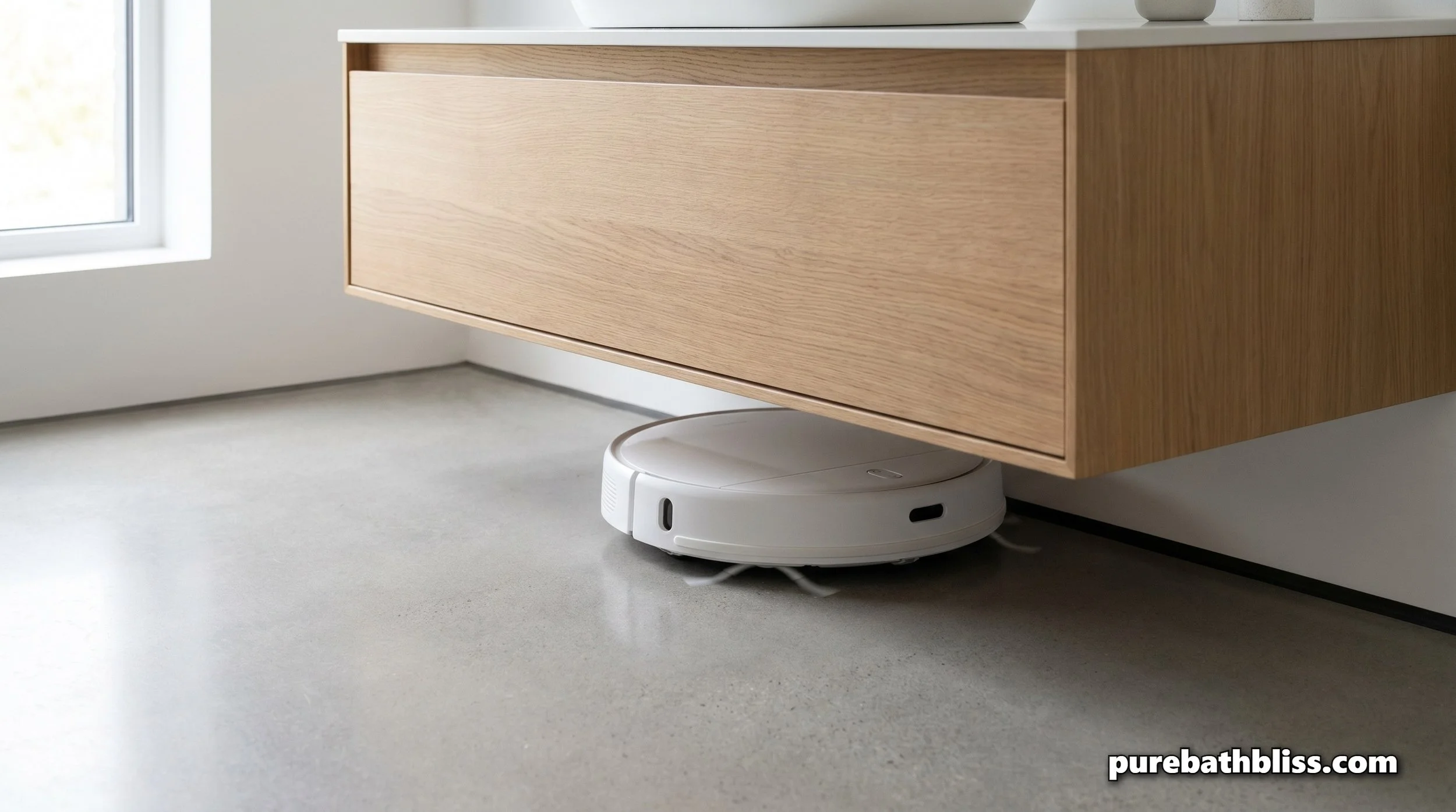
The "Floating" Vanity Advantage: Why Wall-Hung is the New Standard
In the world of high-end residential construction, the "Infrastructure" of a bathroom is shifting. We are moving away from heavy, floor-mounted cabinets that trap dust and towards the Floating Vanity. As a builder, I’ve seen this trend explode in 2026, and it’s not just about the "minimalist" look. It’s about functionality, hygiene, and the psychology of a clean bathroom.
A wall-hung vanity creates an unbroken plane of flooring, which is essential if you’ve invested in a seamless microcement bathroom finish. By lifting the cabinetry off the ground, you eliminate the "Gunk Zone", that impossible-to-clean crevice where the vanity meets the floor.
But installing a floating vanity requires a different approach to your home’s "Internal Infrastructure." Here is the professional guide to why you should consider going wall-hung and the builder-secrets to doing it right.
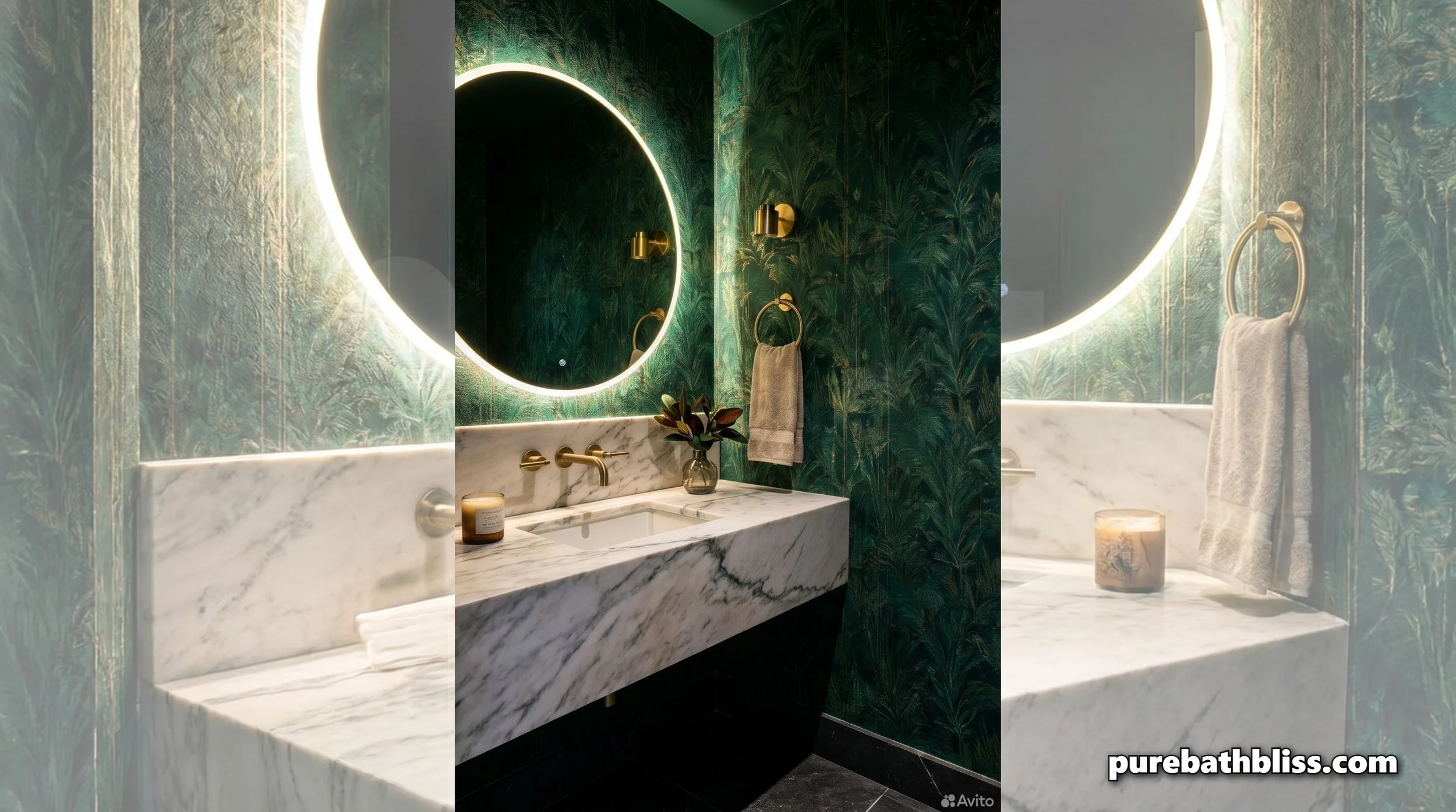
The "Jewel Box" Powder Room: Bold Design in a Small Footprint
In residential construction, the powder room is often referred to as a "Jewel Box." Because it is a self-contained space, usually tucked under a staircase or at the end of a hallway, it doesn’t have to play by the same rules as the rest of the house. As a builder, I always tell my clients that if they’re going to take a major design risk, the powder room is the place to do it.
In 2026, the trend has moved away from safe, neutral "Greige" powder rooms and toward high-impact, high-contrast environments. We are layering rich textures, bold patterns, and brushed brass fixtures to create a space that feels intentional rather than secondary.
When you combine a bold aesthetic with the no-window air quality strategies we’ve discussed, you transform a tiny utility room into a luxury destination for your guests. Here is the professional guide to building your own Jewel Box.
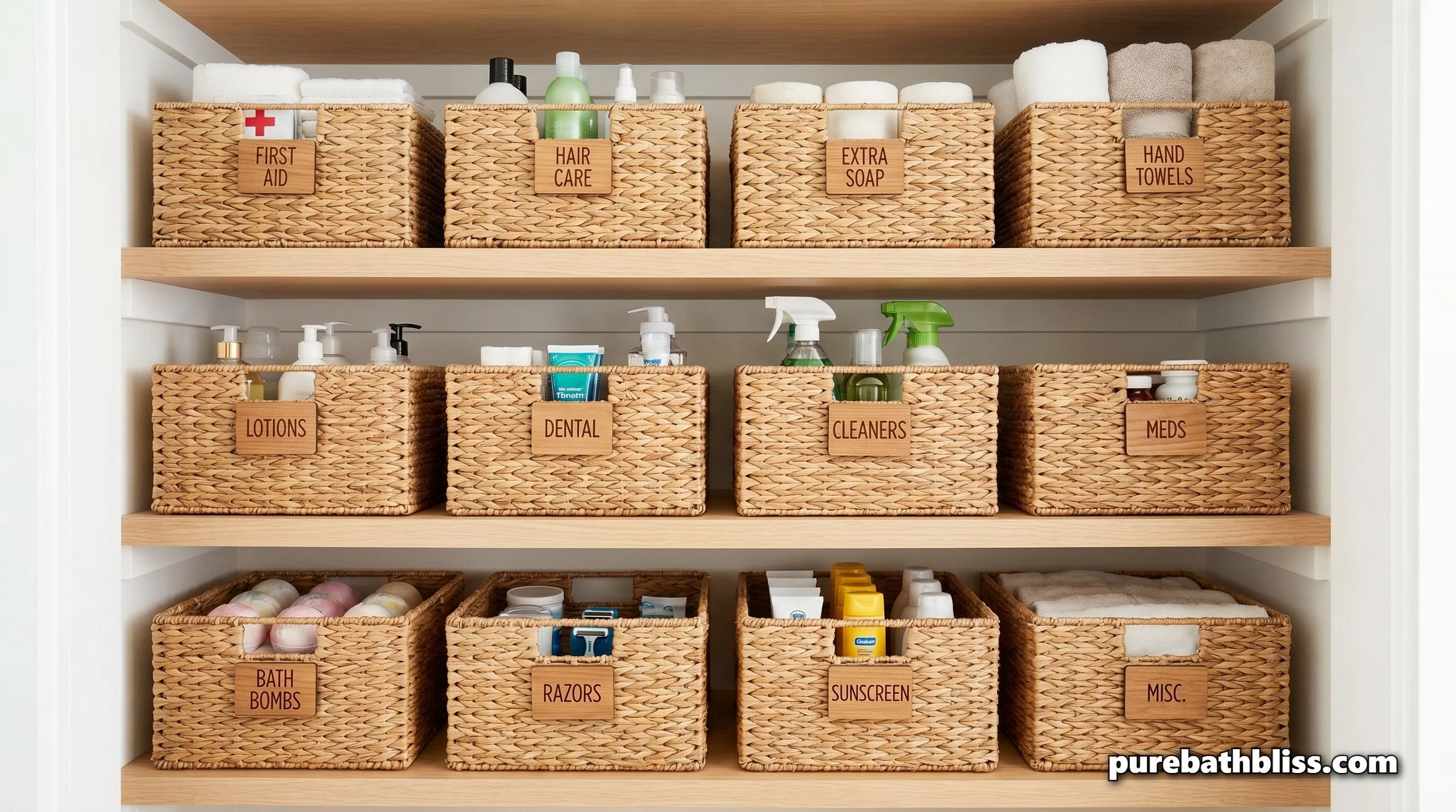
How to Organize a Small Bathroom Linen Closet: Maximizing Every Inch
In many homes, the linen closet is the most neglected piece of "Storage Infrastructure." It’s often a narrow, deep cavern where towels are shoved into dark corners and half-empty bottles of shampoo go to be forgotten. As a builder, I’ve seen that even the most beautiful microcement bathroom loses its spa-like appeal if the closet across the hall is a chaotic mess of mismatched linens and tumbling toiletries.
The problem with small linen closets isn't usually a lack of space, it’s a lack of logic. Standard wire shelving is notorious for letting small items tip over, and deep shelves encourage a "front-to-back" stacking method that buries your best towels. To fix this, we need to apply the same "Vertical Infrastructure" rules we used to organize deep vanity drawers.
Here is the professional guide to reclaiming your small linen closet using builder-grade organization hacks that turn a cramped cupboard into a high-performance storage zone.
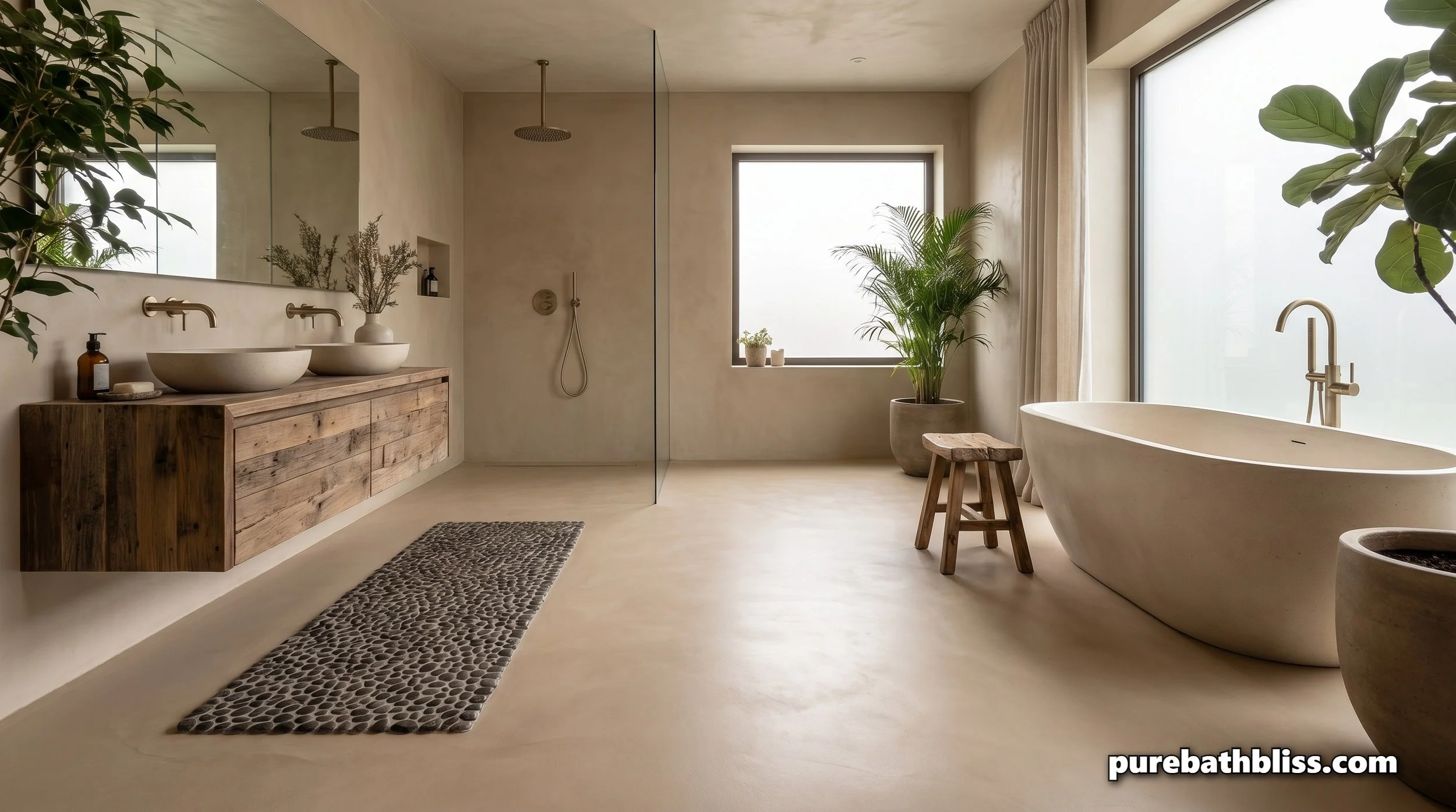
The "Microcement" Aesthetic: 2026’s Seamless Shower Trend
If you’ve spent any time looking at high-end architectural digests recently, you’ve likely noticed a shift away from the busy, grid-like patterns of traditional tile. In 2026, the "Quiet Luxury" movement has reached the bathroom, and its primary medium is Microcement.
As a builder, I’ve seen every trend from subway tile to penny rounds, but microcement is different. It’s an "Infrastructure" shift. We are moving toward a monolithic, "carved from stone" look where walls, floors, and even sinks blend into one continuous surface. By eliminating grout lines, you don't just change the look; you fundamentally change the psychology of a clean bathroom by removing the visual clutter and the #1 hiding place for pink slime and black mold.
In this guide, we’ll explore why microcement is dominating the 2026 design landscape, how it performs in wet zones, and the professional "Safe-Scrub" secrets for maintaining its seamless beauty.
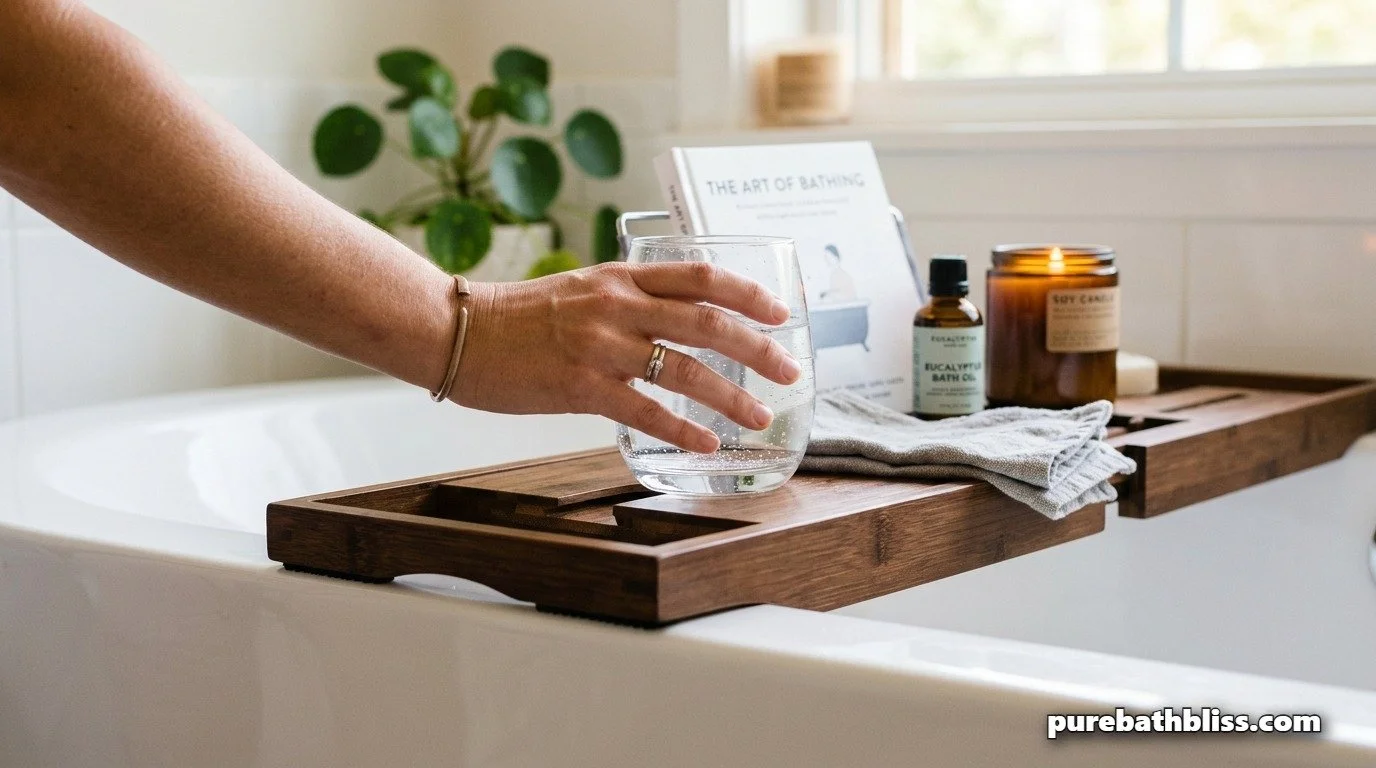
The "Bath Tray" Aesthetic: How to Style for a Luxury Soak
In the world of professional renovation, we spend a lot of time talking about the "bones" of the room, the brushed brass fixtures and the waterproof sink seals. But once the infrastructure is sound, the focus shifts to how the space feels. As a builder and a parent, I’ve found that the "Bath Tray" is the single most effective tool for bridging the gap between a functional bathroom and a luxury sanctuary.
A bath tray (or caddy) isn't just a piece of wood across a tub; it is a curated "workstation" for relaxation. In 2026, the aesthetic has moved away from cluttered, plastic-heavy caddies and toward a "Quiet Luxury" look that emphasizes natural materials, intentional placement, and a few high-quality wellness staples.
Whether you’re preparing for a magnesium sleep soak or just need 20 minutes of silence, here is the professional guide to styling a bath tray that looks as good as it feels.
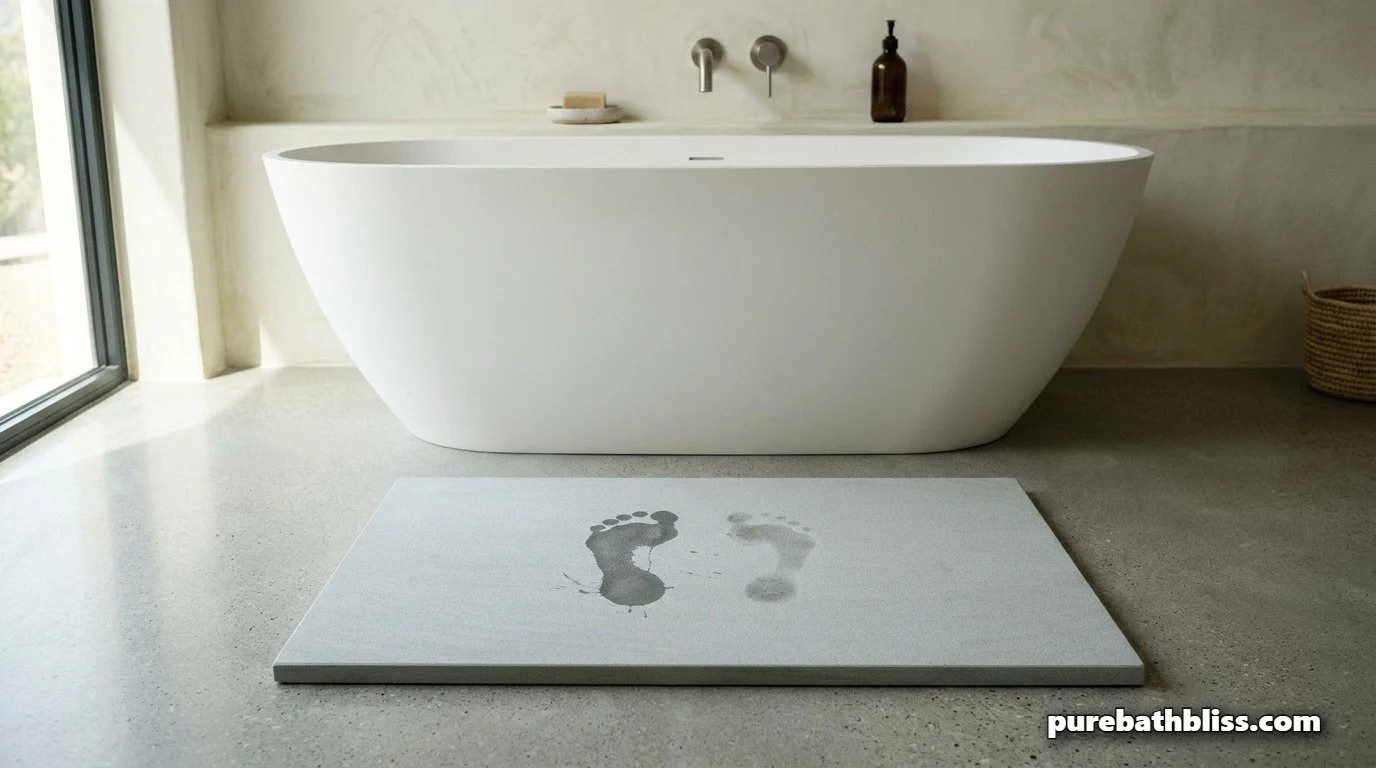
The "Stone" Bath Mat Deep Dive: Diatomaceous Earth vs. Bamboo
For decades, the standard bathroom "Infrastructure" involved a plush, shaggy rug that sat in front of the tub, soaking up gallons of water and skin cells until it became a literal breeding ground for pink slime bacteria. As a builder and a father of four, I’ve spent far too much time dealing with the musty smell of damp cotton and the hidden black mold that grows on the subfloor beneath a wet mat.
In 2026, the trend has shifted toward "Hard Surface" mats. We are moving away from textiles and toward sustainable, fast-drying materials like Diatomaceous Earth (Stone) and Bamboo. As I mentioned in our guide on non-toxic bath mats for kids, I’ve recently made the switch to a stone mat in my own home, and the results have been a game-changer for our daily workflow.
But which one is right for your home? Today, we’re doing a professional deep dive into the pros, cons, and maintenance requirements of Stone vs. Bamboo to help you build a high-performance "Dry Zone."
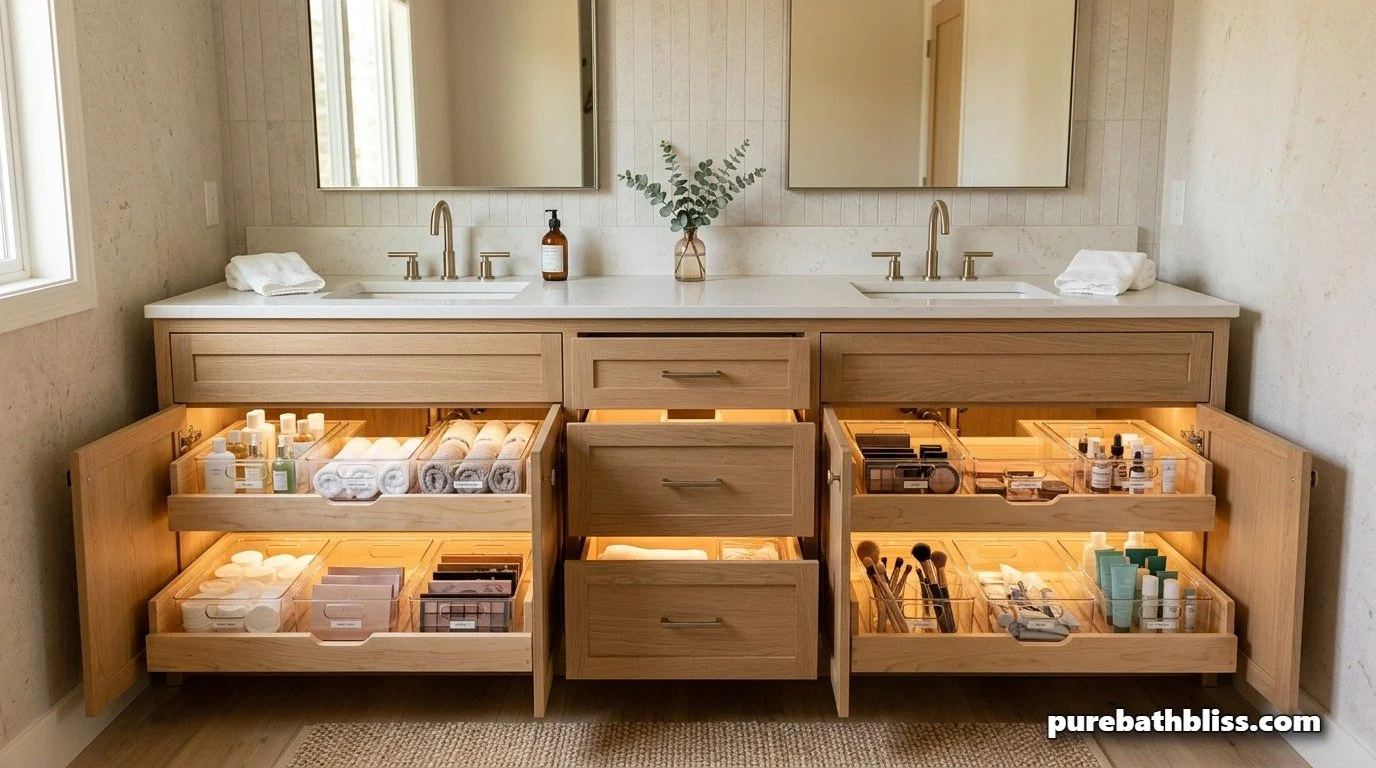
How to Organize a Deep Vanity Drawer: Builder’s Hacks for the Storage Abyss
In the world of custom cabinetry, deep vanity drawers are often sold as a luxury "storage solution." On paper, they offer massive cubic footage; in reality, they frequently become a chaotic "black hole" where hairspray bottles, spare non-toxic shower curtains, and half-used skincare products go to disappear. As an expert who looks at the "Internal Infrastructure" of homes daily, I can tell you that nothing ruins the psychology of a clean bathroom faster than a junk drawer you have to wrestle with every morning.
The fundamental design flaw of a deep drawer is a lack of verticality. When you drop items into a 10-inch or 12-inch deep space without a plan, you are only effectively using the bottom 20% of the real estate. Everything else becomes a jumbled pile. To reclaim this space, we have to stop thinking like a decorator and start thinking like a builder: we need to create "floors," improve the lighting, and navigate around the existing plumbing "infrastructure."
Here is the comprehensive guide to transforming your deep vanity drawers from a disorganized abyss into a high-performance, tiered storage system.
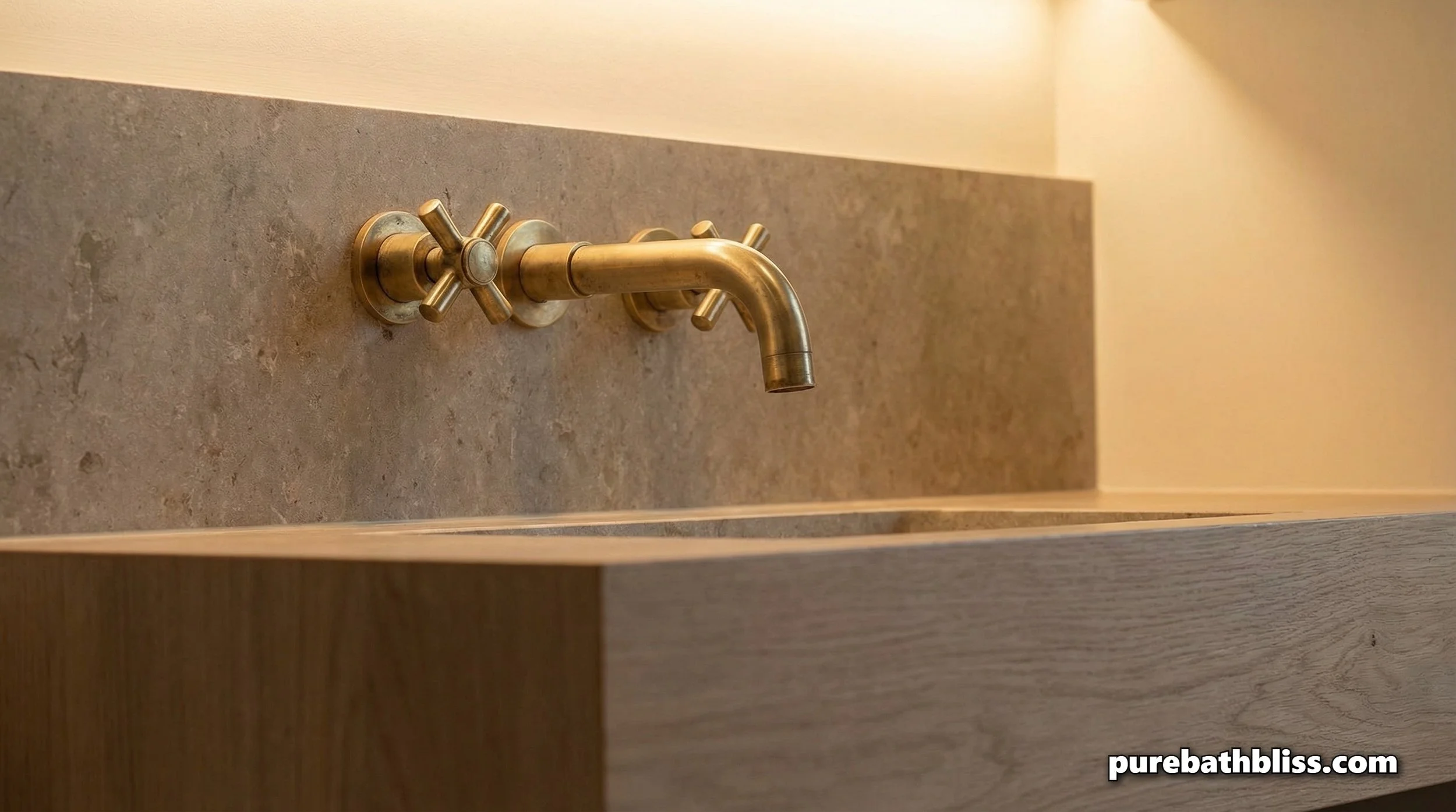
Is Brass Back in Style? The 2026 Metallic Forecast
If you’re picturing the shiny, yellow-gold "builder grade" brass from the 1980s, I have good news: that version is still a relic of the past. But if you’re asking if brass as a material is back in style for 2026, the answer is a resounding yes. In fact, it has officially overtaken chrome and matte black as the "gold standard" for luxury bathroom design.
In 2026, we are seeing a major shift toward Warm Minimalism. Homeowners are moving away from the clinical, cold feel of "all-chrome" everything and looking for materials that feel inherited and organic. Brass provides a natural warmth that balances out the moody earth-centric paint tones and stone surfaces that are dominating the current market.
Whether you're swapping out a faucet cartridge or doing a full renovation, here is how to use brass in a way that feels timeless, not trendy.
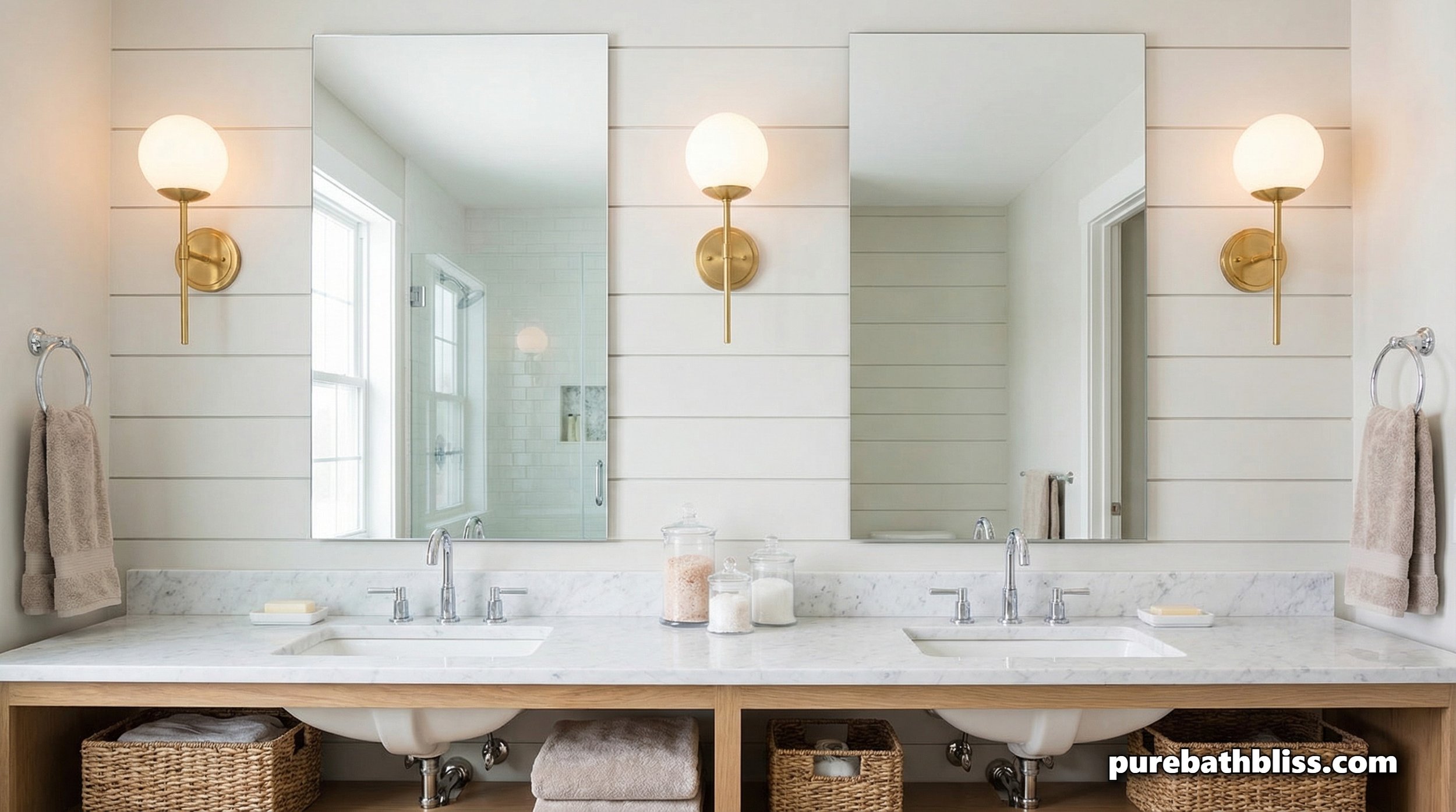
How to Choose the Right Bathroom Mirror Height: An Ergonomics Guide
In the world of professional renovation, the mirror is often treated as the final "decoration." But from a builder’s perspective, a mirror is a critical piece of functional infrastructure. If it’s hung too high, shorter family members are left staring at the top of their heads; if it’s too low, you’re constantly cleaning water splashes off the glass.
Finding the "Goldilocks" height for a bathroom mirror is a balancing act between aesthetics and ergonomics. In 2026, we are moving away from the "one size fits all" contractor-grade sheets toward personalized, framed mirrors that complement the latest 2026 sink colors. Whether you’re a father of four trying to accommodate toddlers or a homeowner looking for that next level of design, getting the height right is what makes a bathroom feel truly custom.
In this guide, we’ll break down the specific measurements, the "Eye-Level Rule," and the professional tricks for mounting mirrors so they stay beautiful and functional for the long haul.
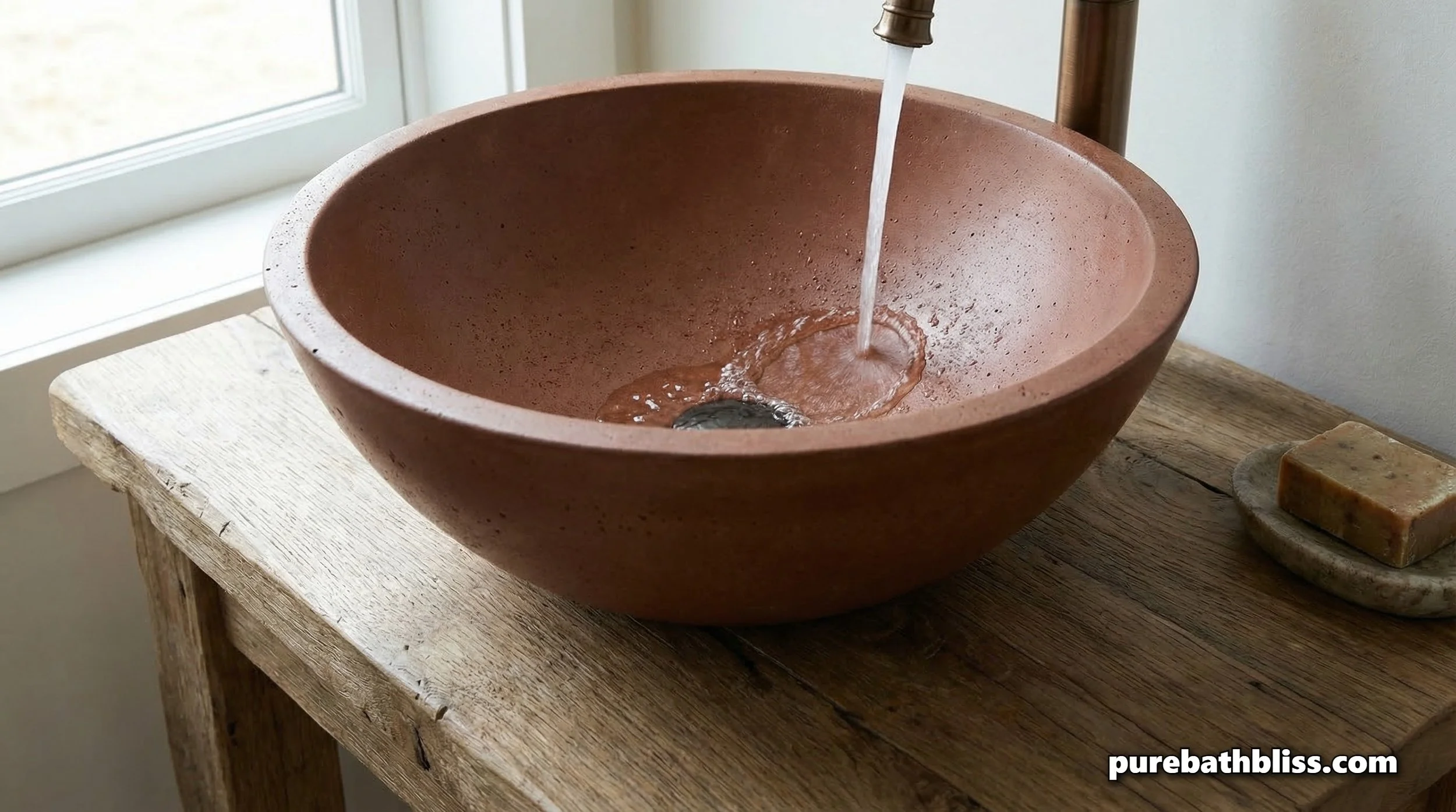
Sink Color Trends 2026: Moving Beyond the "Standard White" Basin
In the world of professional renovation, the sink has long been the "white appliance" of the bathroom, functional, porcelain, and completely overlooked. I’ve spent two decades bolting standard white drop-ins into vanities. They were the safe choice. But in 2026, the sink has graduated from a utility fixture to a "Statement Piece."
For a father of four, a sink needs to be more than just a bowl that holds water; it needs to hide the toothpaste smears, stand up to the "dropped toy" impact, and fit the 2026 Bathroom Paint Color Trends we just discussed. We are seeing a massive shift toward "Texture and Tone," where the sink either disappears into the countertop for a seamless look or pops as a piece of architectural art.
In this guide, we’ll explore the materials and colors defining the modern bathroom basin and how to choose a finish that supports your home's "Internal Infrastructure."
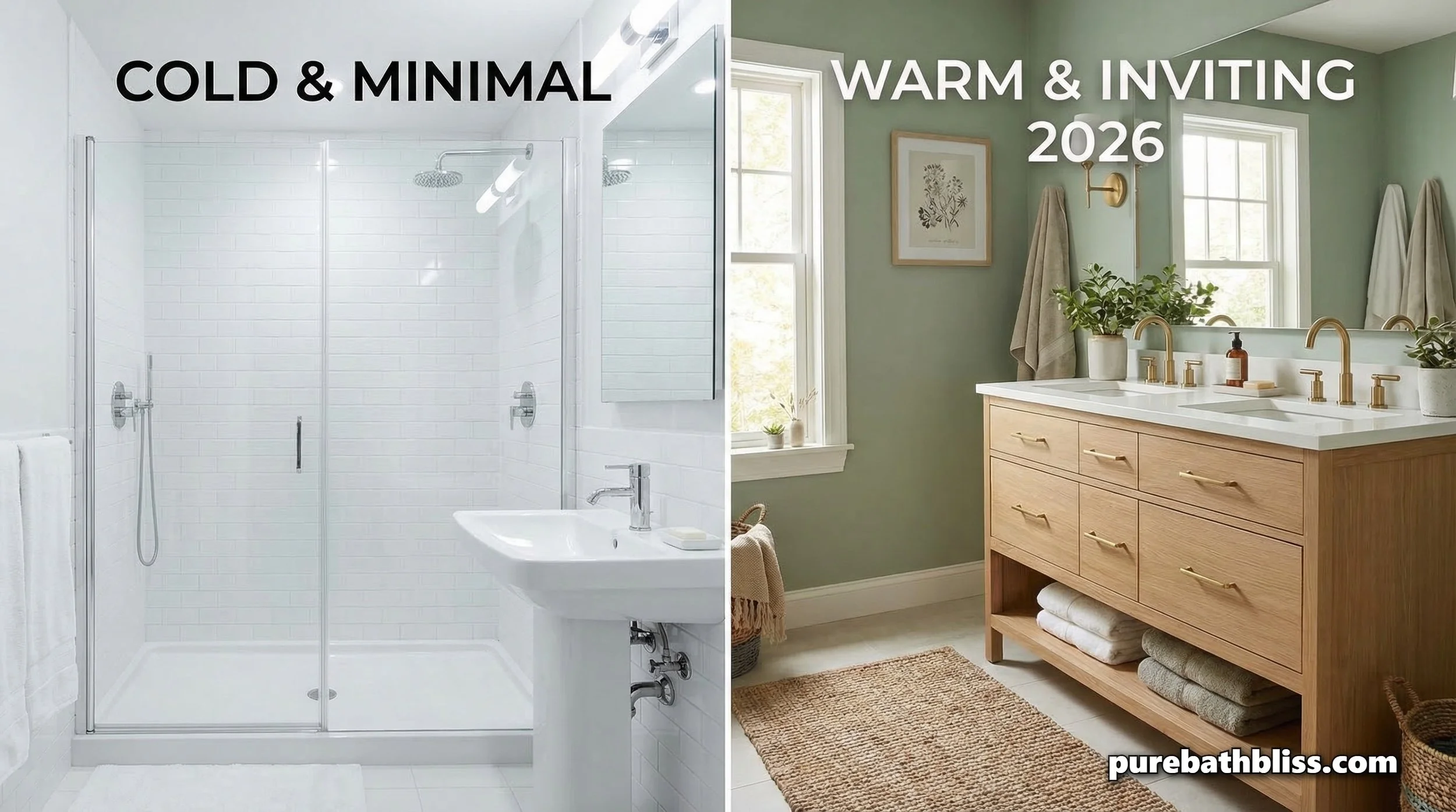
Beyond the "Clinic": The 2026 Shift in Bathroom Paint Color Trends
As a Red Seal carpenter, I’ve spent the last decade installing white subway tile and painting bathroom walls in "Chantilly Lace" or "Extra White." For years, the goal was to make the bathroom look as clinical and "clean" as possible. But in 2026, the trend has hit a wall. In a house with four kids, a stark white bathroom doesn't feel like a sanctuary—it feels like a room that’s waiting to show every smudge and fingerprint.
The industry is seeing a massive shift away from the "all-white" aesthetic toward colors that feel grounded, restorative, and permanent. We are moving from the "Clinic" to the "Cottage" or the "Den." Homeowners are finally embracing the idea that the bathroom is a living space, not just a utility closet.
In this guide, we’ll look at the 2026 color forecast through the lens of a builder, focusing on how these new "Atmospheric Neutrals" and "Organic Jewel Tones" interact with your home’s infrastructure.
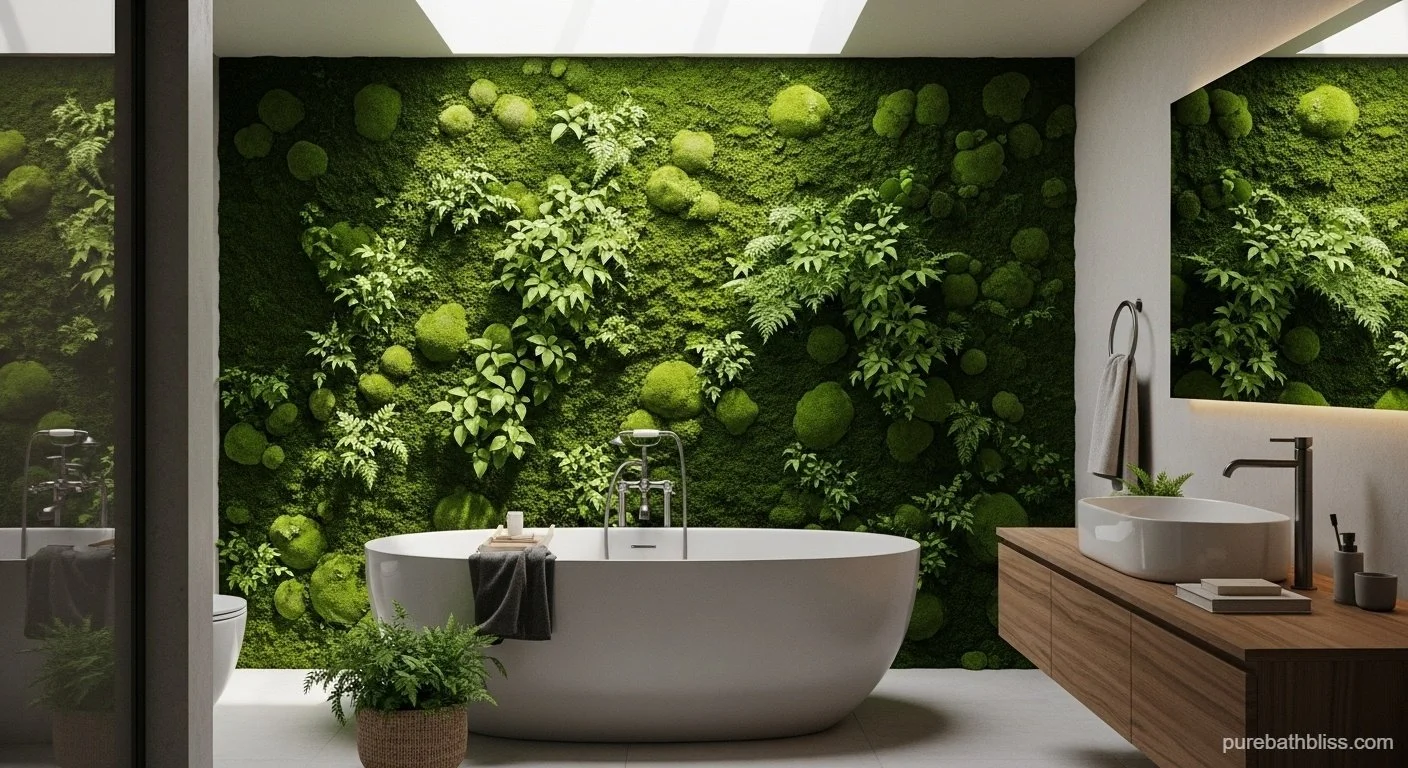
The 2026 Organic Bathroom Forecast: 5 Trends That Will Define Sustainable Luxury
I've been renovating bathrooms for a long time, and I can tell you that the industry is in the middle of something I haven't seen before. It's not just a style shift. The way people think about what a bathroom should do and what it should be made of has fundamentally changed in the last two years.
The clinical white bathroom with chrome fixtures and rows of plastic bottles isn't just aesthetically out of fashion. It's being replaced by something that performs better, costs less to maintain, and actually makes people feel better when they're in it. That's a meaningful convergence.
According to a 2026 survey of 101 interior design professionals by Fixr.com, 75 percent confirmed that warm, earthy tones have officially replaced cool neutrals, and 62 percent say homeowners are now prioritizing natural light as a primary driver of bathroom design decisions. These aren't fringe preferences. They represent a fundamental shift in what the market wants.
Here are the five trends I'm seeing dominate every project I work on and every renovation conversation I have, and what each one actually means if you want to bring it into your home this year.