Spa Tub vs. Normal Tub: The Builder’s Infrastructure Guide
When you are designing your sanctuary, the bathtub is the centerpiece. However, the choice between a standard soaking tub and a jetted spa tub isn't just about how it looks, it's about the "Internal Infrastructure" of your bathroom. A spa tub is a complex machine with pumps, motors, and internal piping, whereas a normal tub is a static vessel.
Over the years, many homeowners have moved toward the "Normal" tub for its clean lines and ease of maintenance, especially when paired with a seamless microcement bathroom finish. But if you struggle with muscle tension or chronic pain, the mechanical benefit of a spa tub is hard to beat.
Here is the professional breakdown of which tub is "cooler" for your lifestyle and your home’s longevity.
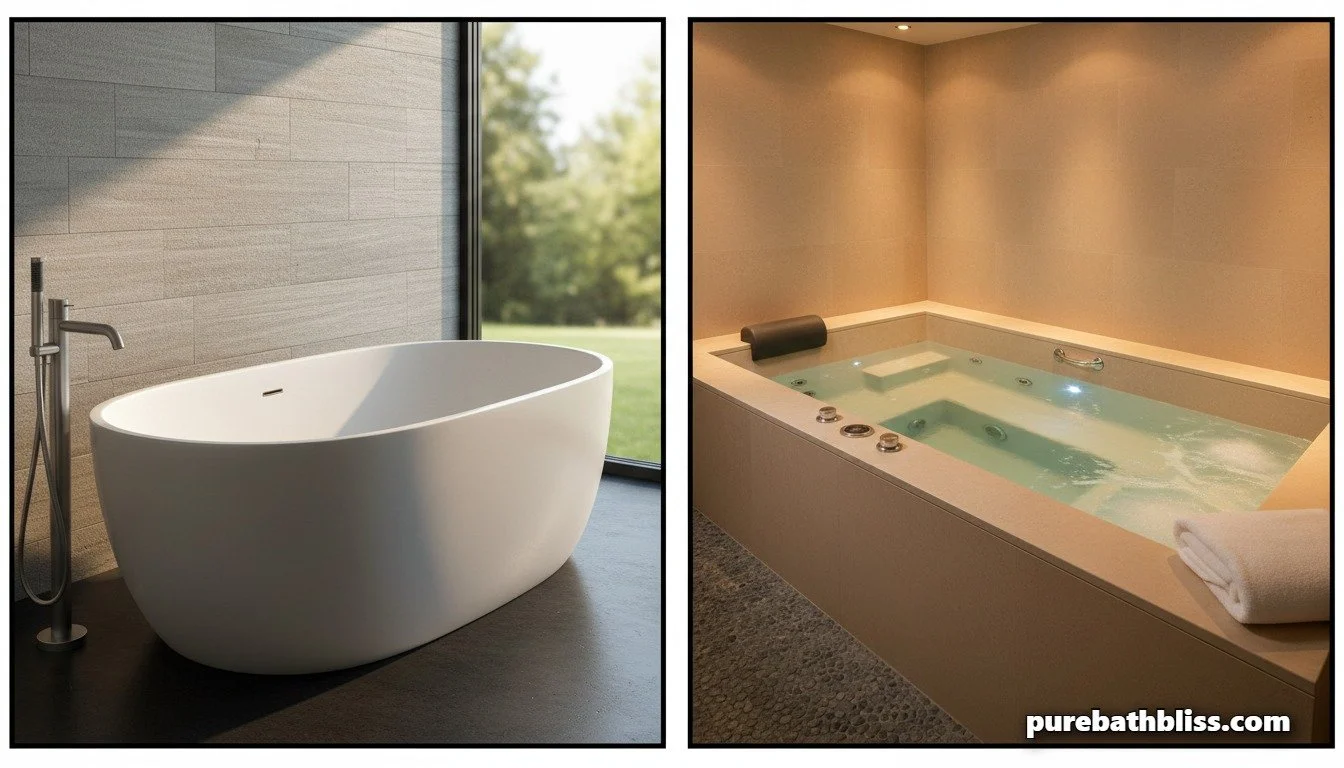
1. The Maintenance Reality (The "Bio-film" Factor)
The biggest difference between the two is what happens inside the walls of the tub.
The Normal Tub: It is a simple surface. Once you drain it and do a quick safe-scrub clean, it is sanitized.
The Spa Tub: The jets are connected by a network of flexible PVC pipes. Even after the tub drains, water can remain trapped in these lines. This stagnant water can lead to the growth of pink slime bacteria inside the pipes. When you turn the jets on next time, that "bio-film" can be blown into your fresh bath water.
2. Infrastructure & Installation Requirements
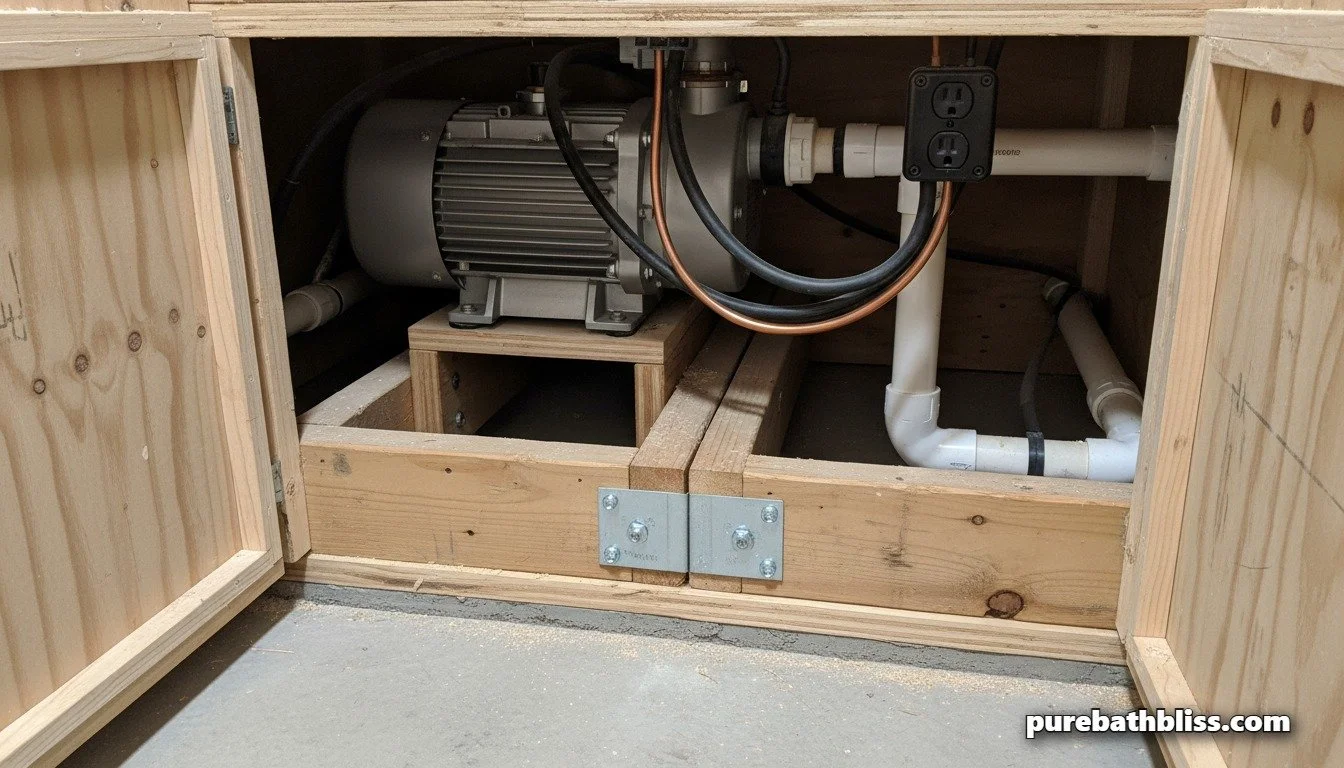
A spa tub requires more than just a drain and a faucet; it requires a "Power Infrastructure."
Electrical: You will need a dedicated GFCI-protected circuit and an access panel to reach the motor if it ever fails.
Weight: Because spa tubs are often larger and hold more water (plus the weight of the motor), you must ensure your floor joists are reinforced. This is a critical step to prevent the sink and tub seals from pulling away from the wall due to settling.
3. The Tub Comparison Matrix
| Feature | Normal Soaking Tub | Jetted Spa Tub |
|---|---|---|
| Hygiene | High (Easy to Sanitize) | Moderate (Requires Pipe Flush) |
| Relaxation | Passive / Quiet | Active / Therapeutic |
| Installation | Standard Plumbing | Electrical + Structural Needs |
| Resale Value | Modern & Desirable | Niche Appeal |
4. The Acoustic Impact
In a jewel box powder room or a master suite located near a bedroom, noise is a major factor.
The Normal Tub: Silent. You can soak at 2:00 AM without disturbing anyone.
The Spa Tub: The motor and the bubbling water create a significant amount of "Acoustic Noise." If you are building a spa tub into a second-story bathroom, I always recommend acoustic insulation around the tub deck to prevent the vibration from traveling through the house.
5. Summary: Which Tub is "Cooler"?
The "Cool" factor in 2026 is moving toward Timelessness.
Choose a Normal Tub if you want a low-maintenance, sculptural piece that won't require a plumber or electrician five years from now.
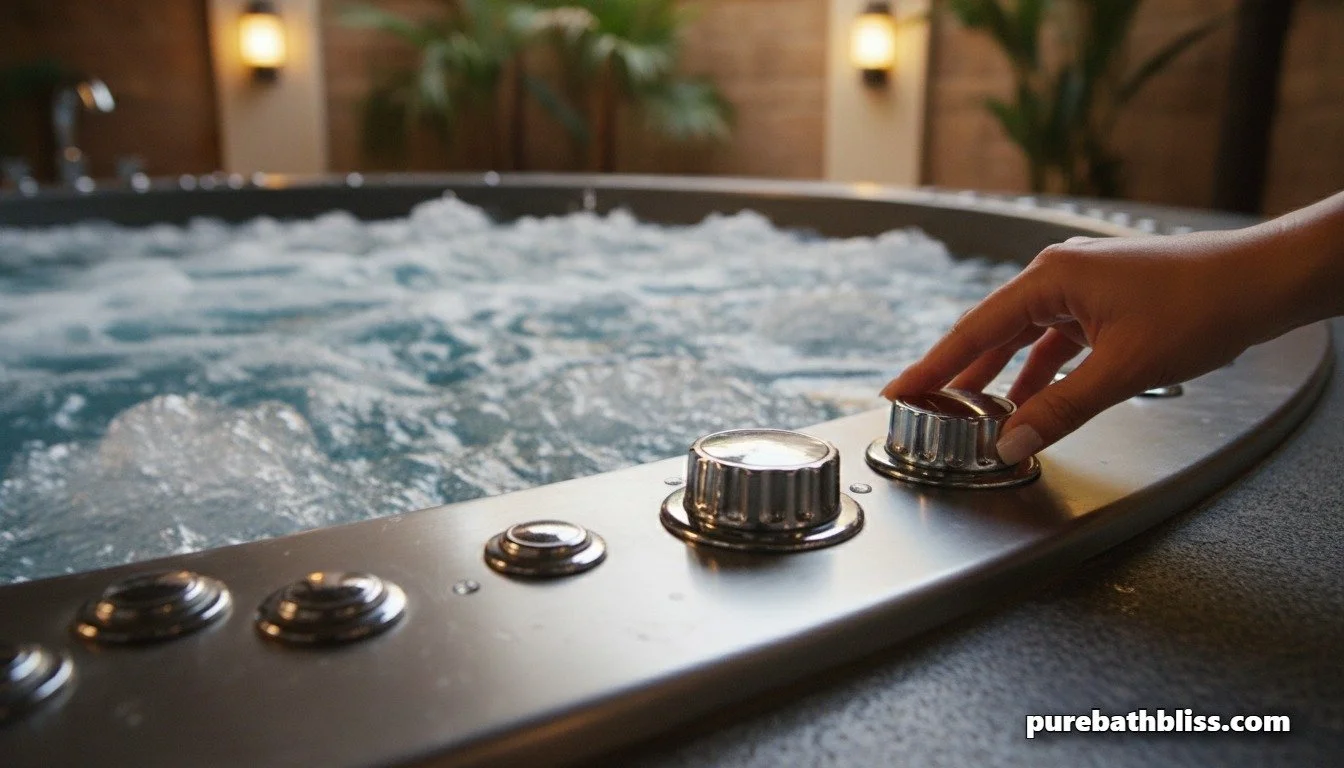
Choose a Spa Tub if you are an athlete or suffer from joint pain and will actually use the hydrotherapy "Infrastructure" weekly.
The Final Tub Checklist
Check Your Joists: Ensure the floor can handle the "Infrastructure" weight.
Plan for Access: Never tile in a spa motor without a hidden access panel.
Flushing the Lines: If you go with a spa, use a monthly pipe-cleaner to prevent pink slime.
Mind the Noise: Consider how the motor vibration will affect neighboring rooms.
Modern Aesthetics: A freestanding soaking tub often provides a better mirror shapes scale for the room.
Longevity: Normal tubs have no moving parts to break.
The "Bliss" Factor: Choose the one that actually fits your habit, not just the "idea" of a spa.