High-Performance Grout: The End of Scrubbing
Transparency Note: We independently select these products based on research and user reviews. If you buy something through our links, we may earn a commission.
In traditional construction, grout is often the "weak link" of the bathroom. Most standard cement-based grouts are porous, meaning they act like a hard sponge that absorbs water, soap scum, and pink slime bacteria. As a builder, I’ve spent more time answering questions about "how to clean grout" than almost any other topic.
But in 2026, we’ve moved past the era of porous cement. If you want a bathroom that stays pristine with minimal effort, you need to upgrade your "Grout Infrastructure" to High-Performance Epoxy or Urethane. These materials aren't just fillers; they are liquid plastics and resins that create a 100% waterproof, stain-proof barrier.
Whether you are pairing them with a seamless microcement bathroom finish or traditional tile, choosing the right grout is a "Builder-Grade" decision that will save you years of scrubbing.
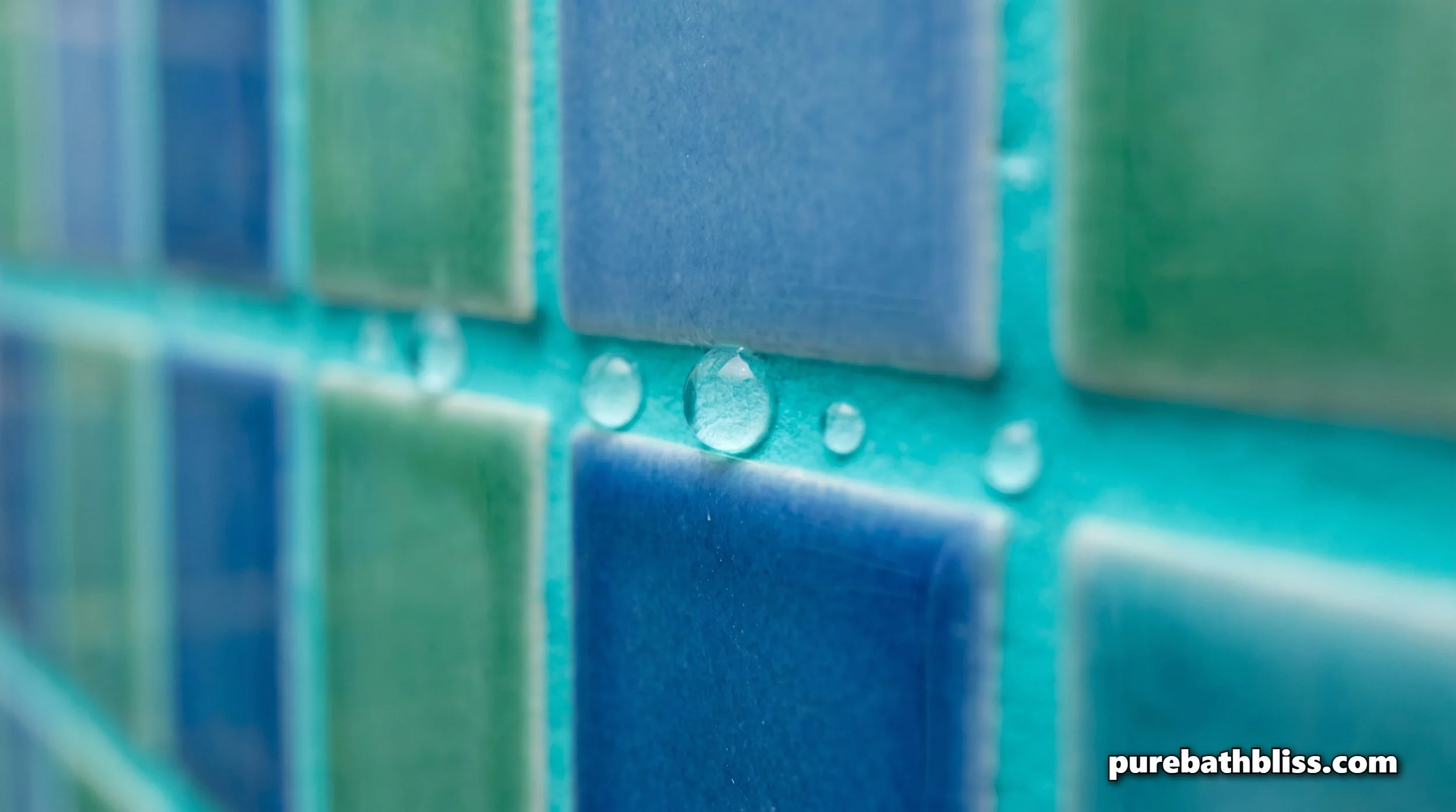
1. Epoxy Grout: The Industrial Strength Standard
Epoxy grout is made from two parts: a base resin and a hardener. When mixed, a chemical reaction occurs that turns the material into a substance as hard as stone and as waterproof as a sink seal.
The "Zero Absorption" Rule: Unlike cement, epoxy has zero percent water absorption. This makes it the ultimate choice for steam showers and high-traffic no-window powder rooms.
Chemical Resistance: It is virtually immune to the harsh chemicals often found in hair dyes or industrial cleaners. However, because it is so durable, it is much more difficult to install and requires a fast-working professional touch.
2. Urethane Grout: The Flexible Alternative
Urethane grout is a premixed, "one-part" product that offers many of the same benefits as epoxy but with a much easier installation process.
Flexibility: Urethane is slightly more flexible than epoxy, making it ideal for homes that experience seasonal shifting. It resists cracking better than cement ever could.
UV Stability: If your bathroom has high sun exposure, urethane is the way to go. It won't yellow or fade over time, preserving your "Aesthetic Infrastructure."
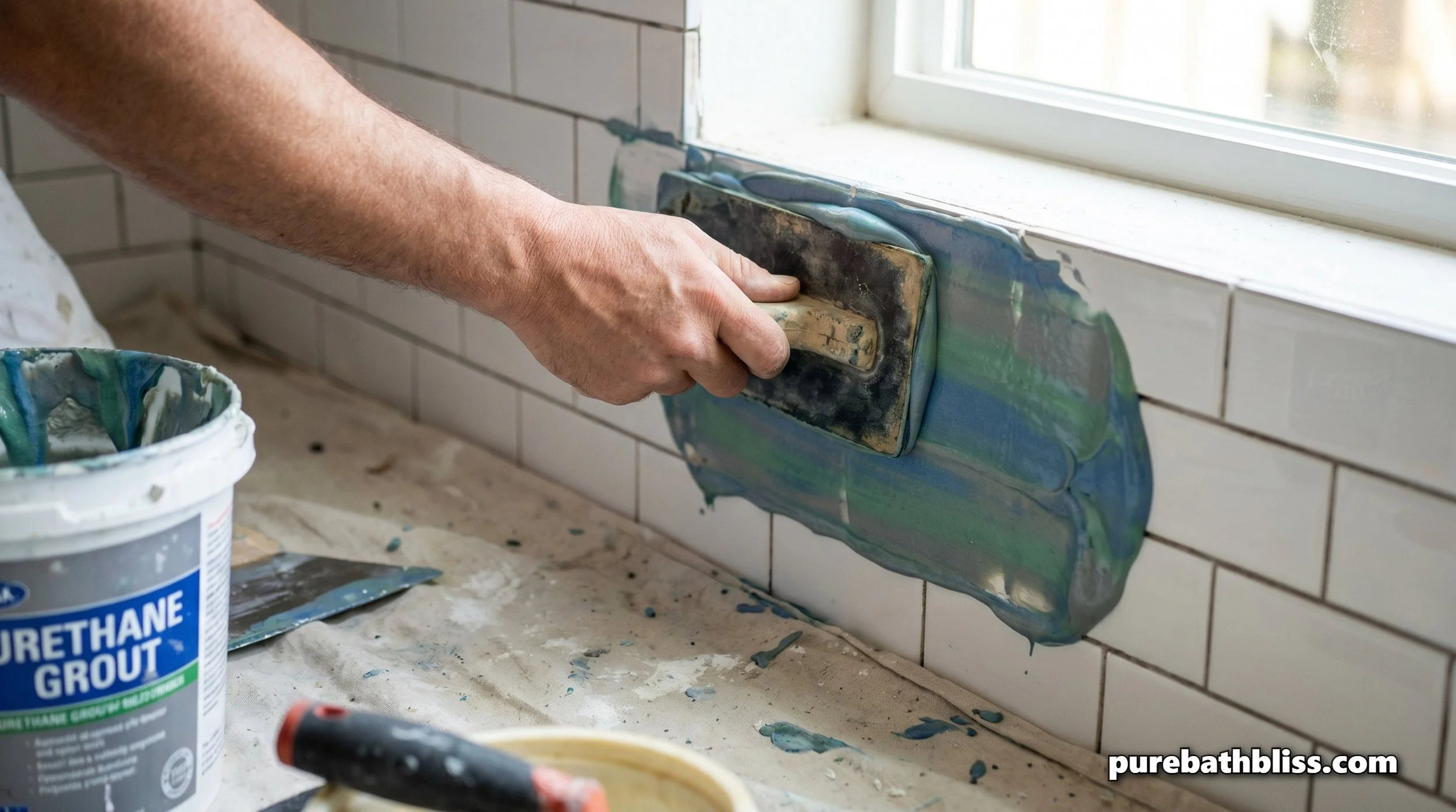
3. Grout Performance Comparison
| Feature | Standard Cement | Epoxy / Urethane |
|---|---|---|
| Waterproof | No (Porous) | 100% Yes |
| Stain Resistance | Low | High (Resists oils) |
| Crack Resistance | Medium | High (Flexible) |
| Maintenance | Requires Sealant | Self-Sealing |
4. Maintenance: The "No-Seal" Advantage
The biggest benefit of high-performance grout is that it never needs to be sealed. Standard grout requires a tedious application of sealant every 12–18 months to stay waterproof.
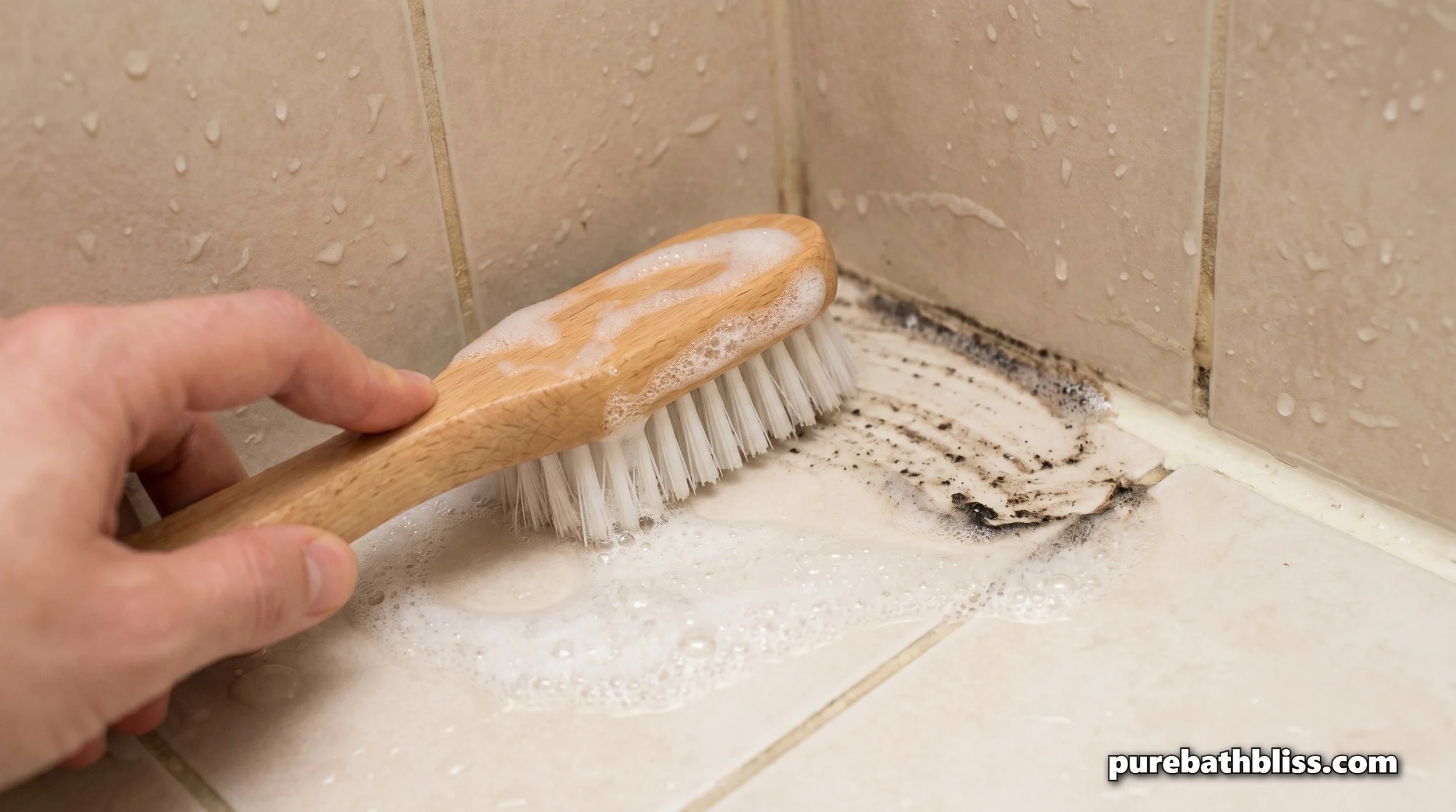
The "Safe-Scrub" Routine: Because these grouts are non-porous, grime sits on the surface rather than soaking in. You can maintain them with a simple non-toxic bathroom cleaner and a soft brush.
Color Consistency: Because the color is "baked into" the resin, high-performance grouts don't suffer from "shading" or blotchiness like cement does.
5. Sourcing the Infrastructure: Amazon Favorites
If you are DIYing a small project or hiring a pro, these are the 2026 industry standards for high-performance grout:
Laticrete SpectraLOCK PRO Premium Grout – The gold standard for epoxy grout. It is incredibly durable and comes in a wide range of designer colors to match your brushed brass hardware.
Bostik QuartzLock2 Pre-Mixed Urethane Grout – My top recommendation for DIYers. It’s ready to use right out of the bucket and offers incredible stain resistance.
Grout Hay-Maker Grout Scrub Brush – A heavy-duty brush with an ergonomic handle for those rare deep cleans.
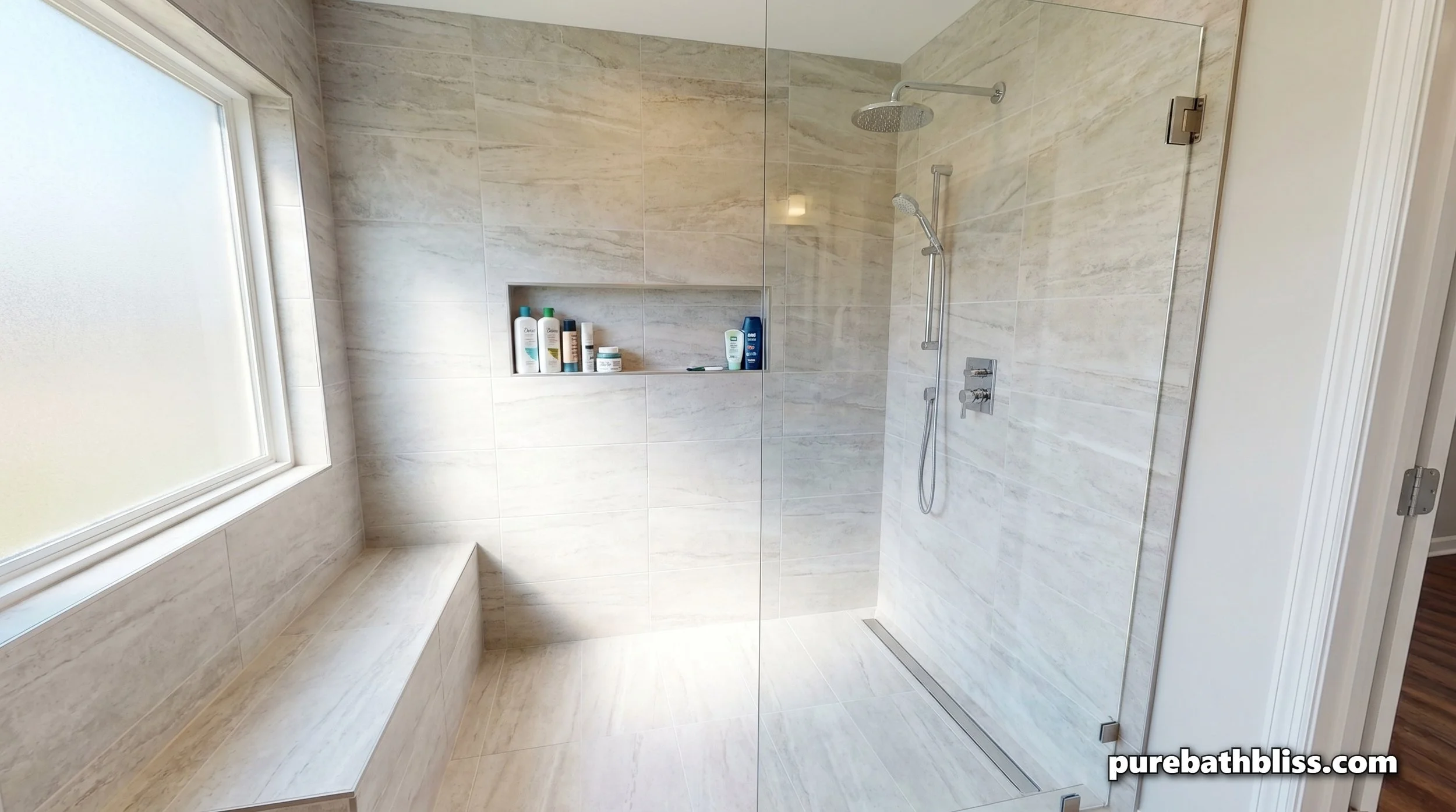
Summary: The High-Performance Grout Checklist
Ditch the Cement: Standard grout is the #1 cause of mold issues in tile.
Choose Epoxy for Showers: It is the strongest, most waterproof "Infrastructure" move.
Use Urethane for Walls: Its flexibility prevents cracks in areas that experience slight movement.
Skip the Sealer: High-performance grouts are "Self-Sealing" from day one.
Focus on the Mix: If using epoxy, ensure the two parts are measured with laboratory precision.
Match the Finish: Use designer colors to complement your brushed brass.
Keep it Simple: Clean with pH-neutral soaps to protect the resin’s surface.
By upgrading your grout to an epoxy or urethane system, you are essentially "future-proofing" your bathroom. You’re eliminating the most common maintenance headache and ensuring that your shower stays as beautiful as the day it was built. In 2026, we don't scrub grout—we build it better from the start.