The Sanctuary Reset: A Seasonal Guide to Deep-Cleaning Your Bathroom
Transparency Note: We independently select these products based on research and user reviews. If you buy something through our links, we may earn a commission.
When the seasons shift, our homes feel the change. After months of damp, cold winters, our bathrooms often bear the brunt of the humidity. With windows shut tight and steam constant, the air becomes heavy, and the room's materials, grout, caulk, ventilation fans, are pushed to their limits. Spring is the perfect time to perform a "Sanctuary Reset."
This is not simply about wiping down a mirror; it is about tending to the hidden infrastructure of your bathroom. We are focusing on ventilation efficiency, the integrity of structural seals, and the health of your drainage, the "bones" of your space. These elements keep your bathroom resilient, fresh, and free from the hidden stressors that can lead to long-term wear. By focusing on these deep-maintenance tasks, you are curating a resilient sanctuary that supports your wellness all year long.

1. Ventilation Dynamics: Resetting Your Engine
The most overlooked piece of equipment in the entire bathroom is the exhaust fan. It is the primary engine for moisture mitigation. If the fan isn't pulling air effectively, the moisture lingers, leading to mildew, peeling paint, and damp drywall.
The Deep Clean
Pull the cover off your exhaust fan. Over time, the vent housing acts as a filter, collecting dust and lint, which restricts airflow significantly, much like a clogged air filter in your car. Use a vacuum with a soft brush attachment to clear the internal housing and the blades.
The Performance Test
Once the unit is clean, hold a single square of toilet paper up to the fan while it’s running. If the fan can’t hold the paper against the grate, it is not pulling enough air to be effective. This is your cue that the ductwork may need professional cleaning or the motor is nearing the end of its lifespan. Proper ventilation is the difference between a dry, healthy space and one that fosters mold growth. If you find your bathroom feels persistently damp, you may also want to revisit our guide on How to Cure Window Condensation to ensure your entire home's humidity management is aligned.
2. Envelope Integrity: Sealing the Path of Water
Water is persistent. If it finds a path behind your tile or into your vanity, it will eventually cause damage through a process called "wicking." Your spring reset is the time to verify that your bathroom's water-tight envelope is still intact.
Silicone Seal Integrity
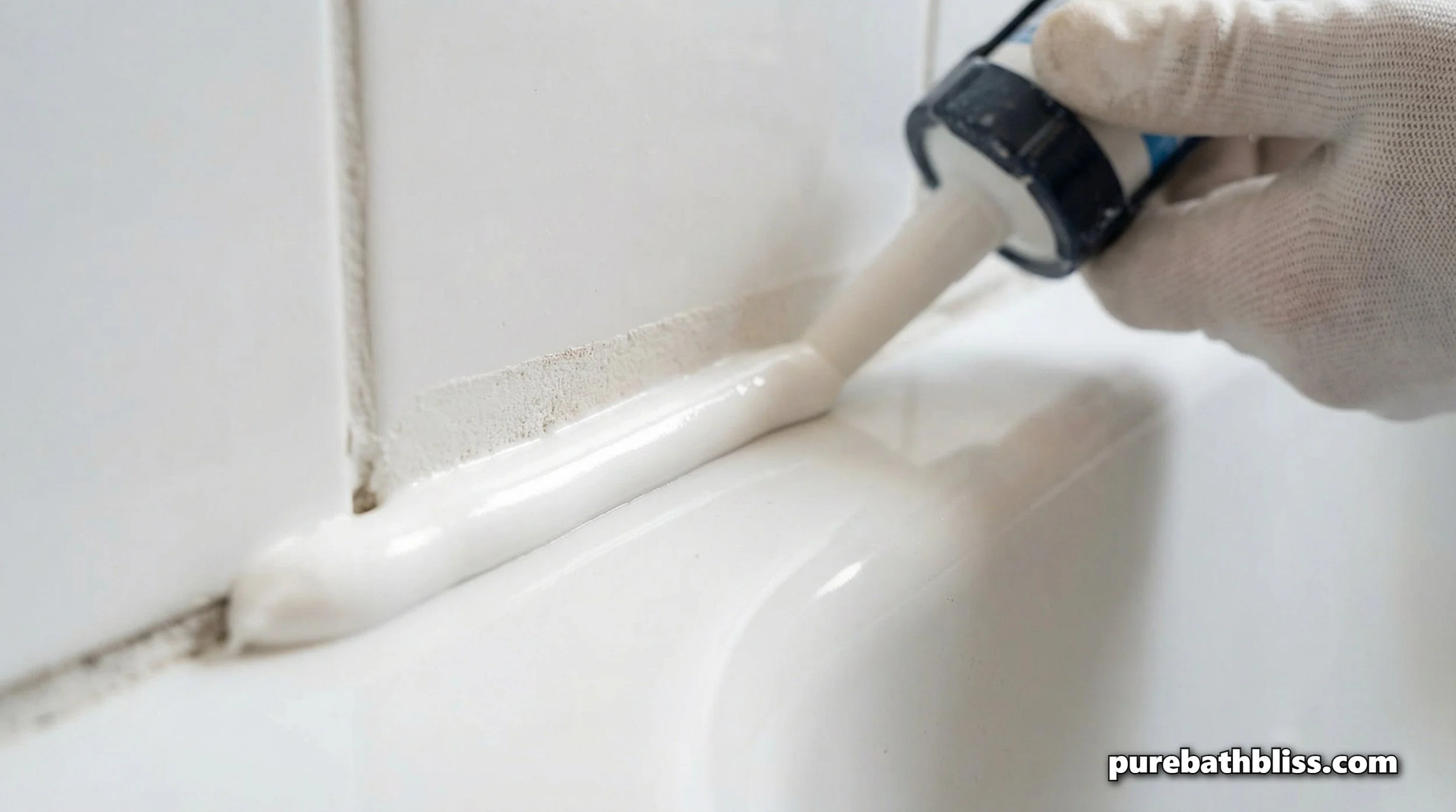
Walk around the perimeter of your tub, the edges of your sink, and the floor-to-wall joints. Look for any cracking, shrinkage, or separation in the silicone caulk.
The Structural Consequence
A hairline crack in the caulk allows water to seep into the wall cavity every time you shower. Over a year, this can lead to rot in the wood framing you cannot see, eventually compromising the structural integrity of the wall. If you find a crack, use a utility knife to carefully remove the old bead, clean the area with isopropyl alcohol, and apply a fresh, mildew-resistant silicone sealant. It is a 20-minute task that buys you years of peace of mind. For those dealing with persistent staining, our guide on The Bathtub Waxing Guide offers further advice on preventing water adhesion in the first place.
3. The Drainage System: Clearing the "Biofilm"
We have discussed keeping drains clear with routine maintenance, but spring is the time to look deeper into the plumbing "traps." The P-trap—the U-shaped pipe under the sink—is designed to hold a small amount of water to prevent sewer gases from entering your home. However, it is also a magnet for soap scum and mineral deposits.
The P-Trap Reset
If you notice that your sink is draining slowly despite your best efforts, it might be time to check the P-trap. Place a bucket underneath, unscrew the plastic rings (often done by hand), and clear out the debris that has accumulated. This is a great time to ensure your Pantry-Friendly Drain Maintenance is up to date, keeping the pipes clear and odor-free. This simple maintenance step prevents the build-up of "biofilm," a slimy layer of bacteria that is often the source of recurring "sink stink." If your issues are hair-related, refer back to our Hair Clog Battle Plan for deeper troubleshooting.
4. Surface Stewardship: Grout and Hardware
Grout is porous, it is essentially a "sponge" for soap scum, hard water minerals, and bath-product dyes.
The Deep Clean
Avoid harsh acidic cleaners that can etch the grout over time, particularly if you have natural stone. Instead, use a paste of baking soda and water or a specialized, pH-neutral stone and tile cleaner. Use a medium stiff nylon brush (avoid metal, which can scratch the tile). Work in small sections, let the paste sit for ten minutes to emulsify the soap scum, and rinse thoroughly.
Hardware Maintenance
Minerals from your water supply can cause "calcification" on your faucets and aerators. Use a simple vinegar soak to break down these mineral deposits. A clean aerator improves water pressure and prevents bacterial buildup, ensuring the longevity of your high-end fixtures.
5. Soft Goods: A Seasonal Refresh
Spring is the moment to cycle out the "high-traffic" items that have absorbed the moisture of the winter months. These items act as micro-habitats for dust mites and allergens.
The Shower Curtain: If you use a fabric liner, run it through the wash on a hot cycle with a cup of vinegar. If you use a plastic/PEVA liner, check for orange or black "pinpoint" mold, a sign of material degradation. At that point, it’s best to recycle it and replace it with a fresh one.
The Rug Rotation: Bath mats are a hidden source of moisture. Wash them, sun-dry them, and while they are in the wash, use a damp cloth to wipe down the floor underneath. This ensures no mold has started to develop on the floor surface beneath the rug.
6. Pro-Level Troubleshooting: When to Call a Pro
While most of these tasks are well within the wheelhouse of a confident DIYer, there are times when "infrastructure" issues require an expert. If you notice persistent dampness on the ceiling below the bathroom, signs of active leaks behind the vanity, or if your drains are backing up despite cleaning the P-trap, do not hesitate to call a licensed plumber. Preventing a leak is significantly cheaper than remediating water damage, mold, or floor replacement.
7. The Seasonal Reset Checklist
| Zone | Task | Sanctuary Impact |
|---|---|---|
| Ventilation | Vacuum fan intake & test airflow. | Prevents moisture-related rot. |
| Seals | Check/Replace silicone caulk. | Protects walls from water ingress. |
| Drainage | Clean P-trap/Remove biofilm. | Ensures fluid-dynamics/Prevents gas. |
| Tile/Grout | Scrub with pH-neutral soap. | Maintains material integrity. |
| Soft Goods | Wash curtains/Sun-dry rugs. | Eliminates allergen micro-habitats. |
Conclusion: A Ritual of Stewardship
Spring cleaning is not a chore, it is a form of stewardship. When we take the time to clean the vents, reseal the joints, and scrub the grout, we are honoring the investment we have made in our home. A well-maintained bathroom is a quiet, comfortable space that works for you, rather than becoming a source of ongoing maintenance stress.
As you move through these tasks, don't rush. Treat each one as a ritual of renewal. By the time you are finished, your bathroom won't just be clean—it will be a truly restored sanctuary, ready to support your family’s wellness for the rest of the year.
Builder-Curator Essentials
The Sealant: 100% Mildew-Resistant Silicone - For clean, structural touch-ups.
The Scrub: Eco-Friendly Nylon Grout Brush - Perfect for removing grime without damaging tile finishes.
The Finishing Touch: Sustainable Cotton Shower Curtain Liner - Better for your home's air quality and easier to maintain.