How to Choose an Eco-Friendly Toilet Brush That Won't Harbor Bacteria
Transparency Note: We independently select these products based on research and user reviews. If you buy something through our links, we may earn a commission.
Let me be straight with you, this is not the most glamorous topic I've ever written about. But after four kids and years of renovating bathrooms for clients, I can tell you that the toilet brush is one of the most overlooked hygiene problems in the average home. We spend money on fancy soaps, designer fixtures, and quality tile, and then we shove a bacteria-soaked plastic brush into a dark, damp holder and forget about it for six months.
When my wife and I started making more intentional choices about what we brought into our home, the toilet brush came up surprisingly fast. The standard plastic brush isn't just bad for the environment, it's actually worse for hygiene than most people realize. And switching to an eco-friendly option isn't just a feel-good move. Done right, it's a genuinely cleaner choice. Here's everything you need to know to pick the right one.
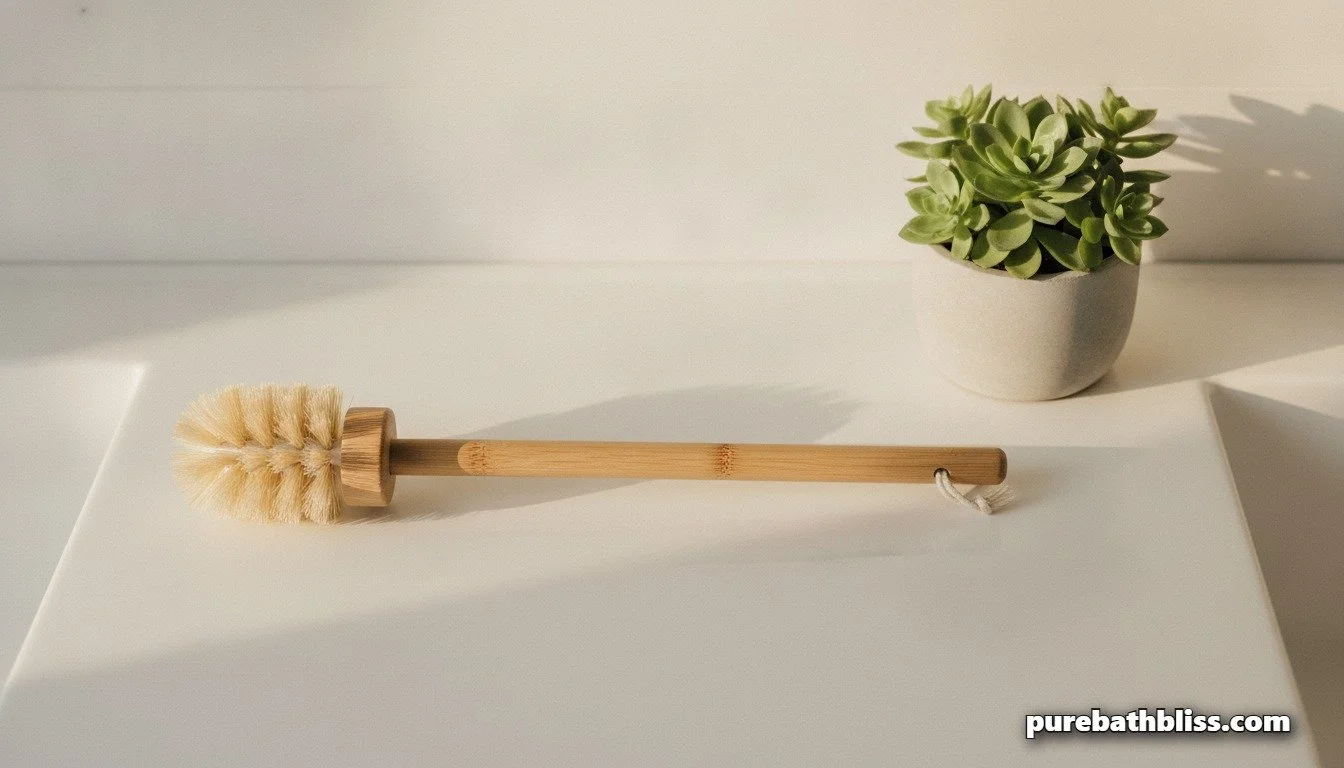
Why Your Standard Plastic Toilet Brush Is a Bacteria Trap
Before we talk about what to buy, it helps to understand why the thing most of us grew up with is so problematic.
Traditional toilet brushes are made with nylon or polypropylene plastic bristles, and those bristles are porous. They have tiny holes and gaps that trap water, debris, and bacteria after every single use. The brush goes back into its little plastic cup, still wet, sealed off from air circulation, and sits there in the dark. It's essentially a perfect incubator for bacterial growth.
Over time, those bristles wear down and become even more porous, creating more spaces for germs to hide. That distinctive smell coming from an old toilet brush holder? That's not the toilet. That's the brush.
Beyond the hygiene issue, there's a real environmental cost. The average toilet brush gets replaced every six to twelve months, which means millions of plastic brushes end up in landfills every year, brushes that take hundreds of years to decompose and shed microplastics into the environment along the way.
The good news: eco-friendly alternatives solve both of these problems, if you choose the right one.
The Main Eco-Friendly Options, What They're Made Of and How They Perform
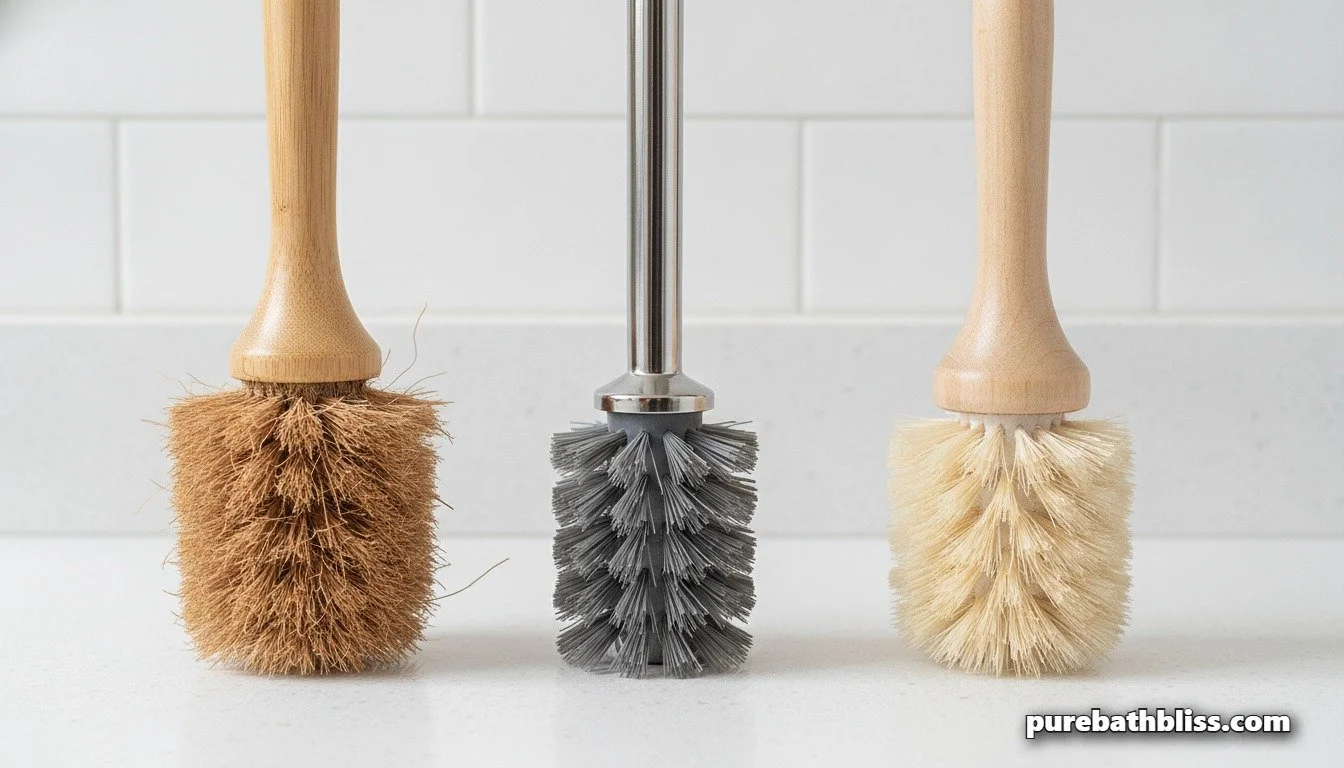
1. Bamboo Handles with Natural Fiber Bristles
This is the most popular eco-friendly toilet brush category, and for good reason. Bamboo is a fast-growing, renewable resource that requires minimal water and no pesticides to grow. It's also naturally antimicrobial thanks to a compound called bamboo kun, which inhibits bacterial growth in the material itself.
The bristles on these brushes are typically made from one of three natural materials:
Tampico fiber (from the agave plant) — naturally water-resistant, stiff enough to scrub effectively, and fully biodegradable
Coconut coir (from coconut husks) — naturally antibacterial, tough on grime, and compostable at end of life
Sisal (also from agave) — durable, stiff, and antimicrobial
As a carpenter, I appreciate good materials. Natural fiber bristles are surprisingly tough, they don't flatten out the way cheap plastic bristles do after a few weeks of use. That said, natural fibers do absorb some moisture, which means your drying routine matters a lot. More on that below.
Bamboo brushes typically last around 3–6 months before you'll want to replace the brush head. The upside is that when they're done, they go in your compost rather than a landfill.
2. Silicone Toilet Brushes
Silicone is the clear hygiene champion in this category, and the science behind it is solid. Silicone is a non-porous material, it doesn't have the micro-gaps and tiny holes that plastic bristles have. Bacteria simply have nowhere to hide and nowhere to grow.
Silicone bristles rinse clean easily, dry fast, and won't develop the mold or musty smell that plagues traditional brushes. The material has increasingly shown up in medical and food-safe applications for exactly these properties.
Now, silicone isn't perfectly eco-friendly in the traditional sense, it doesn't biodegrade. But a quality silicone brush paired with a stainless steel or recycled aluminum handle can last 12–24 months or more, which significantly reduces the total material going to landfill compared to replacing a plastic brush every few months. If longevity and hygiene are your top priorities, silicone is hard to beat.
Look for food-grade or platinum-cure silicone for the best bacterial resistance, and pair it with a well-ventilated holder. The quick-dry advantage only works if air can actually circulate around the bristles.
3. Fully Compostable Brushes
Some brushes take the eco commitment all the way, fully compostable handles, unbleached natural bristles, and plastic-free packaging from end to end. Brushes made from unbleached coconut fiber are a great example. They're completely plastic-free and won't add microplastics to waterways when they eventually break down.
These are the best choice if your primary goal is reducing your environmental footprint to near zero. They do require a bit more attention to drying and care, but they perform well and look genuinely good in a bathroom. This is the kind of swap that pairs perfectly with other eco upgrades, if you've already made the switch on eco-friendly toilet paper, the brush is a natural next step.
The Holder Matters as Much as the Brush
Here's something most guides skip over completely: the brush holder is half of the hygiene equation.
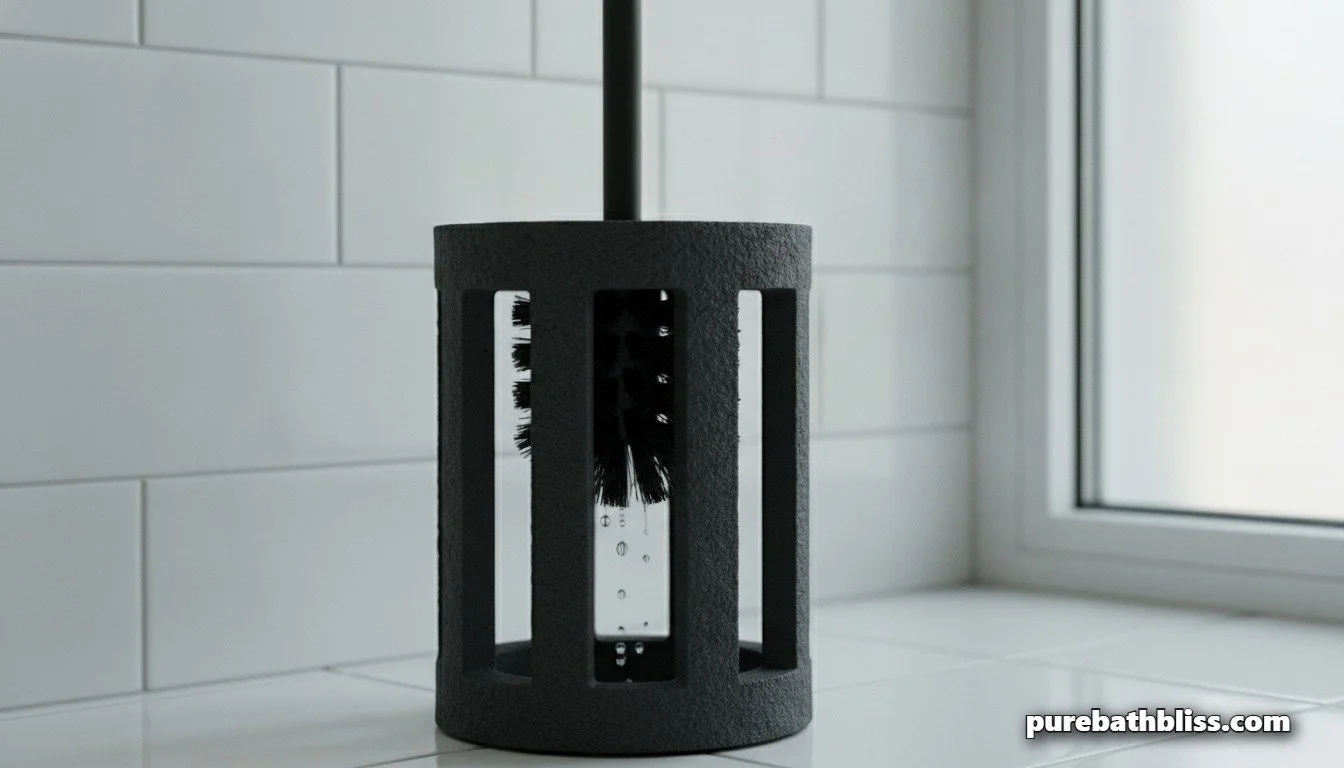
The old-school enclosed plastic cup is the worst design possible. It traps moisture, blocks all airflow, and turns into a bacteria incubator. When you're choosing an eco-friendly toilet brush, pay close attention to the holder. You want:
An open-air design with drainage holes or gaps that allow the brush to drip dry and air to circulate freely
Non-porous materials — stainless steel, recycled aluminum, or stone composites, that don't absorb moisture or harbor mold
A weighted base so it doesn't tip over (especially important with small kids in the house)
Some of the best eco options come with holders made from recycled paper lined with natural latex, they look like concrete, they're completely waterproof, and they're not adding more plastic waste to the world. As a builder, I appreciate a well-designed holder almost as much as the brush itself. It's the difference between a product that works and one that just looks good on the shelf.
How to Keep Any Eco-Friendly Brush Hygienic Between Replacements
The brush itself is only part of the equation. How you use and store it makes a dramatic difference, and this is where a lot of people go wrong even after buying a quality product.
After Every Use
Rinse the brush thoroughly in the toilet bowl with clean water before putting it away. Then prop it horizontally across the bowl rim so it can drip-dry into the bowl rather than sitting in standing water in the holder. Let it air out for a few minutes before storing. This one habit alone makes a huge difference, a brush left sitting in standing water overnight can see bacterial counts skyrocket within 48 hours.
Weekly
Give the brush a proper disinfect. A simple solution of hot water and white vinegar works extremely well and keeps things eco-friendly. You can also add a few drops of tea tree essential oil — it has well-documented antibacterial properties and won't harm natural fiber bristles. Let the brush soak for 15–20 minutes, rinse thoroughly, and air dry before returning it to the holder.
If you want to go deeper on vinegar as a cleaning agent, we've got a full breakdown of 7 ways to use white vinegar for a bathroom deep clean, the toilet brush method is just the beginning.
Don't forget the holder. Rinse it with hot water, let it fully dry, and wipe the inside down with your vinegar solution weekly. A clean brush in a dirty holder defeats the whole purpose.
When to Replace
For natural fiber brushes, replace when you notice bristle softening at the base, persistent dampness in the handle, or any visible mold. For silicone brushes, watch for bristle deformation, discoloration, or any breakdown at the joints or connector points. Always store brushes vertically with good airflow, never in a sealed or enclosed container.
What to Look for When Shopping
| Feature | What to Look For | Why It Matters |
|---|---|---|
| Bristle Material | Tampico, coconut coir, sisal, or silicone | Natural fibers and silicone resist bacteria better than nylon |
| Handle Material | Bamboo, rubberwood, stainless steel, or recycled aluminum | Biodegradable or long-lasting — pick your priority |
| Holder Design | Open-air with drainage, non-porous material | Critical for drying and mold prevention |
| Certifications | FSC-certified wood, Vegan Society, compostability certification | Confirms the sustainability claims are real |
| Packaging | Plastic-free, recyclable, or compostable | Completes the zero-waste commitment |
| Replacement Heads | Available separately (optional but smart) | Replace only what wears out — less waste overall |
A reliable starting point that checks most of these boxes is the Coconut Fiber Toilet Brush with Rubberwood Handle, natural coconut fiber bristles, a sustainable rubberwood handle, and a curved head that actually reaches under the toilet rim.
For a silicone-first approach, look for any brush that specifically mentions food-grade or platinum-cure silicone paired with a stainless steel handle and a ventilated holder. That combination hits the hygiene and durability boxes simultaneously.
The Bigger Picture: One Small Swap in a Smarter Bathroom
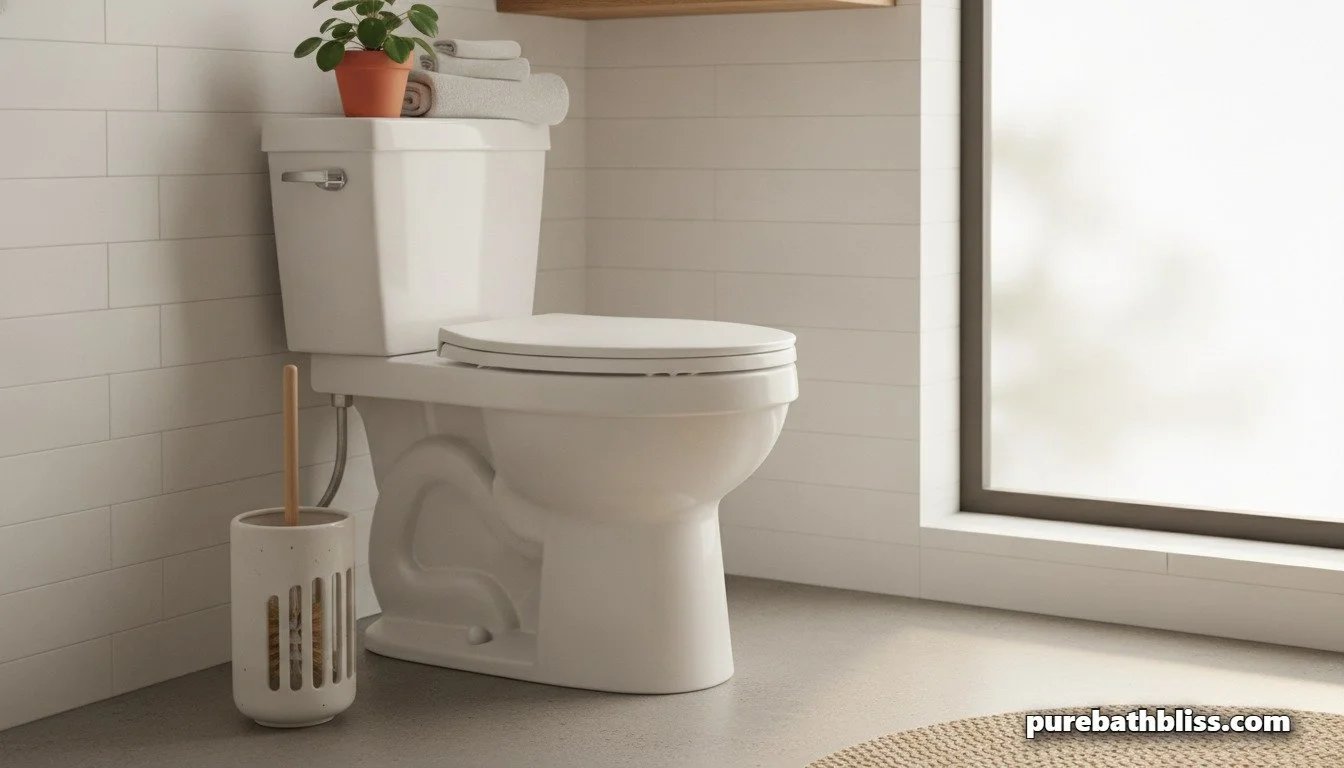
Here's what I've noticed after making a lot of these eco swaps over the past few years: the bathroom is actually the easiest room in the house to green up, because so many of the products in it are small, inexpensive, and replaced regularly. The toilet brush is a perfect example. You're going to replace it anyway, you might as well replace it with something that works better, lasts longer, and doesn't leave a plastic legacy behind.
The same logic applies to the clutter that accumulates around it. If you haven't already done a full audit of what's living in your bathroom, our Bathroom Purge guide is a good companion read, it covers exactly which bathroom items are secret bacteria habitats (the loofah situation alone is worth the read) and how to build a bathroom that's genuinely clean rather than just appearing clean.
My honest recommendation: if hygiene is your top concern, go silicone with a vented stainless steel holder. If minimizing end-of-life environmental impact is your priority, go with a fully compostable coconut fiber or tampico brush and commit to the care routine. Either way, dry it properly after every use, clean it weekly with vinegar, and replace it on a reasonable schedule.
It's a $15–$30 decision that makes a real difference. That's a pretty good deal.