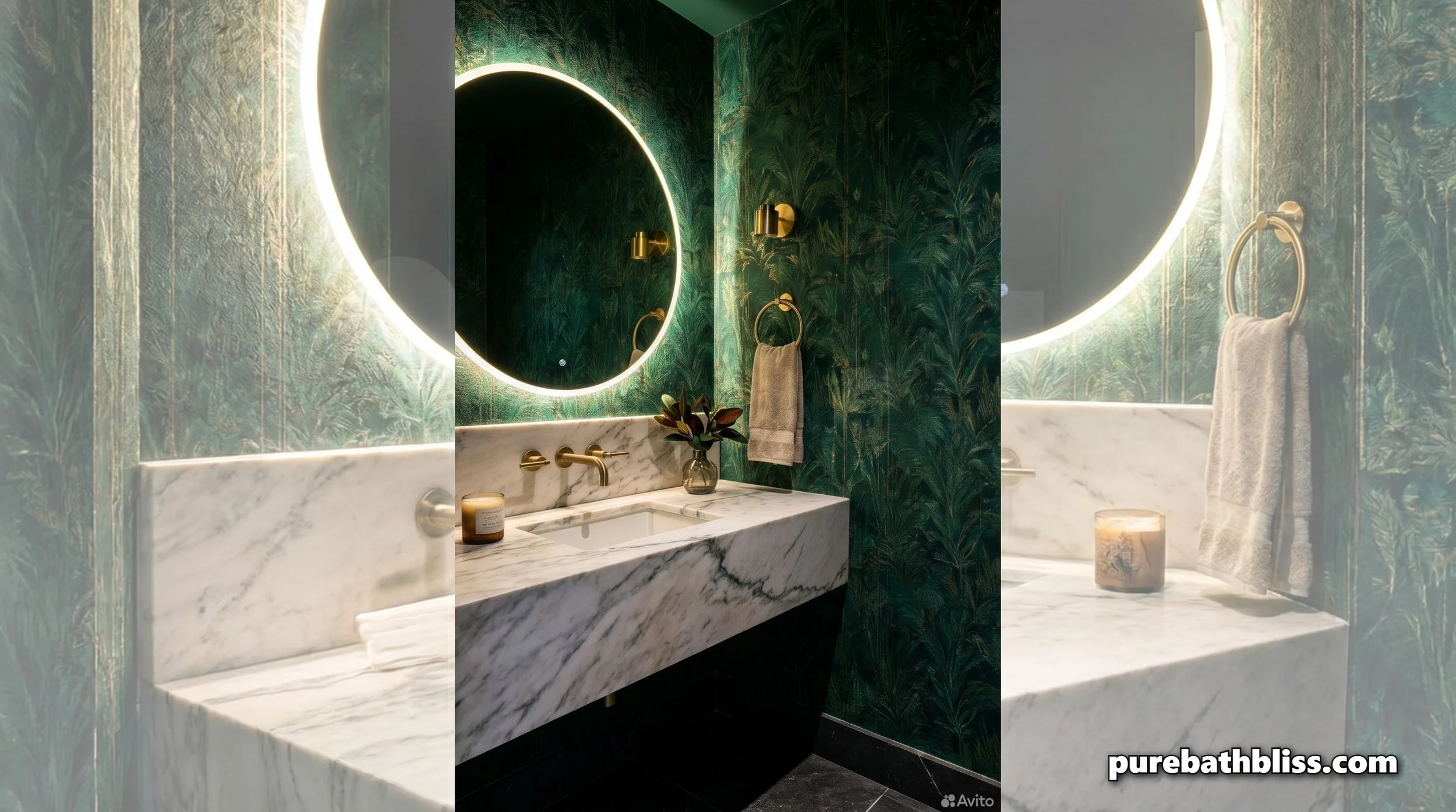
The "Jewel Box" Powder Room: Bold Design in a Small Footprint
In residential construction, the powder room is often referred to as a "Jewel Box." Because it is a self-contained space, usually tucked under a staircase or at the end of a hallway, it doesn’t have to play by the same rules as the rest of the house. As a builder, I always tell my clients that if they’re going to take a major design risk, the powder room is the place to do it.
In 2026, the trend has moved away from safe, neutral "Greige" powder rooms and toward high-impact, high-contrast environments. We are layering rich textures, bold patterns, and brushed brass fixtures to create a space that feels intentional rather than secondary.
When you combine a bold aesthetic with the no-window air quality strategies we’ve discussed, you transform a tiny utility room into a luxury destination for your guests. Here is the professional guide to building your own Jewel Box.
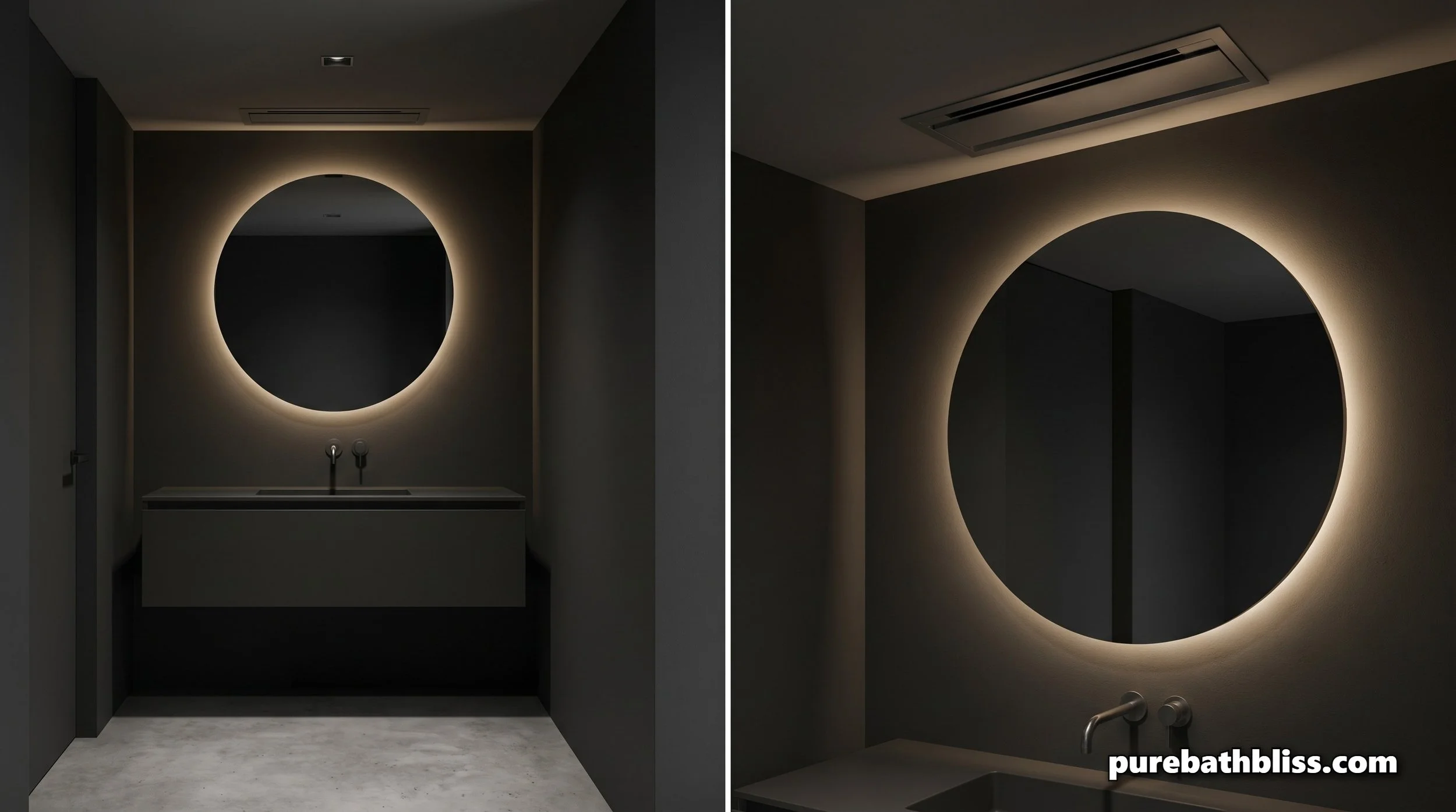
The "No-Window" Powder Room: High-Performance Air Quality
The powder room is often the most used bathroom in the house, yet it typically occupies the smallest footprint, and almost never has a window. As a builder, I see this "Infrastructure" challenge constantly. Without natural cross-ventilation, a windowless powder room can quickly become a stagnant zone where humidity, odors, and VOCs from cleaning supplies get trapped.
In 2026, we are moving away from the "masking" philosophy, where you just spray a heavy perfume to cover up a problem, and toward a Source-Control philosophy. If you want your guests to feel comfortable, you need a room that breathes, even without an exterior wall.
From mechanical upgrades to the dry baking soda moisture hack, here is the professional guide to maintaining pristine air quality in a windowless powder room.
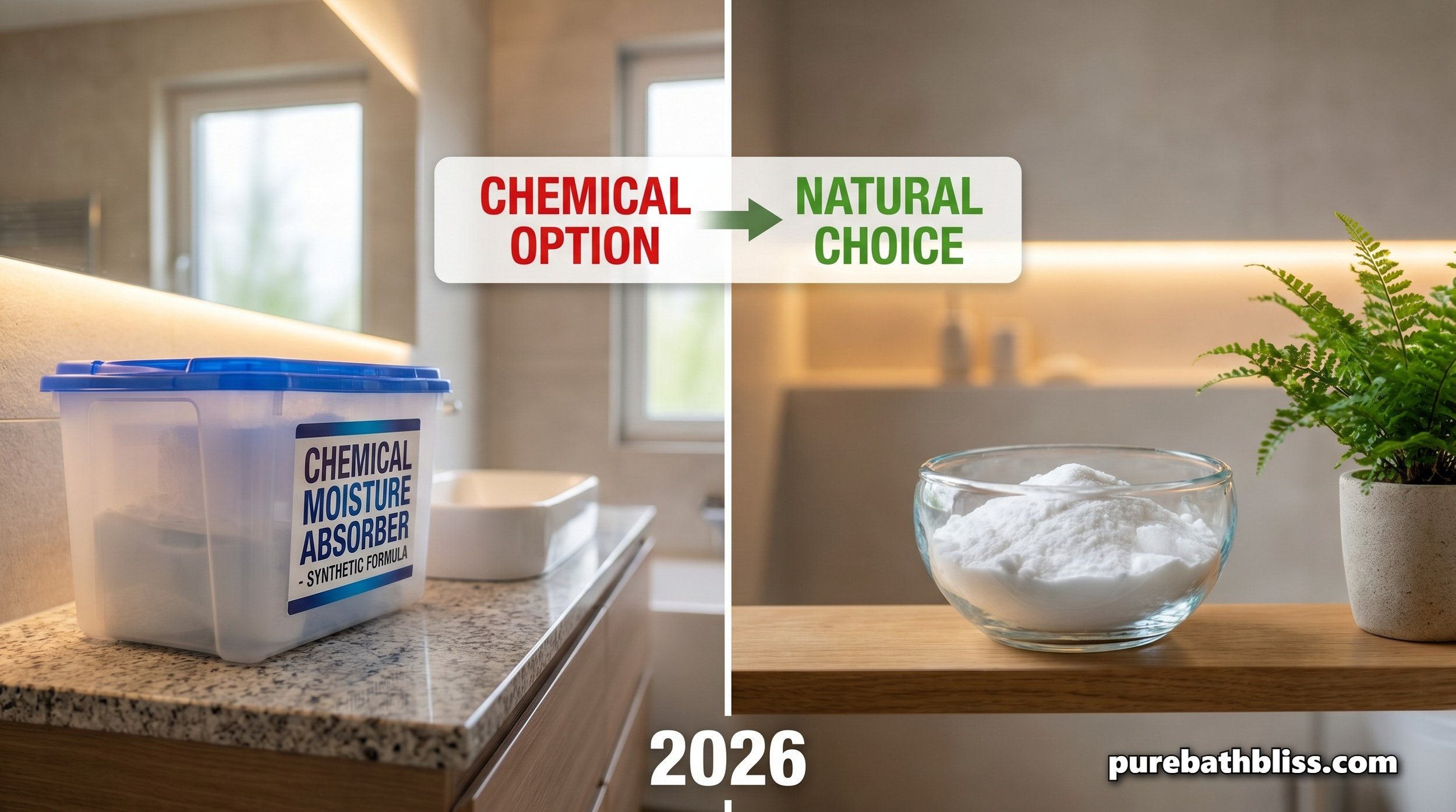
The Dry Baking Soda Sweep: The Ultimate Bathroom Moisture Hack
In the world of home maintenance, moisture is the ultimate enemy of "Internal Infrastructure." As a builder, I’ve seen thousands of dollars in custom cabinetry ruined by a simple, silent culprit: high humidity trapped in enclosed spaces. Whether it’s a deep vanity drawer or a cramped linen closet, moisture settles in these "dead zones," leading to warped wood, peeling liners, and that unmistakable musty smell.
Most people reach for a spray or a candle to mask the odor, but in 2026, we are focused on the source. If you want to maintain the psychology of a clean bathroom, you have to manage the humidity levels inside your storage.
Enter the "Dry Baking Soda Sweep." This is a classic hack that utilizes the chemical properties of Sodium Bicarbonate to act as a non-toxic desiccant. It’s the cheapest "Builder-Grade" fix for protecting your bathroom’s cabinetry and linens.
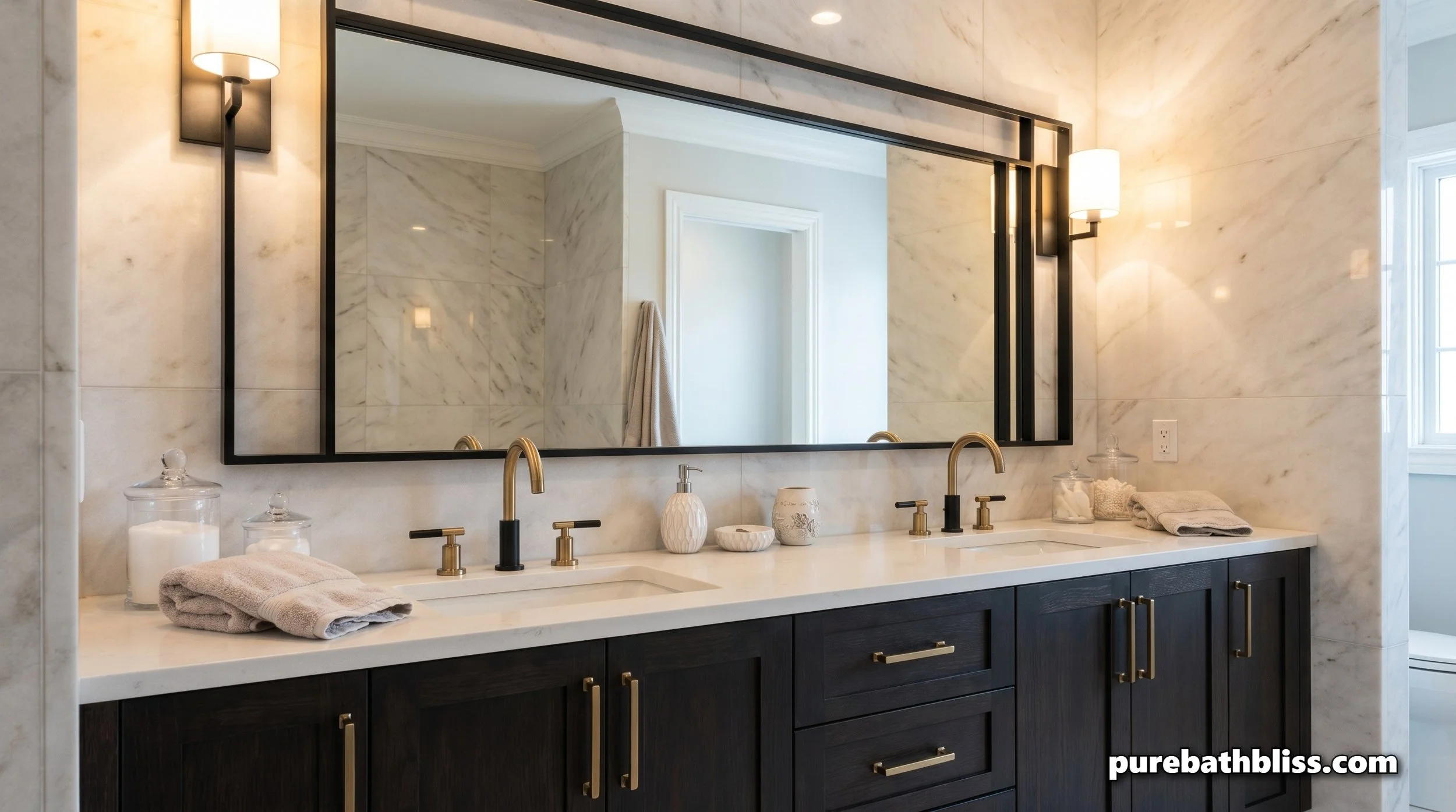
The Mirror Rot Protocol: How to Fix and Hide "Black Edges"
It starts as a tiny dark speck in the corner, and before you know it, a jagged, black "rot" is creeping across the edges of your bathroom mirror. In the construction industry, we call this desilvering. As a builder, I see this in almost every home over ten years old, and while it looks like a catastrophic failure of your bathroom "Infrastructure," it’s actually a very common chemical reaction.
Your mirror isn't just a piece of glass; it’s a high-performance sandwich. The back of the glass is coated with a thin layer of silver (which creates the reflection) and then sealed with a protective layer of copper and paint. When moisture or harsh chemicals penetrate that protective backing, the silver begins to oxidize, literally rusting away and leaving those ugly black edges behind.
If you’ve been working on the psychology of a clean bathroom, those black spots can be incredibly frustrating. They make a clean space feel neglected. Today, I’m going to show you the professional ways to stop the spread, hide the damage, and prevent it from happening to your new mirrors.
The Non-Toxic "Safe-Scrub" Guide: Protecting Your Bathroom Infrastructure
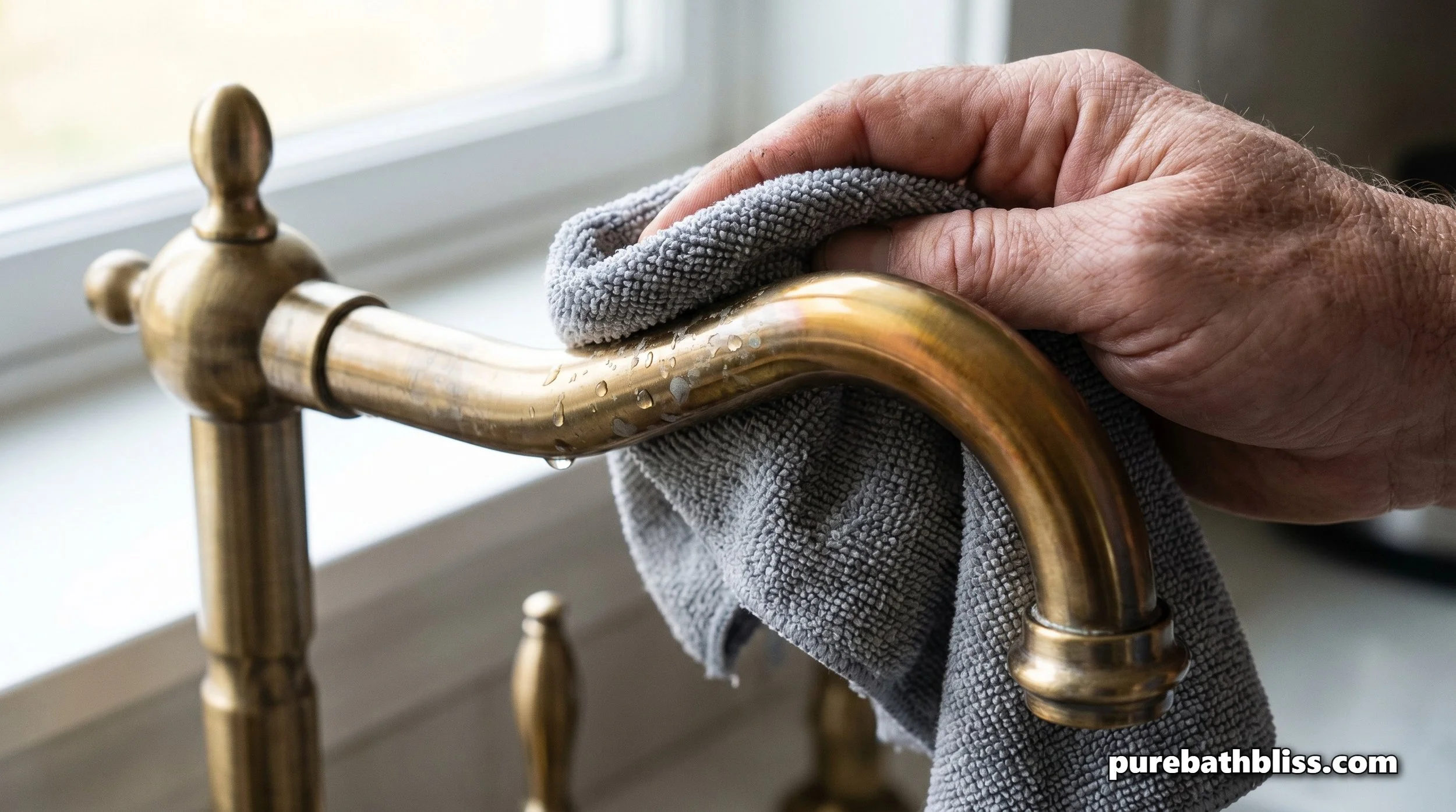
In the pursuit of a spotless home, most people reach for the most aggressive chemicals they can find. But as a builder, I’ve seen the long-term "collateral damage" caused by these products. Harsh bleaches and acidic sprays don't just kill germs; they eat through the seals around your sink, degrade the finish on your brushed brass fixtures, and can even cause the structural desilvering of your mirrors.
In 2026, the high-performance bathroom is all about "Safe-Scrub" chemistry. This isn't just about being "green"—it's about protecting the investment you've made in your home’s infrastructure. Whether you have a modern microcement shower or a classic porcelain setup, using the wrong cleaner can strip protective coatings and lead to porous surfaces that trap pink slime and black mold.
Here is the professional guide to cleaning your bathroom with non-toxic, "Safe-Scrub" methods that preserve your finishes while ensuring a laboratory-level clean.
How to Organize a Small Bathroom Linen Closet: Maximizing Every Inch
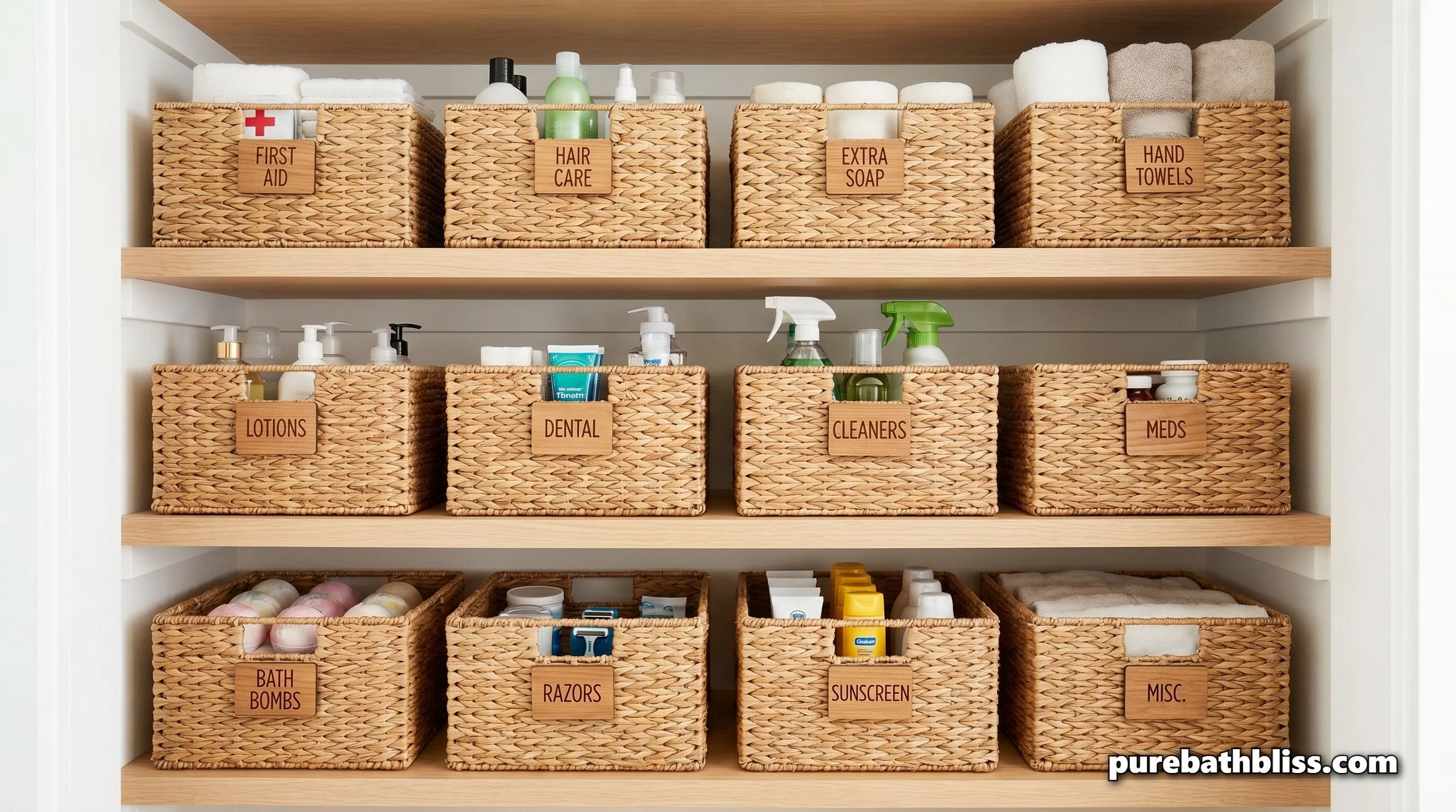
In many homes, the linen closet is the most neglected piece of "Storage Infrastructure." It’s often a narrow, deep cavern where towels are shoved into dark corners and half-empty bottles of shampoo go to be forgotten. As a builder, I’ve seen that even the most beautiful microcement bathroom loses its spa-like appeal if the closet across the hall is a chaotic mess of mismatched linens and tumbling toiletries.
The problem with small linen closets isn't usually a lack of space, it’s a lack of logic. Standard wire shelving is notorious for letting small items tip over, and deep shelves encourage a "front-to-back" stacking method that buries your best towels. To fix this, we need to apply the same "Vertical Infrastructure" rules we used to organize deep vanity drawers.
Here is the professional guide to reclaiming your small linen closet using builder-grade organization hacks that turn a cramped cupboard into a high-performance storage zone.
The "Microcement" Aesthetic: 2026’s Seamless Shower Trend
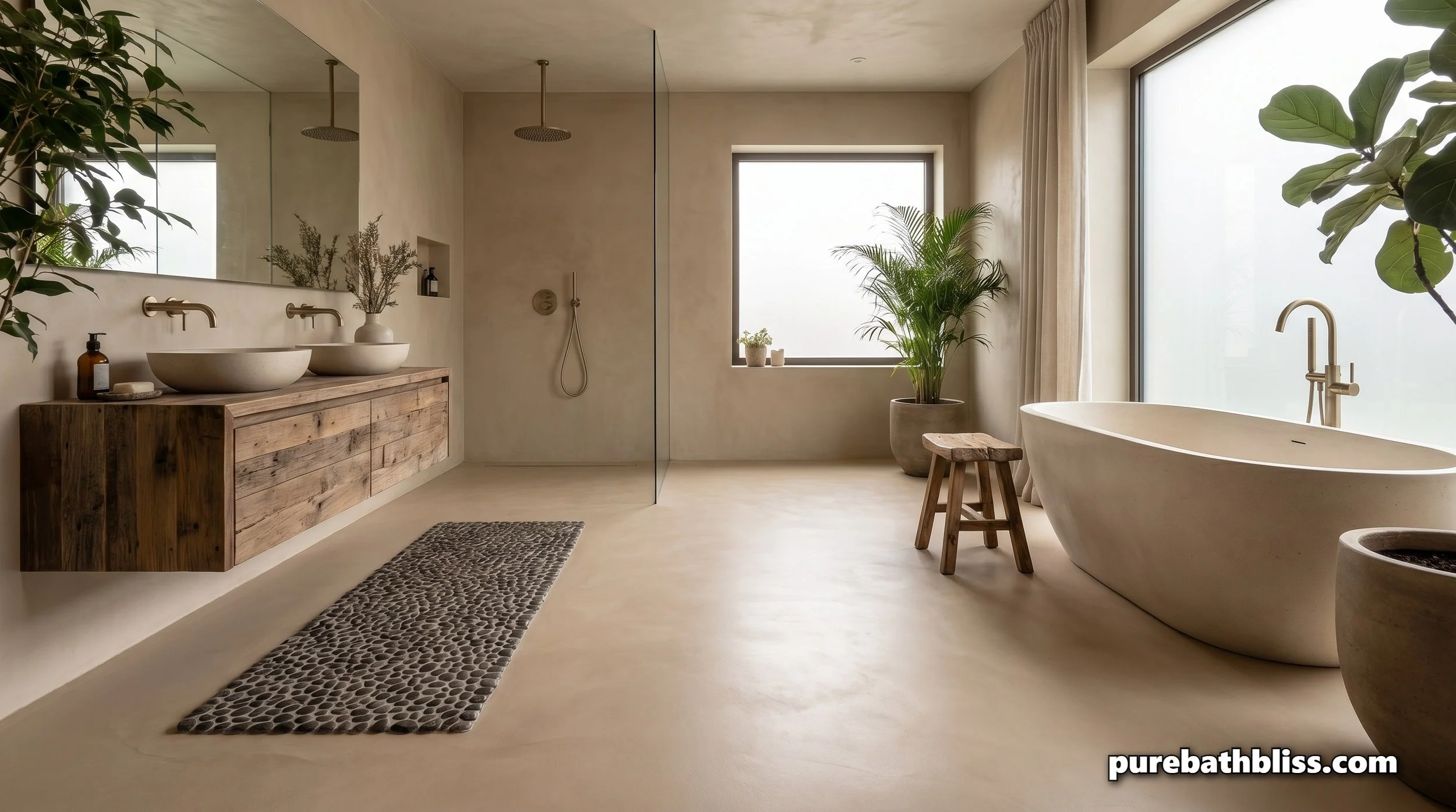
If you’ve spent any time looking at high-end architectural digests recently, you’ve likely noticed a shift away from the busy, grid-like patterns of traditional tile. In 2026, the "Quiet Luxury" movement has reached the bathroom, and its primary medium is Microcement.
As a builder, I’ve seen every trend from subway tile to penny rounds, but microcement is different. It’s an "Infrastructure" shift. We are moving toward a monolithic, "carved from stone" look where walls, floors, and even sinks blend into one continuous surface. By eliminating grout lines, you don't just change the look; you fundamentally change the psychology of a clean bathroom by removing the visual clutter and the #1 hiding place for pink slime and black mold.
In this guide, we’ll explore why microcement is dominating the 2026 design landscape, how it performs in wet zones, and the professional "Safe-Scrub" secrets for maintaining its seamless beauty.
Mindfulness & Meditation Shower Steamers: The Sandalwood + Cedarwood Blend
In the fast-paced flow of modern life, the shower is often the only place where we can truly find a moment of stillness. As a parent and a builder, I’ve realized that the psychology of a clean bathroom isn't just about sparkling tiles, it’s about the sensory "Infrastructure" that allows you to reset your mind.
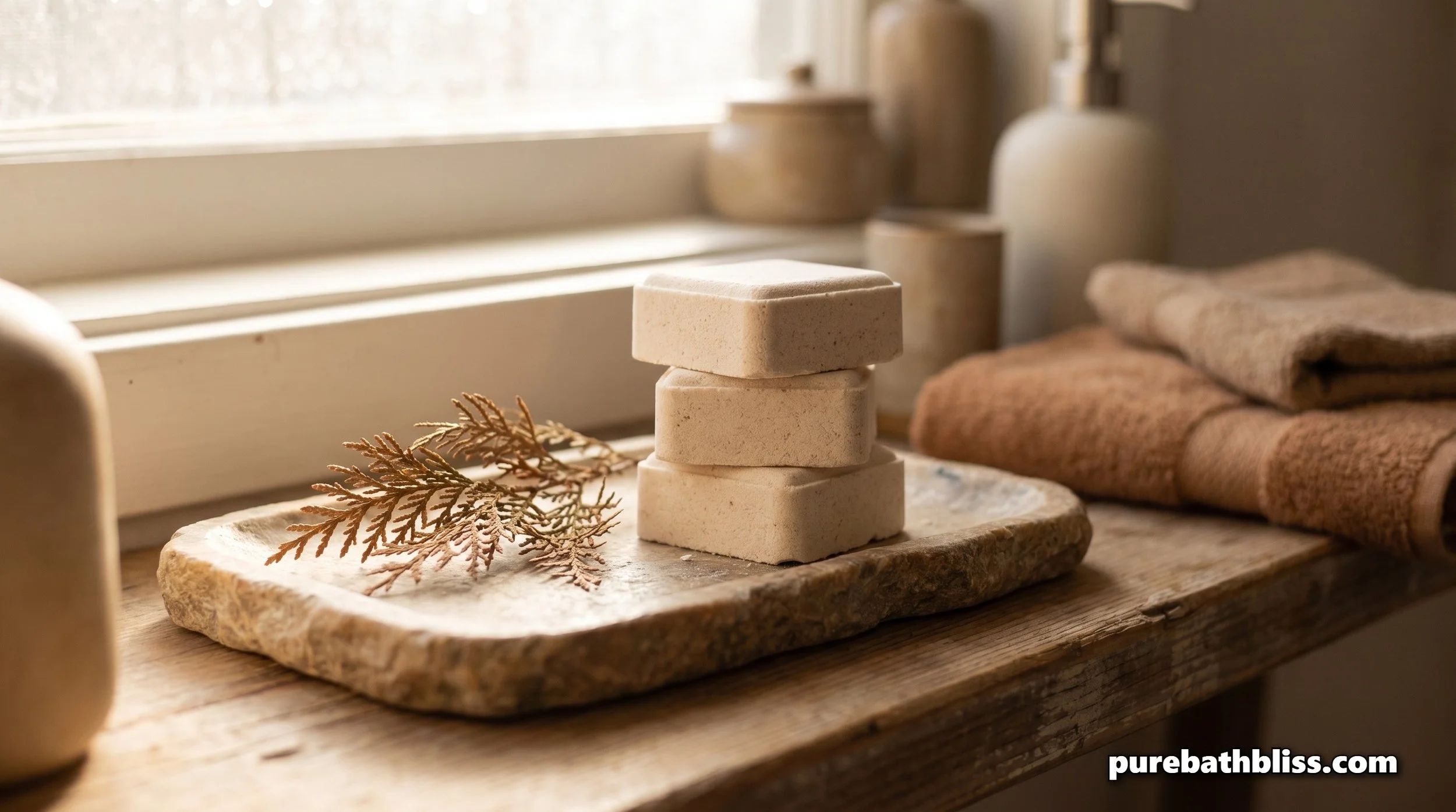
While many people associate shower steamers with "energizing" citrus or "clearing" eucalyptus, there is a profound power in Grounding Aromas. Sandalwood and Cedarwood are wood-based essential oils that have been used for centuries in meditation practices. They don’t just smell good; they signal to your nervous system that it is time to be present.
By integrating these steamers into your daily routine, you transform a standard hygiene task into a sophisticated "Mindfulness Ritual." Here is the professional, non-toxic guide to crafting these earthy, grounding steamers.
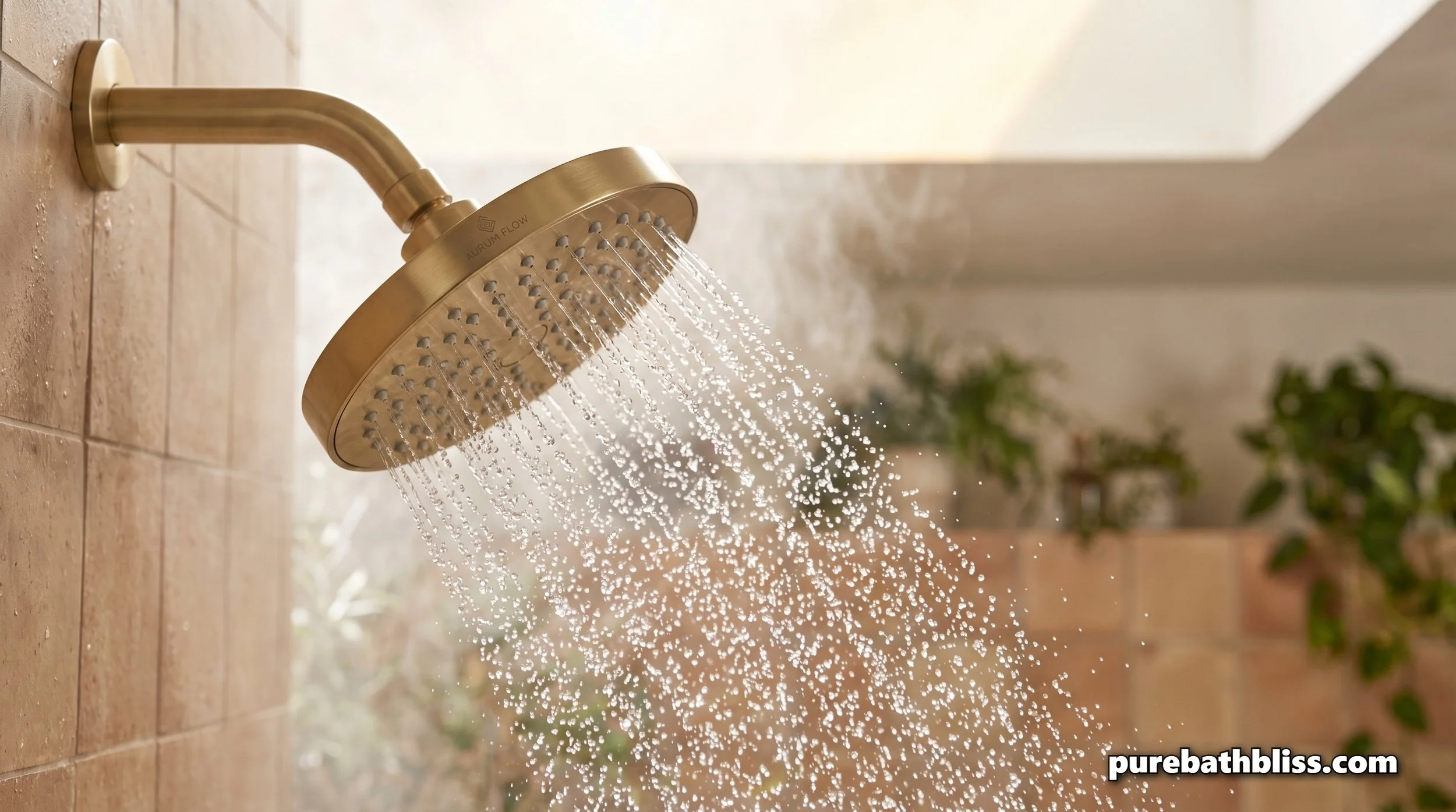
The Best Low-Flow Showerheads: High Pressure Meets Water Efficiency
In the world of bathroom renovation, there is a persistent myth that "low-flow" means "low-pressure." As a builder, I hear it all the time: homeowners fear that by switching to an eco-friendly fixture, they’ll end up with a weak, unsatisfying drizzle. But the truth is that modern engineering has completely redesigned the internal "Infrastructure" of the showerhead. We are no longer just restricting water; we are optimizing it.
A high-quality low-flow showerhead uses air-injection technology and specialized spray patterns to make 1.75 gallons per minute (GPM) feel like the old 2.5 GPM standard. When you combine this efficiency with a luxury bath tray aesthetic and a clean, recaulked sink area, you create a bathroom that is both sustainable and indulgent.
Whether you are looking to lower your utility bills or simply want to upgrade your shower’s performance, here is the professional guide to choosing a low-flow showerhead that doesn't compromise on the experience.
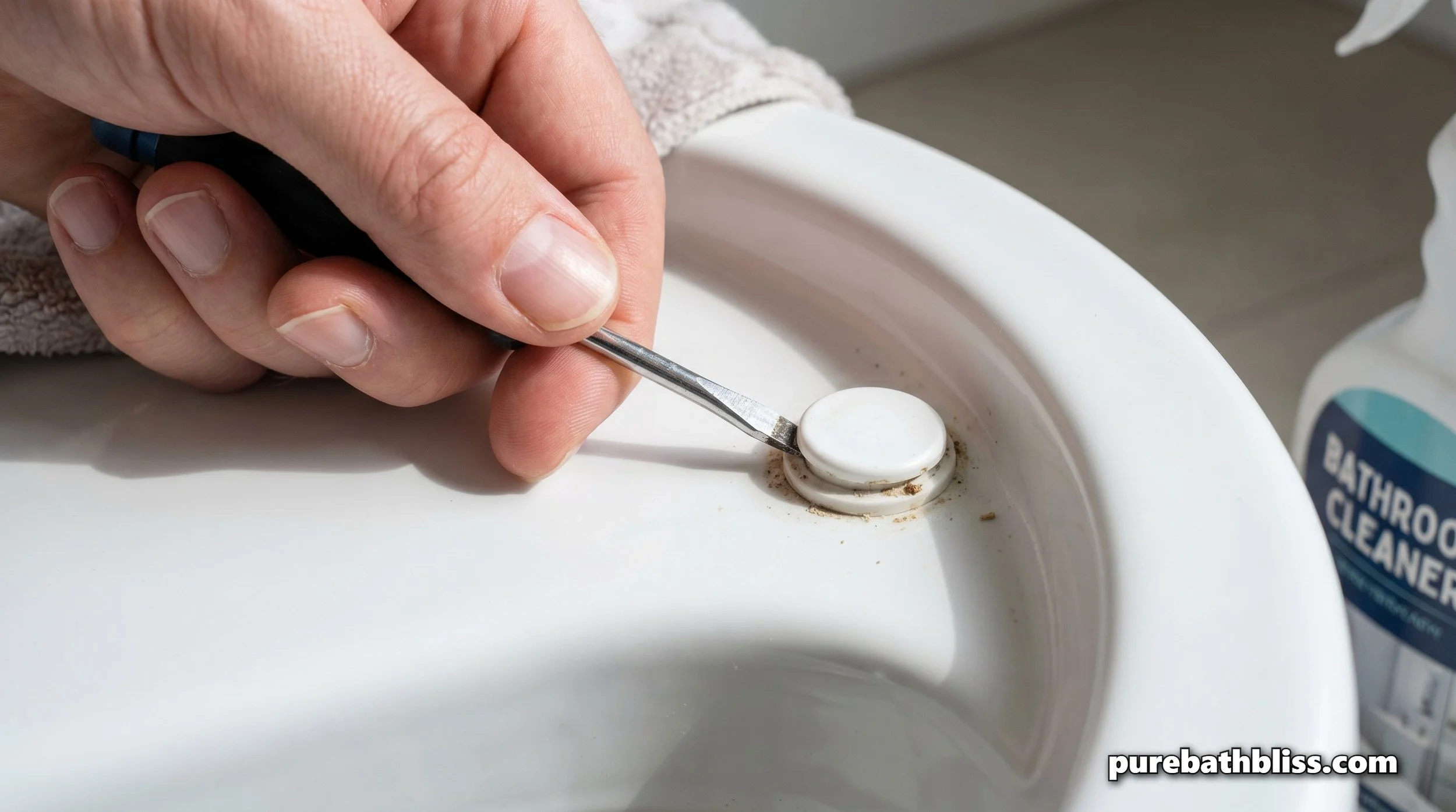
How to Replace a Toilet Seat: The 10-Minute Hygiene Upgrade
In the world of home maintenance, we often focus on the "big ticket" infrastructure, like brushed brass fixtures or high-performance low-flow toilets. But from a day-to-day perspective, the most "high-touch" piece of equipment in your home is the toilet seat. As a builder, I’ve seen that a loose, cracked, or stained seat isn't just an eyesore, it’s a failure in your bathroom’s "Hygiene Infrastructure."
If you’ve recently moved into a new home, or if your current seat has developed those annoying "wobbles," replacing it is one of the easiest and most satisfying DIY tasks you can perform. It immediately elevates the psychology of a clean bathroom and provides an opportunity to deep-clean areas of the porcelain that are usually inaccessible.
In 2026, we are moving away from cheap, flimsy plastic seats and toward "Soft-Close" and "Quick-Release" models that make cleaning a breeze. Here is the professional, step-by-step guide to replacing your toilet seat like a pro.
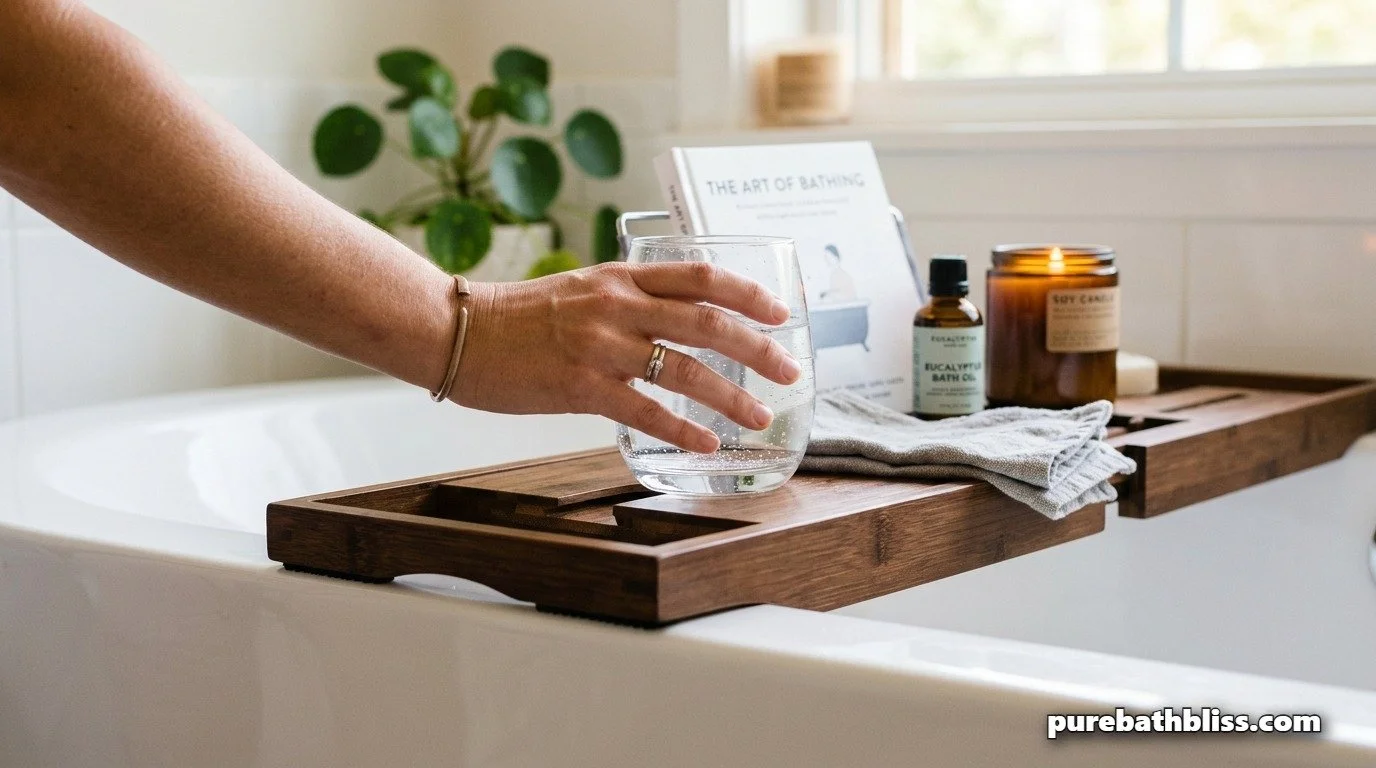
The "Bath Tray" Aesthetic: How to Style for a Luxury Soak
In the world of professional renovation, we spend a lot of time talking about the "bones" of the room, the brushed brass fixtures and the waterproof sink seals. But once the infrastructure is sound, the focus shifts to how the space feels. As a builder and a parent, I’ve found that the "Bath Tray" is the single most effective tool for bridging the gap between a functional bathroom and a luxury sanctuary.
A bath tray (or caddy) isn't just a piece of wood across a tub; it is a curated "workstation" for relaxation. In 2026, the aesthetic has moved away from cluttered, plastic-heavy caddies and toward a "Quiet Luxury" look that emphasizes natural materials, intentional placement, and a few high-quality wellness staples.
Whether you’re preparing for a magnesium sleep soak or just need 20 minutes of silence, here is the professional guide to styling a bath tray that looks as good as it feels.
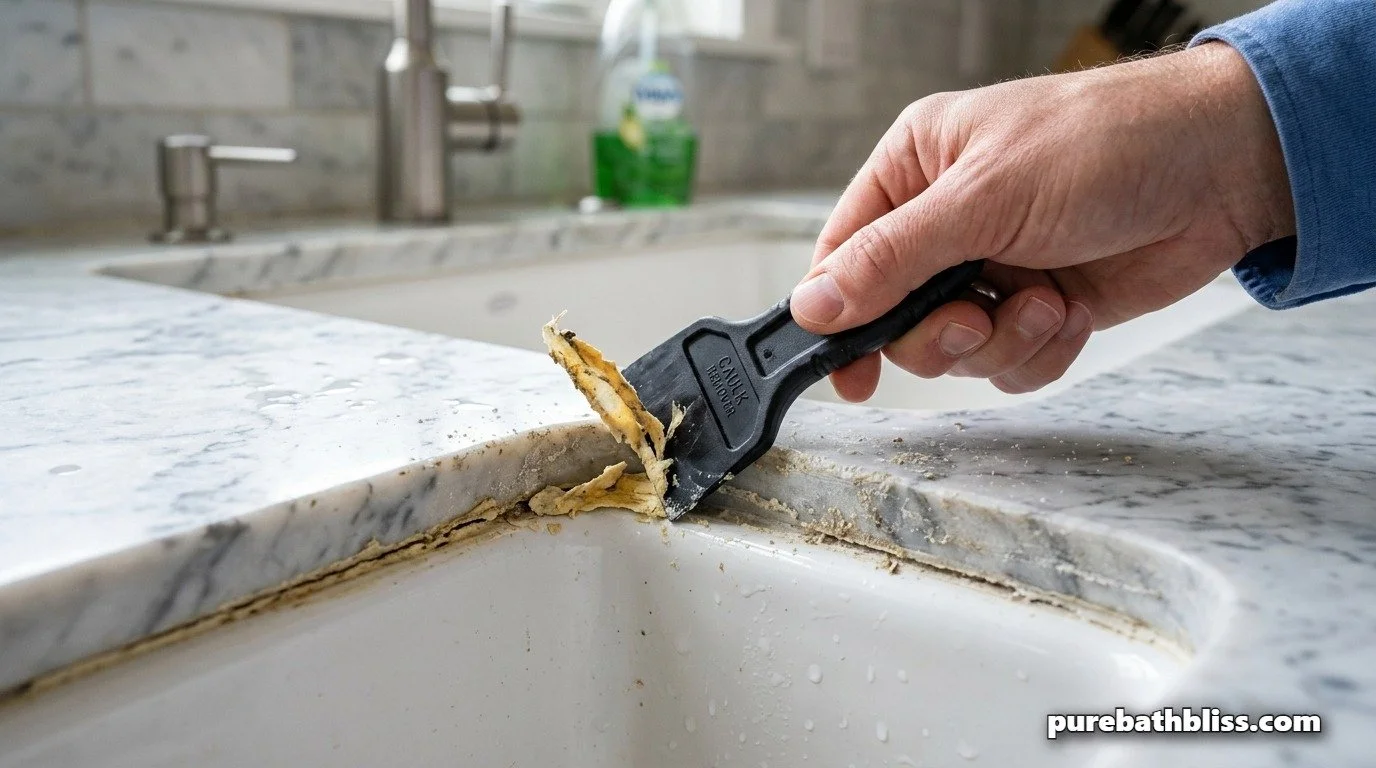
How to Recaulk Your Bathroom Sink: The 15-Minute Moisture Seal
In the world of home maintenance, "Infrastructure" isn't just about the pipes you can see under the cabinet; it’s about the invisible seals that keep water where it belongs. As a builder, the most common "hidden" damage I see in bathrooms is rotting vanity carcases and crumbling drywall caused by a failed bead of caulk around the sink rim.
When that thin line of silicone cracks or peels, water from every hand wash and face scrub seeps underneath the basin. This creates a dark, damp "petri dish" for pink slime bacteria and structural rot. If you've noticed the edges of your sink looking yellow, black, or pulling away, your first line of defense is a fresh, professional-grade seal.
You don't need a plumber for this. Recaulking a sink is a high-impact, low-cost "reset" that immediately elevates the psychology of a clean bathroom. Here is the professional "no-mess" method for recaulking your sink to achieve a builder-grade finish.
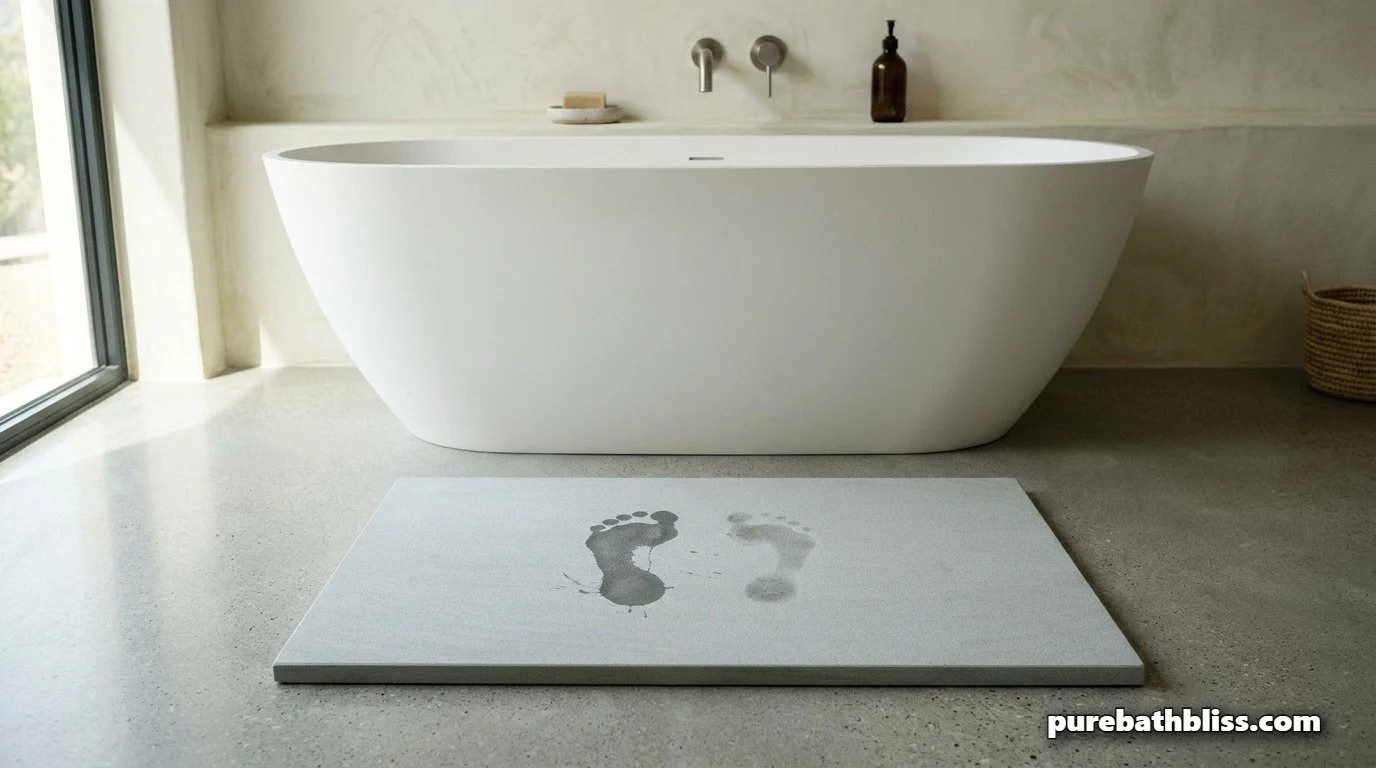
The "Stone" Bath Mat Deep Dive: Diatomaceous Earth vs. Bamboo
For decades, the standard bathroom "Infrastructure" involved a plush, shaggy rug that sat in front of the tub, soaking up gallons of water and skin cells until it became a literal breeding ground for pink slime bacteria. As a builder and a father of four, I’ve spent far too much time dealing with the musty smell of damp cotton and the hidden black mold that grows on the subfloor beneath a wet mat.
In 2026, the trend has shifted toward "Hard Surface" mats. We are moving away from textiles and toward sustainable, fast-drying materials like Diatomaceous Earth (Stone) and Bamboo. As I mentioned in our guide on non-toxic bath mats for kids, I’ve recently made the switch to a stone mat in my own home, and the results have been a game-changer for our daily workflow.
But which one is right for your home? Today, we’re doing a professional deep dive into the pros, cons, and maintenance requirements of Stone vs. Bamboo to help you build a high-performance "Dry Zone."
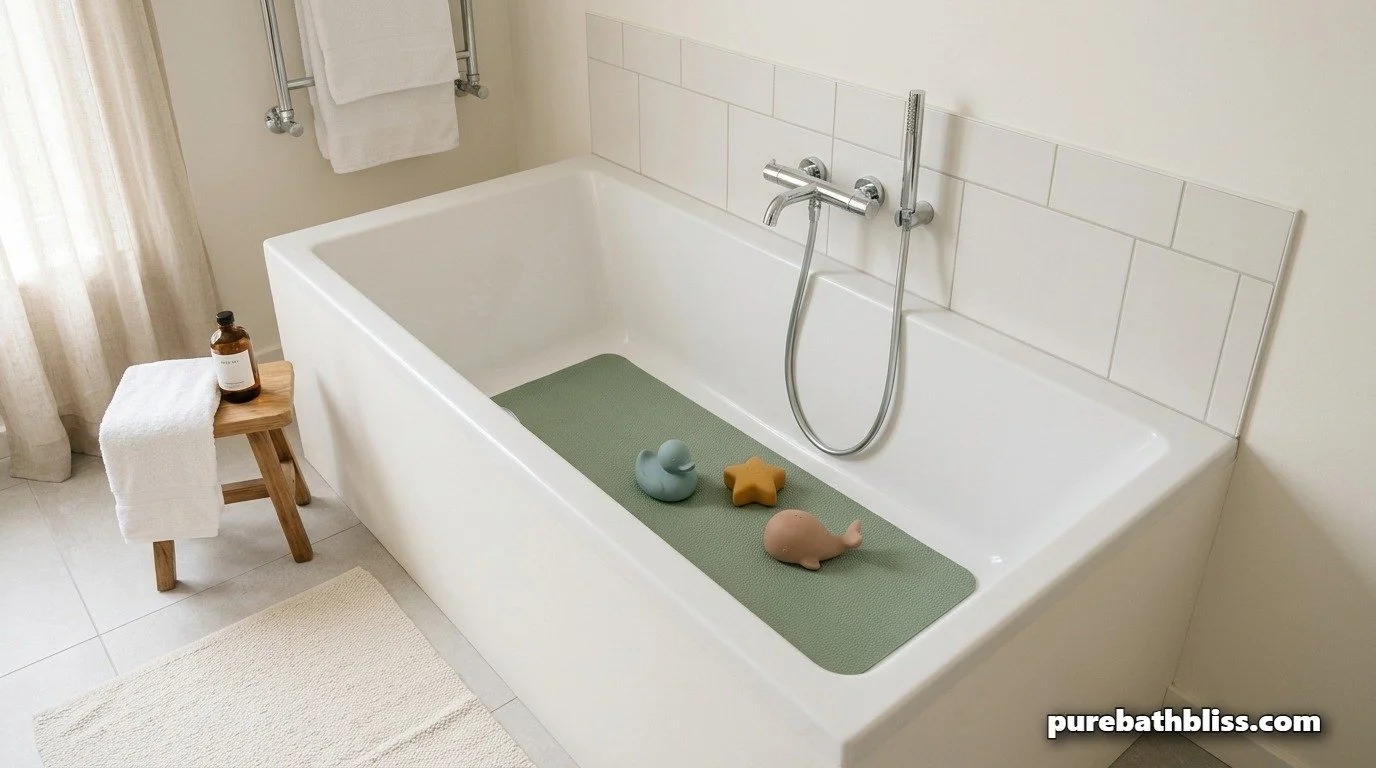
The Best Non-Toxic Bath Mats for Kids: Safety Meets Sustainability
When you are a parent of four, the bathtub is the most dangerous "Job Site" in the house. It is a high-moisture environment where slick surfaces, sharp corners, and active toddlers create a perfect storm for accidents. As a builder, I look at bath safety through the lens of structural integrity, but as a parent, I’ve had to learn that the "safety products" we buy can sometimes introduce new "Internal Infrastructure" problems, namely, toxic off-gassing and hidden mold.
Most standard "kiddy" bath mats are made from cheap PVC or synthetic rubber. These materials don't just smell like chemicals; they release phthalates into the warm bath water where your child is soaking. Furthermore, those cute suction cups on the bottom are notorious for trapping water, leading to the rapid growth of pink slime bacteria and black mold that you can't see until it’s already a massive colony.
In this guide, we’re going to look at the 2026 standards for non-toxic bath safety. We’ll cover why certain materials are "out," how to spot hidden mold hazards, and which mats actually provide the "Builder-Grade" grip needed to keep your kids upright without compromising their health.
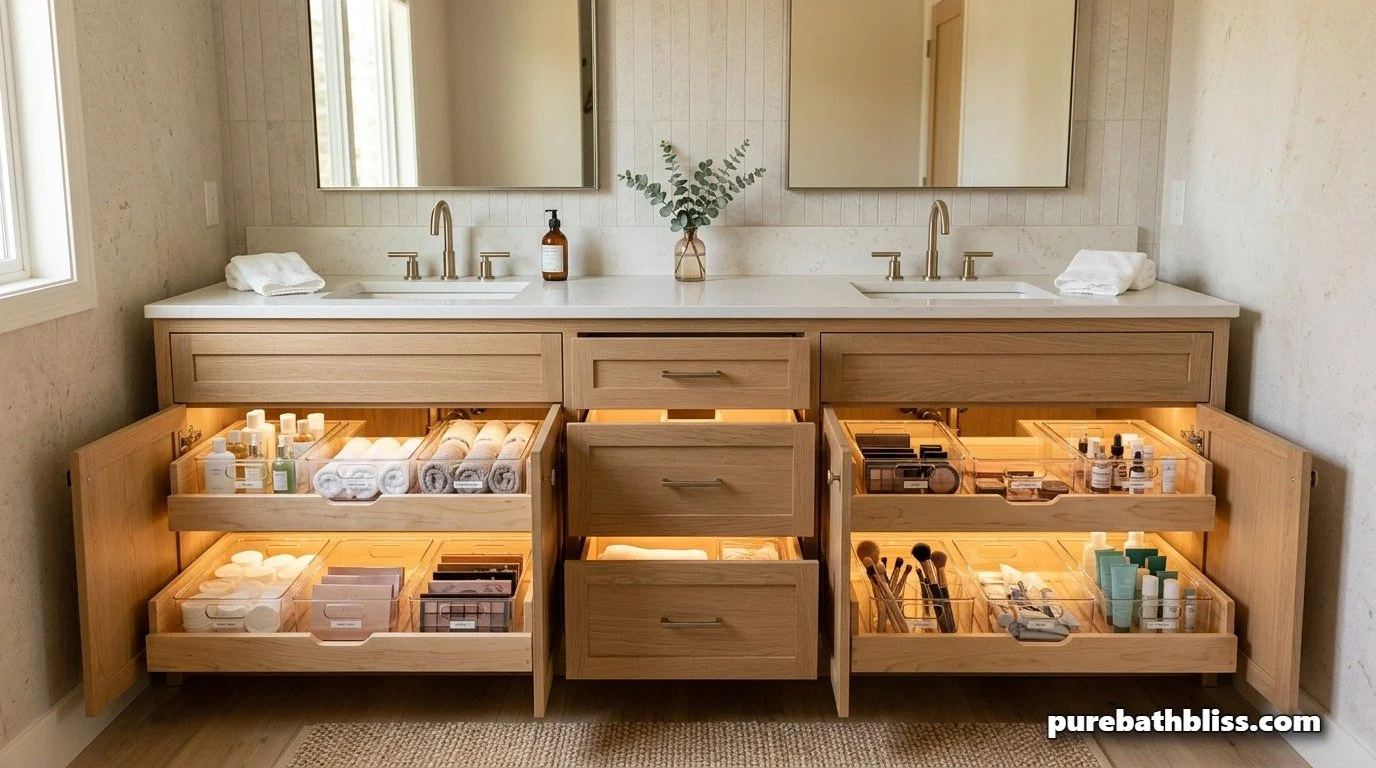
How to Organize a Deep Vanity Drawer: Builder’s Hacks for the Storage Abyss
In the world of custom cabinetry, deep vanity drawers are often sold as a luxury "storage solution." On paper, they offer massive cubic footage; in reality, they frequently become a chaotic "black hole" where hairspray bottles, spare non-toxic shower curtains, and half-used skincare products go to disappear. As an expert who looks at the "Internal Infrastructure" of homes daily, I can tell you that nothing ruins the psychology of a clean bathroom faster than a junk drawer you have to wrestle with every morning.
The fundamental design flaw of a deep drawer is a lack of verticality. When you drop items into a 10-inch or 12-inch deep space without a plan, you are only effectively using the bottom 20% of the real estate. Everything else becomes a jumbled pile. To reclaim this space, we have to stop thinking like a decorator and start thinking like a builder: we need to create "floors," improve the lighting, and navigate around the existing plumbing "infrastructure."
Here is the comprehensive guide to transforming your deep vanity drawers from a disorganized abyss into a high-performance, tiered storage system.
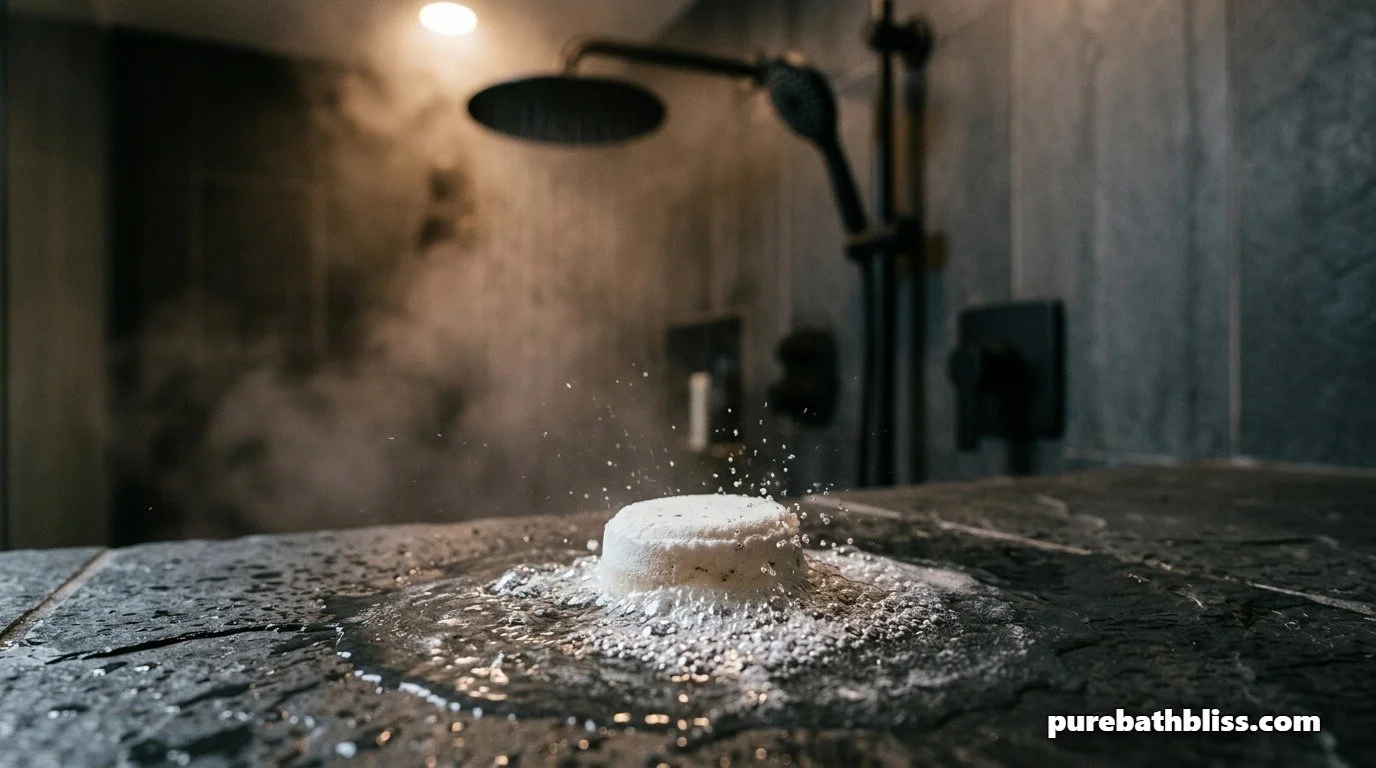
The Infrastructure of Serenity: Engineering the Ultimate Stress-Relief Shower
As a carpenter and a coffee shop owner, I’ve spent my life understanding how "systems" work, whether it’s the structural load of a cantilevered deck or the precise extraction of an espresso shot. In my home, with four kids running around, the bathroom isn't just a room; it’s a high-use sanctuary. But a sanctuary is only as good as the infrastructure supporting it.
When we talk about "Sanctuary through Infrastructure," we aren't just talking about the pipes and the tile. We are talking about the atmospheric load of the room. Stress and anxiety aren't just feelings; they are physiological states that can be disrupted by the right environmental triggers.
While big-box sites like The Spruce will tell you these "smell nice," we’re going deeper. We’re looking at the chemical reaction between citric acid and sodium bicarbonate as a delivery vehicle for therapeutic-grade alkaloids. This isn't a craft project; it's a home-wellness installation.
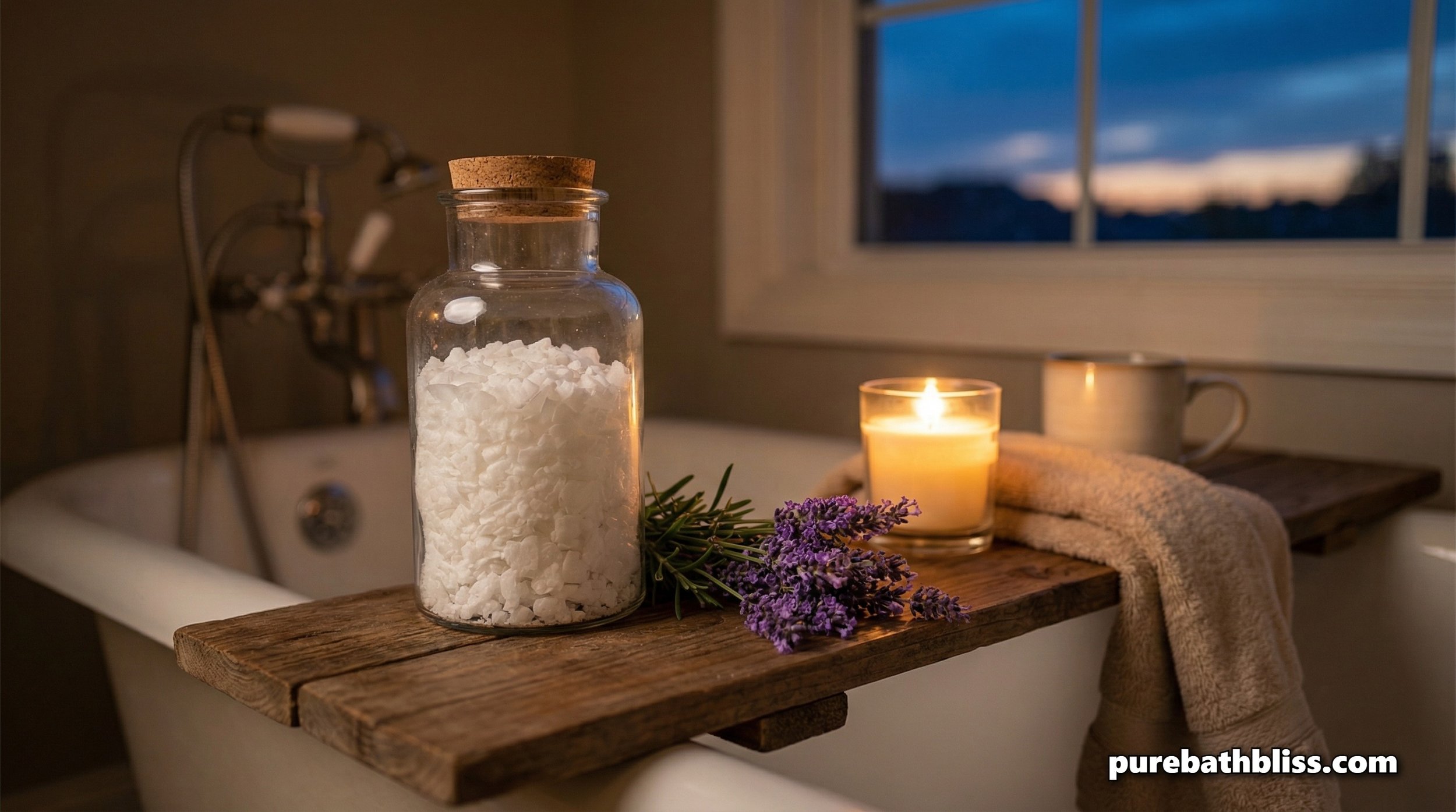
DIY Magnesium "Sleep Soak": The Ultimate Evening Ritual
If you’ve been following our guide on the psychology of a clean bathroom, you know that your environment dictates your mental state. But even the cleanest bathroom can’t fix a racing mind or restless legs after a long day on the job or chasing four kids.
For years, the "Standard Operating Procedure" for a relaxing bath was a bag of grocery-store Epsom salts. But as we move into 2026, we’re looking at the "Internal Infrastructure" of our wellness. While Epsom salts are great, Magnesium Flakes are the high-performance upgrade your nervous system actually needs.
In this guide, I’ll break down why magnesium is the "Master Mineral" for sleep, how to blend it with targeted essential oils, and the professional way to store your salts so they don't turn into a clumpy mess in your vanity.
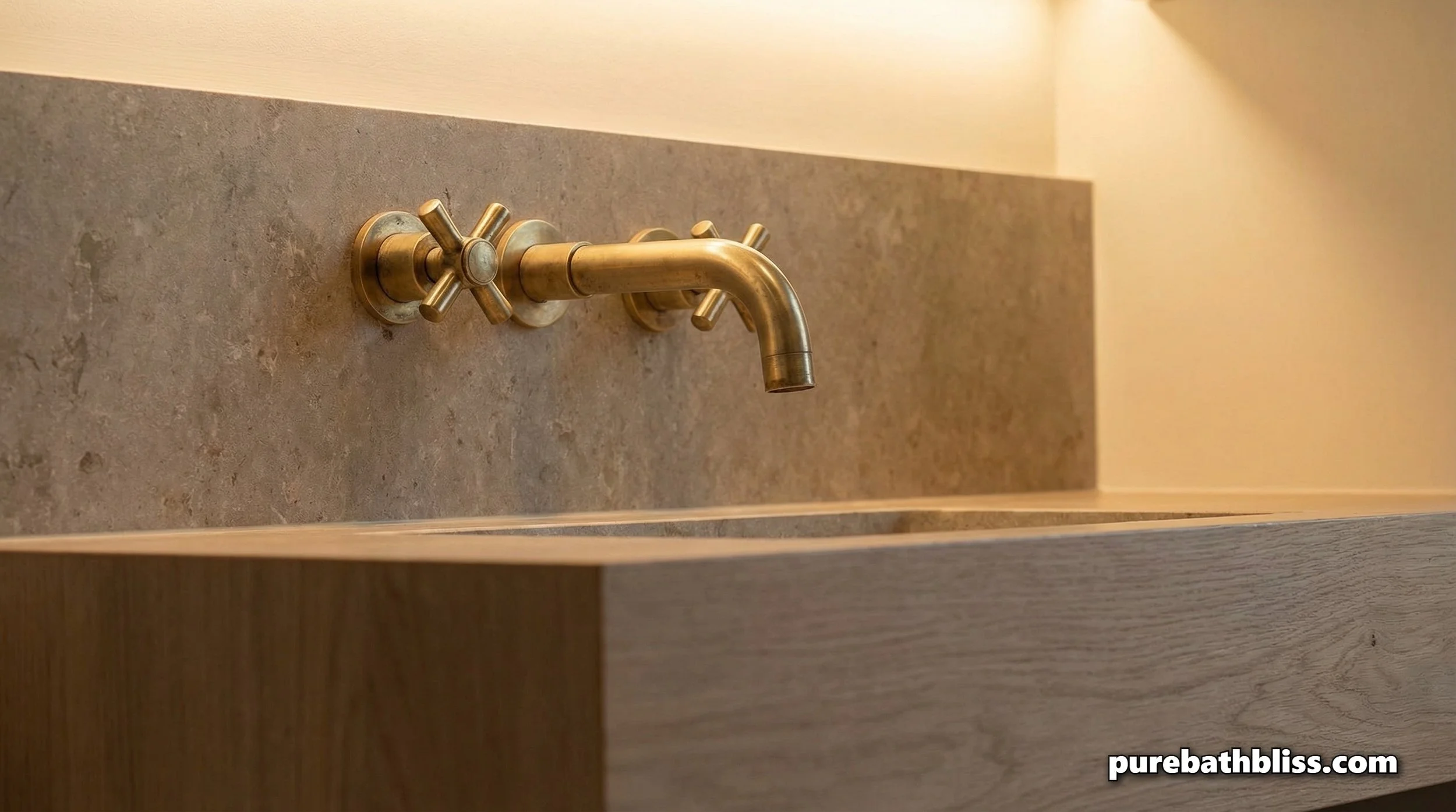
Is Brass Back in Style? The 2026 Metallic Forecast
If you’re picturing the shiny, yellow-gold "builder grade" brass from the 1980s, I have good news: that version is still a relic of the past. But if you’re asking if brass as a material is back in style for 2026, the answer is a resounding yes. In fact, it has officially overtaken chrome and matte black as the "gold standard" for luxury bathroom design.
In 2026, we are seeing a major shift toward Warm Minimalism. Homeowners are moving away from the clinical, cold feel of "all-chrome" everything and looking for materials that feel inherited and organic. Brass provides a natural warmth that balances out the moody earth-centric paint tones and stone surfaces that are dominating the current market.
Whether you're swapping out a faucet cartridge or doing a full renovation, here is how to use brass in a way that feels timeless, not trendy.

How to Choose the Right Bathroom Mirror Height: An Ergonomics Guide
In the world of professional renovation, the mirror is often treated as the final "decoration." But from a builder’s perspective, a mirror is a critical piece of functional infrastructure. If it’s hung too high, shorter family members are left staring at the top of their heads; if it’s too low, you’re constantly cleaning water splashes off the glass.
Finding the "Goldilocks" height for a bathroom mirror is a balancing act between aesthetics and ergonomics. In 2026, we are moving away from the "one size fits all" contractor-grade sheets toward personalized, framed mirrors that complement the latest 2026 sink colors. Whether you’re a father of four trying to accommodate toddlers or a homeowner looking for that next level of design, getting the height right is what makes a bathroom feel truly custom.
In this guide, we’ll break down the specific measurements, the "Eye-Level Rule," and the professional tricks for mounting mirrors so they stay beautiful and functional for the long haul.
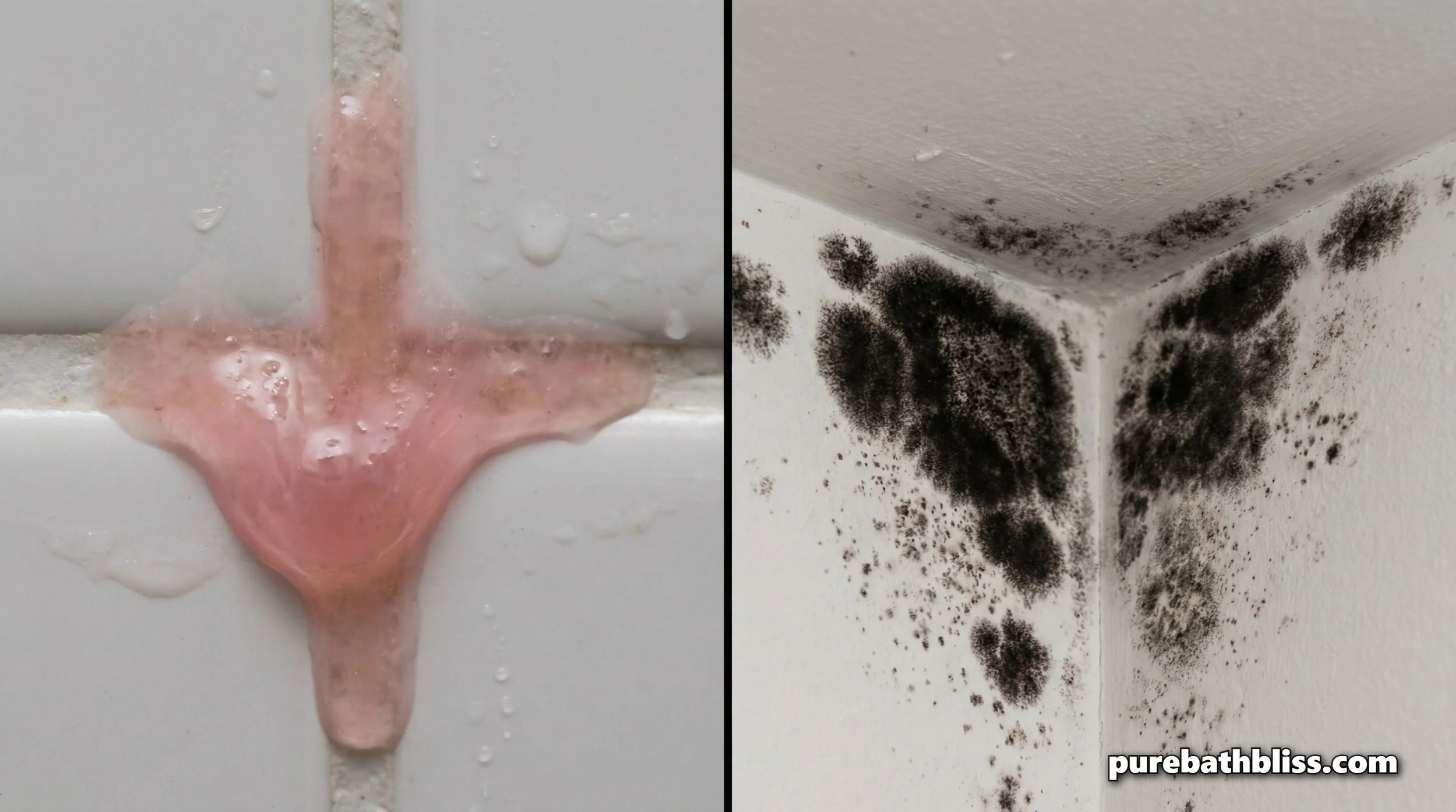
Pink Slime vs. Black Mold: What’s Growing in Your Bathroom?
In the world of home maintenance, few things are as unsettling as spotting a new "growth" in your sanctuary. As a homeowner, you’ve likely seen it: a neon-orange streak along the grout or a fuzzy black patch in the corner of the ceiling. While both look like "bathroom rot," they are fundamentally different organisms with very different "diets."
Understanding the difference between Pink Slime (a bacterium) and Black Mold (a fungus) is critical for your home’s infrastructure. One is a surface-level nuisance that eats your shampoo, while the other is a structural threat that eats your drywall. If you treat them the same way, you might solve the aesthetic problem but miss the underlying "system failure" in your bathroom's ventilation or plumbing.
In this guide, we’ll break down the biology of these bathroom invaders, what specifically is causing them to thrive, and the professional steps to eradicate them for good.