The Non-Toxic "Safe-Scrub" Guide: Protecting Your Bathroom Infrastructure
Transparency Note: We independently select these products based on research and user reviews. If you buy something through our links, we may earn a commission.
In the pursuit of a spotless home, most people reach for the most aggressive chemicals they can find. But as a builder, I’ve seen the long-term "collateral damage" caused by these products. Harsh bleaches and acidic sprays don't just kill germs; they eat through the seals around your sink, degrade the finish on your brushed brass fixtures, and can even cause the structural desilvering of your mirrors.
In 2026, the high-performance bathroom is all about "Safe-Scrub" chemistry. This isn't just about being "green", it's about protecting the investment you've made in your home’s infrastructure. Whether you have a modern microcement shower or a classic porcelain setup, using the wrong cleaner can strip protective coatings and lead to porous surfaces that trap pink slime and black mold.
Here is the professional guide to cleaning your bathroom with non-toxic, "Safe-Scrub" methods that preserve your finishes while ensuring a laboratory-level clean.
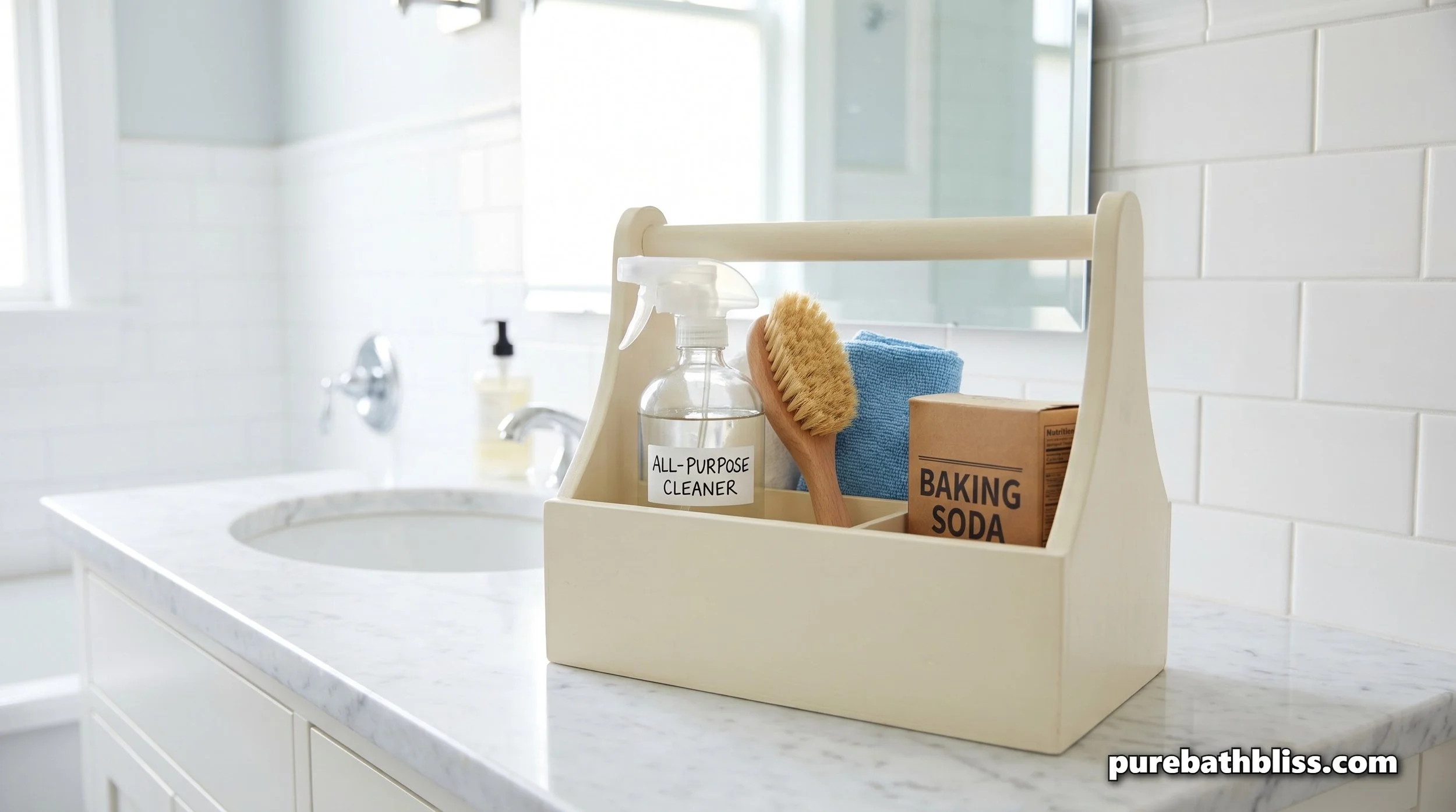
1. The "Chemistry of Clean": Understanding pH
To clean like a professional, you have to understand the pH scale.
Acids (Vinegar, Lemon): Excellent for breaking down hard water minerals and lime scale, but dangerous for microcement and natural stone like marble.
Bases (Baking Soda, Castile Soap): Fantastic for cutting through oils and soap scum without etching the surface of your fixtures.
The "Safe-Scrub" philosophy relies on using the mildest effective solution first. We aren't just blasting the surface; we are performing "Targeted Maintenance."
2. The "Safe-Scrub" Method for Every Surface
Every material in your bathroom has a different "Infrastructure" requirement. Here is how to handle the 2026 favorites:
Microcement & Natural Stone
These are the most sensitive surfaces. Avoid vinegar at all costs.
The Solution: Use a pH-neutral cleaner or a highly diluted castile soap.
The Scrub: Use a soft microfiber mop or cloth. The goal is to lift the dirt, not grind into the sealer.
Brushed Brass & Matte Black Fixtures
These high-end finishes often have a thin PVD or lacquer coating.
The Solution: Warm water and a tiny drop of dish soap.
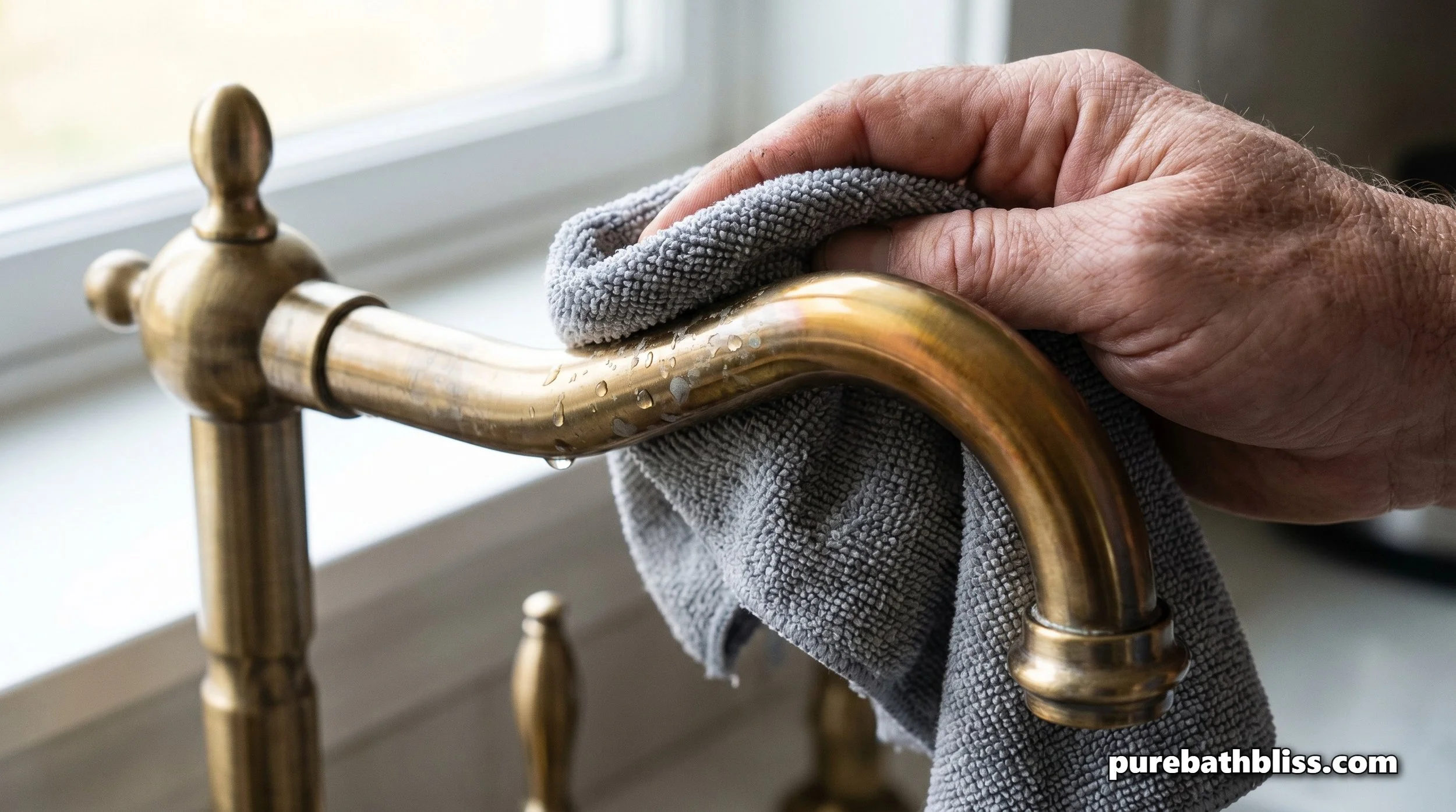
The Pro-Tip: Always dry these fixtures immediately with a soft cloth to prevent the mineral spots that make you want to reach for the harsh stuff in the first place.
Porcelain & Tile
The workhorses of the bathroom.
The Solution: A paste made of baking soda and a little water. This provides a "mechanical" scrub that is abrasive enough to remove grime but too soft to scratch the glaze of the porcelain.
3. The Non-Toxic Cleaner Recipe Guide
| Cleaner Type | The "Safe-Scrub" Formula | Best For |
|---|---|---|
| The Daily Spray | 2 cups water + 1 tsp Castile soap | Sinks, Counters, Toilet Seats |
| The Scouring Paste | Baking Soda + Water (thick paste) | Tubs, Grout, Porcelain Sinks |
| The Glass Polish | 50/50 Water & Rubbing Alcohol | Mirrors, Glass Enclosures |
| The Mineral Dissolver | Distilled White Vinegar (Warm) | Showerheads ONLY (Metal parts) |
4. The Tool-Kit: Avoiding Abrasive Damage
The "Scrub" part of "Safe-Scrub" is all about the tool. As a builder, I’ve seen countless $2,000 tubs ruined by the "green side" of a sponge.
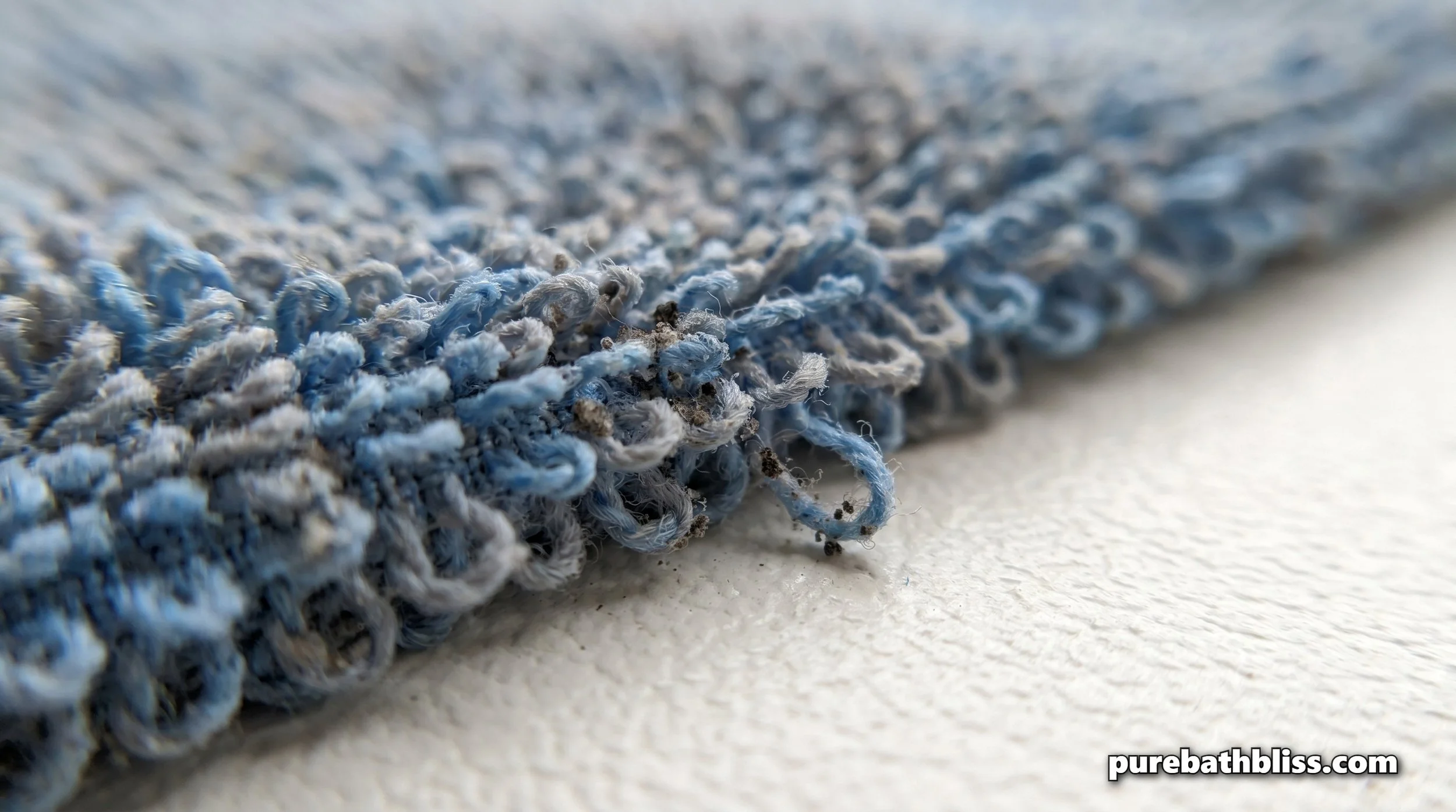
Microfiber is King: It uses "split fibers" to mechanically grab bacteria and dirt without needing chemicals. It’s the safest "Infrastructure" for your bathroom surfaces.
Natural Bristle Brushes: Use these for getting into the nooks and crannies of your linen closet bins or around the base of the faucet.
Dr. Bronner’s Pure-Castile Liquid Soap (Baby Unscented) – The perfect base for all your non-toxic cleaners.
Casabella Premium Microfiber Cleaning Cloths – High-density cloths that won't leave lint on your mirrors or brass.
Bamboo Scrub Brush Set – A sustainable way to get a deep scrub without using scratchy plastic bristles.
5. Maintenance: The "Squeegee" Protocol
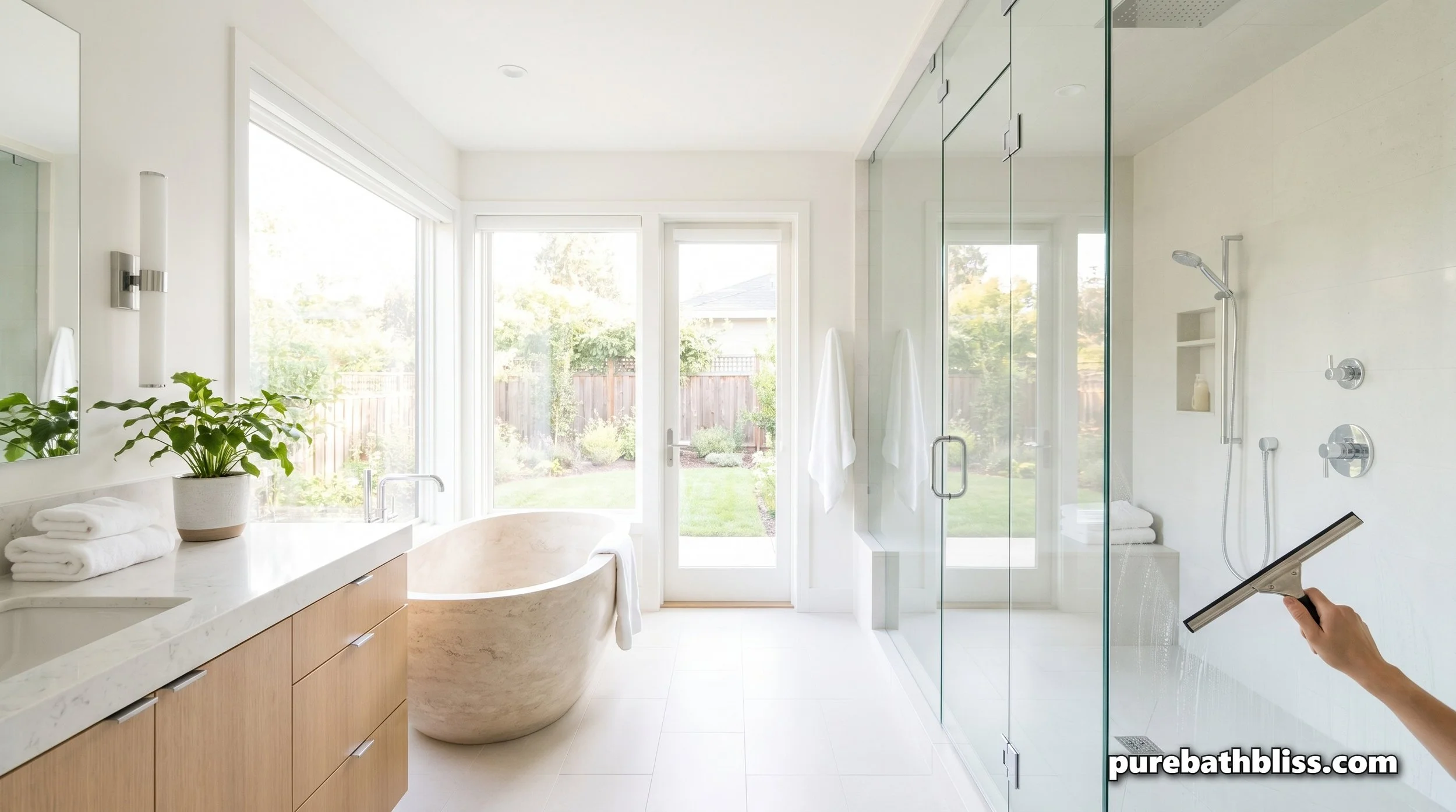
The secret to a "Safe-Scrub" lifestyle is Prevention. If you never let the water sit, you never have to "scrub" at all.
Shower Glass: Squeegee every single time. It takes 30 seconds but prevents the calcium buildup that requires heavy acids to remove.
The Post-Bath Wipe: After your evening tray ritual, use your damp towel to wipe down the fixtures. This one act alone will double the lifespan of your faucet's finish.
Steam Management: Ensure your exhaust fan is running to prevent humidity from settling. A dry bathroom is a healthy bathroom.
6. Eliminating the "Old School" Toxins
To fully transition to the 2026 "Safe-Scrub" standard, you must purge these items from your under-sink organization:
Chlorine Bleach: It's too aggressive for most modern sealers and causes "yellowing" of white plastics.
Amonia: Dangerous when mixed and harsh on the lungs.
Acidic Toilet Bowl Cleaners: These can eat through the wax ring or the internal toilet infrastructure. Stick to baking soda and a brush.
Summary: The Non-Toxic "Safe-Scrub" Checklist
Identify the Surface: Know if you are cleaning stone, metal, or porcelain.
pH Matters: Use neutral soaps for stone and microcement.
Mechanical over Chemical: Let the microfiber and baking soda do the heavy lifting.
Dry the Fixtures: Prevention is the best cleaner for brushed brass.
Ventilate: Lower humidity means less mold and less cleaning.
Purge the Toxins: Clear out the harsh acids and bleaches from your closet.
Squeegee Daily: The 30-second rule for a lifetime of clean glass.
By adopting the "Safe-Scrub" method, you aren't just cleaning your bathroom; you are acting as a steward for your home's infrastructure. You’re ensuring that the high-end finishes you love today will look exactly the same a decade from now.