Carpet or Tile: What Is Better for the Bathroom?
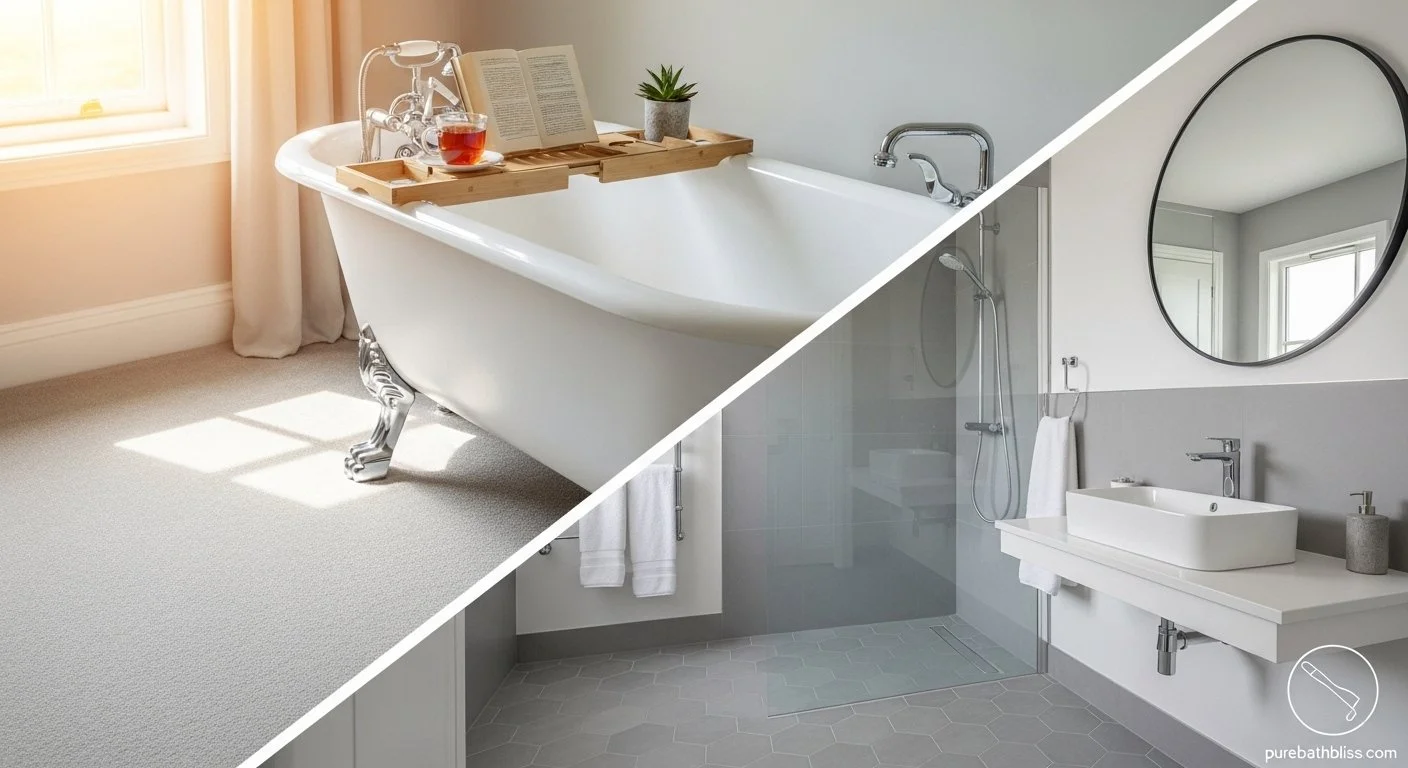
Choosing between carpet and tile for your bathroom can significantly impact hygiene, maintenance, and style. Bathrooms are high-moisture environments, so the right flooring choice is crucial for preventing mold, ensuring safety, and creating a sustainable space. This guide compares carpet and tile, exploring their pros, cons, and best use cases to help you decide what’s better for your bathroom in 2025.
Carpet in the Bathroom
Carpet, typically made from nylon or wool, adds warmth and comfort to a bathroom, softening the feel underfoot.
Pros of Carpet
Comfort and Warmth: Carpet feels soft and warm, ideal for cold floors, especially in master bathrooms with heated options.
Noise Reduction: Absorbs sound, creating a quieter space, beneficial for shared bathrooms.
Aesthetic Versatility: Available in various patterns and colors, complementing spa-like designs.
Eco-Friendly Options: Recycled or organic carpets reduce environmental impact.
Cons of Carpet
Moisture Absorption: Carpet traps water, leading to mold and mildew, a major hygiene risk.
Difficult Cleaning: Stains from soap or hair products are hard to remove, requiring frequent deep cleaning.
Slippery When Wet: Wet carpet increases fall risks, especially for kids or elderly users.
Shorter Lifespan: High humidity shortens carpet life to 5–10 years.
Best for Carpet
Dry Areas: Use in small zones like under a vanity, away from water sources.
Heated Floors: Pair with radiant heating to keep dry.
Tile in the Bathroom
Tile, often ceramic, porcelain, or natural stone, is the standard for bathrooms due to its durability.
Pros of Tile
Water Resistance: Non-porous tiles like porcelain repel water, preventing mold and bacteria growth.
Easy Cleaning: Wipe with vinegar or mild soap for a hygienic surface, aligning with eco-friendly routines.
Durability: Lasts 20–50 years, resisting stains and wear.
Safety: Non-slip options reduce fall risks, ideal for families.
Cons of Tile
Cold Underfoot: Tile feels chilly without heated floors.
Hard on Feet: Less comfortable for standing, especially in large bathrooms.
Installation Cost: Higher upfront costs for materials and labor.
Noise: Echoes sound, making the space feel less cozy.
Best for Tile
Wet Areas: Perfect for showers, tubs, and sinks.
Eco Choices: Recycled porcelain or bamboo tiles for sustainability.
Which Is Better for Your Bathroom?
Tile Wins for Hygiene and Durability: Tile is the superior choice for most bathrooms due to water resistance and ease of cleaning, essential for preventing mold.
Carpet for Comfort in Dry Zones: Use carpet sparingly in low-moisture areas for warmth, but avoid it near water.
Eco Considerations: Opt for recycled tile or organic carpet to minimize environmental impact.
Tips for Bathroom Flooring
Ventilate: Use a smart exhaust fan for 20–30 minutes post-shower to reduce moisture.
Clean Regularly: Wipe tile with vinegar or use a steam cleaner for carpet.
Add Rugs: Place non-slip, machine-washable rugs on tile for comfort.
Test Safety: Ensure non-slip surfaces to prevent falls.
Choose Based on Your Needs
Tile is better for hygiene and longevity in bathrooms, while carpet suits dry, comfort-focused zones. Prioritize tile for wet areas and eco-friendly materials for sustainability, creating a safe, stylish space with PureBathBliss.com.