The Best Room to Bathroom Ratio for Home Value
When you are looking at a house, the number of bedrooms usually gets the most attention. People want to know if there is enough space for their family, an office, or a guest room. But as anyone who has lived in a busy house knows, the number of bathrooms is often more important for daily life.
From a value perspective, bathrooms are one of the most important parts of a home. If a house has four bedrooms but only one bathroom, it is going to be very hard to sell. On the other hand, having too many bathrooms can sometimes feel awkward or like a waste of space.
Finding the right balance, the "ratio", is key to making sure your home is comfortable to live in and easy to sell when the time comes. Here is what you need to know about how many bathrooms a house should have and how that number affects your home's value in 2026.
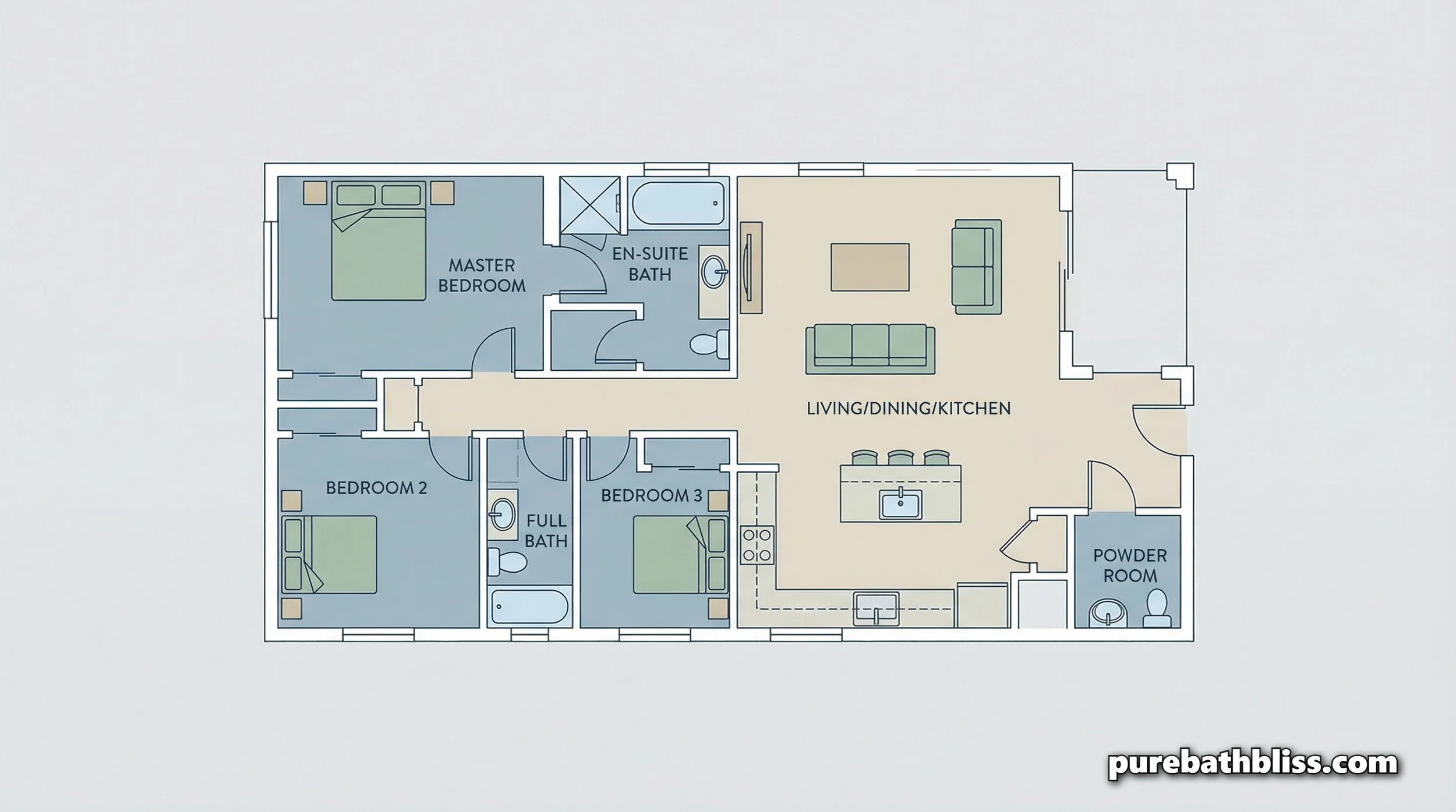
What is the Best Ratio?
In the real estate world, there is a general rule that most experts follow. For a standard family home, the ideal ratio is roughly two bathrooms for every three bedrooms.
This is often called the "3:2 ratio." In a house with three bedrooms, having two full bathrooms is the "sweet spot" for most buyers. This usually means one private bathroom for the main bedroom (an en-suite) and one shared bathroom for the other two bedrooms and guests.
As the house gets bigger, the number of bathrooms should go up as well.
2 Bedrooms: 1 to 1.5 bathrooms.
3 Bedrooms: 2 to 2.5 bathrooms.
4 Bedrooms: 2.5 to 3 bathrooms.
5 Bedrooms: 3 to 4 bathrooms.
The goal is to make sure that no one ever has to wait too long to use the sink or the shower. In 2026, buyers expect convenience. They don't want to share a single bathroom with three other people. If your house doesn't meet these basic expectations, it will likely sell for less than other homes in your neighborhood.
How Extra Bathrooms Effect Resale Value
Adding a bathroom is one of the best ways to increase the value of your home. Unlike some renovations that only return a little bit of what you spend, a new bathroom can often add significant equity to your property.
1. The "One-Bathroom" Problem
If you have a home with only one bathroom, adding a second one is a game changer. Data shows that moving from one bathroom to two can increase a home's value by 10% to 20%. In a competitive market, this can mean a jump of $30,000 to $60,000 in your asking price.
Most families will not even look at a home with only one bathroom. By adding that second one, you are doubling the number of people who might be interested in buying your house. If you are struggling with a small bathroom and aren't sure how to make it work, you might need to clear out the clutter first. See The Bathroom Purge for tips on how to make a small space feel much larger and more functional.
2. The Power of the Half-Bath (Powder Room)
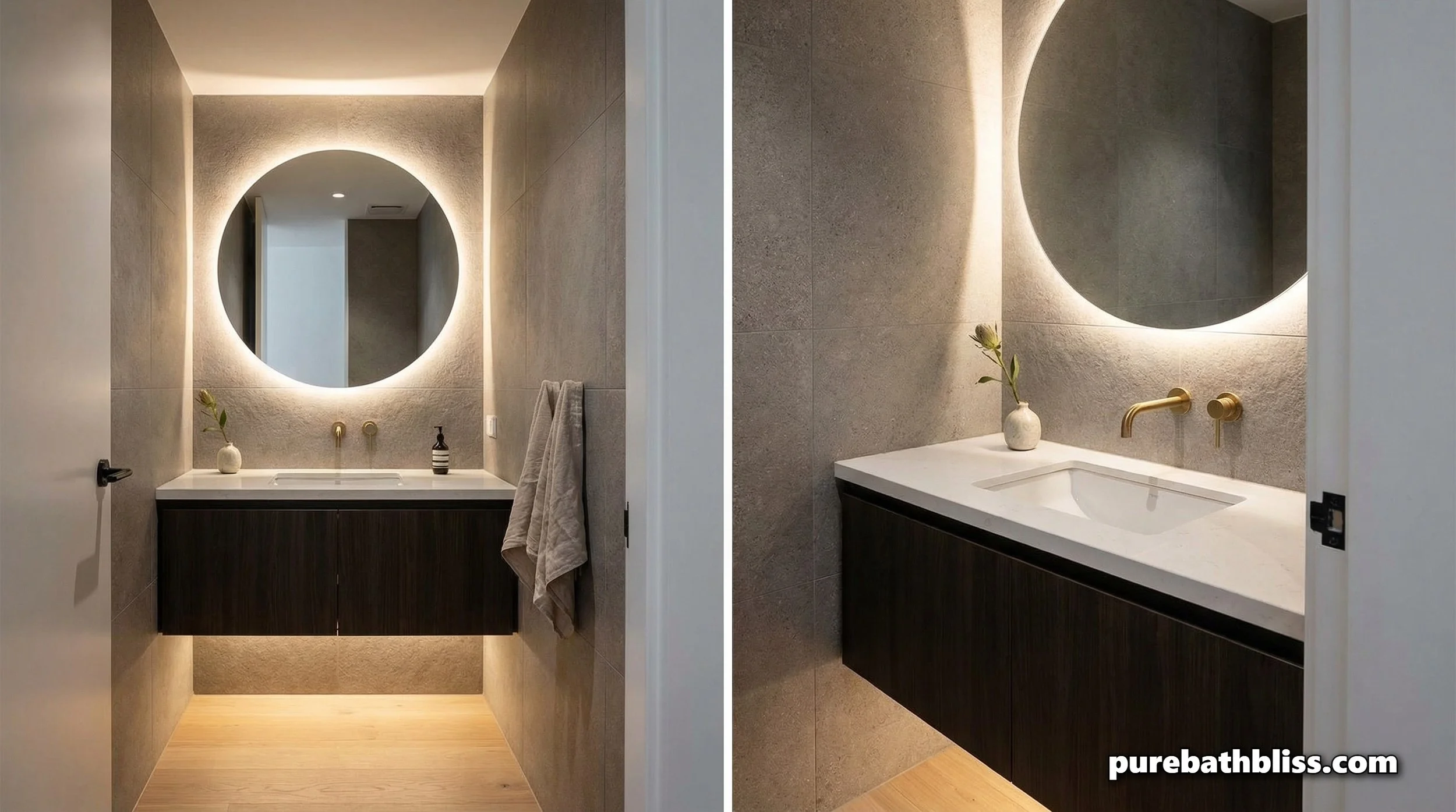
You don't always need a full bathroom with a shower and a tub to add value. A half-bath, which just has a toilet and a sink, is a huge selling point. These are often placed near the living room or kitchen so that guests don't have to go into the private parts of your home to use the restroom.
A well-placed powder room can increase your home's value by 5% to 10%. It makes the home feel more "thought out" and professional. It also protects your private bathrooms from extra wear and tear. If you have a guest bathroom, you want to make sure it is easy to keep up with. Read How to Keep Your Guest Bathroom Simple to learn how to style a powder room so it stays clean and welcoming.
3. ROI on Bathroom Additions
In 2026, a "mid-range" bathroom addition—meaning one that uses good quality materials but isn't overly luxurious—usually recoups about 50% to 60% of its cost immediately. While you might spend $25,000 to add a bathroom, your home's value might go up by $15,000 to $20,000.
While that might not seem like a "profit," you have to remember the "salability" factor. A home with the right number of bathrooms sells much faster. If your house sits on the market for six months because it only has one bathroom, you are losing money every month in mortgage payments and taxes.
Can You Have Too Many Bathrooms?
It is possible to go overboard. A house should never have more bathrooms than it has bedrooms. For example, a three-bedroom house with five bathrooms feels "off." It suggests that the builder didn't know how to use the space effectively.
When you have too many bathrooms, you are also adding a lot of maintenance work for yourself. Every bathroom has grout that needs to be sealed, caulk that needs to be checked, and faucets that get water spots.
If you are worried about your floors, remember that more bathrooms means more area to maintain. See Why Your Bathroom Floor is Working Harder Than You Think to understand the work involved in keeping these surfaces safe.
More faucets means more mineral buildup. Check out Why Your Faucets Get Water Spots (And How to Clean Them) to see how to handle the extra cleaning.
More wet areas mean more chances for moisture to trap in the house. You’ll need to be even more careful with your ventilation, as we discussed in How to Stop Moisture Before It Causes Damage.
Factors That Matter More Than the Number
While the number is important, the quality and location of the bathrooms matter even more to a buyer.
1. The Main Suite En-suite
A main bedroom with its own private, attached bathroom is a requirement for most buyers in 2026. If a four-bedroom house doesn't have an en-suite, it is considered "functionally obsolete" in many markets. Adding a bathroom to the main bedroom is almost always the highest-return renovation you can do.
2. Location for Guests
A bathroom should be easy to find. If a guest has to walk through a bedroom or laundry room to find a toilet, the layout is flawed. A "good" layout has a bathroom near the common living areas.
3. Condition and Seals
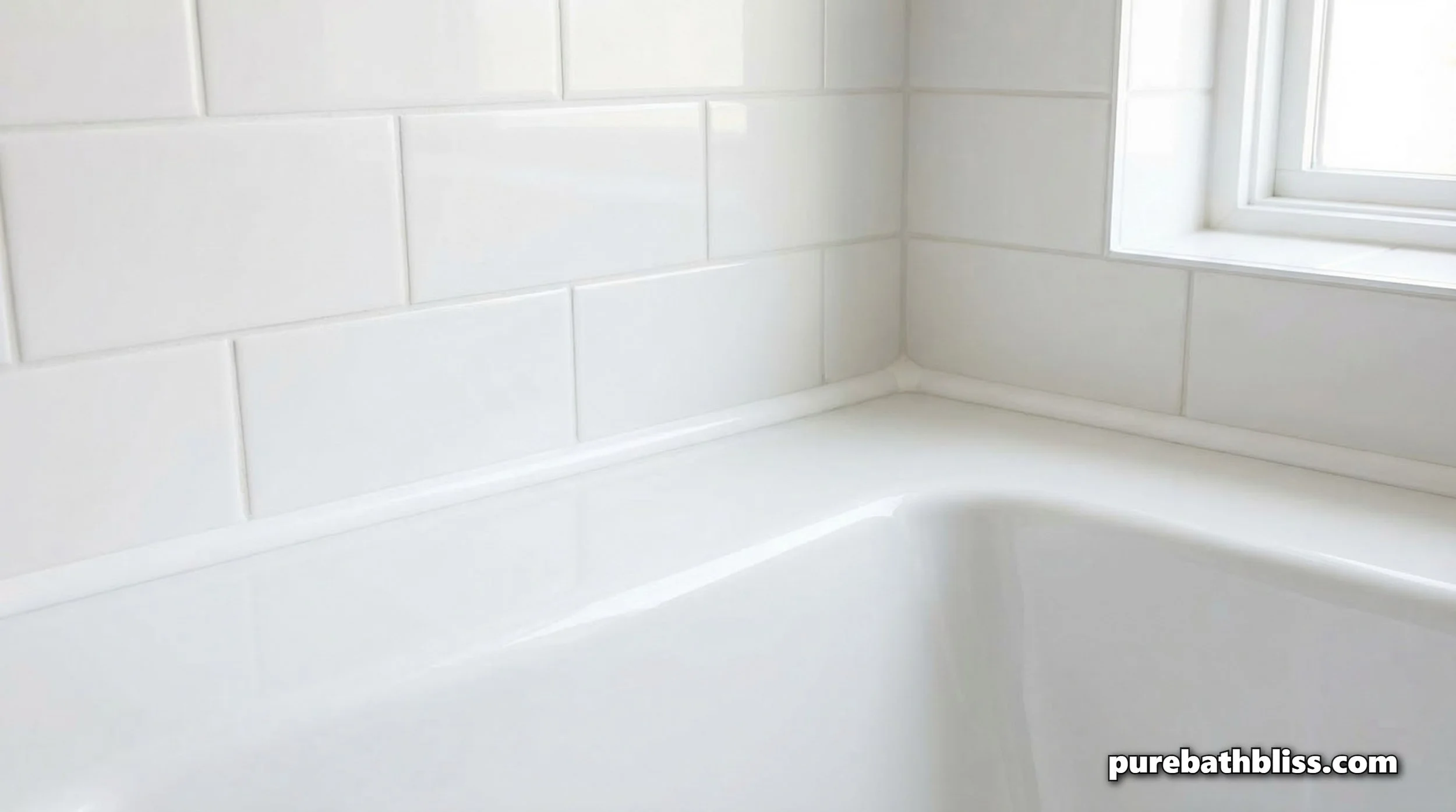
A buyer will look at the number of bathrooms first, but then they will look at the condition. If the caulk is peeling or the grout is moldy, they will start "counting dollar signs" for repairs. Keeping your bathrooms in top shape is the best way to protect your resale value. Make sure your seals are perfect by following the advice in Why Your Caulk is the Bathroom’s First Line of Defense.
Managing the Extra Work
If you decide to add a bathroom to increase your home's value, you have to be ready for the extra maintenance. More bathrooms mean more potential for accidents. Whether it is a clogged toilet or a spilled bottle of cleaner, you need to know how to handle it without damaging your new investment. Keep our guide on How to Clean a Bathroom Accident handy so you can react quickly.
You also need to make sure your new bathroom doesn't become a storage dump for extra supplies. It can be tempting to fill those new cabinets with extra shampoo and soap. Stay organized from day one. Use the tips in How to Store Your Shampoo to keep your new bathroom looking like a showroom rather than a warehouse.
Conclusion: Finding Your Balance
The right number of bathrooms for your house depends on your family's needs and your local real estate market.
If you have a one-bathroom home, adding a second one is the best move you can make for resale value.
If you have a three-bedroom home, aim for two full bathrooms and a powder room.
If you have a large home, make sure every bedroom has easy access to a bathroom, and try to give the main bedroom its own private space.
By sticking to the 3:2 ratio and keeping your bathrooms in excellent condition, you ensure that your home is both a great place to live and a smart financial investment. A clean, well-maintained bathroom system is one of the most attractive features a house can have.