Why Bamboo Is Perfect to Use in the Bathroom
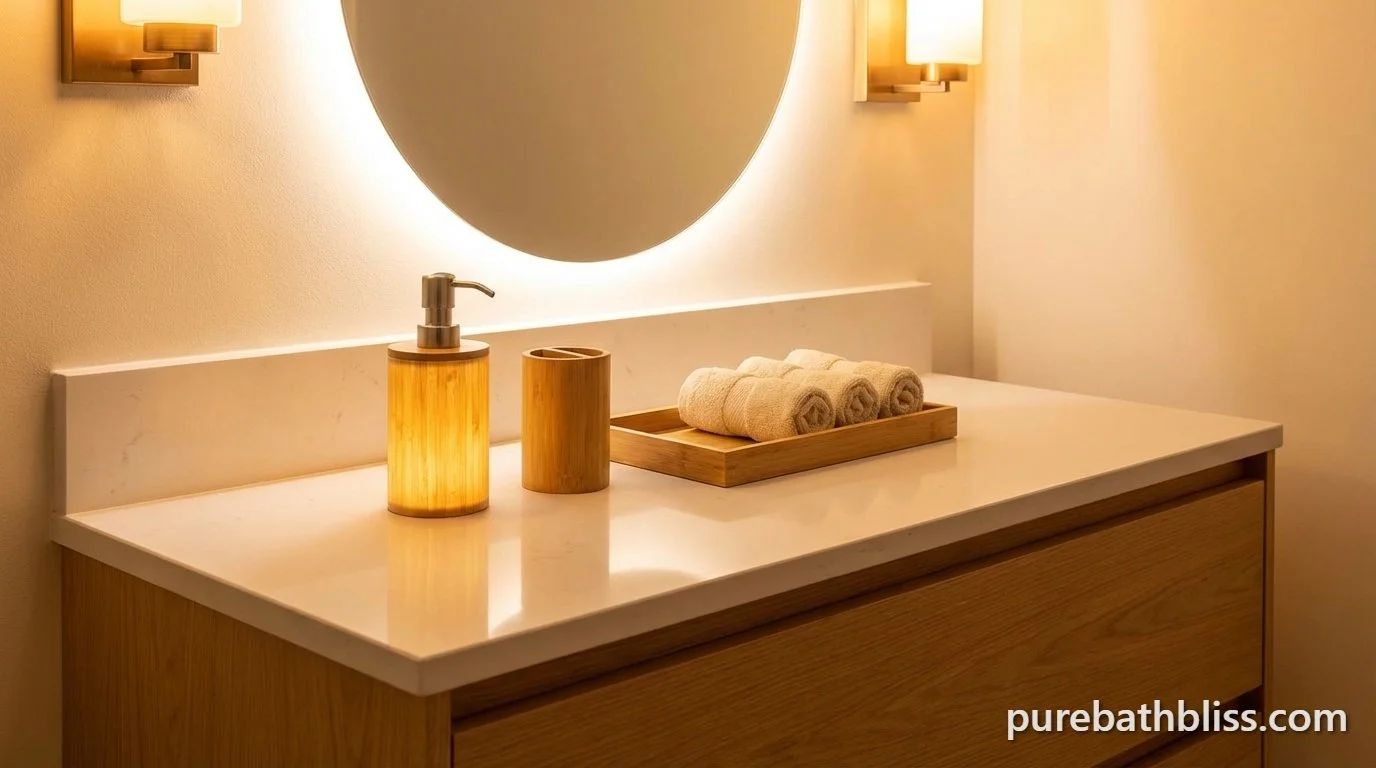
When you think of upgrading your bathroom, you might think of cold materials: chrome faucets, white porcelain, and glass dividers. While these look clean, they can often leave a space feeling sterile and "hospital-like."
To bring warmth back into the room, many designers turn to wood. But there is a problem: wood and water generally do not mix. High humidity causes traditional oak or pine to warp, crack, and rot.
Enter Bamboo.
Technically a grass rather than a tree, bamboo has rapidly become the gold standard for bathroom accessories. From bath mats to toothbrush holders, this material isn't just an aesthetic choice—it is a functional powerhouse. It is naturally antibacterial, incredibly water-resistant, and stronger than many hardwoods.
If you are looking to banish plastic from your home and create a sanctuary that feels like a Balinese spa, here is why bamboo should be your material of choice.
1. The "Anti-Gross" Factor: Natural Antibacterial Properties
The bathroom is, unfortunately, the germiest room in the house. The combination of heat and moisture creates the perfect breeding ground for bacteria and mold. Plastic accessories are notorious culprits; over time, plastic develops microscopic scratches that harbor bacteria which no amount of scrubbing can fully remove.
Bamboo has a secret weapon against this: Bamboo Kun.
"Bamboo Kun" is a naturally occurring bio-agent found within the bamboo fiber. It is highly resistant to bacteria, fungi, and pests. In nature, this protects the plant as it grows. In your bathroom, it means your toothbrush holder or soap dish is actively fighting off microbes 24/7.
While no material is self-cleaning, bamboo is significantly more hygienic than plastic or cheap porous woods, making it the safest choice for items that touch your toiletries.
2. Built for Humidity: Nature’s Water Resistance
Why does wood rot? Because it absorbs water, swells up, and then shrinks when it dries. This constant movement causes cracking.
Bamboo is different. Because it grows in hot, tropical, and humid climates, it has evolved to handle moisture.
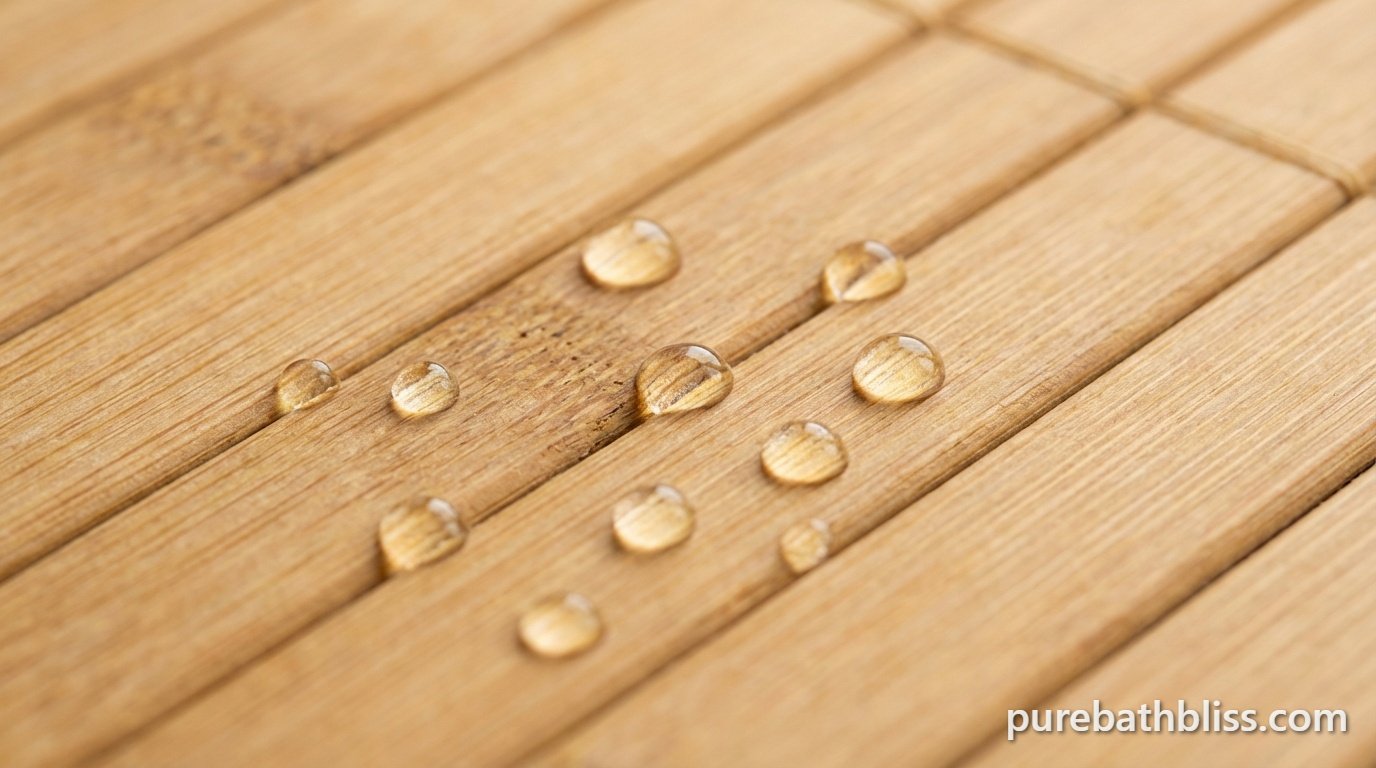
The Silica Shield: Bamboo fibers contain a high concentration of silica. This creates a dense, protective barrier that repels water rather than absorbing it.
Dimensional Stability: Bamboo is less likely to warp or swell in a steamy bathroom than traditional hardwoods.
While bamboo isn't 100% waterproof (you shouldn't leave it submerged in a tub of water for days), it is highly hydrophobic. A bamboo bath mat, for example, will dry out much faster than a cotton rug, reducing that lingering damp smell in the bathroom.
3. Stronger Than Steel (Literally)
Do not let the lightweight nature of bamboo fool you. It is incredibly robust.
In structural engineering tests, bamboo has shown a tensile strength (resistance to being pulled apart) that rivals, and sometimes exceeds, steel. Its compressive strength (resistance to being crushed) is often higher than concrete.
In a bathroom context, this means longevity. A plastic shower caddy might crack if you drop it, or become brittle and yellow over time. A bamboo caddy or stool can withstand the weight of heavy shampoo bottles, the steam of the shower, and the occasional knock without losing its structural integrity.
When you buy bamboo, you are buying a "forever" item, not something you will need to replace in a year.
4. The Aesthetic: Instant Spa Vibes
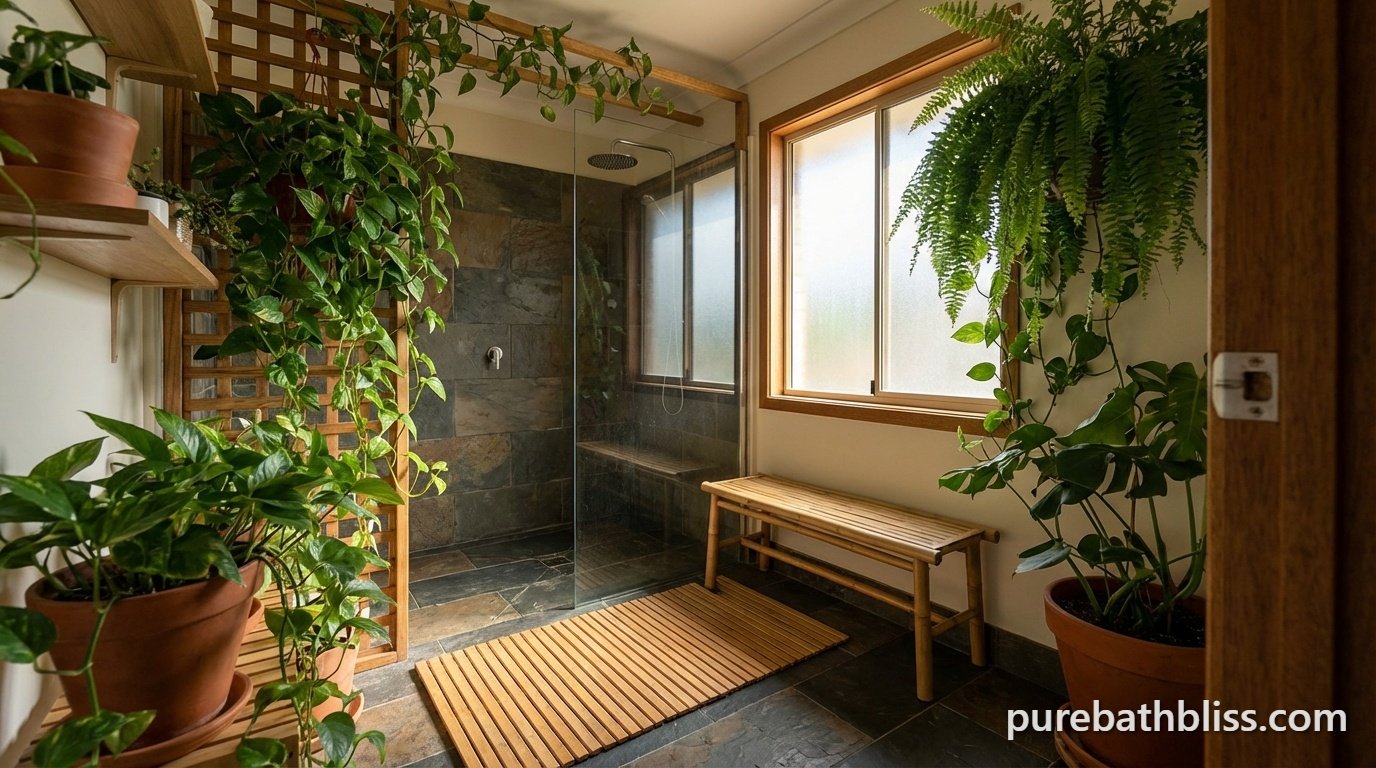
Design trends are moving away from the all-white, clinical look and embracing "Biophilic Design"—the concept of bringing the outdoors inside.
Bamboo offers a warm, neutral tone that complements almost any color palette.
Against White: It adds a pop of warmth to stark white tiles.
Against Dark Colors: It creates a striking, modern contrast against navy or charcoal walls.
Texture: The natural grain adds visual interest that flat plastic simply cannot match.
Adding just a few bamboo accents—like a wastebasket, a tray, or a bath mat—instantly grounds the room and makes it feel organic and cozy.
5. The Ultimate Eco-Warrior
Perhaps the most compelling reason to switch to bamboo is the environmental impact. If you are trying to reduce your carbon footprint, bamboo is unbeatable.
Rapid Growth: A hardwood tree (like oak) takes 40 to 60 years to reach maturity. Bamboo can reach full maturity in just 3 to 5 years. Some species can grow up to 3 feet in a single day!
Regenerative: When you harvest a tree, the tree dies. When you harvest bamboo, the root system stays intact and shoots up new stalks. It is a self-replenishing resource that requires no replanting.
Chemical-Free: Because of its natural pest resistance (thanks to Bamboo Kun), bamboo is rarely grown with pesticides or fertilizers.
Carbon Sequestration: Bamboo forests produce 35% more oxygen than equivalent stands of trees and absorb massive amounts of carbon dioxide.
By choosing a bamboo toothbrush or hairbrush, you are actively voting against the plastic industry and supporting a sustainable future.
How to Care for Bamboo (The 3 Rules)
While bamboo is tough, it is still a natural material. To keep it looking brand new for decades, follow these three simple maintenance rules.
Rule 1: Don't Let it Soak
Bamboo loves humidity, but it hates standing water.
The Fix: If you use a bamboo soap dish, make sure it has slats for drainage. If you use a bamboo bath mat, lean it up against the wall once a week to let the bottom air out.
Rule 2: The Ventilation Habit
Mold can grow on anything if the room never dries out.
The Fix: Always run your exhaust fan for 20–30 minutes after a shower. This pulls the moisture out of the air and protects your bamboo (and your drywall!).
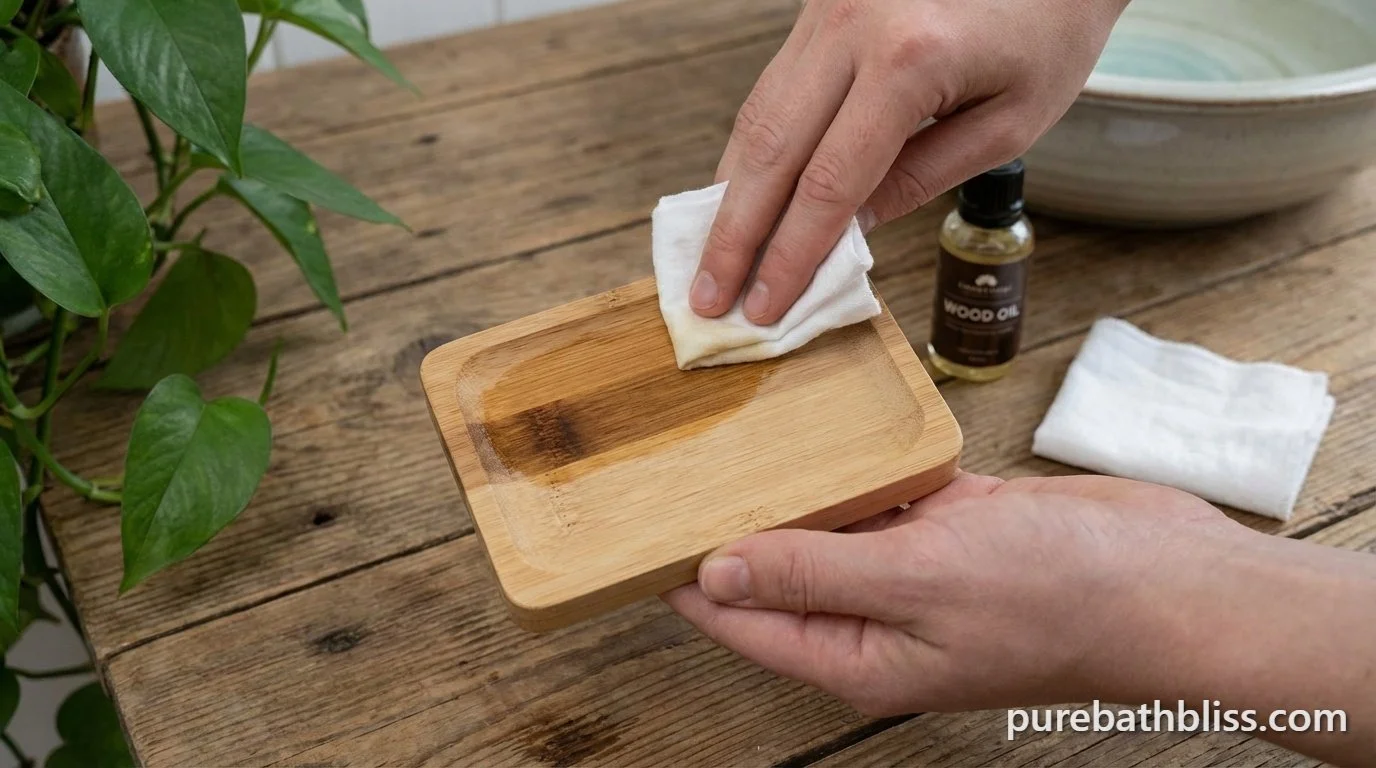
Rule 3: The Oil Refresh
Over time, soap and water can strip the natural oils from the surface, making the bamboo look dry or "chalky."
The Fix: Every 3 to 6 months, take a clean cloth and rub a small amount of linseed oil, tung oil, or even food-grade mineral oil into the wood. This re-seals the silica layer, restores the rich color, and waterproofs the grain.
Top Bamboo Swaps to Make Today
Ready to make the switch? Here are the easiest swaps to start your eco-bathroom journey:
The Bath Mat: Swap your soggy, bacteria-trapping fabric rug for a slatted bamboo mat. It feels like a spa under your feet and dries instantly.
The Toothbrush: 1 billion plastic toothbrushes end up in landfills every year. Bamboo brushes are biodegradable and look great in a cup.
The Shower Bench: If you have a walk-in shower, a bamboo bench adds a luxury seating area that can withstand the water.
Drawer Organizers: Tame the clutter of makeup and grooming tools with bamboo dividers that are durable and easy to wipe clean.
Conclusion: A Small Swap for a Big Impact
Bamboo represents the perfect marriage of form and function. It is tough enough to handle the harsh environment of a bathroom, beautiful enough to elevate your decor, and kind enough to the planet to make you feel good about buying it.
By incorporating this miracle grass into your home, you aren't just decorating; you are creating a healthier, cleaner, and more sustainable sanctuary.
Up Next: Complete the Aesthetic
You have the natural wood elements and the spa vibes sorted. Now, you need the linens to match. Nothing ruins a bamboo-themed bathroom faster than mismatched, faded towels.
Learn why 5-star hotels strictly use white linens and how they keep them spotless in our guide: The Psychology of White Towels: Why 5-Star Hotels Never Use Colors.