What Is the Ideal Type of Countertop for Your Bathroom?
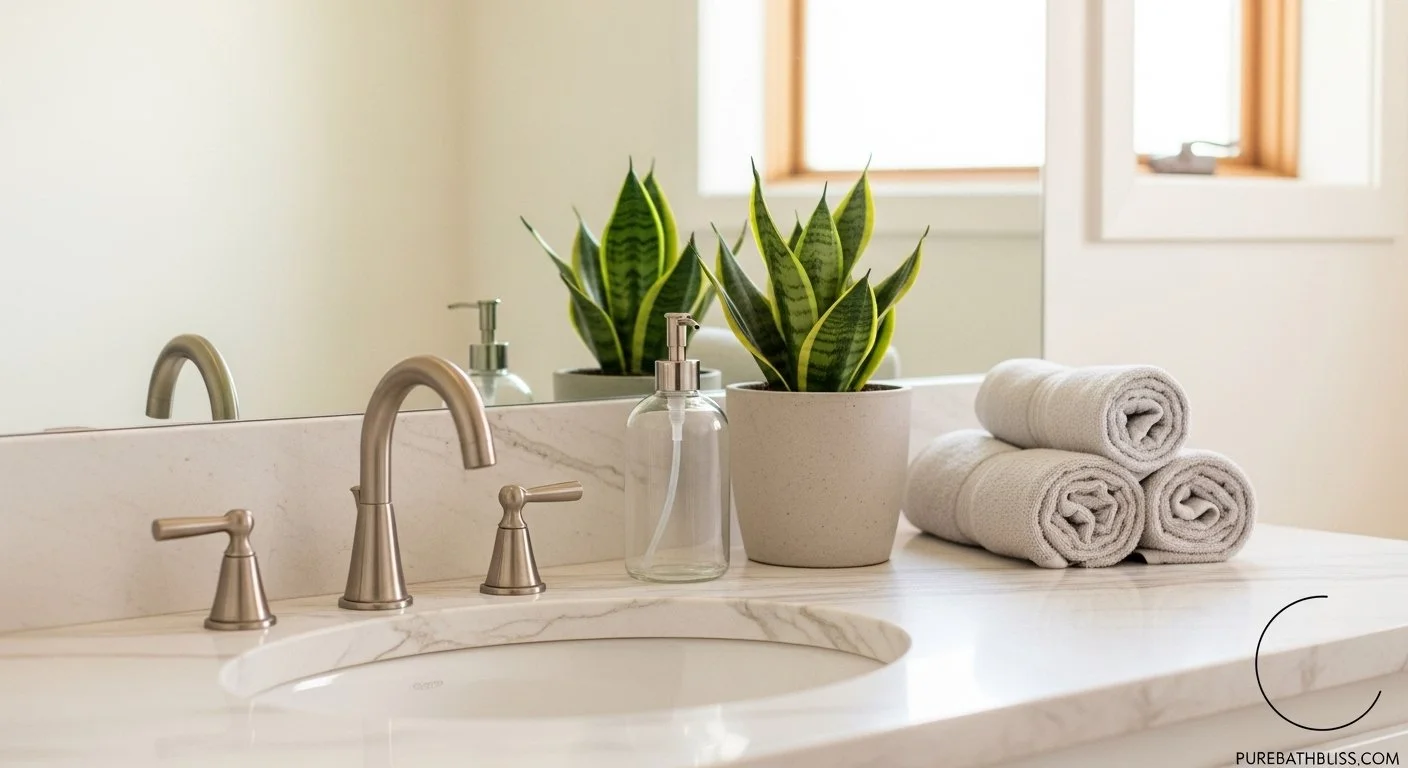
Choosing the ideal bathroom countertop transforms your space, balancing style, durability, and functionality. With daily exposure to water, soap, and humidity, bathroom countertops must withstand wear while maintaining a hygienic, eco-friendly aesthetic. From natural stone to budget-friendly laminates, the best countertop depends on your budget, maintenance preferences, and design goals. This guide explores key factors and popular materials to help you find the perfect countertop for your sustainable bathroom.
Key Factors for Choosing a Bathroom Countertop
Durability: Must resist water, stains, and scratches from daily use.
Maintenance: Should be easy to clean with non-toxic solutions to maintain hygiene.
Style: Complements modern or eco-friendly bathroom designs, like those with bamboo accessories.
Cost: Fits your budget, from affordable laminates to premium stones.
Sustainability: Eco-friendly materials reduce environmental impact.
Popular Countertop Materials
1. Quartz
Why It’s Ideal: Quartz, an engineered stone, is non-porous, resisting water, stains, and bacteria, making it perfect for humid bathrooms. Its sleek look suits modern designs.
Pros:
Highly durable and scratch-resistant.
Low maintenance; cleans with soap and water.
Wide range of colors and patterns.
Cons:
Mid-to-high cost ($50–$100 per square foot).
Not fully natural, though some brands use recycled materials.
Best For: Busy bathrooms needing durability and style.
2. Granite
Why It’s Ideal: A natural stone, granite offers unique patterns and high durability, ideal for a luxurious, eco-conscious bathroom.
Pros:
Resistant to heat and scratches.
Natural beauty with unique veining.
Long-lasting with proper sealing.
Cons:
Requires periodic sealing to prevent stains.
Expensive ($60–$120 per square foot).
Best For: High-end bathrooms with sustainable elegance.
3. Porcelain
Why It’s Ideal: Porcelain slabs mimic natural stone but are non-porous and lightweight, offering a budget-friendly, eco-friendly option.
Pros:
Water- and stain-resistant.
Affordable ($40–$80 per square foot).
Easy to clean with natural cleaners.
Cons:
Can chip under heavy impact.
Fewer unique patterns than natural stone.
Best For: Eco-conscious bathrooms on a budget.
4. Laminate
Why It’s Ideal: Laminate is a cost-effective, versatile option with designs mimicking stone or wood, ideal for renters or small bathrooms.
Pros:
Budget-friendly ($20–$50 per square foot).
Easy to install and clean.
Wide variety of styles.
Cons:
Less durable; prone to scratches and water damage if not sealed.
Not as eco-friendly due to synthetic materials.
Best For: Temporary or low-budget bathroom upgrades.
5. Solid Surface (e.g., Corian)
Why It’s Ideal: Made from acrylic or polyester blends, solid surface countertops are seamless, non-porous, and repairable, offering a hygienic, modern look.
Pros:
Stain- and water-resistant.
Seamless design prevents bacterial growth.
Repairable scratches for longevity.
Cons:
Moderate cost ($40–$90 per square foot).
Can discolor with heat exposure.
Best For: Minimalist bathrooms prioritizing hygiene.
Choosing the Ideal Countertop
The ideal bathroom countertop depends on your priorities:
For Durability and Low Maintenance: Quartz or solid surface countertops are top choices for their non-porous, easy-to-clean surfaces, perfect for busy families.
For Luxury and Eco-Friendliness: Granite or porcelain offers natural beauty and sustainability, aligning with green bathroom goals.
For Budget and Versatility: Laminate provides affordable style, ideal for renters or temporary upgrades.
Tips for Maintenance and Style
Clean Regularly: Use a vinegar-water solution or non-toxic cleaner to prevent buildup.
Seal Natural Stone: Granite requires annual sealing to maintain stain resistance.
Pair with Eco-Accessories: Combine with a bamboo soap dish or towel rack for a sustainable look.
Ventilate: Use a smart exhaust fan to reduce humidity and protect countertops.
By selecting a countertop that balances durability, style, and sustainability, you’ll create a functional, eco-friendly bathroom that elevates your daily routine.