Why Is There Water on My Windows? Understanding (and Fixing) Window Condensation
Transparency Note: We independently select these products based on research and user reviews. If you buy something through our links, we may earn a commission.
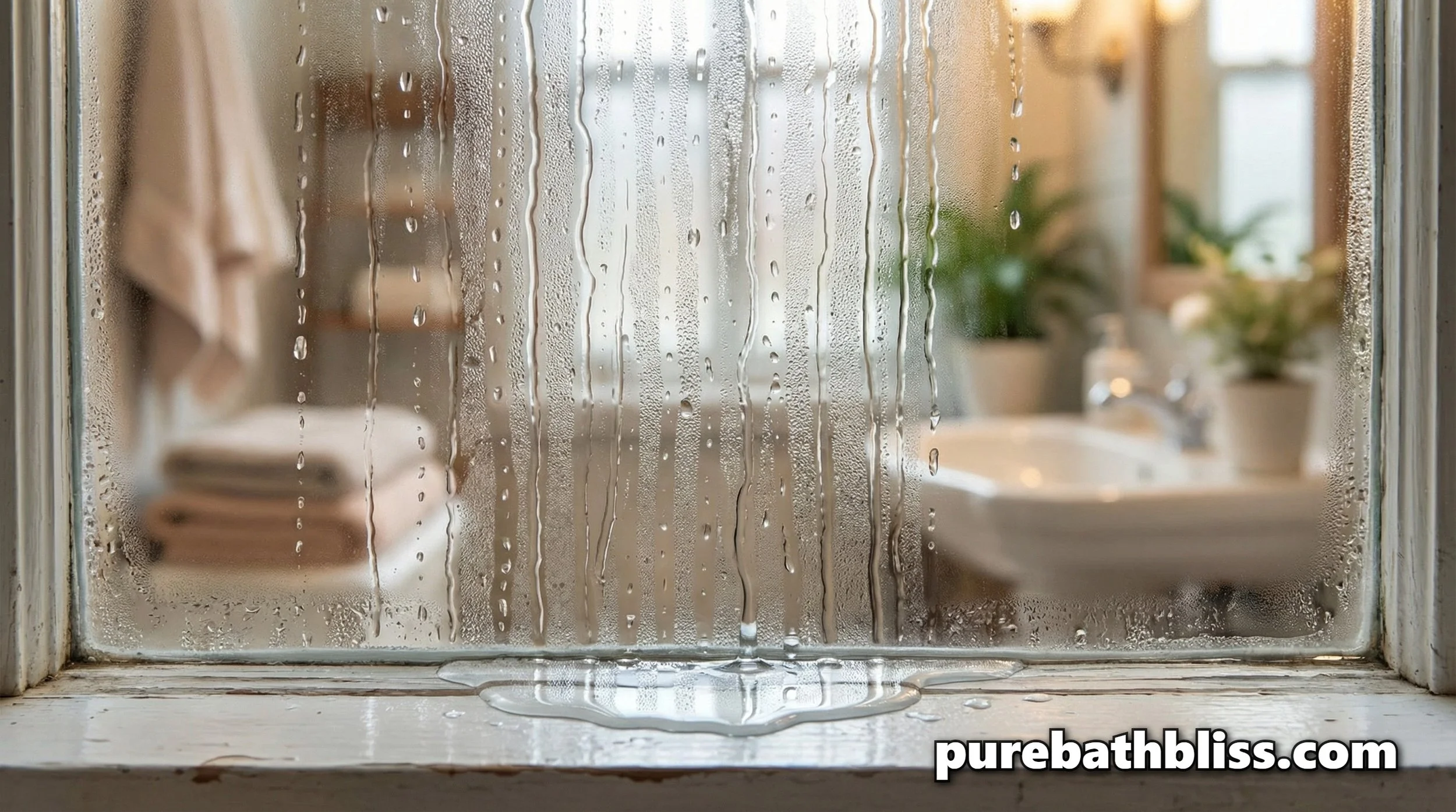
It’s a cold January morning. You walk into your bathroom, and the first thing you notice isn't the beautiful Cast Iron Plant on the counter, it’s the streaks of water running down the glass and pooling on the wooden windowsill.
In the industry, we call this "sweating windows," and it’s one of the most common complaints I hear during the winter months. While a little bit of fog might seem harmless, as a builder, I see it as a warning light. That water is a signal that the "health" of your home’s air and the efficiency of your windows are out of balance.
If left unchecked, that moisture can lead to black mold, peeling paint, and eventually, rotted window frames. Let’s break down exactly why this happens and what you can do to keep your Sustainable Sanctuary dry and healthy.
1. The Science: Why Windows "Sweat"
To fix the problem, you first have to understand the physics. Condensation happens when warm, moist air meets a cold surface.
Think of a cold can of soda on a hot summer day. The air around the can is warm and holds moisture (humidity). When that air touches the ice-cold metal of the can, it cools down instantly. Cold air can’t hold as much moisture as warm air, so it "drops" the water onto the surface of the can.
In your home, your windows are the "cold soda can." The glass is the thinnest barrier between your warm, cozy bathroom and the freezing winter air outside. When the high humidity from your morning shower hits that cold glass, it turns into liquid water.
2. The Three Main Culprits
When I'm inspecting a house for moisture issues, I look for three specific things:
A. High Interior Humidity
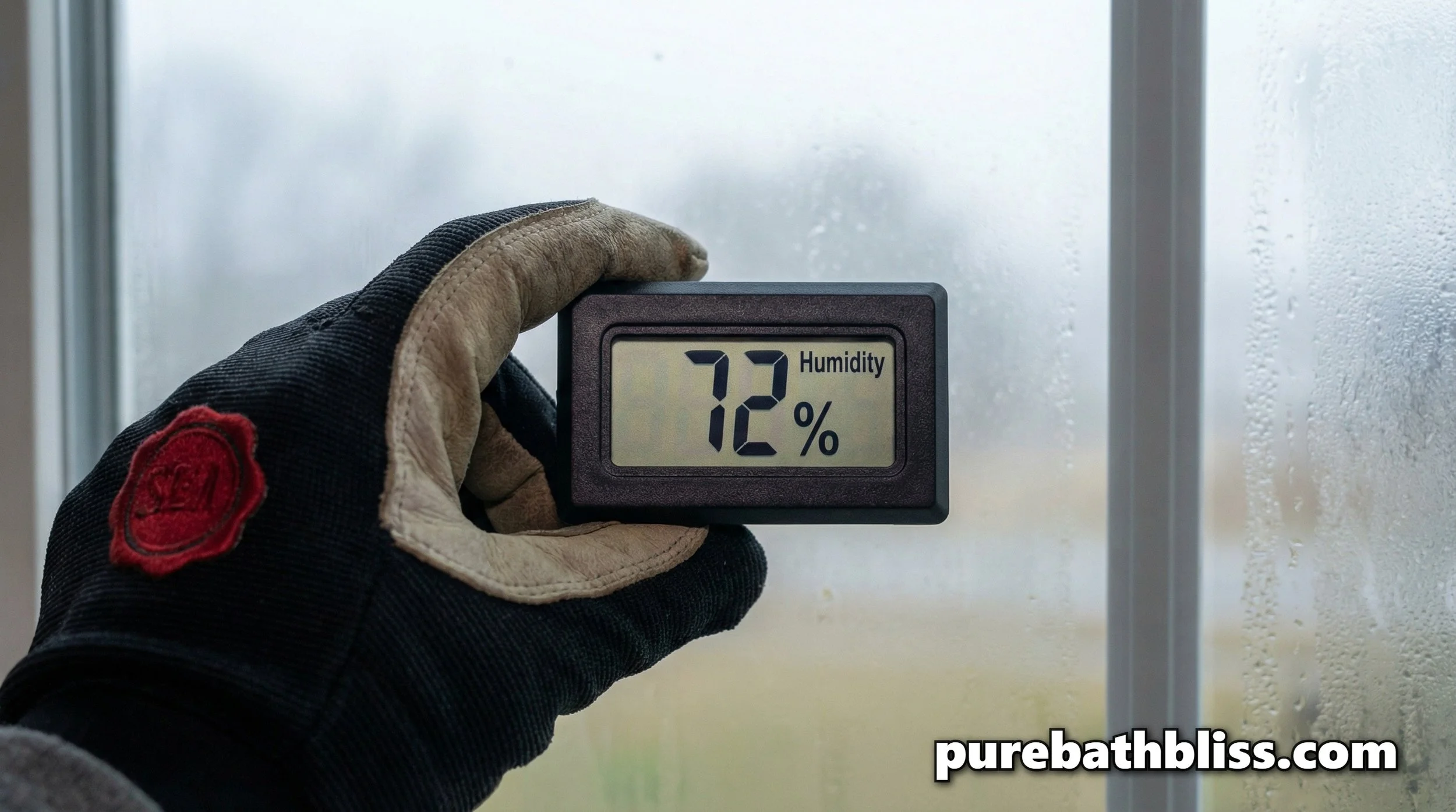
This is the most common cause. Every time we shower, boil water, or even breathe, we add moisture to the air. In a bathroom, the humidity can spike to 80% or 90% in minutes. If that moisture has nowhere to go, it will find the coldest surface available, your windows.
B. Poor Ventilation
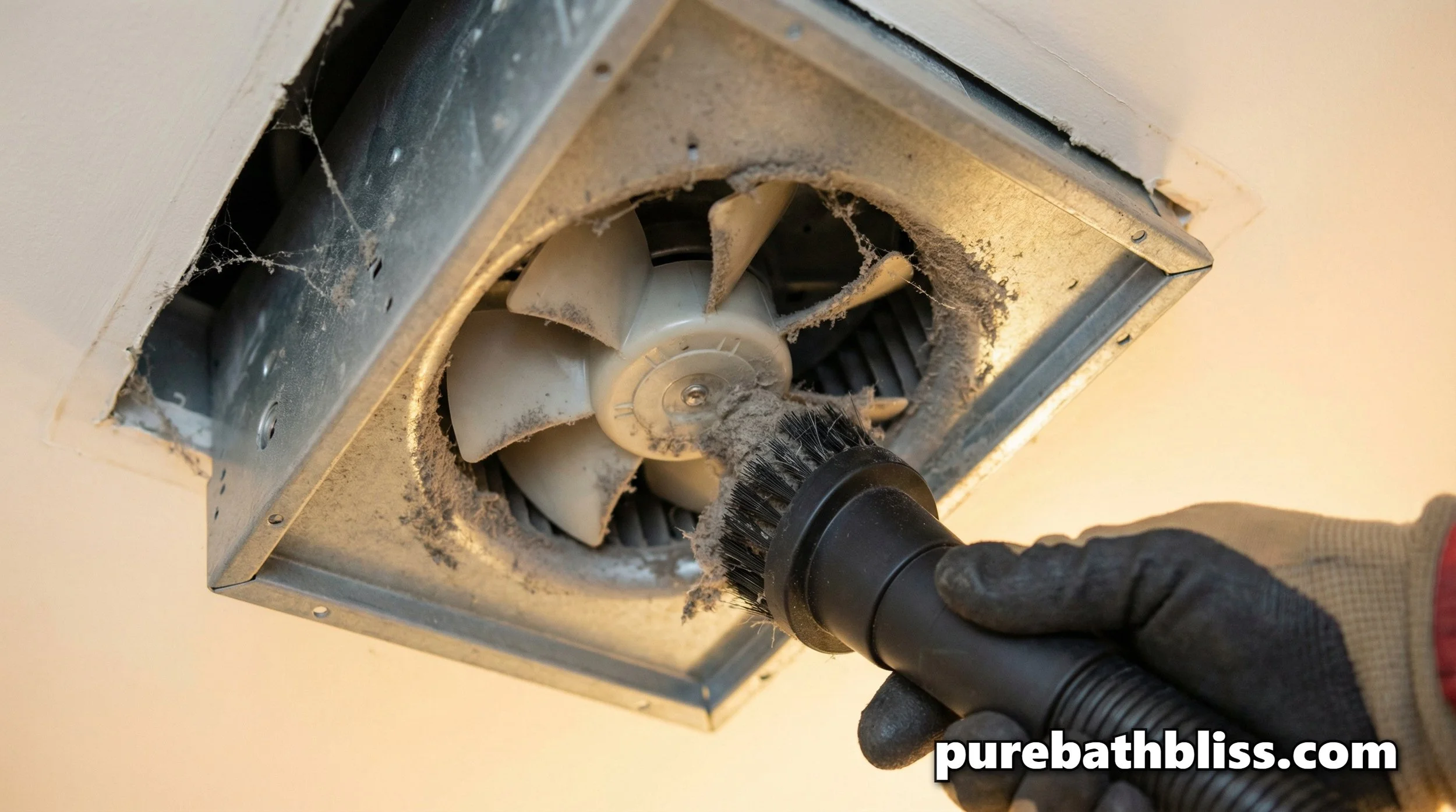
This is a topic we touch on a lot in our Spider Plant Care Guide. If your bathroom fan isn't powerful enough, or if you aren't running it long enough, that moist air stays trapped in the room.
C. Failing Window Seals
If you have double-pane windows and you see fog between the two pieces of glass, that’s a different story. That means the "seal" has failed, and the insulating gas (argon) has escaped. In this case, no amount of cleaning will fix the fog, the window unit likely needs to be replaced.
3. How Humidity Affects Your Home’s Health
Excess water on windows isn't just a cleaning chore; it's a structural risk.
The Mold Connection: Mold spores love two things: moisture and organic material (like the wood of your window frame or the paper on your drywall). Constant condensation creates the perfect breeding ground for black mold, which can affect the air quality for your whole family.
Structural Rot: As a carpenter, I’ve replaced countless windows where the "bones" of the wall were rotted out because water had been seeping behind the trim for years. By the time you see the paint bubbling, the damage is often deep inside the wall.
4. Practical Fixes: How to Stop the Sweat
You don't always need to replace your windows to solve this. Here are the steps I recommend starting today:
Step 1: Control the Source
The Fan Rule: Turn your bathroom fan on before you start the shower and leave it running for at least 20 minutes after you’re done.
Wipe it Down: Use one of your Upcycled Towel Rags to quickly wipe the standing water off the glass and sills every morning. Don't let it sit there and soak into the wood.
Step 2: Improve Airflow
Open the Blinds: During the day, keep your blinds or curtains open. Trapping air between a heavy curtain and the glass creates a "micro-climate" that encourages condensation. Letting the room's air circulate against the glass helps keep it dry.
The "Penny" Trick: Check your window tracks. Sometimes the tiny "weep holes" at the bottom of the window frame get clogged with dirt. If water can't drain out, it stays trapped. Clean them out with a small wire or a toothpick.
Step 3: The "Carpenter’s Upgrade" (Mid-Budget)
If your fans are working and your humidity is low, but the windows are still freezing cold, you might need to improve the "thermal break."
Window Film: Inexpensive plastic shrink-film kits can be applied to the inside of the frame. It creates an extra layer of dead air that prevents the warm room air from touching the cold glass.
Re-Caulking: Check the exterior and interior caulking. If there are air leaks around the frame, the window gets even colder. A fresh bead of high-quality silicone caulk can make a world of difference.
5. What Is the "Ideal" Humidity?
To keep your home healthy, you should aim for an interior humidity level between 30% and 50% during the winter.
If you go below 30%, your skin gets dry and your Peace Lily might start to complain. If you go above 50%, you’re inviting the "sweaty window" monster back into your life.
Conclusion: Listen to Your Windows
Your windows are like the "check engine light" for your home. When they start to sweat, they are telling you that the air inside your sanctuary needs more balance. By managing your humidity and ensuring proper ventilation, you aren't just protecting your window frames—you're protecting the health and longevity of your entire home.
Take five minutes today to check your bathroom fan and wipe down those sills. Your house (and your lungs) will thank you.
Greg’s Moisture-Control Toolkit
The Monitor: Digital Hygrometer. This is the only way to truly know your humidity levels.
The Scrubber: All-Natural Mold & Mildew Cleaner. Use this if you already see dark spots on your sills.
The Sealant: High-Performance Silicone Caulk. Perfect for sealing those tiny air leaks.
The Moisture Grabber: Reusable Dehumidifier Bags. Great for small bathrooms without great fans.