How Often Should I Recaulk My Bathtub? The Definitive 2026 Guide to a Leak-Free Sanctuary
A relaxing soak in the tub is one of life's simple pleasures, a cornerstone of "Pure Bath Bliss." However, the integrity of that peaceful sanctuary relies on something remarkably simple: a thin bead of flexible sealant.
A well-maintained bathtub enhances bathroom hygiene and ensures the longevity of your home’s structure. But the common question plagues many homeowners: how often should you actually recaulk it?
In 2026 as homeowners increasingly focus on sustainable bathroom care, prioritizing longevity and non-toxic living, understanding recaulking frequency is crucial. Ignoring this maintenance task isn't just an aesthetic issue; it’s the primary cause of preventable mold and expensive hidden leaks. This guide explores when and how to recaulk your bathtub, aligning with PureBathBliss.com’s mission for a clean, eco-friendly, and durable space.
Why Recaulking Matters: More Than Just Looks
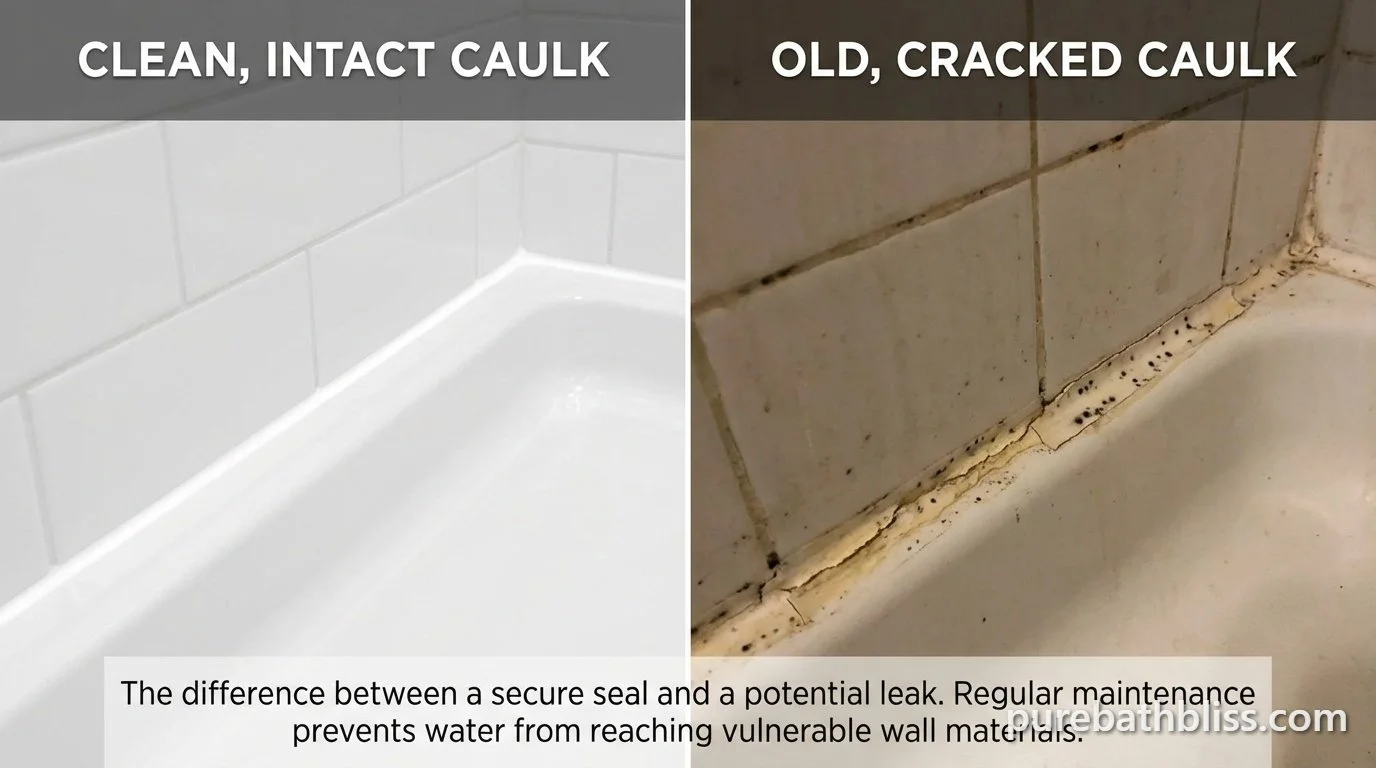
Before diving into timelines, it is essential to understand the critical role caulk plays. It is not merely decorative trim. Caulk is the functional waterproof seal spanning the expansion gap between your bathtub (which may shift slightly when filled with heavy water and people) and the shower walls or floor.
When this seal is intact, water flows down the walls and into the tub drain. When it fails, water seeps into the gap. Behind your tiles or surround lies drywall, wood studs, and subflooring. These materials act like sponges.
As noted in our guide on maintaining a “Mold-Free Shower,” chronic moisture intrusion in these hidden areas leads to dry rot, structural weakening, and significant mold growth that you often can't see until the damage is severe. Regular recaulking is far cheaper and more sustainable than ripping out water-damaged walls.
The General Timeline: How Often Should You Recaulk?
There isn't a single expiration date for bathtub caulk, but there are widely accepted industry standards based on material and environment.
The Golden Rule: Generally, you should plan to recaulk your bathtub every 5–10 years.
However, this is a wide window. Where you fall within that range depends heavily on two main factors:
1. The Material Used
Not all caulks are created equal. The longevity of the job depends heavily on the product selected during the last application.
100% Silicone (The Gold Standard): Silicone is highly flexible, water-repellent, and resistant to shrinking. A high-quality silicone application can last 10+ years if maintained well. It is best for tubs and showers due to its ability to handle movement without cracking.
Acrylic Latex (Siliconized Latex): While easier to apply and clean up with water, acrylic caulk is less flexible and more prone to shrinking over time in wet environments. It typically lasts 5–7 years in a shower setting before needing attention.
2. Household Usage Frequency
Your lifestyle dictates the wear and tear on your bathroom.
Standard Usage: A guest bathroom or one used by a single person daily will likely reach the 10-year mark.
High Usage: A main family bathroom used multiple times daily by adults, kids, and perhaps even for washing pets puts immense strain on the seal. The constant wetting and drying cycles, combined with the weight fluctuation in the tub, accelerate degradation. High-traffic bathrooms often require recaulking every 3–5 years.
5 Critical Signs It’s Time to Recaulk NOW
Do not wait for the ten-year anniversary if you see physical signs of failure. If you notice any of the following, the seal is compromised, and water is currently getting behind your walls.
1. Visible Cracks or Peeling
This is the most obvious sign. If the caulk has dried out and cracked down the center, or if it is peeling away from either the tub lip or the tile, it has failed. Even a hairline crack is enough for water to seep through via capillary action.
2. Persistent Mold and Mildew Behind the Seal
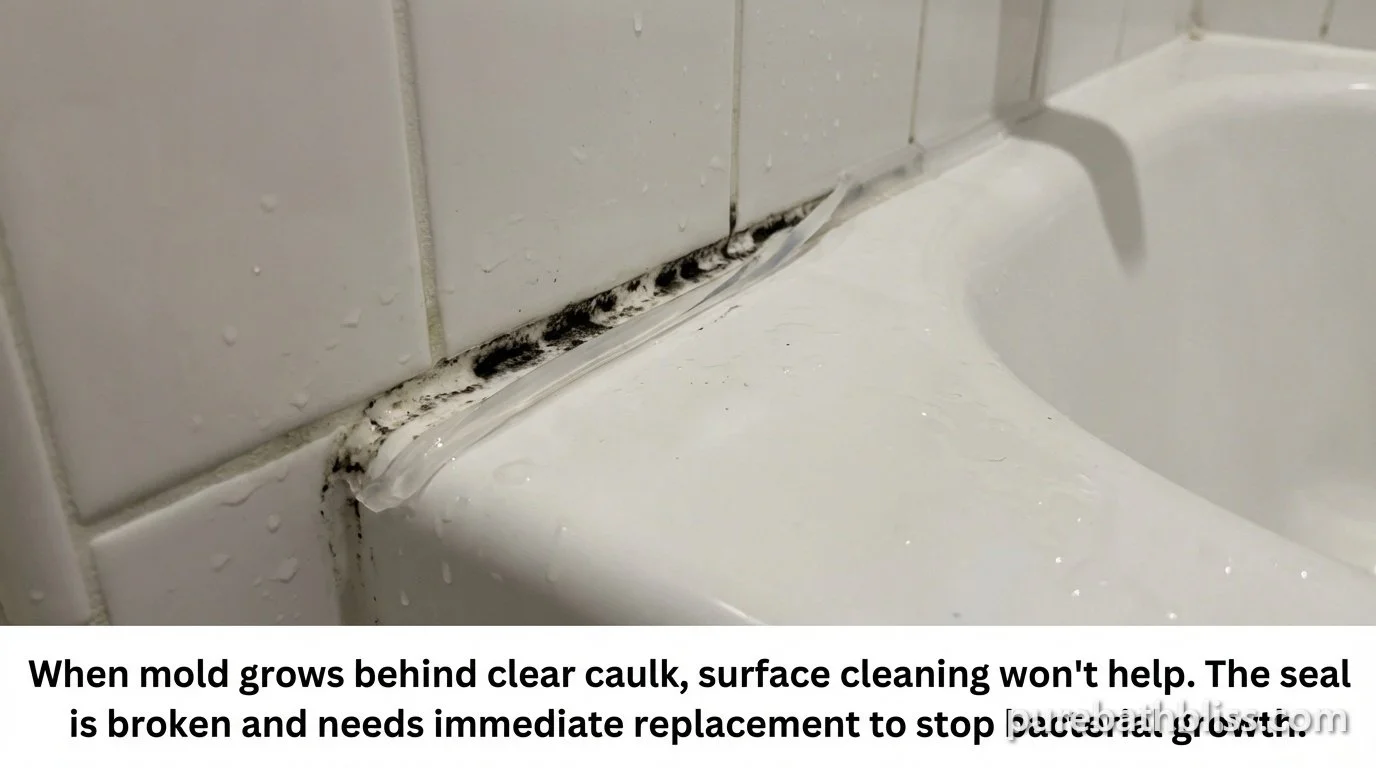
Surface mildew that wipes off is a ventilation issue. However, if you see dark black spots or the slimy pink/orange "Serratia marcescens" bacteria (often discussed in guides about “Red Stuff in Shower”) that seems trapped under or behind a clear layer of caulk, it’s time to replace it. You cannot clean mold that is embedded in the silicone or growing on the drywall behind it; the caulk must be removed.
3. Shrinkage and Hardening
Touch the caulk. It should feel slightly rubbery and flexible, like an eraser. If it feels rock-hard to the fingernail, or if it appears to have shrunk, leaving small gaps where it meets the tile, it has lost its elasticity and is no longer creating a waterproof bond.
4. Water Stains on Adjacent Areas
Sometimes the sign of a tub leak isn't in the tub. Look for unexplained water stains on the ceiling of the room below the bathroom, or blistering paint on the drywall next to the tub. This indicates a serious, active leak that requires immediate attention.
5. Loose Sections
If you can catch the edge of the caulk with your fingernail and pull up a strip easily, it is no longer adhered to the surface. It might look okay from a distance, but water is definitely getting behind it.
Factors That Shorten Caulk Lifespan
Why does some caulk last a decade while others fail in three years? Usually, environment and habits are to blame.
High Humidity and Poor Ventilation: Mold loves moisture. Bathrooms without exhaust fans, or where fans aren't used long enough after a shower, keep the caulk perpetually damp, accelerating mold growth and deterioration.
Harsh Cleaning Chemicals: Aggressive scrubbing with abrasive cleaners or undiluted bleach can break down the chemical bonds in silicone over time. We recommend switching to gentler “DIY Natural Cleaning Solutions” like baking soda and vinegar paste for routine maintenance, which is kinder to both your caulk and the environment.
Poor Initial Installation: The number one reason for premature caulk failure is applying new caulk over old caulk, or applying it to a wet or dirty surface. The bond will fail within months.
How to Recaulk Your Bathtub: A Sustainable Approach
Recaulking is a very manageable DIY project if you don't rush the preparation stage.
The Tools Checklist:
Caulk removal tool (or a plastic razor blade)
Utility knife
Rubbing alcohol or isopropyl alcohol
Rags/paper towels
Painter’s tape (optional, for neat lines)
High-quality 100% Silicone Kitchen & Bath Caulk (look for mold-free additives)
Caulking gun
Caulk smoothing tool (or a popsicle stick)
Step 1: Complete Removal (The Most Important Step)
You must remove 100% of the old caulk and any residue. New caulk will not stick to old silicone. Use a caulk removal tool to scrape away the bulk of the old material. Be careful not to scratch a fiberglass tub with metal tools; plastic blades are safer.
Step 2: Deep Clean and Dry
Once the bulk is gone, scrub the joint with rubbing alcohol. This removes soap scum, body oils, and invisible silicone residue that will prevent a new bond.
Crucial: The area must be bone dry. Use a hairdryer if necessary. Any moisture trapped under the new application will guarantee mold growth within weeks.
Step 3: Apply the New Seal
Cut the tip of your caulk tube at a 45-degree angle—the hole should be barely larger than the gap you are filling. Using steady pressure on the caulking gun, apply a continuous bead along the joint.
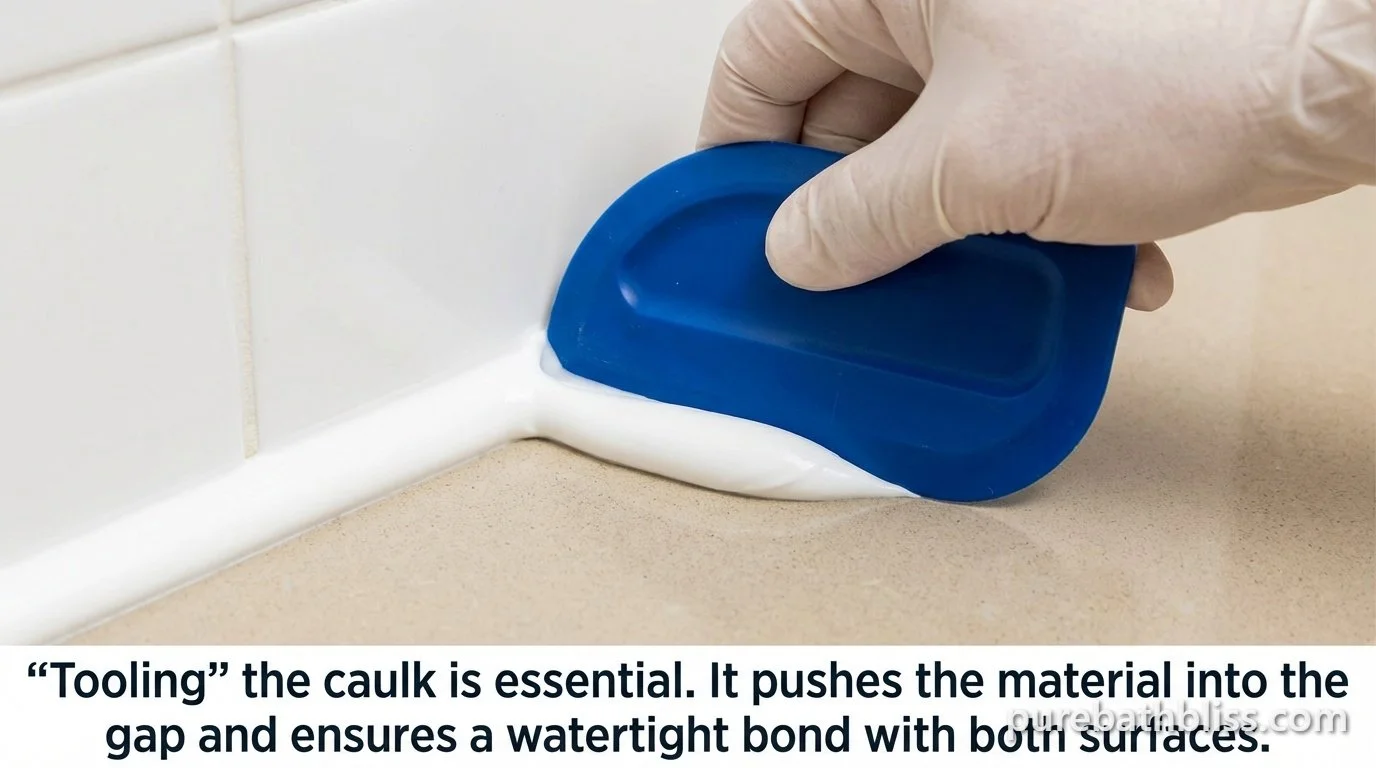
Step 4: Tooling/Smoothing
Immediately after applying, use a smoothing tool (or a gloved finger dipped in soapy water) to smooth the bead. This isn't just for looks; it presses the caulk firmly into the gap and against both surfaces to ensure a watertight bond.
Step 5: The Cure Period
Respect the drying time on the tube. Most silicone requires 24 hours before it can get wet, but some recommend 48 hours for a full cure. Using the shower too soon can wash away the uncured caulk.
Keep Your Sanctuary Secure
A watertight tub is the foundation of a healthy bathroom. By checking your bathtub caulk regularly and replacing it every 5–10 years—or the moment you spot signs of wear—you prevent damage and ensure a hygienic environment for your family.
Embracing this routine maintenance is part of PureBathBliss.com’s commitment to sustainable home care. A long-lasting silicone application means less waste, and preventing water damage means fewer resources used on repairs. Keep an eye on those seals, and enjoy your soak worry-free.