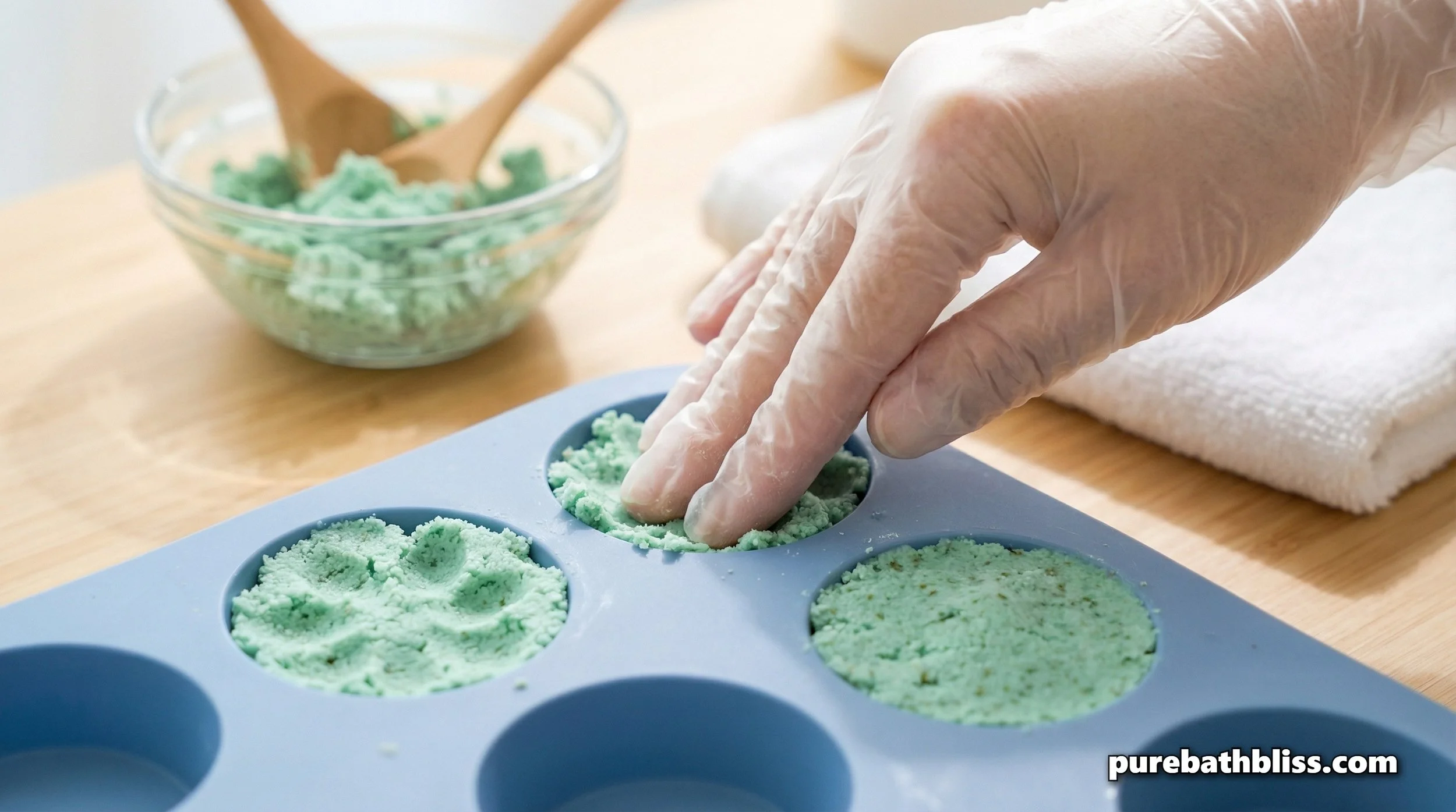
DIY Shower Steamers: The Eucalyptus & Menthol Relief Blend
There is nothing quite like the weight of a cold or a lingering cough to throw off your family’s rhythm. When you are feeling under the weather, the last thing you want is a complicated recovery plan. You need relief that is accessible, immediate, and soothing.
In a Sustainable Sanctuary, we believe the bathroom should act as a natural healing space. A shower, when treated as a therapeutic tool rather than just a quick daily rinse, can become a "breathe easy" sanctuary. These eucalyptus and menthol steamers are designed to turn your hot shower into a restorative steam room. By combining the cooling sensation of menthol crystals with the clearing power of eucalyptus, you create a natural remedy that feels professional, refreshing, and entirely supportive of your healing process.
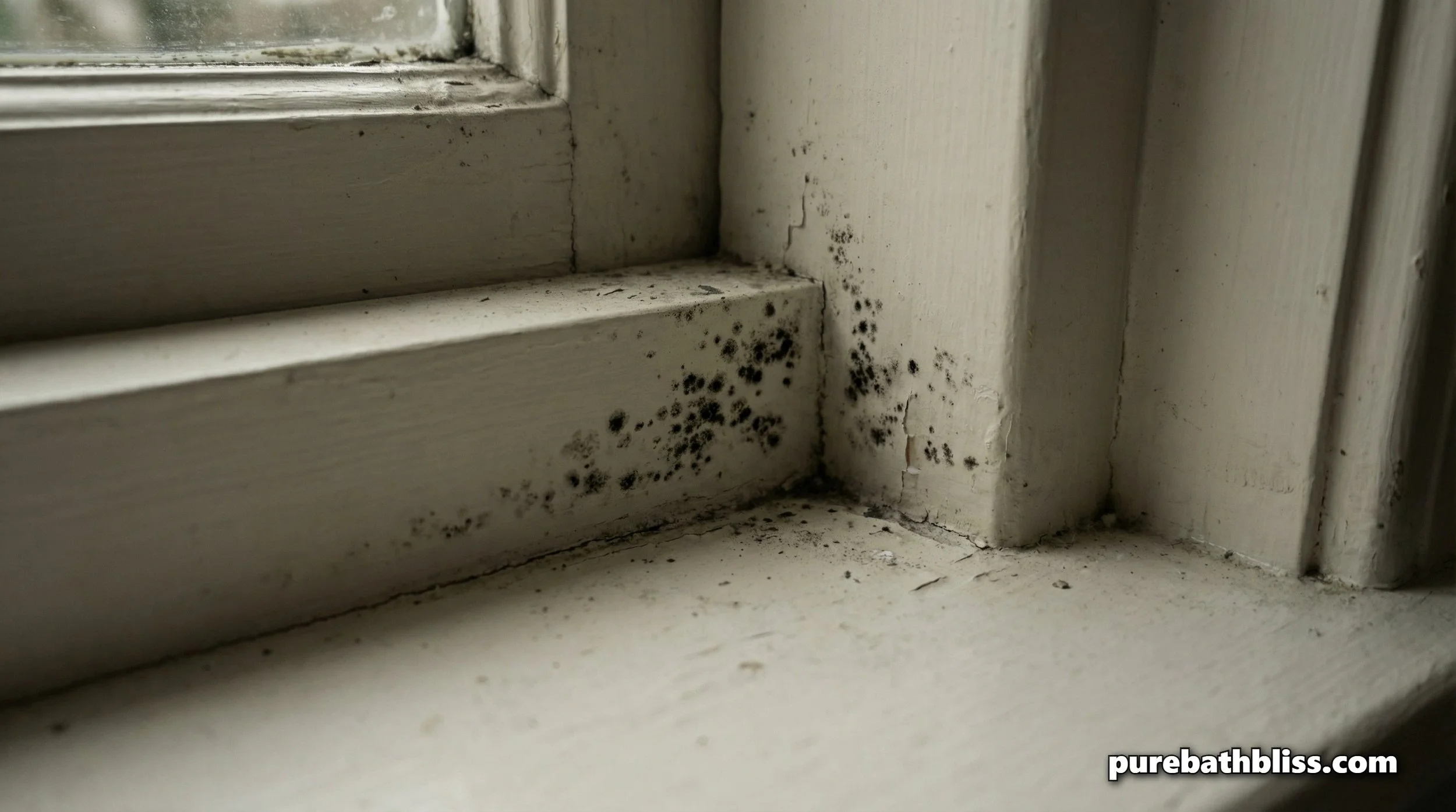
Why is There Black Stuff on My Windowsill? (And How to Fix It)
We have all been there: you are performing a morning wipe-down, perhaps tending to your How to Waterproof Your Bathroom Plants, and you notice those persistent black specks or smears on the windowsill. It is disheartening, especially in a space you have worked hard to keep clean.
That "black stuff" is rarely just dust. More often than not, it is a combination of mold and mildew thriving in a micro-environment that is perfectly suited for its growth. While it is easy to assume this means your home is "dirty," it is actually a sign of a structural and environmental imbalance. In a Sustainable Sanctuary, we don't just scrub the symptoms away; we treat the conditions that allow the mold to exist in the first place.
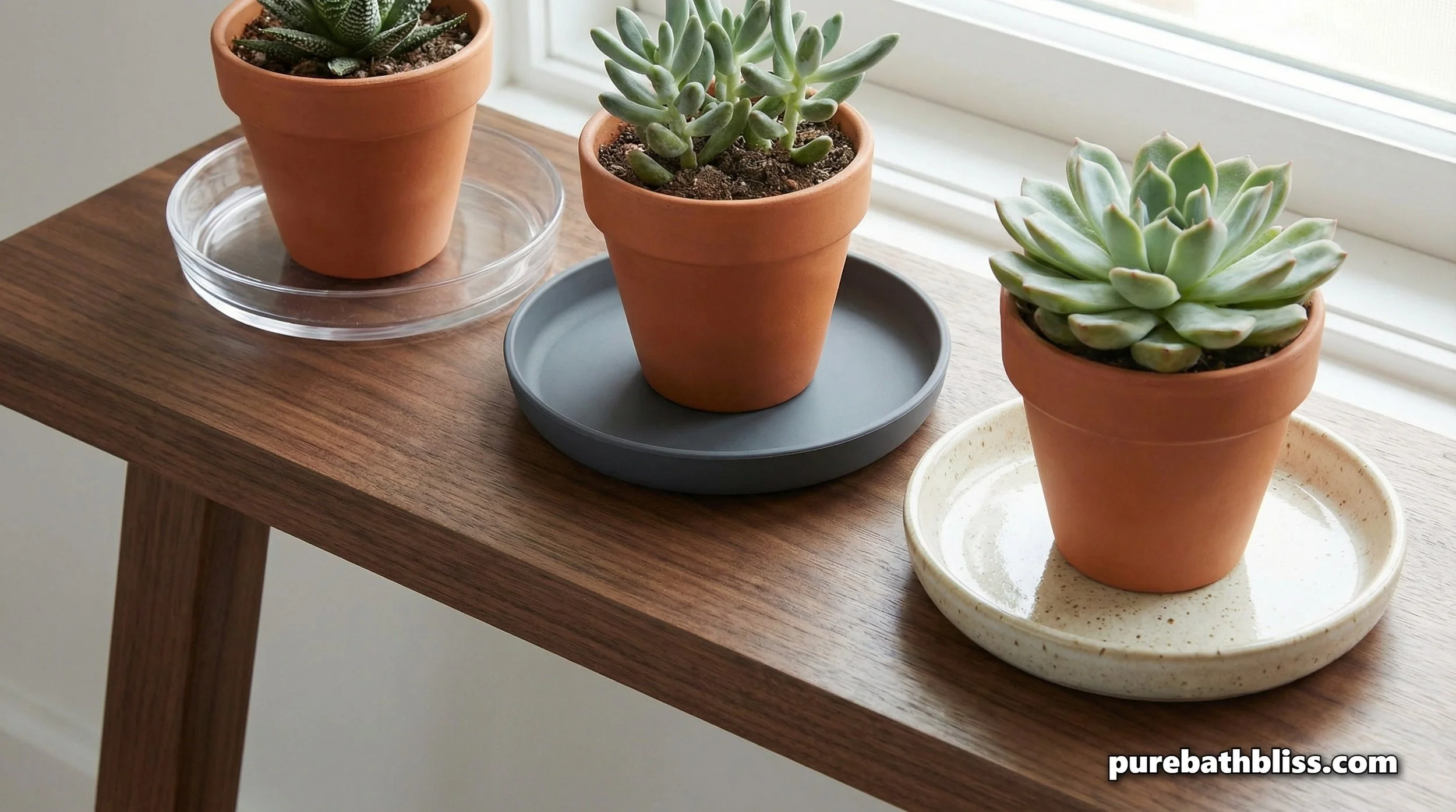
The Lush Sanctuary: How to Waterproof Your Bathroom Plants
A bathroom filled with greenery is the ultimate expression of a Sustainable Sanctuary. The humidity naturally mirrors the environment many tropical plants crave, turning a sterile space into a restorative living room. However, there is a technical friction between the "lush life" of a plant and the delicate infrastructure of your home. As a builder, I have seen far too many custom vanities and wooden shelves ruined by the slow, insidious "wicking" of water trapped beneath a decorative pot.
You do not need to choose between a verdant, thriving plant collection and the integrity of your cabinetry. By treating your plant setup as a mechanical system, where drainage and moisture barriers are prioritized, you can enjoy the growth without the risk of rot, mold, or bubbling paint.
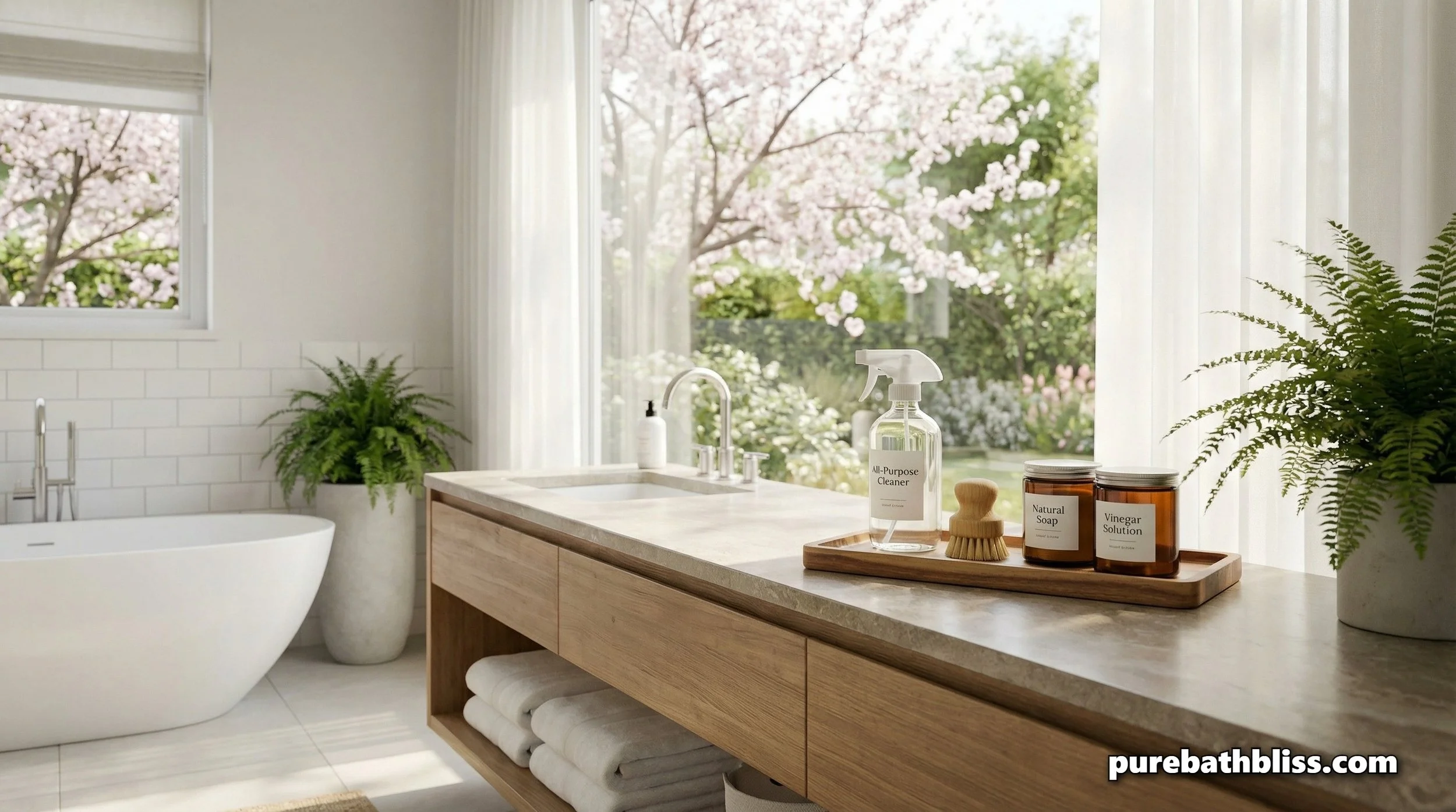
The Sanctuary Reset: A Seasonal Guide to Deep-Cleaning Your Bathroom
When the seasons shift, our homes feel the change. After months of damp, cold winters, our bathrooms often bear the brunt of the humidity. With windows shut tight and steam constant, the air becomes heavy, and the room's materials, grout, caulk, ventilation fans, are pushed to their limits. Spring is the perfect time to perform a "Sanctuary Reset."
This is not simply about wiping down a mirror; it is about tending to the hidden infrastructure of your bathroom. We are focusing on ventilation efficiency, the integrity of structural seals, and the health of your drainage, the "bones" of your space. These elements keep your bathroom resilient, fresh, and free from the hidden stressors that can lead to long-term wear. By focusing on these deep-maintenance tasks, you are curating a resilient sanctuary that supports your wellness all year long.
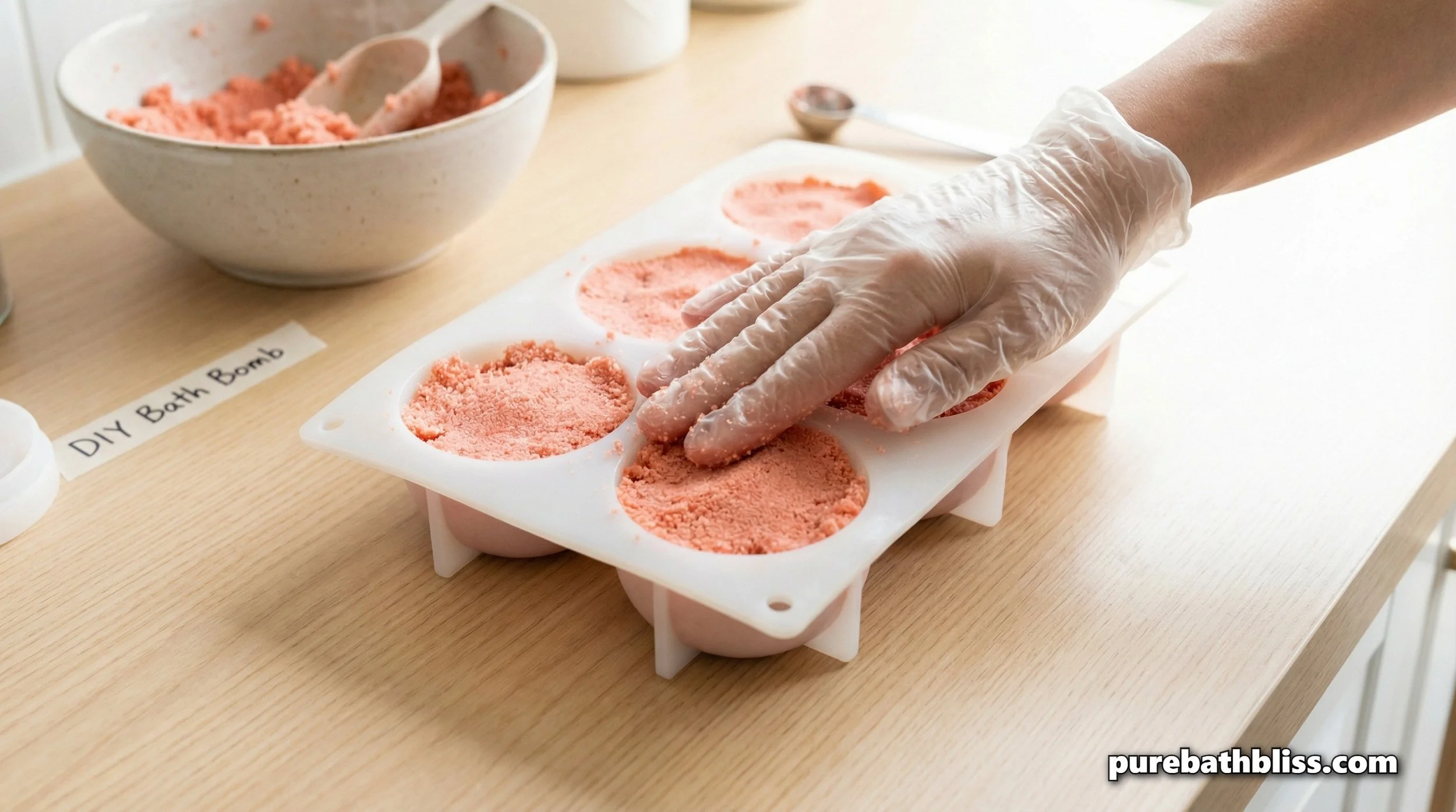
The Happy Day Ritual: DIY Mood Boosting Shower Steamers
n a Sustainable Sanctuary, even a five-minute shower can be transformed into a vital mental "reset." As a parent of four and a Red Seal Carpenter, I appreciate DIY projects that are low-waste, high-impact, and—thankfully—don't require heavy power tools.
The Mood Boosting Shower Steamer is the perfect first project for your sanctuary. It uses bright, citrusy oils that act as an "infrastructure for your emotions"—lifting foggy moods and clearing mental clutter before you start a busy day with the family. Unlike store-bought versions that often contain synthetic fragrances and plastic packaging, these "Pure" steamers use simple pantry ingredients to support emotional harmony.
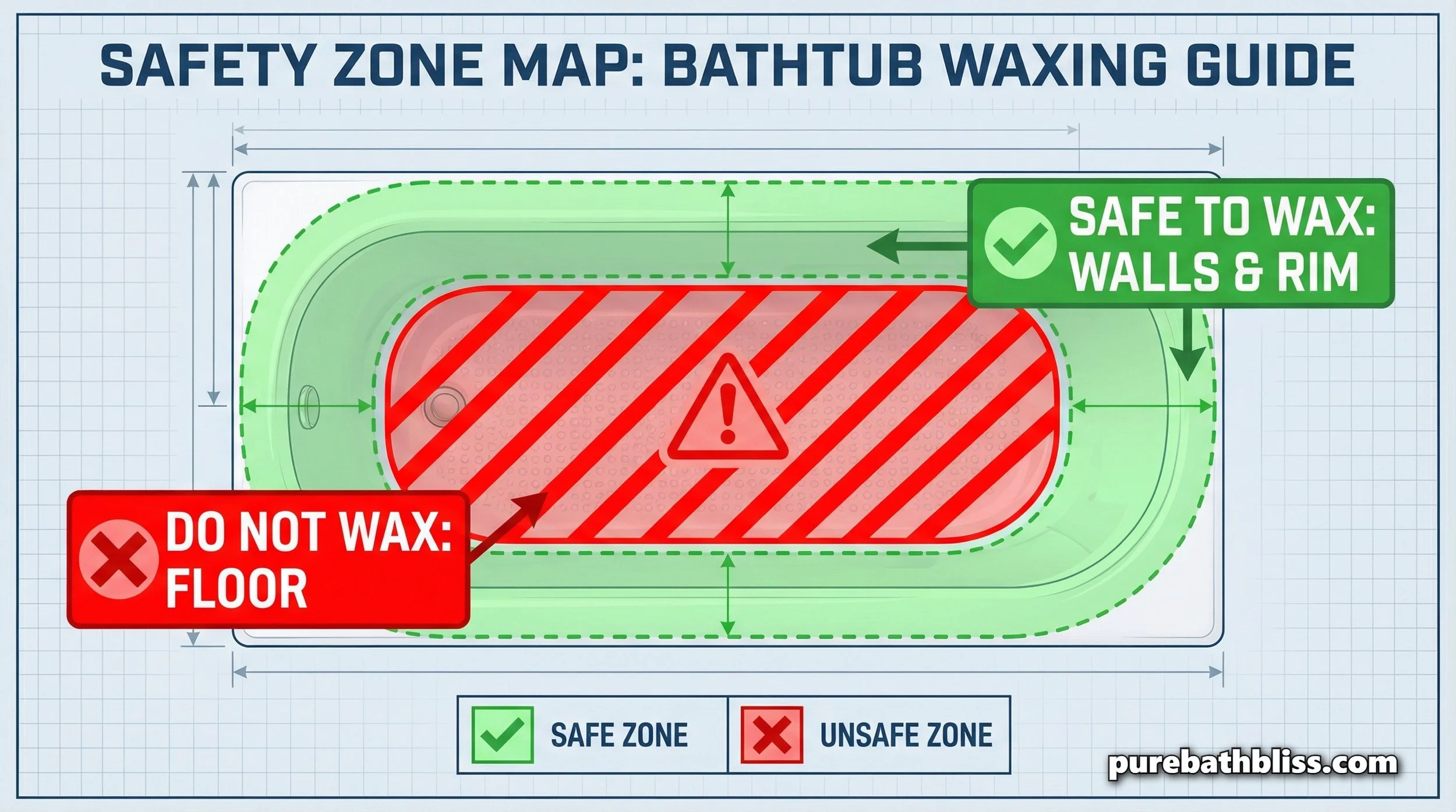
The Invisible Shield: Why You Should Wax Your Bathtub
In a Sustainable Sanctuary, the goal is to work smarter, not harder. As a builder, I know that the glossy finish on your bathtub—whether it's acrylic, fiberglass, or porcelain—is its "first line of defense." Once that factory gloss wears down, the material becomes porous. That is when the permanent stains, rust, and the Bath Bomb Aftermath take over.
If you have a family of six, you don't have time to scrub the tub every single day. That is why I treat my bathtub like I treat a high-end tool or a classic truck: I wax i

The Bath Bomb Aftermath: Protecting Your Tub’s Surface
In a Sustainable Sanctuary, a bath bomb is the ultimate ritual for decompression. But the aftermath can be anything but relaxing. As a builder, I see the "sensory delight" of those vibrant colors, glitters, and essential oils through a different lens: they are "contaminants" for your bathtub’s finish.
Whether you have a classic cast-iron clawfoot or a modern acrylic alcove, the residue left behind by a bath bomb can lead to permanent staining and, more importantly, a slippery safety hazard for the next person in line. With a family of six, the tub is a high-traffic asset. If you don't clear the "bath bomb fallout" immediately, the oils will harden and create a "dirt magnet" for the next person’s bath.
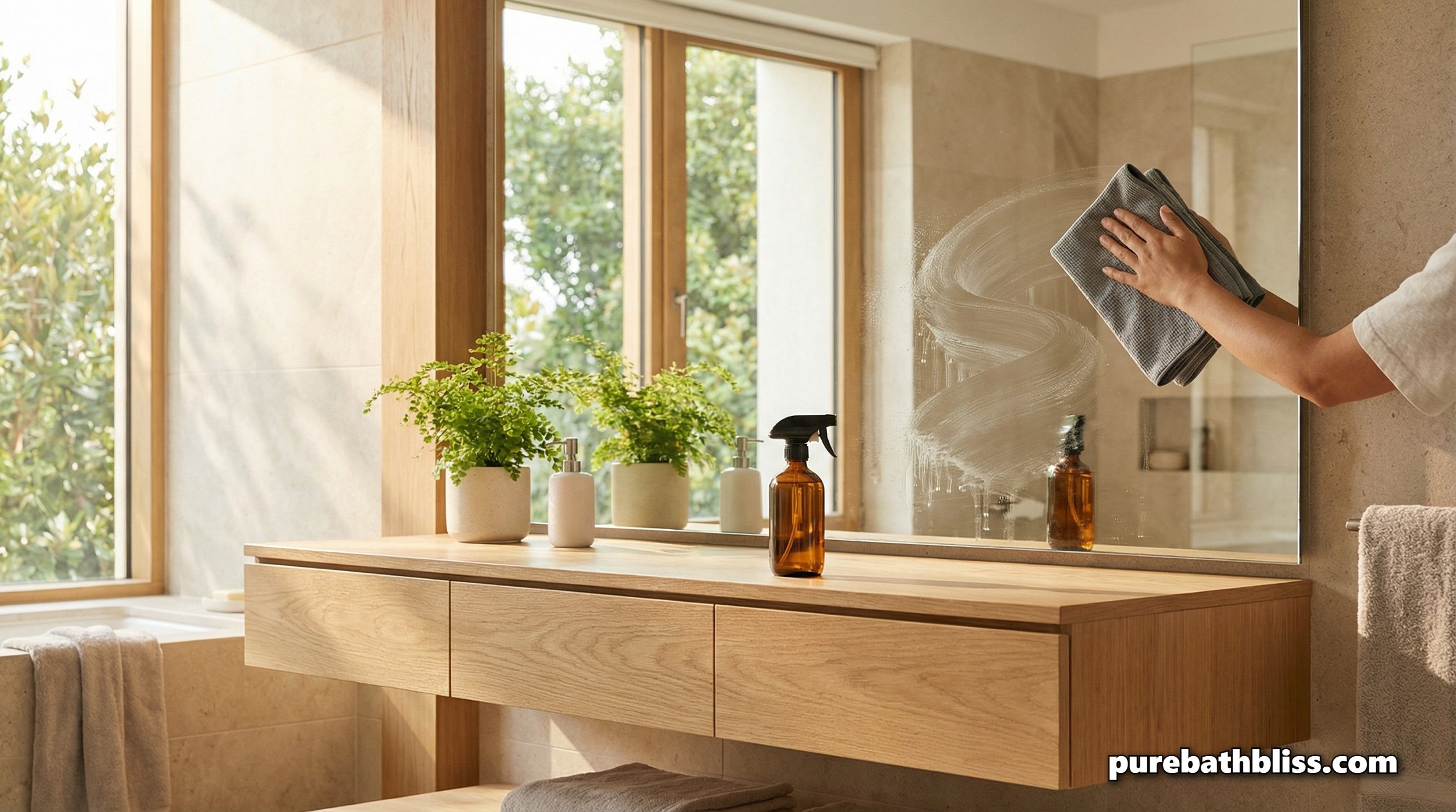
The Saturday Reflection: A Simple Ritual for Crystal Clear Mirrors
In a house with four kids, the bathroom mirror is the ultimate witness to the morning chaos. Between hairspray mist, toothpaste splatters, and the steam from six consecutive showers, your mirror takes a daily beating.
Most homeowners grab a blue chemical spray and soak the glass until it drips. But there is a hidden risk here: if liquid drips down and pools behind the bottom edge, it attacks the silver backing, causing those permanent black spots. To keep your Sustainable Sanctuary "Pure," you need a technique that prioritizes the glass's longevity as much as its shine.
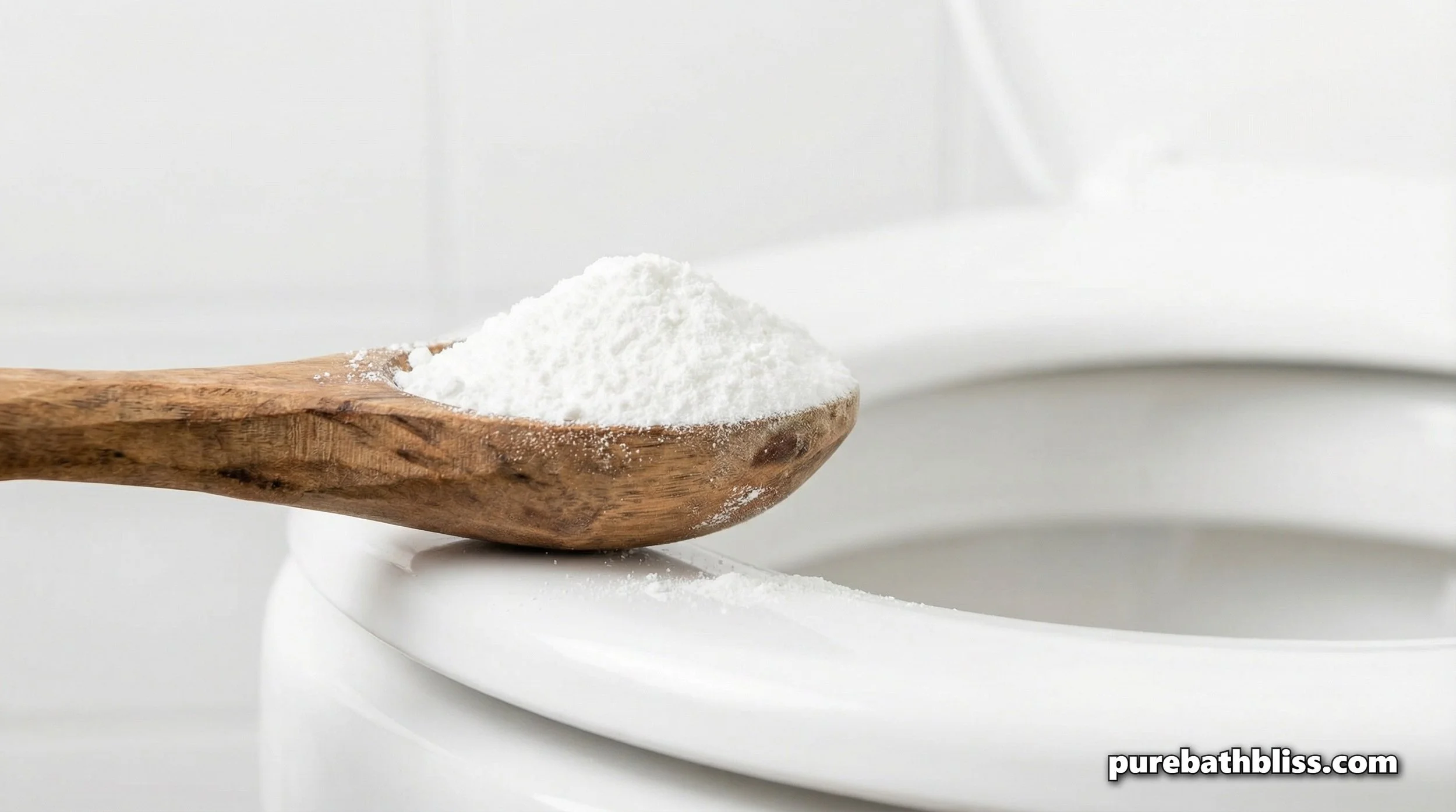
How to Remove Toilet Rust Stains with Cream of Tartar (And Why It Works Better Than Bleach)
The orange-brown ring that develops in a toilet bowl is one of those bathroom problems that makes people reach immediately for the harshest chemical they can find. I understand the impulse. It looks bad. It implies something dirty is happening even in a bathroom that gets cleaned regularly. And the instinct is that something that looks that stubborn must require serious chemical firepower to remove.
The problem is that bleach, the product most people reach for, is exactly the wrong tool for rust. Bleach is an oxidiser. Rust is already iron oxide, meaning it is already the product of an oxidation reaction. Adding more oxidiser does not break rust down. It can actually set the stain deeper into the porcelain surface, making it significantly harder to remove. It is the equivalent of trying to put out a fire with petrol.
What actually dissolves rust is acid. Specifically, a chelating acid that can bind to the iron ions and pull them away from the porcelain surface in a water-soluble form. Cream of tartar, a byproduct of winemaking that lives in most baking cupboards, contains tartaric acid that does exactly this. I have used this method on toilets in house renovations and in our own home, and it consistently removes rust staining that bleach had made worse. Here is the complete guide.
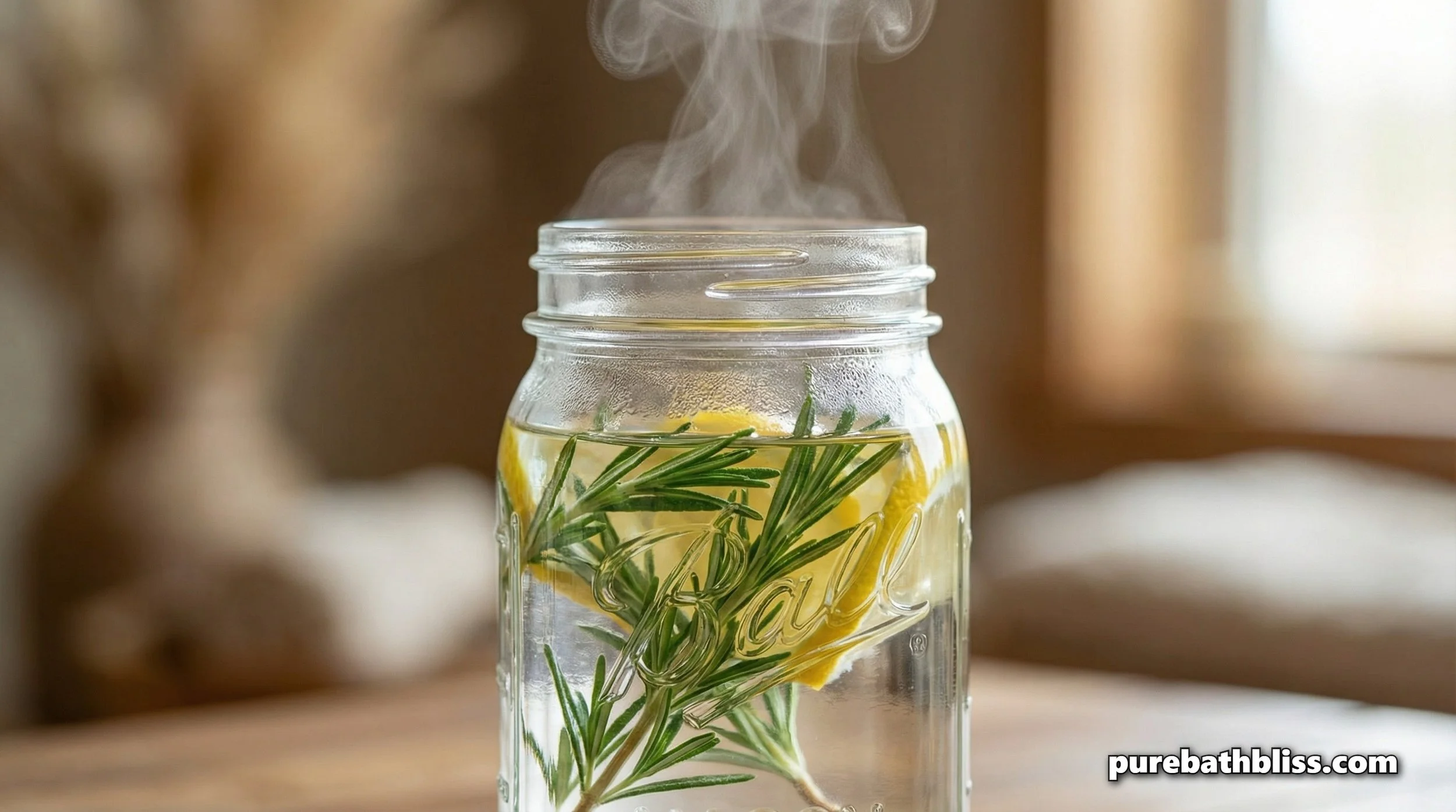
Beyond the Boiling Pot: Better (and Safer) DIY Vaporizers
We’ve all been there: The kids have a croupy cough, the winter air is bone-dry, and the store-bought humidifier just chose tonight to stop working. In those desperate moments at 2:00 AM, my first instinct used to be heading straight to the bathroom to run a hot shower just for the steam. We’d sit on the floor, breathing in the fog, waiting for the coughing to stop.
While the "Shower Steam" works in a pinch, it’s a high-moisture shock to your home’s system. As a builder, I look at Relative Humidity (RH) management. Your goal isn't just a blast of steam; it’s a "Goldilocks" zone of 30%–50% RH. Anything lower, and your skin cracks; anything higher, and your window headers start to rot.
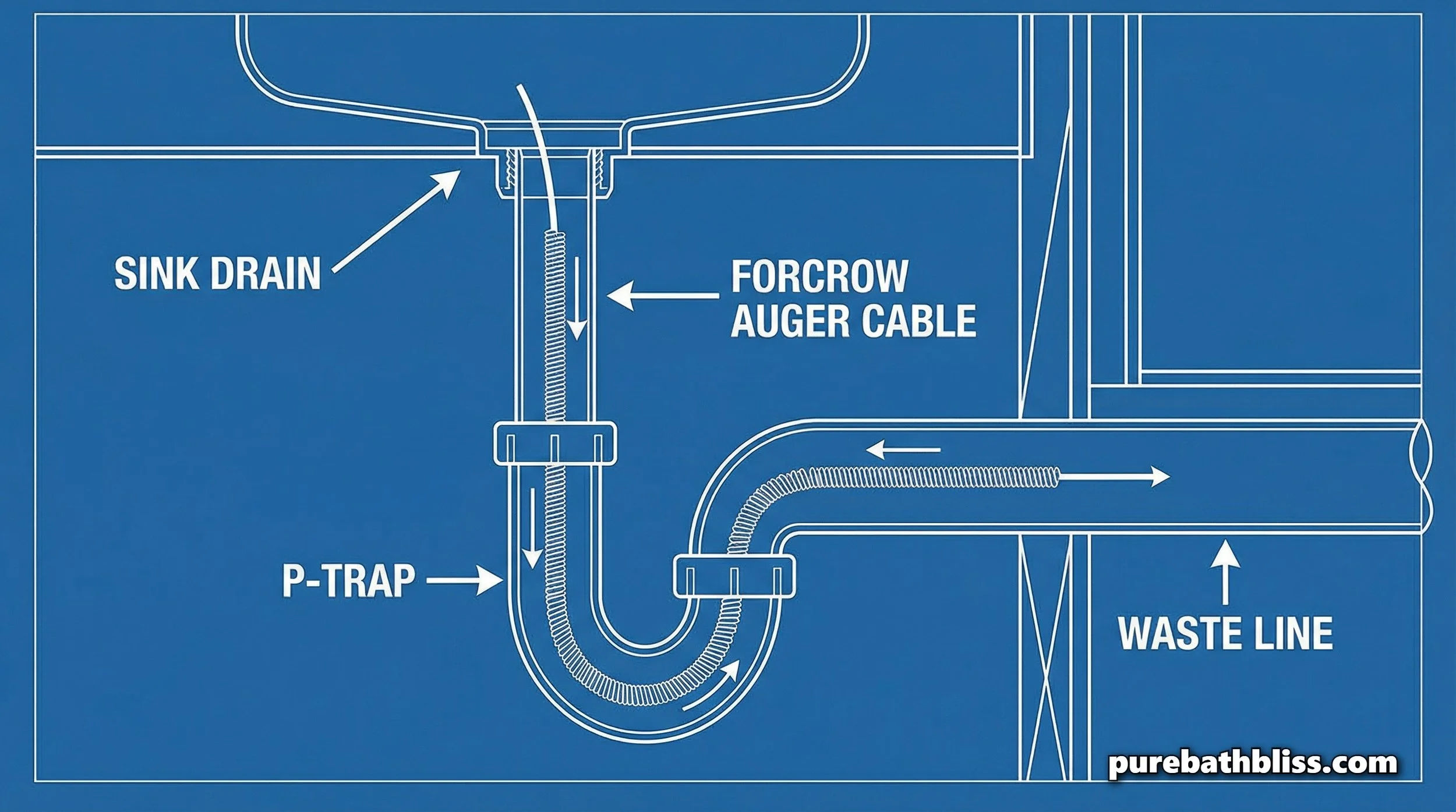
The Mechanical Clear: Top 3 Drain Snakes for Your Home
In a Sustainable Sanctuary, we avoid the "chemical quick-fix" at all costs. From a builder's perspective, I’ve seen exactly what liquid drain cleaners do to metal pipes over time: the caustic heat and acids eat away at the solder joints and create a toxic, dangerous environment for any plumber who has to work on the lines later.
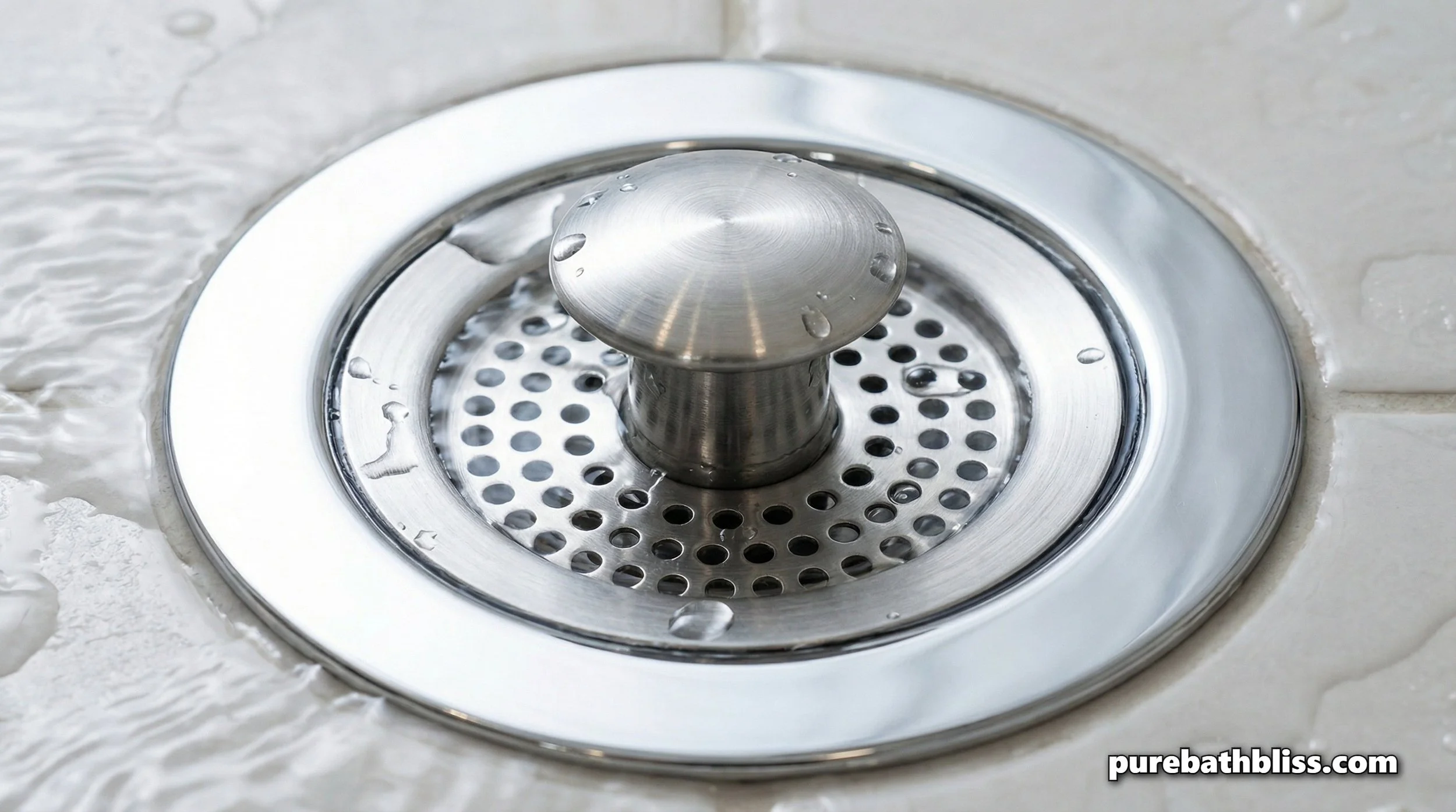
The Frontline: 3 Best Shower Drain Hair Protectors for Large Families
When you have a family of six, your bathroom plumbing is under constant stress. A standard mesh strainer might work for a solo dweller, but in a high-traffic home, those basic screens will clog and overflow before the third person even lathers up.
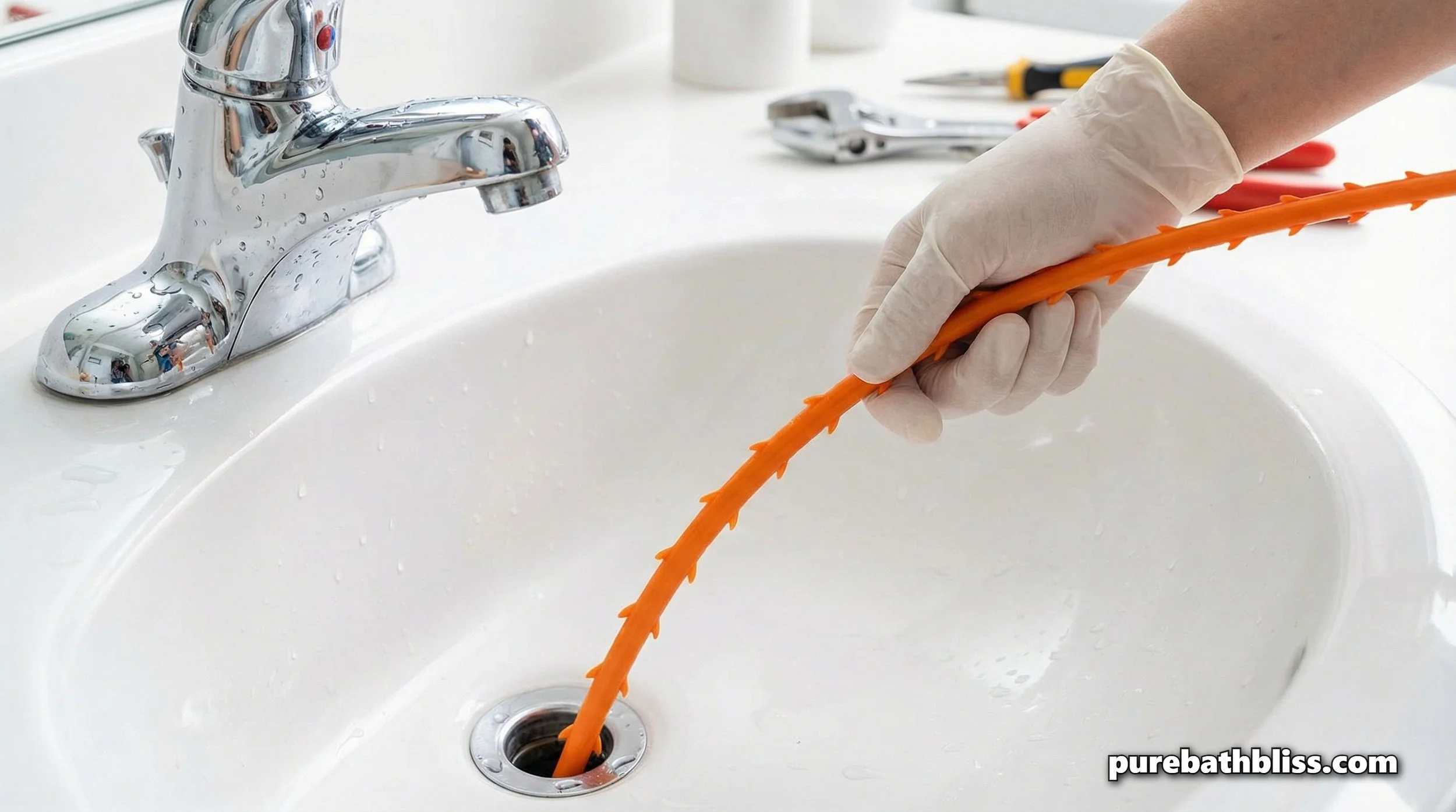
The Hair-Clog Crisis: How to Protect Your Plumbing in a Family of 6
When I’m building a master suite for a client, I spend a lot of time calculating the "pitch"—the subtle slope of the pipes that ensures gravity does its job. But even a perfectly engineered 2-inch shower drain is no match for the cumulative shedding of six people.
Hair is one of the most difficult things for a plumbing system to handle because it doesn't break down; it doesn't dissolve like toilet paper. Instead, it acts like a structural "net," catching soap scum, hair conditioner, and skin cells until it forms a solid, waterproof plug. In my home, we’ve moved past the "hope for the best" stage. We treat drain maintenance as a scheduled ritual, much like changing the furnace filter or checking the smoke detectors.
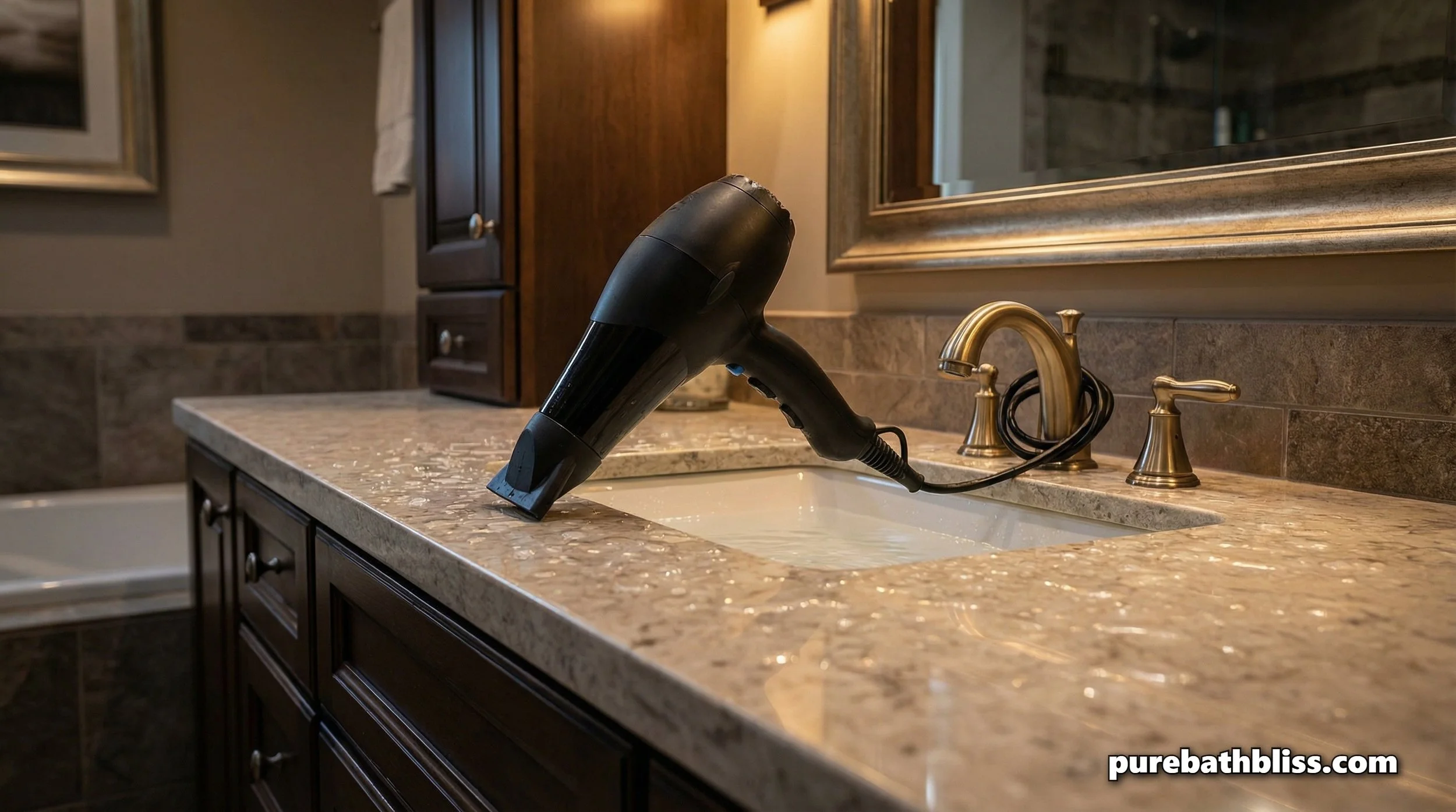
The Countertop Trap: Why Your Blow Dryer Needs a Proper Home
In a Sustainable Sanctuary, we prioritize "Invisible Safety." As a parent of four and a Red Seal Carpenter, I look at a hair dryer sitting on a bathroom counter, and I don't just see a styling tool, I see three distinct threats: a structural hazard, an electrical liability, and a "clutter tax" on your peace of mind.
While it seems convenient to leave it plugged in and ready to go, this habit is a breach of your home’s safety protocol. In my 20 years on job sites, I've seen exactly how moisture and electricity play together. They aren't friends. Leaving your hair dryer out isn't just a design faux pas; it’s an invitation for infrastructure failure.
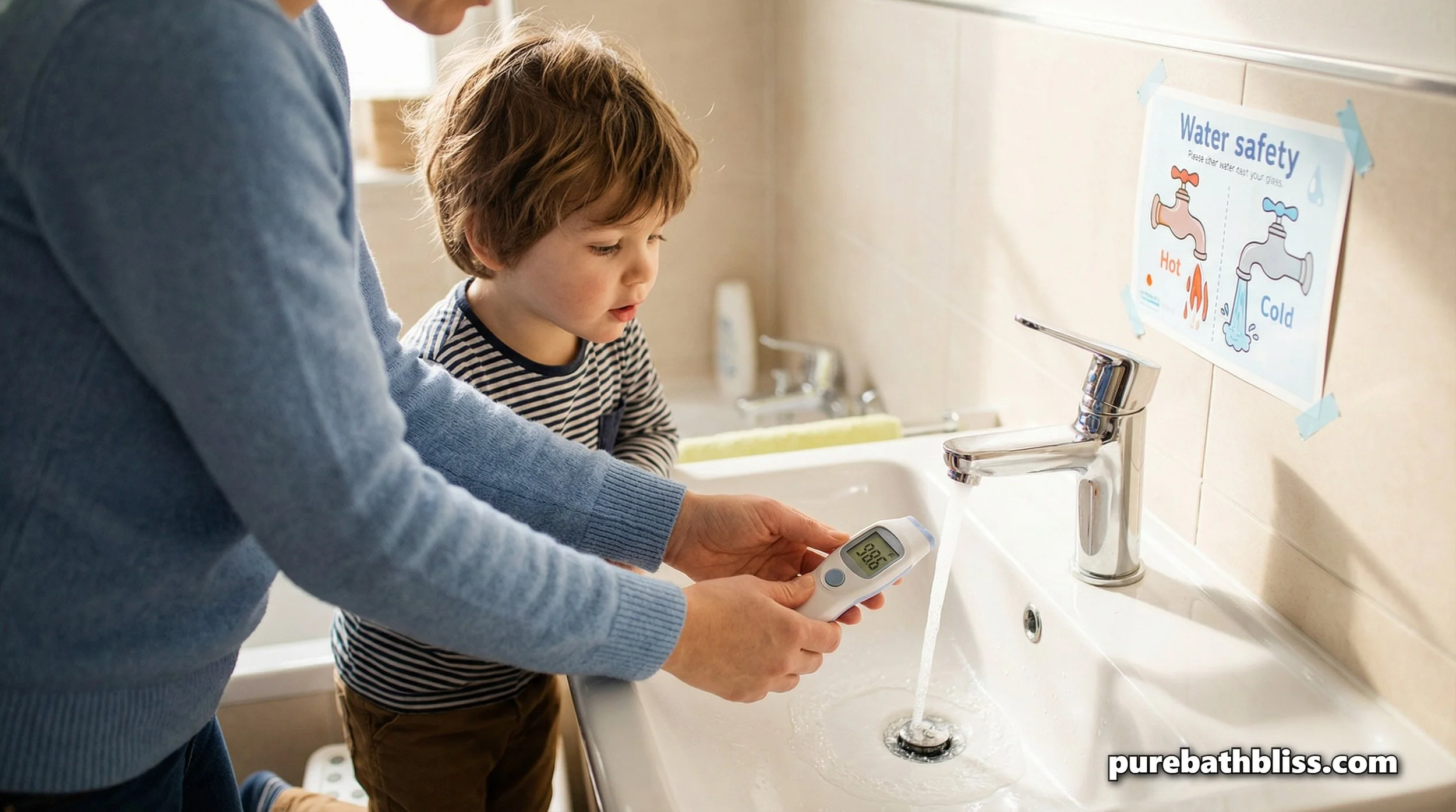
The 120° Rule: Why I Lowered the Hot Water Temp in My Kids' Bathroom
As a builder, I deal with "tolerances" every day. Whether it's the 1/16th of an inch on a miter cut or the weight-bearing load of a floor joist, accuracy matters. But when it comes to the safety of my four children, the tolerance for error is absolute zero.
Most homeowners don't realize that their water heater is likely sitting at a factory-default temperature that can cause a third-degree burn on a child’s skin in less than three seconds. Lowering your water temperature isn't just about safety; it’s about creating a Sustainable Sanctuary where your children can learn independence, brushing their teeth or washing their hands, without the risk of a trip to the emergency room.
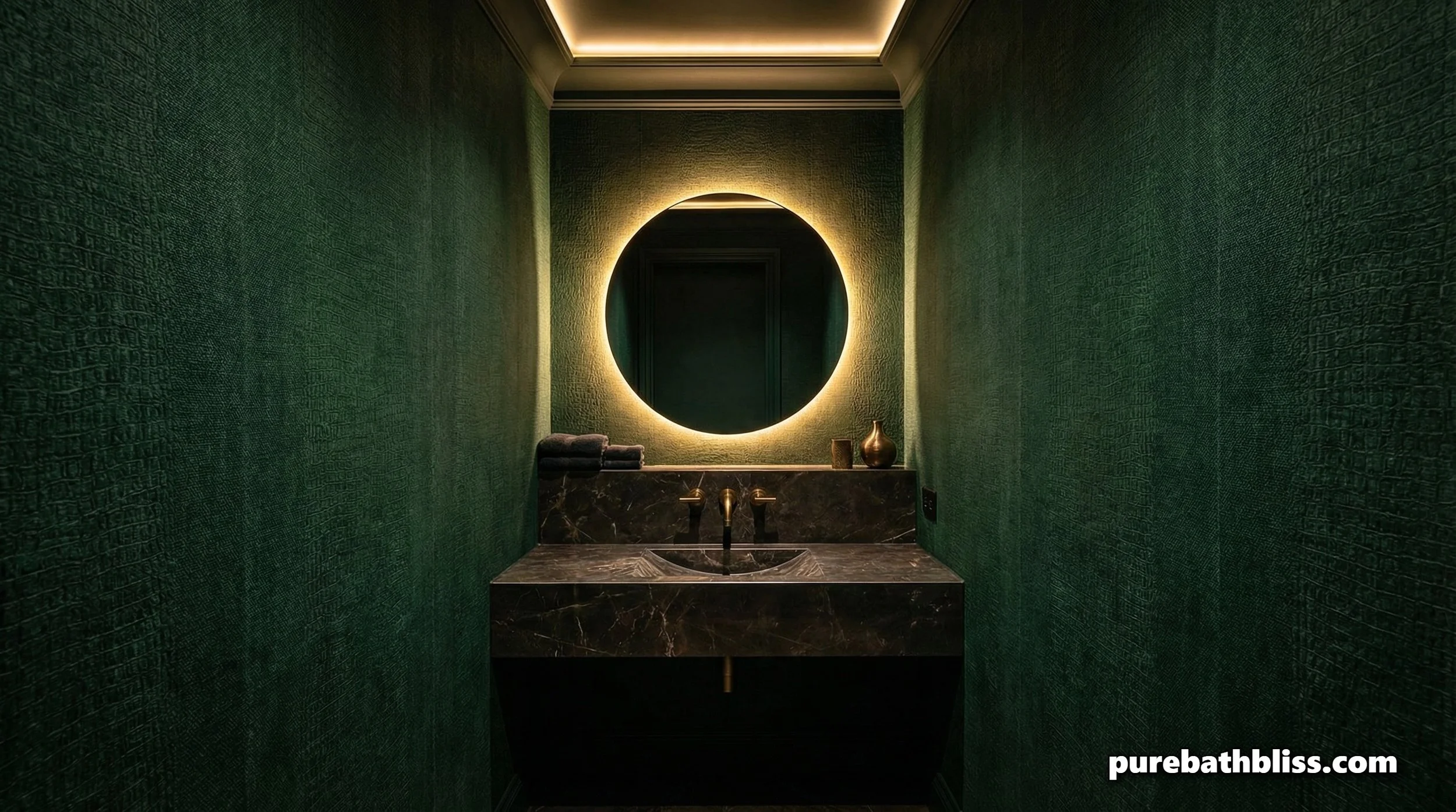
The Power of the Powder Room: More Than Just a Half-Bath
If you’ve ever walked into a small, windowless, yet breathtakingly decorated bathroom on the main floor of a house, you’ve experienced the magic of a powder room. In technical terms, it’s a "half-bath", a room containing only a toilet and a sink. But in the context of a high-end Sustainable Sanctuary, it is so much more.
As a builder, I tell my clients that the powder room is the only place in the home where you can, and should, break all the design rules. Because there is no shower or tub, you don't have to worry about the massive steam and humidity issues we discussed in our Indoor Cold Plunge Guide. This is your chance to go bold, experiment with texture, and create a "jewelry box" for your guests.
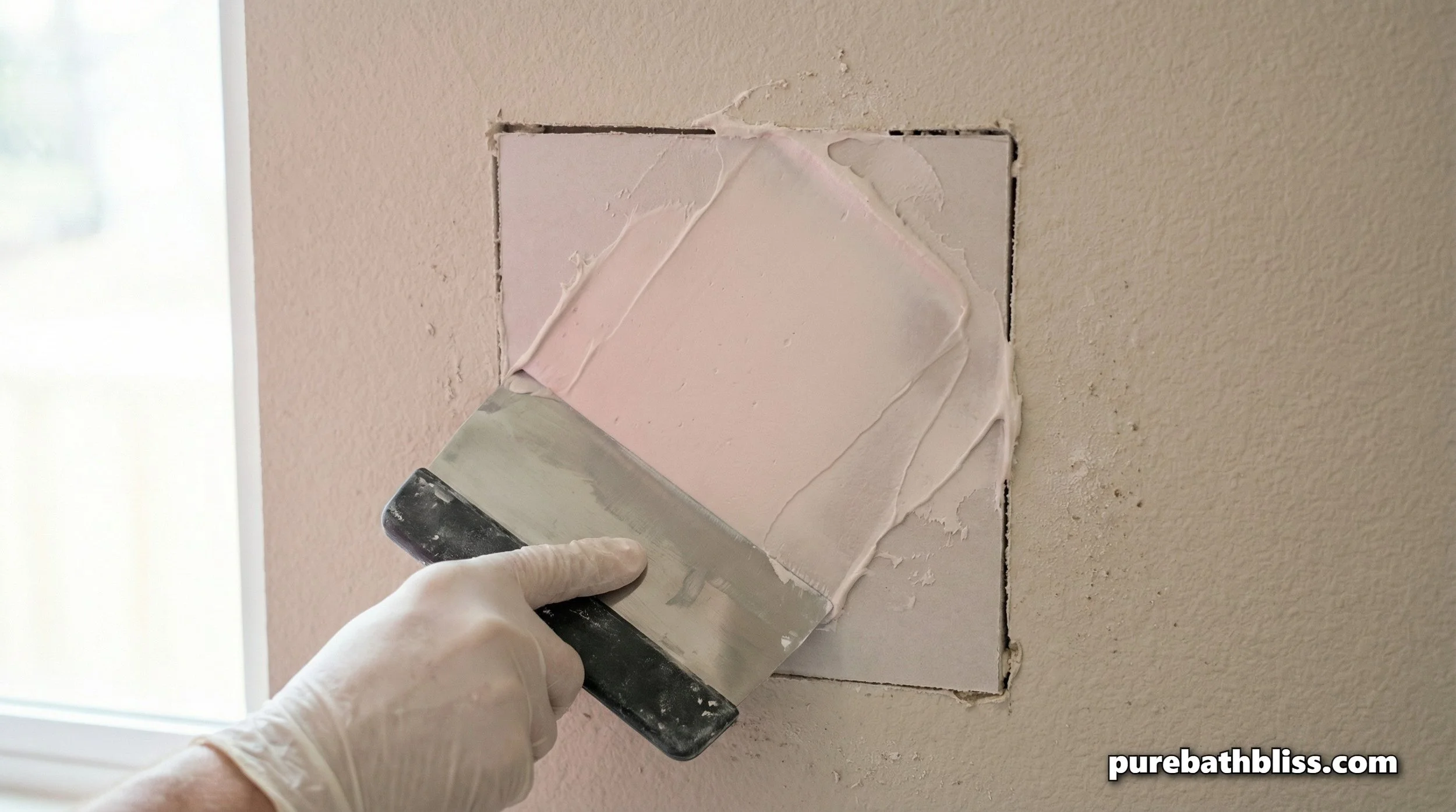
The Invisible Mend: A DIY Guide to Professional Drywall Repair
In my early days on the job site, I learned a hard truth: drywall is 10% application and 90% "feathering." Most homeowners fail at wall repairs because they try to fill a hole in one thick, heavy layer. This leads to cracking, sagging, and a visible "bump" that no amount of paint can hide.
In a Sustainable Sanctuary, we treat our walls like a canvas. A house with "scar tissue" on the walls feels cluttered and unfinished. By mastering the mechanical ritual of the repair, you can maintain the pristine, high-end aesthetic of your home without hiring a contractor for every ding.
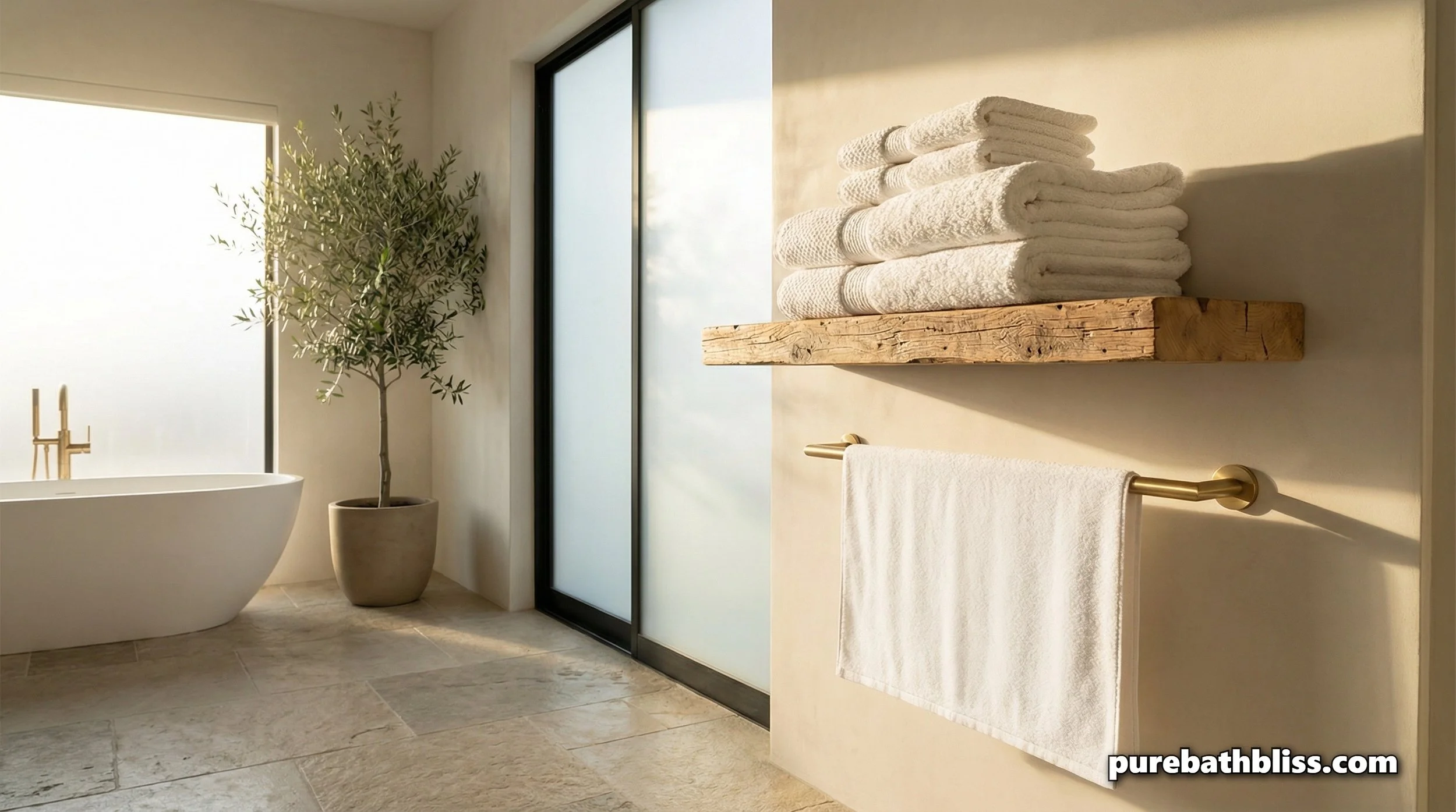
The Towel Ritual: How Often Should You Really Wash Your Bath Towels?
Most homeowners view towel laundry as a chore based on the "sniff test." The logic is simple: if it smells fine, it’s clean, right? Not exactly. As a builder, I deal with moisture and microbial growth every day, and I can tell you that by the time a towel develops that distinct "musty" odor, it has already become a thriving colony for bacteria and fungal spores.
In a household with four kids, the bathroom is the most high-traffic "wet zone" in the house. If you aren't managing your towels correctly, you aren't just reusing a dirty cloth, you are reintroducing moisture and microbes into your home's air and back onto your family's freshly cleaned skin.
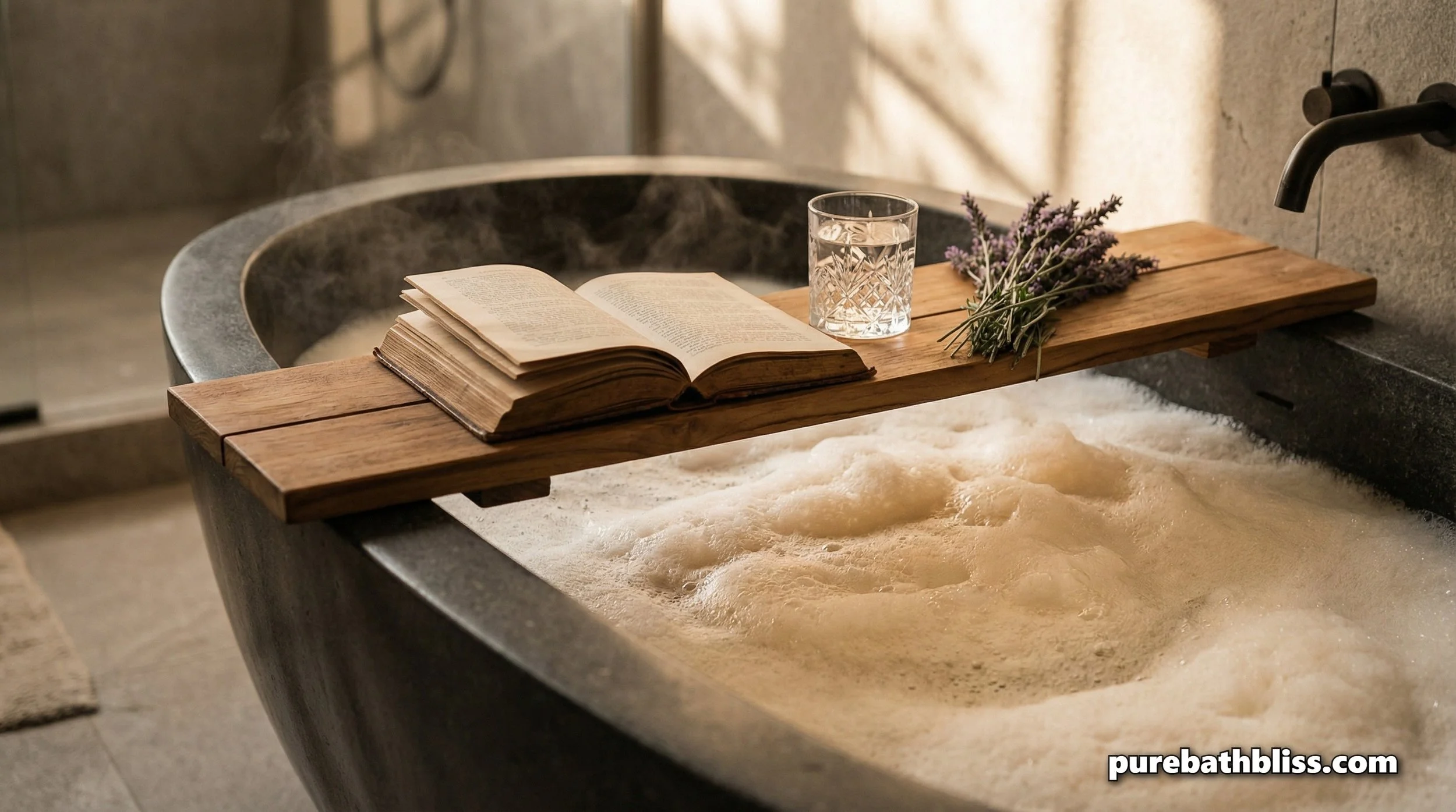
The Wellness Revival: Are Spa Baths Making a Comeback?
For a decade, the design world told us that "tubs were out" and "curbless showers were in." But as our homes have become our primary places of recovery, the bathtub has reclaimed its throne, not as a standard utility, but as a sculptural wellness tool.
In 2026, the spa bath is no longer the bulky, beige corner unit with yellowing plastic jets from the 90s. It has evolved into a sleek, freestanding vessel designed for Hydrotherapy, Thermal Regulation, and Sensory Rest. If you’re planning a bathroom renovation, understanding the "guts" of these tubs is just as important as the aesthetic.
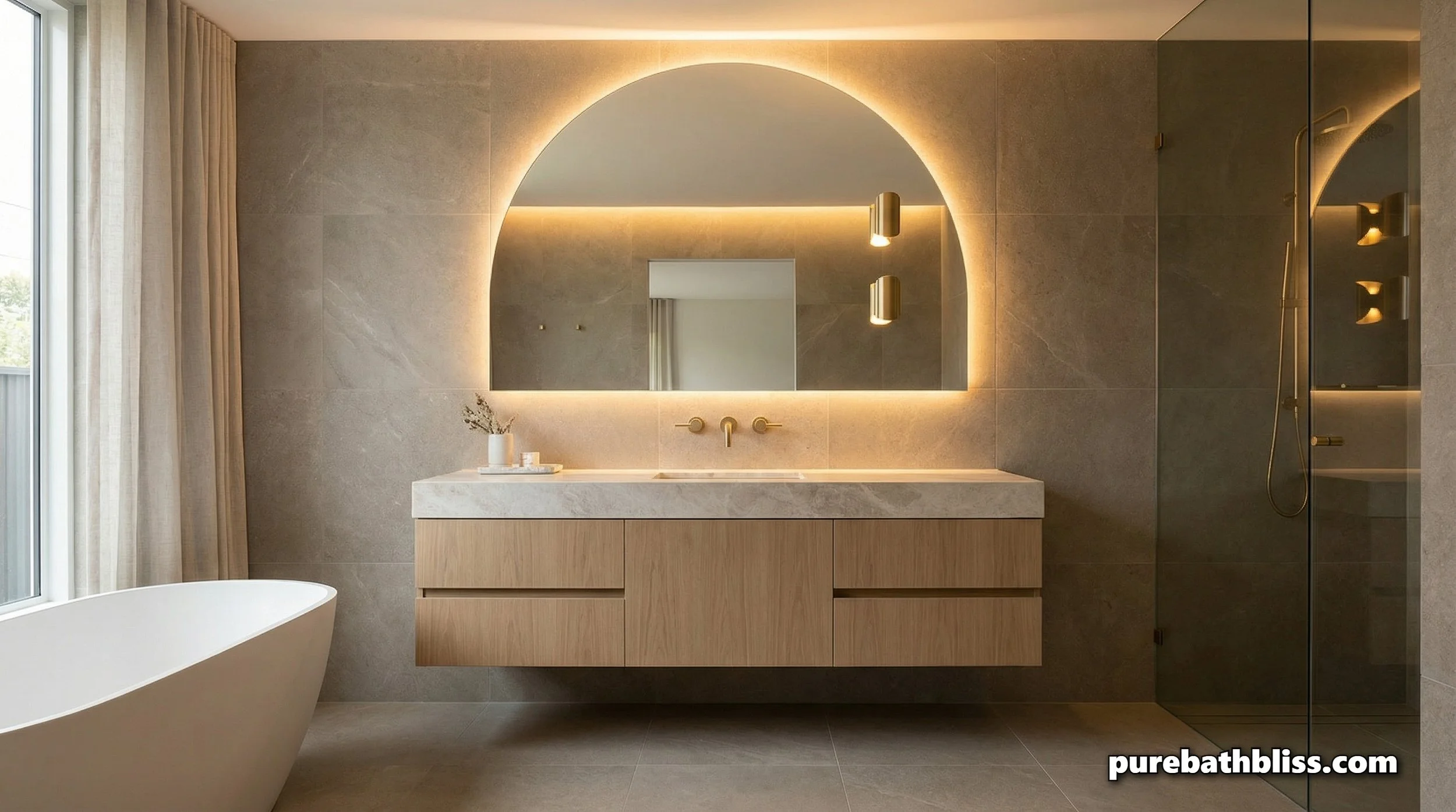
The Midas Touch: Are Gold Bathroom Fixtures Actually Tacky?
If you were to walk into a bathroom remodel in 1988, you’d likely be blinded by high-shine, polished brass. It was everywhere, from the towel bars to the shower door frames. Because of that era’s "maximalist" obsession and the subsequent "over-saturation" of cheap, yellow toned metals, many homeowners still flinch at the mention of gold fixtures. There is a deep-seated fear that the bathroom will look dated before the grout even dries.
But in 2026, gold has undergone a massive "Heritage Revival." We are moving away from the cold, clinical grays and "Millennial Pink" of the last decade and returning toward warmth, organic textures, and a soft, candlelight "glow."
The question today isn't whether gold is inherently tacky, it’s whether you are choosing Gold-Tone (Tacky) or Gold-Finish (Timeless).