The Bath Bomb Aftermath: Protecting Your Tub’s Surface
In a Sustainable Sanctuary, a bath bomb is the ultimate ritual for decompression. But the aftermath can be anything but relaxing. As a builder, I see the "sensory delight" of those vibrant colors, glitters, and essential oils through a different lens: they are "contaminants" for your bathtub’s finish.
Whether you have a classic cast-iron clawfoot or a modern acrylic alcove, the residue left behind by a bath bomb can lead to permanent staining and, more importantly, a slippery safety hazard for the next person in line. With a family of six, the tub is a high-traffic asset. If you don't clear the "bath bomb fallout" immediately, the oils will harden and create a "dirt magnet" for the next person’s bath.
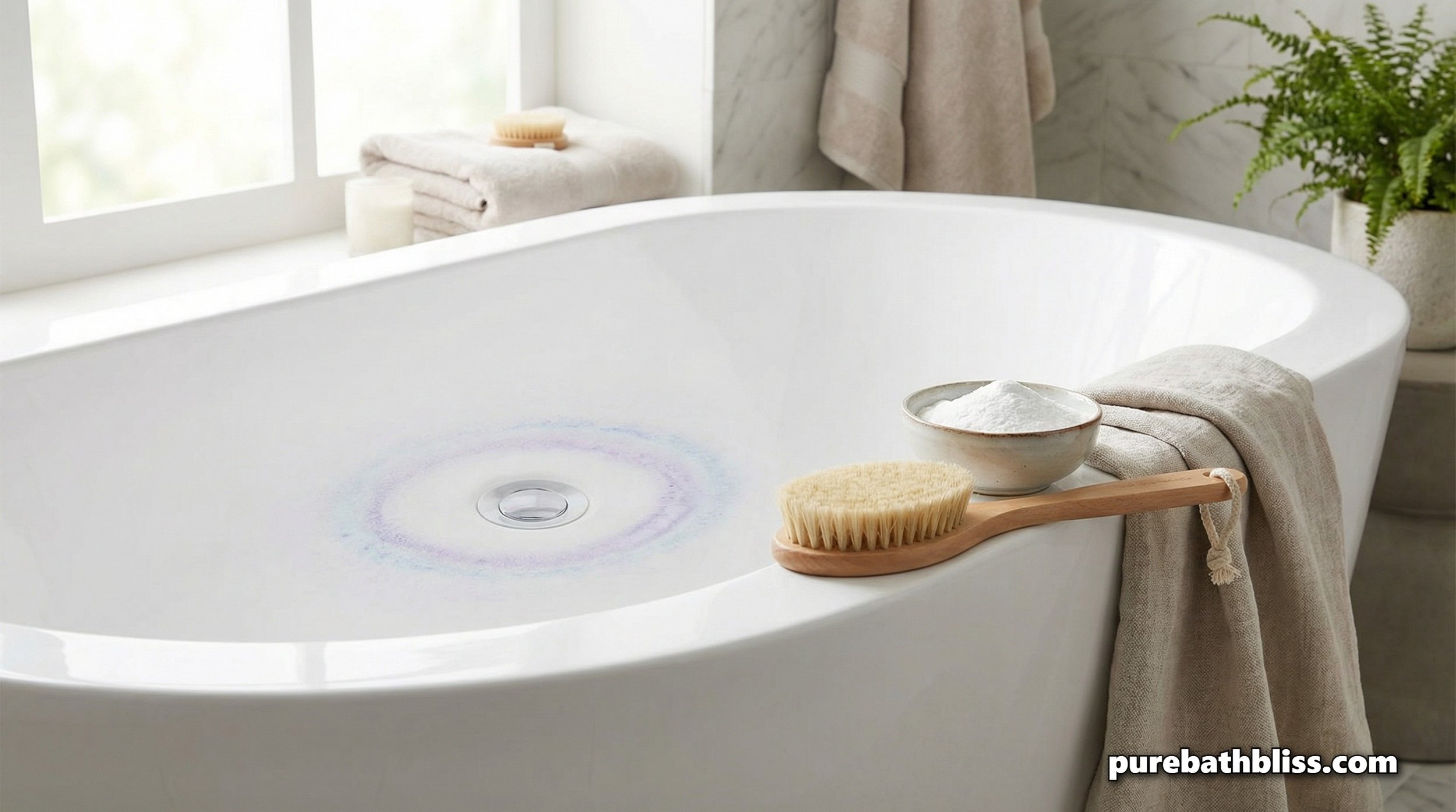
1. The Anatomy of a Bath Bomb Stain
The ingredients that make bath bombs so fun, bicarbonate, citric acid, artificial dyes, and heavy oils, can be quite aggressive toward your tub’s "skin." I categorize these stains by how they interact with your home's infrastructure:
The Oil Ring: Oils and butters (like shea or cocoa) are liquid in the hot bath but solidify as the water drains and the surface cools. This creates a tacky film that is a major slip-hazard, especially for kids.
The Dye "Tattoo": Many tubs, especially older enamel or poorly maintained acrylic, have microscopic "pores." Artificial dyes can penetrate these pores and permanently tint the tub if left to dry.
The Glitter Menace: Most "bath glitter" is actually micro-plastic. If you try to scrub it away with a heavy-duty abrasive sponge, you are effectively sanding the glossy finish of your tub. This creates tiny scratches that give future stains a permanent place to live.
2. The "Pure" Cleaning Solution: The Degreaser Ritual
You don't need harsh bleach to fix a bath bomb ring. In fact, bleach can actually "set" some dyes into the surface and damage the finish of your fixtures. Instead, we use what I call the "Builder's Degreaser."
The Recipe: 2 parts White Vinegar + 1 part Natural Grease-Cutting Dish Soap.
Why it works: The dish soap is a "surfactant." It breaks the molecular bond of the bath bomb oils so they can no longer hold onto the dye or the tub surface. The vinegar handles any hard water minerals that might be "anchoring" the mess.
3. The Post-Bath Ritual: Step-by-Step
To keep your sanctuary ready for the next person, follow this immediate action plan:
Step 1: The "Hot Rinse"
Never let the tub air-dry after a bath bomb. While the tub is still wet, rinse the walls down with the hottest water your faucet can provide. This keeps the oils in a liquid state so they can wash down the drain rather than sticking to the walls.
Step 2: The "Magic" Spray
Spray your vinegar and dish soap mixture all over the "ring" area. Let it sit for 5 to 10 minutes. This gives the soap time to emulsify the heavy oils and lift the pigments.
Step 3: The Soft Scrub
Use a microfiber cloth or a soft-bristled nylon brush. The Builder's Rule: Never use steel wool or the green "scrubby" side of a kitchen sponge. These are too abrasive and will destroy the factory shine of your tub.
Step 4: The Glitter Wipe
Glitter is heavy; it won't always rinse away. Use a damp paper towel or a dedicated "utility" cloth to physically wipe the glitter out of the tub and into the trash.

4. Preventing "Plumbing Trauma"
As we discussed in our guide on Managing Hair Clogs, your drains are already under significant stress in a large family. Bath bombs add a new layer of complexity: solidifying fats.
Heavy butters from bath bombs can solidify inside your pipes, catching hair and creating "fatbergs" in your P-trap.
The Fix: After every bath bomb session, flush the drain with a full kettle of boiling water. This ensures the oils make it all the way out to the main sewer line before they cool down and harden.
5. Summary: Bath Bomb Material Guide
| Tub Material | Risk Level | Best Cleaning Tool |
|---|---|---|
| Acrylic/Fiberglass | High (Scratches easily) | Microfiber & Dish Soap |
| Cast Iron Enamel | Medium (Acid sensitive) | Baking Soda Paste |
| Stone/Marble | Extreme (Very Porous) | pH-Neutral Stone Cleaner |
| Copper | Medium (Reactive) | Warm Water & Mild Soap |
6. The Long-Term View: Surface Maintenance
If your tub seems to stain more easily than it used to, the protective factory "gel coat" or enamel may be wearing thin. As a maintenance ritual, I recommend applying a Non-Toxic Tub Wax once a year. This fills in the microscopic scratches and creates a "non-stick" surface that makes bath bomb residue slide right off.
Conclusion: Self-Care Without the Stress
A Sustainable Sanctuary is a place where self-care shouldn't come at the cost of your home’s longevity. By using gentle, grease-cutting cleaners immediately after your soak, you preserve the "Pure" white finish of your tub and keep your sanctuary ready for the next family member.
Embrace the bath bomb, enjoy the ritual, and just remember: A hot rinse today saves a heavy scrub tomorrow.