Beyond the Boiling Pot: Better (and Safer) DIY Vaporizers
We’ve all been there: The kids have a croupy cough, the winter air is bone-dry, and the store-bought humidifier just chose tonight to stop working. In those desperate moments at 2:00 AM, my first instinct used to be heading straight to the bathroom to run a hot shower just for the steam. We’d sit on the floor, breathing in the fog, waiting for the coughing to stop.
While the "Shower Steam" works in a pinch, it’s a high-moisture shock to your home’s system. As a builder, I look at Relative Humidity (RH) management. Your goal isn't just a blast of steam; it’s a "Goldilocks" zone of 30%–50% RH. Anything lower, and your skin cracks; anything higher, and your window headers start to rot.
Here is how to manage the "emergency steam" in the bathroom and how to create a "homemade vaporizer" for the rest of the house that actually works without compromising your Sustainable Sanctuary.
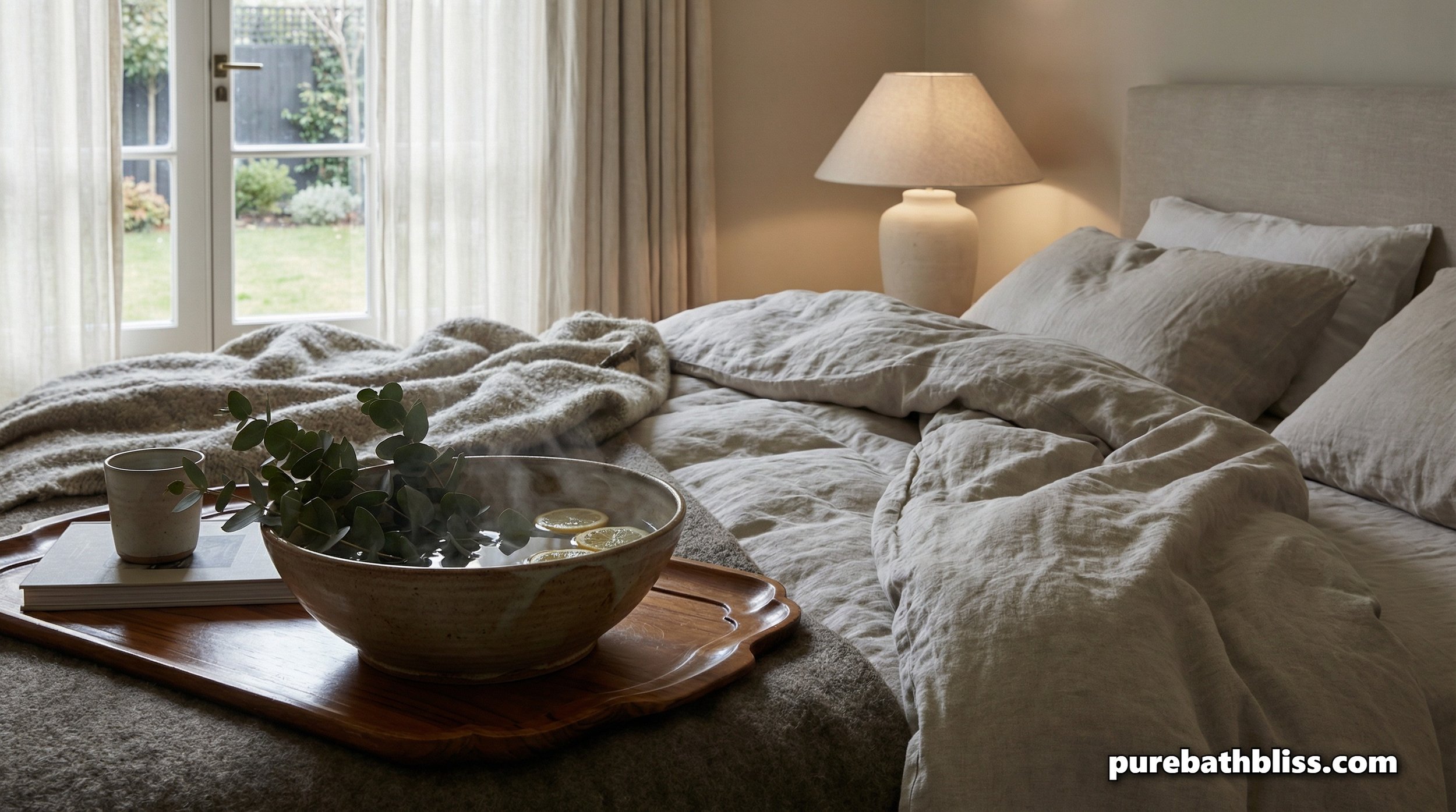
1. The Bathroom Strategy: The "Targeted" Steam
If you are using the bathroom for respiratory relief, don't just let the water run down the drain. You can make that steam more effective and less damaging to your paint and drywall.
The "Vapor Bowl" Hack: Instead of running the shower for 20 minutes, fill the bathroom sink with near-boiling water and add your Organic Eucalyptus Oil. Sit with the child near the sink. You get the same concentrated steam in a smaller "zone" without saturating the entire room's wallpaper and ceiling.
The Fan Rule: Once the "steam session" is over, you must clear the room. Run your Bathroom Exhaust Fan for at least 30 minutes. If you leave that fog to sit, it will find its way into your vanity cabinets and behind your mirrors, leading to the mold issues we want to avoid.
2. The "Slow & Steady" Crockpot Method
This is the safest "active" vaporizer for a bedroom. Unlike a hot plate or a stove-top pot, a slow cooker is designed for long-term, stable heat. Its heavy ceramic base makes it much harder to accidentally knock over.
The Build: Fill a large slow cooker 3/4 full with filtered water. Set it to "Low" and leave the lid off.
The "Pure" Edge: Add 2–3 drops of essential oils. Because the water isn't reaching a rolling boil, the oils don't "burn" or degrade as quickly, providing a more consistent benefit throughout the night.
Builder’s Tip: Always place the crockpot on a cork or silicone mat to prevent "heat-ringing" your furniture.
3. The "Passive" Radiator Humidifier
If you have older steam or hot water radiators, you have a built-in engine for a vaporizer. This is the most "Sustainable" choice because it uses zero extra electricity.
The Build: Use a heavy stoneware bowl or a traditional hanging ceramic radiator humidifier.
The Physics: The radiator’s consistent heat provides a gentle, constant evaporation. It won't create a "steam cloud" that ruins your drywall, but it will raise the RH of a room by 5–10% over several hours.
4. The "Personal" Mason Jar Steam (The Targeted Fix)
Sometimes the goal isn't room humidity; it’s clearing a congested chest. You don't need to humidify the whole house to help one person breathe.
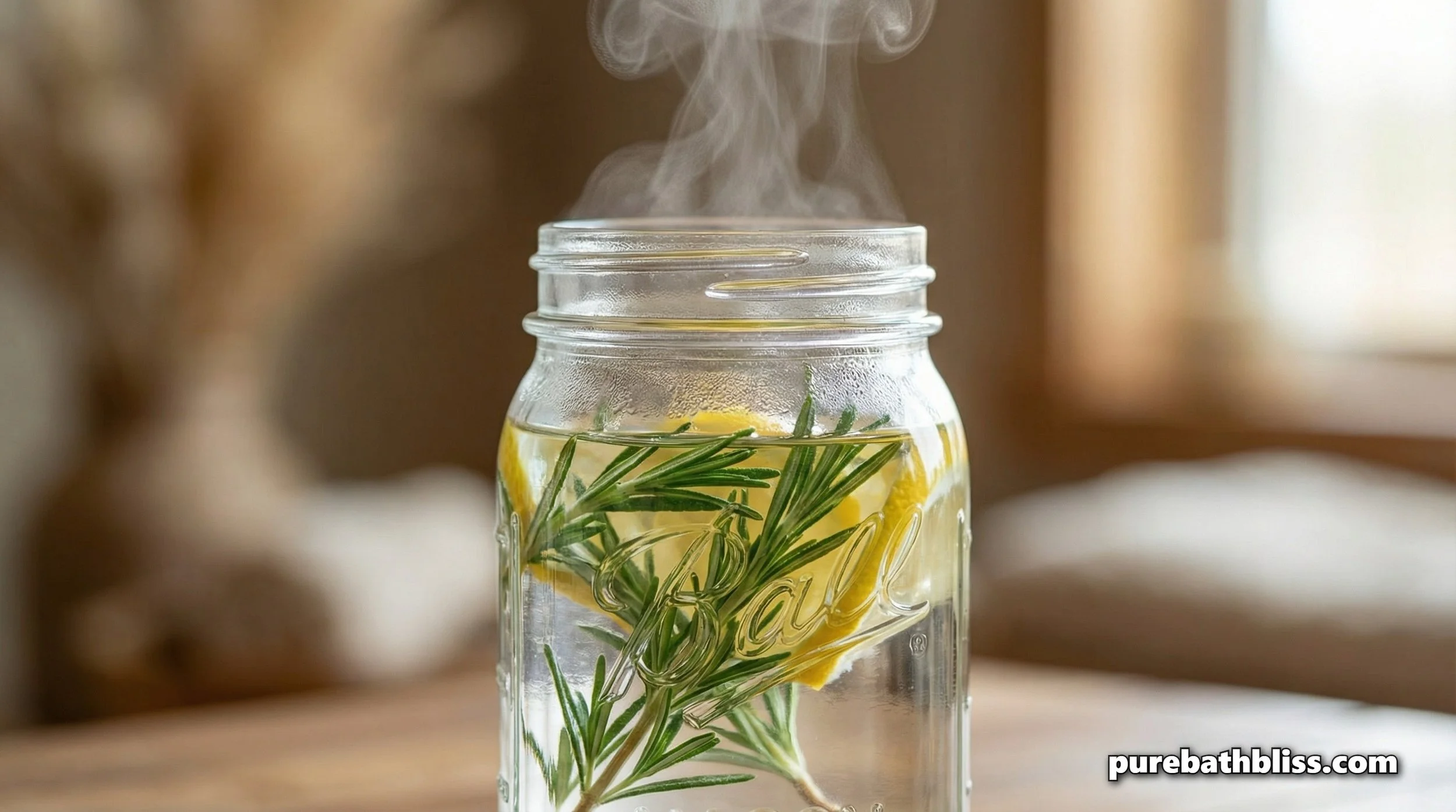
The Build: Use a wide-mouth quart Mason jar. Fill with 3 inches of near-boiling water. Add herbs or oils.
The Technique: Use a towel "hood" to create a mini-sanctuary over the jar. Breathe deeply for 5–10 minutes.
Warning: Glass transfers heat rapidly. Always wrap the jar in a thick kitchen towel first.
5. Summary: DIY Vaporizer Comparison Matrix
| Method | Safety | Best For | Builder's Note |
|---|---|---|---|
| Crockpot | 8/10 | Overnight Room Relief | Use filtered water to avoid "white dust" (calcium). |
| Radiator Bowl | 10/10 | Maintenance | Lowest risk of over-humidifying the structure. |
| Mason Jar | 7/10 | Instant Relief | High burn risk; must be closely supervised. |
| Shower Steam | 5/10 | Emergency Use | High water waste; run the fan immediately after. |
Conclusion: Respecting the Dew Point
A Sustainable Sanctuary is about balance. We want the air to be kind to our lungs, but we also want the house to be dry enough to last for 100 years. By choosing these methods over a wide-open boiling pot, you are protecting your family from burns and your home from the silent threat of structural mold.