The Wellness Revival: Are Spa Baths Making a Comeback?
For a decade, the design world told us that "tubs were out" and "curbless showers were in." But as our homes have become our primary places of recovery, the bathtub has reclaimed its throne, not as a standard utility, but as a sculptural wellness tool.
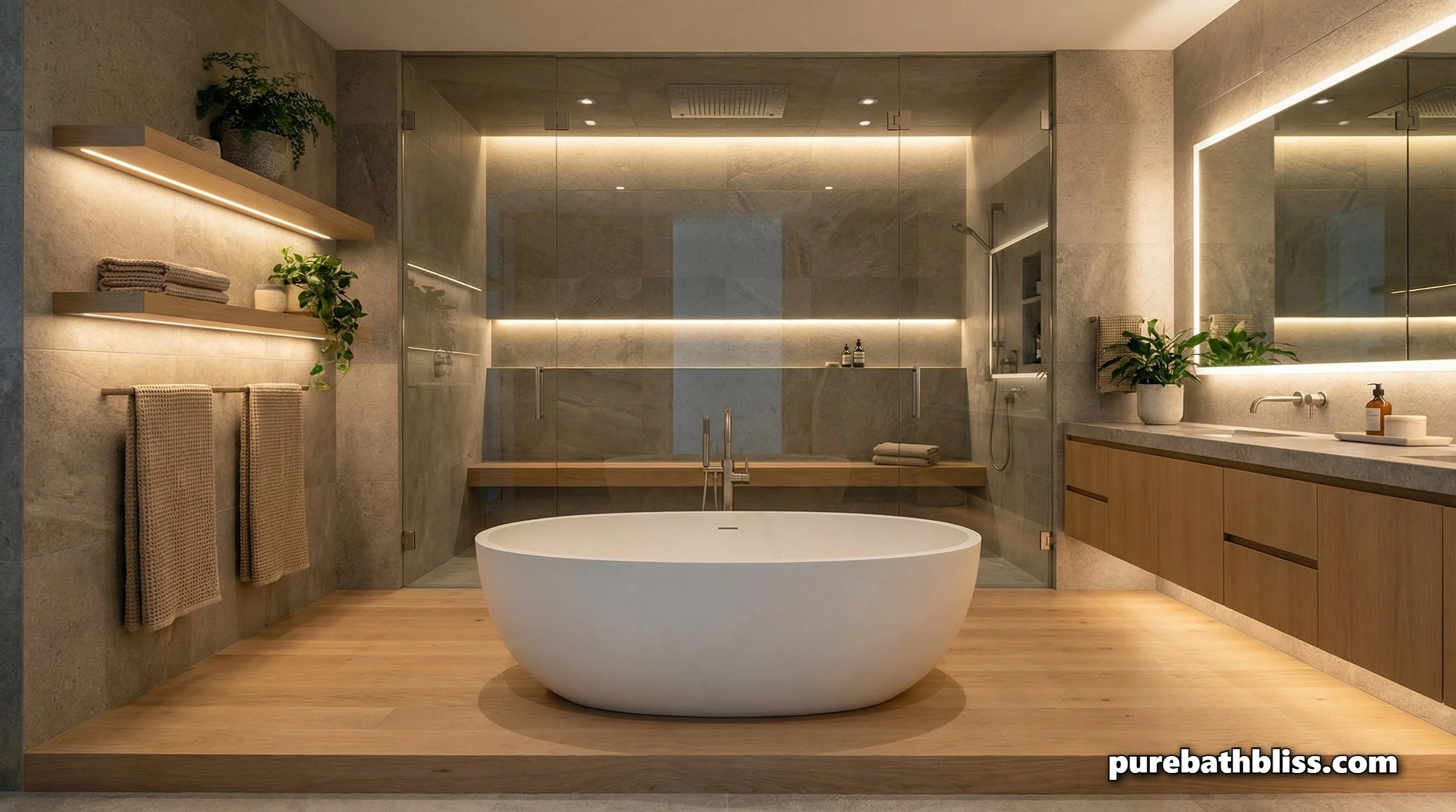
In 2026, the spa bath is no longer the bulky, beige corner unit with yellowing plastic jets from the 90s. It has evolved into a sleek, freestanding vessel designed for Hydrotherapy, Thermal Regulation, and Sensory Rest. If you’re planning a bathroom renovation, understanding the "guts" of these tubs is just as important as the aesthetic.
1. The Modern "Spa" Options: Decoding the Tech
If you are looking to integrate a spa-level experience into your Sustainable Sanctuary, you have three distinct mechanical paths. Each has a different impact on your home's plumbing and electrical infrastructure.
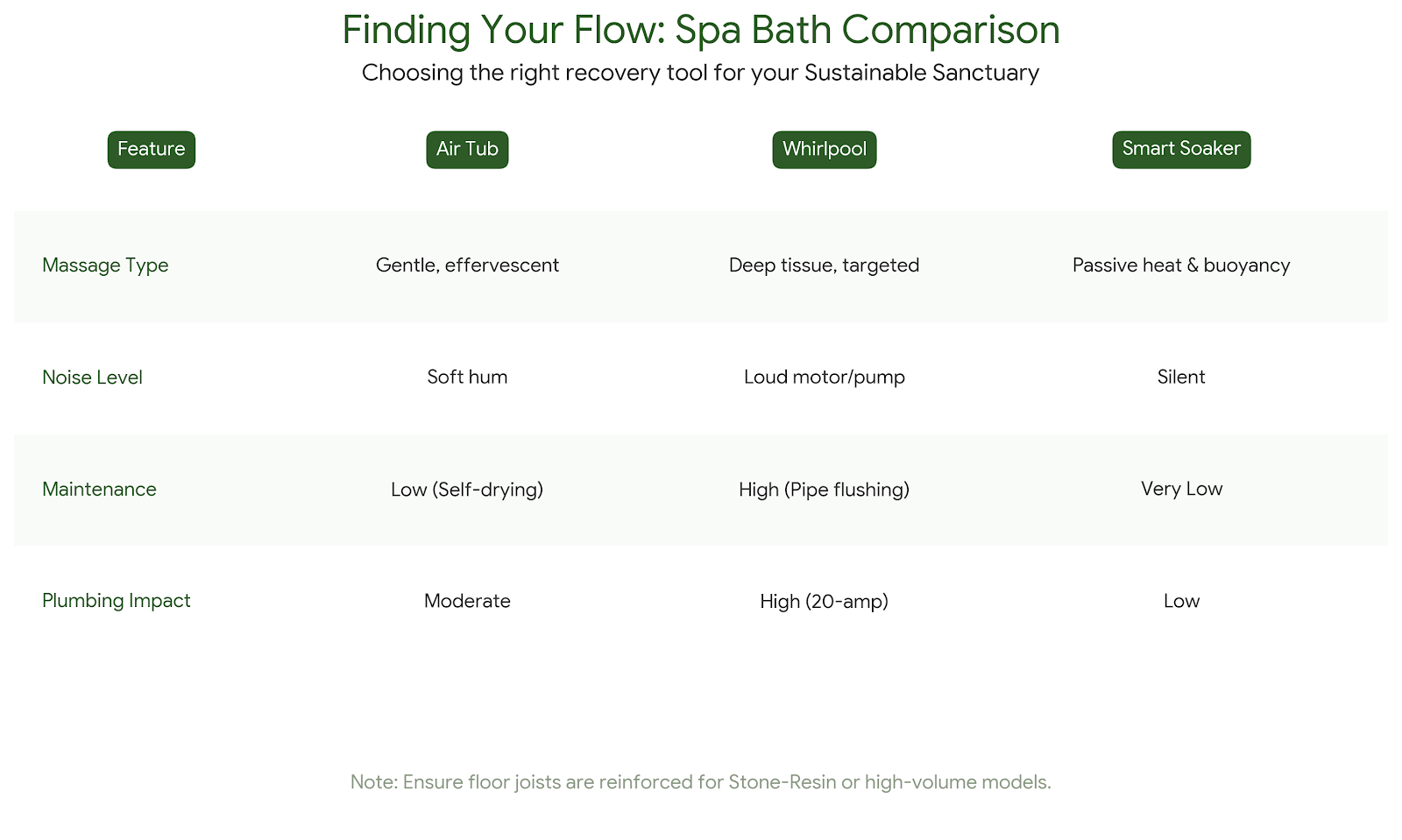
The Air Tub (The Gentle Spa): Instead of high-pressure water jets, these use a perimeter blower to push warm air through hundreds of tiny, laser-drilled holes. It creates a "champagne bubble" effect that is ideal for stress relief and sensitive skin.
The Whirlpool (The Therapeutic Spa): These use a powerful pump to recirculate water through large, adjustable nozzles. This is the "Biohacker's" choice, designed for deep-tissue massage and post-workout muscle restoration.
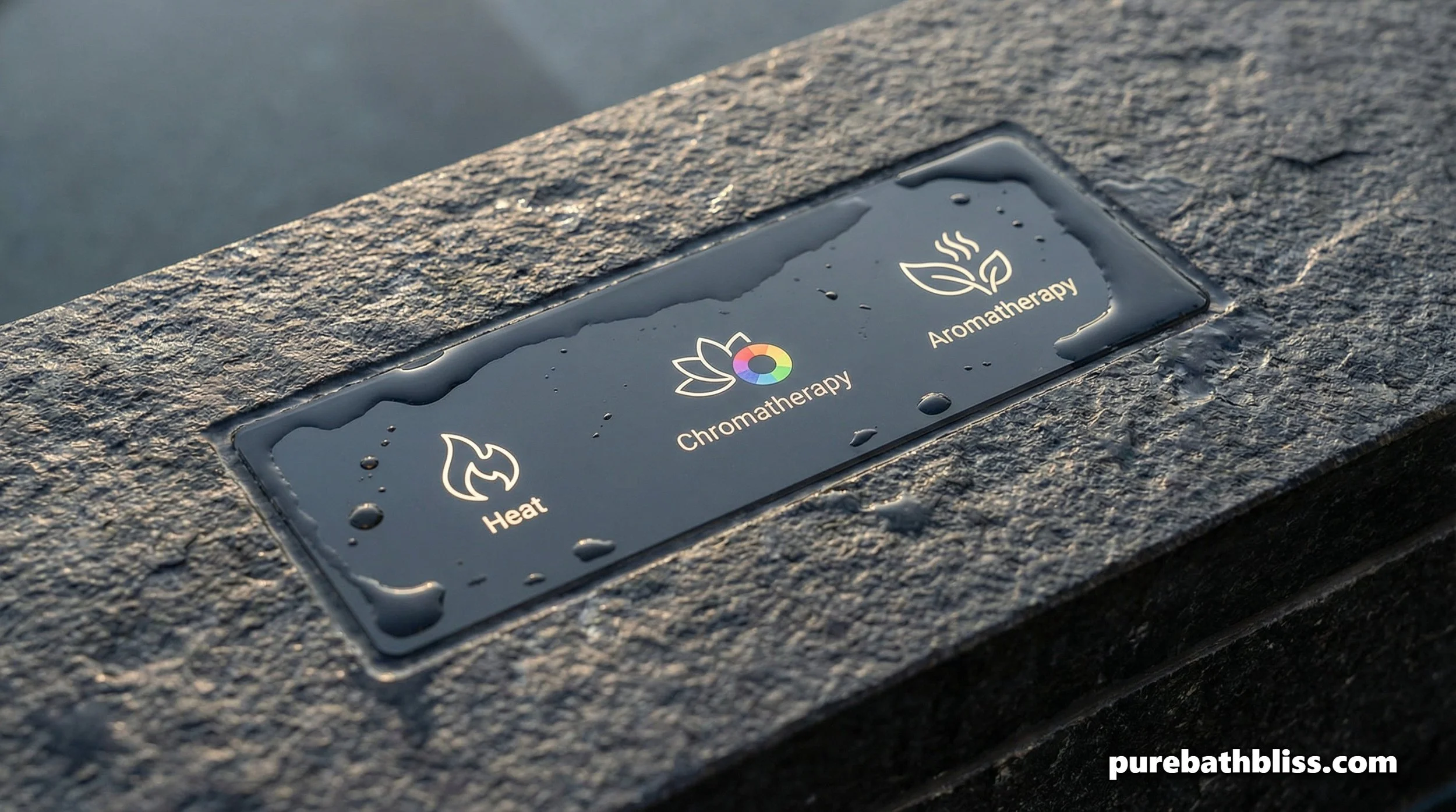
The "Smart" Soaker (The Modern Spa): These tubs have no jets and no noise. Instead, they feature integrated Bask™ heating (to keep water at a constant 104°F) and Chromatherapy (LED color sequences) to soothe the nervous system through light frequency rather than physical pressure.
2. The Pros: Why the Comeback is Real
The Science of "Biohacking" at Home
The 2026 revival is driven by Recovery Science. Modern spa baths are now being paired with "Cold Plunge" accessories and Infrared Heat modules. This "Contrast Therapy" (alternating heat and cold) is proven to reduce inflammation and boost the immune system.
Thermal Mass & Sustainability
We are moving away from thin acrylic and toward Stone Resin and Volcanic Limestone. As a builder, I love these materials for their thermal mass. They act like a battery, once they are hot, they stay hot for 45+ minutes. This means you aren't constantly "topping up" with hot water, which saves energy and water over the life of the tub.
Increased Resale Value
According to 2026 real estate data, "Wellness Features" like steam showers and sculptural tubs are appearing in 33% more luxury listings. A "Spa-Primary Suite" is no longer an upgrade; it’s a non-negotiable for high-end buyers looking for a retreat from a high-stress world.
3. The Cons: The Infrastructure Reality
This is where the "Carpenter" in me comes out. You can't just drop a 300lb stone tub into a standard 1970s bathroom without some structural prep.
Weight Loads & Floor Joists: A standard acrylic tub weighs about 70 lbs. A stone-resin spa bath can weigh 300 lbs empty and over 1,000 lbs when filled with water and a person. If you are installing this on a second floor, you almost certainly need to "sister" your floor joists (adding a second beam alongside the existing one) to prevent sagging or ceiling cracks in the room below.
The "Biofilm" Factor: Whirlpools recirculate water through internal PVC pipes. If not cleaned properly, these pipes can grow "biofilm"—a black, flaky bacteria. In a Sustainable Sanctuary, we prefer Air Tubs because they are "self-purging"; they blow hot air through the lines after the bath is drained to ensure they stay dry and sterile.
The Humidity Load: A 104°F spa bath releases a massive amount of vapor. If your bathroom fan isn't rated for high-CFM (Cubic Feet per Minute), that steam will find its way into your drywall and attic. You must upgrade to a moisture-sensing fan to protect your home's "envelope" from mold.
4. Comparison Table: Which Spa is for You?
5. The "Pure" Maintenance Ritual: Skip the Chemicals
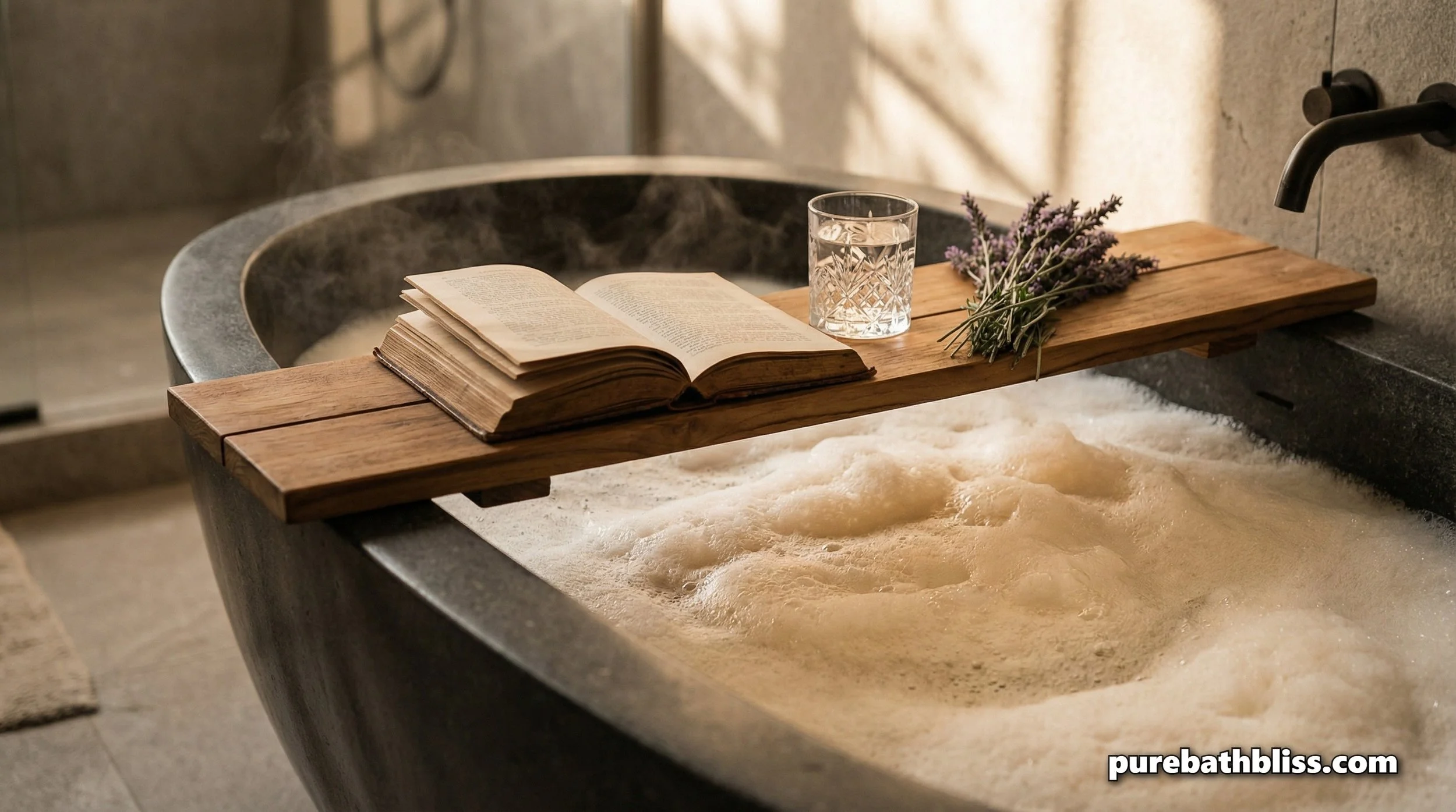
If you choose a jetted spa bath, you don't need those harsh, chemical "purge" cleaners that smell like a swimming pool. Instead, use the Sanctuary Reset once a month:
Fill the tub 2 inches above the jets with the hottest water your heater can provide.
Add 2 cups of white vinegar and 1/2 cup of baking soda. The vinegar breaks down the mineral scale (calcium), while the baking soda acts as a mild abrasive for the pipes.
Run the jets for 15 minutes.
Drain and refill with cold water, running for another 10 minutes to rinse the internal system.
6. The 2026 Trend: The "Wet Room" Integration
The biggest trend we are seeing this year is the Wet Room. Instead of a separate tub and shower, the spa bath is placed inside the shower enclosure. This allows you to move seamlessly between a hot soak and a cold rinse without dripping water across the floor. It also simplifies the plumbing and drainage, making your bathroom feel like a high-end Scandinavian spa.
Conclusion: A Return to the Ritual
The spa bath is making a comeback because we are finally realizing that a bathroom should do more than just get us clean—it should help us heal. If you have the floor strength and the ventilation to support it, a modern stone or air tub is the ultimate investment in your long-term wellness.
Just remember: Choose the fixture that matches your ritual, not just the trend. If you want silence and heat, go Smart Soaker. If you want a deep-tissue massage after a long day on the job, go Whirlpool.