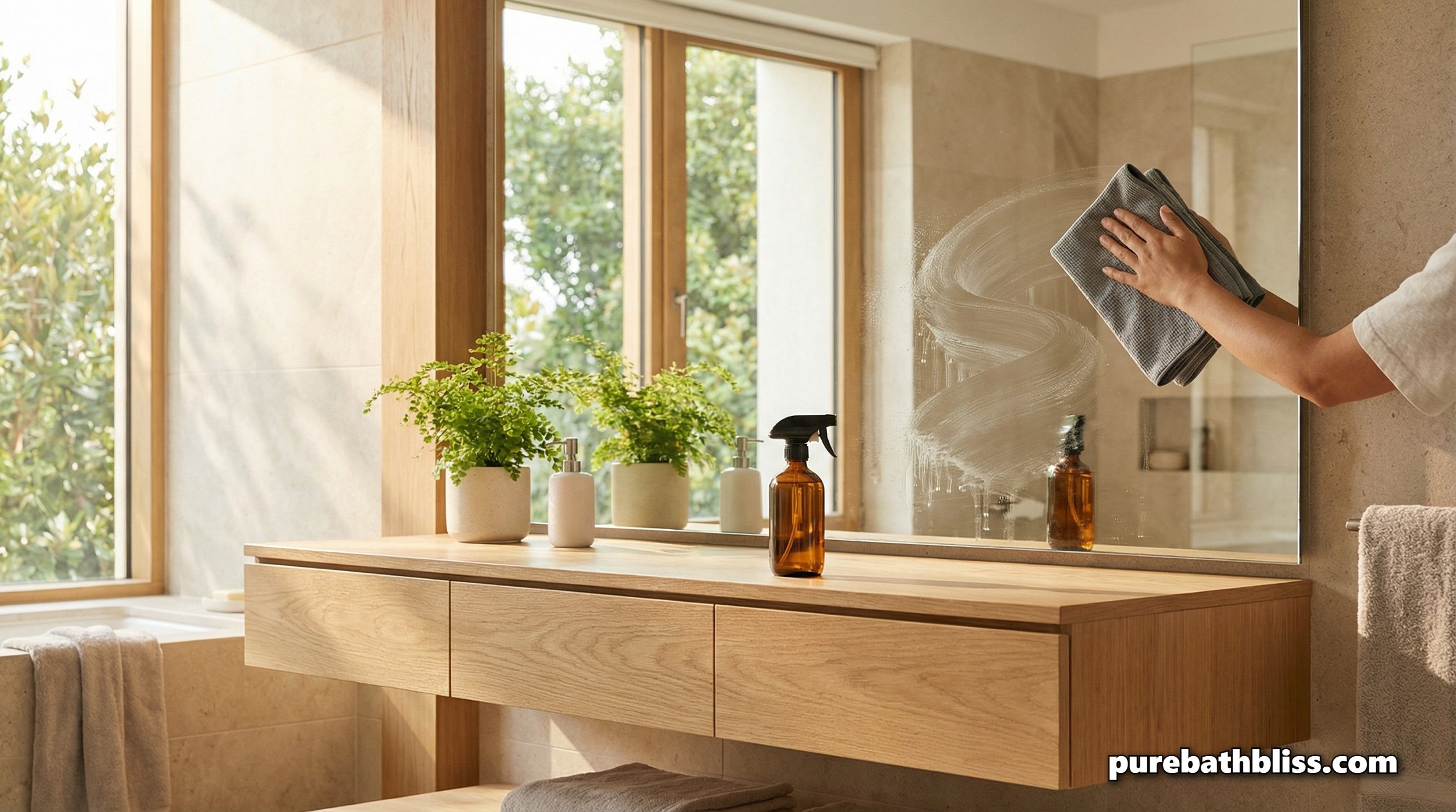
The Saturday Reflection: A Simple Ritual for Crystal Clear Mirrors
In a house with four kids, the bathroom mirror is the ultimate witness to the morning chaos. Between hairspray mist, toothpaste splatters, and the steam from six consecutive showers, your mirror takes a daily beating.
Most homeowners grab a blue chemical spray and soak the glass until it drips. But there is a hidden risk here: if liquid drips down and pools behind the bottom edge, it attacks the silver backing, causing those permanent black spots. To keep your Sustainable Sanctuary "Pure," you need a technique that prioritizes the glass's longevity as much as its shine.
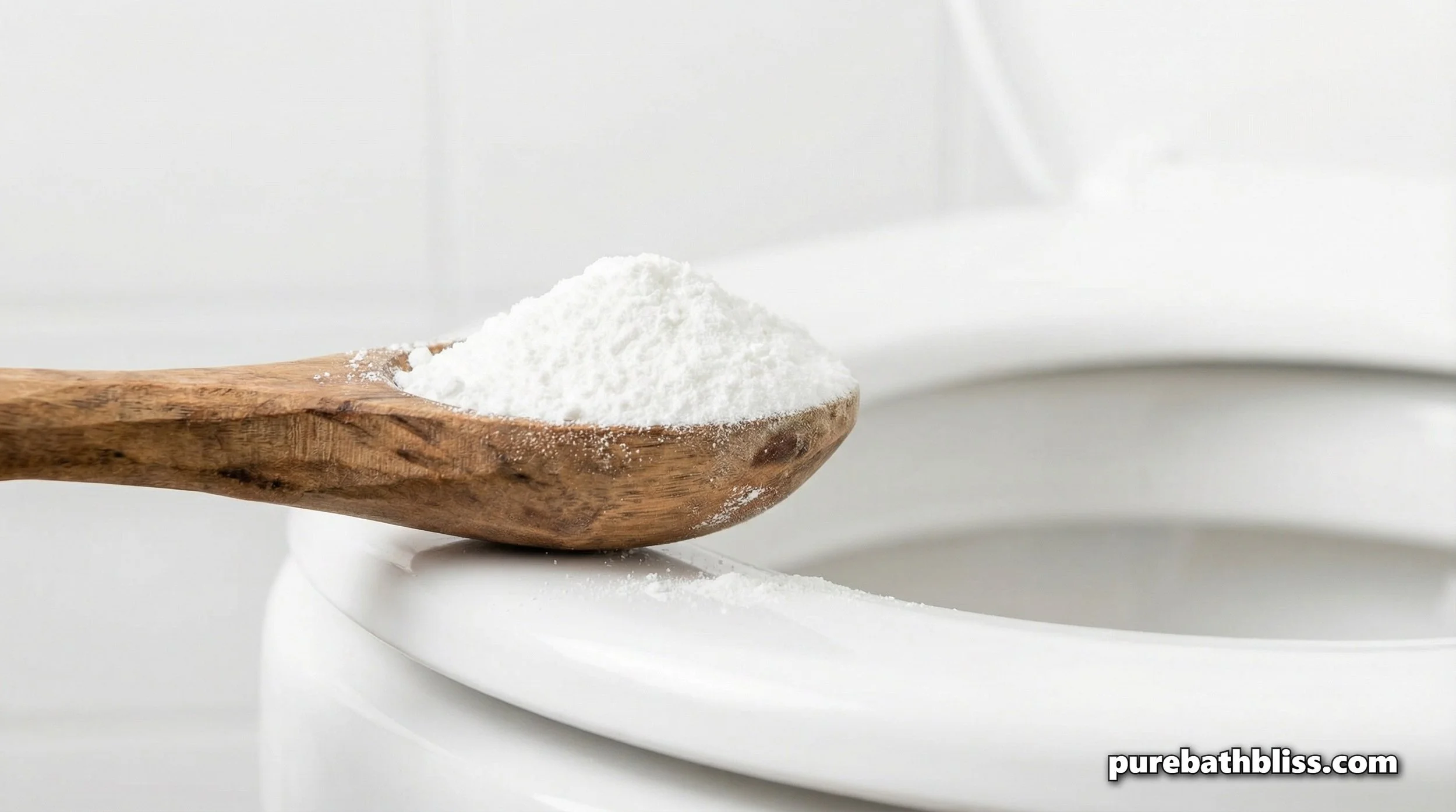
The Pantry Secret: How to Dissolve Toilet Rust with Cream of Tartar
If you live in an area with older iron pipes, hard water, or a private well, you’re familiar with the "orange ring." It’s a stubborn, iron-rich stain that makes your bathroom look like it hasn't been cleaned in months, even if you scrub every day.
Most homeowners instinctively reach for heavy-duty hydrochloric acid (muriatic acid) cleaners. As a builder, I’m here to tell you: Please, stop. Those harsh acids are the "sledgehammer" approach to a "scalpel" problem. They release toxic fumes, can cause chemical burns, and most importantly for your home’s health, they can eat away at the wax ring under your toilet and corrode the metal components inside your tank.
Instead, we’re going to use Tartaric Acid (Cream of Tartar), a byproduct of the winemaking process that is tough on iron oxide but gentle on your home's infrastructure.

Beyond the Boiling Pot: Better (and Safer) DIY Vaporizers
We’ve all been there: The kids have a croupy cough, the winter air is bone-dry, and the store-bought humidifier just chose tonight to stop working. In those desperate moments at 2:00 AM, my first instinct used to be heading straight to the bathroom to run a hot shower just for the steam. We’d sit on the floor, breathing in the fog, waiting for the coughing to stop.
While the "Shower Steam" works in a pinch, it’s a high-moisture shock to your home’s system. As a builder, I look at Relative Humidity (RH) management. Your goal isn't just a blast of steam; it’s a "Goldilocks" zone of 30%–50% RH. Anything lower, and your skin cracks; anything higher, and your window headers start to rot.
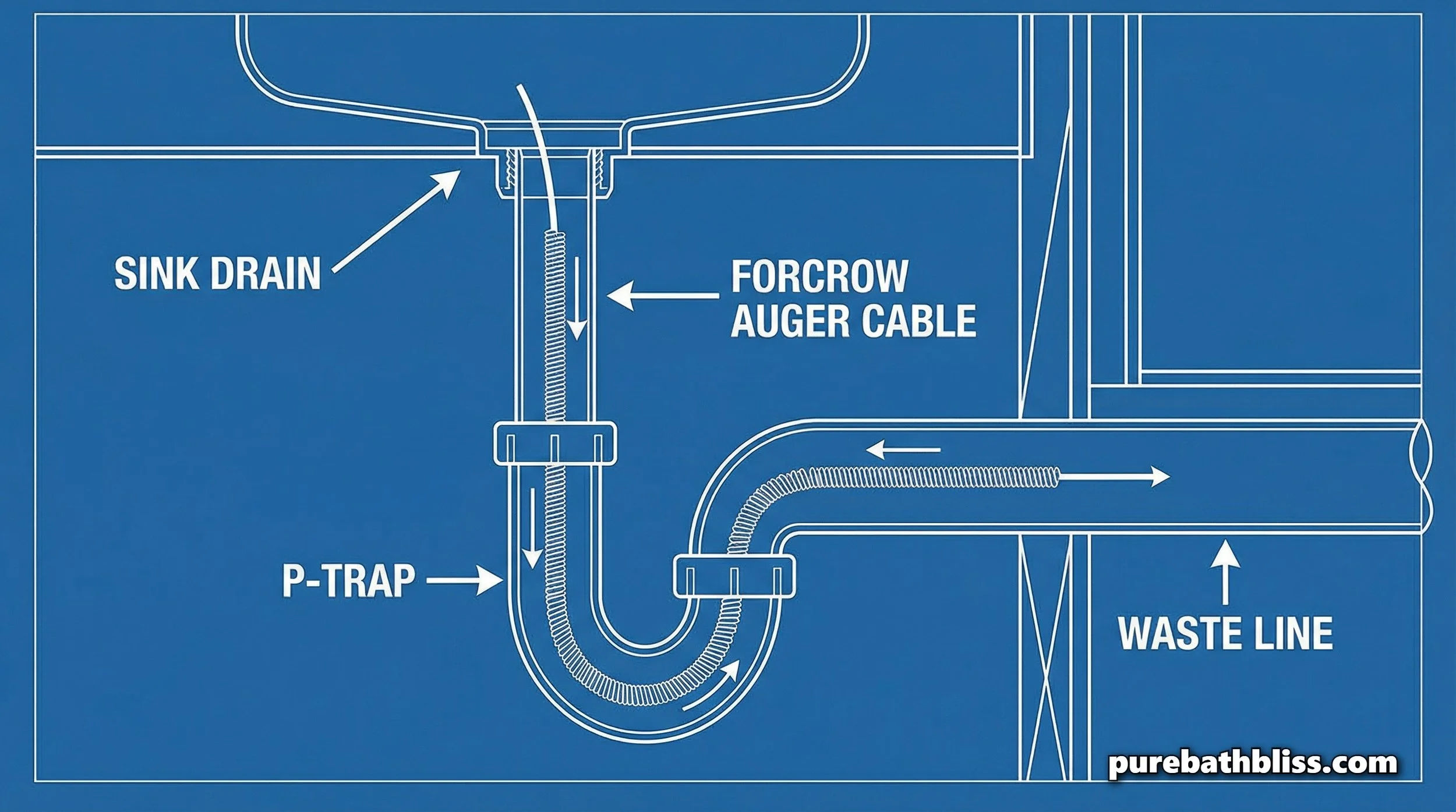
The Mechanical Clear: Top 3 Drain Snakes for Your Home
In a Sustainable Sanctuary, we avoid the "chemical quick-fix" at all costs. From a builder's perspective, I’ve seen exactly what liquid drain cleaners do to metal pipes over time: the caustic heat and acids eat away at the solder joints and create a toxic, dangerous environment for any plumber who has to work on the lines later.
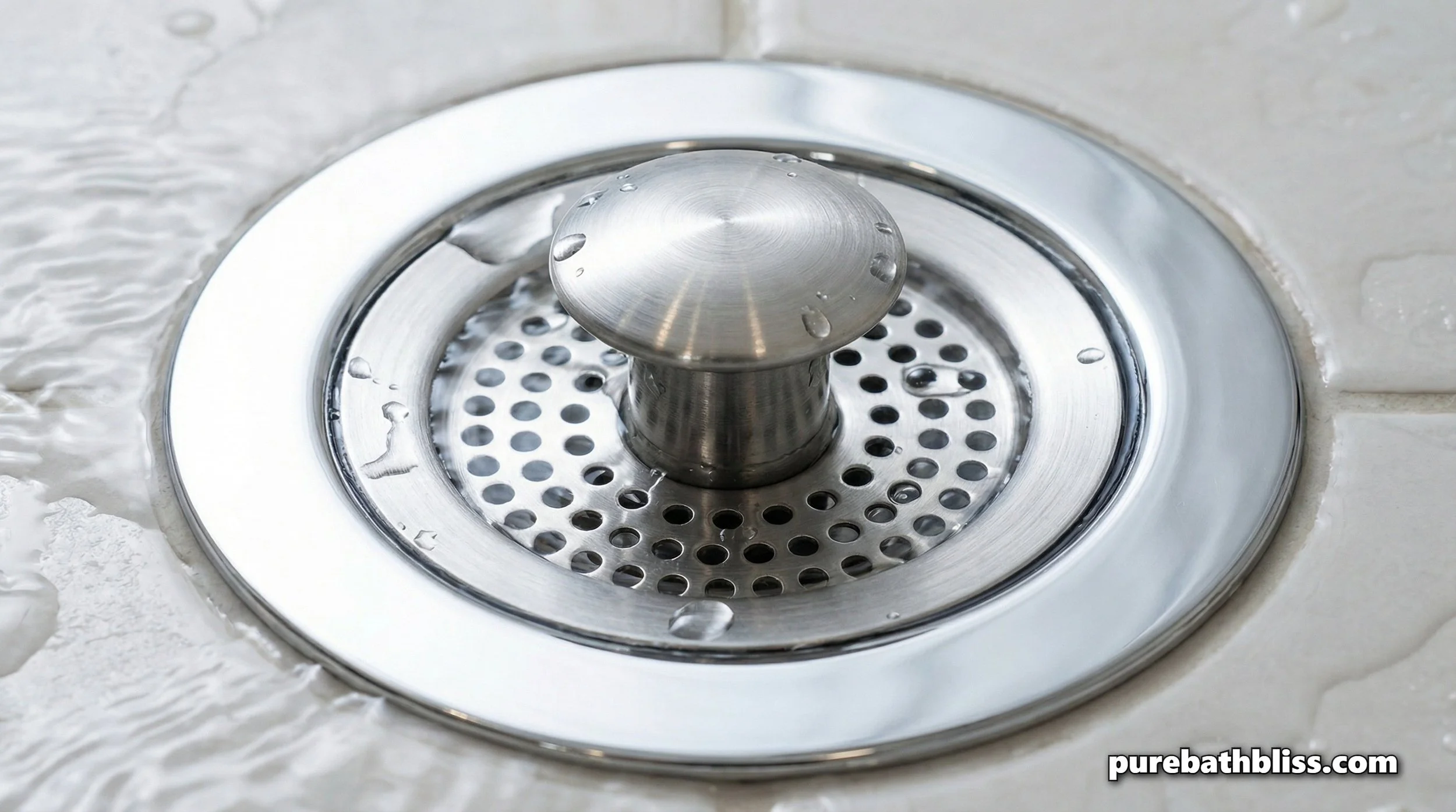
The Frontline: 3 Best Shower Drain Hair Protectors for Large Families
When you have a family of six, your bathroom plumbing is under constant stress. A standard mesh strainer might work for a solo dweller, but in a high-traffic home, those basic screens will clog and overflow before the third person even lathers up.
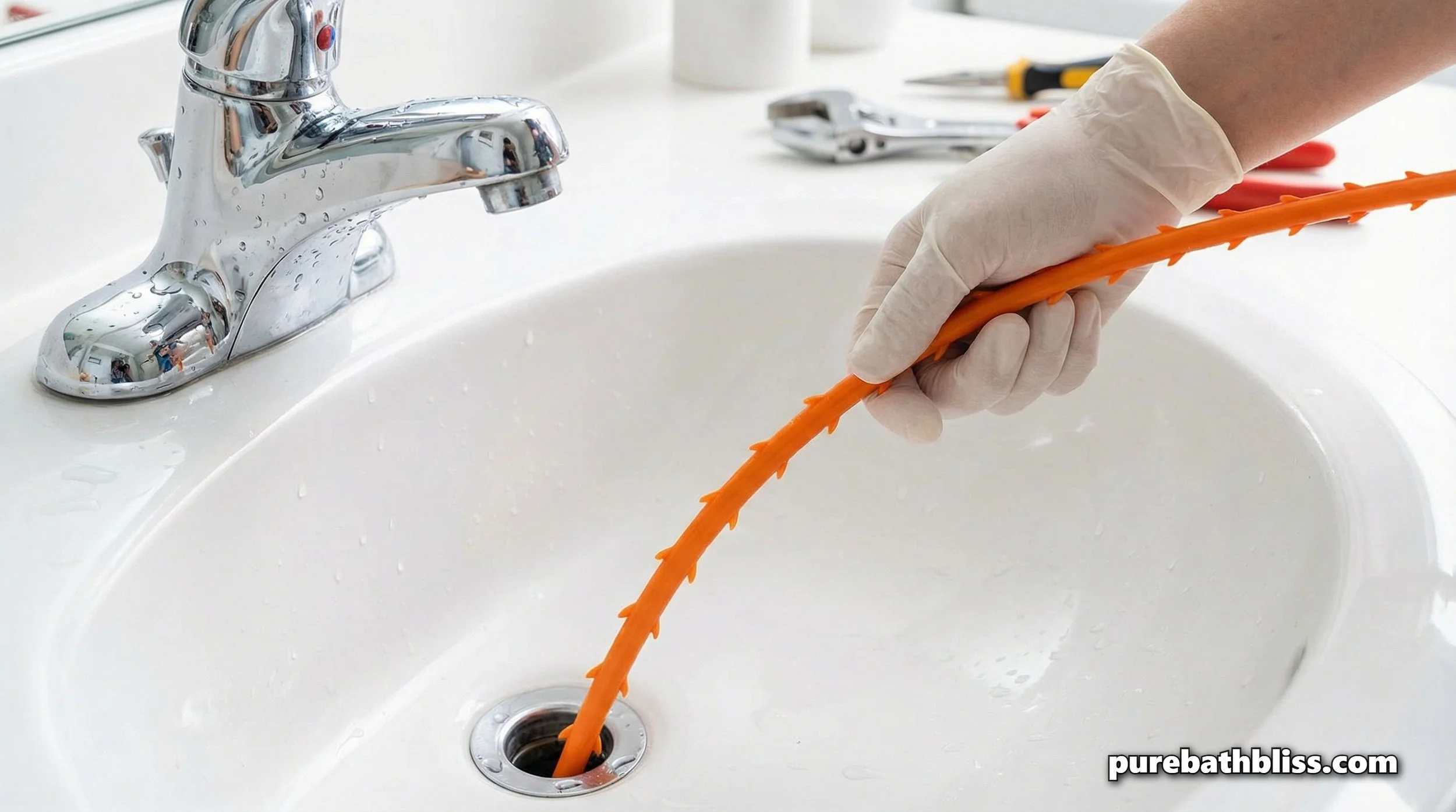
The Hair-Clog Crisis: How to Protect Your Plumbing in a Family of 6
When I’m building a master suite for a client, I spend a lot of time calculating the "pitch"—the subtle slope of the pipes that ensures gravity does its job. But even a perfectly engineered 2-inch shower drain is no match for the cumulative shedding of six people.
Hair is one of the most difficult things for a plumbing system to handle because it doesn't break down; it doesn't dissolve like toilet paper. Instead, it acts like a structural "net," catching soap scum, hair conditioner, and skin cells until it forms a solid, waterproof plug. In my home, we’ve moved past the "hope for the best" stage. We treat drain maintenance as a scheduled ritual, much like changing the furnace filter or checking the smoke detectors.
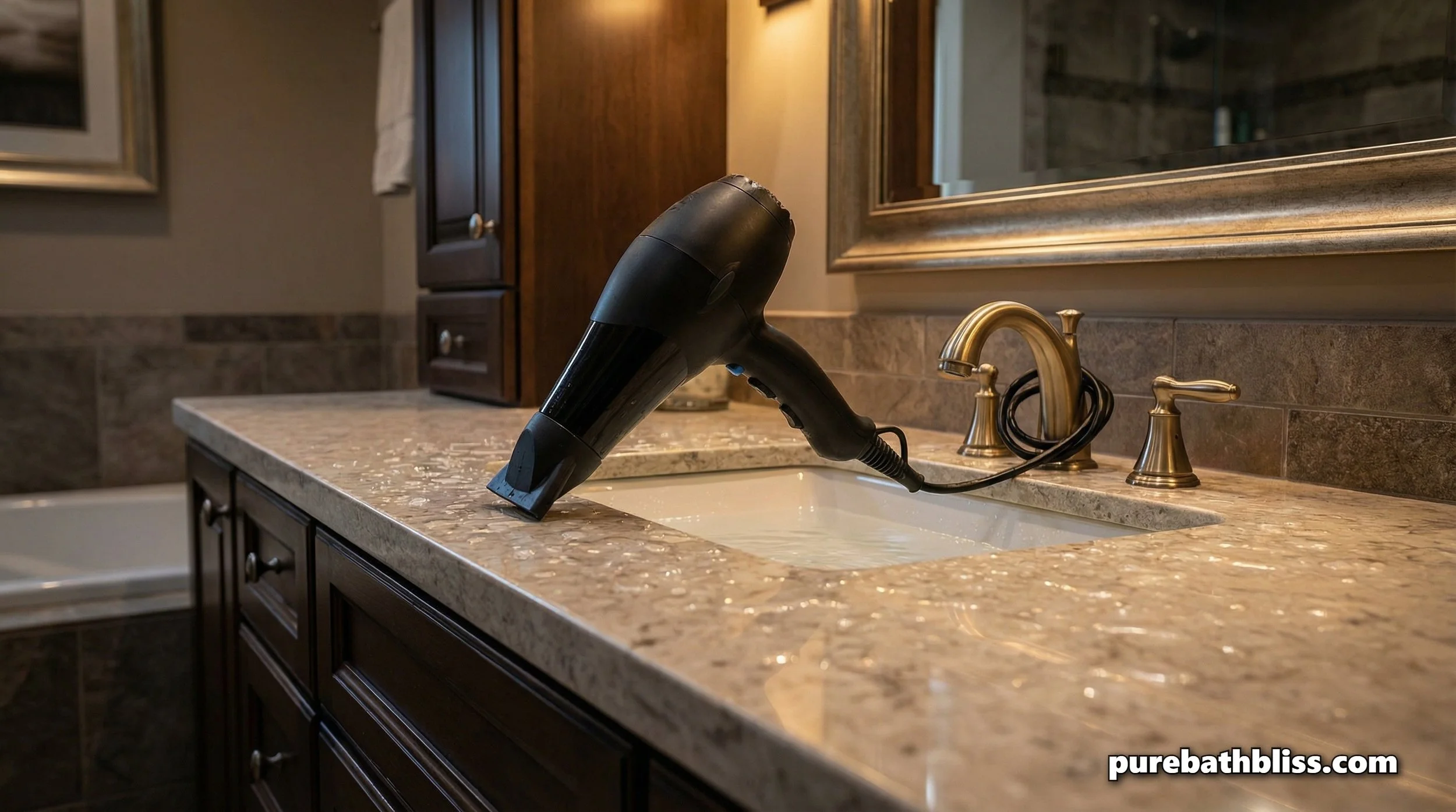
The Countertop Trap: Why Your Blow Dryer Needs a Proper Home
In a Sustainable Sanctuary, we prioritize "Invisible Safety." As a parent of four and a Red Seal Carpenter, I look at a hair dryer sitting on a bathroom counter, and I don't just see a styling tool, I see three distinct threats: a structural hazard, an electrical liability, and a "clutter tax" on your peace of mind.
While it seems convenient to leave it plugged in and ready to go, this habit is a breach of your home’s safety protocol. In my 20 years on job sites, I've seen exactly how moisture and electricity play together. They aren't friends. Leaving your hair dryer out isn't just a design faux pas; it’s an invitation for infrastructure failure.

The 120° Rule: Why I Lowered the Hot Water Temp in My Kids' Bathroom
As a builder, I deal with "tolerances" every day. Whether it's the 1/16th of an inch on a miter cut or the weight-bearing load of a floor joist, accuracy matters. But when it comes to the safety of my four children, the tolerance for error is absolute zero.
Most homeowners don't realize that their water heater is likely sitting at a factory-default temperature that can cause a third-degree burn on a child’s skin in less than three seconds. Lowering your water temperature isn't just about safety; it’s about creating a Sustainable Sanctuary where your children can learn independence, brushing their teeth or washing their hands, without the risk of a trip to the emergency room.

The Power of the Powder Room: More Than Just a Half-Bath
If you’ve ever walked into a small, windowless, yet breathtakingly decorated bathroom on the main floor of a house, you’ve experienced the magic of a powder room. In technical terms, it’s a "half-bath", a room containing only a toilet and a sink. But in the context of a high-end Sustainable Sanctuary, it is so much more.
As a builder, I tell my clients that the powder room is the only place in the home where you can, and should, break all the design rules. Because there is no shower or tub, you don't have to worry about the massive steam and humidity issues we discussed in our Indoor Cold Plunge Guide. This is your chance to go bold, experiment with texture, and create a "jewelry box" for your guests.
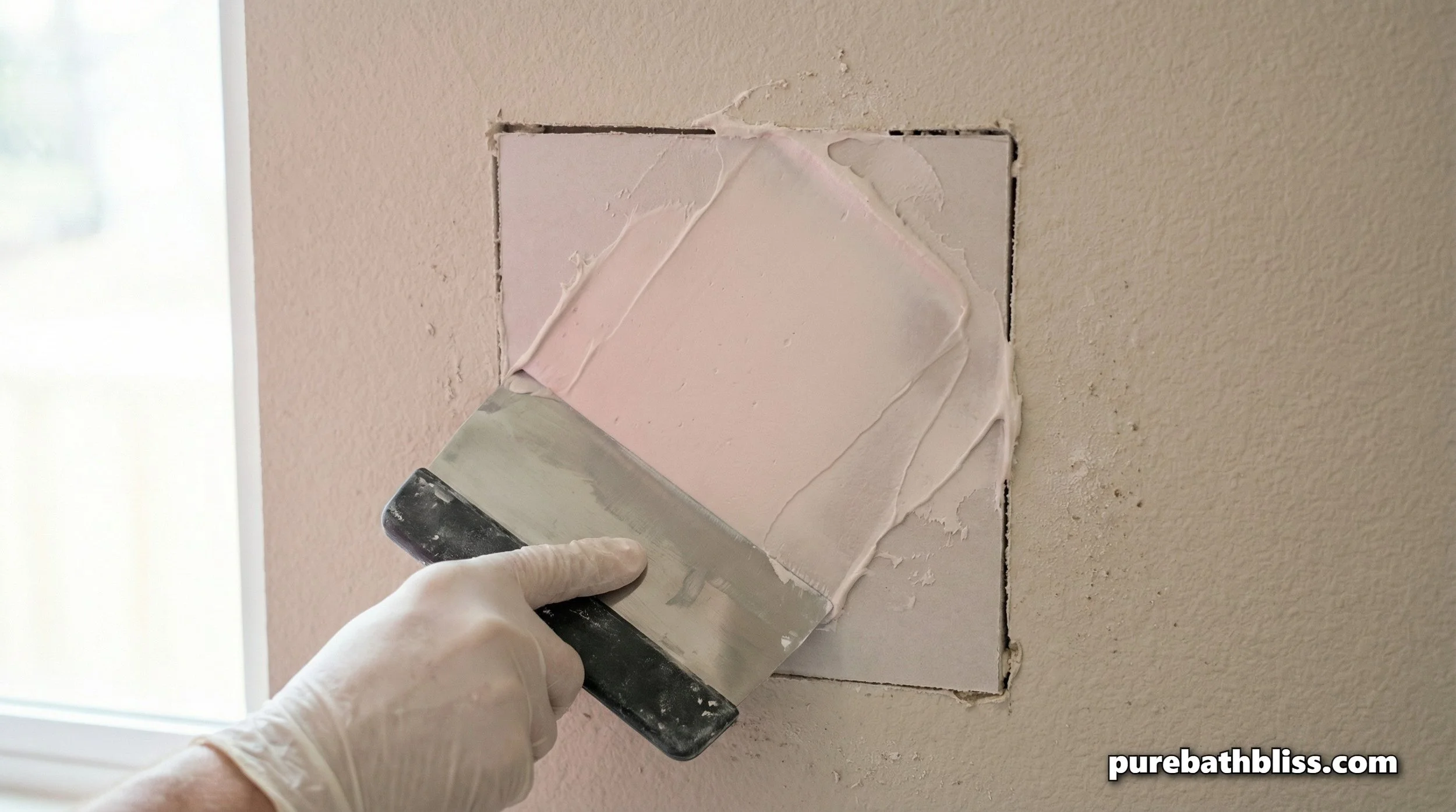
The Invisible Mend: A DIY Guide to Professional Drywall Repair
In my early days on the job site, I learned a hard truth: drywall is 10% application and 90% "feathering." Most homeowners fail at wall repairs because they try to fill a hole in one thick, heavy layer. This leads to cracking, sagging, and a visible "bump" that no amount of paint can hide.
In a Sustainable Sanctuary, we treat our walls like a canvas. A house with "scar tissue" on the walls feels cluttered and unfinished. By mastering the mechanical ritual of the repair, you can maintain the pristine, high-end aesthetic of your home without hiring a contractor for every ding.

The Towel Ritual: How Often Should You Really Wash Your Bath Towels?
Most homeowners view towel laundry as a chore based on the "sniff test." The logic is simple: if it smells fine, it’s clean, right? Not exactly. As a builder, I deal with moisture and microbial growth every day, and I can tell you that by the time a towel develops that distinct "musty" odor, it has already become a thriving colony for bacteria and fungal spores.
In a household with four kids, the bathroom is the most high-traffic "wet zone" in the house. If you aren't managing your towels correctly, you aren't just reusing a dirty cloth, you are reintroducing moisture and microbes into your home's air and back onto your family's freshly cleaned skin.
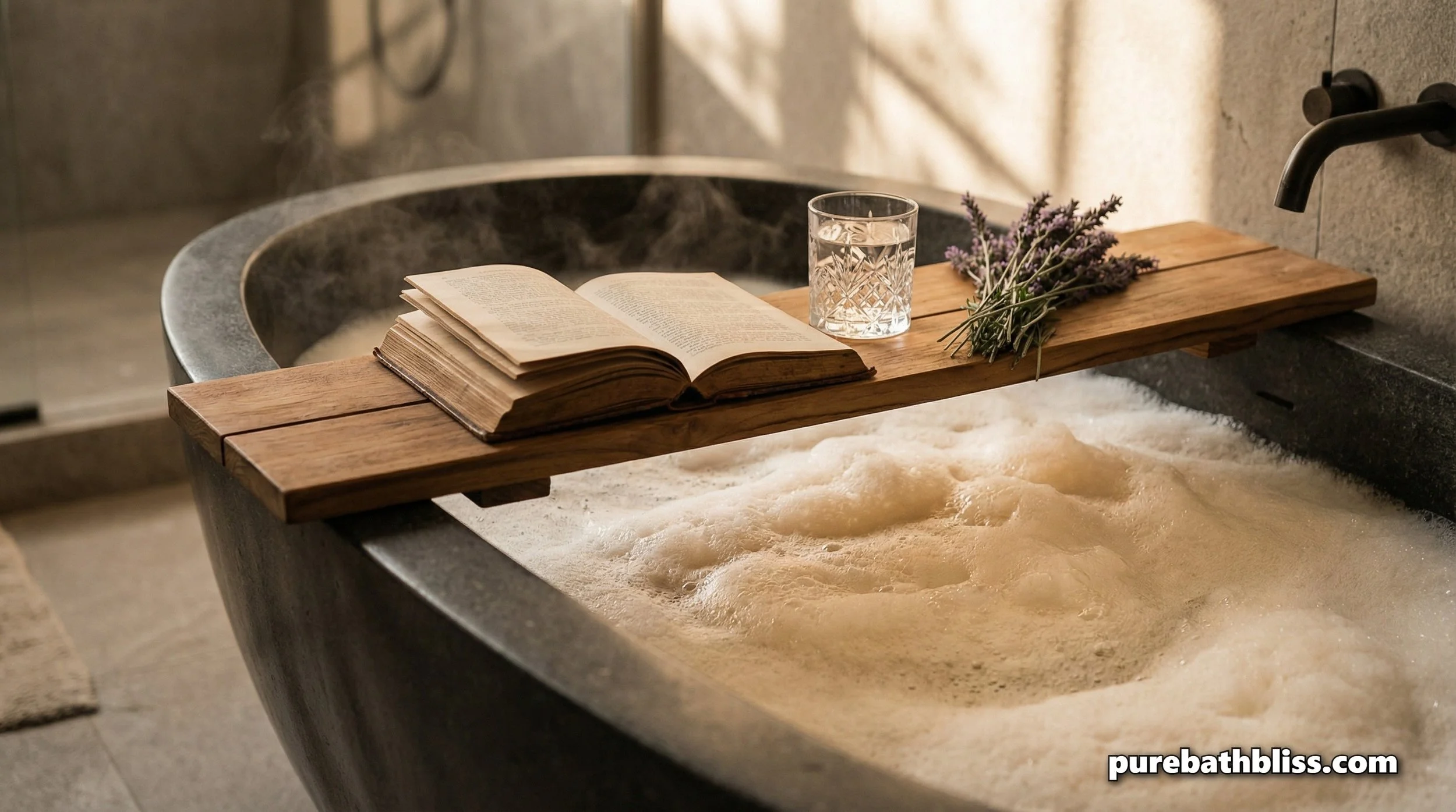
The Wellness Revival: Are Spa Baths Making a Comeback?
For a decade, the design world told us that "tubs were out" and "curbless showers were in." But as our homes have become our primary places of recovery, the bathtub has reclaimed its throne, not as a standard utility, but as a sculptural wellness tool.
In 2026, the spa bath is no longer the bulky, beige corner unit with yellowing plastic jets from the 90s. It has evolved into a sleek, freestanding vessel designed for Hydrotherapy, Thermal Regulation, and Sensory Rest. If you’re planning a bathroom renovation, understanding the "guts" of these tubs is just as important as the aesthetic.

The Midas Touch: Are Gold Bathroom Fixtures Actually Tacky?
If you were to walk into a bathroom remodel in 1988, you’d likely be blinded by high-shine, polished brass. It was everywhere, from the towel bars to the shower door frames. Because of that era’s "maximalist" obsession and the subsequent "over-saturation" of cheap, yellow toned metals, many homeowners still flinch at the mention of gold fixtures. There is a deep-seated fear that the bathroom will look dated before the grout even dries.
But in 2026, gold has undergone a massive "Heritage Revival." We are moving away from the cold, clinical grays and "Millennial Pink" of the last decade and returning toward warmth, organic textures, and a soft, candlelight "glow."
The question today isn't whether gold is inherently tacky, it’s whether you are choosing Gold-Tone (Tacky) or Gold-Finish (Timeless).
The Unseen Guest: 5 Toxic Chemicals Hiding in Your Bathroom (and How to Swap Them)
In the pursuit of a Sustainable Sanctuary, we often focus on the visible, the aesthetic tile, the plush towels, and the sleek fixtures. But as a curator of a healthy home, the most important elements are the ones you can’t see.
Modern bathrooms are a hotspot for "silent" toxins. Because bathrooms are small, humid, and often poorly ventilated, chemicals released from cleaners, cabinetry, and even toilet paper can reach high concentrations quickly.
Here are the five most common toxic offenders currently hiding in your bathroom and the organic, high-performance swaps to replace them.
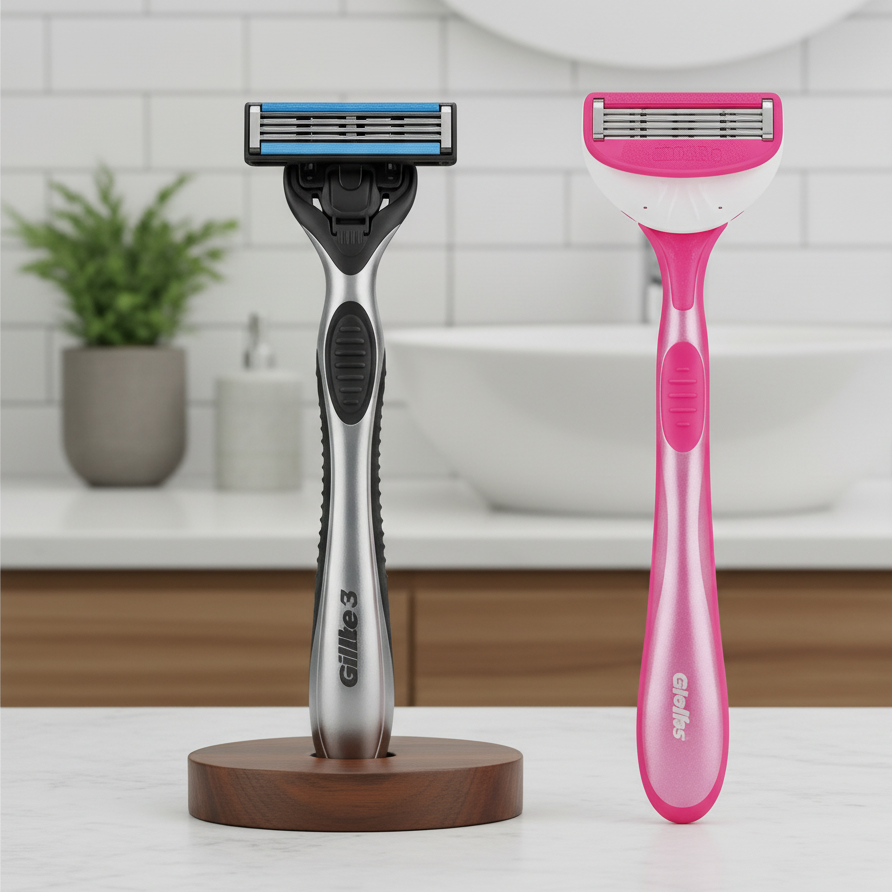
What Is the Difference Between Men’s and Women’s Razors?
When shopping for razors, you’ll notice distinct sections for men’s and women’s products, but are they really that different? While the core function of razors—removing hair—is the same, men’s and women’s razors vary in design, blade configuration, and marketing to suit different shaving needs and preferences. Understanding these differences can help you choose the best razor for your bathroom routine, whether you’re shaving your face, legs, or other areas. This guide breaks down the key distinctions between men’s and women’s razors, focusing on functionality, ergonomics, and practicality for a hygienic, effective shave.

The Daily Mist: A 3-Ingredient Tea Tree Spray for a Mold-Free Sanctuary
The most sustainable way to clean a bathroom is to ensure it never gets truly dirty in the first place. In a high-moisture environment, the battle against mold, mildew, and "pink slime" is constant. Most people wait for the buildup to become visible and then reach for harsh, abrasive chemicals to scrub it away.
In a Sustainable Sanctuary, we take a different approach: Preventative Aromatherapy.
By using a daily Tea Tree and water solution, you can neutralize mold spores on contact and prevent soap scum from bonding to your surfaces. It takes ten seconds at the end of your shower, but it saves hours of scrubbing and protects your home’s air quality.
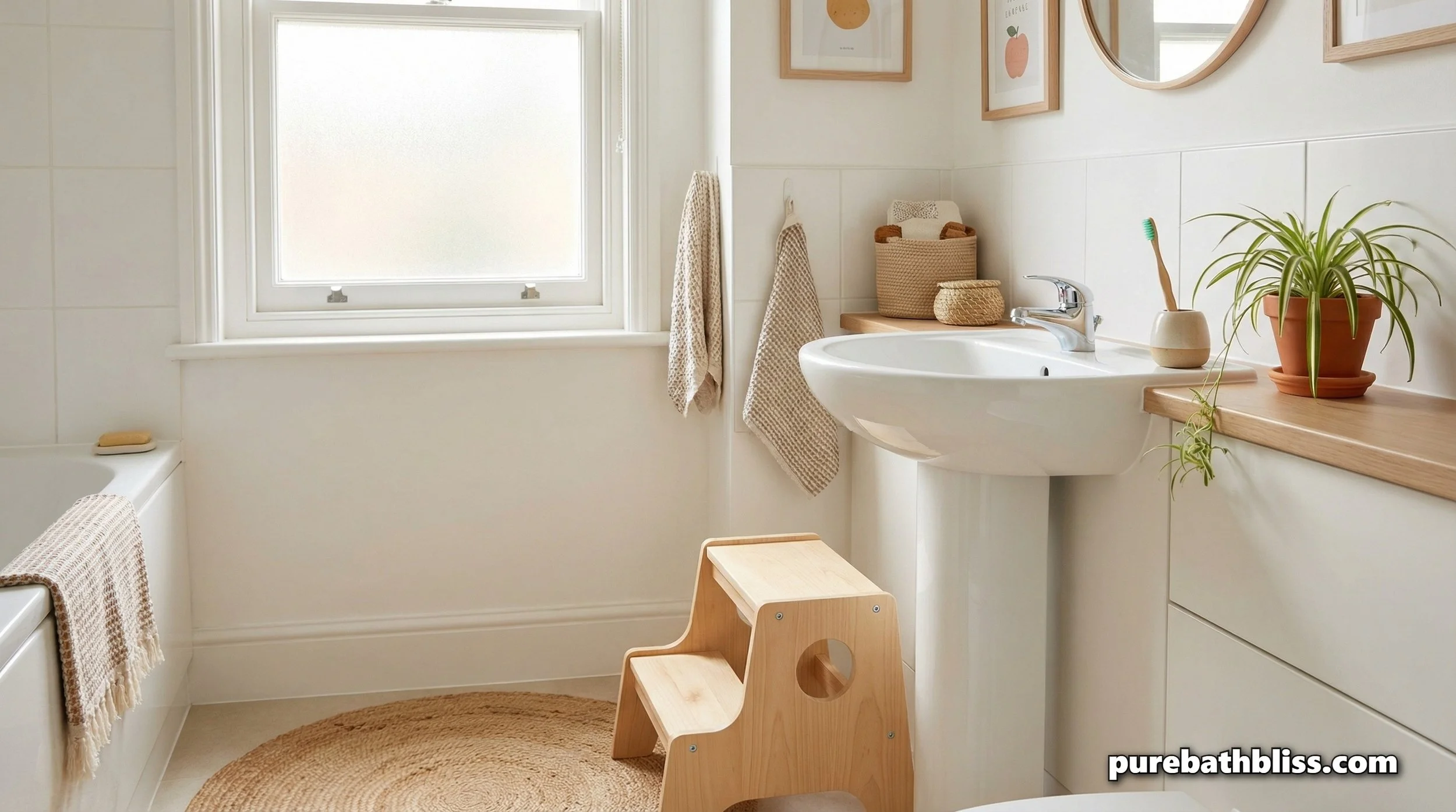
The Rite of Passage: At What Age Should a Child Have Their Own Bathroom?
In the design of a Sustainable Sanctuary, we often focus on the physical materials, the bamboo towels, the non-toxic finishes, and the low-flow fixtures. But the most important element of any home is the people growing within it.
One of the most frequent questions parents ask as they renovate or move into a larger home is: “When is my child actually ready for their own bathroom?”
Is it a matter of age, or is it a matter of maturity? From a developmental and home-maintenance perspective, the answer isn't a single number, it’s a series of milestones. Here is how to determine if your child is ready for bathroom autonomy and how to ensure that transition is sustainable for both the child and the home.
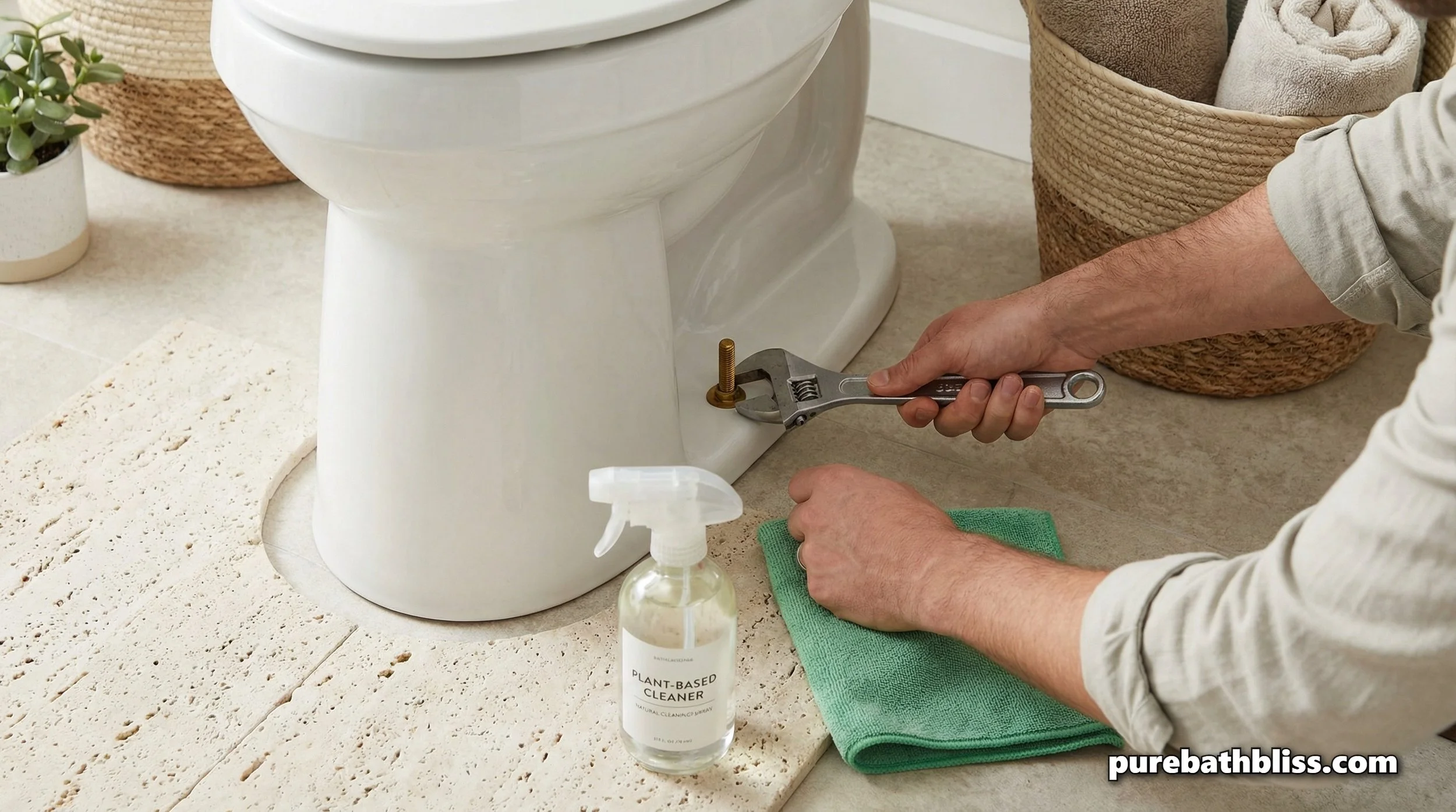
The Silent Water Thief: A Builder’s Guide to Diagnosing and Fixing a Leaky Toilet
A toilet that appears to leak can signal much more than just a plumbing annoyance; it is a disruption to your bathroom’s tranquility and a threat to your home's structural health. In a Sustainable Sanctuary, we see every drip as a wasted resource and every puddle as a potential risk for subfloor rot and mold growth.
Identifying the root cause of a leak is crucial for maintaining a clean, sustainable space. Whether it’s a phantom "trickle" in the middle of the night or dampness around the base, this guide will help you look behind the porcelain to find the "The Silent Water Thief" and restore your bathroom's efficiency.
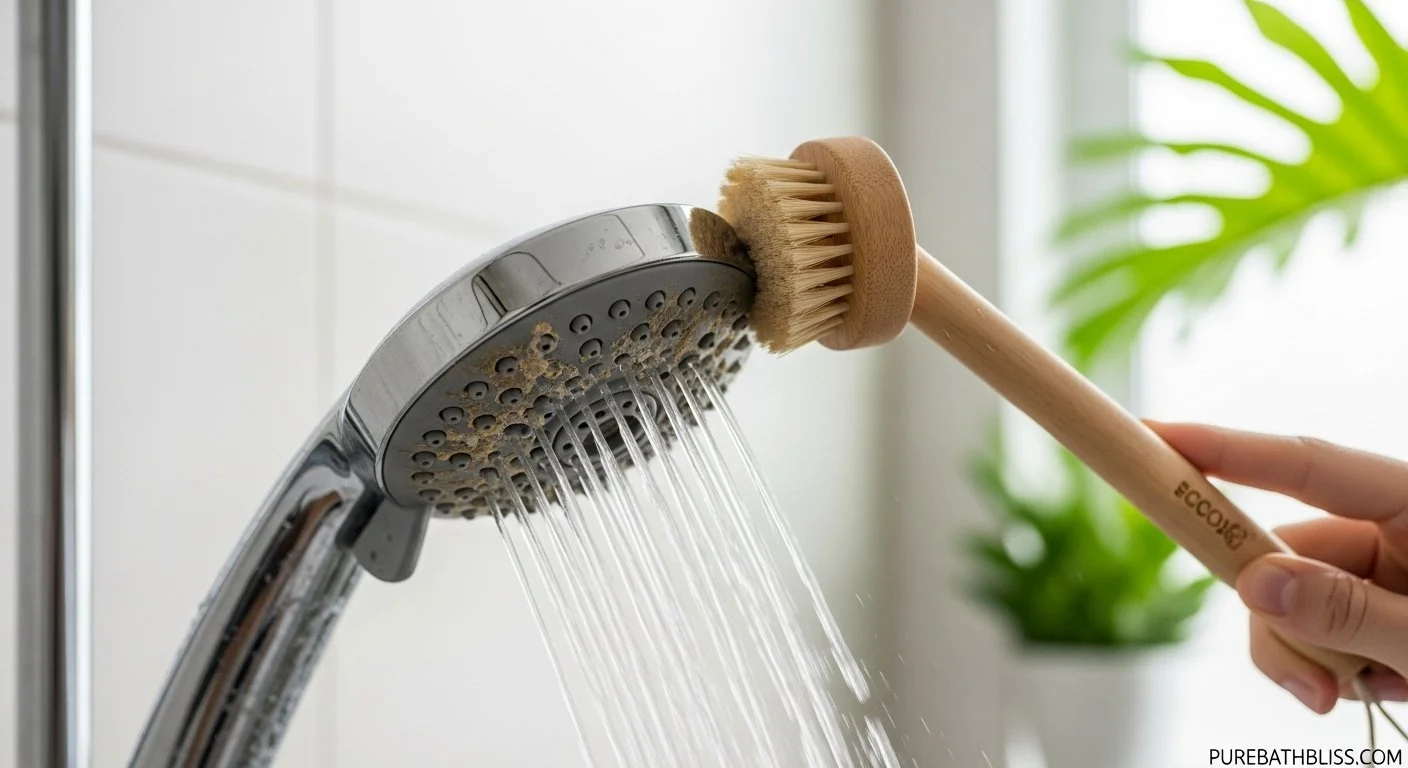
How Often Do You Need to Clean Your Showerhead?
Your showerhead is a key part of a hygienic bathroom, but mineral buildup, bacteria, and soap scum can reduce its performance and cleanliness. Regular cleaning keeps water flow strong, prevents bacterial growth, and extends the showerhead’s lifespan, especially for eco-friendly models like those in “Top 7 Eco-Friendly Rain Shower Showerheads in 2025.” But how often should you clean it? This guide covers the ideal cleaning frequency, eco-friendly methods, and maintenance tips to ensure a sustainable, sparkling bathroom in 2025.
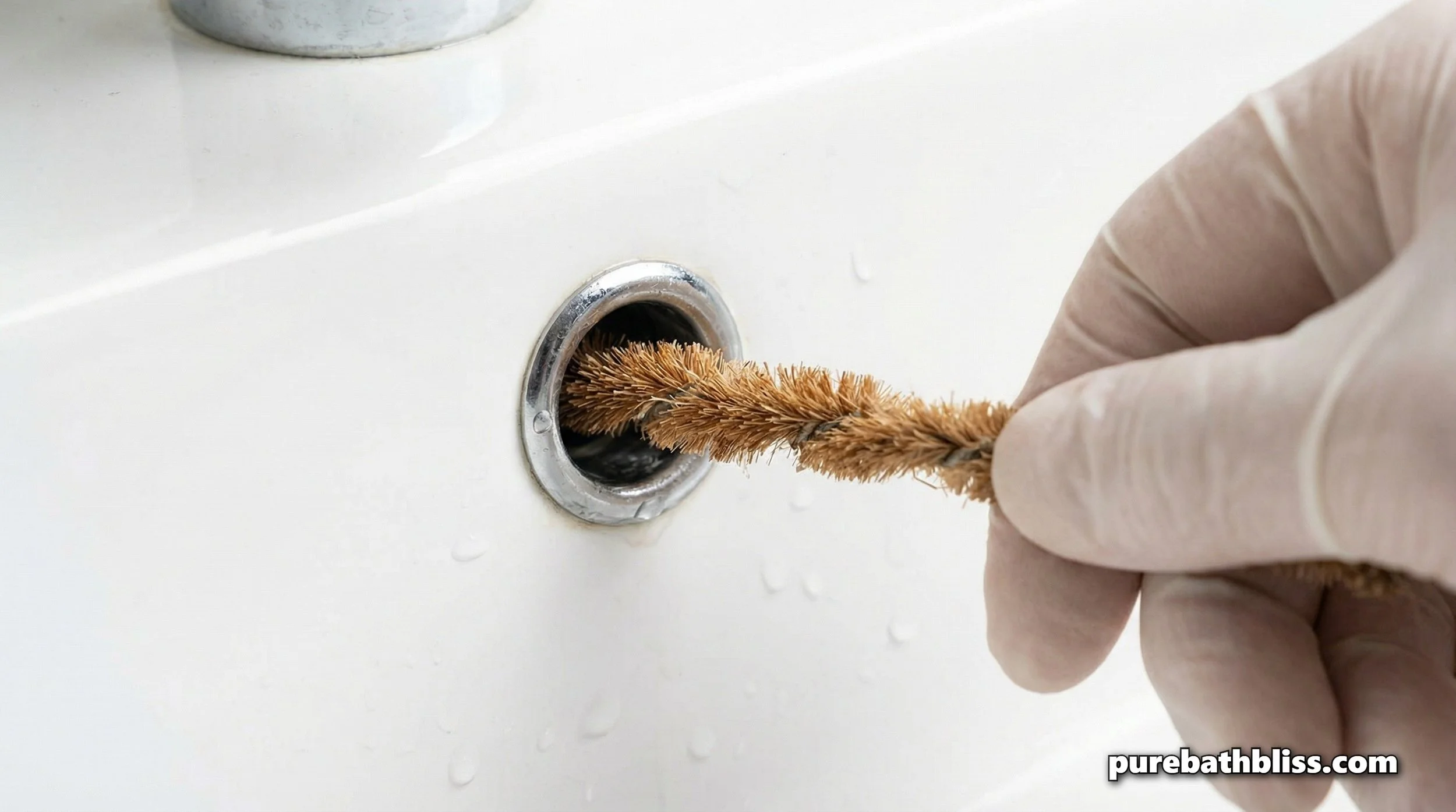
The Hidden Logic of the Sink Overflow: A Guide to Bathroom Health and Safety
In a Sustainable Sanctuary, we believe that every detail of your home’s design has a purpose, even the ones that seem like an afterthought. That small, often-overlooked hole near the rim of your bathroom sink isn't just a design quirk; it is a critical safety feature and a guardian of your home’s infrastructure.
We want to dive deeper into the mechanics of the overflow, how it prevents structural disasters, and, most importantly, how to keep this hidden channel clean using non-toxic, organic methods.