How Often Do You Need to Clean Your Showerhead?
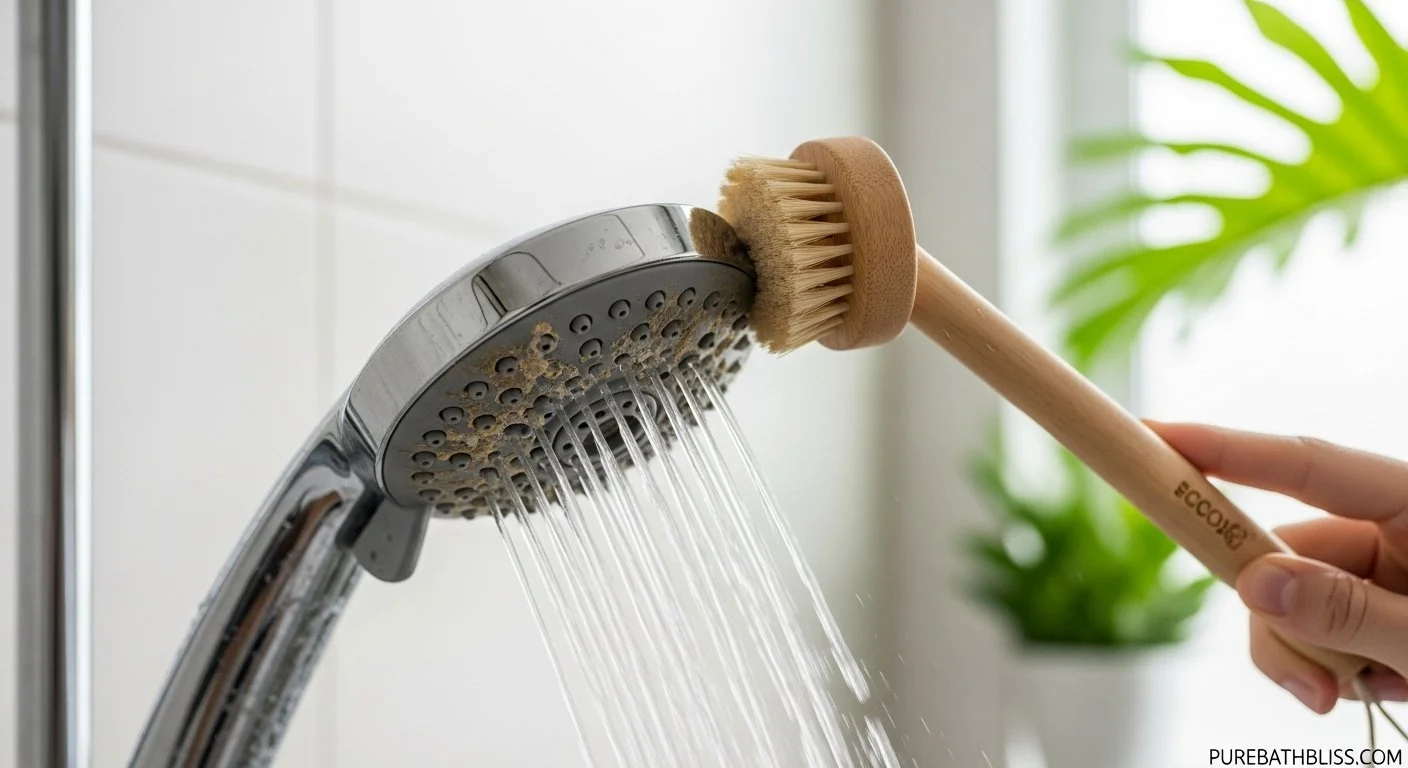
Your showerhead is a key part of a hygienic bathroom, but mineral buildup, bacteria, and soap scum can reduce its performance and cleanliness. Regular cleaning keeps water flow strong, prevents bacterial growth, and extends the showerhead’s lifespan, especially for eco-friendly models like those in “Top 7 Eco-Friendly Rain Shower Showerheads in 2025.” But how often should you clean it? This guide covers the ideal cleaning frequency, eco-friendly methods, and maintenance tips to ensure a sustainable, sparkling bathroom in 2025.
Why Clean Your Showerhead?
Showerheads accumulate:
Mineral Deposits: Hard water leaves limescale, clogging nozzles and reducing pressure.
Bacteria: Moist environments foster bacteria like Serratia marcescens.
Soap Scum: Residue from soap or shampoo dulls performance and harbors germs.
Regular cleaning maintains hygiene, water efficiency, and the spa-like experience of rain showerheads.
How Often Should You Clean Your Showerhead?
Monthly Cleaning (Recommended): Clean every 4–6 weeks to prevent mineral buildup and bacterial growth, especially in high-humidity bathrooms or hard water areas.
Every 2–3 Months (Low-Use or Soft Water Areas): If you have soft water or a low-flow showerhead with anti-clog nozzles, cleaning every 2–3 months may suffice.
Signs It’s Time to Clean:
Reduced water pressure or uneven spray.
Visible white, chalky deposits or pinkish-red film (Serratia marcescens).
Musty odor or discolored nozzles.
Seasonal Deep Clean: Perform a deep clean every 6 months to ensure longevity, especially for eco-friendly models with WaterSense certification.
Eco-Friendly Cleaning Methods
Use non-toxic, sustainable methods to clean your showerhead while protecting the environment:
Vinegar Soak:
Remove the showerhead (if detachable, per “How to Choose the Right Showerhead for Your Bathroom”) or place a plastic bag filled with white vinegar over it, securing with a rubber band.
Soak for 30–60 minutes to dissolve limescale and kill bacteria.
Scrub with a soft brush, rinse, and reattach.
Baking Soda Paste:
Mix baking soda with water to form a paste, apply to stubborn deposits, and scrub with a non-scratch sponge.
Rinse thoroughly to restore flow.
Hydrogen Peroxide Spray:
Spray 3% hydrogen peroxide on nozzles, let sit for 10 minutes, scrub, and rinse for a gentle disinfectant.
Ideal for eco-conscious households.
Avoid Harsh Chemicals: Skip bleach or ammonia-based cleaners to protect your showerhead’s finish and the environment.
Factors Affecting Cleaning Frequency
Water Hardness: Hard water areas (high mineral content) require monthly cleaning to prevent limescale.
Showerhead Material: Stainless steel or brass resists corrosion but still needs regular cleaning for hygiene.
Usage: High-traffic bathrooms (e.g., family homes) need more frequent cleaning due to soap scum and bacteria buildup.
Humidity: Poor ventilation increases bacterial growth, requiring a smart exhaust fan, and more frequent cleaning.
Maintenance Tips for a Clean Showerhead
Run a Smart Exhaust Fan: Ventilate for 20–30 minutes post-shower to reduce moisture.
Wipe After Use: Dry the showerhead with a microfiber cloth to prevent buildup.
Use a Shower Filter: Reduce minerals with a filter to extend cleaning intervals.
Check for Leaks: Inspect connections monthly to avoid water waste, supporting sustainability.
Pair with Eco-Accessories: Use a hair catcher to prevent clogs and organic cotton towels for drying.
Keep Your Showerhead Sparkling
Cleaning your showerhead every 4–6 weeks, or every 2–3 months in low-use areas, ensures optimal water flow, hygiene, and eco-efficiency. Use eco-friendly methods like vinegar or baking soda to maintain a sustainable bathroom. By pairing regular cleaning with proper ventilation and accessories, you’ll enjoy a clean, spa-like shower that aligns with your green lifestyle, as PureBathBliss.com aims to inspire.