The Hidden Logic of the Sink Overflow: A Guide to Bathroom Health and Safety
Transparency Note: We independently select these products based on research and user reviews. If you buy something through our links, we may earn a commission.
In a Sustainable Sanctuary, we believe that every detail of your home’s design has a purpose, even the ones that seem like an afterthought. That small, often-overlooked hole near the rim of your bathroom sink isn't just a design quirk; it is a critical safety feature and a guardian of your home’s infrastructure.
We want to dive deeper into the mechanics of the overflow, how it prevents structural disasters, and, most importantly, how to keep this hidden channel clean using non-toxic, organic methods.
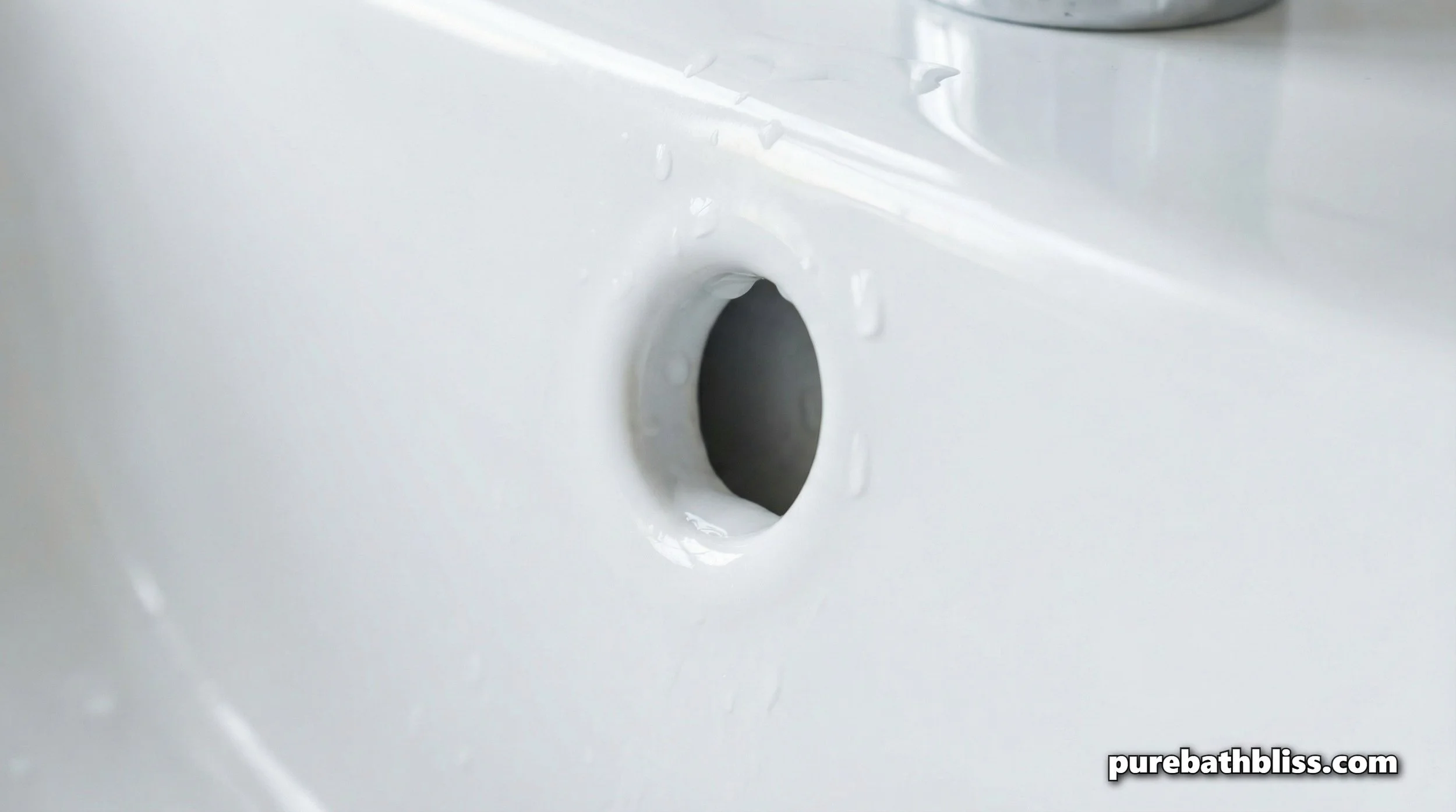
1. The Dual Purpose: Safety and Science
Most homeowners believe the overflow hole is only there to prevent a flood if the faucet is left running. While that is its primary job, its secondary function is rooted in physics: Airflow.
The Flood Guard: The overflow is a hidden channel built into the porcelain that bypasses the stopper. If the sink fills too high, water enters this hole and travels down a separate path into the main drain. It is your home’s last line of defense against a ruined subfloor.
The "Straw" Effect: Think of your drain like a straw. If you put your finger over the top, the water stays inside. Without the overflow hole to provide a constant "gulp" of air to the plumbing, your sink would drain slowly and gurgle. The overflow allows air to enter the pipes, breaking the vacuum and letting water flow smoothly.
2. Why Conventional Cleaning Fails the Overflow
Because the overflow channel is rarely used, it becomes a stagnant "dark zone." Dust, hairspray, and soap scum drift into the hole but are rarely flushed out. Over time, this creates a biofilm, a layer of bacteria and mold that produces a mysterious "musty" smell in even the cleanest bathrooms.
Traditional advice often suggests pouring bleach down the hole. However, in an organic home, bleach is avoided because it is corrosive to metal drain parts and harmful to the beneficial bacteria in septic systems.
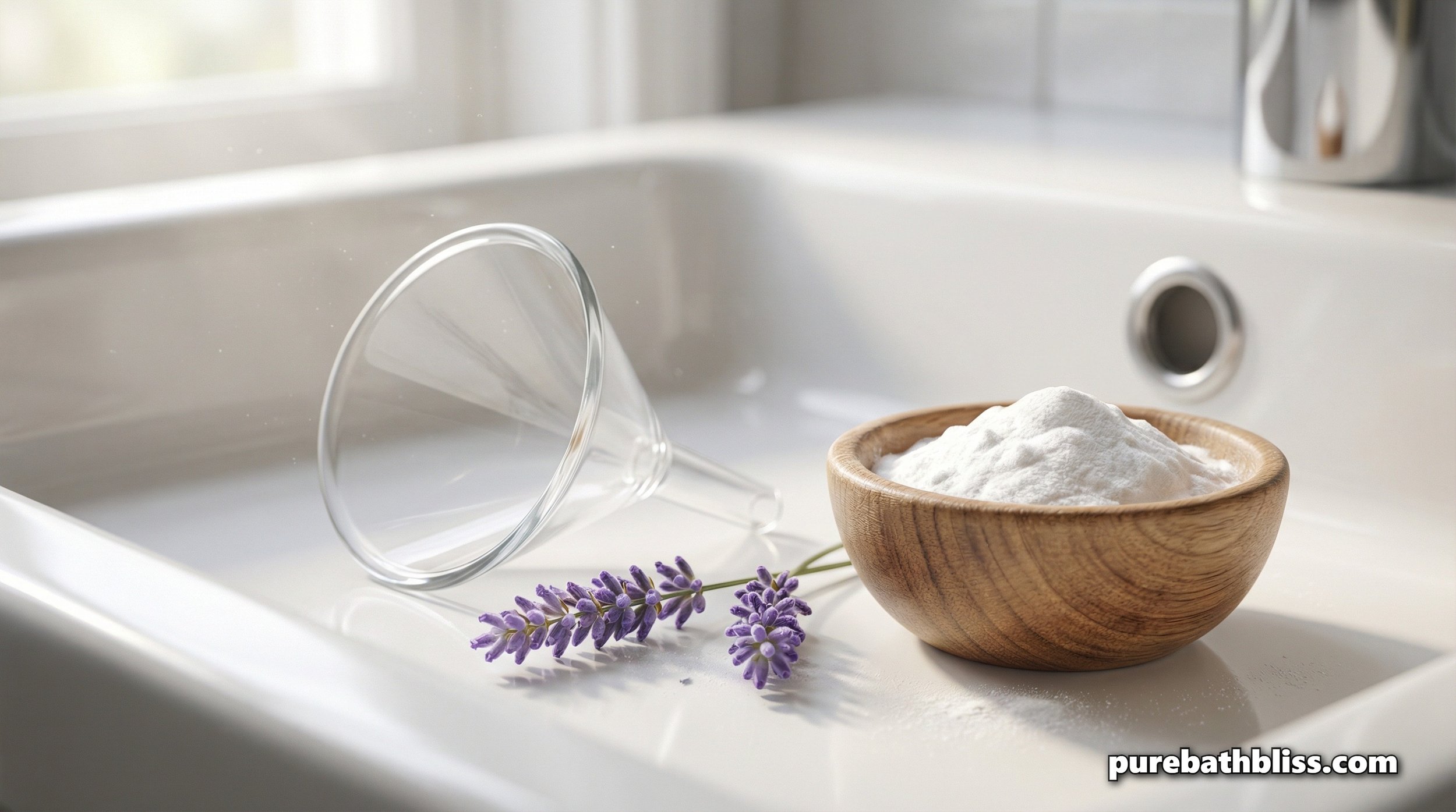
3. The Organic Deep-Clean Ritual
To keep your sanctuary smelling fresh and your drains running fast, you should clean your overflow once a month using this "Fizz and Flush" method:
The Ingredients: 1/2 cup Baking Soda, 1 cup White Vinegar, and a kettle of boiling water.
The Process: 1. Place a small funnel into the overflow hole. 2. Pour the baking soda in first, tapping the funnel to ensure it travels down the channel. 3. Slowly pour the vinegar. The resulting "fizz" is a physical reaction that expands into the hidden channel, scrubbing away biofilm without harsh acids. 4. Let it sit for 10 minutes, then flush with boiling water to melt away any lingering soap scum.
4. The "Bio-Tool" Trick
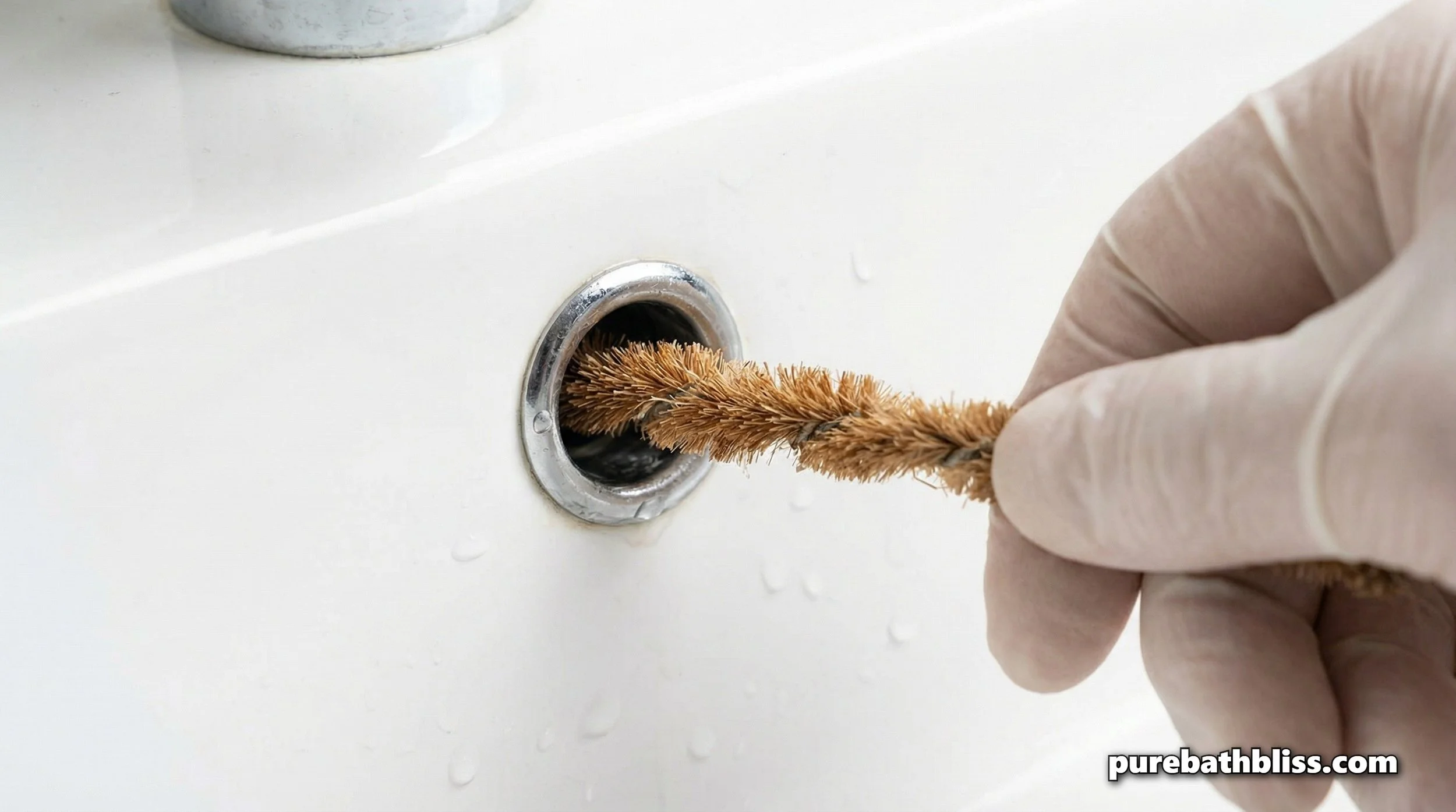
Sometimes, a physical blockage, like a clump of hair, gets lodged where the overflow meets the main drain.
The Sustainable Hack: Use a long, flexible pipe cleaner or a "zip-tie" snake. These are reusable and avoid the need for toxic liquid "drain openers" that sit in your pipes and eat away at the seals.
5. When the Overflow Fails: A Warning Sign
If you ever see water coming out of your overflow hole while the sink is draining, stop immediately.
The Diagnosis: This means your main drain is clogged below the point where the overflow connects. The water is "backing up" through the overflow channel.
The Fix: This is a signal to check your P-trap or use a manual sink plunger. Catching this early prevents a total backup that could reach your floorboards.
6. Minimalist Design: Sinks Without Overflows
You may notice that some high-end vessel sinks or DIY stone basins do not have overflow holes. While beautiful and minimalist, these require a different approach:
Grid Drains: These sinks should always be paired with a "grid drain" (one that cannot be closed) to ensure they never accidentally overflow.
The Risk: If you install a pop-up stopper in a sink without an overflow, you are essentially removing your safety net. In a Sustainable Sanctuary, we prioritize beauty, but never at the expense of the home’s foundation.
Conclusion: Caring for the Unseen
A healthy home is one where even the hidden channels are maintained with care. By understanding the purpose of your sink overflow and keeping it clean with organic minerals, you ensure your bathroom remains a place of purity and function.
Essentials for Your Bathroom Maintenance
The Cleaner: Organic Distilled White Vinegar - The multi-tool of the sustainable home.
The Tool: Flexible Silicone Funnel - Perfectly sized for narrow overflow holes.
The Scent: Tea Tree Essential Oil - Add two drops to your vinegar flush to kill mold spores naturally.