The Rite of Passage: At What Age Should a Child Have Their Own Bathroom?
In the design of a Sustainable Sanctuary, we often focus on the physical materials, the bamboo towels, the non-toxic finishes, and the low-flow fixtures. But the most important element of any home is the people growing within it.
One of the most frequent questions parents ask as they renovate or move into a larger home is: “When is my child actually ready for their own bathroom?”
Is it a matter of age, or is it a matter of maturity? From a developmental and home-maintenance perspective, the answer isn't a single number, it’s a series of milestones. Here is how to determine if your child is ready for bathroom autonomy and how to ensure that transition is sustainable for both the child and the home.
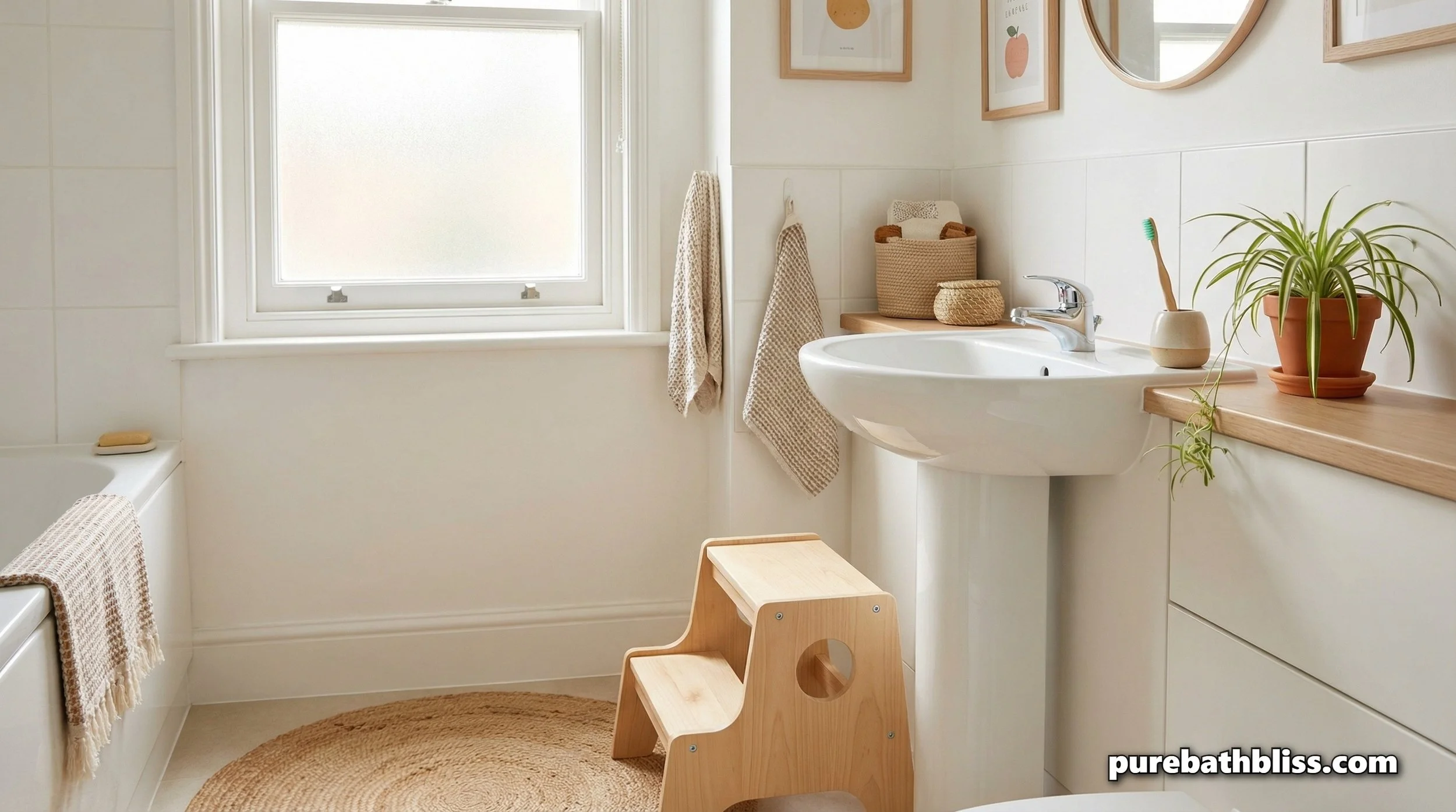
1. The Magic Window: Ages 6 to 9
While every child is different, most developmental experts and home curators find that the ages of 6 to 9 are the "sweet spot" for introducing bathroom independence.
Age 6 (Supervised Independence): At this stage, a child can physically handle most tasks, brushing teeth, using the toilet, and washing hands, but they still lack the "spatial awareness" to keep the room dry and safe.
Age 9 (True Autonomy): By the end of third or fourth grade, children have developed the fine motor skills and the sense of responsibility required to manage a bathroom without a parent hovering at the door.
2. Milestone 1: The Stewardship Test
In our sanctuary, we don't just "use" a room; we steward it. Before giving a child full rein over a bathroom, they should demonstrate they can respect the infrastructure.
The "Dry Floor" Rule: Can they take a shower or wash their face without leaving a puddle on the floor? As we know, standing water is the enemy of subfloors and the best friend of mold.
The Routine: If your child can consistently hang up their towel and place dirty clothes in a hamper without being reminded, they are ready for their own space.
3. Milestone 2: The Safety Awareness
A bathroom is the most "high-risk" room in the house regarding water damage and safety.
Chemical Safety: Does your child understand that they should never mix cleaning products or use "grown-up" sprays? In a sustainable home, we use Natural Cleaners, but even vinegar and baking soda require a level of maturity to handle.
Drain Respect: Do they know that only "The Three Ps" (pee, poop, and paper) go down the toilet? Giving a child their own bathroom means trusting they won't flush toys, wipes, or excessive amounts of paper.
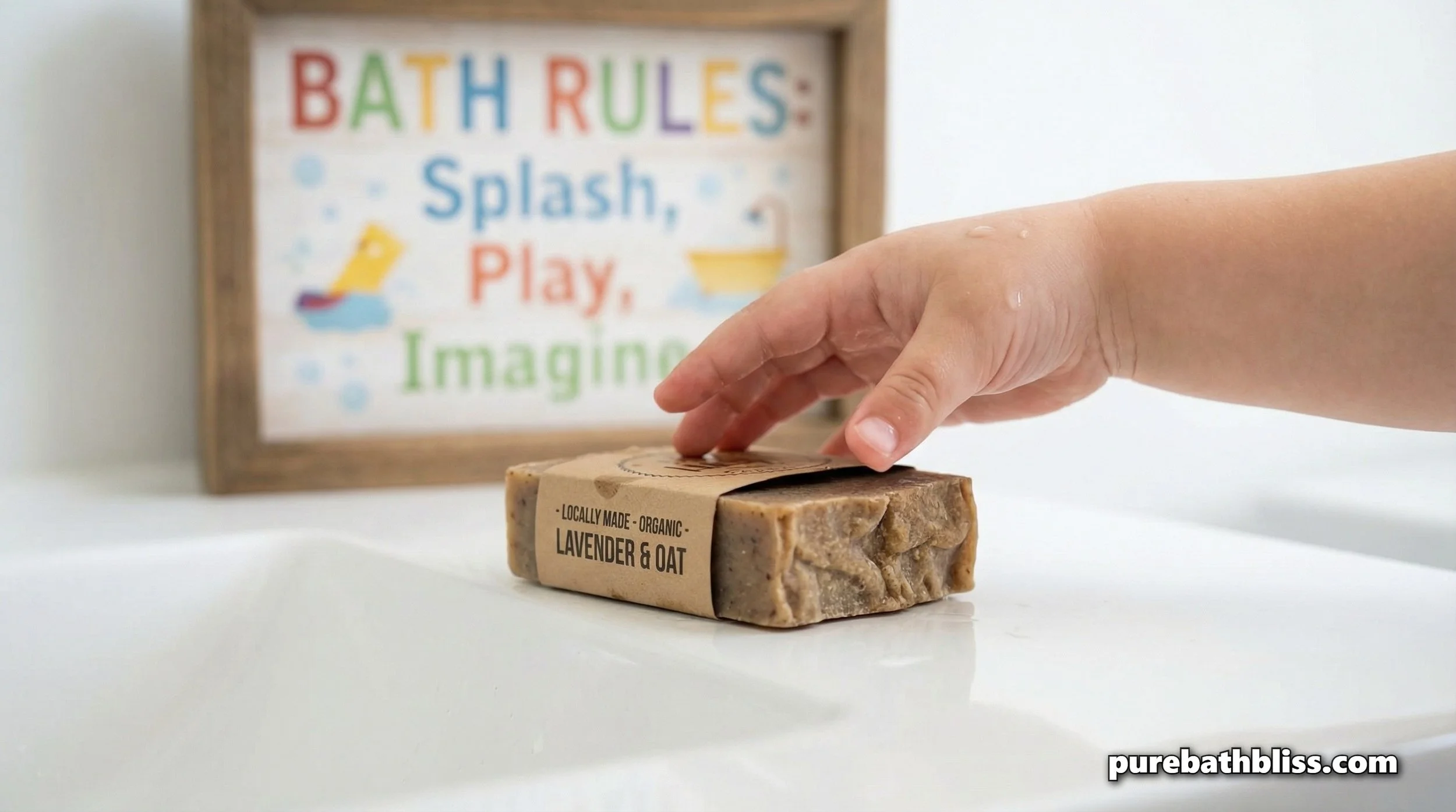
4. Designing a Child’s "Mini-Sanctuary"
If you decide they are ready, the way you "retrofit" the bathroom for them will determine its success.
Lowered Hooks, Not Bars: Towel bars are hard for kids to use (leading to towels on the floor). Install hooks at their eye level to encourage them to keep the space tidy.
The Bidet Advantage: Introducing a Non-Electric Bidet early is a game-changer for kids. It ensures better hygiene than they can achieve with just paper and reduces the risk of clogs from "over-wiping."
Non-Slip Everything: Use organic cotton bath mats with natural rubber backing to prevent slips without the off-gassing of synthetic plastics.
5. The Maintenance Ritual: Teaching the "Weekly Reset"
Giving a child a bathroom is the perfect opportunity to teach them about home maintenance. Once a week, spend 10 minutes together doing a "Sanctuary Reset."
The Tea Tree Mist: Show them how to spray the shower walls with a Tea Tree and Water solution to prevent mold.
The Leak Check: Teach them to listen for a "running" toilet. This builds the habit of being a mindful homeowner from a young age.
Plant Care: Give them a "bathroom plant" like a Snake Plant. Teaching them to water it and check the soil connects them to the living elements of the home.
6. What if they aren't ready?
If your child is 10 and still leaves the tap running or treats the floor like a swimming pool, they aren't ready for a solo bathroom. There is no shame in a "shared family bathroom" model. In fact, many sustainable cultures prioritize shared spaces because they require less energy to heat and less water to maintain. Even though my older 2 kids have their own bathroom, they still end up in ours more nights then not.
Conclusion: Growth Within the Walls
Choosing the age for bathroom independence is less about the date on the calendar and more about the growth of the child's character. When a child learns to care for their own bathroom, they are learning to care for their environment. They are transitioning from a consumer of the home to a protector of the sanctuary.