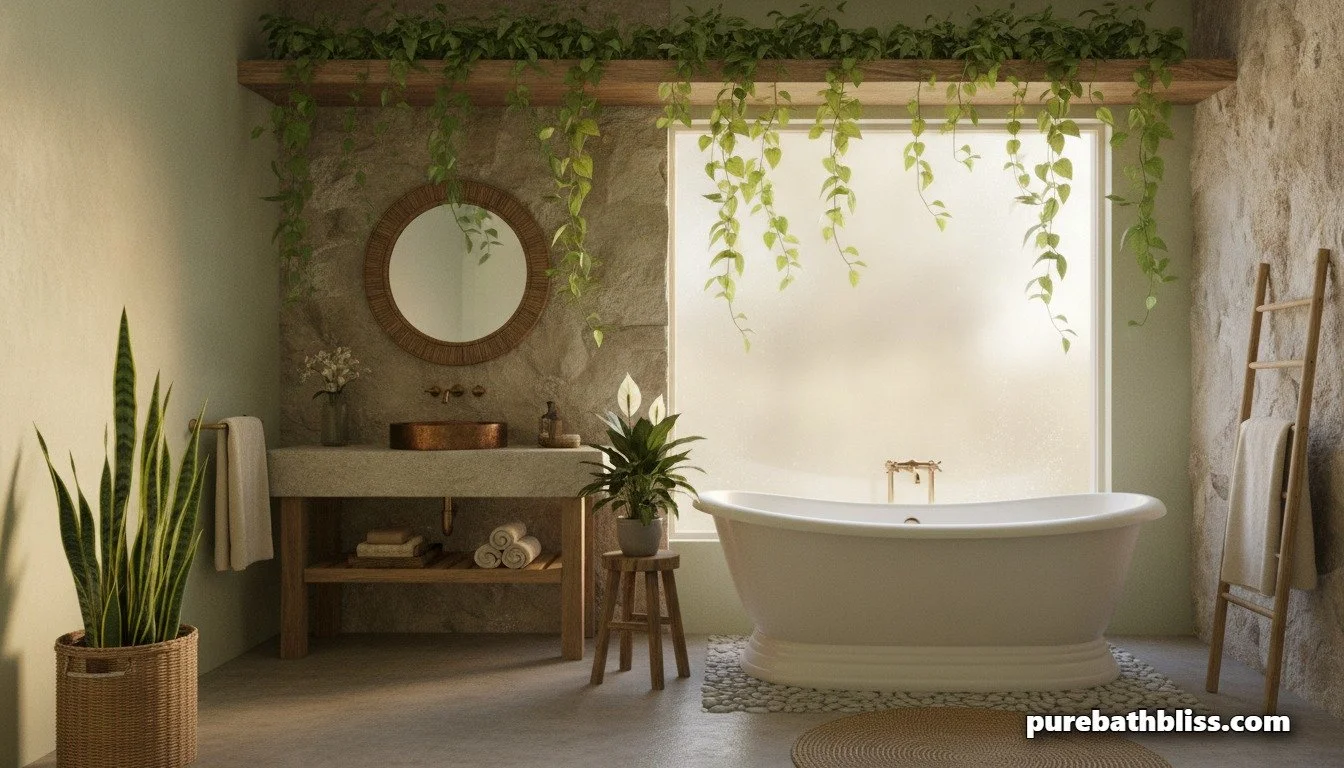
Beyond Aesthetics: 7 "Bio-Filter" Plants That Scrub Toxins From Your Bathroom Air
We spend a lot of time thinking about what we put on our skin in the bathroom. We're less likely to think about what we're breathing while we do it. The average bathroom contains a surprisingly high concentration of airborne chemicals — formaldehyde from toilet paper and paper products, benzene and xylene from synthetic fragrances and cleaning products, ammonia from conventional glass cleaners, and volatile organic compounds (VOCs) from hairsprays, dry shampoos, and aerosol deodorants. In a small, enclosed room with limited ventilation, these compounds build up quickly.
The standard response is an exhaust fan, which helps but doesn't address the compounds that off-gas continuously from products stored in the room. A second layer of defense that most people overlook is plants, specifically the category of tropical understory plants that evolved on jungle floors under dense canopy cover. These plants are adapted to exactly the conditions that describe most bathrooms: low light, high humidity, minimal airflow, and warm temperatures. And several of them actively absorb the specific compounds most commonly found in bathroom air.
We started adding plants to our bathrooms a few years ago, mostly for aesthetics. What kept us doing it was how much better the rooms felt. The air quality difference in a bathroom with two or three plants versus a bare one is noticeable even before you understand the chemistry behind it. Here are the seven we keep coming back to and why each one earns its spot.
What Is the Ideal Type of Countertop for Your Bathroom?
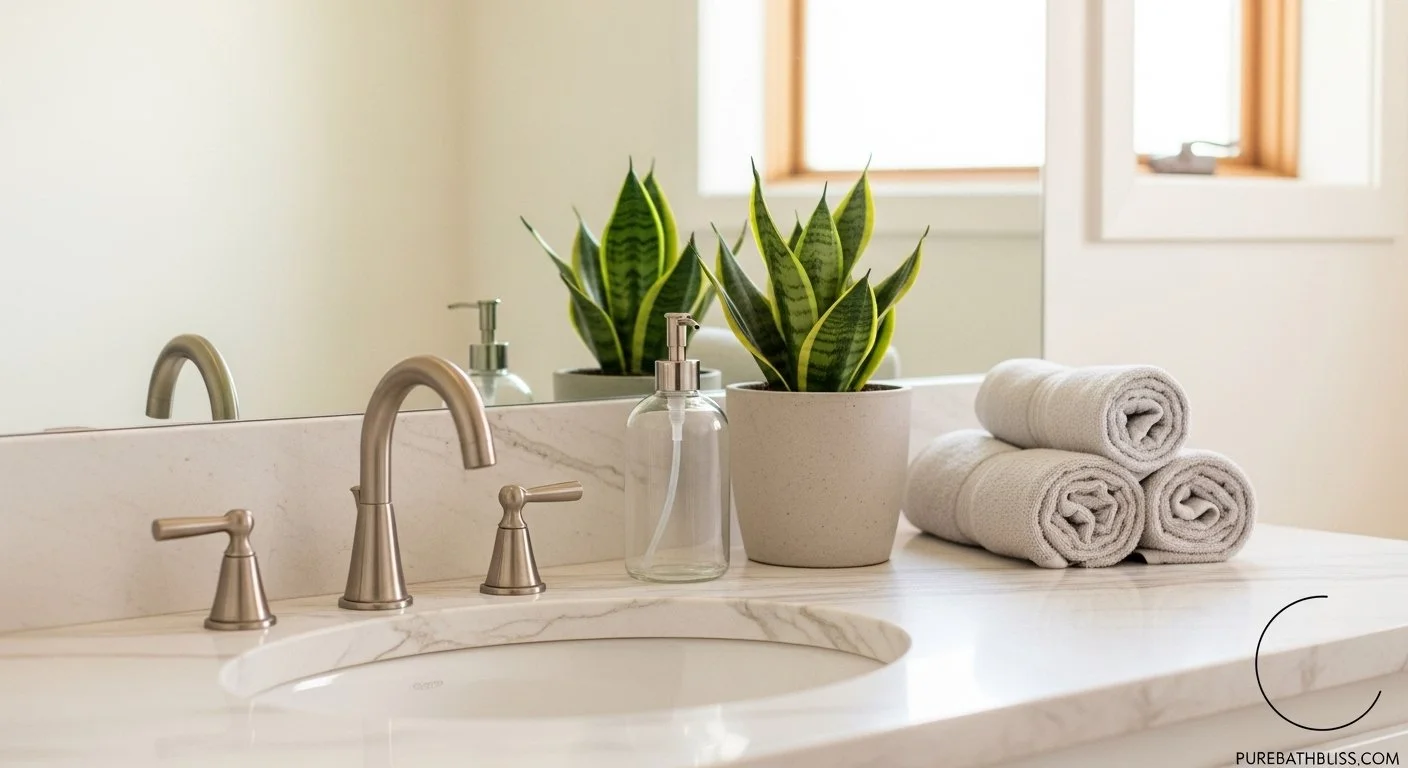
Choosing the ideal bathroom countertop transforms your space, balancing style, durability, and functionality. With daily exposure to water, soap, and humidity, bathroom countertops must withstand wear while maintaining a hygienic, eco-friendly aesthetic. From natural stone to budget-friendly laminates, the best countertop depends on your budget, maintenance preferences, and design goals. This guide explores key factors and popular materials to help you find the perfect countertop for your sustainable bathroom.
How to Make a DIY Reed Diffuser for Your Bathroom (Under $10, Lasts 3 Months)
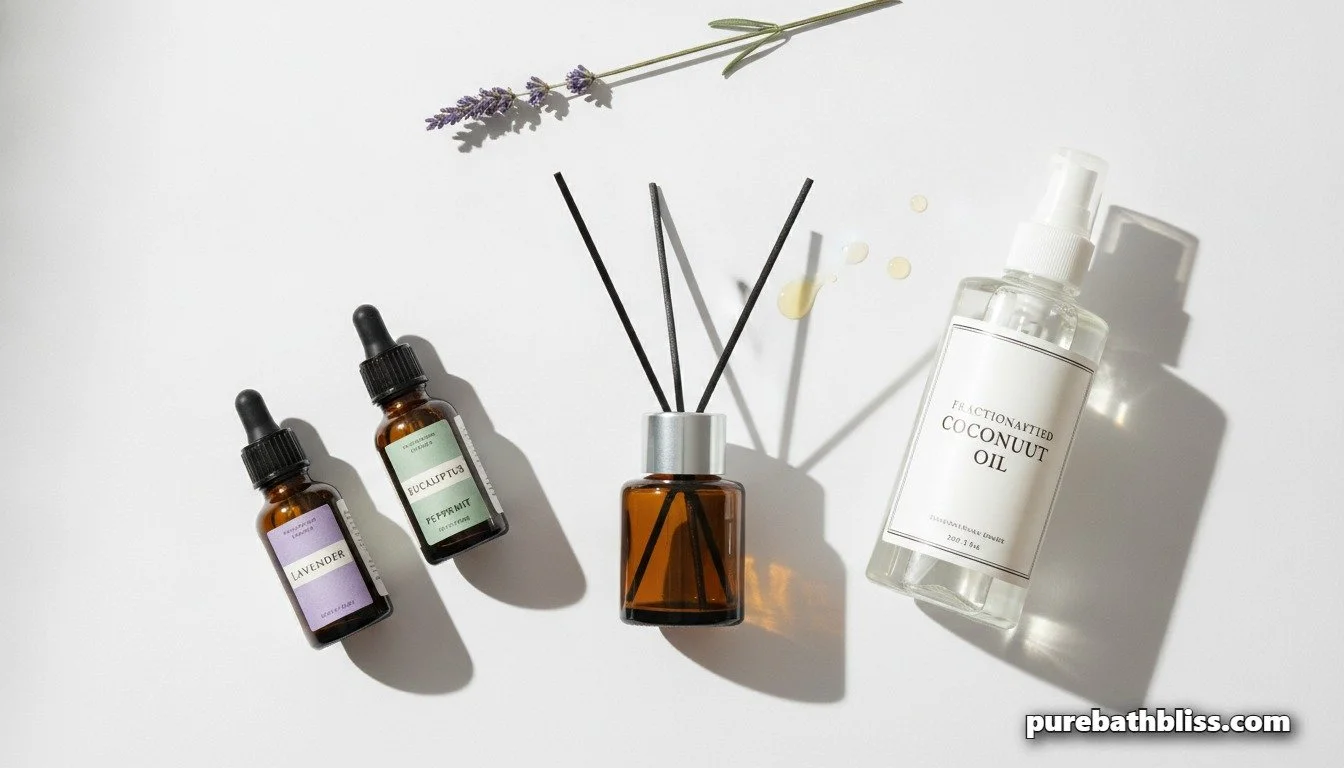
A commercial reed diffuser costs $20 to $40 and lasts six to eight weeks. The homemade version costs under $10, lasts three months, smells better, and contains nothing you cannot read on the label. Here is the exact recipe, the four best scent blends for a bathroom, and the one ratio mistake that kills the scent throw.
Why Everyone Is Hanging Eucalyptus in Their Shower (And How to Do It Correctly)
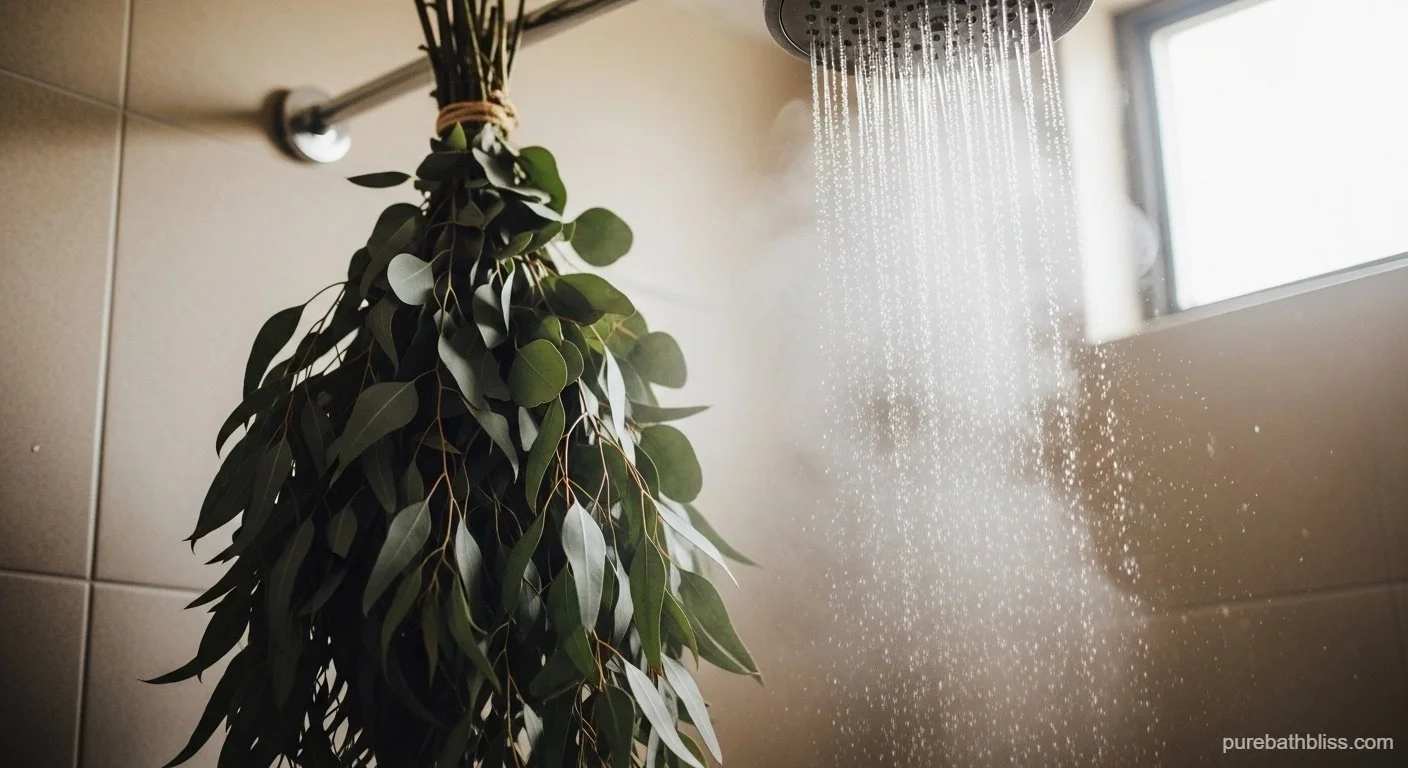
You’ve seen the photos: lush green eucalyptus cascading from a showerhead like a living chandelier. The steam rises, the scent hits, and suddenly your $80-a-month gym membership feels unnecessary.
It looks like pure decoration. It’s actually one of the simplest, most effective wellness upgrades you can make all winter.
When done right, a single $10 bundle turns every shower into an aromatherapy session that clears your sinuses, drops your blood pressure, and makes January feel bearable.
When done wrong it becomes a mold factory and a pet hazard.
Here’s exactly how to do it right.

Breathe Easy: The Ultimate Guide to Bathroom Air Quality, Ventilation, and Healthy Ambiance
Close your eyes and picture a "clean" bathroom. What do you smell?
For most of us, the answer is a cocktail of bleach, artificial pine, or "Ocean Breeze" air freshener. We have been conditioned to believe that a sterile, chemical scent equals hygiene. But the truth is, a truly clean bathroom smells like... absolutely nothing.
The air quality in your bathroom is arguably the most critical environmental factor in your home. It is a space where high humidity meets chemical cleaners, creating a "toxic soup" of Volatile Organic Compounds (VOCs) that can be more polluted than the air outside your front door.
This invisible threat doesn't just damage your lungs; it creates the perfect breeding ground for mold, which silently destroys your home’s infrastructure. If you have ever scrubbed black spots off your grout only to see them return a week later, you don't have a cleaning problem—you have an air problem.
True Pure Bath Bliss isn't just about a sparkling tub or organic cotton towels. It’s about the air you breathe while you soak.
This master guide is your blueprint for transforming your bathroom from a damp, chemical-laden box into a healthy lung for your home. We will break down the physics of ventilation (including the math most contractors get wrong), the strategy for banishing mold before it starts, and how to create a spa-like ambiance without toxic aerosols.
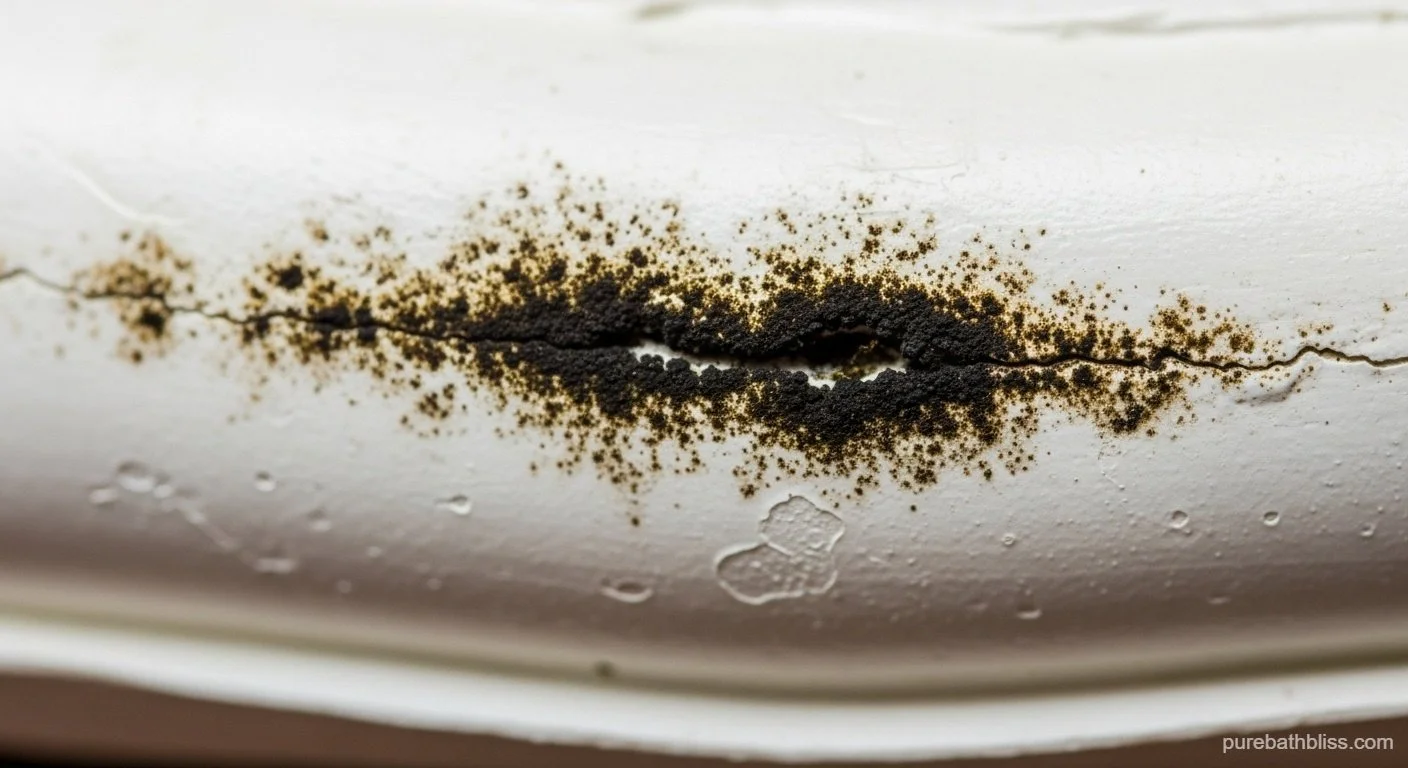
Why Is My Bathroom Caulk Turning Black? (The Mold Cycle & Natural Fixes)
You’ve scrubbed it with bleach. You’ve attacked it with a toothbrush. Two weeks later, the black (or pink) spots are back, mocking you from the tub-tile seam.
That’s not dirt. That’s mold living inside your caulk.
Here’s exactly why it happens, why bleach is making it worse, and the only two real solutions—one natural cleaning method that works, and one decisive replacement protocol when cleaning is no longer enough.
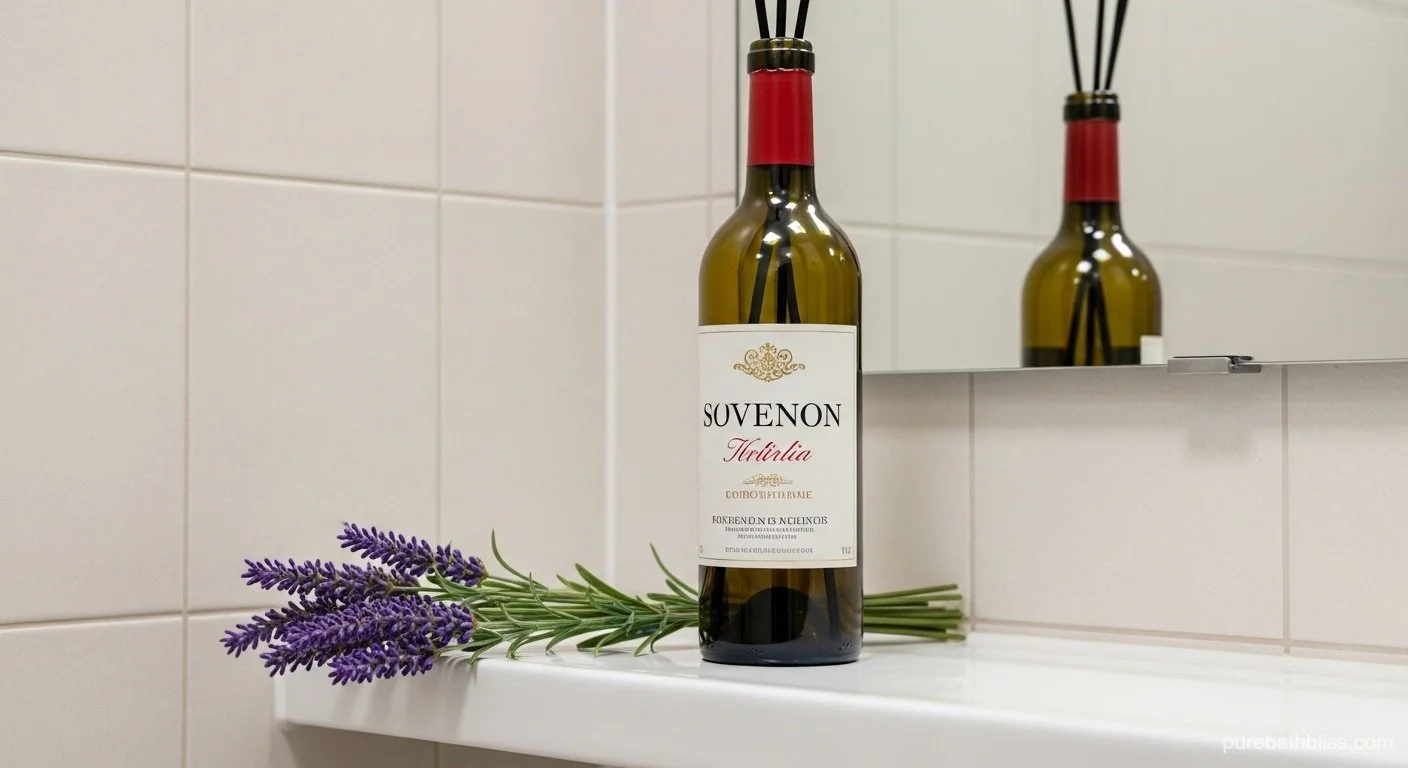
DIY Reed Diffuser with Upcycled Wine Bottle (Zero Waste, 3-Month Scent)
Store diffusers spew synthetics from plastic, needing constant refills—upcycle a wine bottle into a 90-day reed diffuser for $3 of endless, alcohol-free aroma. Bamboo skewers wick carrier oils infused with lavender or citrus, scenting spaces naturally without flames or electricity. 10 minutes to assemble: clean bottle, mix oils, insert reeds—flip weekly for fresh bursts. Refill forever, replace reeds quarterly, or miniaturize for calm travel. Dark glass preserves potency; add vodka for faster wicking. Gift mini versions or customize blends for energy/mood. This swap banishes VOCs, reduces bottle waste, and fills homes with therapeutic air. Breathe deeply, relax fully, and toast to trash-turned-treasure serenity. Perfect for bedrooms or offices, it outlasts $30 commercial ones while supporting zero-waste vibes.
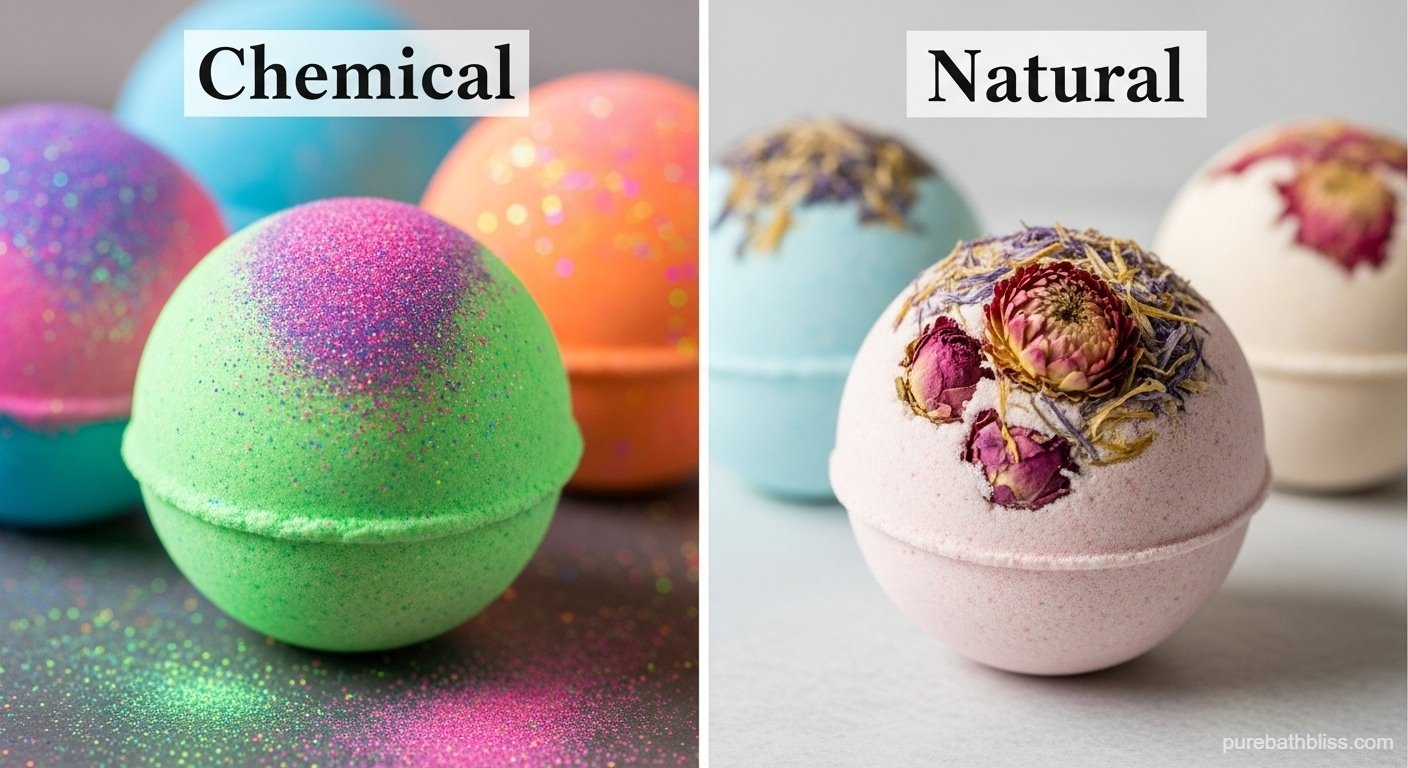
Are Bath Bombs Safe for Kids? The Ingredients to Avoid and 3 DIY Recipes
It is the highlight of bath time. You hand your child a brightly colored sphere, they drop it into the water, and the tub erupts in a symphony of fizz, foam, and neon color. Their eyes light up. For five minutes, it’s pure magic.
But then the water settles, turning a murky shade of purple. The scent of artificial grape fills the small bathroom. And later that night, you notice dry patches on their legs, or they complain of itching in sensitive areas.
As a parent trying to maintain a non-toxic home, you have to ask: Is sitting in that chemical fizz for twenty minutes actually safe for developing systems?
The short answer is that most commercial, brightly colored bath bombs are not designed for the sensitive skin of children. They are often packed with ingredients that can disrupt pH balance, trigger eczema, and cause irritation. However, that doesn't mean you have to be the "boring parent" who bans the fizz completely.
This guide will explain the hidden risks of store-bought bombs, the exact ingredient names to ban from your shopping cart, and how to make your own safe, natural versions at home for pennies.
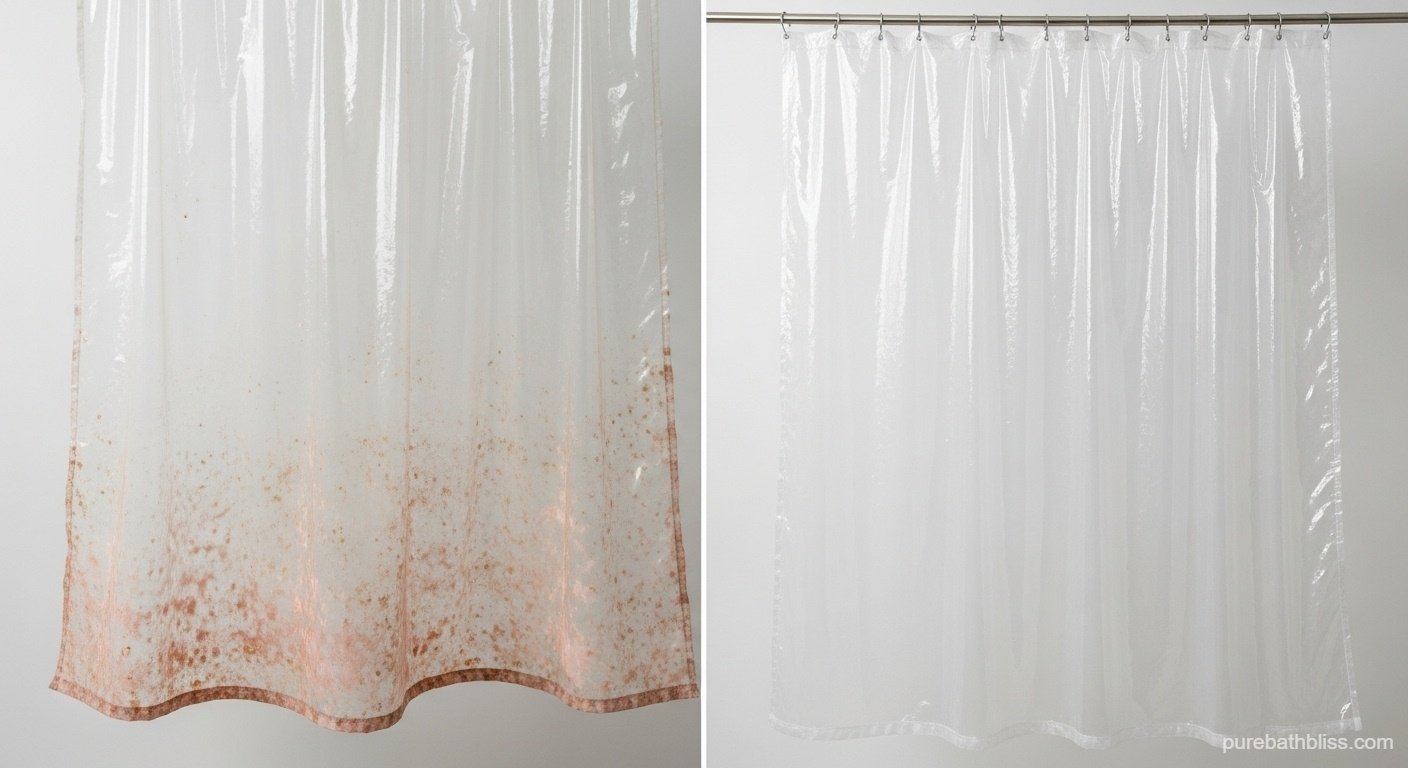
How to Naturally Clean Your Shower Curtain Liner (Without a Washing Machine)
You know the moment. You pull the curtain open and there it is: orange-pink slime marching up the bottom hem, black speckles in the folds, and a general cloudy haze that screams “replace me.” Most people rip it down, toss it in the trash, and buy another $6 plastic liner. But that liner isn’t trash yet—and throwing it away is literally sending non-recyclable plastic straight to landfill.
In 20 minutes, using ingredients you already have, you can make it look brand-new again. No washing machine, no bleach, no tears in the plastic.
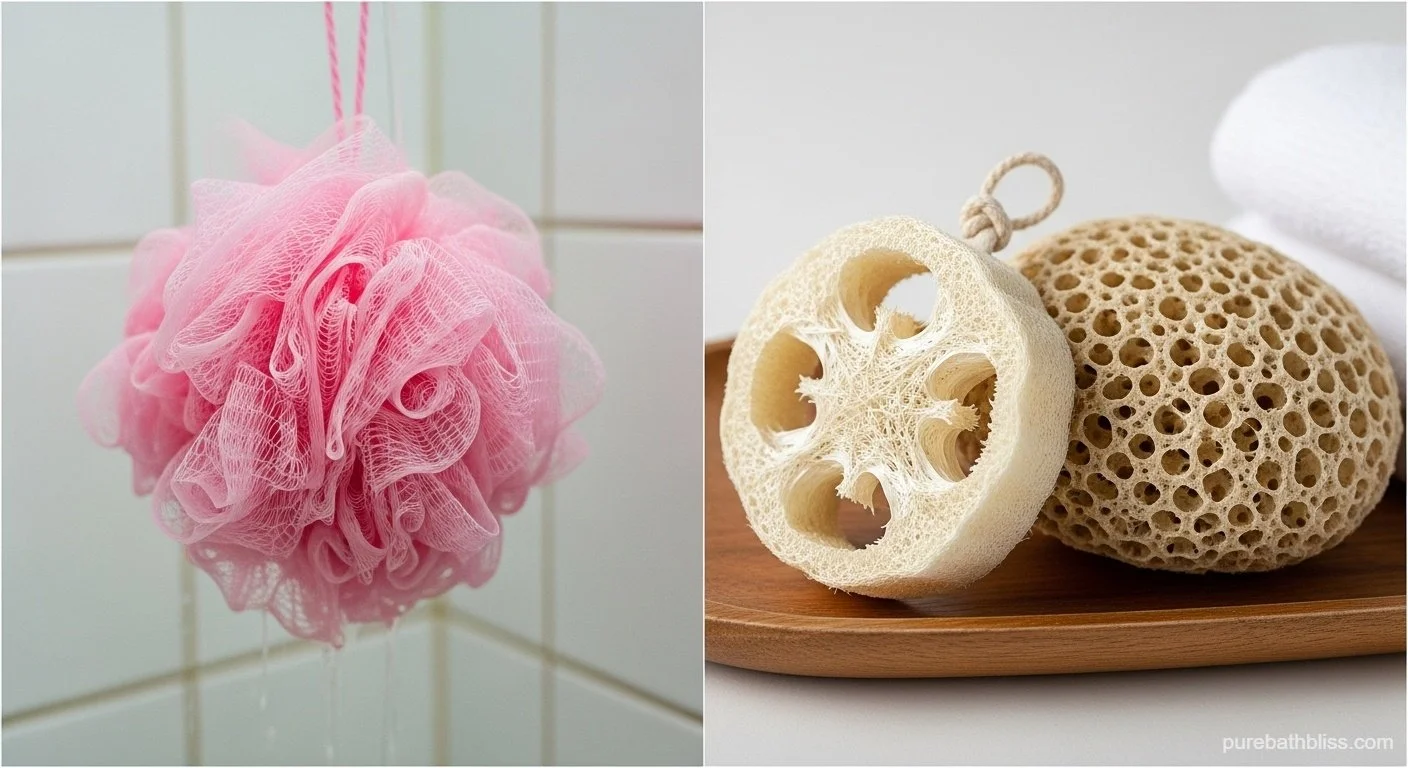
Why Your Plastic Loofah Is a Bacteria Trap (And the 3 Best Natural Swaps)
It hangs in millions of showers across the world: that bright, fluffy ball of plastic mesh. It costs $2, creates a mountain of lather, and feels like a shower essential.
But dermatologists and microbiologists have a different name for your plastic loofah: a "bacteria hotel."
The tool you use to get clean is likely the dirtiest thing in your bathroom. Because of its design and material, a plastic pouf is virtually impossible to fully clean, trapping dead skin and moisture in a cycle that breeds bacteria faster than you can rinse it away.
If you are curating a Pure Bath Bliss sanctuary—one focused on hygiene, health, and sustainability—that plastic ball has to go. This guide explains exactly why it’s time to toss the pouf, the environmental toll of those plastic micro-threads, and the three luxurious, natural alternatives that will upgrade your scrub instantly.
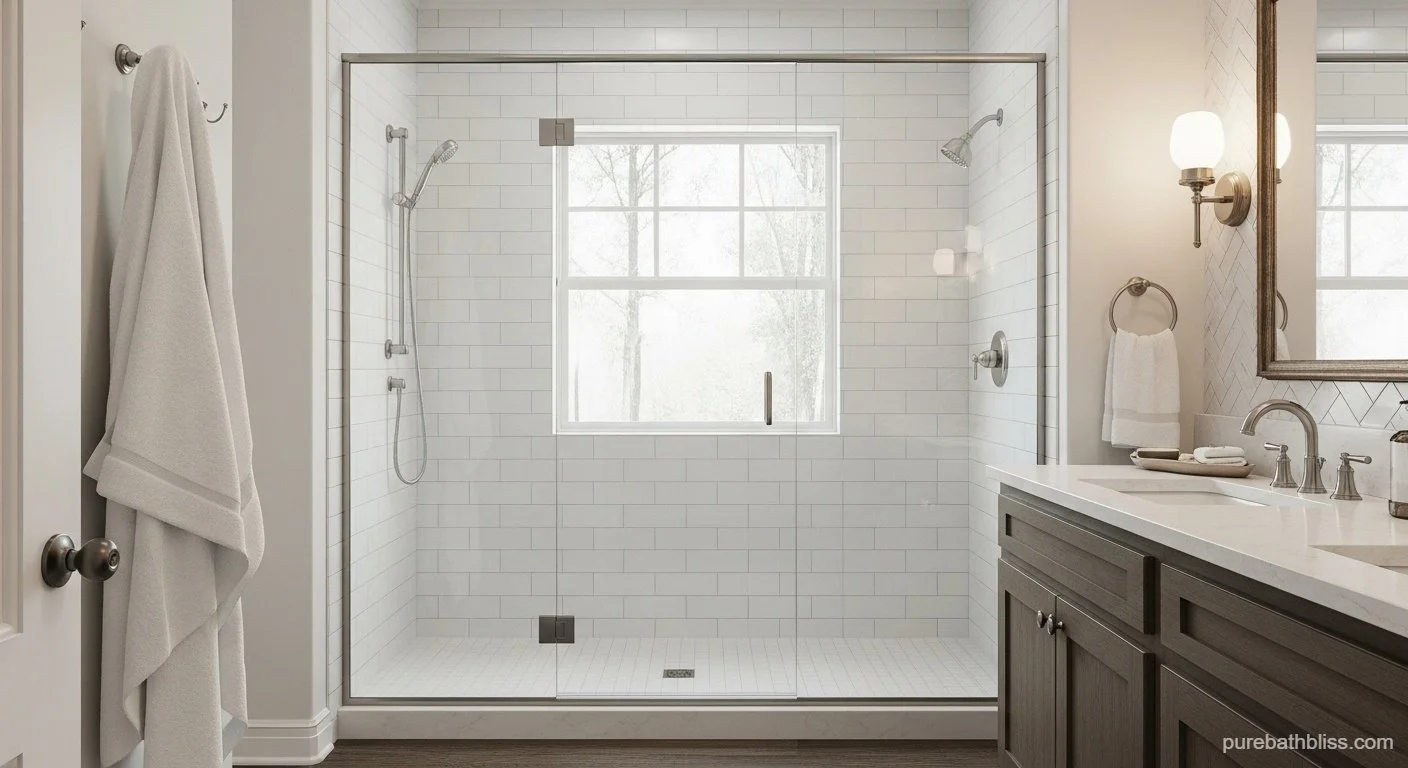
Foggy to Flawless: How to Remove Hard Water Stains from Shower Glass Naturally
You scrub the tiles, you wipe the fixtures, you even polish the chrome… and your glass shower door still looks permanently fogged. Those cloudy white spots aren’t soap scum. They’re limescale—mineral armor made of calcium and magnesium carbonate that laughs at regular cleaners.
The good news? You can dissolve it completely, safely, and naturally—and keep it gone forever.
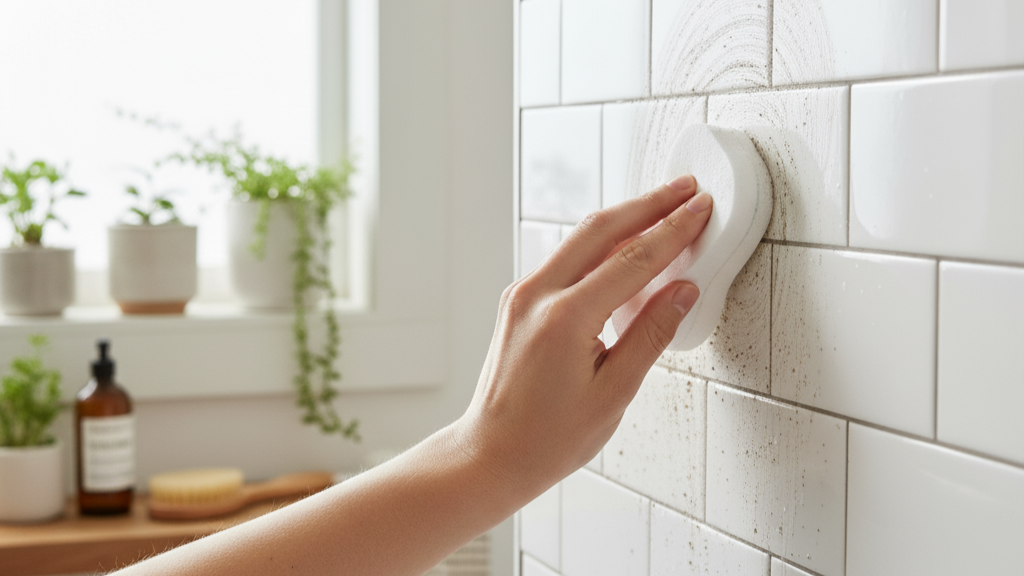
Pros and Cons of Using a Magic Eraser in Your Bathroom!
Magic erasers, made from melamine foam, are a popular cleaning tool for tackling tough stains in bathrooms. Their sponge-like texture works like ultra-fine sandpaper, removing grime without harsh chemicals. While they’re effective for scrubbing tiles, sinks, and shower doors, they have limitations and potential risks. Understanding the pros and cons of using a magic eraser in your bathroom can help you decide if it’s the right tool for your cleaning routine, ensuring a hygienic, sparkling space.
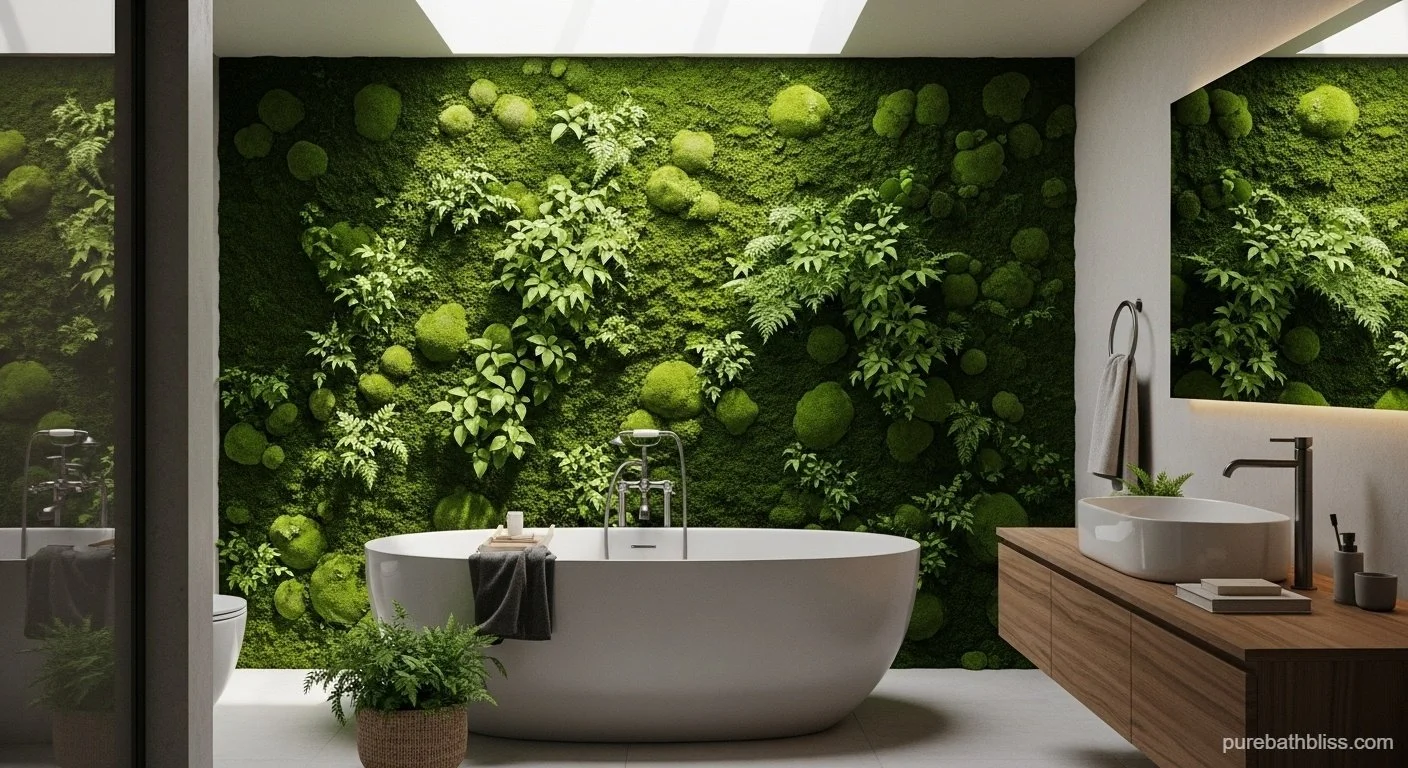
The 2026 Organic Bathroom Forecast: 5 Trends That Will Define Sustainable Luxury
I've been renovating bathrooms for a long time, and I can tell you that the industry is in the middle of something I haven't seen before. It's not just a style shift. The way people think about what a bathroom should do and what it should be made of has fundamentally changed in the last two years.
The clinical white bathroom with chrome fixtures and rows of plastic bottles isn't just aesthetically out of fashion. It's being replaced by something that performs better, costs less to maintain, and actually makes people feel better when they're in it. That's a meaningful convergence.
According to a 2026 survey of 101 interior design professionals by Fixr.com, 75 percent confirmed that warm, earthy tones have officially replaced cool neutrals, and 62 percent say homeowners are now prioritizing natural light as a primary driver of bathroom design decisions. These aren't fringe preferences. They represent a fundamental shift in what the market wants.
Here are the five trends I'm seeing dominate every project I work on and every renovation conversation I have, and what each one actually means if you want to bring it into your home this year.

The Ammonia Myth: Why This Old-School Cleaner Has No Place in a Non-Toxic Bathroom (And What to Use Instead)
Grandma swore by it. A capful of cloudy ammonia in a bucket of hot water and suddenly even the grimiest tile sparkled like new. It was cheap, it was powerful, and it smelled like “real cleaning.”
We now know better.
Ammonia has no place in a home where barefoot kids, curious pets, and asthma sufferers walk the same floors. Here’s exactly why—and three plant-based recipes that clean just as deeply, without the lung-burning fumes or deadly mixing risks.

Essential Tools for a Flawless DIY Bathroom Paint Job (Zero-Waste Edition)
You’ve seen it before: a $3 plastic tray liner shredded after one use, a $1 foam roller that leaves fuzz in your paint, and a cheap brush that splays like a broom by the second coat. These disposable tools don’t just ruin your finish—they fill landfills. The average DIY bathroom paint job generates 2–3 pounds of plastic waste from trays, liners, and brushes alone.
But here’s the truth: a $25 angled brush and a $40 roller frame will outlast 20 cheap ones—and deliver a professional, streak-free finish every time. This zero-waste toolkit isn’t about spending more; it’s about buying once, using forever, and painting like a pro while protecting the planet.
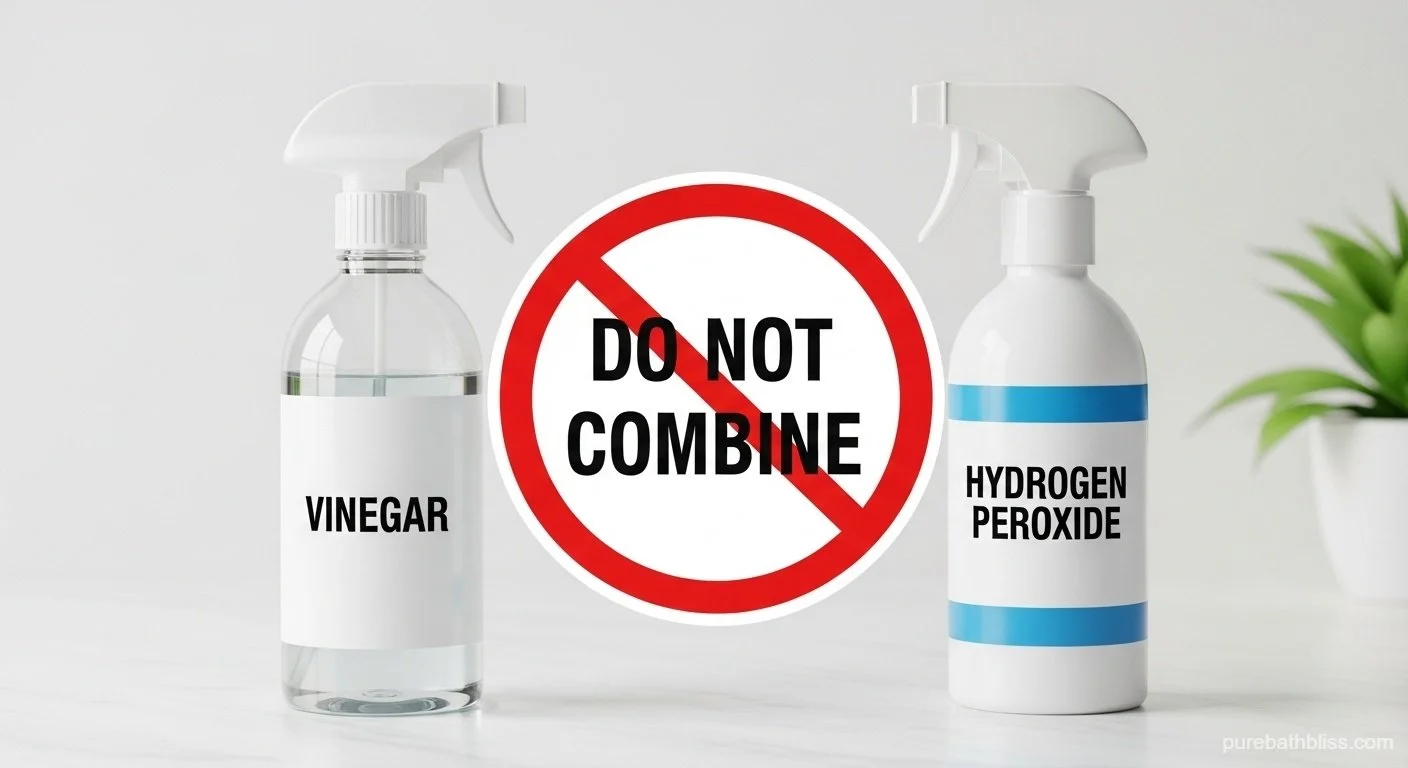
The Hidden Danger of Mixing Vinegar and Hydrogen Peroxide for Cleaning
I almost made this mistake myself a few years ago. I had read somewhere that mixing equal parts vinegar and hydrogen peroxide made an unstoppable natural disinfectant, and it made intuitive sense to me. Two cheap, green, pantry-staple ingredients combining into something stronger than either alone. I had the spray bottle in hand and the two bottles open on the counter before something nagged at me to actually look into it first. That five minutes of research changed my entire approach to natural cleaning.
What I learned is that vinegar and hydrogen peroxide react with each other the moment they touch. That reaction produces a compound called peracetic acid, which is a genuinely powerful industrial disinfectant used in hospitals and food processing plants under strict ventilation and protective equipment protocols. It is not something you want forming unpredictably in a closed spray bottle in your bathroom.
Here is exactly what happens chemically when you combine the two, what the real risks are, and the simple sequential method that gives you the disinfecting power you were after in the first place, without the hazard.
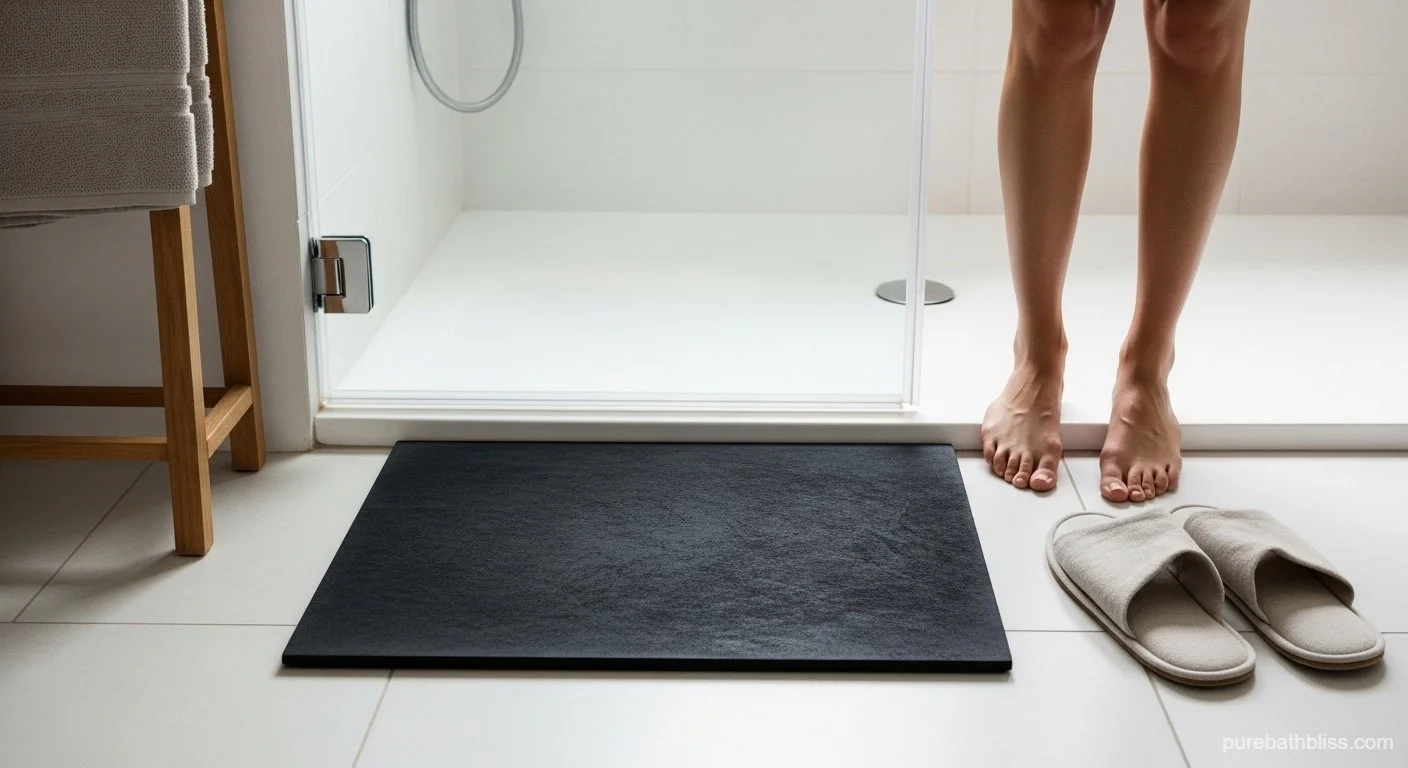
Are Diatomaceous Earth Bath Mats Worth the Hype?
You step out of the shower and straight into the dreaded “wet sock” moment. That cold, slimy fabric bath mat has been marinating in yesterday’s shower water for 18 hours. You swear you’ll replace it… until you see stone bath mats all over Instagram promising to stay bone-dry in 60 seconds and never grow mold.
Gimmick or miracle?
I lived with both for six months (cloth in one bathroom, three different stone mats in another) so you don’t have to gamble $80–$150 to find out.
Here’s the unfiltered truth.
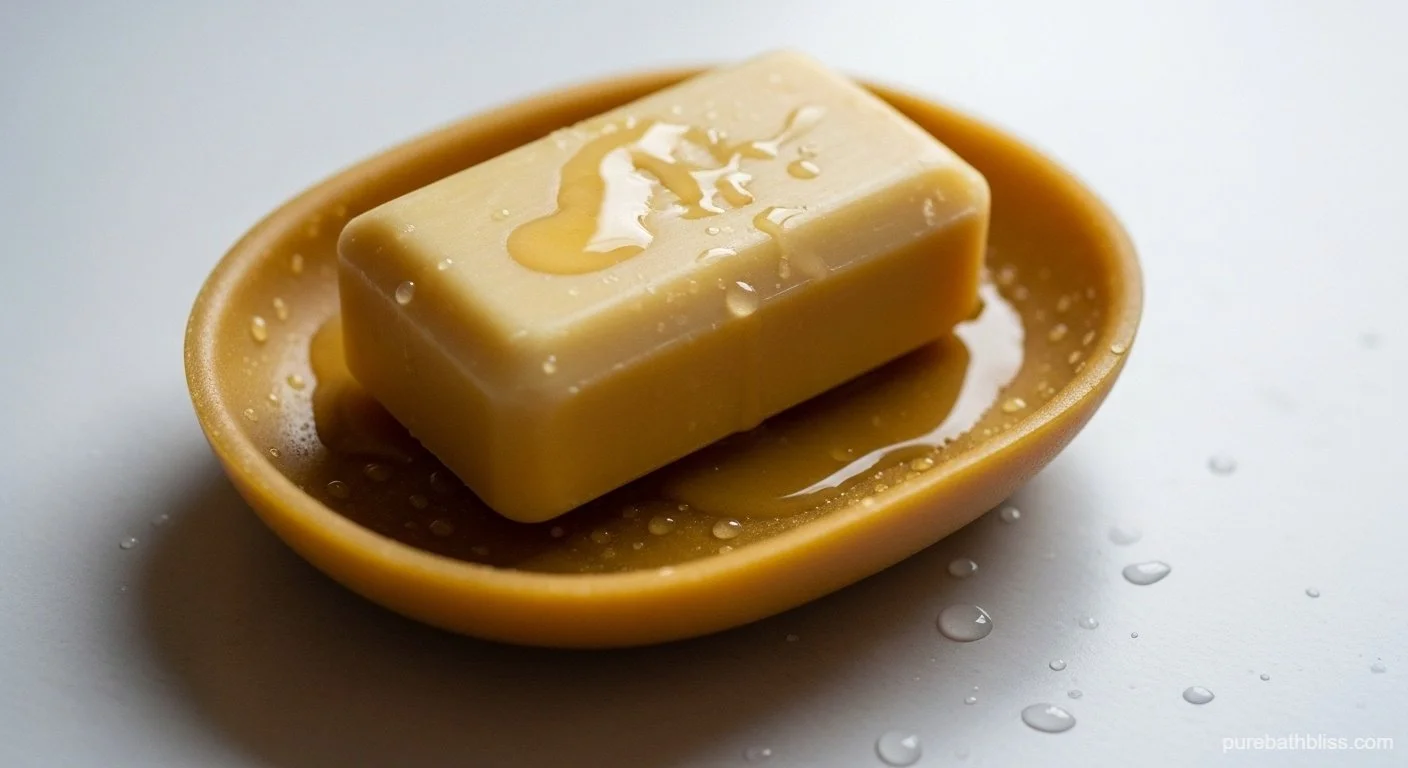
How to Make Your Own Beeswax Soap Dish (Zero Waste, 10-Year Lifespan)
Plastic soap dishes pool water, crack fast, and leach microplastics—coat scrap wood in beeswax for a drainage-grooved dish that keeps bars dry 3x longer, lasting 10+ years. This 20-minute build from reclaimed cedar yields a $2 heirloom that repels moisture naturally, saving 10 plastics and preventing moldy messes. Carve grooves, melt wax, brush on—slanted options for ultra-drain or dipped dyes for style. Re-wax annually for eternal waterproofing; pair with handmade soaps for gifting. Fits any aesthetic, mounts or freestands, and elevates hygiene sustainably. Upcycle garage leftovers into bathroom bliss: dry soap, extended life, zero waste. Support pollinators with local beeswax while slashing pollution—one dish, endless bubbles. Craft today for drier, kinder tomorrows
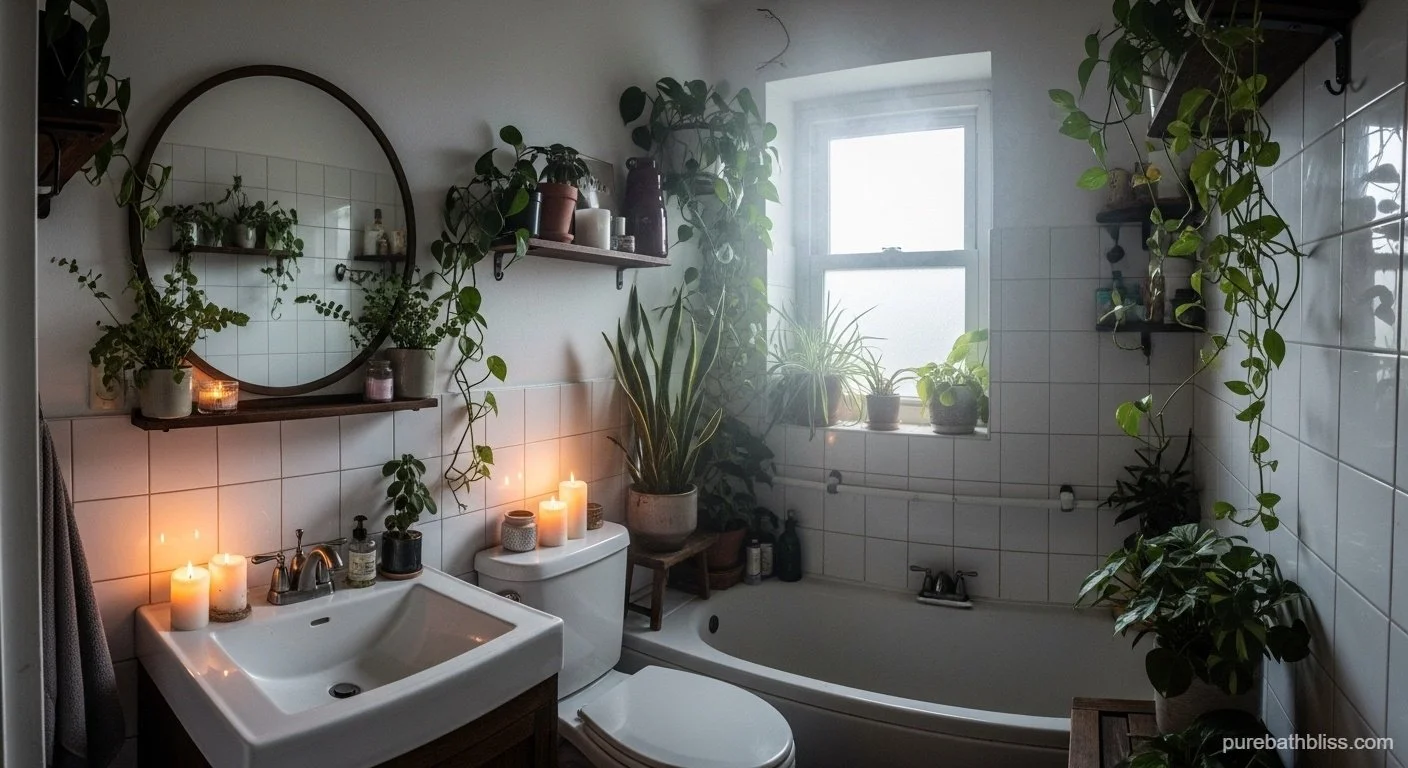
7 "Unkillable" Plants That Thrive in Your Windowless Bathroom (And Purify the Air)
You dream of a lush, spa-like bathroom dripping with plants… …then you remember your bathroom has zero windows, fluorescent lighting, and more steam than a rainforest. Most houseplants would file a complaint and die within a week.
But these seven don’t just survive in a dark, humid bathroom—they absolutely thrive there. They’re so tough you’ll think they’re fake (until they grow).
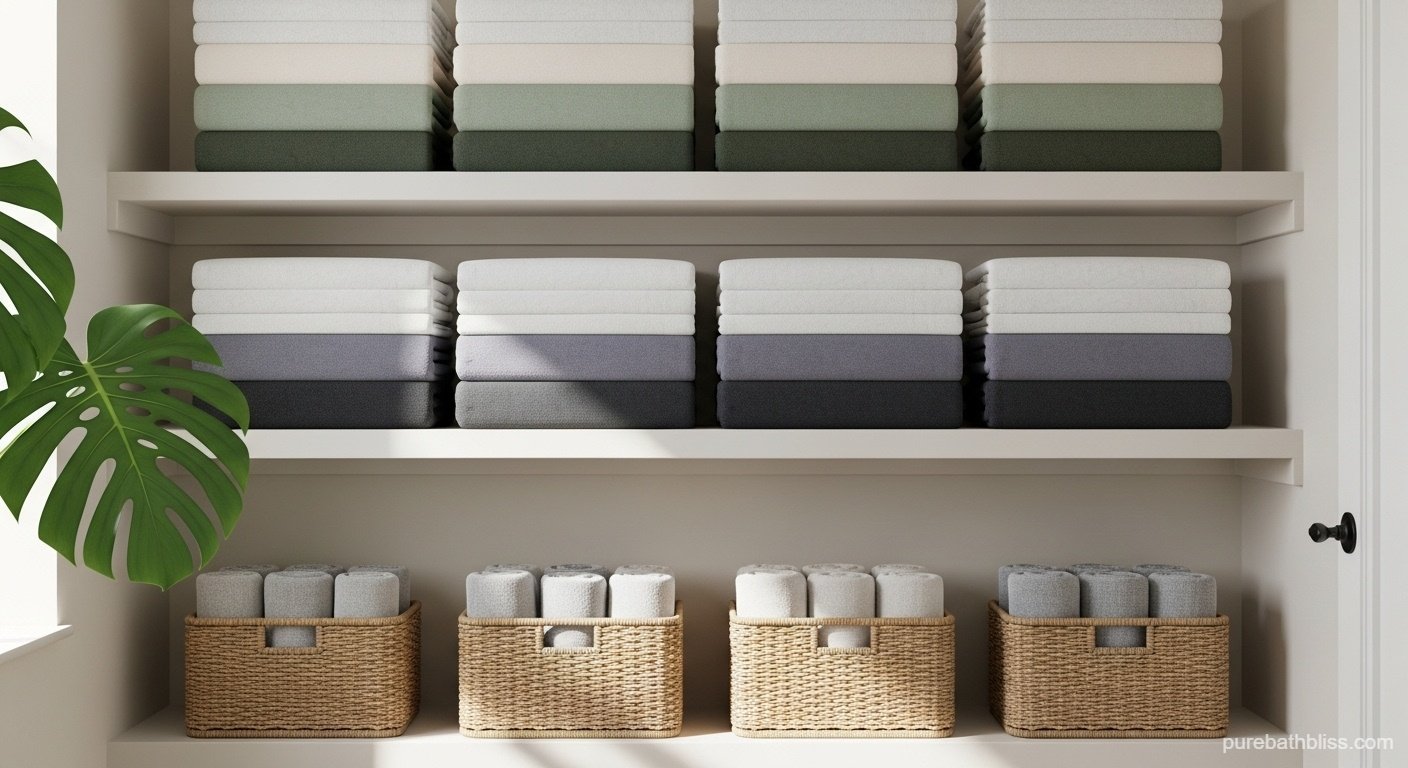
The Spa Fold: How to Organize Your Towels Like a 5-Star Hotel (And Save Shelf Space)
It's easy to think of towel folding as purely aesthetic, but there are a few practical reasons why the technique matters beyond how things look.
The first is space. A properly folded towel compresses uniformly and stacks without air pockets. Most people can fit 25 to 40 percent more towels on the same shelf just by changing how they fold. In a family bathroom with four kids, that's the difference between a shelf that functions and one that's constantly on the verge of collapse.
The second is fiber longevity. Towels wear out fastest at their edges and raw seams. Hotel-style folds hide those edges inside the fold, which protects them from repeated friction every time someone grabs a towel. If you've invested in quality towels, the fold is part of how you protect that investment. Our GSM towel buying guide covers what makes a quality towel worth protecting in the first place.
The third is rotation. A consistent fold makes it easy to implement a first-in, first-out system, placing freshly laundered towels at the back or bottom of the stack so older ones get used first. No towel sits forgotten at the back of a shelf for months, developing that stale, musty smell.