Are Bath Bombs Safe for Kids? The Ingredients to Avoid and 3 DIY Recipes
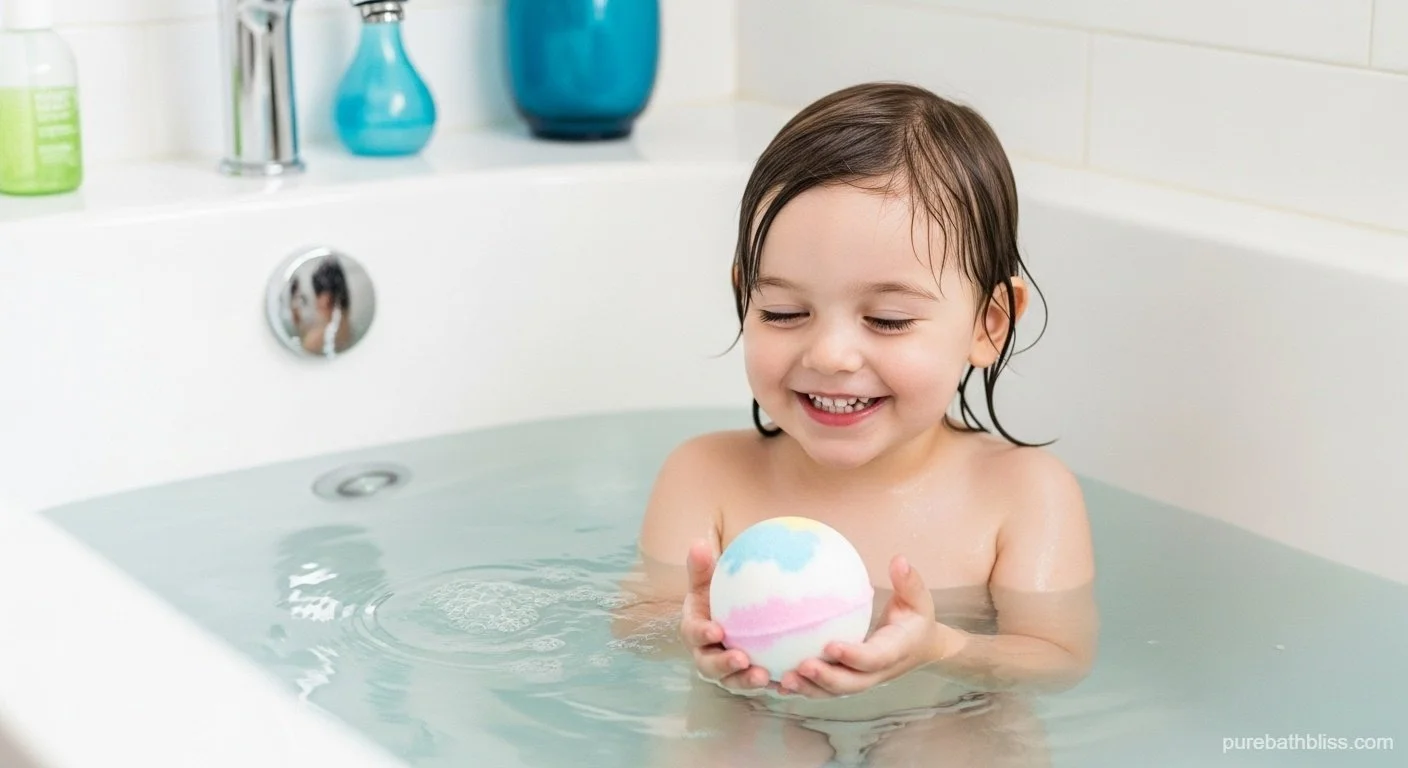
It is the highlight of bath time. You hand your child a brightly colored sphere, they drop it into the water, and the tub erupts in a symphony of fizz, foam, and neon color. Their eyes light up. For five minutes, it’s pure magic.
But then the water settles, turning a murky shade of purple. The scent of artificial grape fills the small bathroom. And later that night, you notice dry patches on their legs, or they complain of itching in sensitive areas.
As a parent trying to maintain a non-toxic home, you have to ask: Is sitting in that chemical fizz for twenty minutes actually safe for developing systems?
The short answer is that most commercial, brightly colored bath bombs are not designed for the sensitive skin of children. They are often packed with ingredients that can disrupt pH balance, trigger eczema, and cause irritation. However, that doesn't mean you have to be the "boring parent" who bans the fizz completely.
This guide will explain the hidden risks of store-bought bombs, the exact ingredient names to ban from your shopping cart, and how to make your own safe, natural versions at home for pennies.
This guide expands on the safety protocols we established in our master guide: The Parent's Guide to a Toxin-Free Tub: Ensuring Safety and Wellness for Your Baby.
The Hidden Risks of Store-Bought Bombs
The appeal of a bath bomb to a child is obvious: it’s a toy that dissolves. But unlike a rubber duck, a bath bomb changes the chemical composition of the water your child is soaking in.
The UTI Connection and Irritation
This is the most common concern parents have, and it is valid. A child’s urethra is shorter and more sensitive than an adult's, making them highly susceptible to irritation.
The fizz of a bath bomb comes from a reaction between baking soda (a base) and citric acid. While generally safe in small amounts, sitting in highly concentrated baking soda water for 30 minutes can alter the natural pH balance of the genital area. When you combine this pH shift with synthetic perfumes and strong dyes, you create a perfect recipe for contact dermatitis or urethritis, the symptoms of which—burning and urgency—often mimic a urinary tract infection (UTI).
The "Fragrance" Loophole
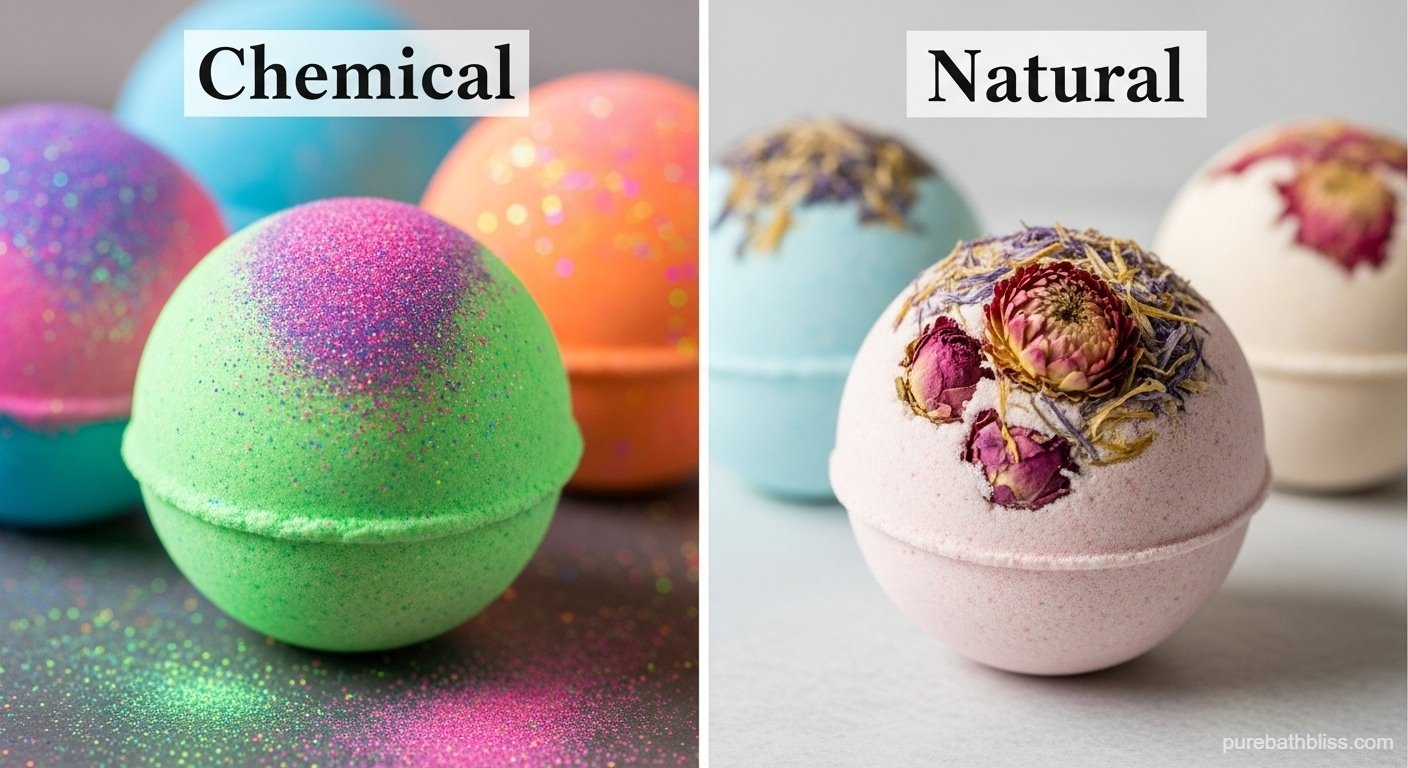
If a bath bomb smells like "Cotton Candy Dreams" or "Blue Raspberry Slushie," you can guarantee the scent is synthetic.
Due to trade secret laws, manufacturers can list the single word "Fragrance" or "Parfum" on an ingredient label to represent a cocktail of hundreds of undisclosed chemicals. These often include phthalates, which are known endocrine (hormone) disruptors used to make scents last longer. In a hot bath, pores open up, increasing the absorption of these compounds.
Glitter and Heavy Dyes
That sparkle has a dark side. Most conventional bath bomb glitter is essentially micro-cut plastic. It is terrible for the environment, washing straight down the drain and into waterways. On a child's skin, those tiny, sharp edges can cause micro-abrasions, especially in sensitive folds of skin.
Furthermore, heavy synthetic dyes (like Red 40 or Blue 1) are notorious for staining skin and tubs, and are common triggers for eczema flare-ups.
Ingredient Watchlist: What to Ban
When shopping for bath treats for kids, you need to become an ingredient detective. Turn the package over. If you see any of these "Red List" offenders, put it back on the shelf.
Sodium Lauryl Sulfate (SLS) or Sodium Laureth Sulfate (SLES): These are harsh foaming agents used to create bubbles. They are known skin irritants that strip natural oils, leaving a child's skin dry and vulnerable to rashes.
Parabens (Methyl-, Propyl-, Butyl-, Ethyl-): Common preservatives that mimic estrogen in the body and are linked to hormonal disruption.
"Fragrance" or "Parfum": As mentioned above, this is an umbrella term for undisclosed synthetic chemicals.
Limonene and Linalool: While these occur naturally in some essential oils, they are often added synthetically in high concentrations to create strong citrus or floral scents, and they are powerful contact allergens for many children.
Talc: Often used as a filler in cheaper bath bombs, talc can be contaminated with asbestos fibers and is a respiratory irritant when inhaled (and kids love to put their faces right near the fizz).
For a detailed breakdown of why these specific ingredients are harmful to developing systems, see our report: The Toxic Five: Ingredients Never to Use on Babies.
The Safe Way to Fizz: What to Look For
You don’t have to ruin the fun. You just need to shift your criteria. There are wonderful, smaller brands making kid-safe alternatives. Here is what a "clean" bath bomb looks like:
The "Green" Criteria
Scent: Look for "Scented with 100% Pure Essential Oils" (like Lavender or Sweet Orange).
Color: Look for natural colorants like beetroot powder, turmeric, matcha, or blue spirulina.
Sparkle: If it shimmers, ensure it is labeled as "biodegradable glitter," "plant-based cellulose glitter," or synthetic mica (a safe mineral shimmer).
The "Rinse Rule"
Even with natural ingredients, sitting in salty, fizzy water can be drying.
The Golden Rule: Always do a quick rinse with plain, lukewarm water from the showerhead or a cup before the child gets out of the tub. This washes away any residue that could cause itching later.
3 DIY Recipes: Fun, Safe, and Cheap
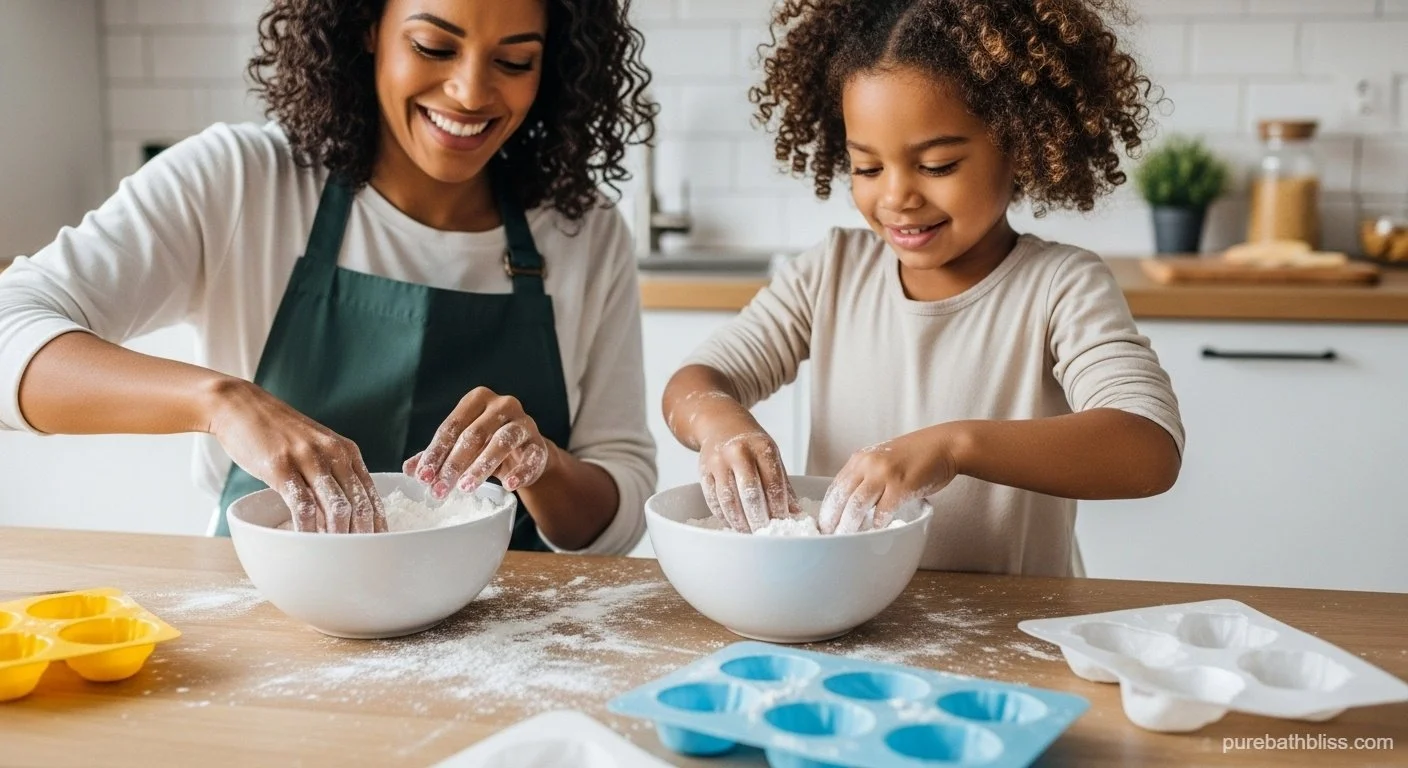
The ultimate way to ensure safety is to make them yourself. It’s a fantastic rainy-day activity; kids love mixing the "potion" and packing the molds.
These recipes use food-grade ingredients and skip the harsh synthetics.
Materials Needed:
A large mixing bowl
A spray bottle filled with Witch Hazel (water activates the fizz too fast!)
Molds (You can use silicone muffin trays, plastic Easter eggs, or dedicated metal bath bomb spheres).
The Master Base Recipe
1 Cup Baking Soda
1/2 Cup Citric Acid (Find this in the canning aisle of the grocery store)
1/2 Cup Cornstarch (Makes the water silky and slows the fizz reaction)
2 Tablespoons Carrier Oil (Melted Coconut Oil, Almond Oil, or Jojoba Oil)
Instructions for All Recipes:
Mix Dry: Whisk the baking soda, citric acid, and cornstarch in your bowl until there are no lumps.
Mix Wet: In a separate small jar, mix your carrier oil and essential oils.
Combine Slowly: Drizzle the wet ingredients into the dry while whisking constantly to prevent premature fizzing.
The Spritz Test: The mixture should feel like damp sand. Squeeze some in your hand; if it holds its shape, it's ready. If it crumbles, spray it once or twice with Witch Hazel and mix again.
Pack: Press firmly into your molds. Let them dry for at least 24 hours in a cool, dry place before carefully unmolding.
Recipe 1: The "Sleepy Cloud"
Perfect for winding down before bed.
Add to wet mix: 15 drops Lavender Essential Oil
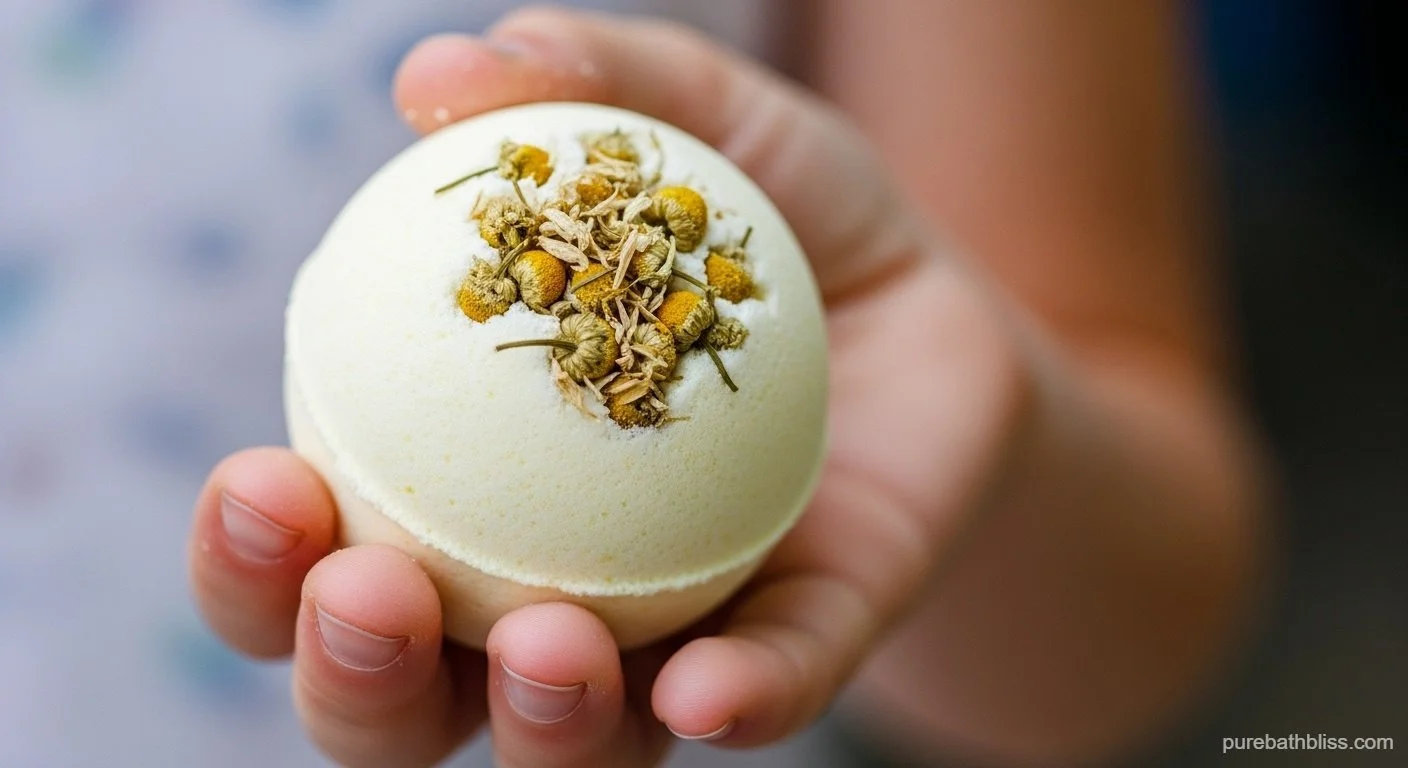
Add to molds before packing: A pinch of dried lavender buds or chamomile flowers.
Recipe 2: The "Happy Orange"
A bright, mood-lifting fizzer.
Add to wet mix: 20 drops Sweet Orange Essential Oil
Add to dry mix: 1 teaspoon Turmeric powder for a sunny yellow color.
Recipe 3: The "Secret Toy" Surprise Bomb
The ultimate crowd-pleaser. Warning: For children 3+ only due to choking hazards.
Use the Master Base recipe (unscented or lightly scented).
Fill one half of your sphere mold loosely.
Press a small, waterproof silicone toy or animal figure into the center.
Overfill the second half of the mold and press them firmly together to seal the toy inside.
Conclusion
You don't have to banish the fizz to keep your kids safe. The danger lies in the hidden synthetic ingredients of cheap, mass-produced products, not in the chemical reaction itself.
By becoming an ingredient detective or spending an afternoon making your own, you can keep bath time magical without risking rashes, irritation, or exposure to harmful endocrine disruptors.
Now that the fun is sorted, make sure the tub is ready for the next bath. Check out our cleaning guide: Baby-Safe Cleaning: How to Scrub the Tub Without Harsh Chemicals.