Pros and Cons of Using a Magic Eraser in Your Bathroom!
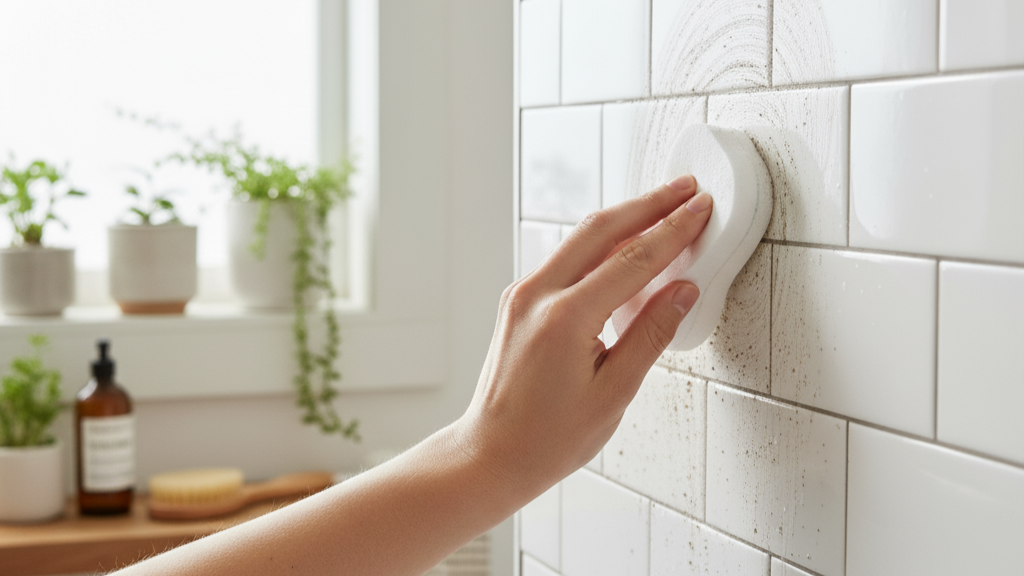
It feels like a cleaning miracle. You wet a white foam block, swipe it across a stubborn scuff or a ring of bathtub grime, and poof, it’s gone. No sprays, no buckets, no fumes.
For years, the "Magic Eraser" (and its generic melamine foam cousins) has been the secret weapon of homeowners everywhere. But if you are curating an eco-friendly, non-toxic bathroom sanctuary, you might be asking: Is this magic block actually safe? Does it damage surfaces? And what is it doing to the environment?
The answer is complex. While it is an incredibly effective tool, it is not a gentle sponge, it is a microscopic abrasive.
In this guide, we break down exactly how it works, the surfaces you should never touch with it, and how to use it responsibly as part of a green cleaning routine.
If you are looking for a liquid solution for glass that doesn't involve scrubbing, check out our guide: Foggy to Flawless: How to Remove Hard Water Stains from Shower Glass Naturally.
The Science: It’s Not Magic, It’s Sandpaper
To understand the pros and cons, you have to understand the material. Magic Erasers are made of melamine foam.
When melamine resin cures into foam, it becomes incredibly hard, almost as hard as glass, but the structure is filled with air pockets. When you wet the sponge, these microscopic strands become flexible but remain razor-sharp.
How it Cleans: It works exactly like super-fine sandpaper (equivalent to 3000–5000 grit). It doesn't dissolve dirt chemically; it physically scrapes it off the surface.
The "Magic": The foam acts like a vacuum. As the abrasive strands lift the dirt, the open cell structure traps it inside the sponge.
The Pros: Why We Keep Buying Them
Despite the risks, there is a reason these are under every sink in America.
1. Chemical-Free Cleaning (Sort Of)
You don’t need bleach or ammonia. Water is the only activator required. For households trying to improve indoor air quality, removing spray fumes is a massive win.
See our guide on Baby-Safe Cleaning: How to Scrub the Tub Without Harsh Chemicals for liquid alternatives.
2. The Textured Surface Hero
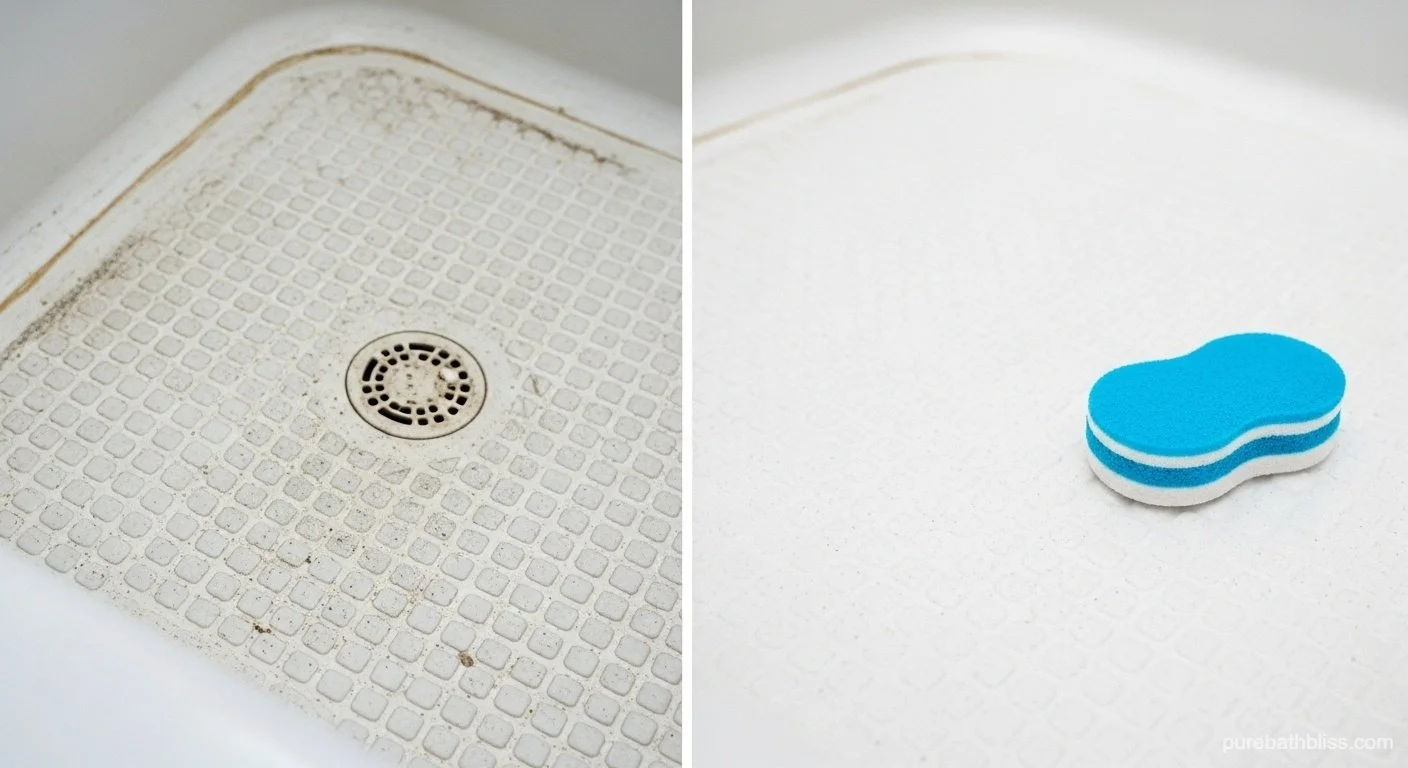
Bathroom surfaces like textured tile floors or anti-slip bathtub bottoms are notoriously hard to clean because rags just glide over the top of the grime. The Magic Eraser’s micro-fibers dig into the texture, lifting grey soap scum that nothing else can reach.
3. Grout Whitening
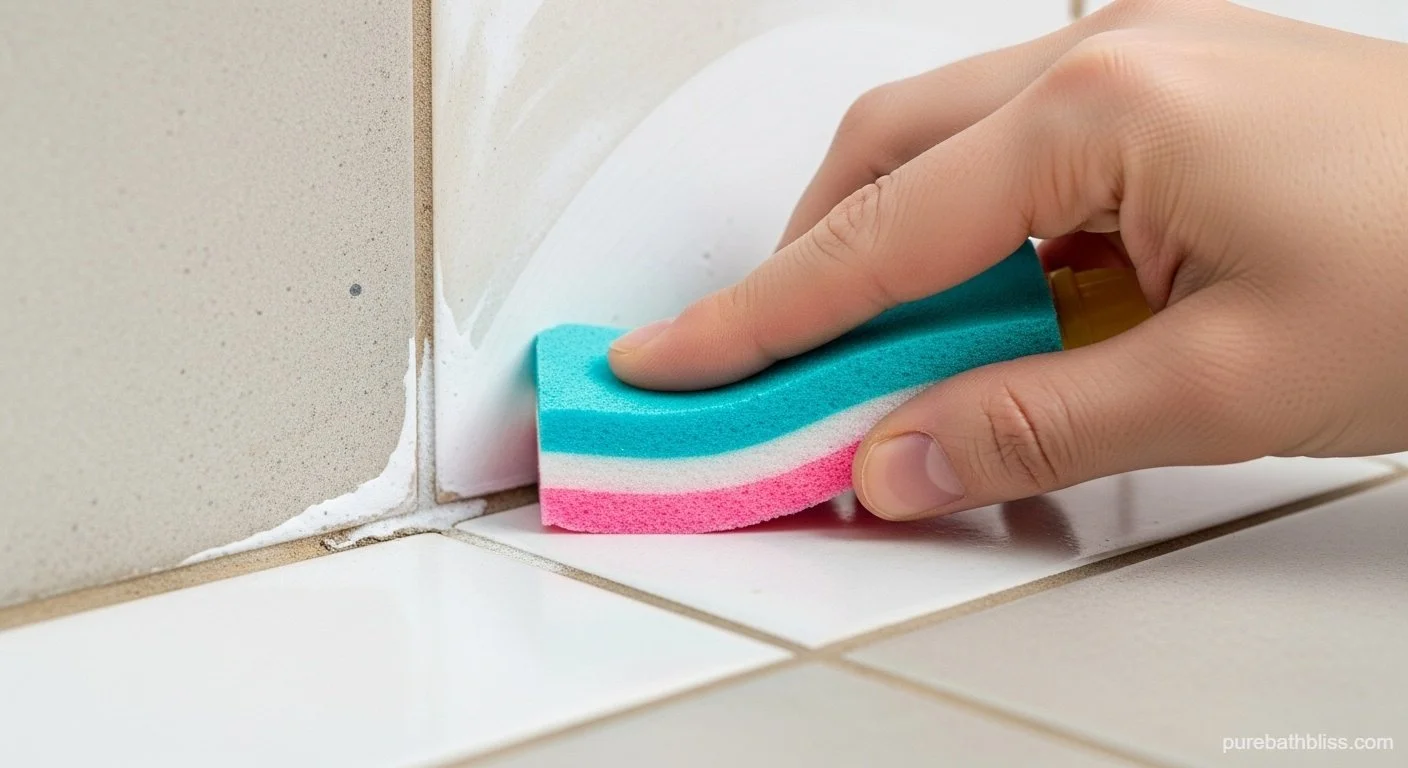
If your grout has turned a dingy yellow or grey, a Magic Eraser can physically shave off the top layer of stained sealant, revealing the white grout underneath. It is faster than a toothbrush and requires less elbow grease.
The Cons: The Hidden Costs
Here is where the "Bliss" part of your bathroom routine can take a hit.
1. The Microplastic Problem
As you scrub, you’ll notice the sponge disappears. It isn't dissolving; it is disintegrating.
The Eco-Impact: Those tiny particles of melamine plastic wash down your drain and eventually enter waterways as microplastics. While non-toxic to humans in solid form, they are an environmental pollutant.
Recommendation: Use them sparingly for "emergency" stains, not daily cleaning.
2. It Ruins Glossy Finishes
Because it is sandpaper, it will dull shiny surfaces over time.
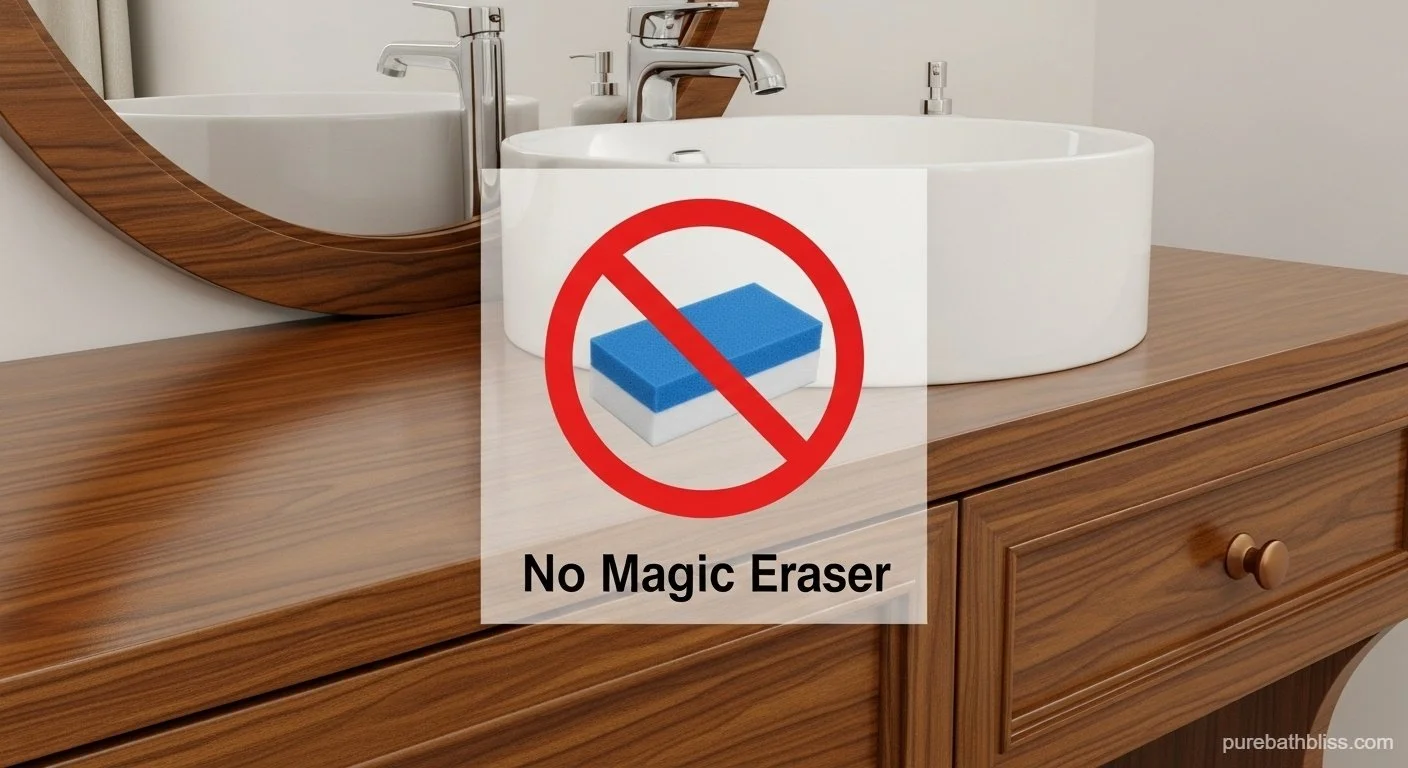
Avoid: High-gloss acrylic tubs, lacquered wood vanities, or shiny marble sealants. You are literally sanding off the shine.
Glass Danger: While it removes hard water spots, frequent use can cause micro-scratching on glass shower doors, which actually makes them trap more limescale in the future.
3. It Can Strip Sealants
If you use it on natural stone (granite, slate) or caulking, the abrasive action can strip away the protective sealant, leaving the stone vulnerable to water damage and bacteria.
The Verdict: Where to Use It (And Where to Stop)
To keep your bathroom eco-friendly and damage-free, follow these rules:
✅ GREEN LIGHT (Safe Zones)
Textured Bathtub Floors: The anti-slip grit holds grime that only an abrasive can remove.
Ceramic Tile Floors: Durable and hard enough to withstand the scrubbing.
Grout Lines: Excellent for spot-cleaning stains.
Soleplates of Hair Irons: Removes burnt-on hair product (when unplugged and cool!).
❌ RED LIGHT (Danger Zones)
Glass Shower Doors: Use a vinegar soak instead (it dissolves minerals without scratching).
Glossy Faucets (Chrome/Gold): It will leave swirl marks and strip the plating.
Natural Stone: Marble, Granite, and Travertine should be cleaned with pH-neutral soap only.
Toilet Seats: Plastic toilet seats scratch easily; once scratched, they trap bacteria and become impossible to sanitize.
Conclusion
The Magic Eraser is a powerful tool, but it is not a daily cleaner. It is a restoration tool.
Use it to rescue a stained tub bottom or brighten dingy grout, but don't rely on it for your Tuesday morning wipe-down. By understanding the science of abrasion, you can save your surfaces from scratches and keep microplastics out of the water system.
For daily cleaning that is safer for your surfaces and the planet, stick to the liquid natural cleaners we recommend in our master guides.
Ready to swap the foam block for a natural recipe? Check out our guide: Best Natural Cleaners for Pre-Paint Prep (Why Vinegar & Peroxide Beat Bleach).