Why Is My Bathroom Caulk Turning Black? (The Mold Cycle & Natural Fixes)
You’ve scrubbed it with bleach. You’ve attacked it with a toothbrush. Two weeks later, the black (or pink) spots are back, mocking you from the tub-tile seam.
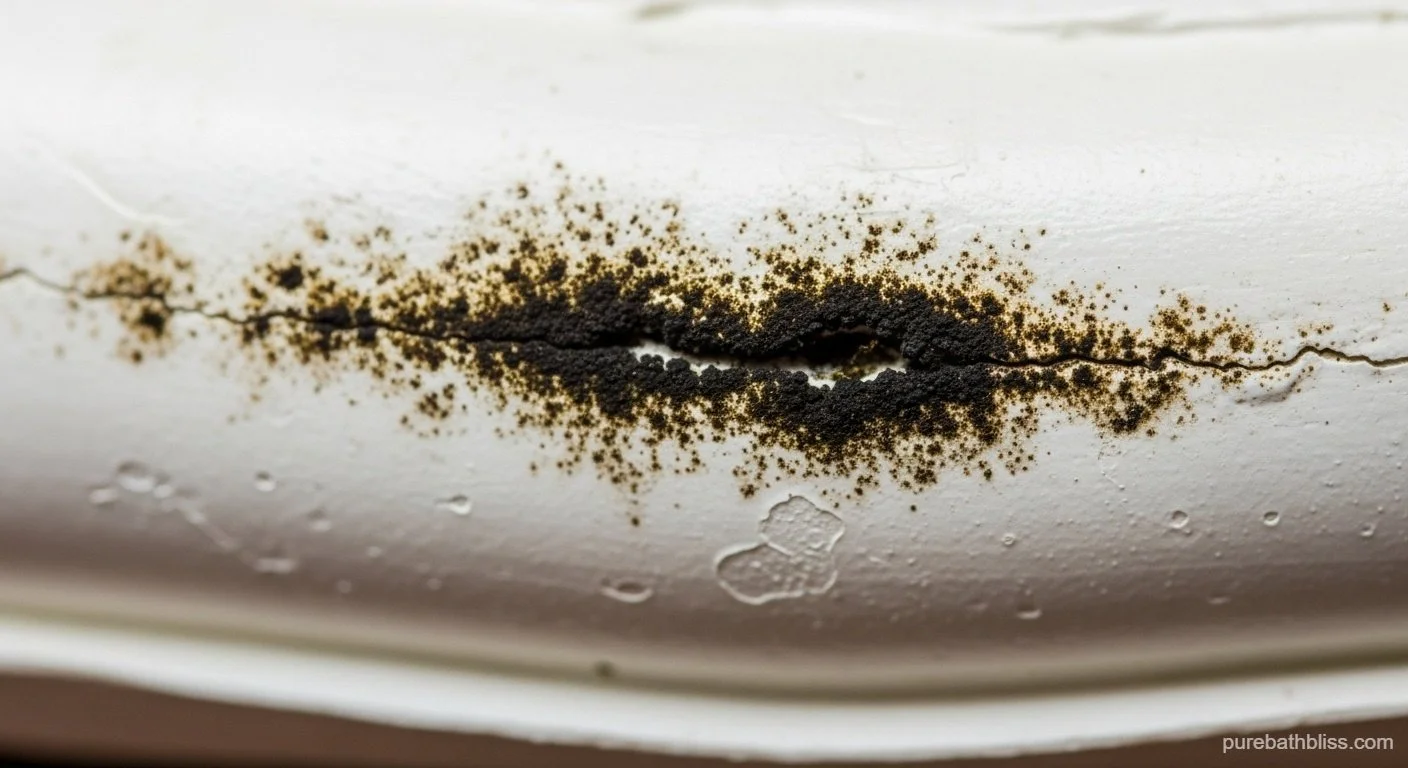
That’s not dirt. That’s mold living inside your caulk.
Here’s exactly why it happens, why bleach is making it worse, and the only two real solutions—one natural cleaning method that works, and one decisive replacement protocol when cleaning is no longer enough.
The Science of the Black Spot
It’s Not the Caulk—It’s What’s Trapped Inside
Mold doesn’t eat silicone. It eats the soap scum, skin cells, and body oils that get trapped in microscopic cracks and pores when the caulk was applied imperfectly or has aged.
Common culprits:
Serratia marcescens (pink/orange)
Cladosporium or Aspergillus (black) Both thrive in the warm, wet, low-oxygen folds of your bathroom.
Why Bleach Is the Wrong Tool
Bleach is a surface whitener, not a deep penetrator. It kills the visible mold on top but leaves the roots (hyphae) alive inside the porous caulk. The black returns faster because bleach also degrades the caulk’s structure, creating more cracks for the next generation.
Phase 1: The Non-Toxic Cleaning Protocol That Actually Works
The Recipe (Oxygen + Abrasion)
½ cup baking soda
3 % hydrogen peroxide added slowly until you have a thick, spreadable paste
Optional: 5 drops tea tree or oregano essential oil (extra antifungal punch)
The Application (The “Dwell Time” Trick)
Dry the area completely with a hairdryer or towel.
Spread the thick paste over every black spot (¼ inch thick).
Cover with a strip of toilet paper or plastic wrap to keep it moist—this is the secret.
Leave for minimum 1 hour, maximum 3 hours (longer = better kill).
Remove cover, scrub lightly with a stiff nylon brush, rinse thoroughly.
The peroxide bubbles oxygen into the pores, killing roots while the baking soda gently abrades the surface stain. Tea tree oil penetrates where peroxide can’t.
Result: 90–95 % of early-stage cases are completely gone and stay gone for months.
Phase 2: When to Stop Cleaning and Start Replacing
The “Too Deep” Test (Do This Today)
Clean one 6-inch section perfectly with the method above. Wait one week. If even one tiny black dot returns, the mold has colonized the caulk itself. Cleaning is now pointless—the seal is compromised and must be replaced.
Signs It’s Time to Re-Caulk
Black spots return within 7–14 days
Caulk feels soft, spongy, or pulls away from tile
Visible cracks or peeling
Water seeps behind the caulk (sign of failed waterproof seal)
The Right Replacement Caulk
Use only 100 % silicone (not “siliconized acrylic” or “latex”). Look for:
“Bathroom & Kitchen” or “Tub & Tile” label
Low-VOC or zero-VOC
Built-in mildew resistance (Microban is okay if you tolerate it)
Top choices:
GE Silicone II (clear or white)
DAP Kwik Seal Plus
Gorilla 100 % Silicone
Quick Re-Caulking Reminder
Remove all old caulk with a plastic scraper and 91 % rubbing alcohol
Tape perfect lines
Apply steady bead
Tool with a gloved finger dipped in dish soap water
Cure 24–48 hours before water exposure
Prevention: Stop the Cycle Before It Starts
Run the exhaust fan 20–30 minutes after every shower
Squeegee walls and glass daily
Keep caulk bone-dry between uses (open curtain fully, wipe seams if needed)
Once a month, spray the seams with 50/50 vinegar + water and let air-dry
The Final Verdict
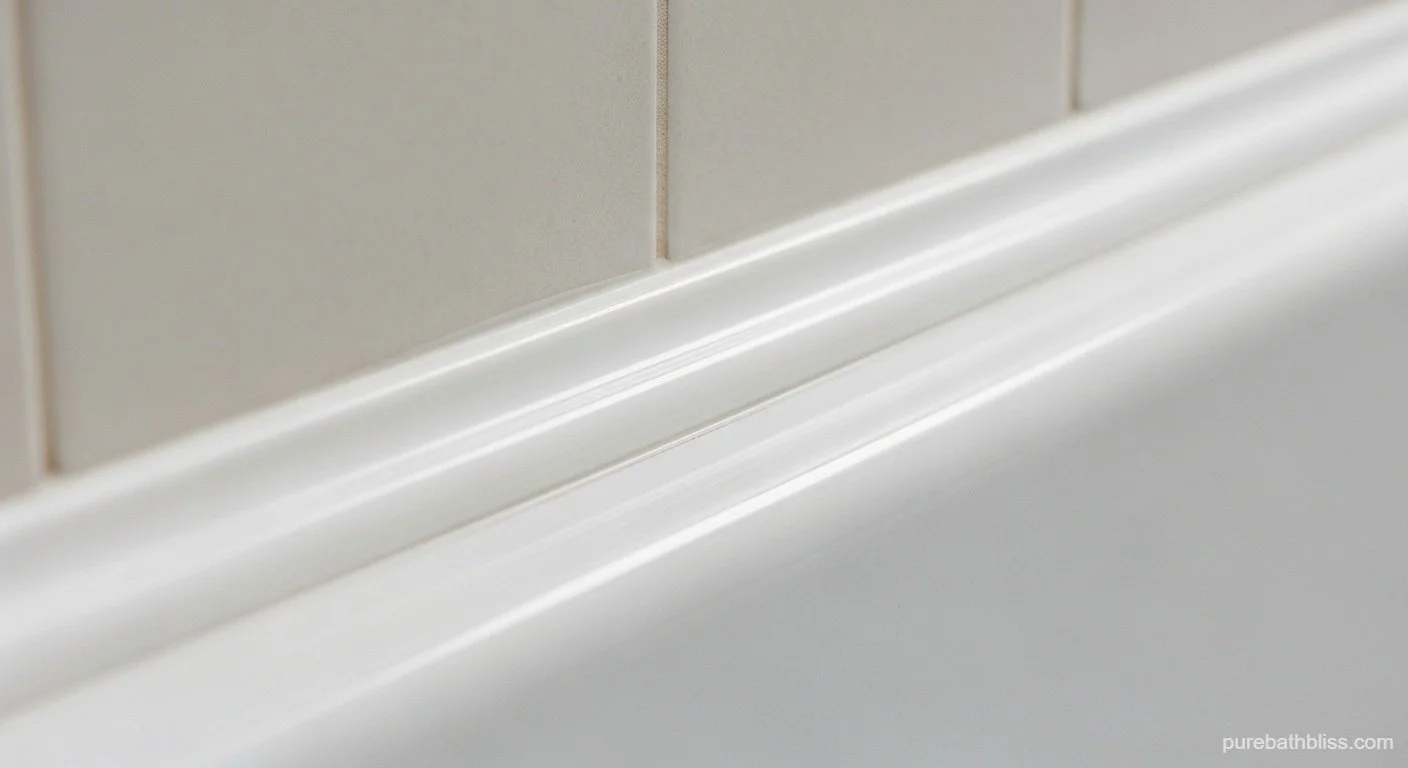
If the mold is surface-only → the peroxide paste will erase it and buy you months (sometimes years). If it returns in under two weeks → the caulk is dead. Replace it with 100 % silicone and follow the prevention rules.
Black caulk isn’t cosmetic. It’s a health hazard and a sign your waterproof seal has failed.
Fix it now, fix it naturally, and breathe easier tomorrow.
For more health-focused tips on managing humidity and mold in your home sanctuary, see our master guide: Breathe Easy: The Ultimate Guide to Bathroom Air Quality, Ventilation, and Healthy Ambiance .
Your bathroom deserves to be clean—inside and out.