The Ammonia Myth: Why This Old-School Cleaner Has No Place in a Non-Toxic Bathroom (And What to Use Instead)
Grandma swore by it. A capful of cloudy ammonia in a bucket of hot water and suddenly even the grimiest tile sparkled like new. It was cheap, it was powerful, and it smelled like “real cleaning.”
We now know better.
Ammonia has no place in a home where barefoot kids, curious pets, and asthma sufferers walk the same floors. Here’s exactly why—and three plant-based recipes that clean just as deeply, without the lung-burning fumes or deadly mixing risks.

The 3 Big Risks of Ammonia in the Bathroom
1. The Respiratory Assault
Ammonia is a volatile alkaline gas. The moment you pour it into hot water, it vaporizes and fills your small, poorly ventilated bathroom with a choking cloud. Even short exposure irritates eyes, nose, throat, and lungs. Long-term or repeated exposure is linked to chronic bronchitis and reactive airway disease. That sharp smell isn’t “clean”—it’s a warning.
2. The Mixing Danger (This One Can Kill)
Never—ever—mix ammonia with bleach or any cleaner containing sodium hypochlorite (most toilet bowl cleaners, mold removers, and automatic bowl tablets). The reaction instantly creates chloramine vapor—a toxic gas that causes immediate chemical pneumonia and can be fatal in confined spaces. You might mop the floor with ammonia in the morning and have someone drop bleach-based toilet cleaner in the afternoon. Accidental poisoning happens more often than you think.
3. It Secretly Destroys Your Floors
Ammonia’s high pH (11–12) eats through the acrylic sealers on natural stone, marble, travertine, and even some ceramic grout. After a few months of regular use, floors look dull, grout stains permanently, and you’ve created expensive damage you can’t undo.
The Bliss Alternatives: Three Recipes That Actually Work
For Ceramic/Porcelain Tile – The Vinegar Shine (My Daily Go-To)
1 gallon warm water
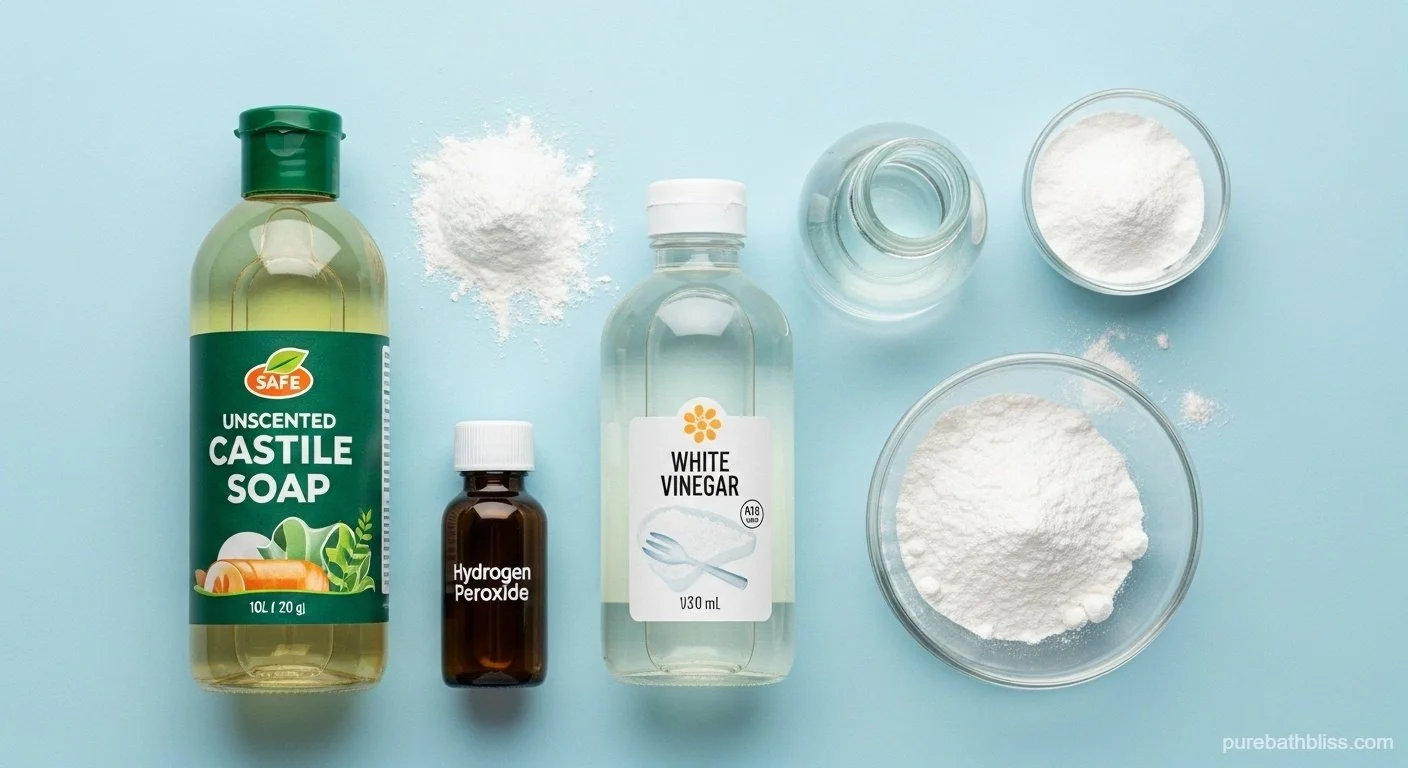
½ cup distilled white vinegar
10 drops lemon or wild orange essential oil (optional, for scent and extra grease-cutting)
Vinegar’s mild acetic acid dissolves soap scum and hard-water spots without etching glaze. Leaves a streak-free, satin shine and zero residue.
For Natural Stone & Marble – The pH-Neutral Castile Mix
1 gallon hot water
1 tablespoon unscented liquid Castile soap (Dr. Bronner’s Baby or similar)
Optional: 5 drops lavender or tea tree essential oil
Castile soap is naturally pH 8–9—perfectly safe for sealed stone and marble. Cleans gently and leaves no film.
For Dingy Grout Lines – The Oxygen Paste
½ cup baking soda
Hydrogen peroxide (3 %) added slowly until thick toothpaste consistency
Optional: 5 drops tea tree oil
Spread on grout, let sit 15 minutes, scrub with a stiff brush, rinse. The peroxide foams and lifts stains without bleach or ammonia.
The Non-Toxic Floor Routine (10 Minutes, Zero Fumes)
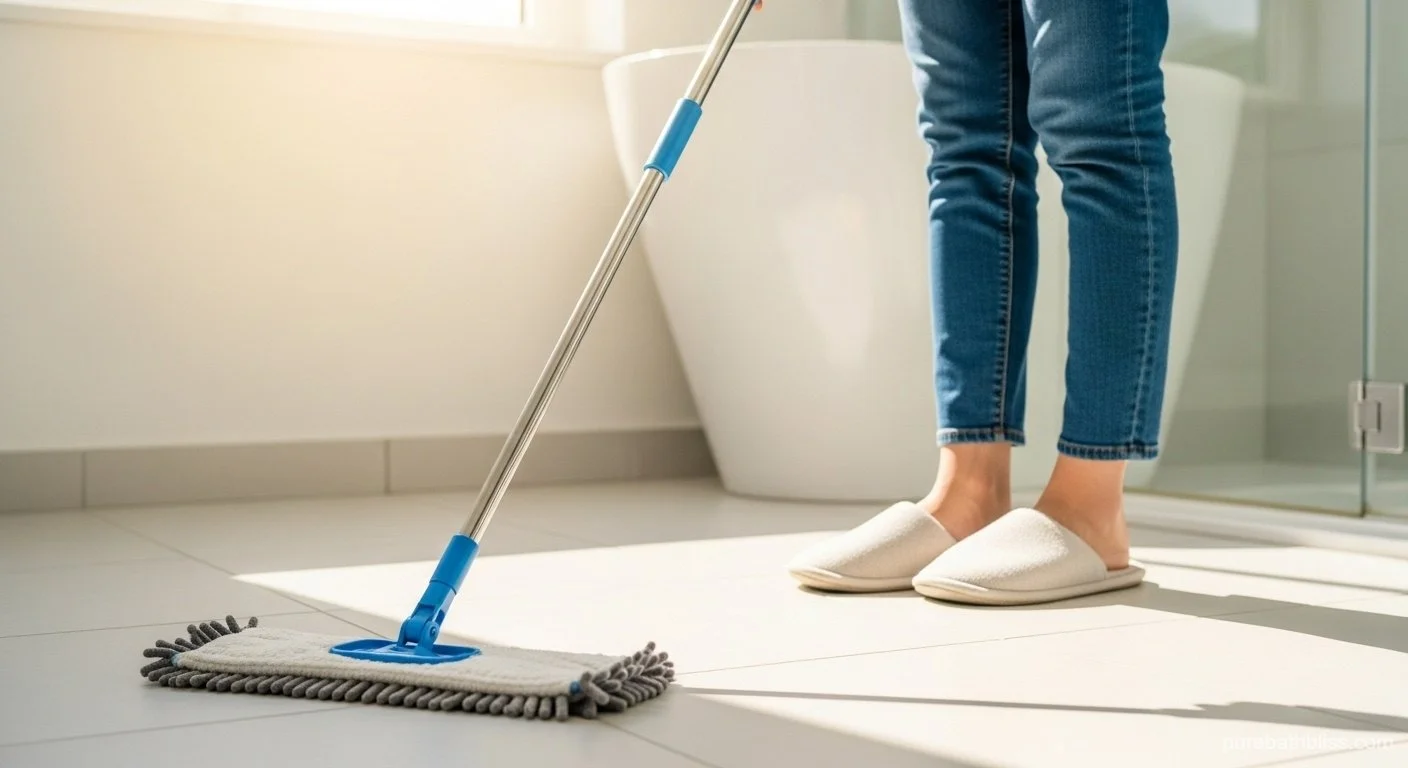
Dry sweep or vacuum first Grit is the enemy of shine—always remove it before adding water.
Fill your bucket with the recipe of choice Use the hottest water your hands (or mop) can tolerate.
Mop in an “S” pattern Start at the farthest corner and work backward toward the door. This pushes dirty water ahead of you instead of spreading it around.
Rinse mop head frequently Change bucket water when it looks grey.
Dry the floor Use a clean microfiber towel or open the door/window. Dry floors = no slips, no mildew, no streaks.
Ammonia vs. Natural – Side-by-Side Reality Check
Smell → Ammonia: choking, eye-watering / Natural: lemon-fresh or barely there
Safety → Ammonia: respiratory irritant + deadly mixing risk / Natural: food-grade ingredients
Long-term floor health → Ammonia: strips sealers, dulls stone / Natural: preserves finish
Cost per use → Ammonia: ~3 ¢ / Natural: ~2–4 ¢
Effectiveness on soap scum & grime → Both excellent (vinegar + Castile beat ammonia in blind tests)
The winner is clear.
Final Thoughts
You don’t need to choke on fumes to prove your bathroom is clean. The sparkle you want comes from smart ingredients and good technique—not from caustic chemicals that belong in industrial settings, not under your sink.
Ditch the ammonia bottle today. Your lungs, your stone floors, and anyone who accidentally mixes cleaners tomorrow will thank you.
For more on keeping every surface safe for bare feet and crawling babies, see our guide: Baby-Safe Cleaning: How to Scrub the Tub Without Harsh Chemicals.
Keep the power. Lose the poison. That’s real cleaning.