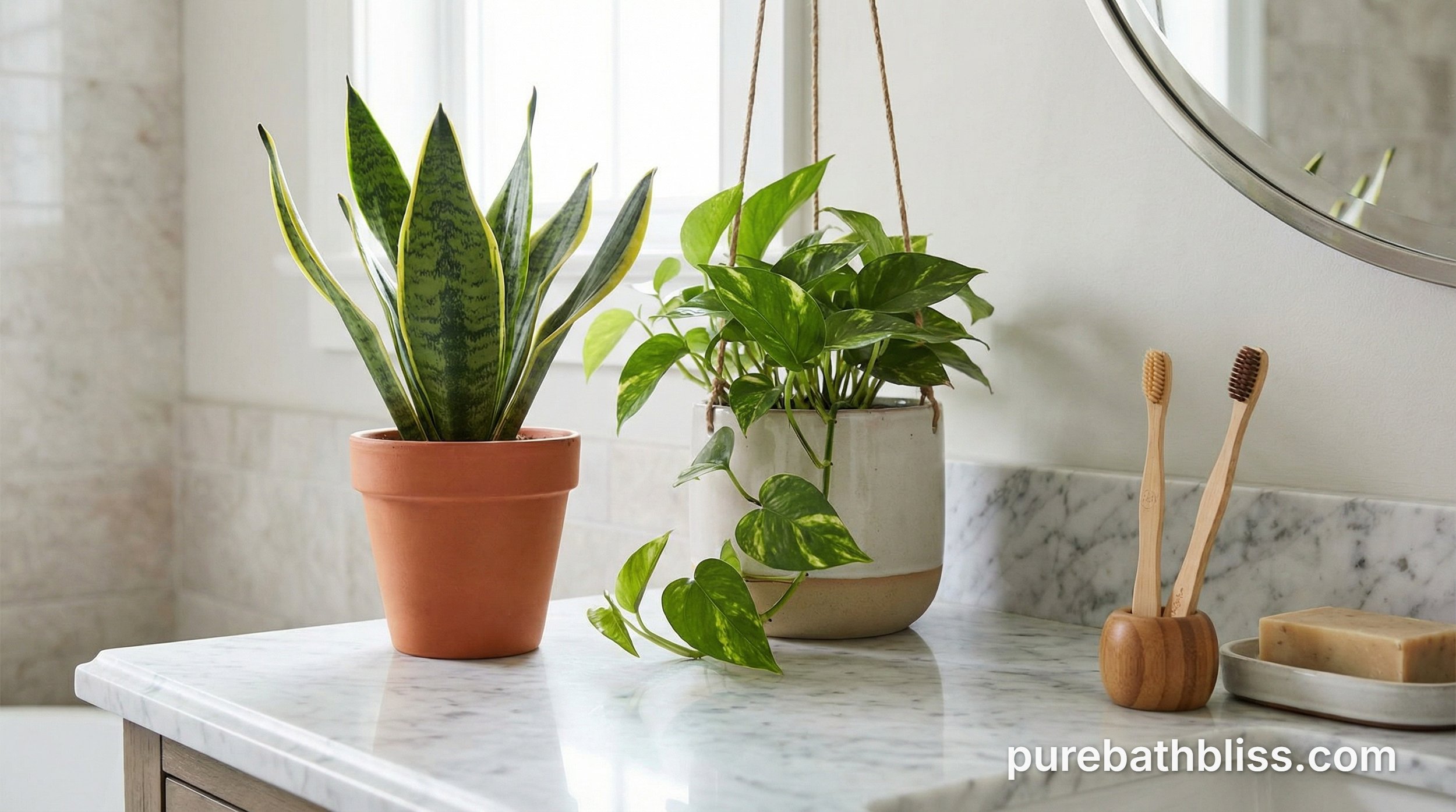
The Ultimate Guide to Shower Plants: 12 Humidity-Lovers for a Greener Bathroom
There is something inherently calming about a bathroom filled with life. If you’ve ever stepped into a luxury spa and felt an immediate sense of peace, it likely wasn't just the essential oils, it was the greenery.
In the eco-friendly home niche, "shower plants" have moved from a design trend to a functional necessity. Not only do they look stunning, but they also act as natural air purifiers, regulate humidity, and even help prevent the buildup of bathroom mold.
However, the bathroom is a unique ecosystem. With its spikes in temperature, low light, and high steam, not every houseplant is cut out to survive. In this guide, we’ll explore the top 12 plants that don’t just tolerate your shower—they thrive in it.
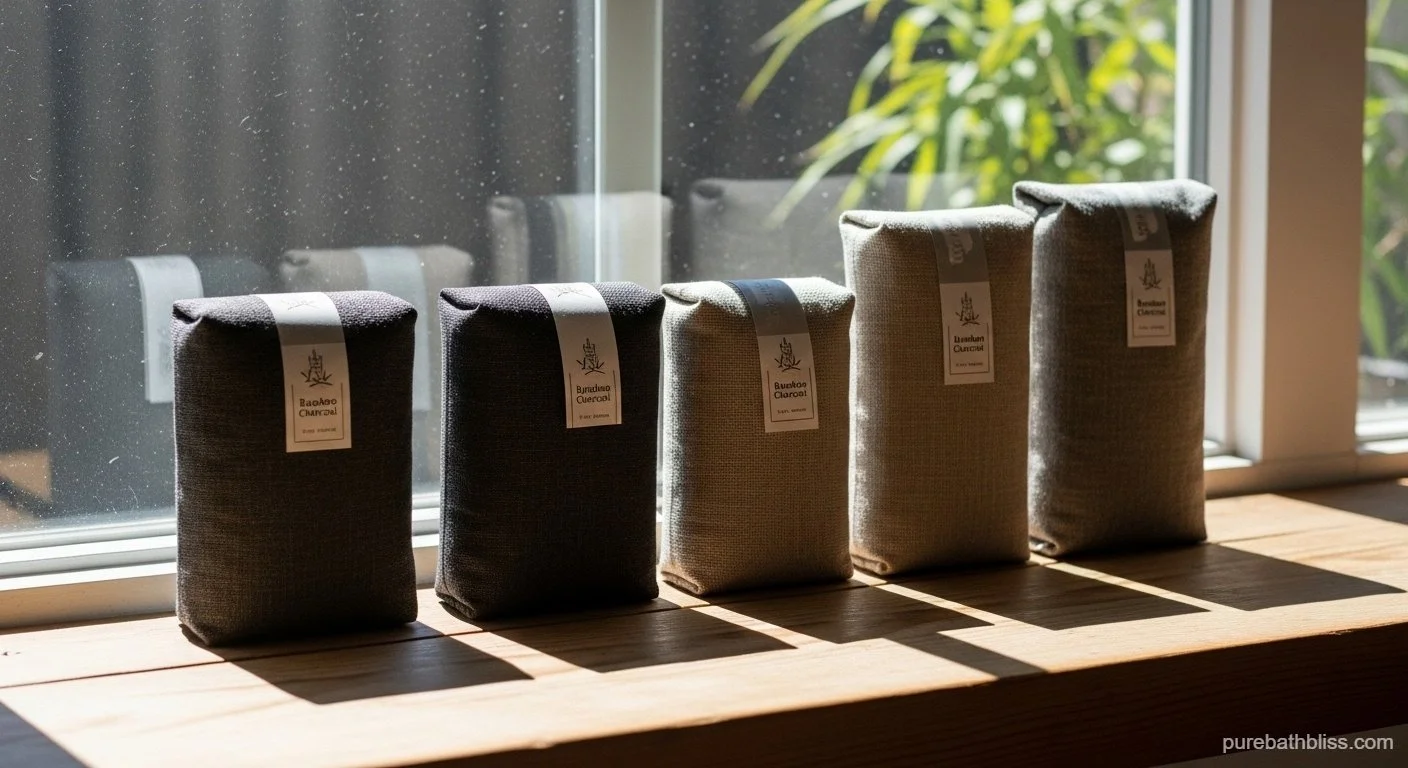
Bamboo Charcoal Bags for an Eco-Friendly Bathroom
In an increasingly conscious world, the quest for sustainable living practices extends into every corner of our homes. While often overlooked, the bathroom presents a unique opportunity for significant environmental improvements. From constant moisture to lingering odors and the pervasive use of chemical-laden products, bathrooms can be a hotbed for indoor air pollutants and unnecessary waste. Fortunately, a simple yet powerful solution has emerged as a cornerstone for a greener, healthier washroom: bamboo charcoal bags. These unassuming pouches of activated carbon from a highly sustainable resource are revolutionizing how we tackle common bathroom challenges, acting as a potent odor eliminator, moisture absorber, and natural air purifier, all without a single drop of harmful chemicals.
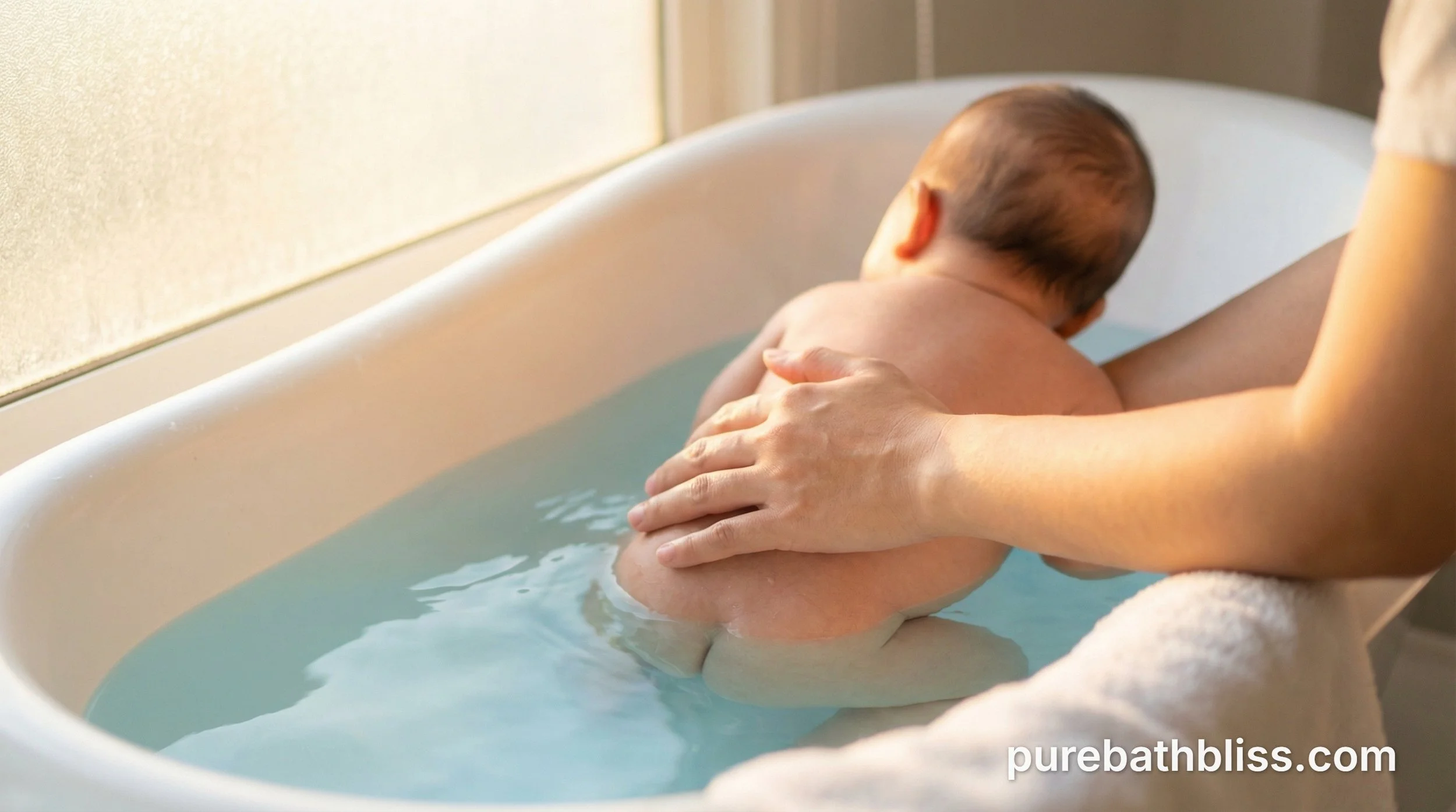
Baby Bath Safety Guide: Creating a Secure & Serene Splash Time
For many parents, bath time is a highlight of the day—a chance for giggles, bubbles, and bonding. But let’s be honest: wet porcelain, slippery skin, and water can also make it a source of anxiety.
At PureBathBliss.com, we believe that a "blissful" bathroom is, first and foremost, a safe one. Whether you are bathing a newborn in the sink or a toddler in the big tub, this guide covers the essential protocols for 2025, blending strict safety standards with our signature eco-friendly approach.
Here is how to turn potential panic into a peaceful, secure ritual.
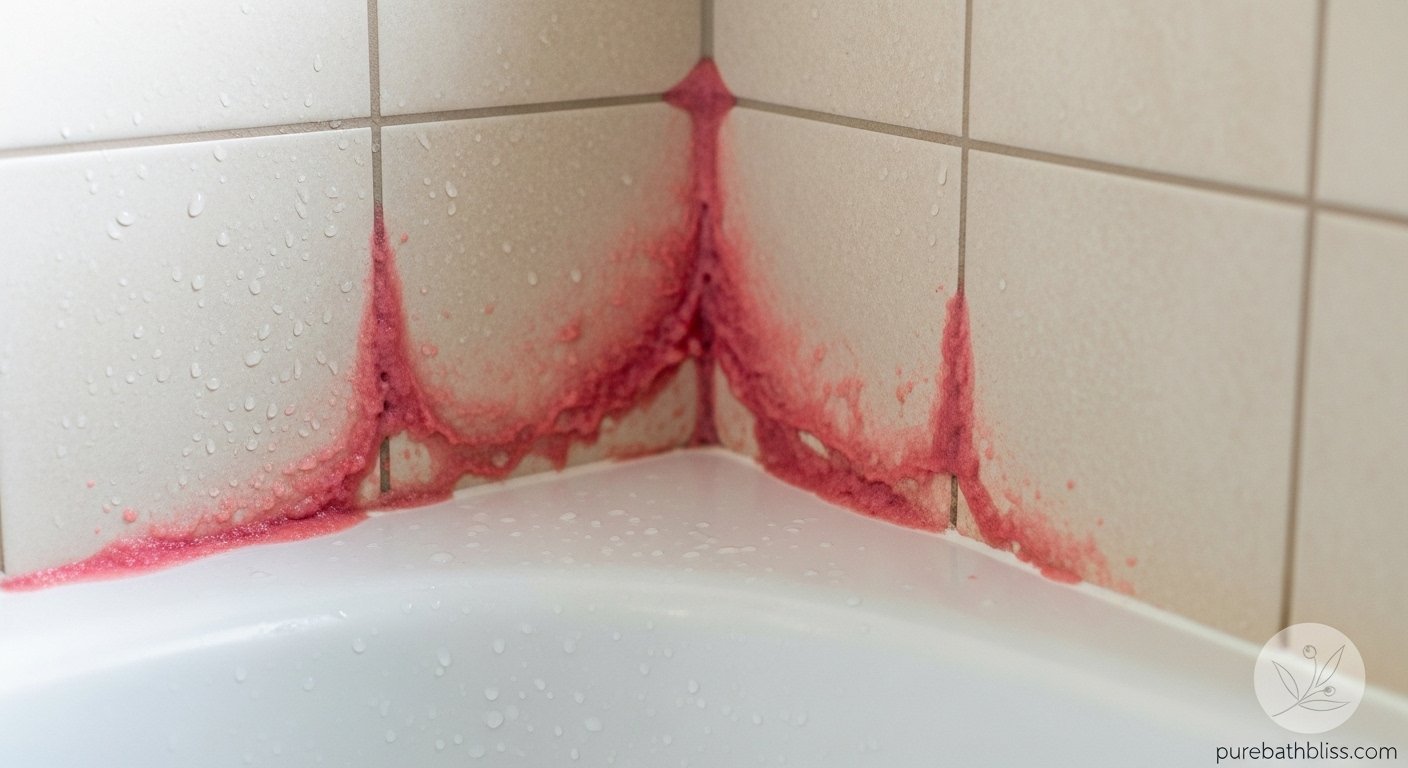
How to Get Rid of the Red Stuff (Serratia marcescens) in Your Bathroom
The reddish-pink film in your shower or bathroom, often called “pink mold” or “pink slime,” is actually Serratia marcescens, a bacteria that thrives in moist, soapy environments. This slimy, red-orange residue appears on tiles, grout, drains, or shower curtains, feeding on soap scum and hard water minerals. While typically harmless for healthy people, it can trigger allergies or look unsightly. This guide explains how to identify, remove, and prevent Serratia marcescens using eco-friendly methods and tools, keeping your bathroom hygienic and fresh. Shop our affiliate links for the best cleaning products!
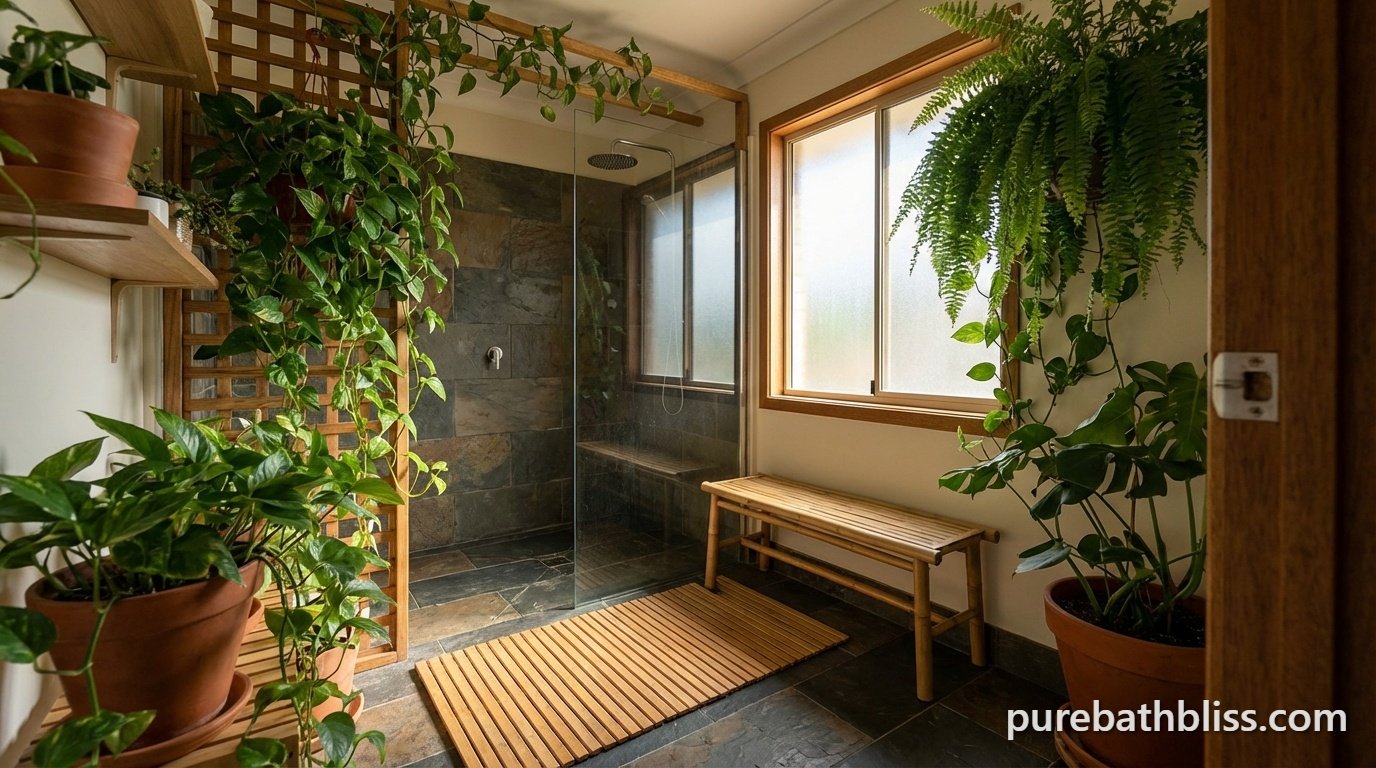
Why Bamboo Is Perfect to Use in the Bathroom
When you think of upgrading your bathroom, you might think of cold materials: chrome faucets, white porcelain, and glass dividers. While these look clean, they can often leave a space feeling sterile and "hospital-like."
To bring warmth back into the room, many designers turn to wood. But there is a problem: wood and water generally do not mix. High humidity causes traditional oak or pine to warp, crack, and rot.
Enter Bamboo.
Technically a grass rather than a tree, bamboo has rapidly become the gold standard for bathroom accessories. From bath mats to toothbrush holders, this material isn't just an aesthetic choice—it is a functional powerhouse. It is naturally antibacterial, incredibly water-resistant, and stronger than many hardwoods.
If you are looking to banish plastic from your home and create a sanctuary that feels like a Balinese spa, here is why bamboo should be your material of choice.
The Psychology of White Towels: Why 5-Star Hotels Never Use Colors
Think back to the last time you walked into a high-end hotel bathroom. What is the first thing you noticed?
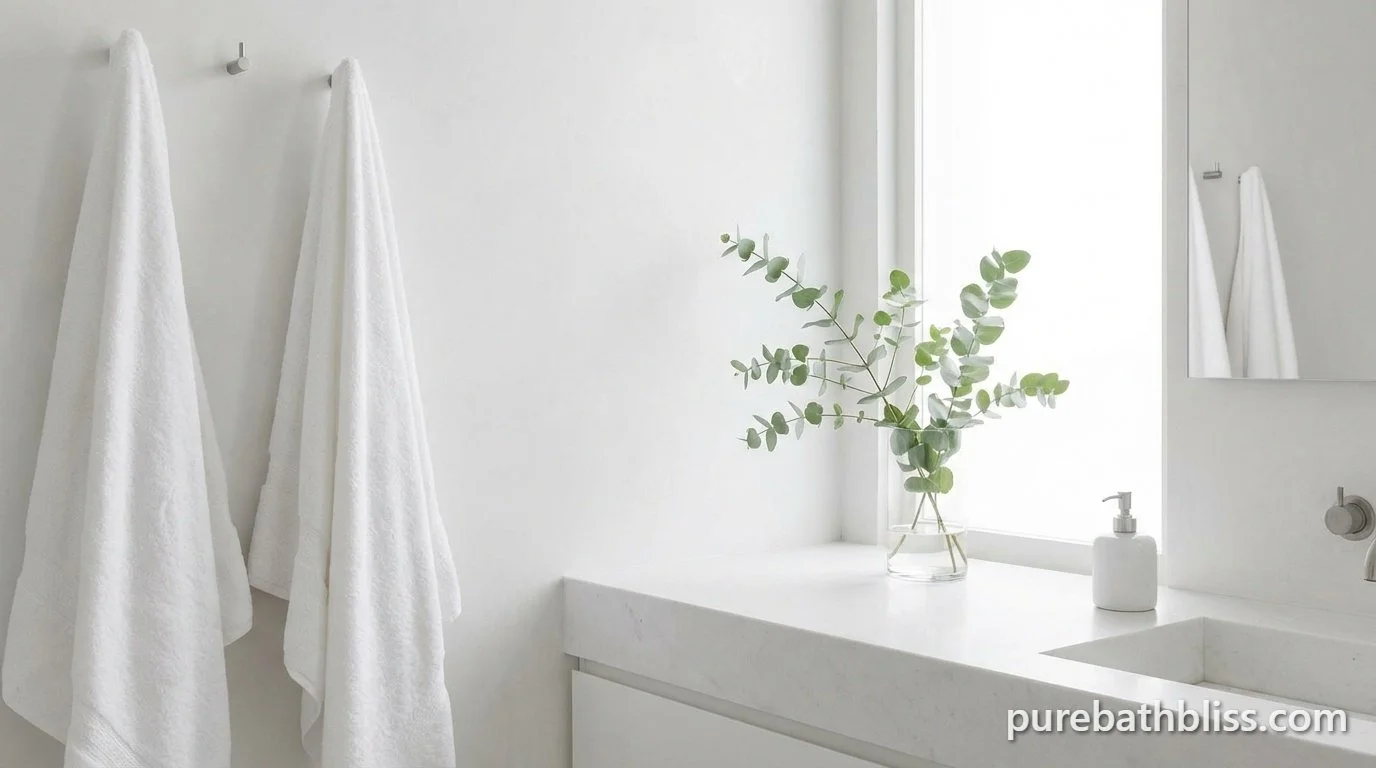
It likely wasn't the marble countertops or the designer toiletries. It was the towels. A perfectly folded stack of thick, pristine, brilliantly white towels.
You will almost never see a navy blue towel in a Ritz-Carlton, or a patterned beige towel in a Four Seasons. From boutique inns to sprawling resorts, stark white is the undisputed industry standard for luxury linens.
This isn't a coincidence of design. The ubiquitous white towel is a carefully calculated choice rooted in practicality, psychology, and the subtle art of hospitality. It is a visual cue that tells your brain you are in a place of luxury and safety.
Here is a look inside the "hotel secret" of white linens and why you should consider adopting this standard for your own home.
GSM Explained: How to Decode Towel Labels to Find True Luxury
We have all been there. You are standing in the aisle of a home goods store, surrounded by a towering wall of bath towels. You reach out and touch one; it feels incredibly soft, almost silky. You buy a whole set, excited for your next shower.
But a few weeks and a few washes later, that initial softness has vanished. The towel feels thin, it pushes water around instead of absorbing it, and it takes forever to dry between uses.
Why does this happen? It's because in the store, manufacturers often coat towels with temporary softeners that wash right off. If you want to buy a towel that performs as good as it feels, you need to ignore the "ultra-soft" marketing labels and look at the hard data.
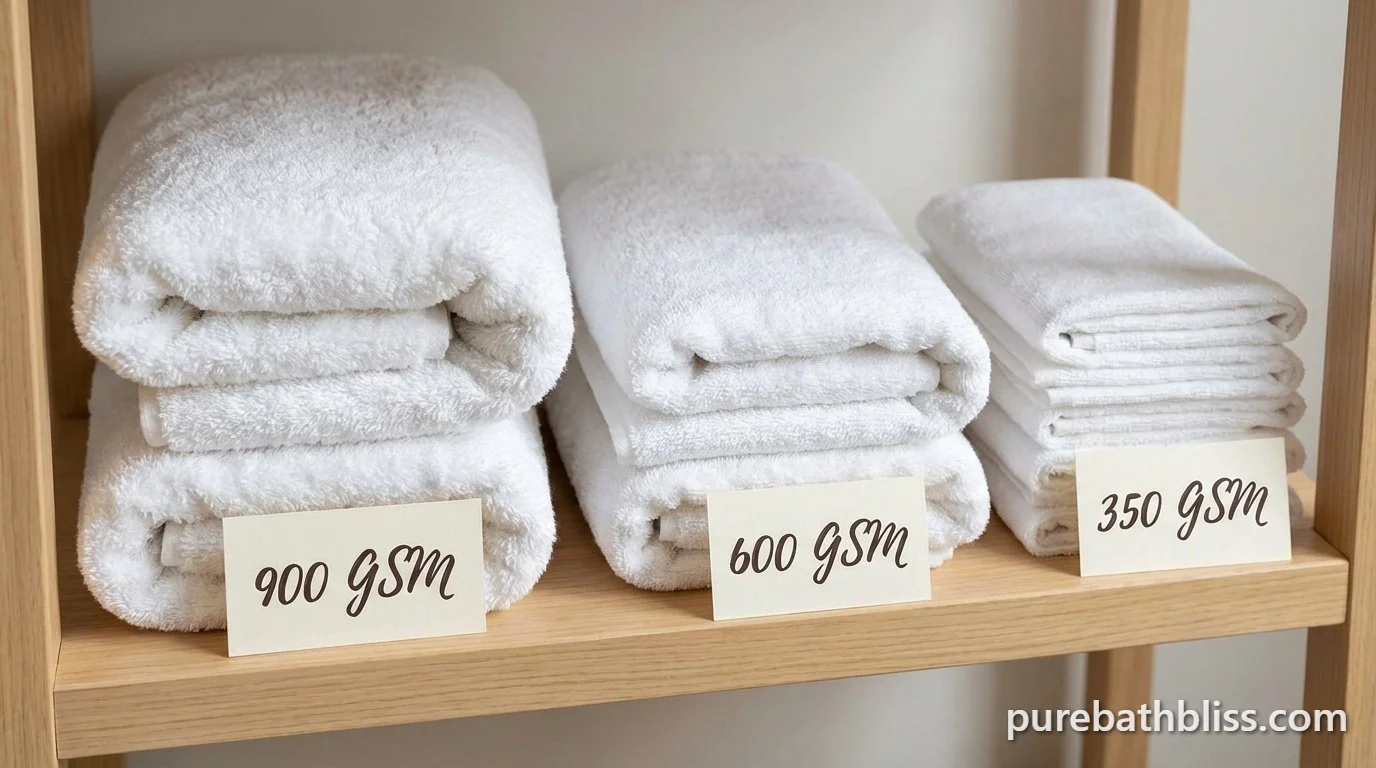
The secret to finding true quality lies in a three-letter acronym hidden on the tag: GSM.
This guide will decode the confusing world of towel specs, explaining exactly what GSM is and the crucial difference between cotton types, ensuring you never buy a disappointing towel again.
How to Soften Stiff Towels with a Simple Citric Acid Trick
There is a distinct moment of disappointment that happens in bathrooms all over the world. You step out of a steamy, refreshing shower, reach for your towel expecting a warm, cloud-like embrace, and instead, you are met with something that feels akin to sandpaper.
It is a common household mystery: Why do the plush, luxurious towels we buy at the store transform into stiff, scratchy "cardboard" after just a few months of use?
Most of us assume the towel has simply reached the end of its life. We demote these scratchy towels to "dog washing" duty or cleaning rags and head to the store to buy new ones. But the truth is, the cotton fibers in your towels aren't usually worn out—they are just clogged.
The culprit is rarely the quality of the cotton, but rather a combination of your water chemistry and your laundry routine. Fortunately, you don't need to replace your linens or buy expensive chemical softeners. In fact, commercial softeners are part of the problem.
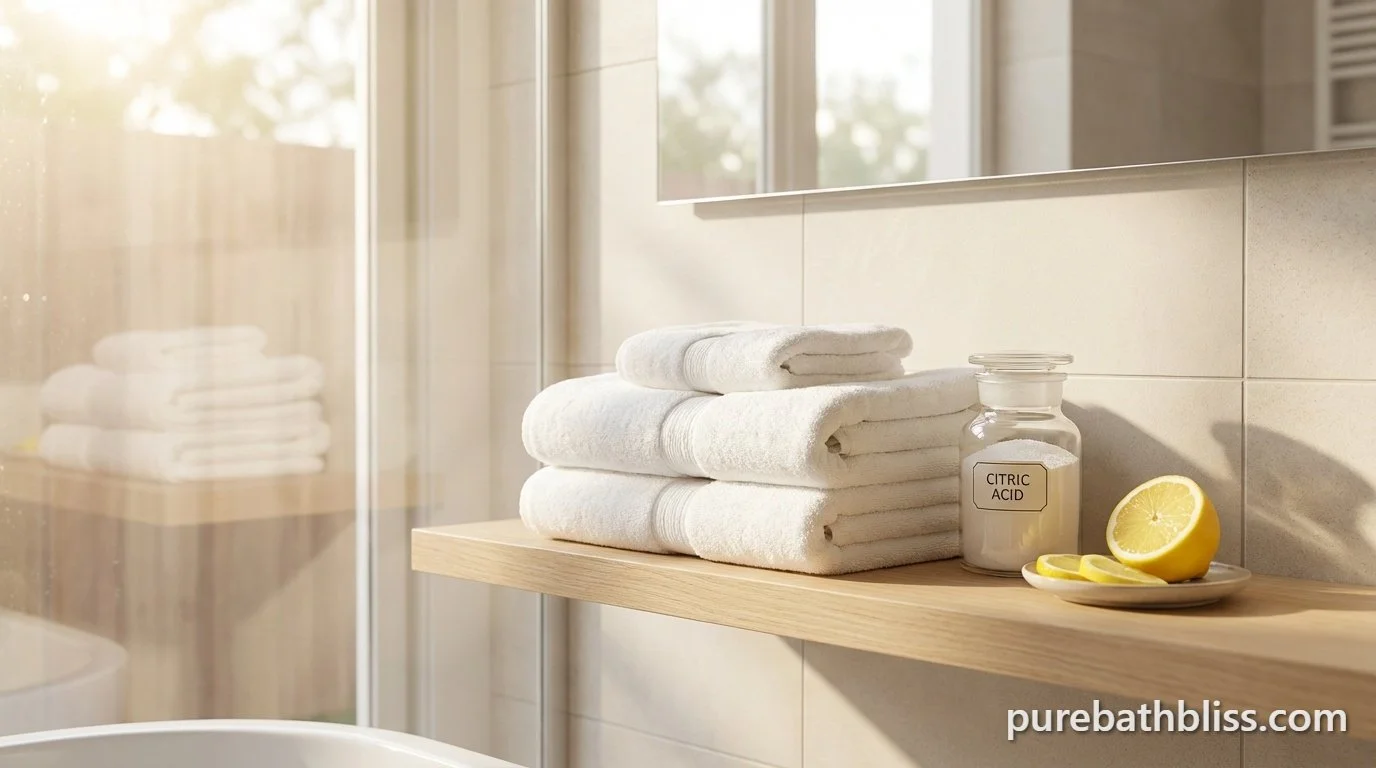
The solution is likely sitting in your kitchen pantry or is available for a few dollars at the grocery store: Citric Acid.
This guide will walk you through the science of why towels go bad, why citric acid is the miracle cure, and exactly how to use it to restore your linens to their original, 5-star hotel glory.
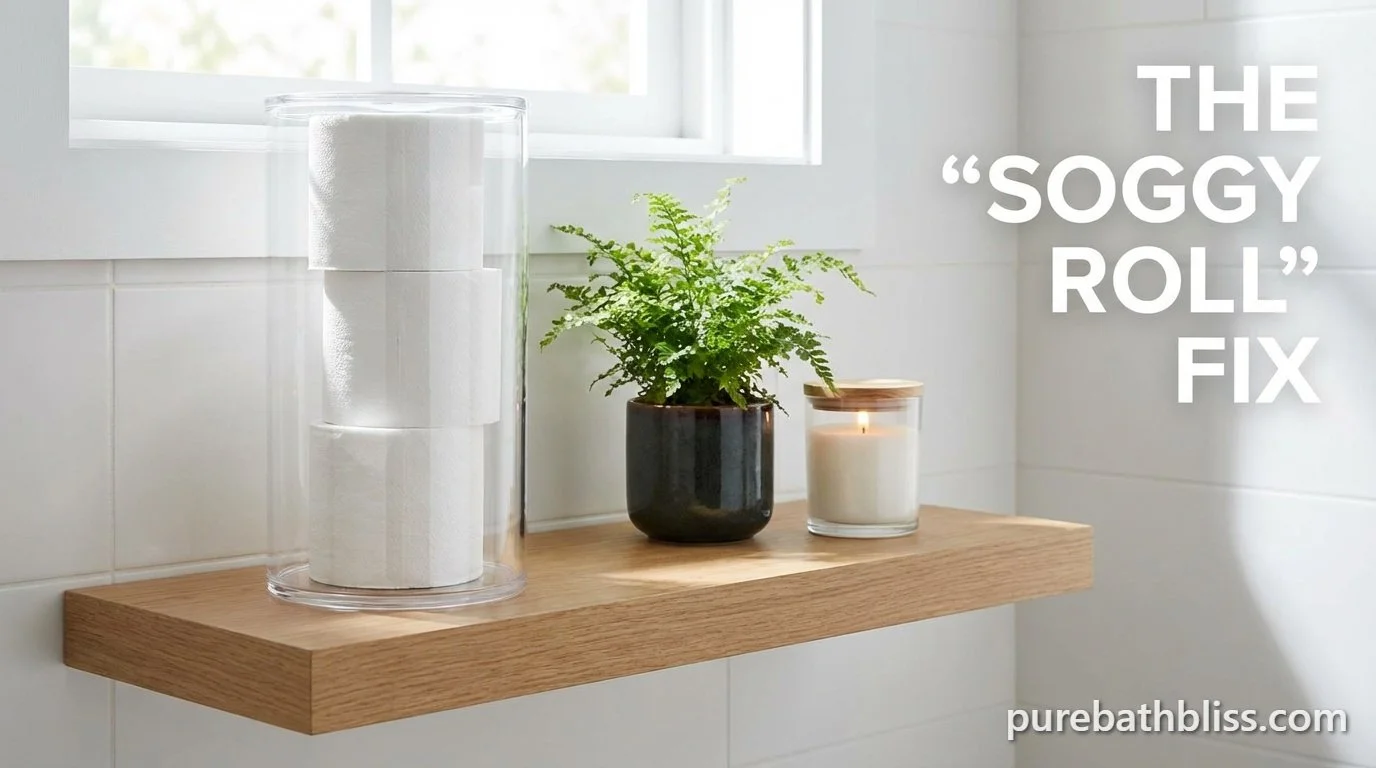
Is Your "Emergency Stash" of Toilet Paper Growing Mold? (And How to Store It Safely)
It is the dirty secret of bathroom organization: You buy the mega-pack of toilet paper, stuff 12 rolls into the dark cabinet under the sink, and forget about them.
Months later, you reach for that back-of-the-cabinet roll, and it feels... damp. Maybe it smells a little musty. Or worse, it has faint grey spots.
That isn't dust. It’s mildew.
Most people don't realize that toilet paper is essentially a sponge made of organic material (cellulose). When you store it in a dark, humid bathroom cabinet—especially near leaky pipes or right next to the shower—it becomes a petri dish for mold.
You don't have to stop storing TP in the bathroom (we aren't monsters; nobody wants to run to the hallway closet in an emergency). But you do need to upgrade how you store it.
Here is why the "Cabinet Stash" is failing you, and the 3-step system to fix it.
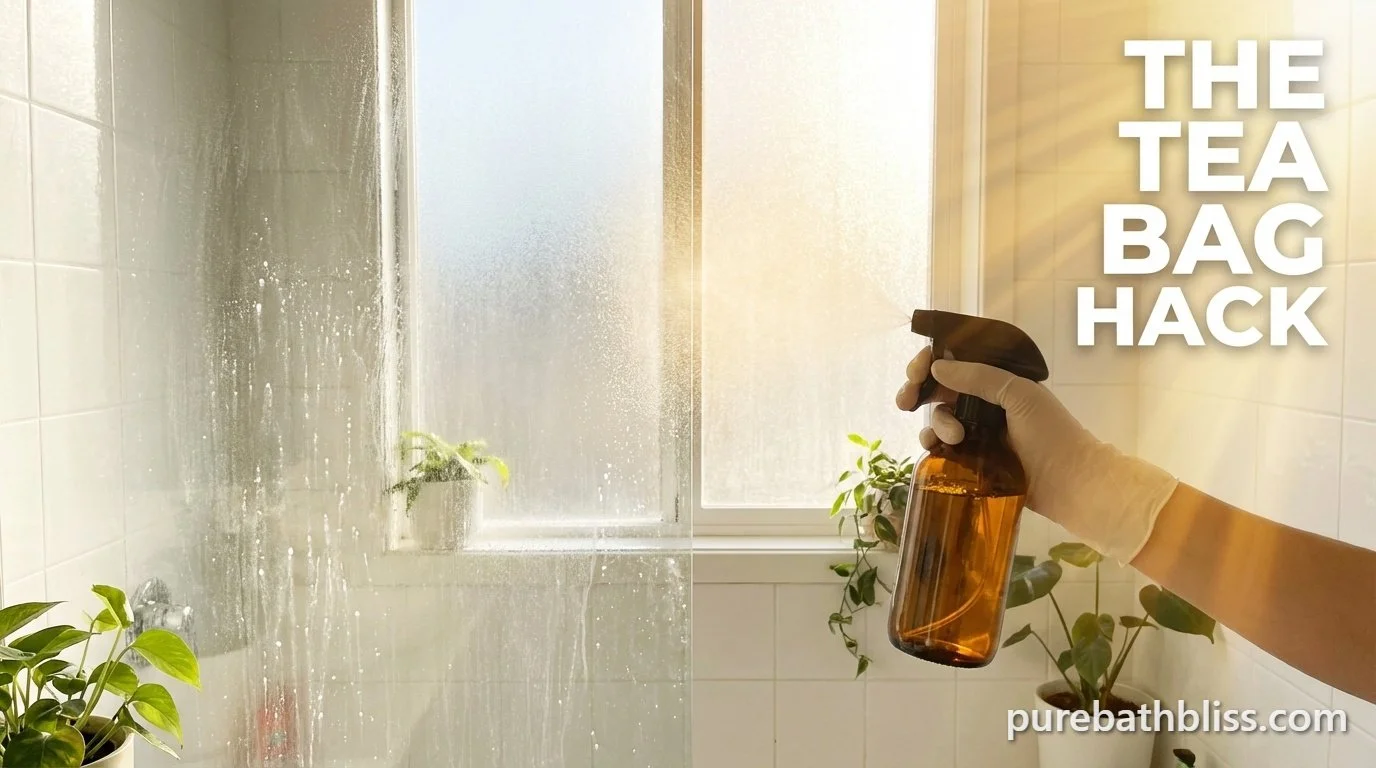
Stop Scrubbing: Why Black Tea (Yes, Tea) Is the Secret to Streak-Free Shower Glass
Stop using harsh chemicals. Learn why tannic acid in black tea dissolves soap scum and hard water spots, and see the before/after results.
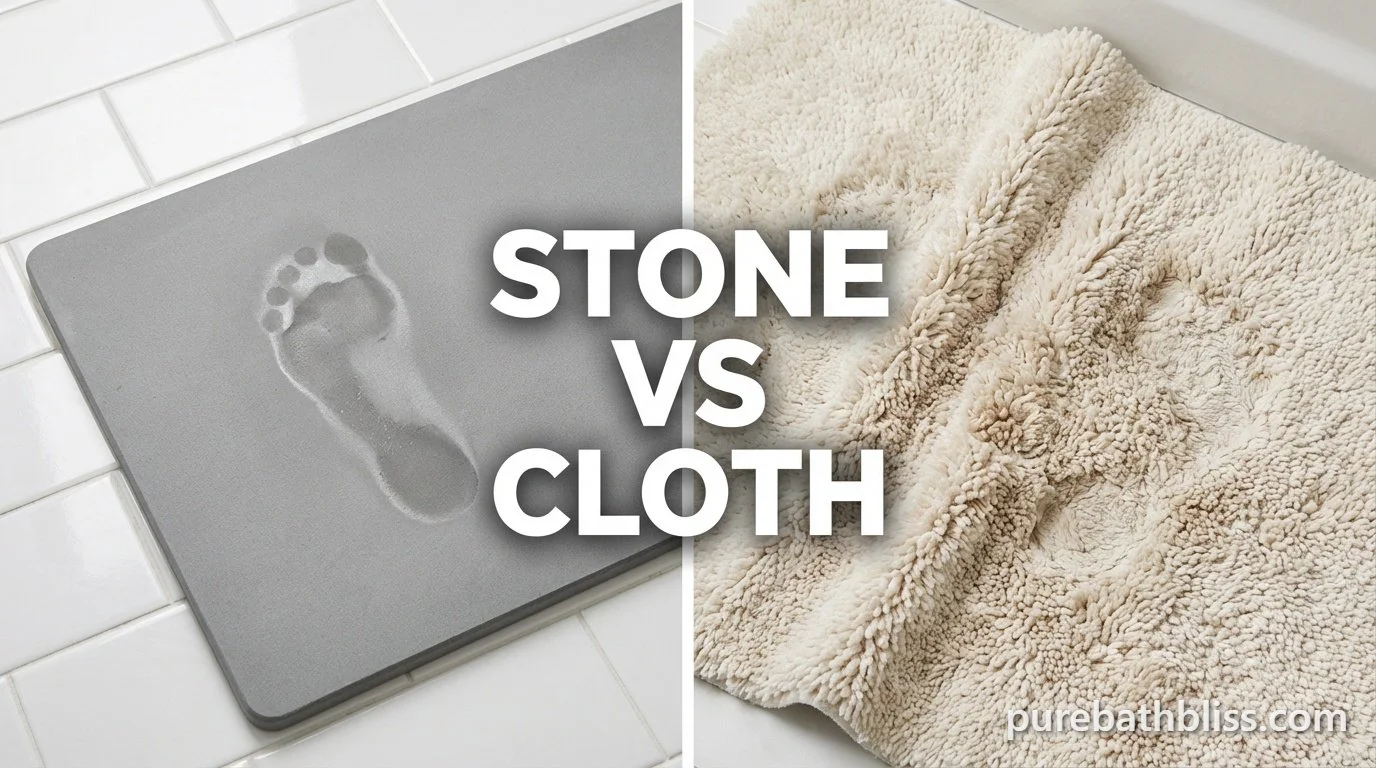
Stone vs. Cloth: Are Diatomaceous Earth Bath Mats Worth the Hype?
We have all been there. You step out of a relaxing, steamy shower—clean, warm, and refreshed—only to squish your toes into a damp, cold, slightly musty bath mat.
It is the one part of the bathroom experience that hasn’t changed in fifty years. We rely on terry cloth or shag rugs to catch water, but let's be honest: they are essentially heavy sponges lying on the floor, trapping moisture, hair, and dust.
If you have scrolled through Instagram or TikTok lately, you have likely seen the ads for "Stone Bath Mats." These rigid slabs made of Diatomaceous Earth claim to dry instantly, never mold, and look like a 5-star spa accessory. But are they actually practical? Or are they just another expensive aesthetic trend that you’ll regret buying?
To find out, we broke down the science, the hygiene factor, and the day-to-day reality of swapping your trusty cotton rug for a slab of stone.
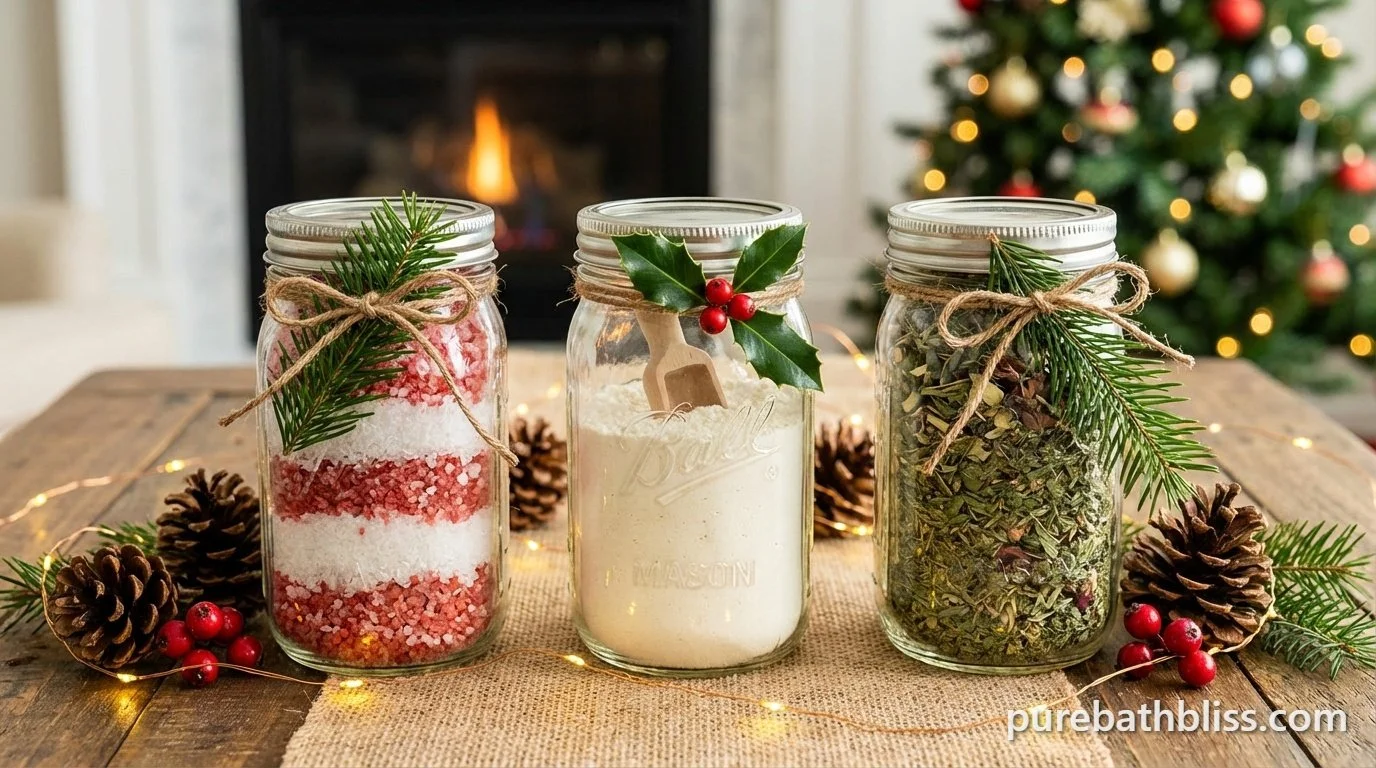
Panic-Free Gifting: 3 Last-Minute DIY Spa Jars That Look Expensive (Under $5)
t happens every year. You think you’re done with your holiday shopping, and then you remember: The neighbor who watches your cat. The mail carrier. Your child’s piano teacher. The "White Elephant" exchange at work.
You need a gift, you need it fast, and you don’t want to spend $30 on another generic candle.
The solution is likely already in your pantry. With a bag of Epsom salts and a few essential oils, you can create luxurious, boutique-style bath soaks in less than 10 minutes. They are thoughtful, all-natural, and cost less than $5 per jar.
Here are 3 "Master Recipes" for last-minute DIY gifts that look like you spent hours making them.
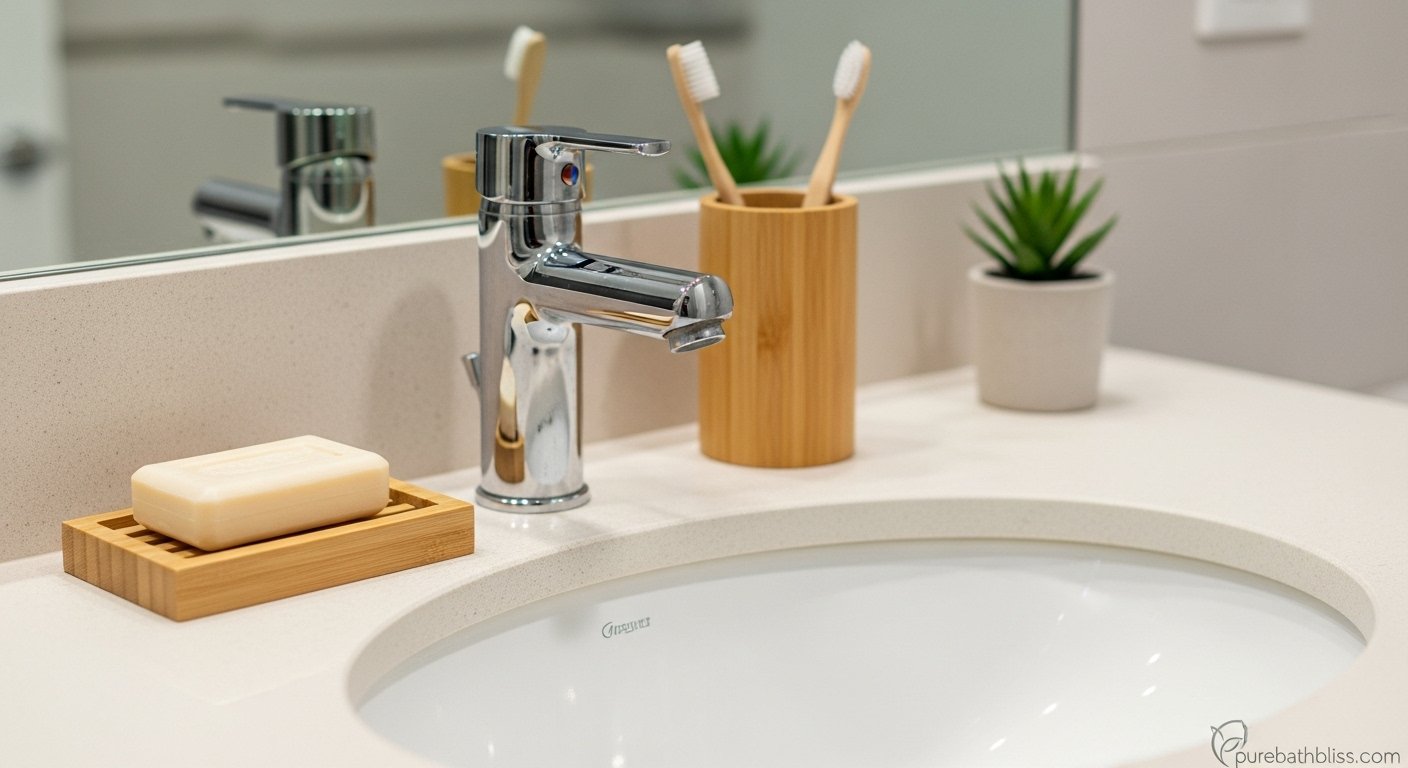
How to Prevent Bacterial Growth in Your Bathroom Sink Area
The bathroom sink area is a high-traffic zone where toothbrushes, soaps, and wet washcloths can create a breeding ground for bacteria if not managed properly. Bacterial growth around the sink can lead to odors, stains, and potential health risks, especially in humid bathrooms. By adopting simple hygiene practices, proper storage techniques, and effective ventilation, you can keep your sink area clean, dry, and bacteria-free. This guide shares practical tips to maintain a hygienic bathroom sink, complementing your efforts to prevent mold and maintain a clutter-free space.
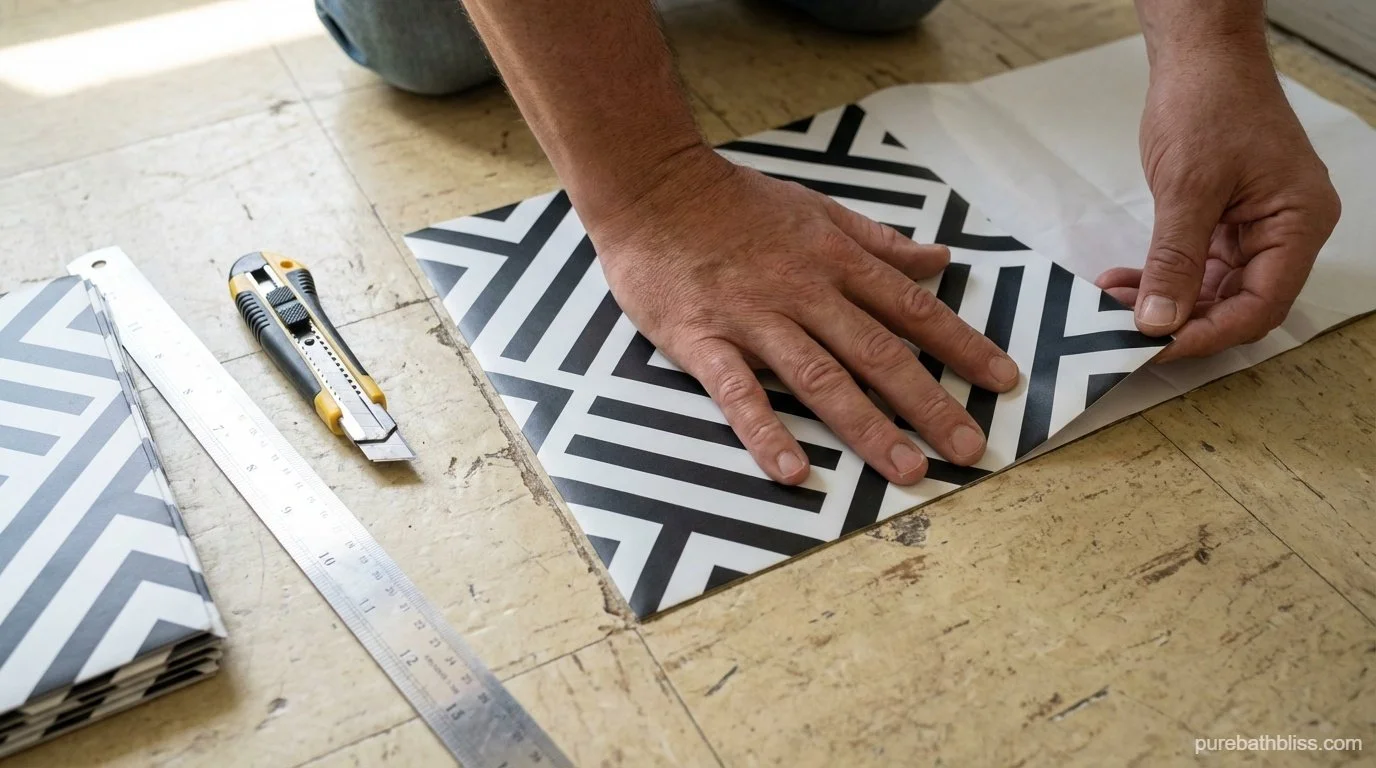
The Ultimate Guide to Renter-Friendly Bathroom Upgrades That Look High-End
Living in a rental (or a home you aren't ready to gut-renovate yet) often means living with someone else’s questionable design choices.
Maybe it’s the "landlord special" beige paint, the chipped linoleum floors, or a vanity light that looks like it belongs in a backstage dressing room circa 1985. You want a spa-like sanctuary, but your lease says "no permanent changes."
The good news? You don't need a sledgehammer to transform a space.
The era of "Renter-Friendly" design has exploded. We now have access to high-quality, removable materials that look and feel just like the real thing. You can cover ugly floors, swap outdated hardware, and upgrade your lighting—all without risking your security deposit.
Here is the PureBathBliss guide to the "No-Demo Renovation." These 5 upgrades are fully reversible, eco-conscious, and can be done in a single weekend.
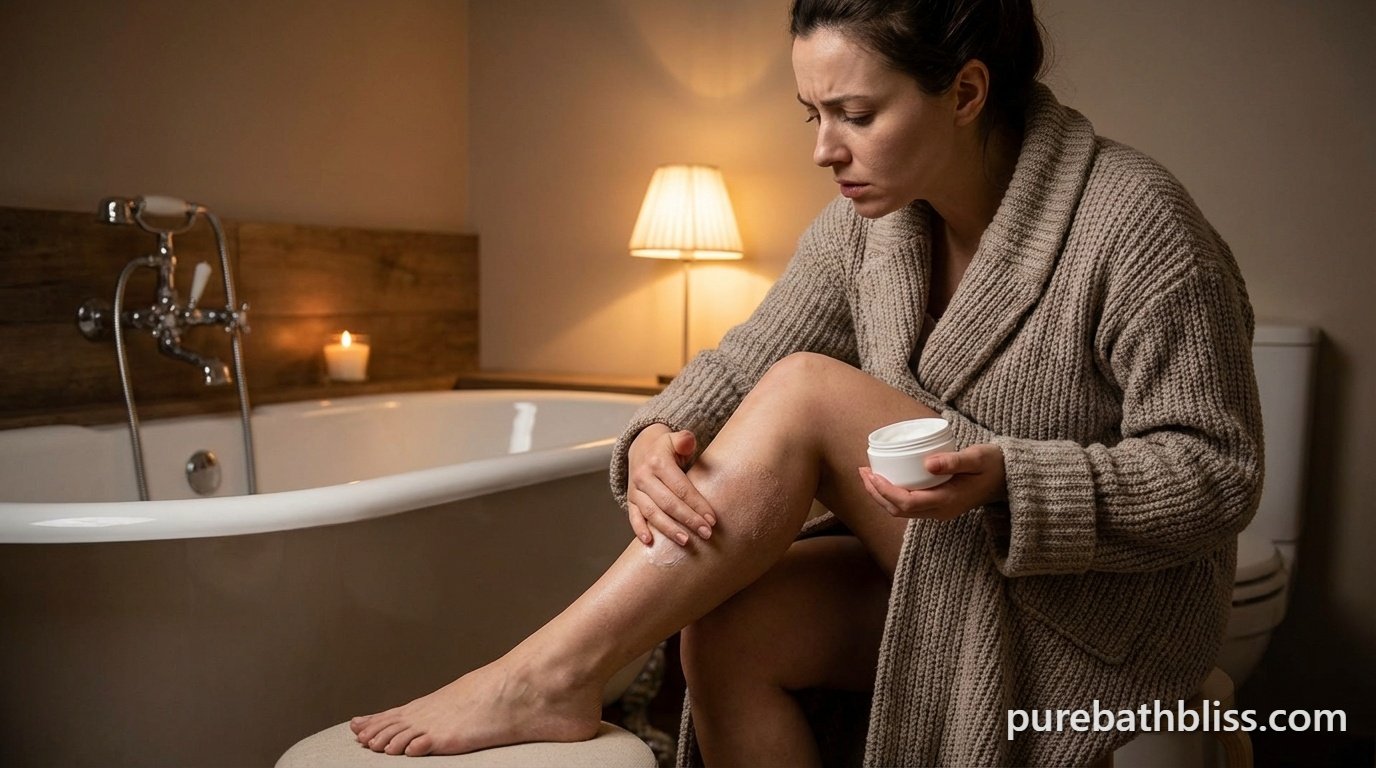
Why Do My Legs Itch After a Bath? The Ultimate Guide to Fixing "Winter Itch"
It is a cruel irony of the season: the colder it gets outside, the more you crave a hot, steaming bath to warm up. But the more you bathe, the itchier, tighter, and more uncomfortable your skin becomes.
If you have ever stepped out of the tub and felt like your skin was two sizes too small, or noticed white, snake-like scales on your shins, you aren't alone. You are experiencing a very real physiological condition known to dermatologists as Pruritus Hiemalis, or more commonly, "Winter Itch."
For many, the solution is to stop taking baths entirely—but we believe you shouldn't have to sacrifice your mental health ritual just to save your skin. You can absolutely bathe every day in January without turning into a lizard. You just need to understand the biology of your skin barrier.
Here are the 5 common mistakes disrupting your skin's ecosystem, and the science-backed ways to fix them.
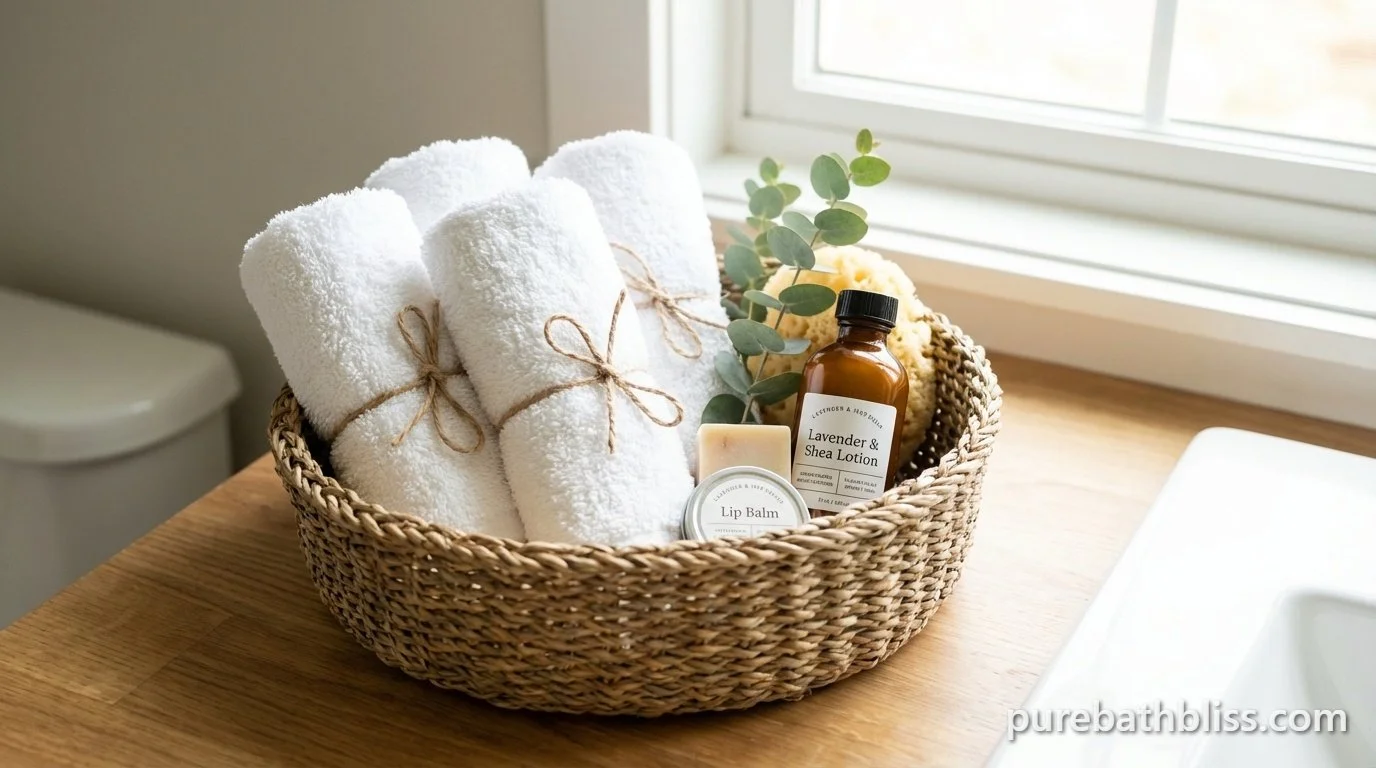
Is Your Bathroom Guest-Ready? The 5-Minute "Spa Upgrade" Checklist for Holiday Hosting
The holidays are here, which means your home is likely about to be filled with family, friends, and dinner guests. You have probably scrubbed the kitchen and fluffed the living room pillows—but have you checked the bathroom?
The bathroom is the one room where your guests will be alone, uninterrupted, looking at the details. It is also the room that can cause the most anxiety for hosts.
You don't need a renovation to impress your visitors. With just a few strategic tweaks, you can turn a standard powder room into a boutique hotel experience. Here is the 5-minute checklist to make your bathroom "guest-ready" on a budget.
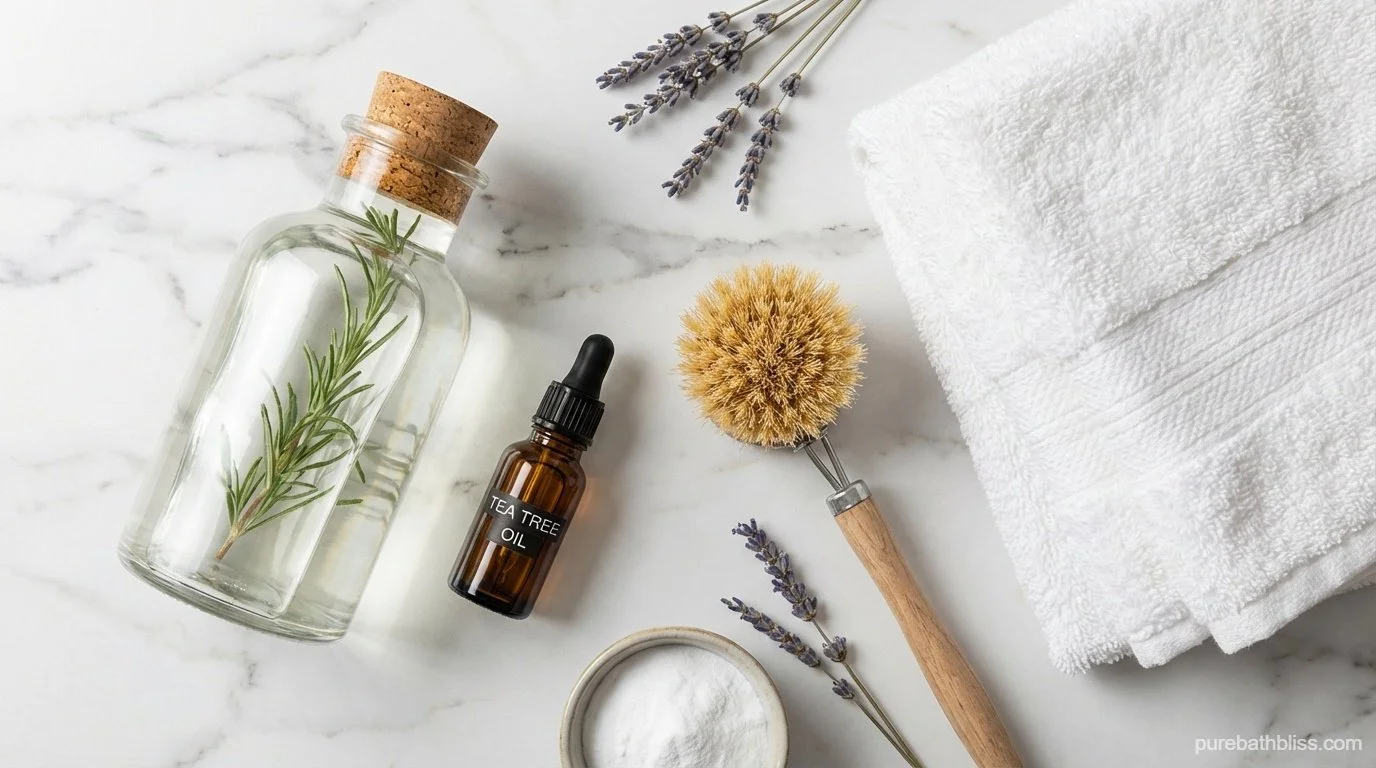
The 15-Minute Weekly Ritual to Keep Bathroom Mold Away (Without Bleach)
Let’s be honest: nobody wakes up on a Saturday morning excited to scrub grout.
For most of us, bathroom cleaning is a chore we dread, procrastinate, and then attack with aggressive chemicals in a frantic attempt to "nuke" the grime. We hold our breath, spray something that smells like a swimming pool, and scrub until our arms ache.
But here is the uncomfortable truth: if you are relying on bleach to keep your bathroom mold-free, you are fighting a losing battle.
Mold is not just "dirt." It is a living organism. When you blast it with chlorine bleach, you might bleach the color out of the surface spores (making it look clean), but the chemical structure of bleach prevents it from penetrating porous materials like grout or drywall. The result? The "roots" of the mold (hyphae) remain alive and well beneath the surface, feeding on the moisture left behind.
This is why that black spot in the corner of your shower keeps coming back, no matter how hard you scrub.
At Pure Bath Bliss, we believe in smarter, safer strategies. You don't need harsh toxins to maintain a sanctuary; you just need a better routine. By shifting from "reactive scrubbing" to "proactive maintenance," you can keep your bathroom perpetually fresh in just 15 minutes a week.
Here is the science-backed, eco-friendly ritual that will change your relationship with your bathroom—and save your grout.
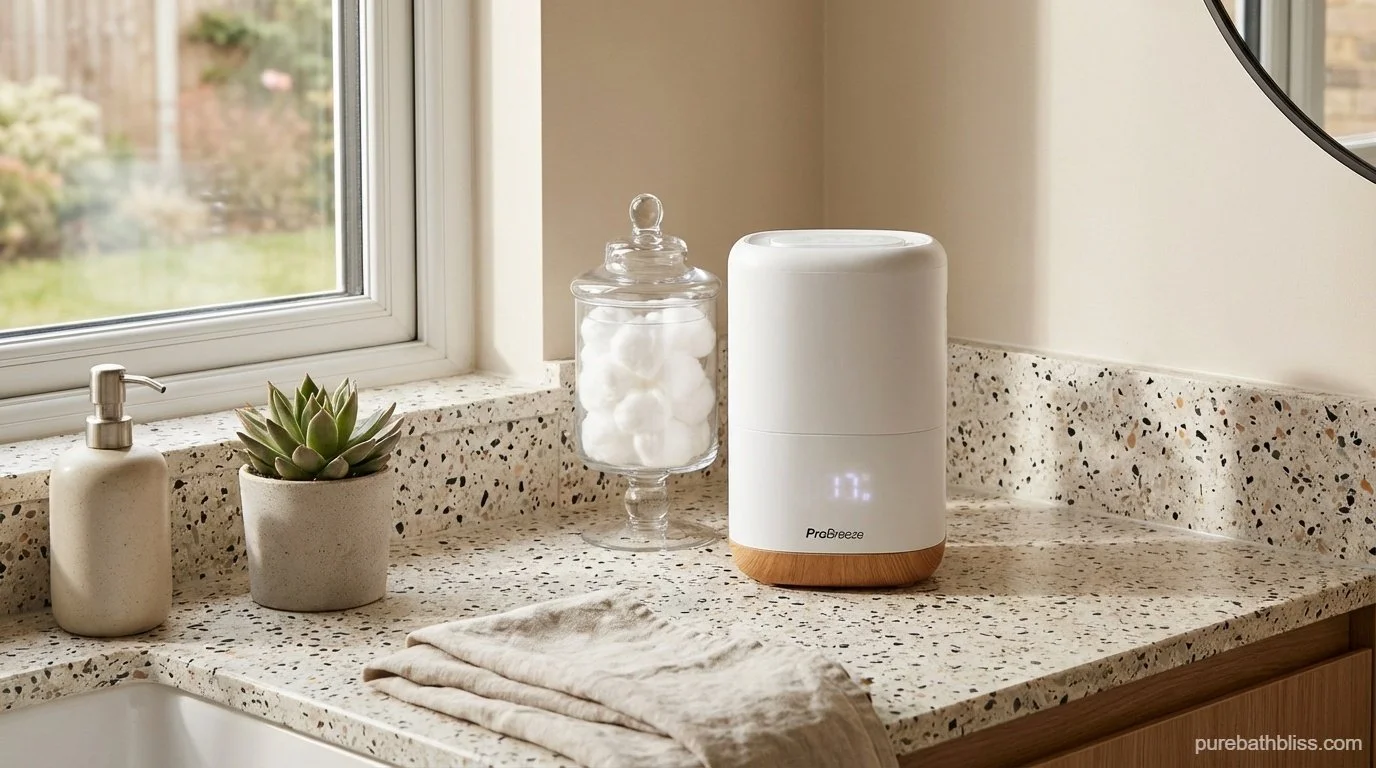
Dehumidifier vs. Exhaust Fan: Do You Really Need Both for a Healthy Bathroom?
You step out of the shower. The mirror is foggy. The air feels heavy. The towels are damp.
You flip the switch for the ceiling fan (which sounds like a jet engine taking off), but 20 minutes later, the room still feels like a swamp.
This is the "Bathroom Moisture Trap." And if you are trying to prevent mold naturally, this lingering humidity is your worst enemy.
We get this question constantly at PureBathBliss: "If I have an exhaust fan, why would I need a dehumidifier? Aren't they doing the same thing?"
The short answer is: No.
They are two different tools that solve two different physics problems. Depending on your home’s age, your climate, and your bathroom’s layout (especially if you are windowless), relying on just one might be the reason your grout keeps turning black.
Here is the definitive breakdown of the Fan vs. Dehumidifier debate—and how to know which one you actually need.

DIY Bamboo Toothbrush Holder from Scrap Wood (Zero Waste, 5-Minute Build)
Plastic toothbrush holders trap moisture, breed bacteria, and crack after months—build a wooden one from scraps for eternal, mold-free drying. In five minutes, drill holes into reclaimed bamboo or oak, oil for waterproofing, and mount a holder that airs bristles upright, extending brush life threefold. Free (or pennies), it saves 10 plastic versions from landfills while adding rustic charm to any sink. Customizable for families or solos, it fits standard bamboo brushes perfectly. Re-oil yearly for decades of use—no rust, no waste. Pair with compostable brushes for a fully sustainable smile station. This quick DIY elevates bathroom hygiene, supports local wood scraps, and slashes plastic pollution effortlessly. Drill once, smile forever: dry brushes, clear conscience, timeless style. (142 words) Expanded: Imagine raiding your garage for that forgotten wood piece, transforming it into a functional art that prevents drip messes and promotes oral health.
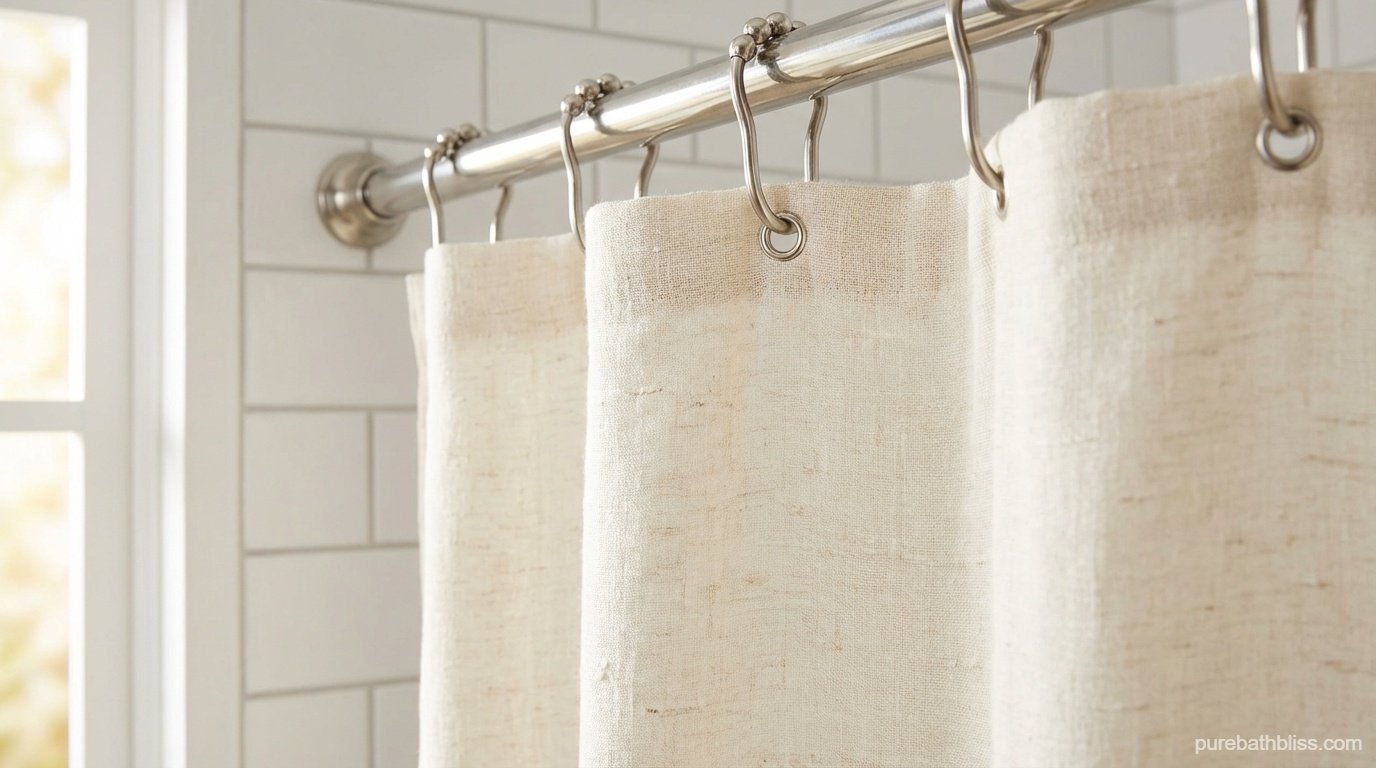
Why Your Shower Curtain Liner Might Be Polluting Your Indoor Air (And What to Buy Instead)
You know that distinct "new shower curtain smell"?
For years, we associated that sharp, chemical scent with cleanliness—a sign that we had successfully refreshed the bathroom. But if you have ever unpacked a cheap plastic liner and felt a slight headache or dizziness after hanging it up, your body was trying to tell you something.
That smell isn't "freshness." It’s off-gassing.
In our quest to create a healthy bathroom sanctuary, we often look at big-ticket items like ventilation fans or low-VOC paint. But sometimes, the biggest pollutant in the room is the $10 sheet of plastic hanging right next to your face while you shower.
The good news? Swapping it out is one of the cheapest, fastest, and most effective wellness upgrades you can make. Here is the definitive guide to navigating the confusing world of shower curtain materials, from the toxic to the truly pure.