How to Soften Stiff Towels with a Simple Citric Acid Trick
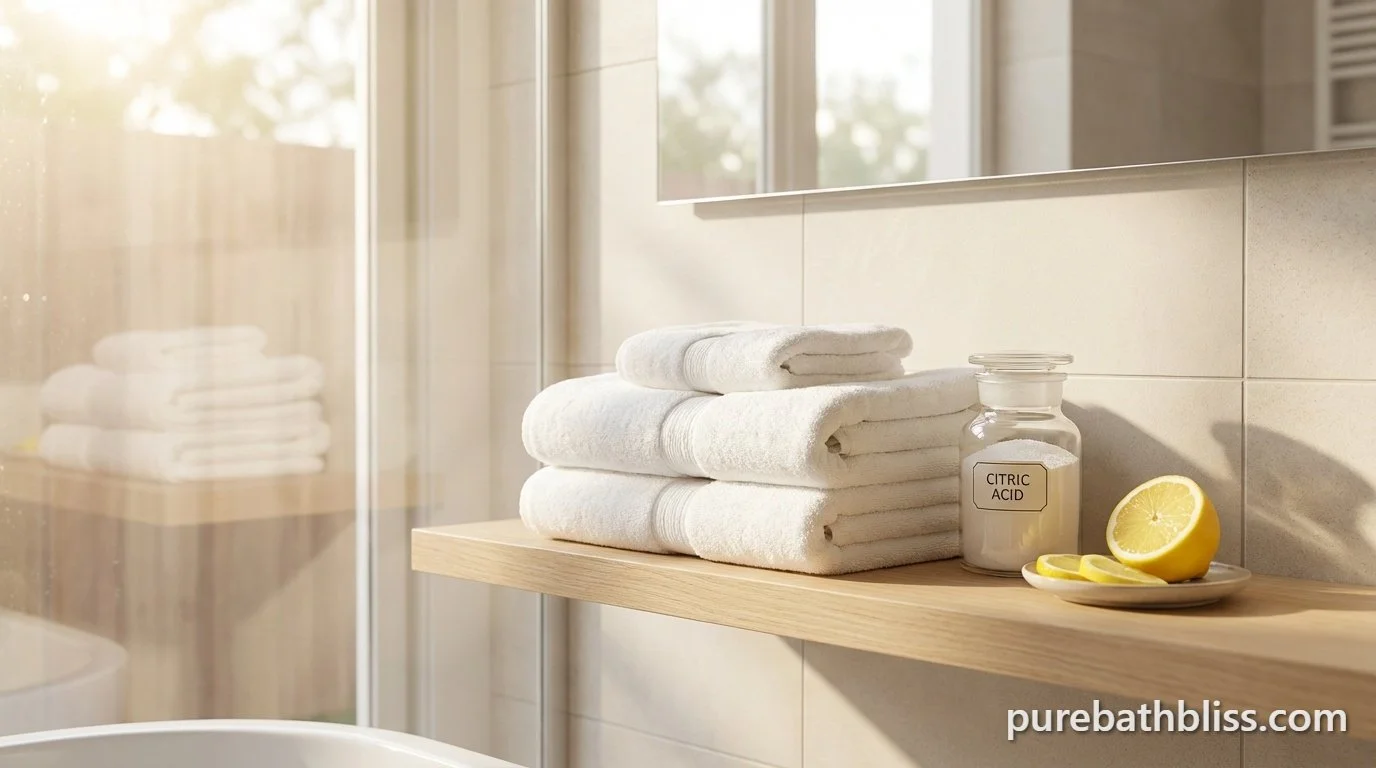
There is a distinct moment of disappointment that happens in bathrooms all over the world. You step out of a steamy, refreshing shower, reach for your towel expecting a warm, cloud-like embrace, and instead, you are met with something that feels akin to sandpaper.
It is a common household mystery: Why do the plush, luxurious towels we buy at the store transform into stiff, scratchy "cardboard" after just a few months of use?
Most of us assume the towel has simply reached the end of its life. We demote these scratchy towels to "dog washing" duty or cleaning rags and head to the store to buy new ones. But the truth is, the cotton fibers in your towels aren't usually worn out—they are just clogged.
The culprit is rarely the quality of the cotton, but rather a combination of your water chemistry and your laundry routine. Fortunately, you don't need to replace your linens or buy expensive chemical softeners. In fact, commercial softeners are part of the problem.
The solution is likely sitting in your kitchen pantry or is available for a few dollars at the grocery store: Citric Acid.
This guide will walk you through the science of why towels go bad, why citric acid is the miracle cure, and exactly how to use it to restore your linens to their original, 5-star hotel glory.
Part 1: Why Do Towels Become "Crunchy"?
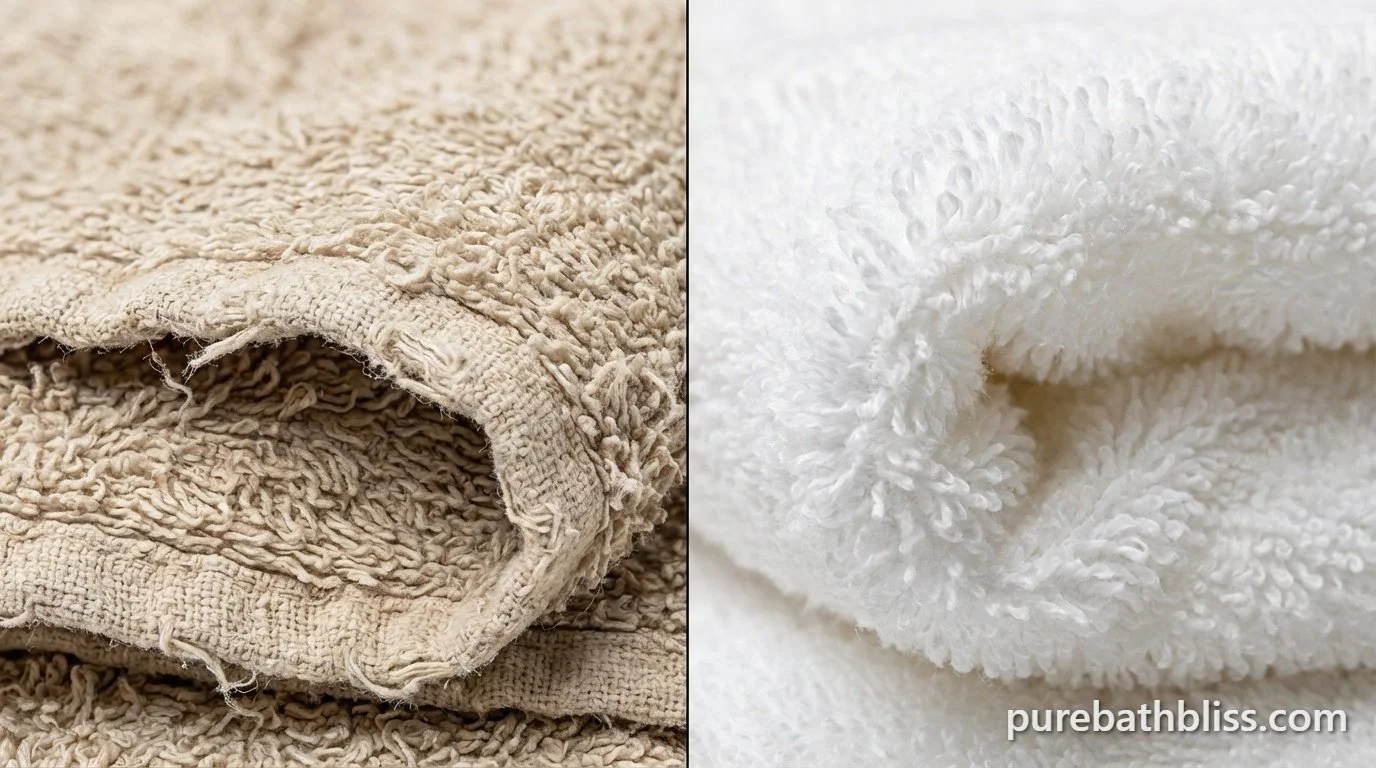
To fix the problem, we first have to understand the enemy. Towels rely on "loft"—the ability of the tiny cotton loops to stand up straight and separate from one another. When these loops can move freely, the towel feels soft and absorbs water instantly. When they are glued together, the towel feels flat, rough, and simply pushes water around your body rather than soaking it up.
There are three main factors that act as the "glue" ruining your towels:
1. The Hard Water Menace
If you live in an area with hard water, you are battling invisible minerals every time you run a wash cycle. Hard water is rich in calcium and magnesium. When these minerals dry, they leave behind micro-crystals.
Think about the white, crusty limescale that builds up on your shower head or faucet. Now, imagine microscopic versions of that limescale coating every single fiber of your bath towel. That mineral coating makes the fabric rigid and scratchy.
2. The Detergent Overload
Modern washing machines are highly efficient, using far less water than machines from twenty years ago. However, most people still use the same amount of detergent (or the amount recommended on the detergent cap, which is often too much).
When you use too much soap in a low-water machine, the rinse cycle cannot flush it all out. The excess detergent gets trapped deep in the towel loops. Over time, this soap residue builds up and hardens, creating a waxy, sticky film that actually repels water and attracts dirt. This is known as "saponification buildup."
3. The Fabric Softener Trap
It seems intuitive: if you want soft laundry, you use fabric softener. However, fabric softeners are the enemy of towels. Softeners work by coating fibers in a thin layer of silicone or oil to make them feel slippery. On a t-shirt, this is fine. On a towel, this coating flattens the loops and creates a waterproof barrier. It effectively waterproofs your towel, making it impossible for it to do its job.
Part 2: Why Citric Acid is the Secret Weapon
You may have read online hacks suggesting white vinegar to soften towels. While vinegar (acetic acid) is a decent option, Citric Acid is the professional-grade choice.
Citric acid is a weak organic acid found naturally in citrus fruits like lemons, limes, and grapefruits. In the world of cleaning and laundry, it is a powerhouse for two specific reasons:
It is a Chelating Agent
"Chelation" is a chemical process where the acid binds to metal ions (like the calcium and magnesium in hard water). Citric acid grabs onto these minerals and pulls them away from the cotton fibers, making them soluble in water so they can be washed away. Vinegar can do this to an extent, but citric acid is generally more effective at breaking down tough mineral scale.
It Neutralizes Alkalinity
Most laundry detergents are alkaline (high pH) to help remove grease and dirt. If that detergent isn't rinsed out, your towels remain in an alkaline state, which can make fibers rough. Citric acid (low pH) neutralizes the alkalinity, bringing the fabric back to a neutral state, which is naturally softer to the touch.
It is Odorless
One of the biggest complaints about using vinegar in laundry is the lingering smell. Even though it usually dissipates, wet towels can sometimes smell like salad dressing. Citric acid is completely odorless, leaving your towels smelling like nothing but clean cotton.
Part 3: The Step-by-Step Restoration Guide
Ready to rescue your linen closet? Here are the two best methods to use citric acid. You can buy Citric Acid powder in the canning/baking aisle of the grocery store, or in bulk in the cleaning aisle or online.
Method A: The Maintenance Wash (For Slightly Stiff Towels)
Use this method once every month to prevent buildup and keep towels fresh.
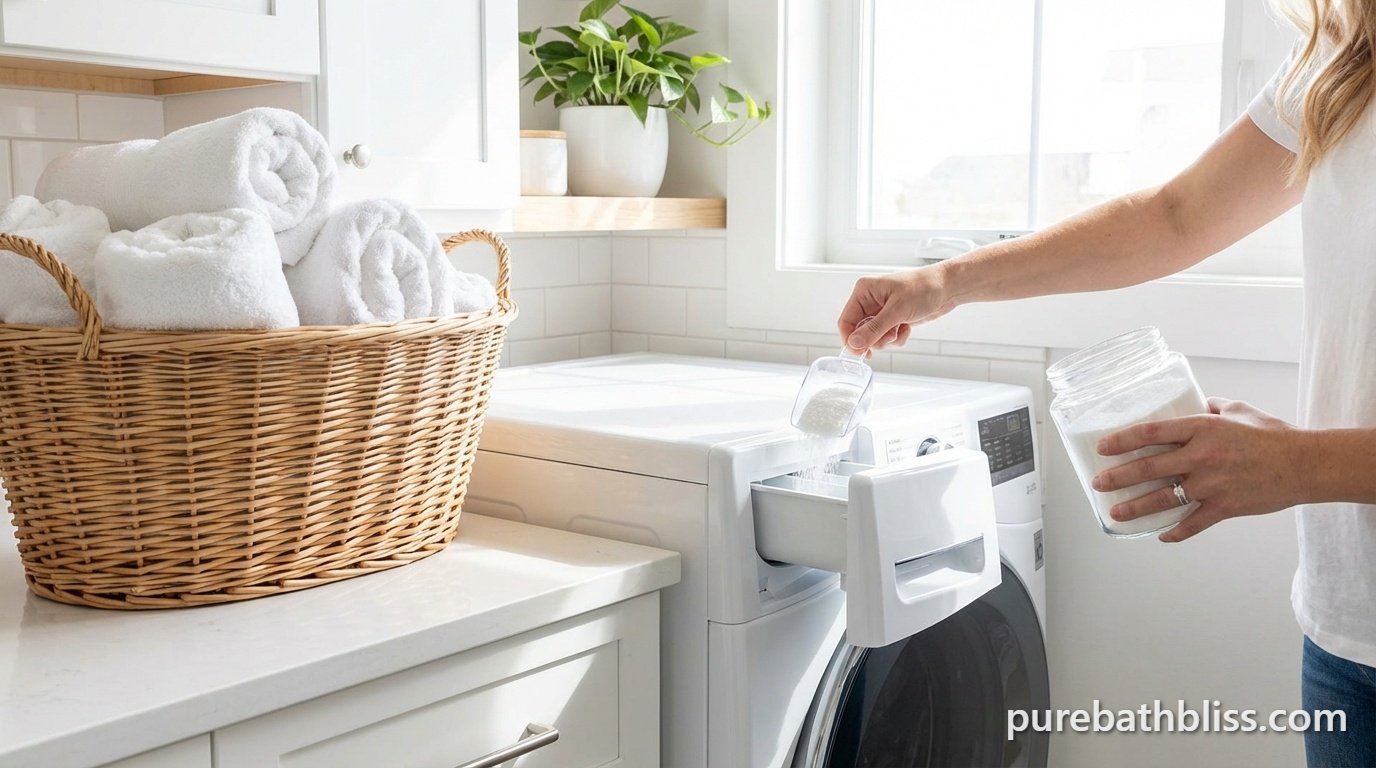
Load the Washer: Place your towels loosely in the drum. Do not overstuff the machine; towels need room to agitate.
Add Detergent: Use a high-quality, pH-neutral detergent. Crucially, use half the amount you normally would.
The Magic Step: In your machine's fabric softener compartment (or a downy ball), add 1 to 2 tablespoons of Citric Acid powder dissolved in a little warm water. If you don't have a dispenser, you can pause the machine during the final rinse cycle and pour the dissolved powder directly into the drum.
Temperature: Wash on a warm cycle (approx. 40°C / 104°F). Hot water is okay occasionally, but constant boiling water can degrade cotton over time.
Dry: Tumble dry on medium heat with a few wool dryer balls to help fluff the fibers.
Method B: The Deep Soak (The "Reset Button")
Use this method for towels that are extremely stiff, non-absorbent, or have a lingering musty smell. This is an aggressive treatment to strip all buildup.
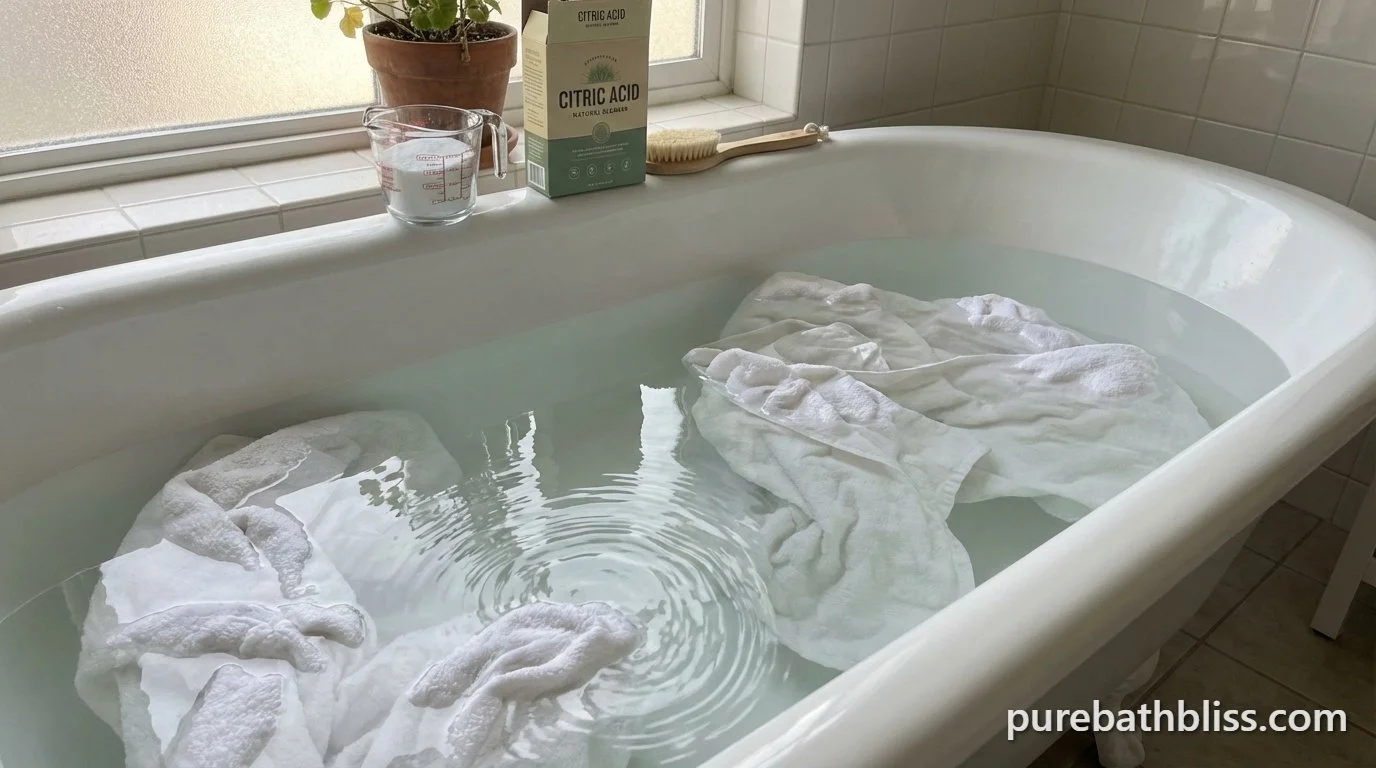
Prepare the Bath: Fill a bathtub, deep sink, or large plastic bin with very hot tap water.
Mix the Solution: Dissolve ½ cup of Citric Acid powder into the water. Swirl it around until fully dissolved.
Submerge: Place your clean (but stiff) towels into the water. Push them down so they are fully saturated. You might see bubbles or cloudy water coming off the towels—this is the old soap and minerals leaving the fabric.
Wait: Let them soak until the water cools down completely (about 1 to 2 hours).
Rinse and Spin: Drain the tub. Squeeze out the excess water. Transfer the heavy, wet towels to your washing machine.
Run a Cycle: Run a "Rinse and Spin" cycle to ensure all the acidic water is removed. Do not add detergent this time.
Dry Immediately: Shake them out vigorously before tossing them in the dryer.
Part 4: Safety & Precautions
While citric acid is natural and biodegradable, it is still an acid. Following a few safety rules ensures you protect both your fabrics and your appliances.
Check Your Manual: Citric acid is generally safe for septic tanks and standard machines. However, if used in extremely high concentrations frequently, it can degrade rubber seals in older washing machines. Sticking to 1-2 tablespoons per load is safe for maintenance.
Color Fastness: Citric acid is not bleach; it will not strip color from towels in the way chlorine does. However, it can act as a mild brightener. It is safe for colored towels, but avoid pouring undissolved powder directly onto a wet colored towel, as it could leave a spot. Always dissolve it in water or put it in the dispenser.
Don't Mix with Bleach: Never mix citric acid (or vinegar) with chlorine bleach. This creates toxic chlorine gas. If you bleach your white towels, do it in a separate cycle from your citric acid treatment.
Part 5: Five Golden Rules for Towel Longevity
Using citric acid will fix your current problem, but changing your habits will prevent it from coming back. Here is the cheat sheet for towel care:
1. Less Detergent is More We cannot stress this enough. Modern detergents are concentrated. For a load of towels, you rarely need more than two tablespoons of liquid detergent. Any more than that ensures buildup.
2. Ban the Dryer Sheets Just like liquid fabric softener, dryer sheets coat your towels in wax.
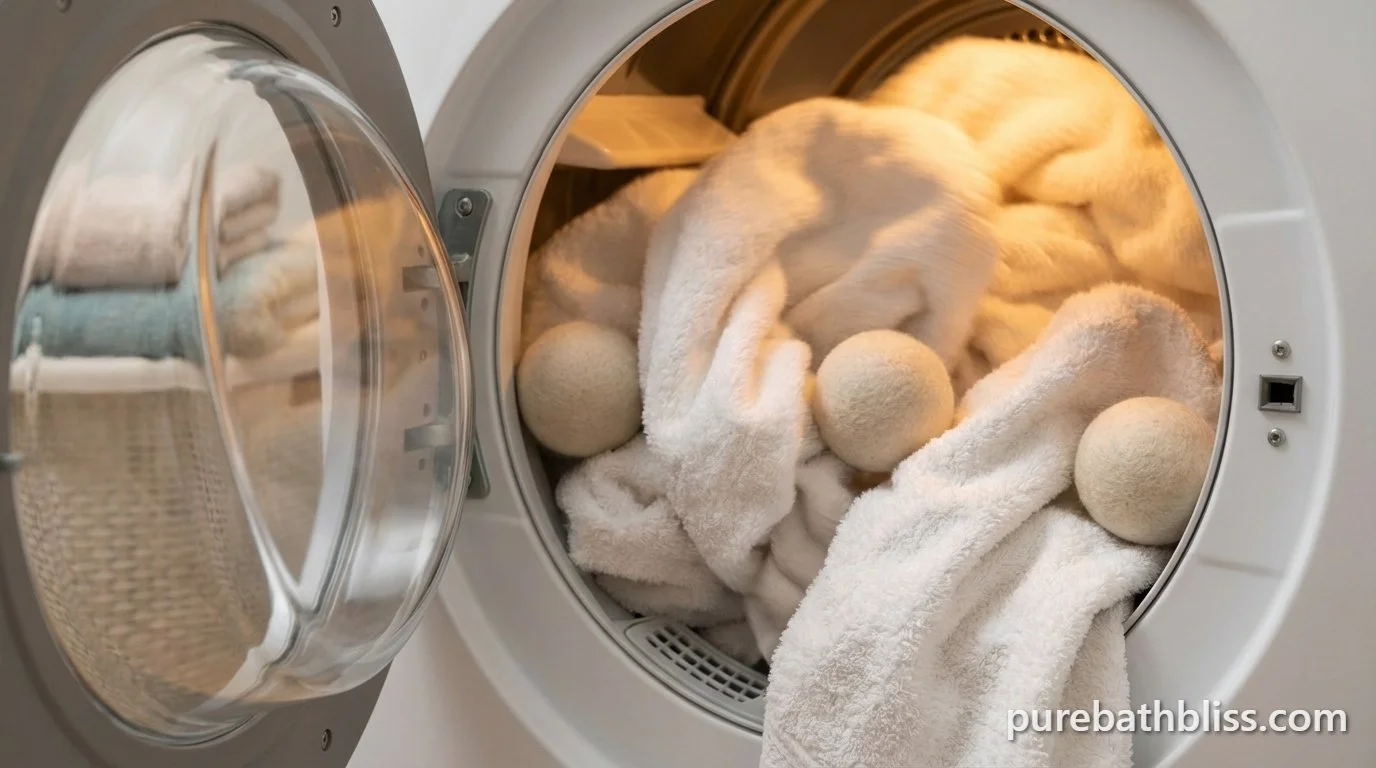
Instead, use Wool Dryer Balls. These bounce around in the dryer, mechanically beating the towels to fluff up the fibers and creating air pockets that speed up drying time.
3. The "Snap" Technique When you take a wet towel out of the washer, it is heavy and the loops are matted down. Before throwing it in the dryer, grab the towel by two corners and give it a hard, violent shake or "snap" (like cracking a whip). Do this twice. This physically forces the loops to stand up before the heat sets them in place.
4. Don't Over-Dry Baking your towels on "High" heat for 90 minutes fries the cotton fibers, making them brittle. Use the "Automatic" or "Sensor Dry" setting on your machine, or stick to Medium heat. Taking them out when they are 95% dry and letting them air dry the rest of the way is the best method for softness.
5. Keep the Air Flowing Never leave damp towels in a heap on the floor or in a hamper. This encourages mold and mildew, which leads to that "sour" towel smell. If a towel is damp, hang it up immediately.
Conclusion: Embrace the Fluff
You don't need to settle for a post-shower exfoliation every time you dry off. By understanding the chemistry of hard water and soap buildup, you can take control of your laundry routine. Citric acid provides a cheap, natural, and highly effective way to strip away the grime and reveal the soft, thirsty cotton underneath.
Give the citric acid soak a try this weekend. Your skin (and your wallet) will thank you.
Up Next: Get the 5-Star Look
Now that your towels feel like a luxury hotel, it's time to make them look the part.
If your linen closet is a mess, or you are struggling to fit all your newly-fluffed towels onto the shelf, you need the right folding technique. Learn how to maximize your storage space and upgrade your bathroom aesthetic with our guide: The Spa Fold: How to Organize Your Towels Like a 5-Star Hotel.