Why Do My Legs Itch After a Bath? The Ultimate Guide to Fixing "Winter Itch"
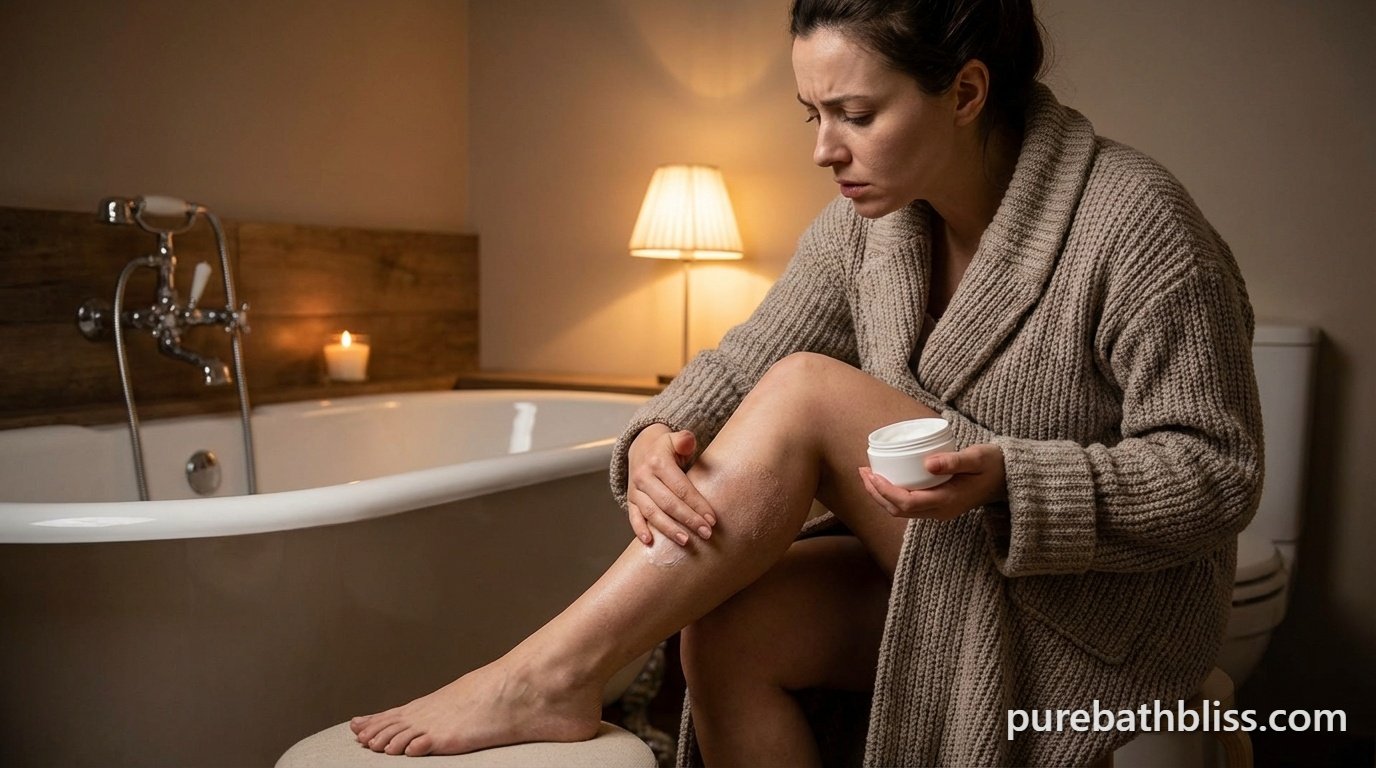
It is a cruel irony of the season: the colder it gets outside, the more you crave a hot, steaming bath to warm up. But the more you bathe, the itchier, tighter, and more uncomfortable your skin becomes.
If you have ever stepped out of the tub and felt like your skin was two sizes too small, or noticed white, snake-like scales on your shins, you aren't alone. You are experiencing a very real physiological condition known to dermatologists as Pruritus Hiemalis, or more commonly, "Winter Itch."
For many, the solution is to stop taking baths entirely—but we believe you shouldn't have to sacrifice your mental health ritual just to save your skin. You can absolutely bathe every day in January without turning into a lizard. You just need to understand the biology of your skin barrier.
Here are the 5 common mistakes disrupting your skin's ecosystem, and the science-backed ways to fix them.
The Science: What is Happening to My Skin?
Your skin has a natural protective layer called the stratum corneum. Think of it like a brick wall: the skin cells are the bricks, and the natural oils (lipids) are the mortar holding them together. This wall keeps moisture in and irritants out.
In winter, low humidity sucks moisture from that wall. If you then blast it with hot water and harsh soap, you dissolve the "mortar" (lipids). The wall crumbles. The result? Invisible micro-cracks form in your skin, exposing nerve endings to the air. That "prickly," unignorable itch is essentially your nerves screaming that their shield is gone.
Here is how to rebuild the wall.
Mistake #1: The Water is Too Hot (Vasodilation)
We know—it feels amazing to step into scalding hot water when it's freezing outside. But extreme heat is the enemy of hydration.
Hot water causes vasodilation, where your blood vessels expand rapidly to cool the body down. This increases inflammation in the skin. More importantly, hot water melts away sebum (your natural body oil) much faster than lukewarm water. Think of a greasy pan: cold water doesn't remove the grease, but hot water strips it clean instantly. You do not want to strip your skin clean.
The Fix: The "Goldilocks" Temperature
Aim for 98°F - 100°F (37°C): This is roughly body temperature. It should feel warm and comforting, but not stinging.
The "Elbow Test": If you don't have a thermometer, dip your elbow into the water. If you have to inch your way in slowly, it is too hot. It should be comfortable enough to step right in.
Mistake #2: You're Soaking in "Naked" Water
No, we don't mean without a swimsuit. We mean soaking in plain tap water without additives.
Depending on where you live, your tap water likely contains chlorine and high levels of minerals like calcium and magnesium ("hard water"). These minerals are alkaline, meaning they have a high pH (around 8-9). Your skin is naturally acidic (around 5.5). Soaking in alkaline water disrupts your skin's "acid mantle," leaving it vulnerable to bacteria and dryness.
The Fix: Buffer the Water
Never take a "naked" bath in winter. Always add an ingredient that creates a barrier between your skin and the minerals.
Colloidal Oats: The gold standard for eczema. Oats contain beta-glucans which form a hydro-colloid film on the skin. (See our [DIY Lavender Oat Soak] for a recipe!).
Bath Oil: Add 1 tablespoon of Jojoba, Almond, or even Olive oil to the water. The oil floats on top and coats your skin as you stand up to exit.
Milk: Yes, like Cleopatra. The lactic acid in milk powder gently exfoliates dead skin while the fats hydrate.

Mistake #3: The "Towel Rub" (Mechanical Irritation)
When you step out of the shower and the shivering hits, your instinct is to grab a thick towel and vigorously rub your limbs to generate heat and get dry fast.
Stop! This friction is a nightmare for winter skin. You are essentially taking a rough fabric and sanding down skin that is already fragile and inflamed. This causes micro-tears and triggers a histamine response—which is why your legs often feel most itchy about two minutes after toweling off.
The Fix: The "Pat Down"
Treat your skin like expensive silk. Gently press the towel against your body to blot up the big water droplets, but leave the skin slightly damp. You want your skin to feel cool and moist, not bone-dry and hot from friction.
Mistake #4: You Missed the "3-Minute Window"
This is the golden rule of dermatology, yet most people ignore it.
When you step out of a steamy bathroom into a dry bedroom, a process called Transepidermal Water Loss (TEWL) begins immediately. The dry air acts like a magnet, pulling the water out of your wet skin. If you wait 20 minutes to apply lotion (because you are checking your phone or doing your hair), the water has evaporated, and your skin is drier than before you bathed.
The Fix: Seal It In
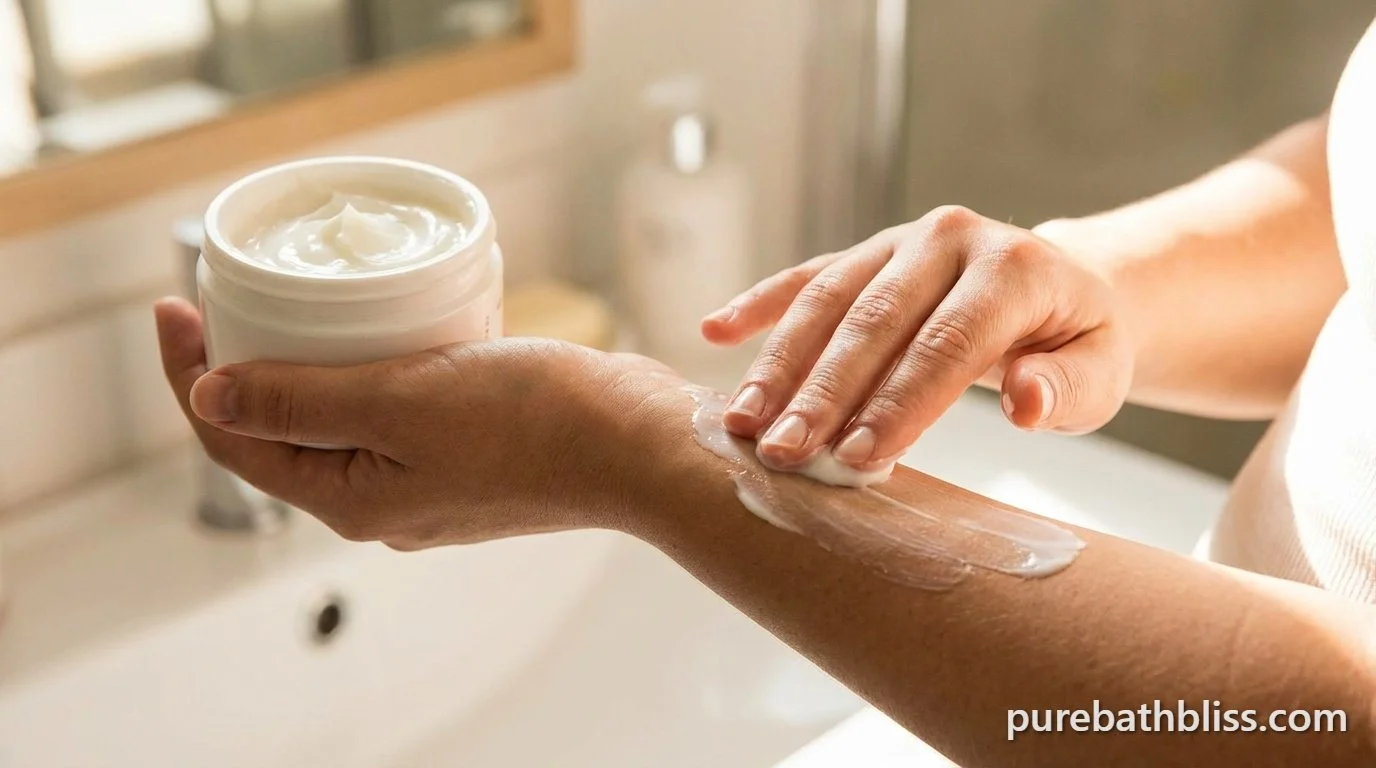
You must apply your moisturizer within 3 minutes of turning off the tap.
Keep it in the bathroom: Store your body oil or cream on the vanity or even inside the shower stall.
Layering: For severe itch, apply a body oil first (while skin is wet) to lock in water, and then a cream on top.
Ingredient Checklist: What to look for
Good: Ceramides (rebuilds the wall), Hyaluronic Acid (holds water), Shea Butter (seals).
Avoid: Alcohol-based lotions or highly fragranced "watery" lotions that smell nice but do nothing for repair.
Mistake #5: Your Soap is Too Harsh
That bar of soap that works fine in sticky July humidity might be destroying your skin in January.
Many commercial soaps (and even some body washes) contain sulfates like SLS (Sodium Lauryl Sulfate). These surfactants are great at removing dirt and oil—too great, actually. In winter, your skin produces significantly less oil. If you strip away what little you have, you are left with no defense.
Also, remember the pH issue? Standard bar soap has a pH of 9 or 10. Using it on your pH 5.5 skin is like washing your face with baking soda.
The Fix: Switch to "Syndets" or Super-Fatted Soap
Syndet Bars: These are "synthetic detergent" bars (like Dove or Cetaphil) that are pH-balanced to match your skin.
Oil Cleansers: These wash away dirt without foaming, leaving healthy oils behind.
The "Strategic Washing" Rule: Unless you ran a marathon, you don't need to soap your entire body every day. Focus soap only on the "odor zones" (pits and bits). Rinse the rest of your body with just water.
Bonus: The Environmental Factors
Sometimes, you do everything right in the bath, and you still itch. That is because the environment around you is sabotaging your progress.
1. The Bedroom Humidity Central heating destroys indoor humidity. If your bedroom air is dry, it will suck moisture from your skin while you sleep.
Tip: Run a cool-mist humidifier next to your bed. Aim for 40-50% humidity.
2. The Pajama Problem Putting on tight leggings or flannel immediately after a bath can trigger itching. Flannel, while cozy, creates heat and friction. Wool is a known irritant.
Tip: Wear loose, cotton clothing for the first hour after bathing to let your skin breathe and cool down.
Frequently Asked Questions (FAQ)
Q: Is it better to shower or bathe for dry skin? A: Generally, showers are better because people tend to spend less time in them. However, a bath can be more hydrating if you add oils/oats and follow the 3-minute moisturizing rule. It’s not the method; it’s the duration and temperature.
Q: Why do my legs itch specifically? A: The skin on your shins has the fewest oil glands of almost anywhere on your body. It is the "desert" of your skin map. That is why the "winter itch" almost always attacks the lower legs first.
Q: Can drinking water fix dry skin? A: "You can't hydrate a raisin." Drinking water is good for your overall health, but it won't instantly fix dry skin. You need to hydrate from the outside in (with water/oils) and the inside out (with Omega-3 fatty acids like fish oil or flaxseed).
The Bottom Line
Winter skin is high-maintenance, but it isn't impossible to manage. You don't have to suffer through the itch or give up your relaxation time.
By lowering the heat, buffering the water with oats or oils, and sealing your skin within that critical 3-minute window, you can keep your skin’s barrier strong. So go ahead—run the bath. Just make sure you bring the oil with you.