The Ultimate Guide to Shower Plants: 12 Humidity-Lovers for a Greener Bathroom
Transparency Note: We independently select these products based on research and user reviews. If you buy something through our links, we may earn a commission.
There is something inherently calming about a bathroom filled with life. If you’ve ever stepped into a luxury spa and felt an immediate sense of peace, it likely wasn't just the essential oils, it was the greenery.
In the eco-friendly home niche, "shower plants" have moved from a design trend to a functional necessity. Not only do they look stunning, but they also act as natural air purifiers, regulate humidity, and even help prevent the buildup of bathroom mold.
However, the bathroom is a unique ecosystem. With its spikes in temperature, low light, and high steam, not every houseplant is cut out to survive. In this guide, we’ll explore the top 12 plants that don’t just tolerate your shower, they thrive in it.
Why Put Plants in Your Shower?
Before we dive into the species, let’s talk about the why. Beyond the aesthetic "jungle vibes," plants offer tangible benefits for your bathroom environment:
Humidity Control: Many tropical plants absorb moisture through their leaves, helping to clear steam faster and reducing the workload on your extractor fan.
Air Purification: Bathrooms often contain VOCs from cleaning products or hairsprays. Plants like the Spider Plant and Peace Lily are famous for filtering these toxins.
Stress Reduction: Studies show that interacting with indoor plants reduces cortisol levels. Your morning shower becomes a true mindfulness ritual.
Eco-Friendly Decor: Unlike plastic decor, plants are biodegradable, carbon-sequestering, and sustainable.
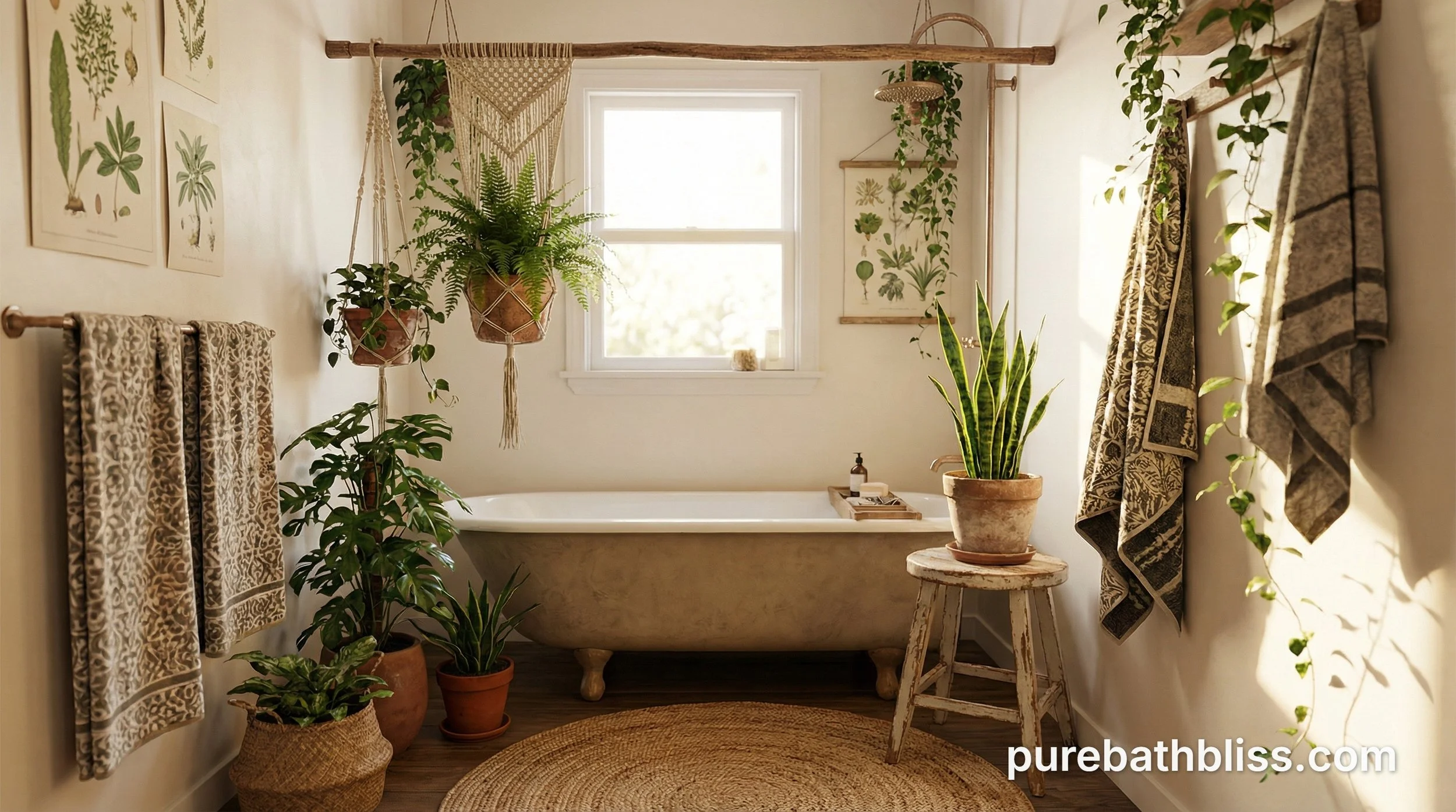
1. Bird’s Nest Fern (Asplenium nidus)
If there is a king of the bathroom plant world, it is the Bird’s Nest Fern. Unlike other finicky ferns that drop leaves at the slightest breeze, this variety loves the "tropical rainforest" feel of a steamy shower.
Light: Low to medium indirect light.
Humidity: High (50–70%).
Eco-Tip: Use a peat-free potting mix to protect vital carbon-storing peatlands.
Think your bathroom might be the perfect spot for this wavy wonder? Read our Full Bird’s Nest Fern Care Guide to master the 'center-watering' rule and keep those fronds vibrant.
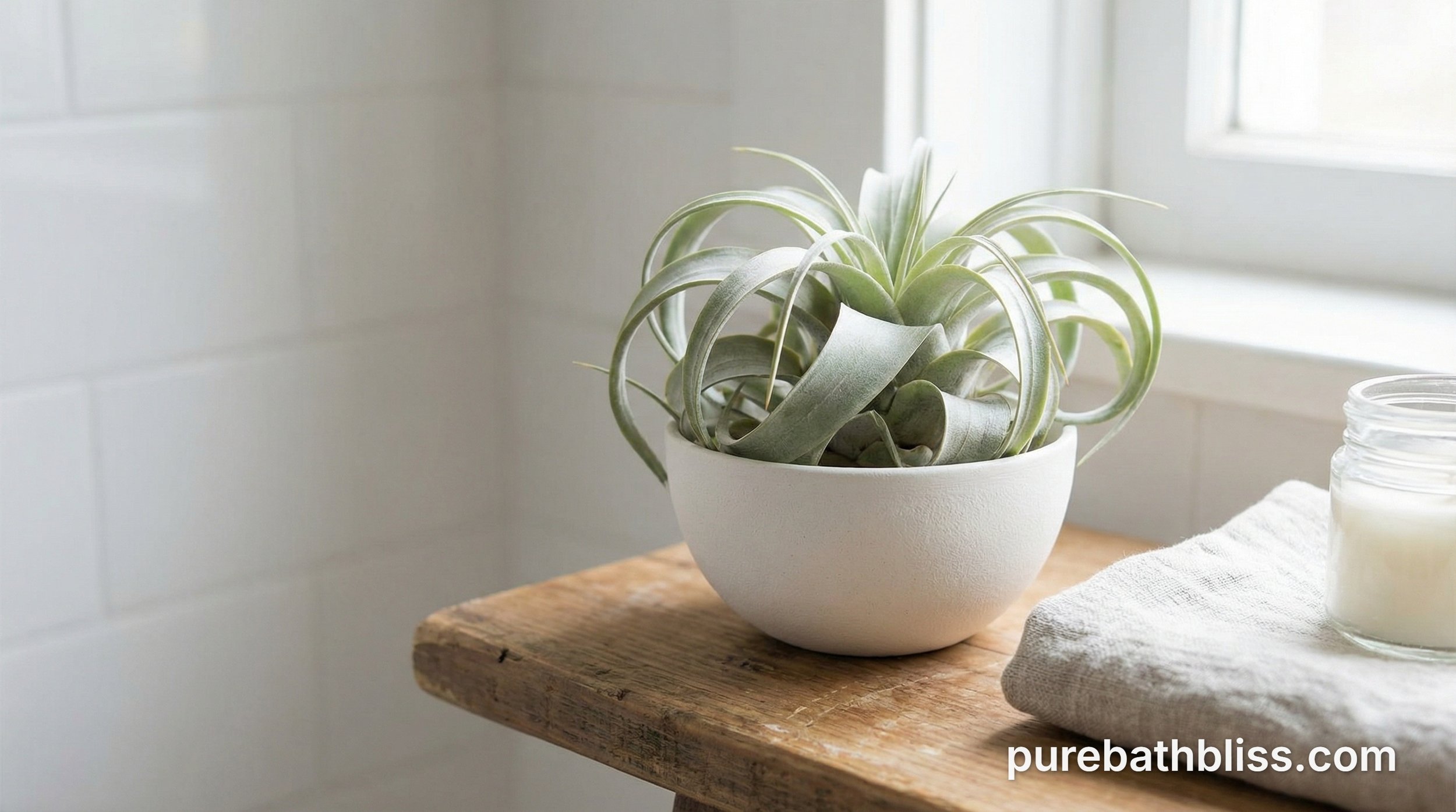
2. Air Plants (Tillandsia)
Air plants are the ultimate "no-mess" solution because they require zero soil. They are epiphytes, meaning they take all their nutrients and moisture from the air.
Shower Strategy: Place them on a suction-cup shelf or hang them in a glass terrarium. They will "drink" the steam from your morning routine.
Care: If they look a bit "crispy," give them a 20-minute soak in a bowl of water once a week.
Displaying these soil-free beauties is an art form! Check out our Air Plant Care Guide to learn the proper 'soaking vs. misting' techniques to prevent rot.
3. Golden Pothos (Epipremnum aureum)
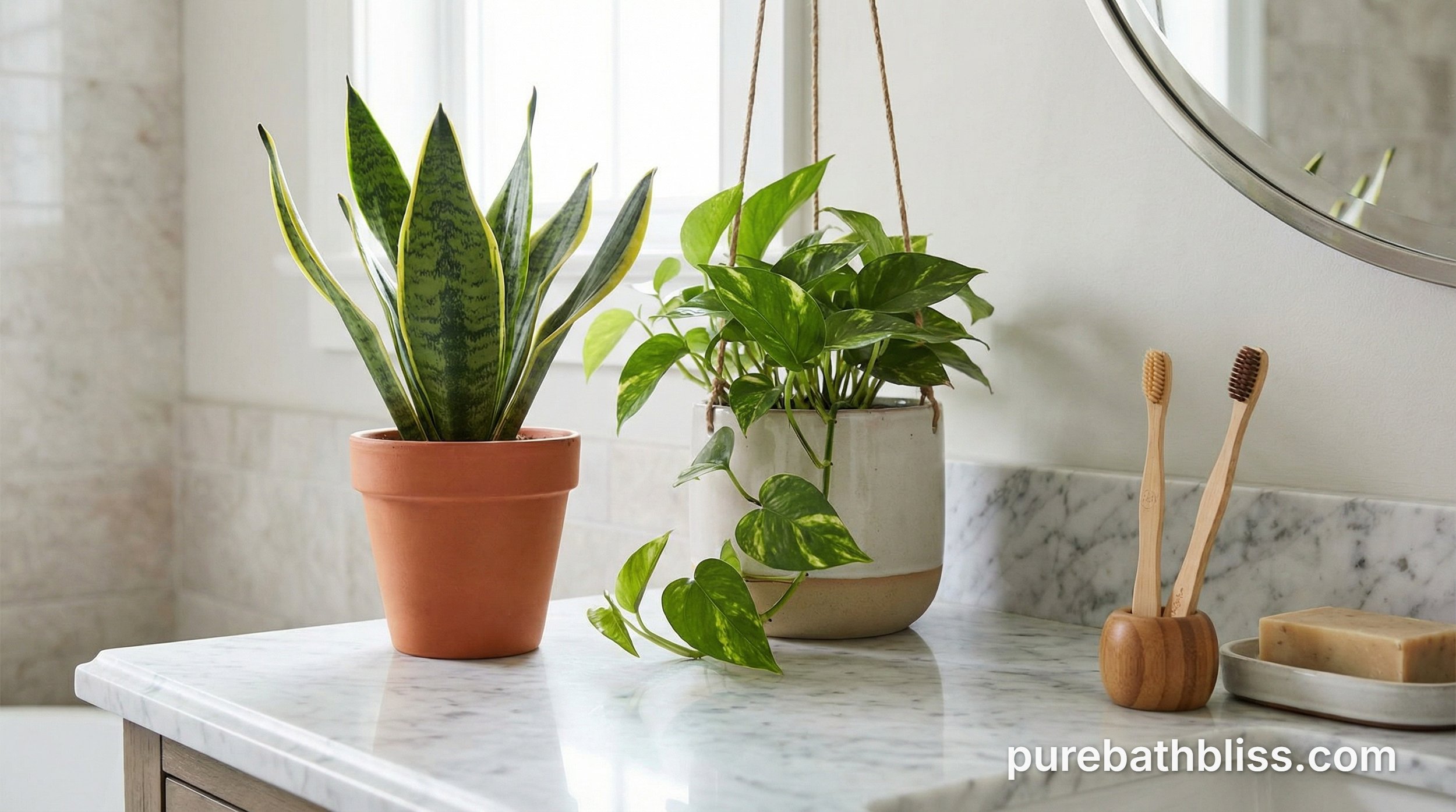
Often called the "Devil’s Ivy" because it’s nearly impossible to kill, the Pothos is perfect for beginners. Its heart-shaped leaves trail beautifully, making it the best choice for hanging from a shower curtain rod.
Light: Tolerates almost anything, from dim corners to bright windows.
Benefit: Highly effective at removing indoor pollutants like formaldehyde.
Dreaming of those long, cascading vines? I've put together a Golden Pothos Care Guide that explains how to get that lush 'jungle' look and how to easily grow new plants from your clippings.
4. Boston Fern (Nephrolepis exaltata)
The classic "Victorian" fern. It has a high transpiration rate, meaning it is excellent at pumping moisture back and forth and keeping the air fresh.
Shower Placement: These love to hang. The mist from the shower keeps their fronds from turning brown and crunchy.
Is your fern shedding? Don't toss it yet! Check out our Boston Fern Care Guide to learn how to fix 'needle drop' and keep your fronds feathery and green.
5. Snake Plant (Sansevieria)
While most people think of Snake Plants for the bedroom, they are secret bathroom superstars. They are incredibly hardy and can handle the dampness, but their real superpower is that they release oxygen at night, keeping your bathroom air fresh even when the door is closed.
Light: Can survive in windowless bathrooms with just a few hours of artificial light.
Check out our Deep Dive Snake Plant Care Guide for everything you need to know about watering and soil.
6. Peace Lily (Spathiphyllum)
If you want flowers in your bathroom, the Peace Lily is your go-to. It thrives in high humidity, and its leaves will actually droop when it needs a drink, making it a great "communicator" for plant parents.
Caution: Keep this one away from pets, as it can be toxic if ingested.
If you’re worried about forgetting to water your plants, the Peace Lily is the perfect partner. It literally tells you when it's thirsty! To learn how to read its signals without overwatering, see our Complete Peace Lily Care Guide
7. English Ivy (Hedera helix)
Recent studies have shown that English Ivy is a powerhouse at reducing airborne mold spores. In a damp bathroom, this makes it an essential eco-ally.
Style: Let it climb a ladder shelf or trail down from the top of a medicine cabinet.
"Did you know Ivy can actually help fight mold? Learn how to position your plant for maximum air purification in our English Ivy Care Guide.
8. Calathea (The Prayer Plant)
Calatheas are famous for their stunning, patterned leaves that move up and down throughout the day. They are "divas" about humidity, often getting brown edges in living rooms. The shower is the only place they truly feel at home.
Pro Tip: Use filtered water or rainwater if you can, as they are sensitive to chlorine in tap water.
Is your Prayer Plant acting like a diva? Learn the secret to preventing brown edges and keeping those leaves moving in our Calathea Care Deep-Dive.
9. Spider Plant (Chlorophytum comosum)
The Spider Plant is the "workhorse" of air purification. It’s particularly good at absorbing carbon monoxide and xylene.
Eco-Benefit: They produce "babies" (offsets) constantly, which you can gift to friends, making them a zero-cost, sustainable gift.
Want to grow your own 'jungle' for free? See our Spider Plant Care Guide to learn how to propagate those cute 'spiderettes' and keep your air toxin-free.
10. Monstera Adansonii (Swiss Cheese Vine)
While the giant Monstera Deliciosa might be too big for a small bathroom, its cousin, the Adansonii, is a vine that loves to climb. Its unique "holey" leaves are a result of adapting to tropical downpours.
Want those iconic 'cheese holes' to grow larger? Our Monstera Adansonii Care Guide explains the secret to using vertical space and humidity to grow a massive, healthy vine.
11. ZZ Plant (Zamioculcas zamiifolia)
If your bathroom is a dark, windowless "dungeon," the ZZ plant is your best friend. It has waxy, plastic-looking leaves that store water, meaning it only needs a drink once a month.
Think you have a 'black thumb'? The ZZ Plant is nearly impossible to kill and only needs a drink once a month. Learn the secrets to its indestructible nature in our ZZ Plant Deep-Dive.
12. Eucalyptus Bunches
While not a "living" potted plant in the traditional sense, hanging fresh eucalyptus in the shower is a staple of the eco-friendly bathroom. The steam releases the essential oils (eucalyptol), which acts as a natural decongestant and stress reliever.
Ready for the ultimate spa morning? Learn the 'Rolling Pin' trick to double the scent of your greenery in our Full Shower Eucalyptus Guide.
3 Rules for Bathroom Plant Success
To keep your shower jungle from turning into a compost heap, follow these three rules:
1. Watch the Drainage
High humidity means the soil stays wet longer. Always use pots with drainage holes and a well-draining, eco-friendly potting mix (look for coco coir-based mixes instead of peat). Root rot is the #1 killer of bathroom plants.
2. Wipe the Leaves
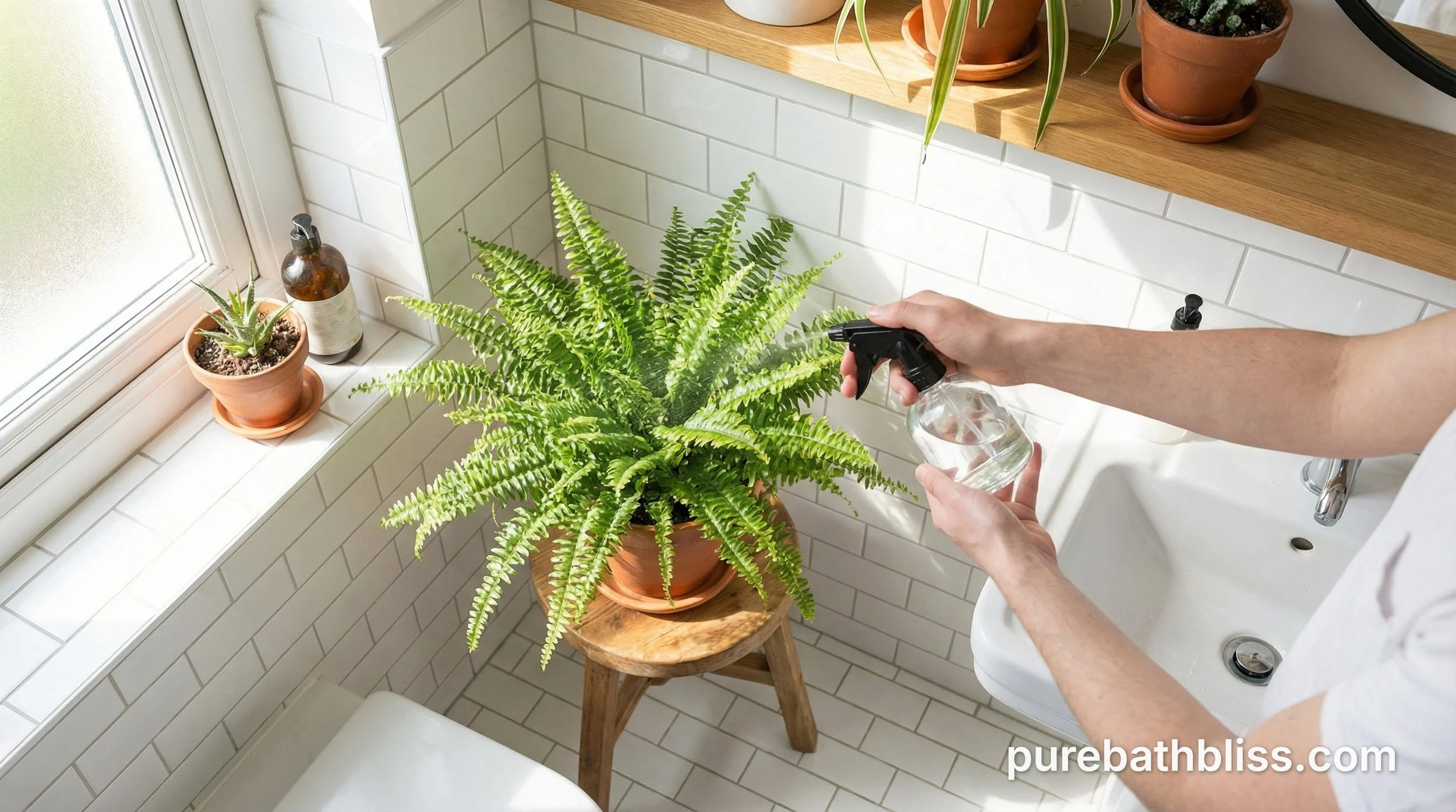
In a bathroom, hairspray, dust, and soap particles can settle on leaves, clogging the plant's "pores" (stomata). Every few weeks, give your plants a gentle wipe with a damp, soft cloth.
3. Don't Drown Them
Just because the air is humid doesn't mean the soil needs to be soggy. Always check the top inch of soil before watering. If you have a very steamy shower, you may find you only need to water half as often as your other plants.
Conclusion: Start Small
You don't need to turn your bathroom into the Amazon overnight. Start with a hardy Pothos or a Snake Plant. As you get used to the microclimate of your shower, you can add more specialized humidity lovers like Calatheas or Ferns.
By bringing the outdoors in, you aren't just decorating; you're creating a living, breathing ecosystem that supports your health and the planet.