Stone vs. Cloth: Are Diatomaceous Earth Bath Mats Worth the Hype?
Transparency Note: We independently select these products based on research and user reviews. If you buy something through our links, we may earn a commission.
We have all been there. You step out of a relaxing, steamy shower, clean, warm, and refreshed, only to squish your toes into a damp, cold, slightly musty bath mat.
It is the one part of the bathroom experience that hasn’t changed in fifty years. We rely on terry cloth or shag rugs to catch water, but let's be honest: they are essentially heavy sponges lying on the floor, trapping moisture, hair, and dust.
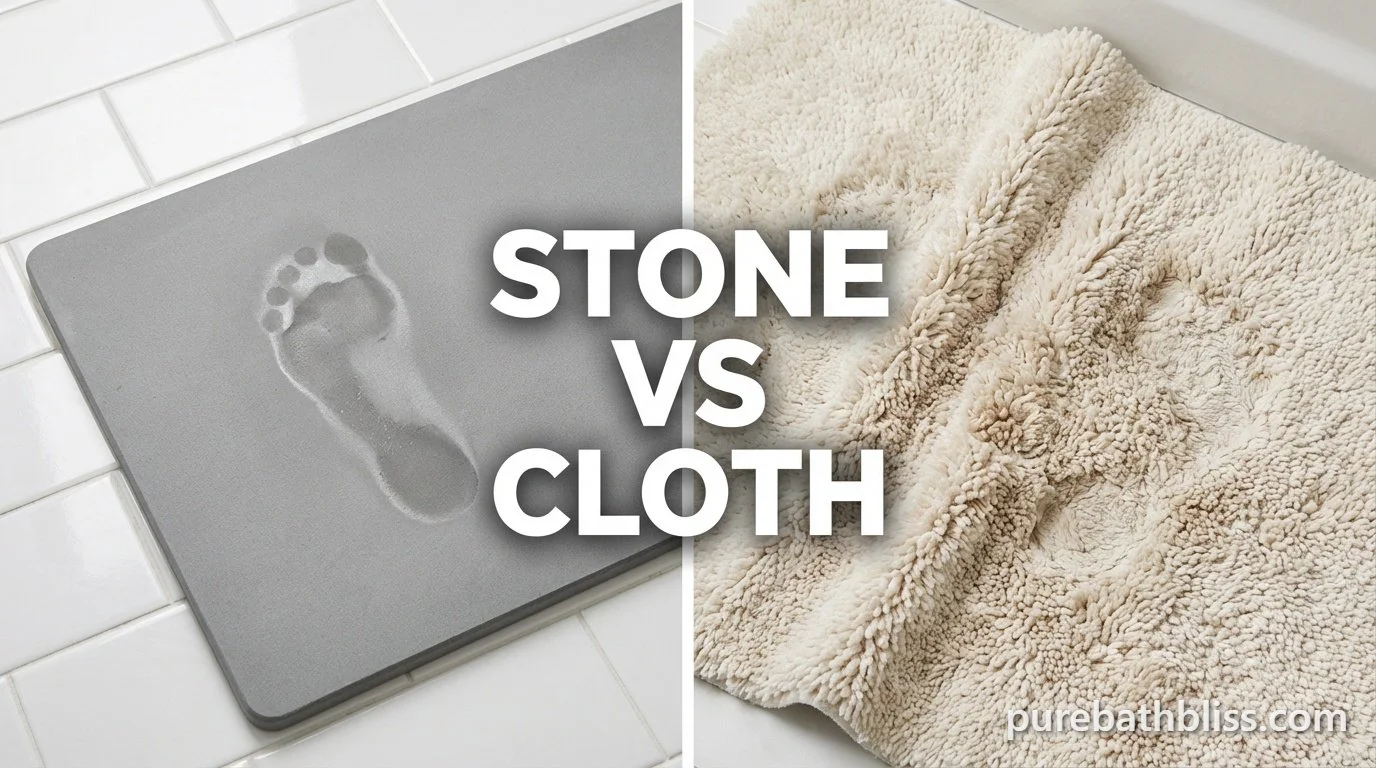
If you have scrolled through Instagram or TikTok lately, you have likely seen the ads for "Stone Bath Mats." These rigid slabs made of Diatomaceous Earth claim to dry instantly, never mold, and look like a 5-star spa accessory. But are they actually practical? Or are they just another expensive aesthetic trend that you’ll regret buying?
To find out, we broke down the science, the hygiene factor, and the day-to-day reality of swapping your trusty cotton rug for a slab of stone.
What Exactly Is a "Stone" Mat?
When we say "stone," don't picture a cold slab of slate or granite. These mats are engineered from Diatomaceous Earth (DE).
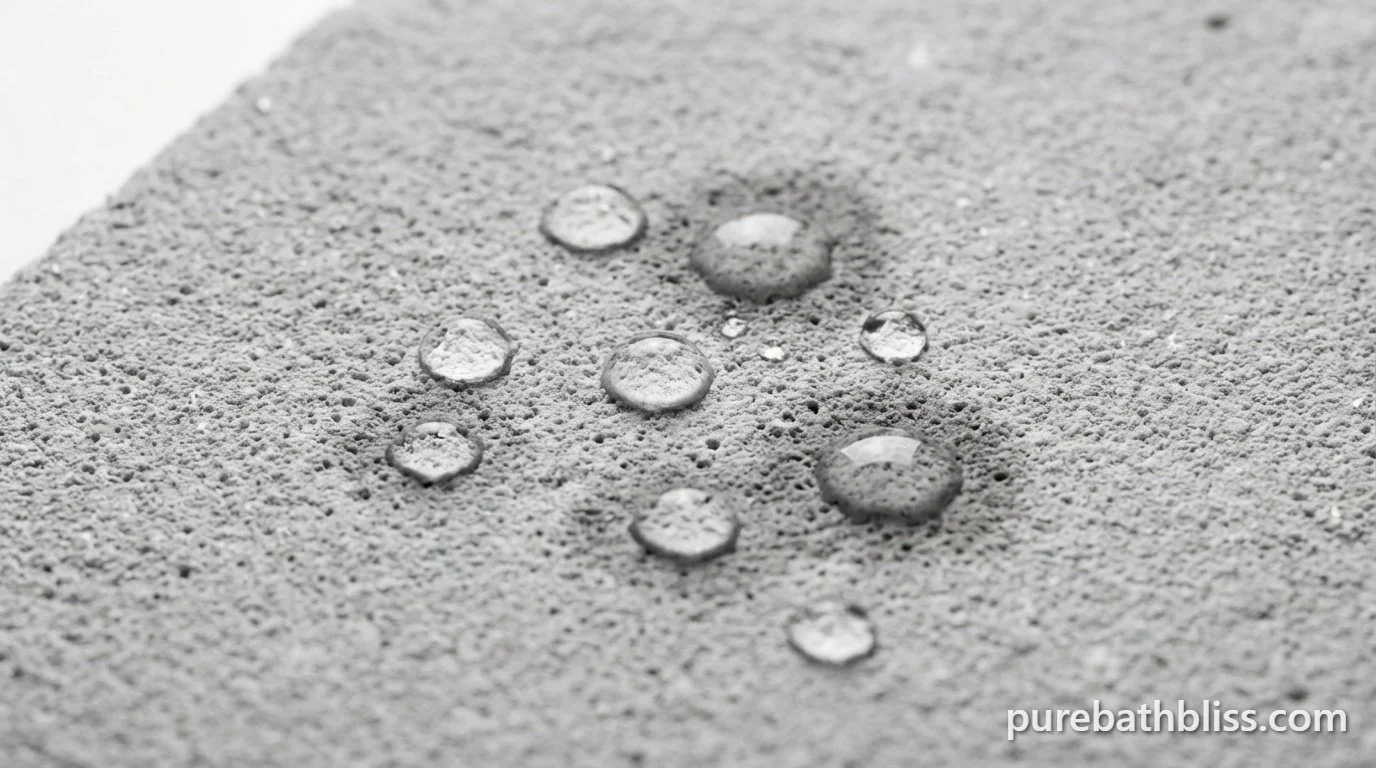
The Science Part: DE is a naturally occurring, soft sedimentary rock formed from the fossilized remains of tiny aquatic organisms called diatoms. It is ground into a powder and molded into boards.
The magic lies in its porosity. Think of it like a hard, solid sponge. It can hold up to 150% of its weight in water. When you step on it wet, the water is immediately sucked into millions of microscopic pores. The surface feels dry to the touch in about 60 seconds, and the moisture evaporates completely within minutes.
But does that tech actually beat a fluffy rug? Let's compare them across four categories: Hygiene, Comfort, Maintenance, and Durability.
Round 1: Hygiene & Smell
The "Ick" Factor
The Cloth Reality: Traditional bath mats are bacterial hotels. Because they are thick and absorbent, they stay damp for hours after you shower. In a humid bathroom with the door closed (or a windowless one), they may never fully dry out between uses. This dark, damp environment is perfect for mold, mildew, and bacteria growth. That faint "musty" smell in your bathroom? It’s probably the mat.
The Stone Solution: Stone mats are inherently antimicrobial. Because they dry out so rapidly, mold and bacteria simply cannot survive on the surface. There is no fabric to trap dead skin cells or hair. For households with athletes, teenagers, or shared bathrooms, the hygiene upgrade is undeniable.
Sick of fighting moisture? Check out our list of 7 Unkillable Plants That Thrive in Humid Bathrooms for a natural way to purify your air.
Winner: Stone (By a mile).
Round 2: Comfort & Feel
The "Cozy" Factor
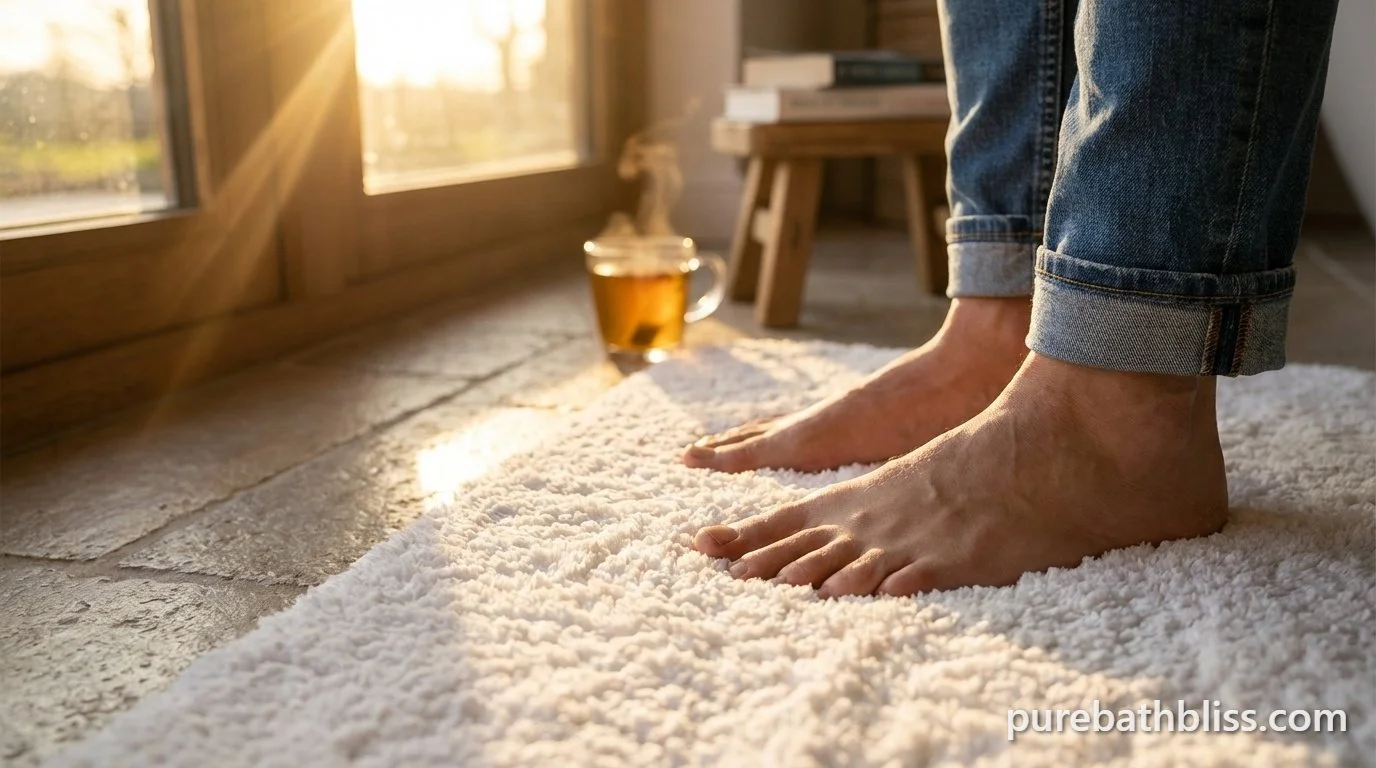
The Cloth Reality: There is something undeniably luxurious about sinking your toes into deep, soft cotton or chenille. It adds texture and physical warmth to a cold tiled room. If you view your bathroom as a cozy sanctuary, the rug is a key part of that softness.
The Stone Solution: Stepping onto a stone mat feels... efficient. It feels like stepping onto a smooth, room-temperature ceramic tile or unfinished pottery. It isn’t sharp, and it isn’t freezing cold (DE is actually a decent insulator), but it is definitely hard. It lacks the "spa luxury" feel of softness, trading it for the "spa luxury" look of minimalism.
Winner: Cloth.
Round 3: Maintenance & Cleaning
The "Laziness" Factor
The Cloth Reality: You have to wash them. A lot. Experts say you should wash cloth bath mats once a week to prevent bacteria. They are heavy when wet, often unbalance the washing machine, and take forever to dry in the dryer. Over time, the rubber backing cracks and peels off in the wash.
The Stone Solution: You never wash a stone mat in a machine. Daily maintenance is... nothing. You just let it dry.
For stains: If you spill coffee or get dirt on it, you wipe it with a damp cloth.
For "refreshing": Every few months, the pores might get clogged with skin oils, making it absorb water slower. The solution? You take the piece of sandpaper (usually included in the box) and lightly sand the surface for 30 seconds. It buffs away the top layer and works like new.
Winner: Stone. (Unless you enjoy doing laundry).
Once your floors are dry with your new stone mat, keep your glass clear with this Natural Tea Cleaning Hack
Round 4: Durability & Safety
The "Real Life" Factor
The Cloth Reality: Cloth mats are virtually indestructible, but they wear out visually. They get matted, stained, or the non-slip backing fails, leading to dangerous slips.
The Stone Solution: Most stone mats come with a separate non-slip rubber pad that goes underneath, making them very stable. However, they are brittle. If you drop a heavy glass bottle of cologne on the mat, it can crack. If you have uneven floors (like lumpy vintage tile), stepping on the mat can cause it to snap.
Winner: Tie. (Stone lasts longer, but Cloth is safer from breakage).
The Verdict: Which One Should You Buy?
Buy the Stone Mat If:
You hate damp socks: You share a bathroom, and you are tired of stepping on a wet rug after someone else has showered.
You have "Windowless Bathroom" issues: If your bathroom lacks ventilation, a stone mat will prevent that mildew smell.
You are a minimalist: You want that clean, sleek, modern aesthetic.
You have pets: Dogs and cats love to pee on soft rugs. They usually ignore hard stone mats completely.
Top Pick: Diatomaceous Earth Mat Look for one with a "Slate" or "Marble" pattern if you want to hide dust better than the plain grey ones.
Buy the Cloth Mat If:
You have toddlers: Kids slip, trip, and drop things. A stone mat is a hard surface to fall on. Stick to soft rugs until they are older.
You have uneven floors: If your tile is very bumpy, a rigid stone mat will wobble or crack.
You value "Cozy" over "Clean": If you hate the feeling of hard floors, stick to cloth.
Top Pick: Quick-Dry Waffle Weave Mat We recommend switching from "plush shag" to "waffle weave." They are thinner, dry twice as fast, and still offer that soft fabric feel.
Frequently Asked Questions (FAQ)
Q: Do stone mats get cold in the winter? A: Surprisingly, no. Diatomaceous Earth is a neutral material that doesn't hold the cold like ceramic tile does. It will feel room temperature, similar to stepping on wood.
Q: How long do they last? A: With proper care, a stone mat can last 2–5 years. The main reason for failure is cracking due to uneven floors or heavy impact, not wearing out.
Q: Can I use it inside the shower? A: No! These are for drying off after you step out. Using them inside the shower would constantly saturate them and potentially cause them to disintegrate or become slippery.
Q: Do they really dry instantly? A: Visually, yes. You will see the water vanish from the surface in under a minute. However, the mat is holding that water internally. It needs about 10–15 minutes of airflow to fully release the moisture back into the air.
Final Thoughts
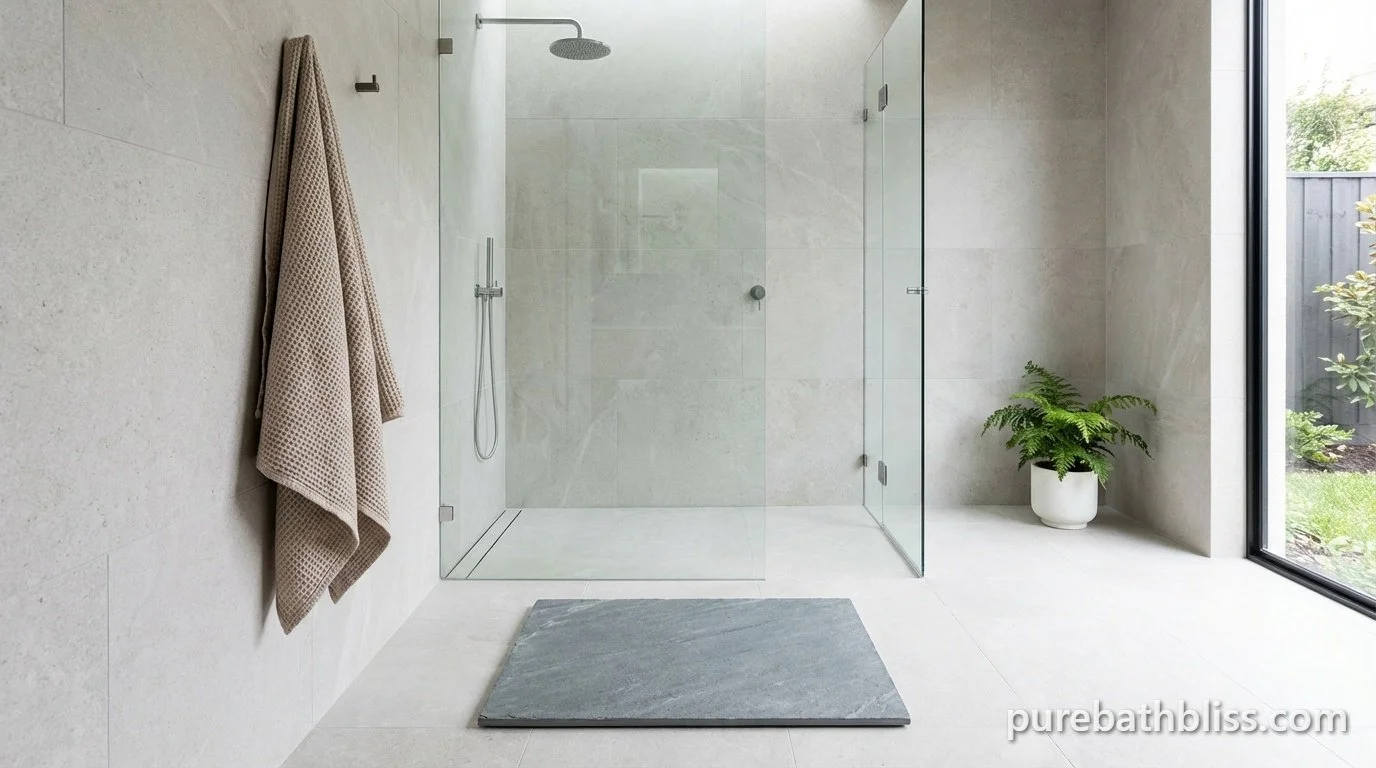
The switch to stone is one of those small "adulting" upgrades that feels surprisingly satisfying. It eliminates a chore (washing the rug), improves your home's air quality (less mold), and looks incredibly sharp.
If you are on the fence, try a budget-friendly version first. Once you experience the "dry floor, dry feet" sensation, you likely won't go back to the soggy sponge life.
Looking to impress visitors even more? A stone mat is just one part of our Ultimate Guest Bathroom Checklist.
Shop This Post
Best Overall Stone Mat: DRYSOLU
Best Value Stone Mat: Ceecysaa
Best Cloth Alternative: Cotton Waffle Mat