How to Prevent Bacterial Growth in Your Bathroom Sink Area
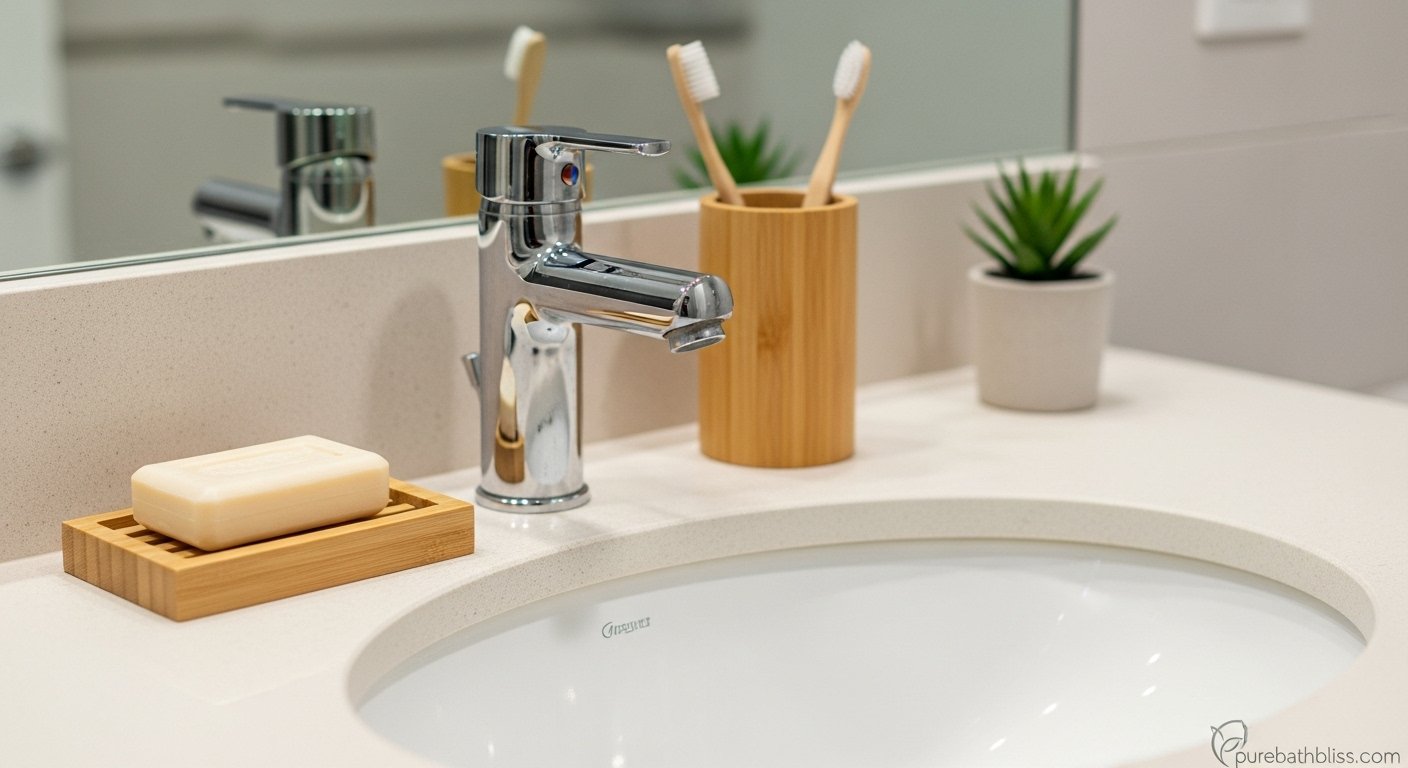
The bathroom sink area is a high-traffic zone where toothbrushes, soaps, and wet washcloths can create a breeding ground for bacteria if not managed properly. Bacterial growth around the sink can lead to odors, stains, and potential health risks, especially in humid bathrooms. By adopting simple hygiene practices, proper storage techniques, and effective ventilation, you can keep your sink area clean, dry, and bacteria-free. This guide shares practical tips to maintain a hygienic bathroom sink, complementing your efforts to prevent mold and maintain a clutter-free space.
Why Bacteria Thrive in the Sink Area
Bathroom sinks are prone to bacterial growth due to constant moisture, toothpaste residue, and organic matter like skin cells or soap scum. Studies show that sink areas can harbor bacteria like E. coli and Staphylococcus if not cleaned regularly. Humidity from showers and poor ventilation exacerbate the issue, making daily maintenance essential for a healthy bathroom.
5 Practical Tips to Prevent Bacterial Growth
Here are five actionable strategies to keep your bathroom sink area hygienic and free of harmful bacteria.
1. Clean the Sink Daily
Wipe down the sink basin, faucet, and surrounding countertop daily to remove toothpaste splatter, soap residue, and water. Use a clean, damp cloth with a splash of white vinegar or mild dish soap, which are effective at breaking down organic matter without harsh chemicals. Focus on crevices around the faucet base where bacteria can accumulate. Rinse thoroughly and dry with a clean cloth to prevent water spots and bacterial growth.
2. Store Toothbrushes Properly
Toothbrushes can harbor bacteria if stored improperly. Keep them upright in a holder with individual slots to allow air-drying, as wet bristles in a closed container promote bacterial growth. Avoid placing toothbrushes directly on the counter, where they can pick up germs from splashes. Clean the toothbrush holder weekly with a vinegar-soaked cloth to remove residue, and ensure it has drainage to prevent water pooling.
3. Keep Washcloths and Sponges Dry
Wet washcloths or sponges left on the sink can become bacterial hotspots. After use, wring them out thoroughly and hang them to dry on a rack or hook away from the sink edge. Wash washcloths weekly in hot water to kill bacteria, and replace sponges regularly or sanitize them by soaking in a vinegar-water solution (1:1 ratio) for 10 minutes. Ensure the sink area remains free of damp items to reduce moisture.
4. Ventilate to Control Humidity
Excess humidity encourages bacterial growth, especially in poorly ventilated bathrooms. Run an exhaust fan for 20–30 minutes after showers or sink use to remove moisture from the air. If your bathroom lacks a fan, open a window or door to improve airflow. Keeping the sink area dry reduces the conditions bacteria need to thrive, complementing your efforts to prevent mold and mildew.
5. Declutter the Sink Area
A cluttered sink with soaps, toothpaste tubes, and accessories traps moisture and makes cleaning harder. Limit items to essentials, storing extras in drawers or cabinets. Use organizers with drainage to keep soaps and brushes elevated and dry. A minimalist sink area is easier to clean thoroughly, reducing bacterial hiding spots and maintaining a tidy, hygienic space.
Additional Tips for Long-Term Hygiene
Sanitize Weekly: Once a week, disinfect the sink and faucet with a 1:1 vinegar-water solution or a mild bleach solution (1 tablespoon bleach per gallon of water). Rinse well to avoid residue buildup.
Check for Leaks: Inspect the faucet and drain for leaks, as standing water promotes bacteria. Tighten connections or call a plumber for persistent issues.
Replace Items Regularly: Swap out toothbrushes every 3–4 months, as worn bristles can harbor bacteria. Discard cracked or stained holders that are hard to clean.
Use Natural Cleaners: Opt for eco-friendly cleaners like vinegar or baking soda to avoid chemical residues that can disrupt skin health or indoor air quality.
Why This Matters for Your Bathroom
Preventing bacterial growth around your bathroom sink ensures a healthier environment, especially for households with children or sensitive skin. A clean, dry, and organized sink area reduces the risk of odors, stains, and germ spread, complementing your bathroom’s overall hygiene. By incorporating these tips into your daily routine, you’ll maintain a clutter-free, bacteria-free sink that enhances your bathroom’s functionality and appeal.