How to Get Rid of the Red Stuff (Serratia marcescens) in Your Bathroom
Transparency Note: We independently select these products based on research and user reviews. If you buy something through our links, we may earn a commission.
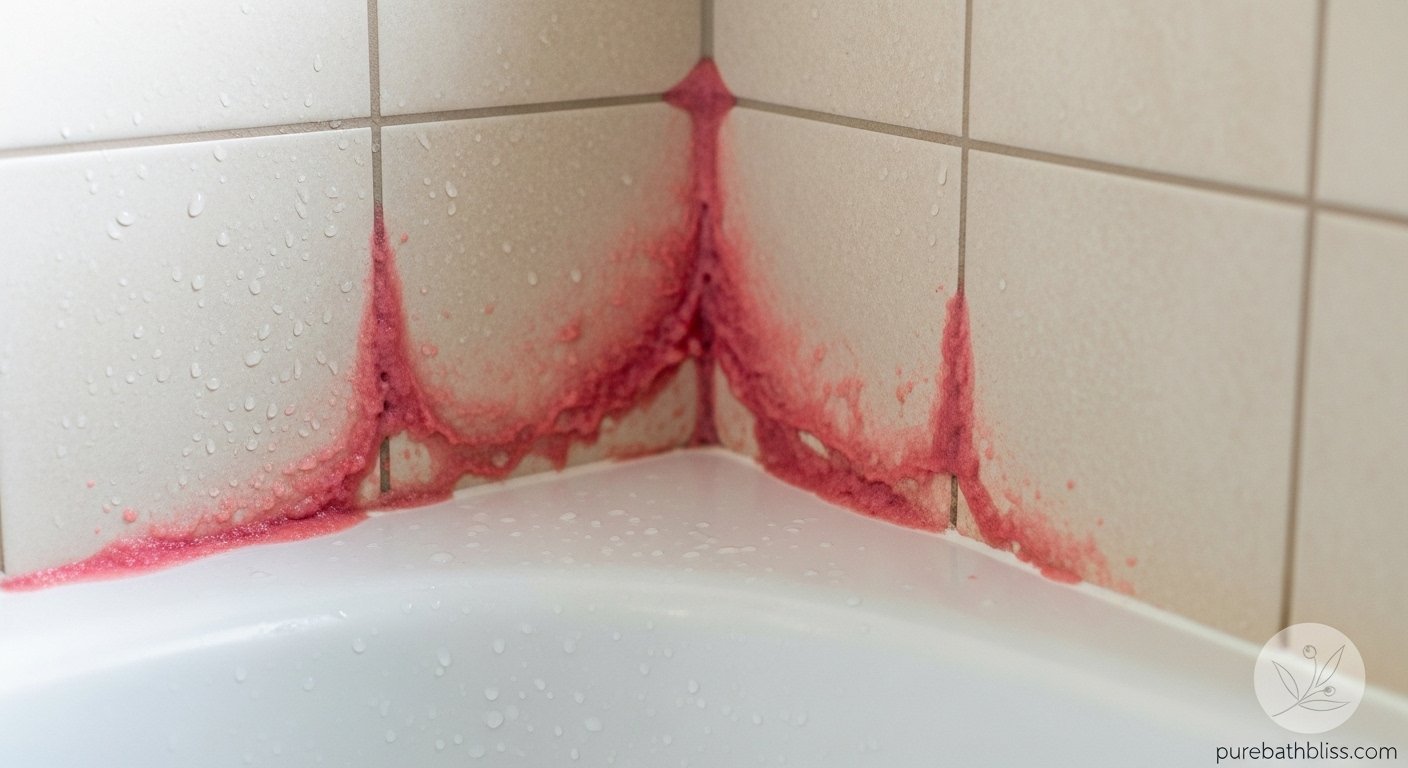
The reddish-pink film in your shower or bathroom, often called “pink mold” or “pink slime,” is actually Serratia marcescens, a bacteria that thrives in moist, soapy environments. This slimy, red-orange residue appears on tiles, grout, drains, or shower curtains, feeding on soap scum and hard water minerals. While typically harmless for healthy people, it can trigger allergies or look unsightly. This guide explains how to identify, remove, and prevent Serratia marcescens using eco-friendly methods and tools, keeping your bathroom hygienic and fresh. Shop our affiliate links for the best cleaning products!
Identifying Serratia marcescens
Appearance: Slimy, pinkish-red or orange film, often in rings around drains, on grout, or shower curtains. It feels sticky or greasy.
Location: Common in showers, tubs, toilet bowls, or sink rims where moisture lingers.
Smell: Mild musty odor, less intense than mold.
Test: If it wipes off easily but returns, it’s likely bacteria. Persistent dark growth may be mold—use a mold test kit to confirm.
Buy Now: Mold Test Kit
How to Remove the Red Stuff
Eliminate Serratia marcescens with non-toxic, eco-friendly methods to ensure a hygienic bathroom:
Vinegar Solution: Mix equal parts white vinegar and water in a spray bottle. Spray affected areas, let sit for 15–30 minutes, scrub with a soft-bristle cleaning brush, rinse, and dry. Vinegar kills bacteria naturally.
Buy Now: OXO Soft-Bristle Brush
Baking Soda Scrub: Sprinkle baking soda, spray with vinegar to fizz, scrub with a microfiber cloth, rinse, and dry. This breaks down slimy residue.
Buy Now: Microfiber Cleaning Cloths
Hydrogen Peroxide: Spray 3% hydrogen peroxide from a spray bottle, let sit for 10 minutes, scrub, rinse, and dry. It’s a gentle disinfectant.
Buy Now: Hydrogen Peroxide Spray Bottle
Bleach (Last Resort): For stubborn spots, mix 1 tablespoon bleach with 1 gallon water, spray, let sit 10 minutes, scrub, rinse, and ventilate. Avoid if you prefer non-toxic options.
Dry Thoroughly: Squeegee walls with a shower squeegee and dry with a machine-washable towel to prevent regrowth.
Buy Now: Shower Squeegee
Repeat weekly until gone, then clean monthly for maintenance.
Preventing the Red Stuff
Prevent Serratia marcescens by reducing moisture and residue:
Ventilate: Run a smart exhaust fan for 20–30 minutes during and after showers to lower humidity, as noted in “Mold-Free Shower.”
Dry Surfaces: Wipe down walls, curtains, and drains with a microfiber towel after use, per “Bacterial Growth Prevention.”
Buy Now: Microfiber Towel Set
Clean Regularly: Spray vinegar weekly to remove soap scum.
Replace Shower Curtains: Swap liners every 6–12 months or use a machine-washable organic cotton curtain.
Use a Hair Catcher: Prevent hair buildup with a budget hair catcher, as in “5 Budget Hair Catchers for Your Shower in 2025.”
Buy Now: TubShroom Hair Catcher
Filter Hard Water: Install a shower filter to reduce minerals, complementing “Hard Water Stains.”
Keep Your Bathroom Sparkling
Serratia marcescens is a manageable bathroom nuisance with eco-friendly cleaning and prevention. Use vinegar, baking soda, or hydrogen peroxide, paired with tools like a soft-bristle brush or squeegee, to banish the red stuff. Maintain a dry, ventilated space with a smart exhaust fan to prevent regrowth. If the bacteria persists, consult a plumber for potential pipe issues. Shop our affiliate links to build a clean, sustainable bathroom routine!