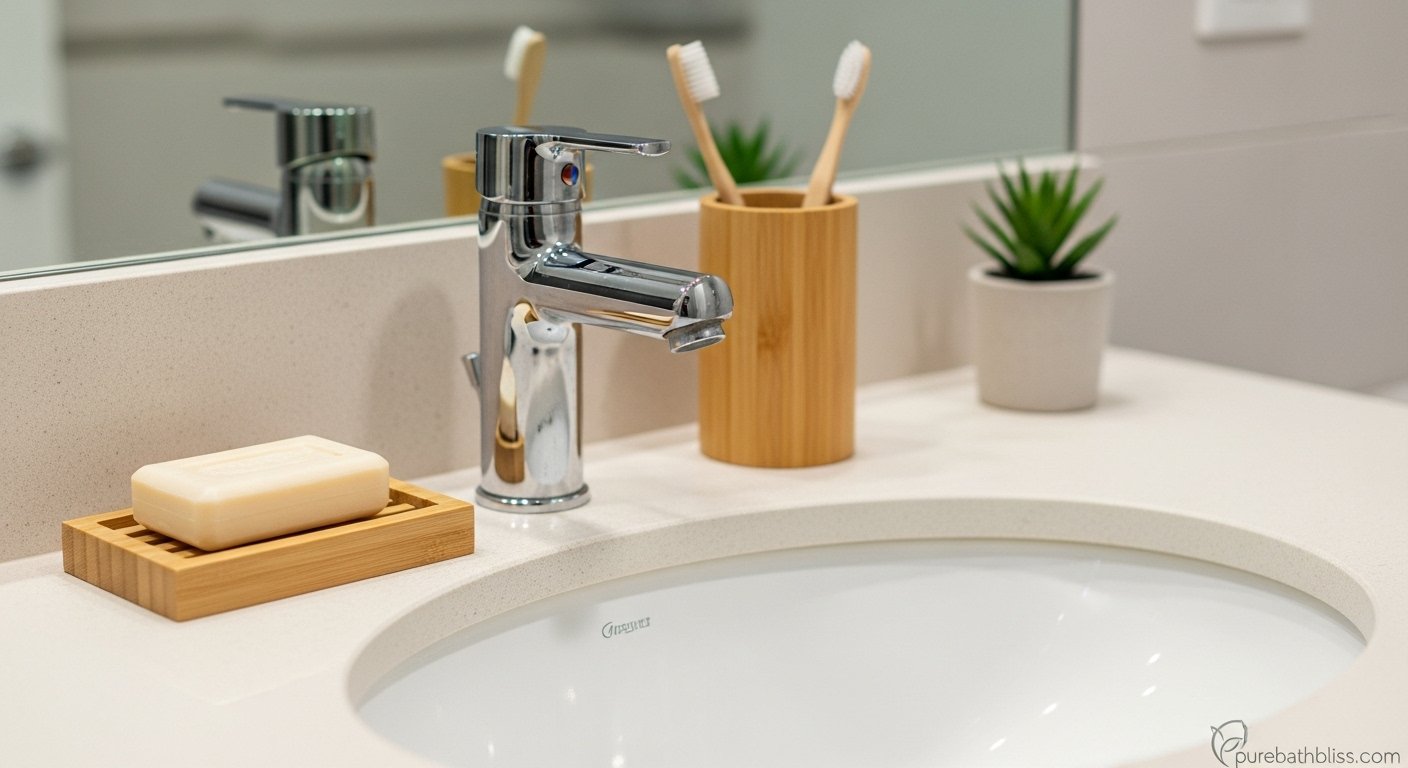
How to Prevent Bacterial Growth in Your Bathroom Sink Area
The bathroom sink area is a high-traffic zone where toothbrushes, soaps, and wet washcloths can create a breeding ground for bacteria if not managed properly. Bacterial growth around the sink can lead to odors, stains, and potential health risks, especially in humid bathrooms. By adopting simple hygiene practices, proper storage techniques, and effective ventilation, you can keep your sink area clean, dry, and bacteria-free. This guide shares practical tips to maintain a hygienic bathroom sink, complementing your efforts to prevent mold and maintain a clutter-free space.
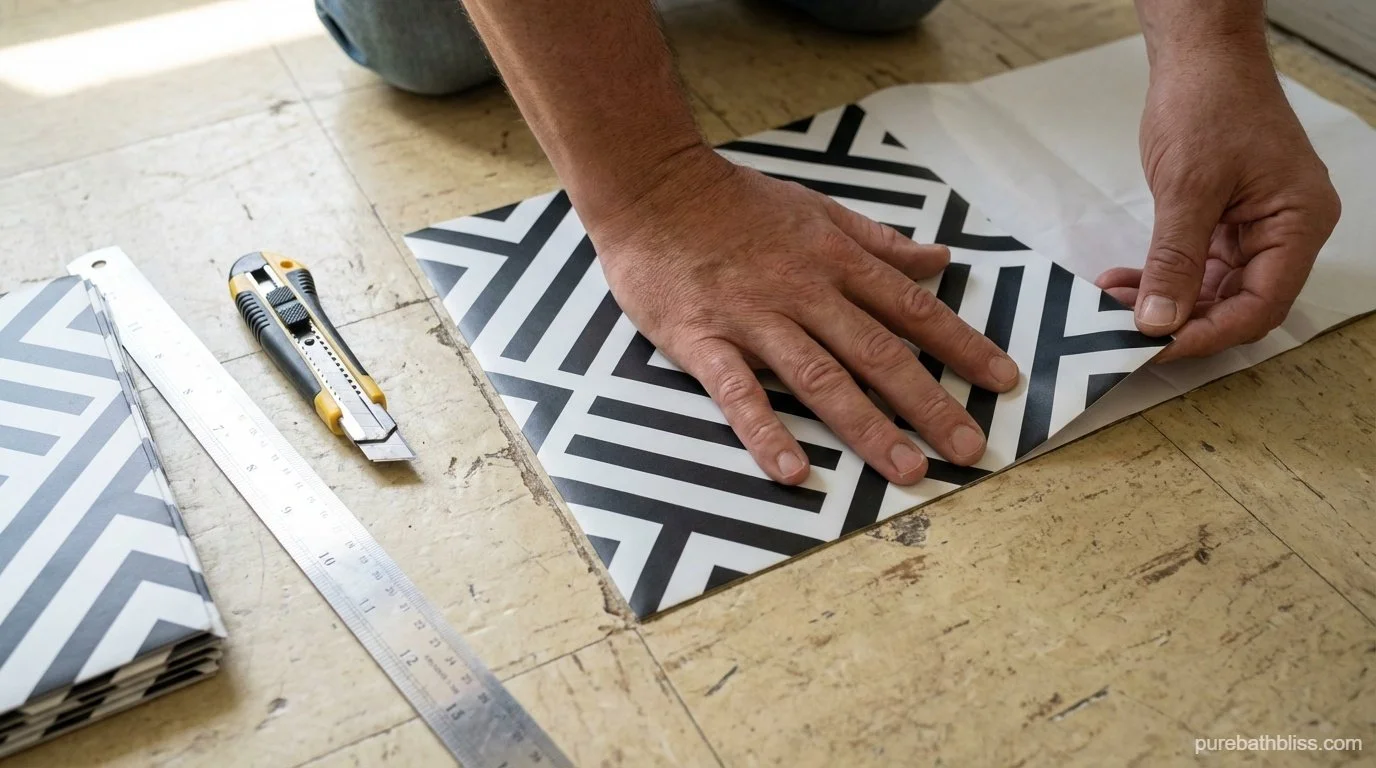
The Ultimate Guide to Renter-Friendly Bathroom Upgrades That Look High-End
Living in a rental (or a home you aren't ready to gut-renovate yet) often means living with someone else’s questionable design choices.
Maybe it’s the "landlord special" beige paint, the chipped linoleum floors, or a vanity light that looks like it belongs in a backstage dressing room circa 1985. You want a spa-like sanctuary, but your lease says "no permanent changes."
The good news? You don't need a sledgehammer to transform a space.
The era of "Renter-Friendly" design has exploded. We now have access to high-quality, removable materials that look and feel just like the real thing. You can cover ugly floors, swap outdated hardware, and upgrade your lighting—all without risking your security deposit.
Here is the PureBathBliss guide to the "No-Demo Renovation." These 5 upgrades are fully reversible, eco-conscious, and can be done in a single weekend.
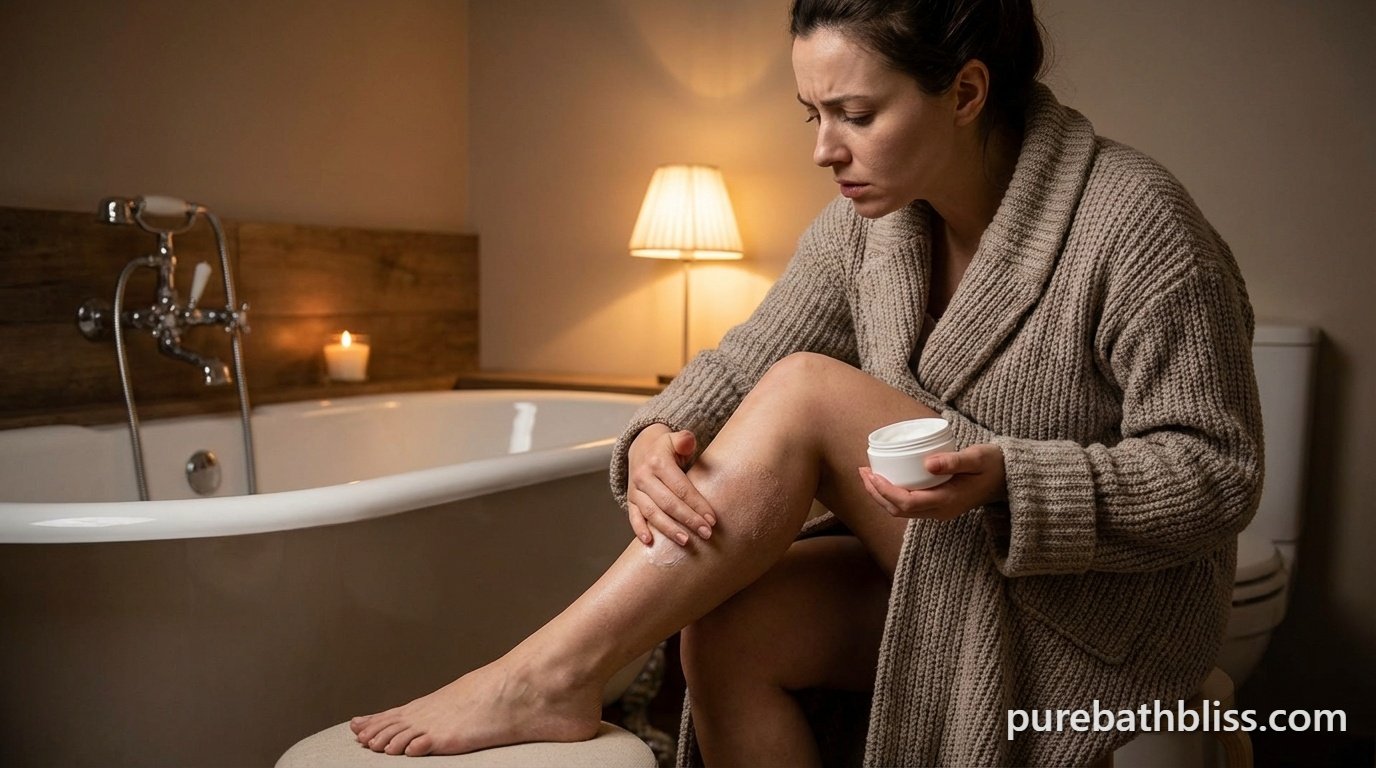
Why Do My Legs Itch After a Bath? The Ultimate Guide to Fixing "Winter Itch"
It is a cruel irony of the season: the colder it gets outside, the more you crave a hot, steaming bath to warm up. But the more you bathe, the itchier, tighter, and more uncomfortable your skin becomes.
If you have ever stepped out of the tub and felt like your skin was two sizes too small, or noticed white, snake-like scales on your shins, you aren't alone. You are experiencing a very real physiological condition known to dermatologists as Pruritus Hiemalis, or more commonly, "Winter Itch."
For many, the solution is to stop taking baths entirely—but we believe you shouldn't have to sacrifice your mental health ritual just to save your skin. You can absolutely bathe every day in January without turning into a lizard. You just need to understand the biology of your skin barrier.
Here are the 5 common mistakes disrupting your skin's ecosystem, and the science-backed ways to fix them.
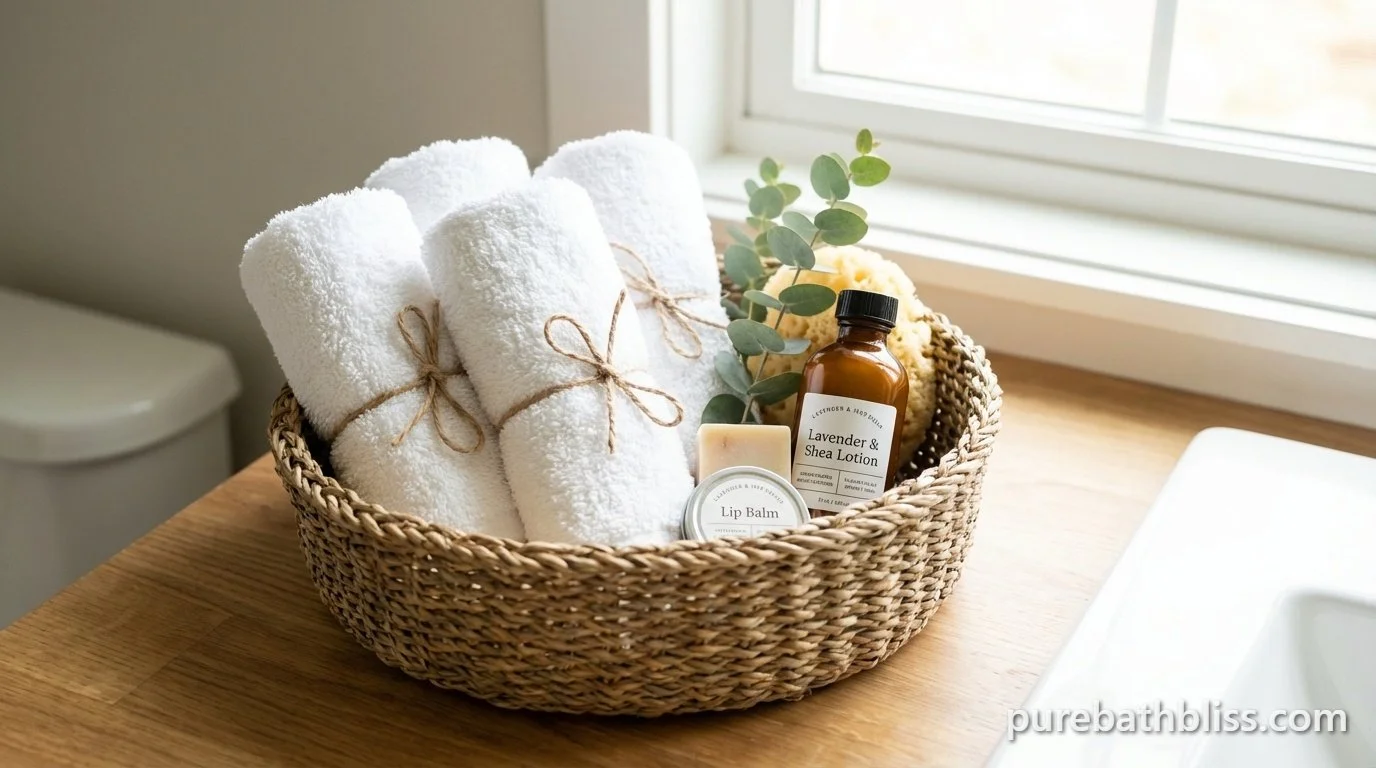
Is Your Bathroom Guest-Ready? The 5-Minute "Spa Upgrade" Checklist for Holiday Hosting
The holidays are here, which means your home is likely about to be filled with family, friends, and dinner guests. You have probably scrubbed the kitchen and fluffed the living room pillows—but have you checked the bathroom?
The bathroom is the one room where your guests will be alone, uninterrupted, looking at the details. It is also the room that can cause the most anxiety for hosts.
You don't need a renovation to impress your visitors. With just a few strategic tweaks, you can turn a standard powder room into a boutique hotel experience. Here is the 5-minute checklist to make your bathroom "guest-ready" on a budget.
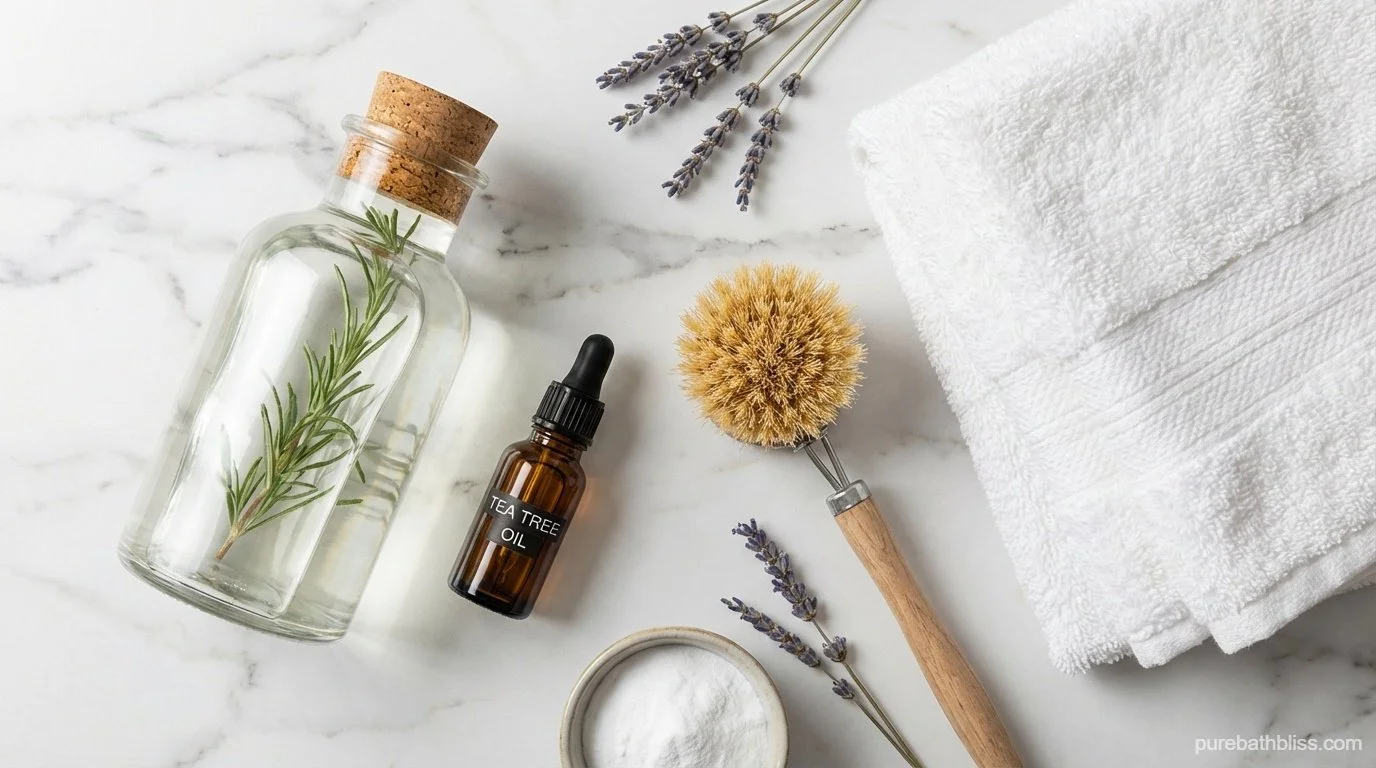
The 15-Minute Weekly Ritual to Keep Bathroom Mold Away (Without Bleach)
Let’s be honest: nobody wakes up on a Saturday morning excited to scrub grout.
For most of us, bathroom cleaning is a chore we dread, procrastinate, and then attack with aggressive chemicals in a frantic attempt to "nuke" the grime. We hold our breath, spray something that smells like a swimming pool, and scrub until our arms ache.
But here is the uncomfortable truth: if you are relying on bleach to keep your bathroom mold-free, you are fighting a losing battle.
Mold is not just "dirt." It is a living organism. When you blast it with chlorine bleach, you might bleach the color out of the surface spores (making it look clean), but the chemical structure of bleach prevents it from penetrating porous materials like grout or drywall. The result? The "roots" of the mold (hyphae) remain alive and well beneath the surface, feeding on the moisture left behind.
This is why that black spot in the corner of your shower keeps coming back, no matter how hard you scrub.
At Pure Bath Bliss, we believe in smarter, safer strategies. You don't need harsh toxins to maintain a sanctuary; you just need a better routine. By shifting from "reactive scrubbing" to "proactive maintenance," you can keep your bathroom perpetually fresh in just 15 minutes a week.
Here is the science-backed, eco-friendly ritual that will change your relationship with your bathroom—and save your grout.
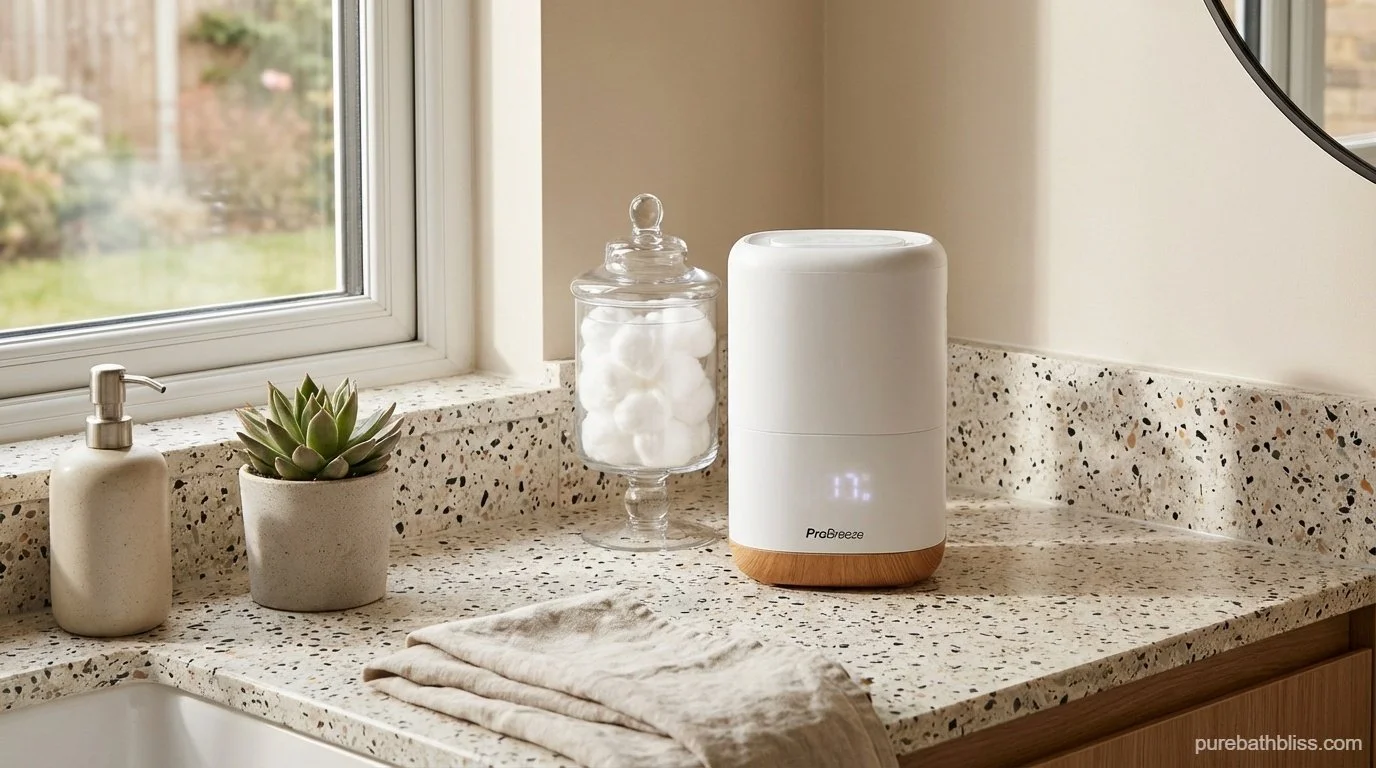
Dehumidifier vs. Exhaust Fan: Do You Really Need Both for a Healthy Bathroom?
You step out of the shower. The mirror is foggy. The air feels heavy. The towels are damp.
You flip the switch for the ceiling fan (which sounds like a jet engine taking off), but 20 minutes later, the room still feels like a swamp.
This is the "Bathroom Moisture Trap." And if you are trying to prevent mold naturally, this lingering humidity is your worst enemy.
We get this question constantly at PureBathBliss: "If I have an exhaust fan, why would I need a dehumidifier? Aren't they doing the same thing?"
The short answer is: No.
They are two different tools that solve two different physics problems. Depending on your home’s age, your climate, and your bathroom’s layout (especially if you are windowless), relying on just one might be the reason your grout keeps turning black.
Here is the definitive breakdown of the Fan vs. Dehumidifier debate—and how to know which one you actually need.

DIY Bamboo Toothbrush Holder from Scrap Wood (Zero Waste, 5-Minute Build)
Plastic toothbrush holders trap moisture, breed bacteria, and crack after months—build a wooden one from scraps for eternal, mold-free drying. In five minutes, drill holes into reclaimed bamboo or oak, oil for waterproofing, and mount a holder that airs bristles upright, extending brush life threefold. Free (or pennies), it saves 10 plastic versions from landfills while adding rustic charm to any sink. Customizable for families or solos, it fits standard bamboo brushes perfectly. Re-oil yearly for decades of use—no rust, no waste. Pair with compostable brushes for a fully sustainable smile station. This quick DIY elevates bathroom hygiene, supports local wood scraps, and slashes plastic pollution effortlessly. Drill once, smile forever: dry brushes, clear conscience, timeless style. (142 words) Expanded: Imagine raiding your garage for that forgotten wood piece, transforming it into a functional art that prevents drip messes and promotes oral health.
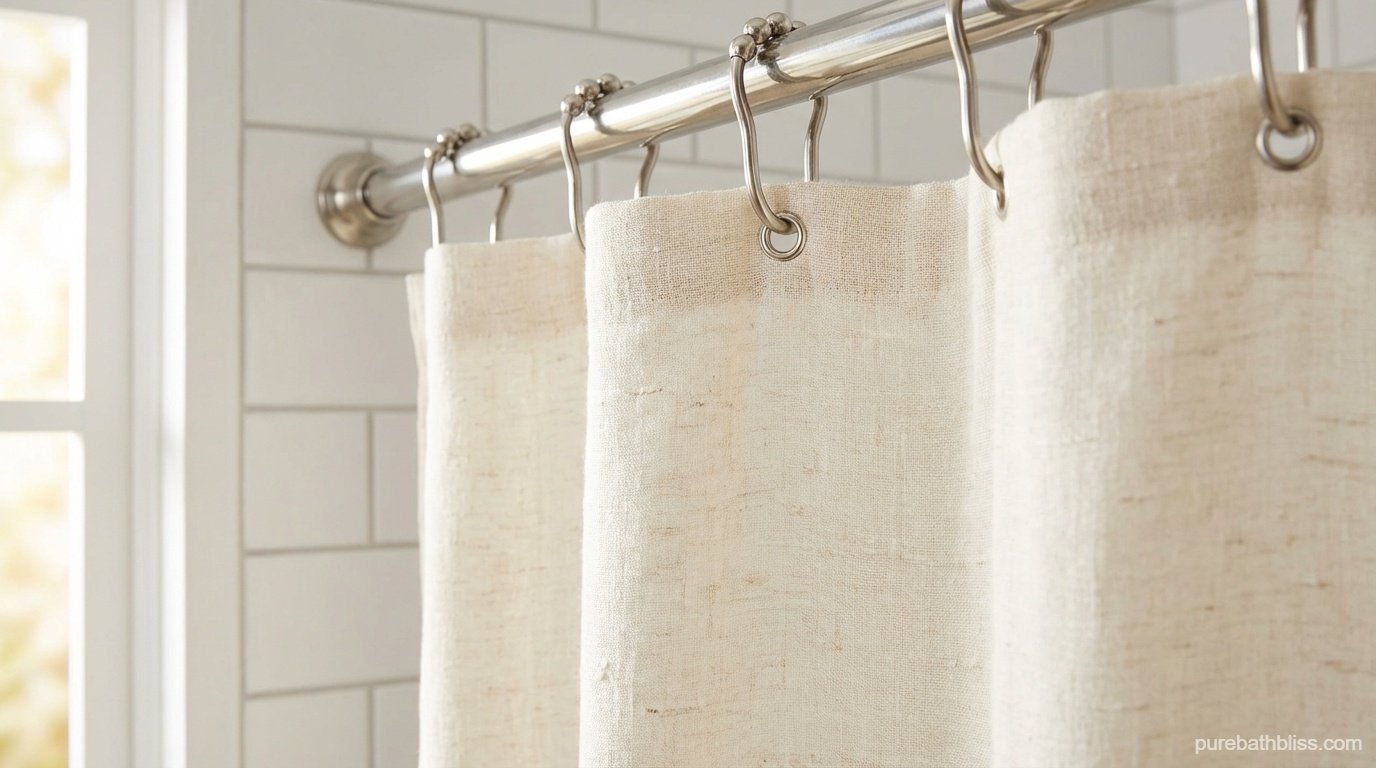
Why Your Shower Curtain Liner Might Be Polluting Your Indoor Air (And What to Buy Instead)
You know that distinct "new shower curtain smell"?
For years, we associated that sharp, chemical scent with cleanliness—a sign that we had successfully refreshed the bathroom. But if you have ever unpacked a cheap plastic liner and felt a slight headache or dizziness after hanging it up, your body was trying to tell you something.
That smell isn't "freshness." It’s off-gassing.
In our quest to create a healthy bathroom sanctuary, we often look at big-ticket items like ventilation fans or low-VOC paint. But sometimes, the biggest pollutant in the room is the $10 sheet of plastic hanging right next to your face while you shower.
The good news? Swapping it out is one of the cheapest, fastest, and most effective wellness upgrades you can make. Here is the definitive guide to navigating the confusing world of shower curtain materials, from the toxic to the truly pure.

Beyond Aesthetics: 7 "Bio-Filter" Plants That Scrub Toxins From Your Bathroom Air
You scroll through Pinterest and see it: a bathroom that looks less like a tiled box and more like a Balinese jungle spa. Lush vines trailing from the ceiling, ferns exploding with green in the corner. You want that look.
Then you look at your own bathroom. It’s small, humid, and has one tiny frosted window (or maybe no window at all). You assume any plant you bring in there is doomed to a slow, brown death.
You are wrong.
While it’s true that a cactus or a succulent will rot in a dark bathroom, there is a specific category of plants—Tropical Understory Plants—that actually prefer low light and high humidity. In the wild, they grow on the jungle floor, shielded from the sun by tree canopies, drinking in the mist. Your steamy, windowless bathroom is essentially their natural habitat.
Adding greenery isn't just about aesthetics (though it looks amazing). NASA studies show that these specific plants act as bio-filters, scrubbing toxins like formaldehyde and benzene from the air—toxins commonly found in toilet paper, cleaning products, and cosmetics.
Here are the 7 toughest, most beautiful plants that will thrive in your sanctuary, even if you don't have a green thumb.
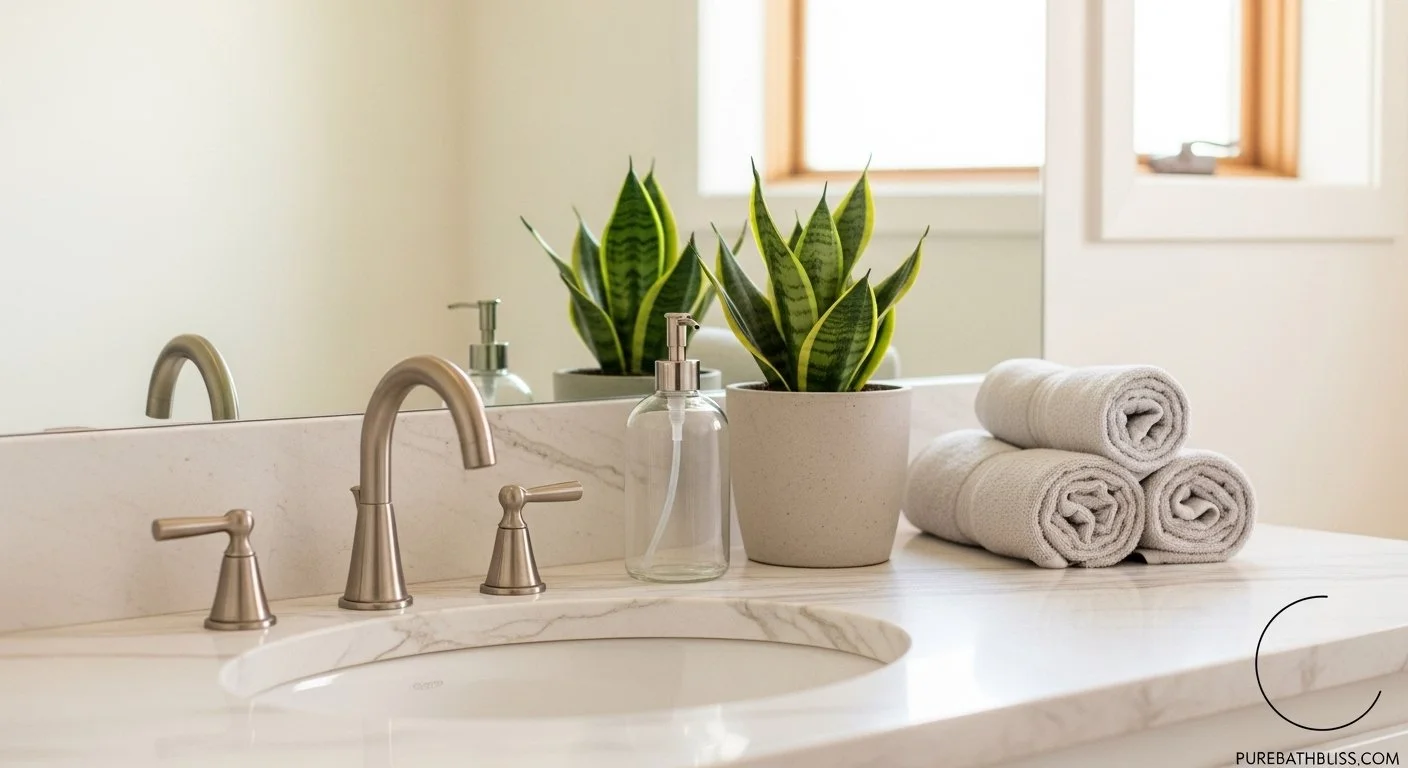
What Is the Ideal Type of Countertop for Your Bathroom?
Choosing the ideal bathroom countertop transforms your space, balancing style, durability, and functionality. With daily exposure to water, soap, and humidity, bathroom countertops must withstand wear while maintaining a hygienic, eco-friendly aesthetic. From natural stone to budget-friendly laminates, the best countertop depends on your budget, maintenance preferences, and design goals. This guide explores key factors and popular materials to help you find the perfect countertop for your sustainable bathroom.
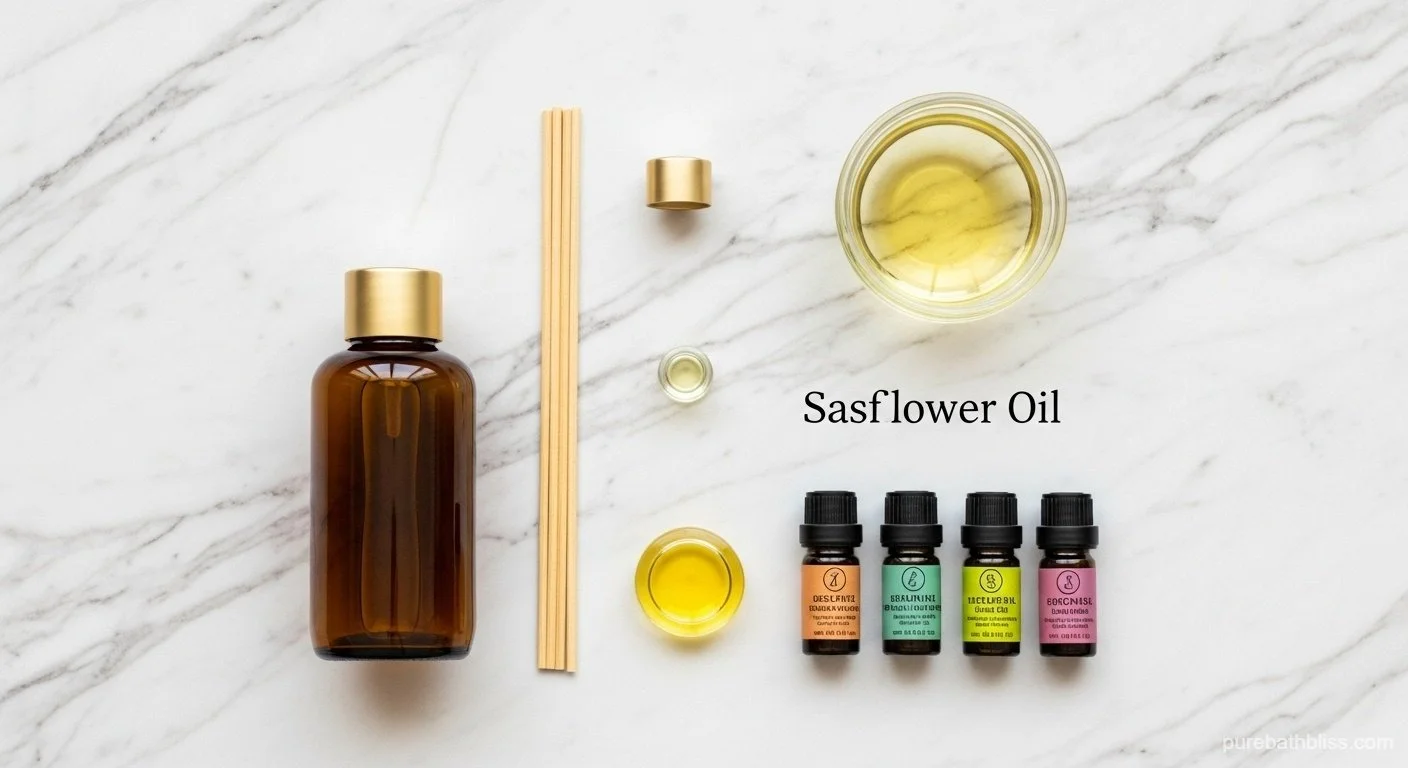
Stop Buying Aerosols: How to Make a Chic Reed Diffuser for Your Bathroom (For Pennies)
You know the panic. Someone’s coming over in ten minutes, the bathroom smells… human, and your hand instinctively reaches for the aerosol can of “Hawaiian Breeze.”
One blast later, everyone is coughing, your throat feels coated, and the room now smells like chemical pineapple covering up something worse.
There is a quieter, prettier, healthier way.
A reed diffuser works 24/7, releases zero VOCs or phthalates, costs literal pennies per month, and looks like something you’d find in a $400-a-night boutique hotel.
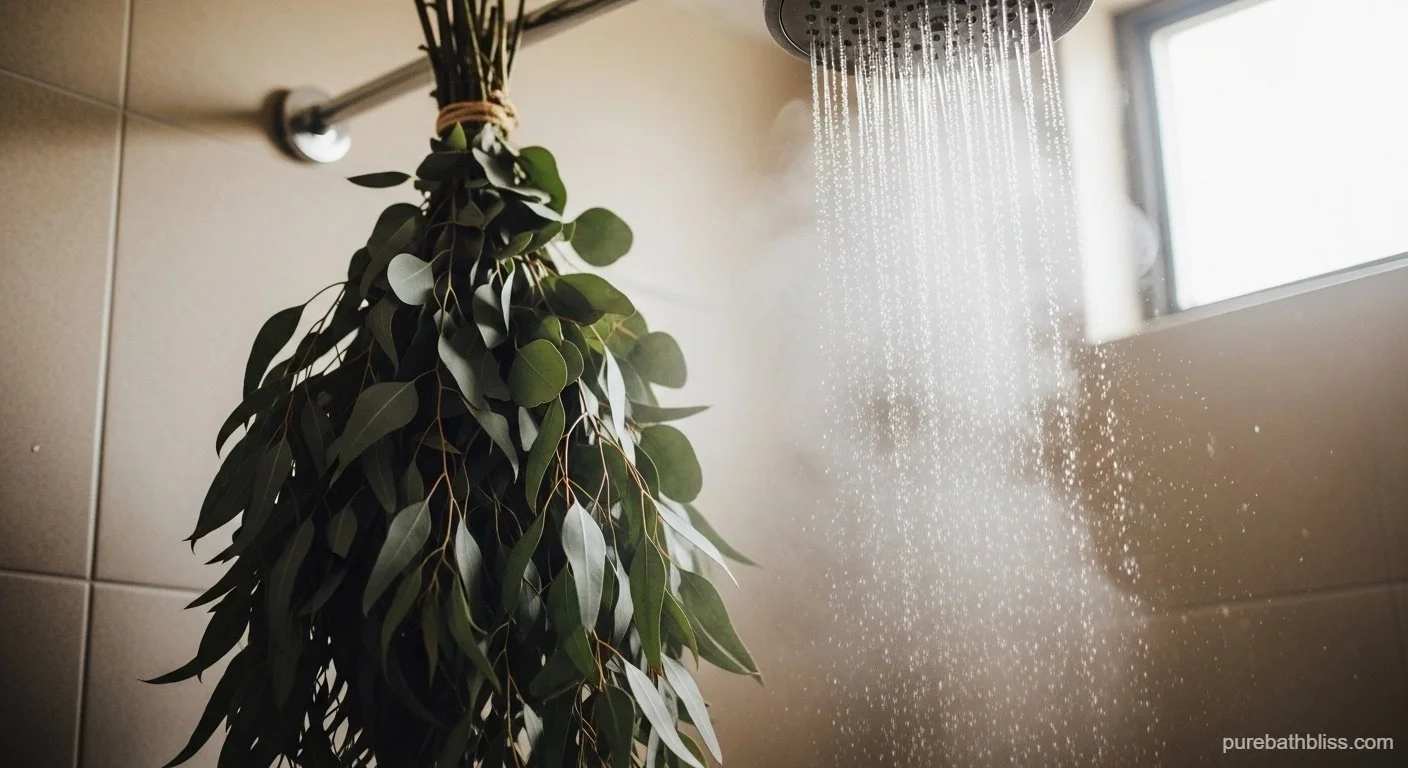
Why Everyone Is Hanging Eucalyptus in Their Shower (And How to Do It Correctly)
You’ve seen the photos: lush green eucalyptus cascading from a showerhead like a living chandelier. The steam rises, the scent hits, and suddenly your $80-a-month gym membership feels unnecessary.
It looks like pure decoration. It’s actually one of the simplest, most effective wellness upgrades you can make all winter.
When done right, a single $10 bundle turns every shower into an aromatherapy session that clears your sinuses, drops your blood pressure, and makes January feel bearable.
When done wrong it becomes a mold factory and a pet hazard.
Here’s exactly how to do it right.

Breathe Easy: The Ultimate Guide to Bathroom Air Quality, Ventilation, and Healthy Ambiance
Close your eyes and picture a "clean" bathroom. What do you smell?
For most of us, the answer is a cocktail of bleach, artificial pine, or "Ocean Breeze" air freshener. We have been conditioned to believe that a sterile, chemical scent equals hygiene. But the truth is, a truly clean bathroom smells like... absolutely nothing.
The air quality in your bathroom is arguably the most critical environmental factor in your home. It is a space where high humidity meets chemical cleaners, creating a "toxic soup" of Volatile Organic Compounds (VOCs) that can be more polluted than the air outside your front door.
This invisible threat doesn't just damage your lungs; it creates the perfect breeding ground for mold, which silently destroys your home’s infrastructure. If you have ever scrubbed black spots off your grout only to see them return a week later, you don't have a cleaning problem—you have an air problem.
True Pure Bath Bliss isn't just about a sparkling tub or organic cotton towels. It’s about the air you breathe while you soak.
This master guide is your blueprint for transforming your bathroom from a damp, chemical-laden box into a healthy lung for your home. We will break down the physics of ventilation (including the math most contractors get wrong), the strategy for banishing mold before it starts, and how to create a spa-like ambiance without toxic aerosols.
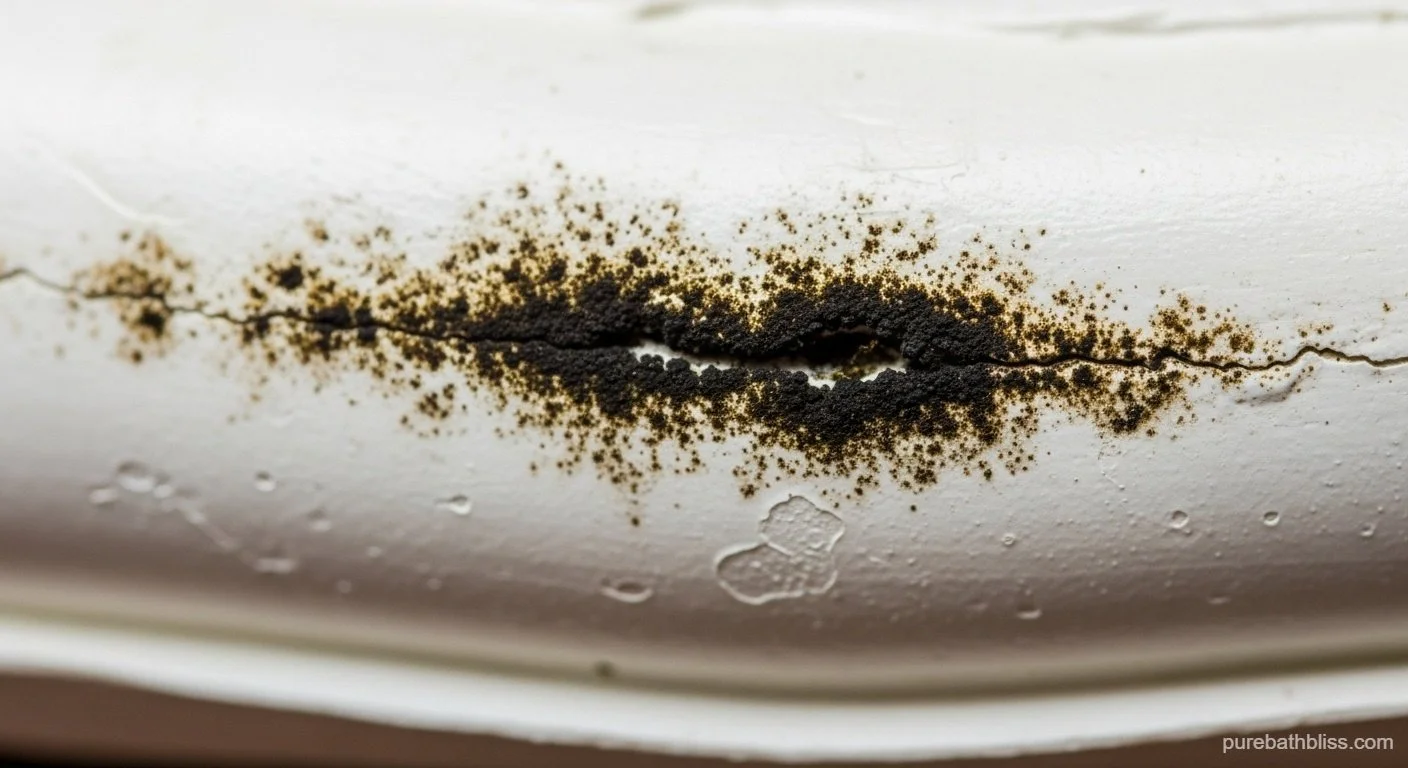
Why Is My Bathroom Caulk Turning Black? (The Mold Cycle & Natural Fixes)
You’ve scrubbed it with bleach. You’ve attacked it with a toothbrush. Two weeks later, the black (or pink) spots are back, mocking you from the tub-tile seam.
That’s not dirt. That’s mold living inside your caulk.
Here’s exactly why it happens, why bleach is making it worse, and the only two real solutions—one natural cleaning method that works, and one decisive replacement protocol when cleaning is no longer enough.
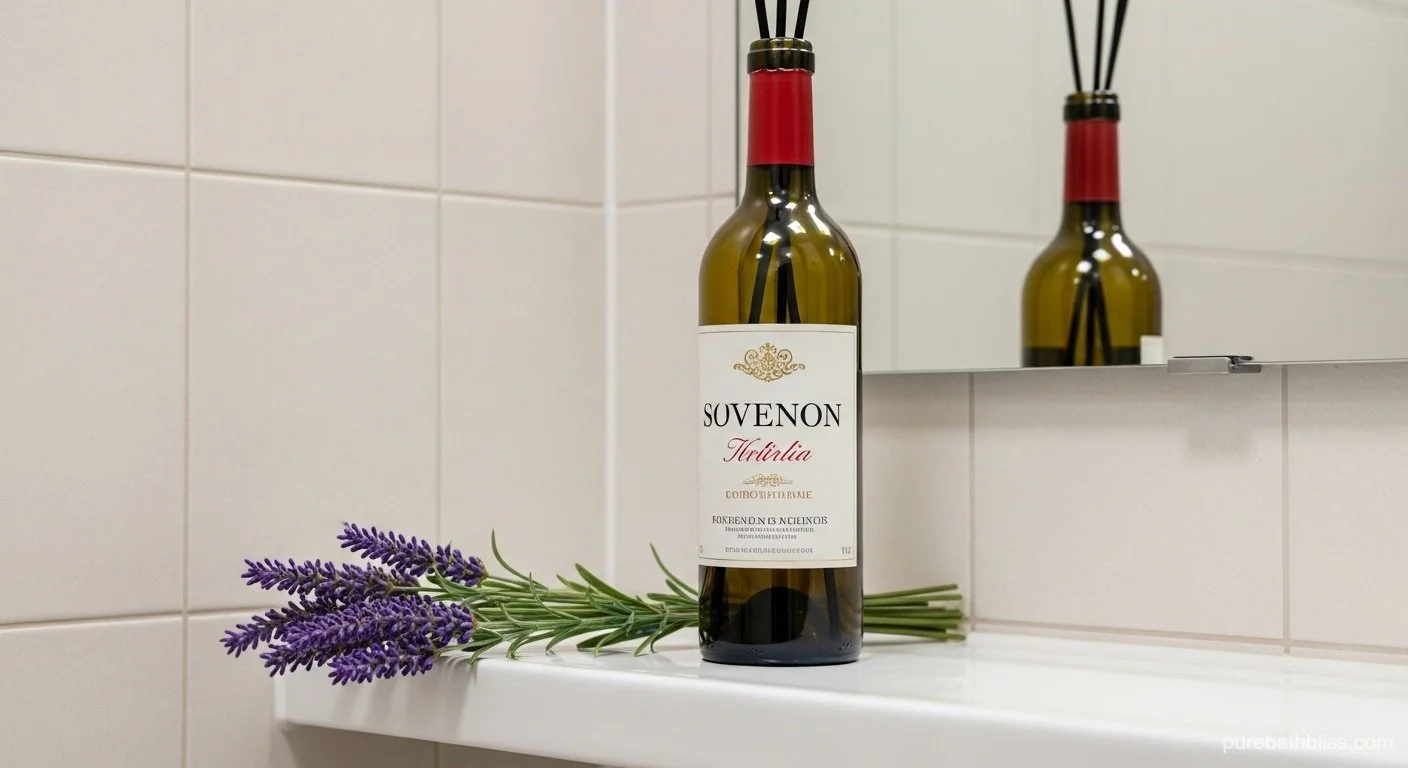
DIY Reed Diffuser with Upcycled Wine Bottle (Zero Waste, 3-Month Scent)
Store diffusers spew synthetics from plastic, needing constant refills—upcycle a wine bottle into a 90-day reed diffuser for $3 of endless, alcohol-free aroma. Bamboo skewers wick carrier oils infused with lavender or citrus, scenting spaces naturally without flames or electricity. 10 minutes to assemble: clean bottle, mix oils, insert reeds—flip weekly for fresh bursts. Refill forever, replace reeds quarterly, or miniaturize for calm travel. Dark glass preserves potency; add vodka for faster wicking. Gift mini versions or customize blends for energy/mood. This swap banishes VOCs, reduces bottle waste, and fills homes with therapeutic air. Breathe deeply, relax fully, and toast to trash-turned-treasure serenity. Perfect for bedrooms or offices, it outlasts $30 commercial ones while supporting zero-waste vibes.
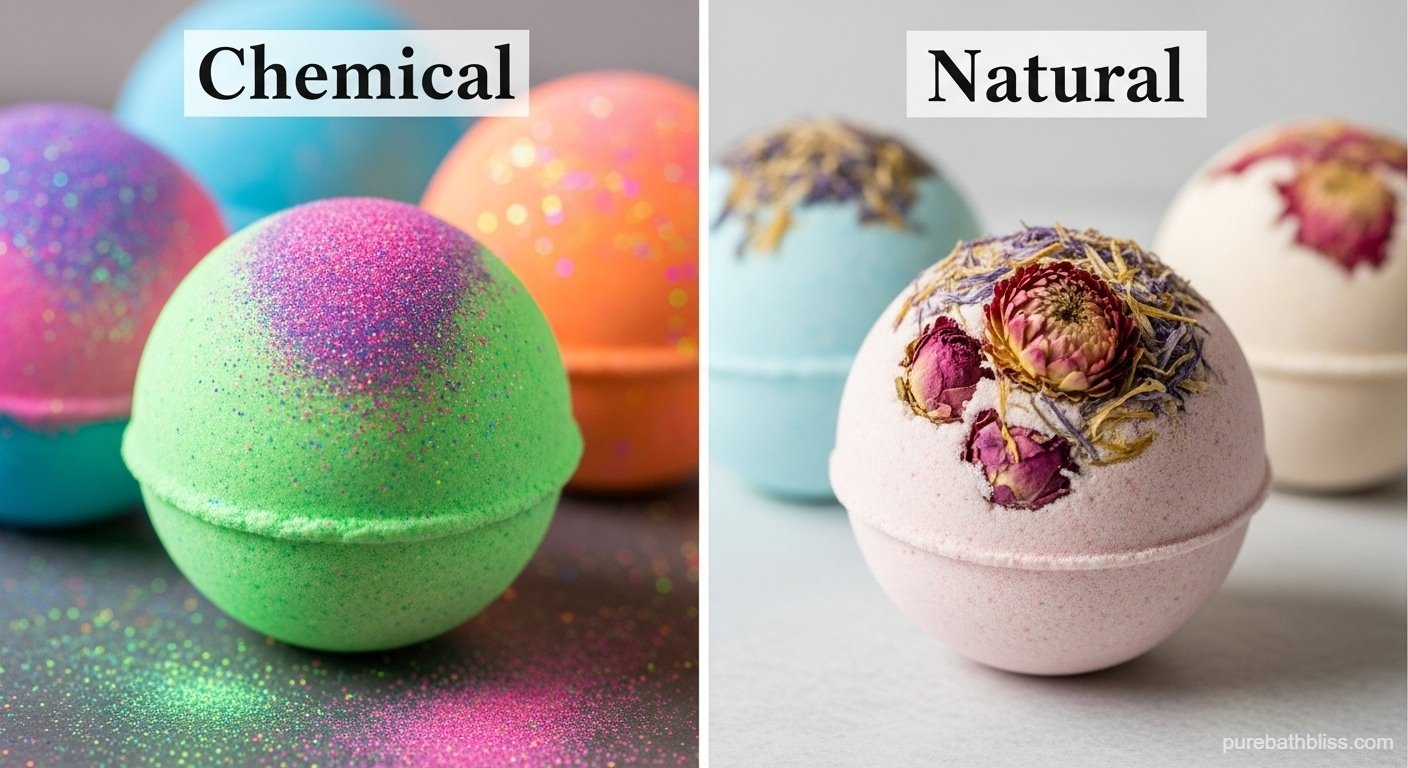
Are Bath Bombs Safe for Kids? The Ingredients to Avoid and 3 DIY Recipes
It is the highlight of bath time. You hand your child a brightly colored sphere, they drop it into the water, and the tub erupts in a symphony of fizz, foam, and neon color. Their eyes light up. For five minutes, it’s pure magic.
But then the water settles, turning a murky shade of purple. The scent of artificial grape fills the small bathroom. And later that night, you notice dry patches on their legs, or they complain of itching in sensitive areas.
As a parent trying to maintain a non-toxic home, you have to ask: Is sitting in that chemical fizz for twenty minutes actually safe for developing systems?
The short answer is that most commercial, brightly colored bath bombs are not designed for the sensitive skin of children. They are often packed with ingredients that can disrupt pH balance, trigger eczema, and cause irritation. However, that doesn't mean you have to be the "boring parent" who bans the fizz completely.
This guide will explain the hidden risks of store-bought bombs, the exact ingredient names to ban from your shopping cart, and how to make your own safe, natural versions at home for pennies.
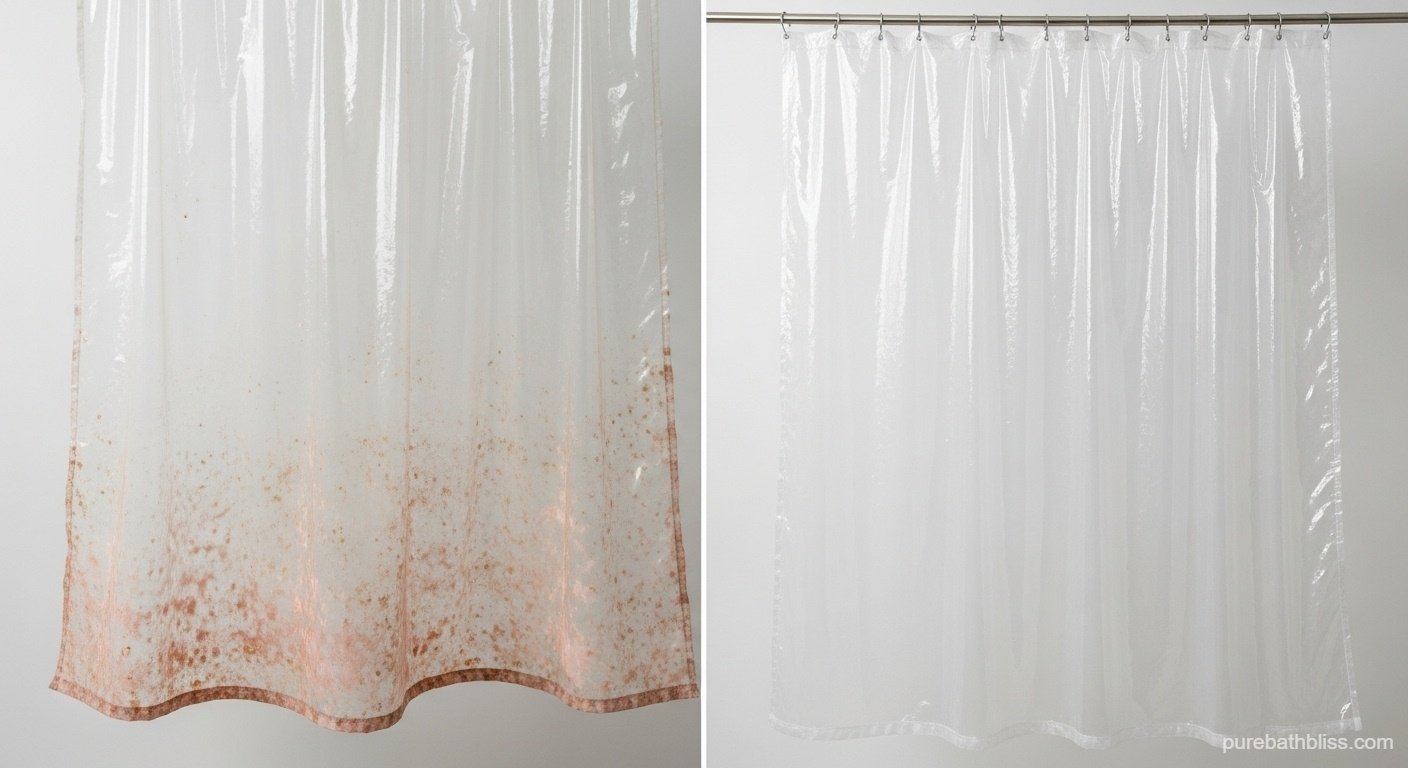
How to Naturally Clean Your Shower Curtain Liner (Without a Washing Machine)
You know the moment. You pull the curtain open and there it is: orange-pink slime marching up the bottom hem, black speckles in the folds, and a general cloudy haze that screams “replace me.” Most people rip it down, toss it in the trash, and buy another $6 plastic liner. But that liner isn’t trash yet—and throwing it away is literally sending non-recyclable plastic straight to landfill.
In 20 minutes, using ingredients you already have, you can make it look brand-new again. No washing machine, no bleach, no tears in the plastic.
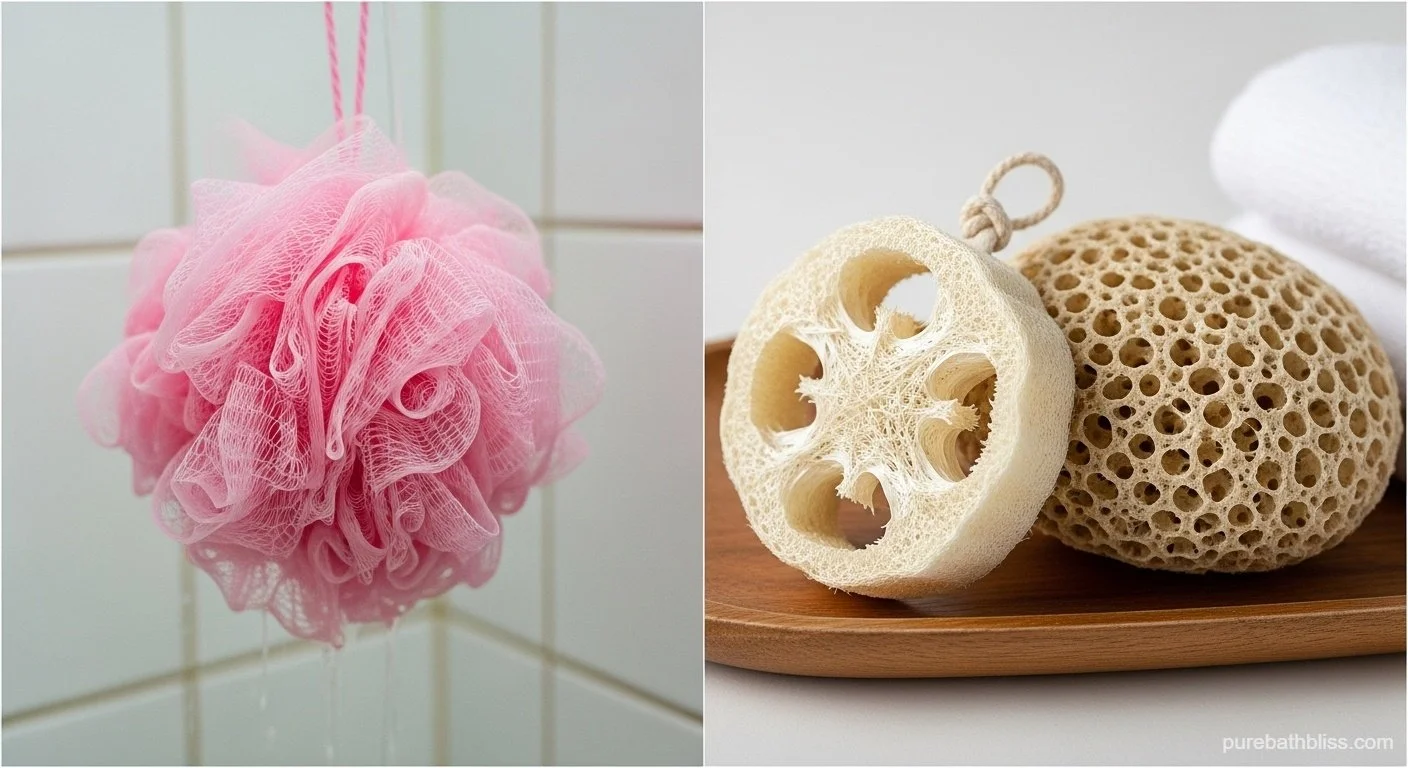
Why Your Plastic Loofah Is a Bacteria Trap (And the 3 Best Natural Swaps)
It hangs in millions of showers across the world: that bright, fluffy ball of plastic mesh. It costs $2, creates a mountain of lather, and feels like a shower essential.
But dermatologists and microbiologists have a different name for your plastic loofah: a "bacteria hotel."
The tool you use to get clean is likely the dirtiest thing in your bathroom. Because of its design and material, a plastic pouf is virtually impossible to fully clean, trapping dead skin and moisture in a cycle that breeds bacteria faster than you can rinse it away.
If you are curating a Pure Bath Bliss sanctuary—one focused on hygiene, health, and sustainability—that plastic ball has to go. This guide explains exactly why it’s time to toss the pouf, the environmental toll of those plastic micro-threads, and the three luxurious, natural alternatives that will upgrade your scrub instantly.
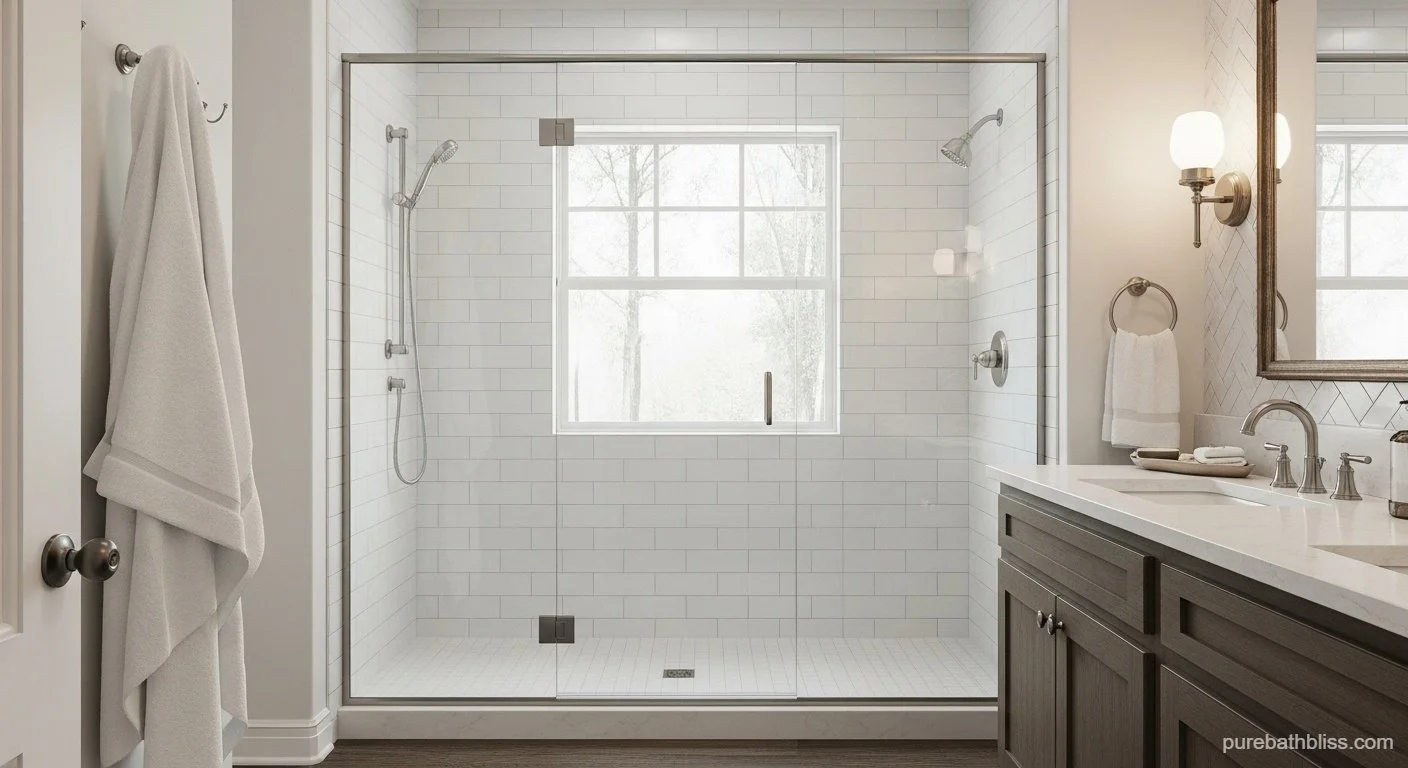
Foggy to Flawless: How to Remove Hard Water Stains from Shower Glass Naturally
You scrub the tiles, you wipe the fixtures, you even polish the chrome… and your glass shower door still looks permanently fogged. Those cloudy white spots aren’t soap scum. They’re limescale—mineral armor made of calcium and magnesium carbonate that laughs at regular cleaners.
The good news? You can dissolve it completely, safely, and naturally—and keep it gone forever.
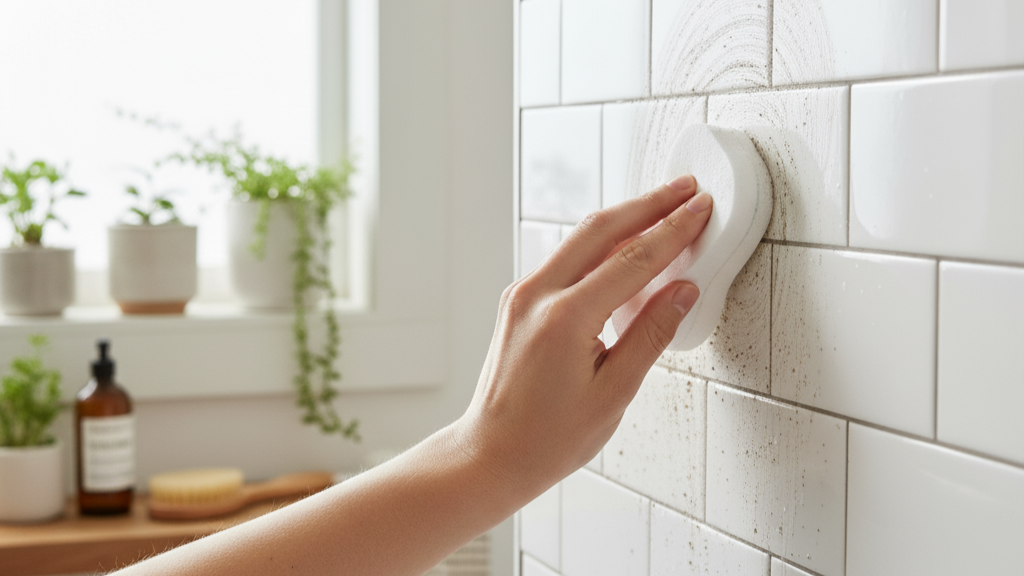
Pros and Cons of Using a Magic Eraser in Your Bathroom!
Magic erasers, made from melamine foam, are a popular cleaning tool for tackling tough stains in bathrooms. Their sponge-like texture works like ultra-fine sandpaper, removing grime without harsh chemicals. While they’re effective for scrubbing tiles, sinks, and shower doors, they have limitations and potential risks. Understanding the pros and cons of using a magic eraser in your bathroom can help you decide if it’s the right tool for your cleaning routine, ensuring a hygienic, sparkling space.