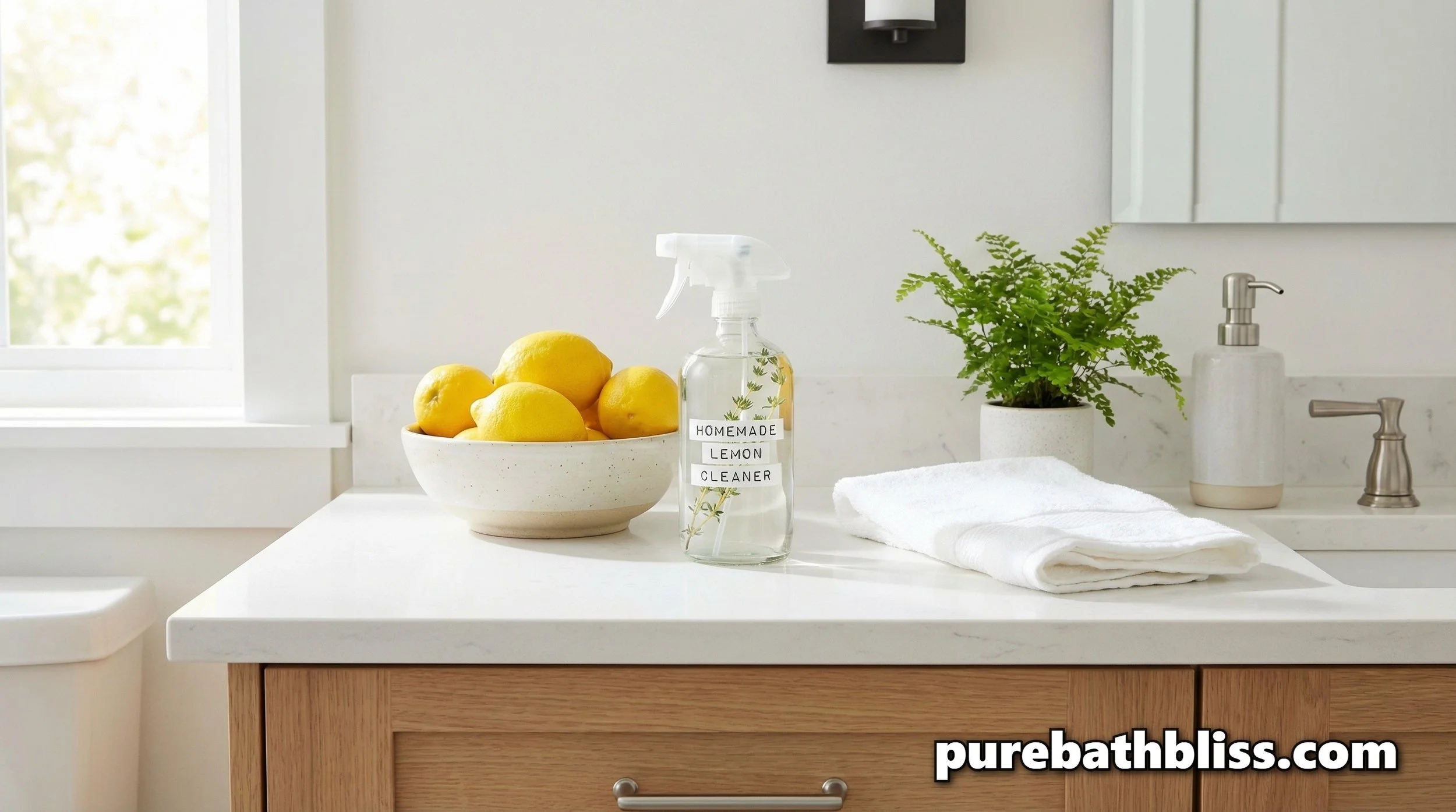
11 Ways to Clean Your Entire Bathroom with Just a Lemon
There is a lemon sitting in most people's kitchens right now that could clean their bathroom better than half the products under the sink. That is not an exaggeration. The citric acid in lemon juice is one of the most effective naturally occurring descalers and soap scum dissolvers available, and it does something that most commercial bathroom cleaners cannot: it smells genuinely wonderful while it works.
I started using lemon regularly in the bathroom after going through the process of simplifying our cleaning products. We had accumulated an absurd collection of specialty sprays and I wanted to understand what each one was actually doing chemically. What I found was that a significant portion of bathroom cleaning boils down to dissolving alkaline mineral deposits with acid, which is exactly what citric acid does, at roughly 5 to 8 percent concentration in a fresh lemon.
Here are eleven practical applications, including the specific technique for each one, the science behind why it works, and the two important warnings about surfaces you should never clean with lemon.
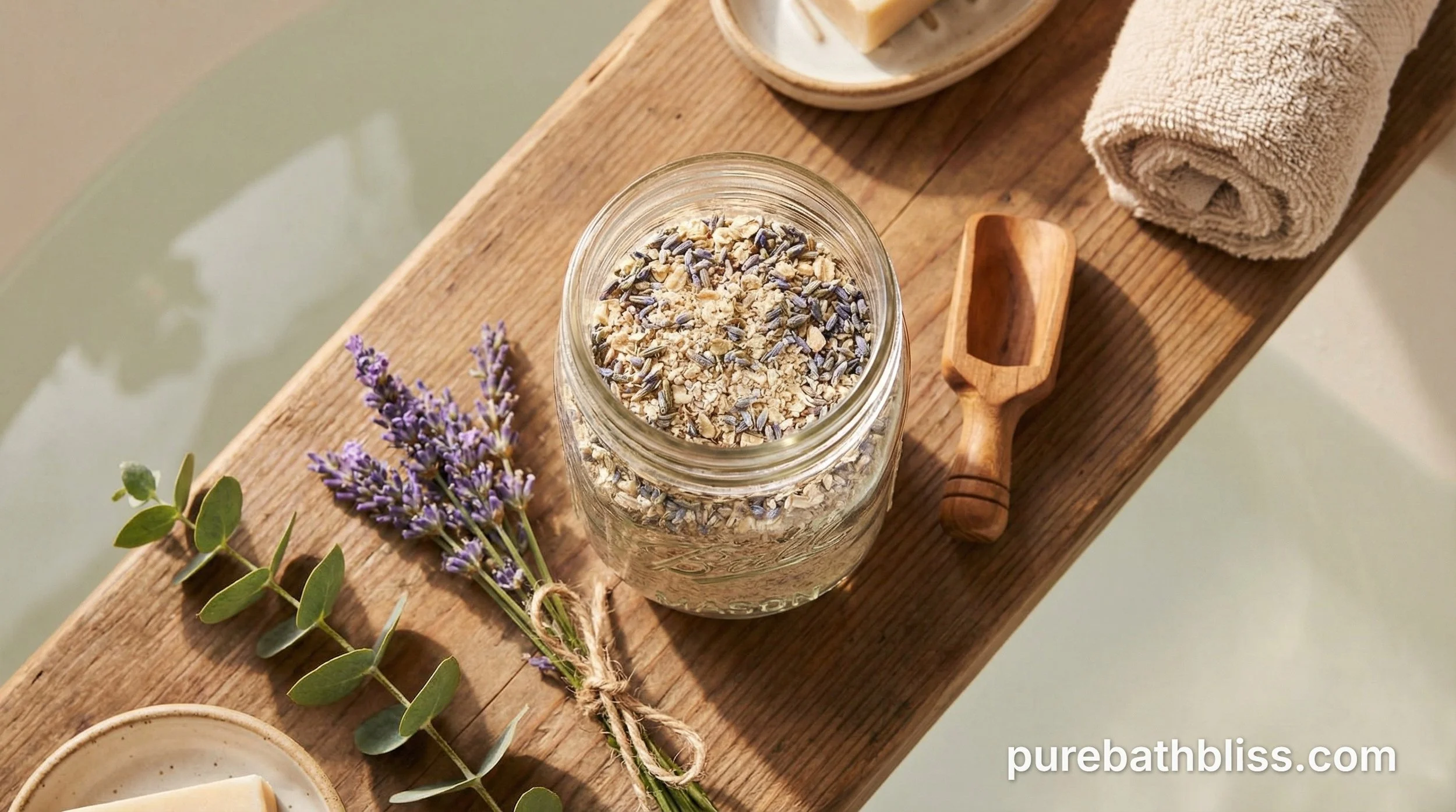
DIY Lavender Oat Bath Soak: A Zero-Waste Spa Ritual in 15 Minutes
In a world of "fast beauty" and plastic-laden bath bombs, there is something deeply grounding about making your own self-care products. If you’ve been following our journey into creating a [Zero-Waste Sanctuary], you know that the bathroom is often the biggest source of hidden plastic in the home.
From synthetic fragrances to microplastics in exfoliants, the average "relaxing bath" can be quite hard on the environment. This guide isn't just a recipe; it's a deep dive into the philosophy and science of the Lavender Oat Bath Soak.
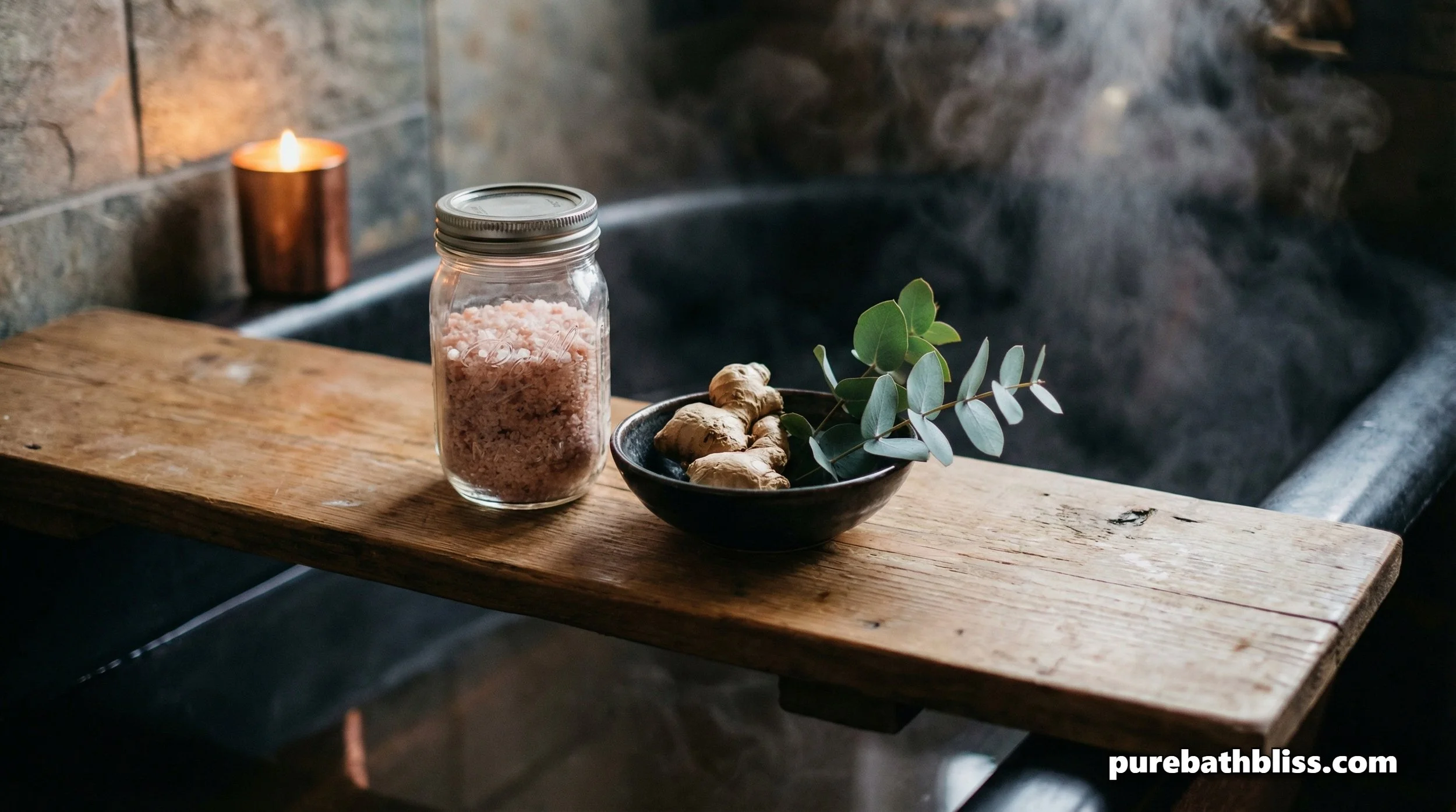
The "Sick Day" Detox Bath: A Masterclass in Eucalyptus & Ginger Hydrotherapy
January in a Sustainable Sanctuary is a season of recovery. Between the post-holiday "crash" and the peak of the winter cold cycle, our bodies often feel like they are operating under a layer of thick fog. When the aches set in and the sinus pressure mounts, you don't need a cabinet full of synthetic flu syrups; you need a mechanical reset of your internal systems.
This DIY "Sinus Saver" soak is more than a bath, it is a functional hydrotherapy treatment. By combining the muscle-melting power of magnesium with the decongestant vapors of eucalyptus and the thermogenic heat of ginger, we are creating a "steam room in a jar" designed to break a fever, open the airways, and flush the lymphatic system.

The "January Reset": The Ultimate Guide to Detoxing Your Bath Routine for a Healthier Year
By the time January rolls around, most of us are feeling the "holiday hangover." We aren't just talking about the aftermath of New Year’s Eve champagne; we mean the cumulative exhaustion of a month filled with sugary treats, late nights, family stress, and biting cold weather. Our skin looks dull, our energy is low, and our minds are cluttered.
While "New Year, New Me" resolutions often feel overwhelming (and are frequently abandoned by February), upgrading your evening ritual is a sustainable change that yields immediate results. You don't need a week at an expensive Swiss retreat to hit the reset button; you just need to be intentional with your bathtub.
This isn't just about getting clean. It is about hydrotherapy—using water to heal, restore, and reset. Here is your comprehensive guide to turning your nightly soak into a wellness powerhouse that detoxes both your body and your mind.
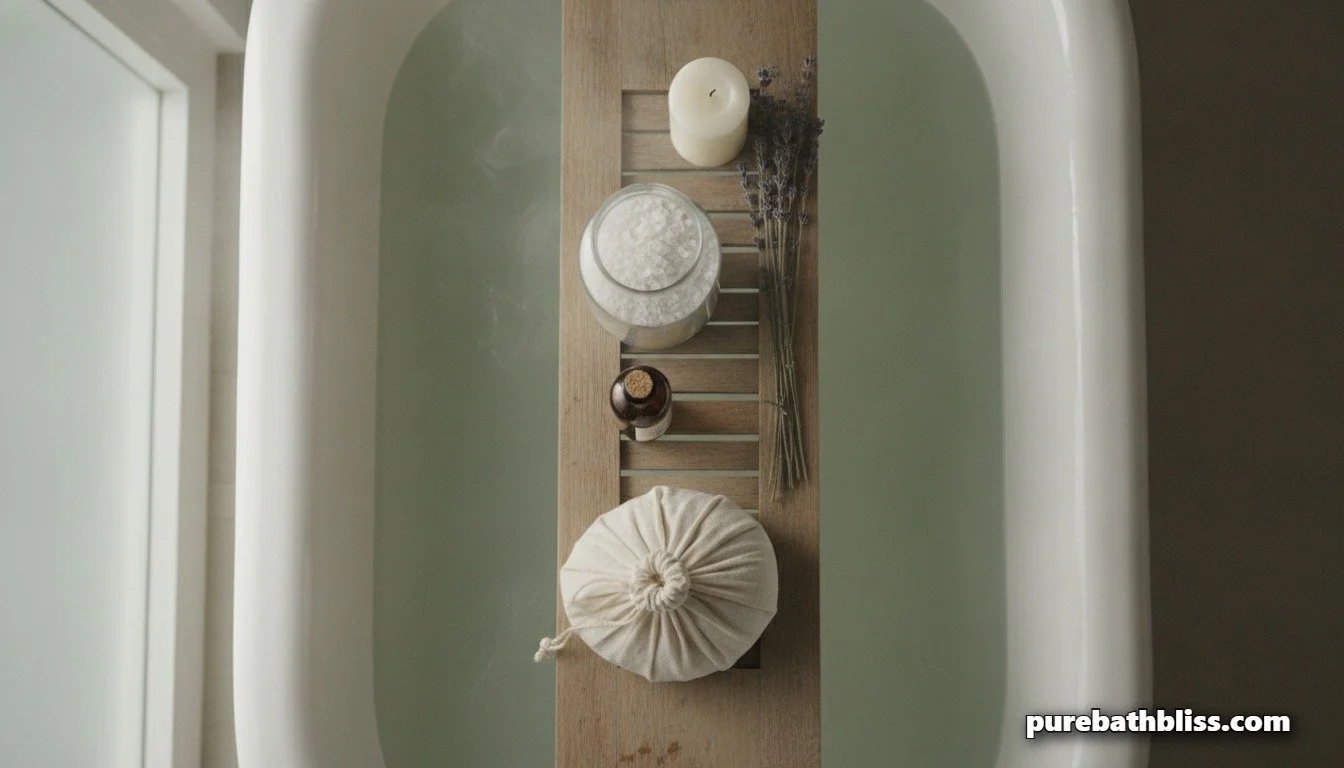
Epsom Salt vs. Magnesium Flakes: The Ultimate Guide to a Therapeutic Detox Bath (A Science-Backed Guide)
Epsom salt (magnesium sulfate) and magnesium flakes (magnesium chloride) both deliver magnesium through your bath water, but they differ in chemistry, how readily your skin absorbs them, and what each one does best. Epsom salt is better for drawing out swelling and muscle soreness; magnesium flakes are better for skin hydration, sleep support, and deeper mineral replenishment. Read on for the full breakdown — including the exact recipe and temperatures that actually matter.
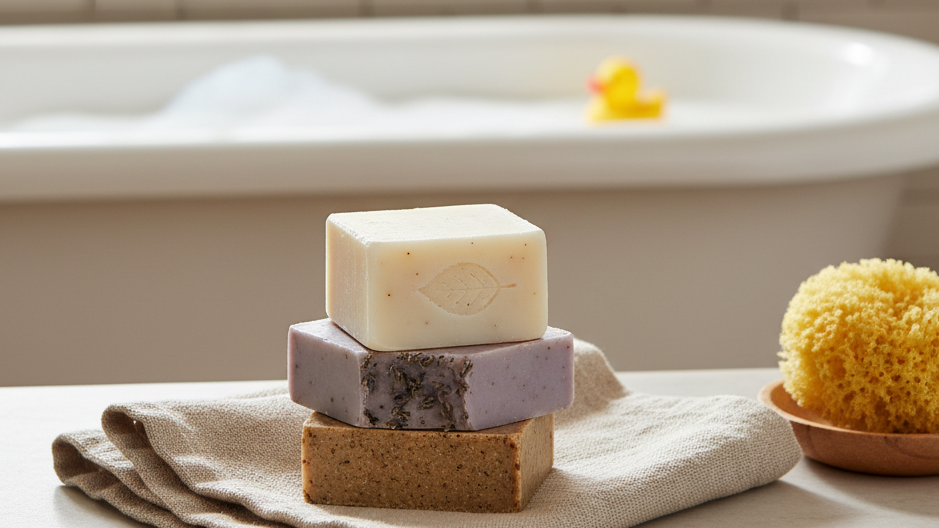
Are Bars of Soap Safe for Babies? The pH Problem Most Parents Don't Know About
The answer most parents expect is yes with caveats. The answer the research gives is more specific than that. A 2025 study published in the Journal of Pediatrics tested bar soaps marketed for children and found pH values between 8 and 11, far outside the infant skin's physiological range of 5.5. Here is what that means practically and what to use instead at every age.
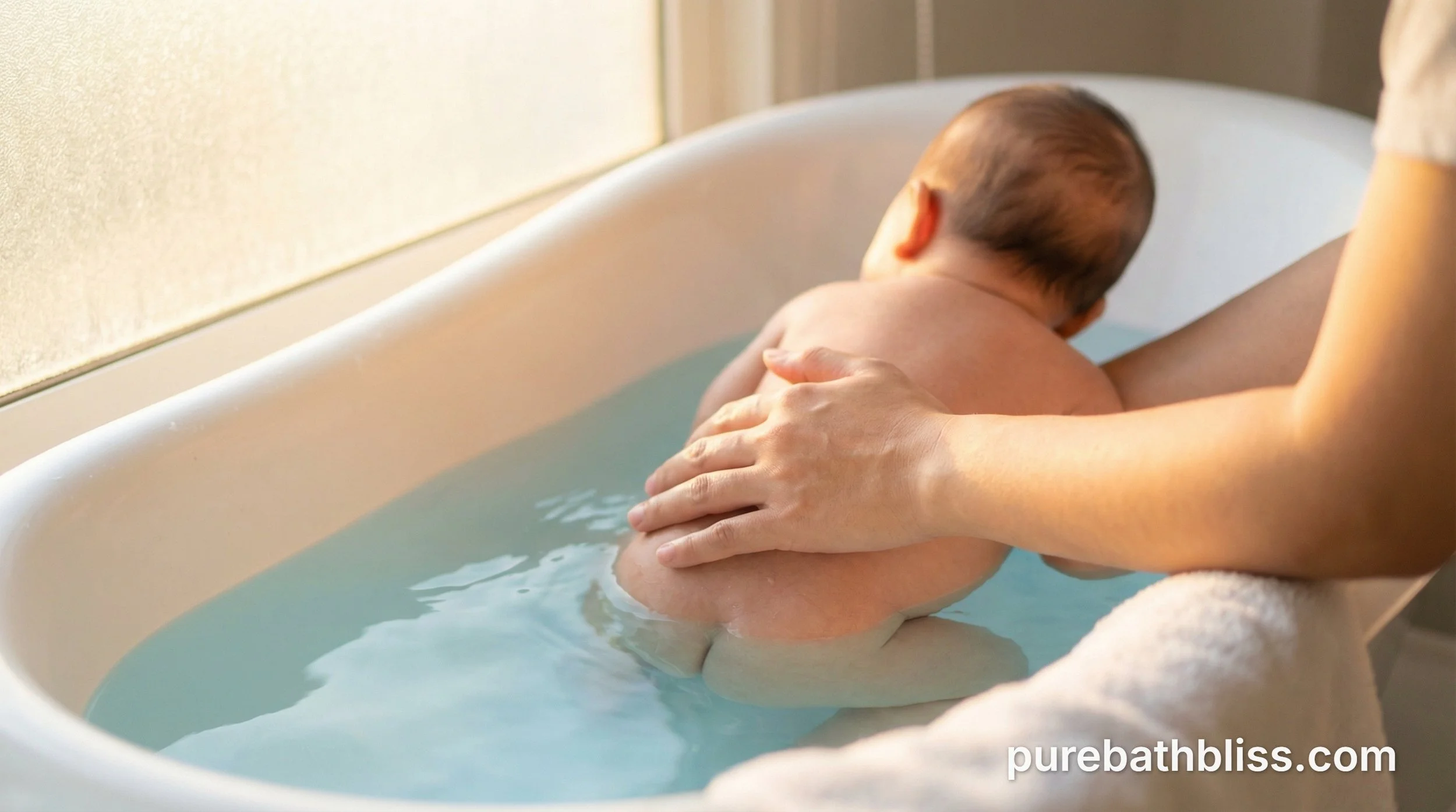
Baby Bath Safety Guide: Creating a Secure & Serene Splash Time
For many parents, bath time is a highlight of the day—a chance for giggles, bubbles, and bonding. But let’s be honest: wet porcelain, slippery skin, and water can also make it a source of anxiety.
At PureBathBliss.com, we believe that a "blissful" bathroom is, first and foremost, a safe one. Whether you are bathing a newborn in the sink or a toddler in the big tub, this guide covers the essential protocols for 2025, blending strict safety standards with our signature eco-friendly approach.
Here is how to turn potential panic into a peaceful, secure ritual.
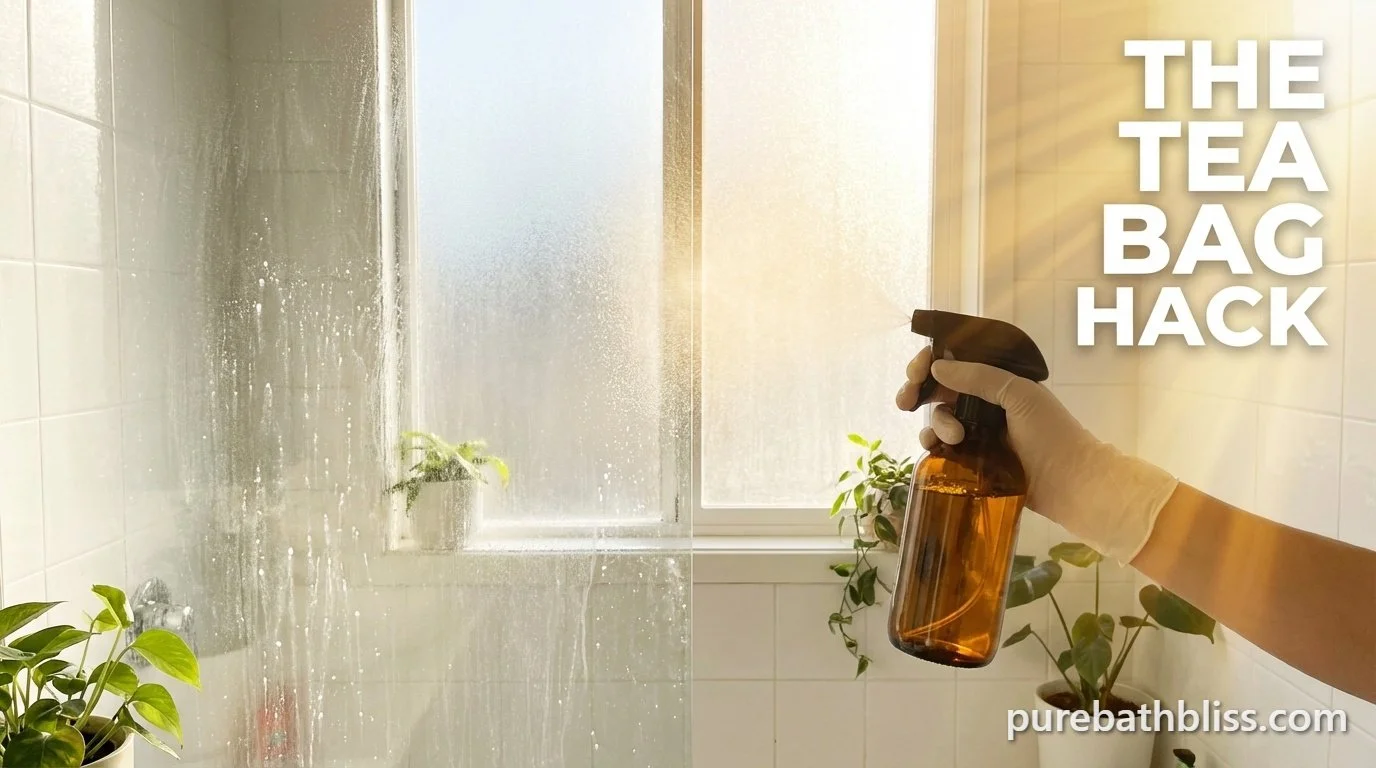
Stop Scrubbing: Why Black Tea (Yes, Tea) Is the Secret to Streak-Free Shower Glass
Stop using harsh chemicals. Learn why tannic acid in black tea dissolves soap scum and hard water spots, and see the before/after results.
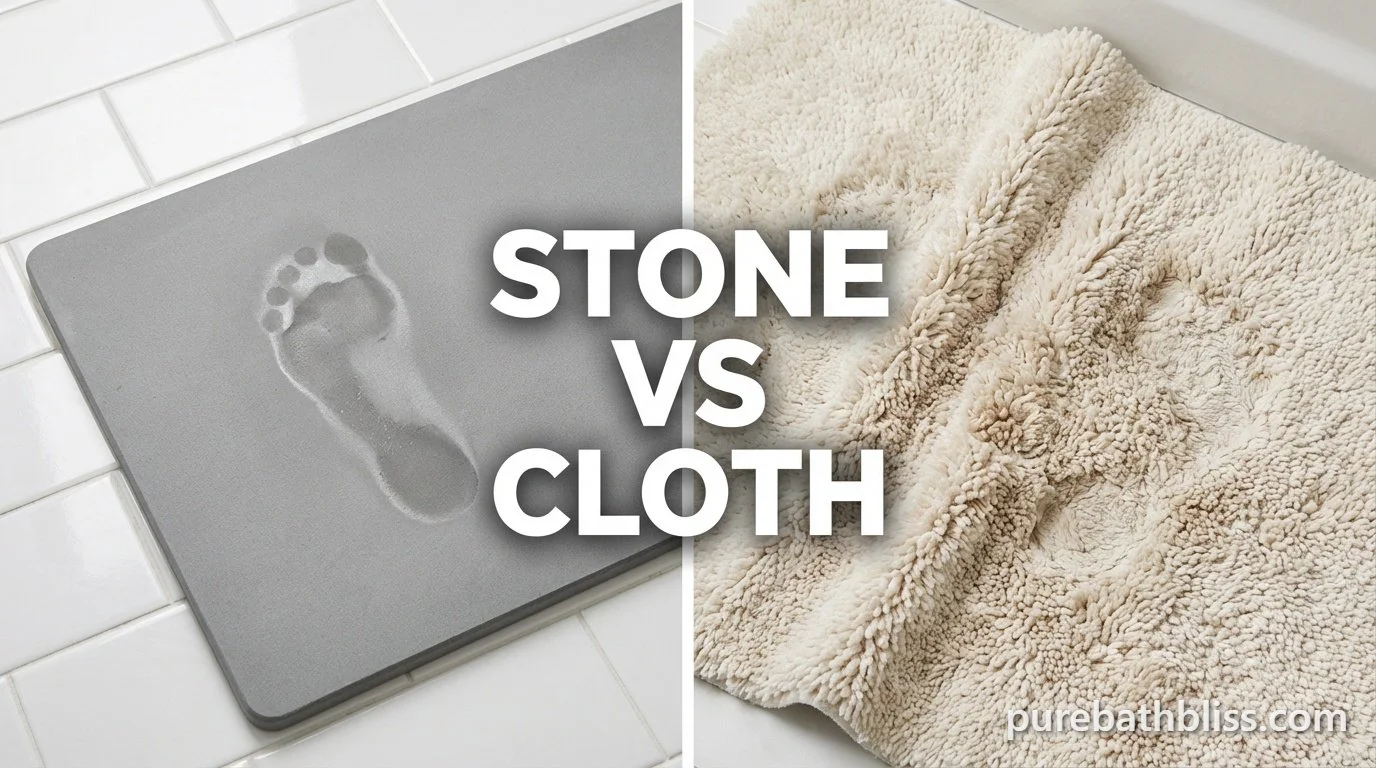
Stone vs. Cloth: Are Diatomaceous Earth Bath Mats Worth the Hype?
We have all been there. You step out of a relaxing, steamy shower—clean, warm, and refreshed—only to squish your toes into a damp, cold, slightly musty bath mat.
It is the one part of the bathroom experience that hasn’t changed in fifty years. We rely on terry cloth or shag rugs to catch water, but let's be honest: they are essentially heavy sponges lying on the floor, trapping moisture, hair, and dust.
If you have scrolled through Instagram or TikTok lately, you have likely seen the ads for "Stone Bath Mats." These rigid slabs made of Diatomaceous Earth claim to dry instantly, never mold, and look like a 5-star spa accessory. But are they actually practical? Or are they just another expensive aesthetic trend that you’ll regret buying?
To find out, we broke down the science, the hygiene factor, and the day-to-day reality of swapping your trusty cotton rug for a slab of stone.
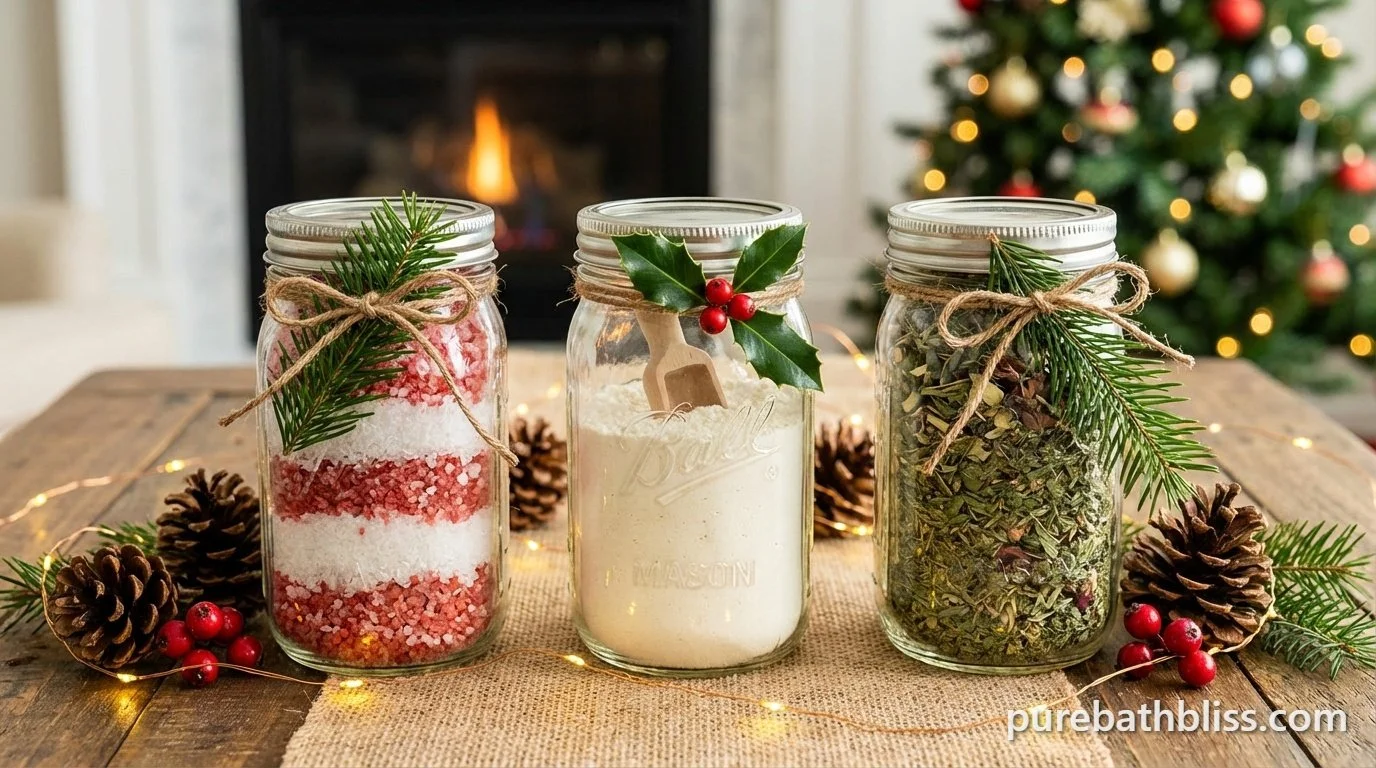
Panic-Free Gifting: 3 Last-Minute DIY Spa Jars That Look Expensive (Under $5)
t happens every year. You think you’re done with your holiday shopping, and then you remember: The neighbor who watches your cat. The mail carrier. Your child’s piano teacher. The "White Elephant" exchange at work.
You need a gift, you need it fast, and you don’t want to spend $30 on another generic candle.
The solution is likely already in your pantry. With a bag of Epsom salts and a few essential oils, you can create luxurious, boutique-style bath soaks in less than 10 minutes. They are thoughtful, all-natural, and cost less than $5 per jar.
Here are 3 "Master Recipes" for last-minute DIY gifts that look like you spent hours making them.
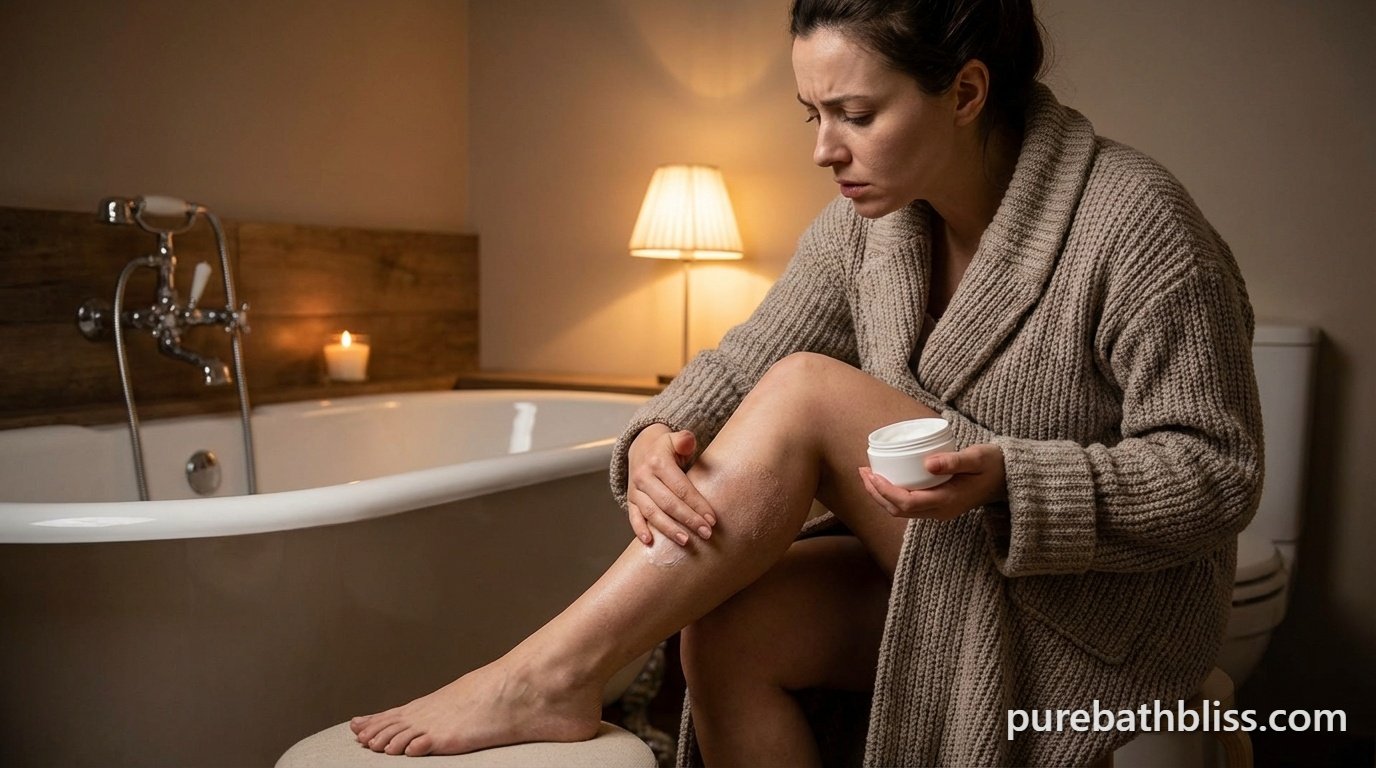
Why Do My Legs Itch After a Bath? The Ultimate Guide to Fixing "Winter Itch"
It is a cruel irony of the season: the colder it gets outside, the more you crave a hot, steaming bath to warm up. But the more you bathe, the itchier, tighter, and more uncomfortable your skin becomes.
If you have ever stepped out of the tub and felt like your skin was two sizes too small, or noticed white, snake-like scales on your shins, you aren't alone. You are experiencing a very real physiological condition known to dermatologists as Pruritus Hiemalis, or more commonly, "Winter Itch."
For many, the solution is to stop taking baths entirely—but we believe you shouldn't have to sacrifice your mental health ritual just to save your skin. You can absolutely bathe every day in January without turning into a lizard. You just need to understand the biology of your skin barrier.
Here are the 5 common mistakes disrupting your skin's ecosystem, and the science-backed ways to fix them.

DIY Bamboo Toothbrush Holder from Scrap Wood (Zero Waste, 5-Minute Build)
Plastic toothbrush holders trap moisture, breed bacteria, and crack after months—build a wooden one from scraps for eternal, mold-free drying. In five minutes, drill holes into reclaimed bamboo or oak, oil for waterproofing, and mount a holder that airs bristles upright, extending brush life threefold. Free (or pennies), it saves 10 plastic versions from landfills while adding rustic charm to any sink. Customizable for families or solos, it fits standard bamboo brushes perfectly. Re-oil yearly for decades of use—no rust, no waste. Pair with compostable brushes for a fully sustainable smile station. This quick DIY elevates bathroom hygiene, supports local wood scraps, and slashes plastic pollution effortlessly. Drill once, smile forever: dry brushes, clear conscience, timeless style. (142 words) Expanded: Imagine raiding your garage for that forgotten wood piece, transforming it into a functional art that prevents drip messes and promotes oral health.
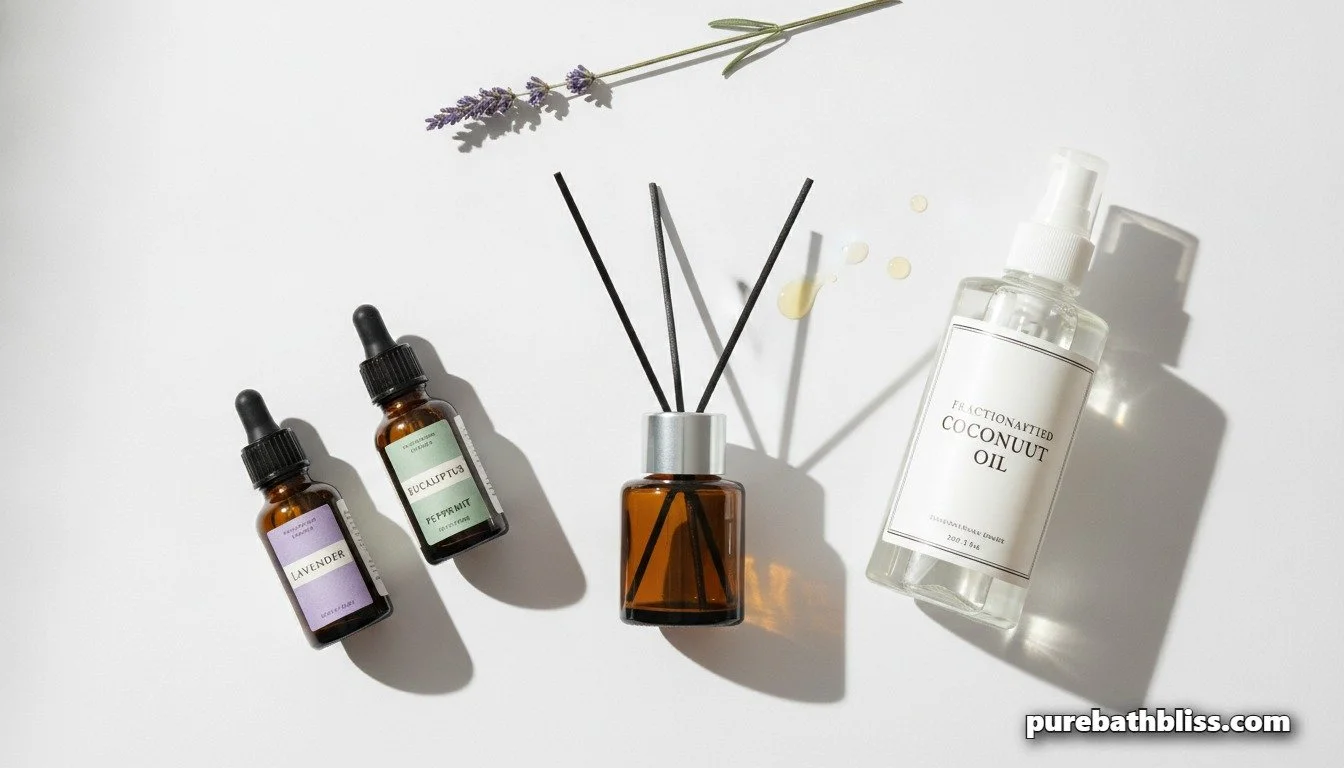
How to Make a DIY Reed Diffuser for Your Bathroom (Under $10, Lasts 3 Months)
A commercial reed diffuser costs $20 to $40 and lasts six to eight weeks. The homemade version costs under $10, lasts three months, smells better, and contains nothing you cannot read on the label. Here is the exact recipe, the four best scent blends for a bathroom, and the one ratio mistake that kills the scent throw.
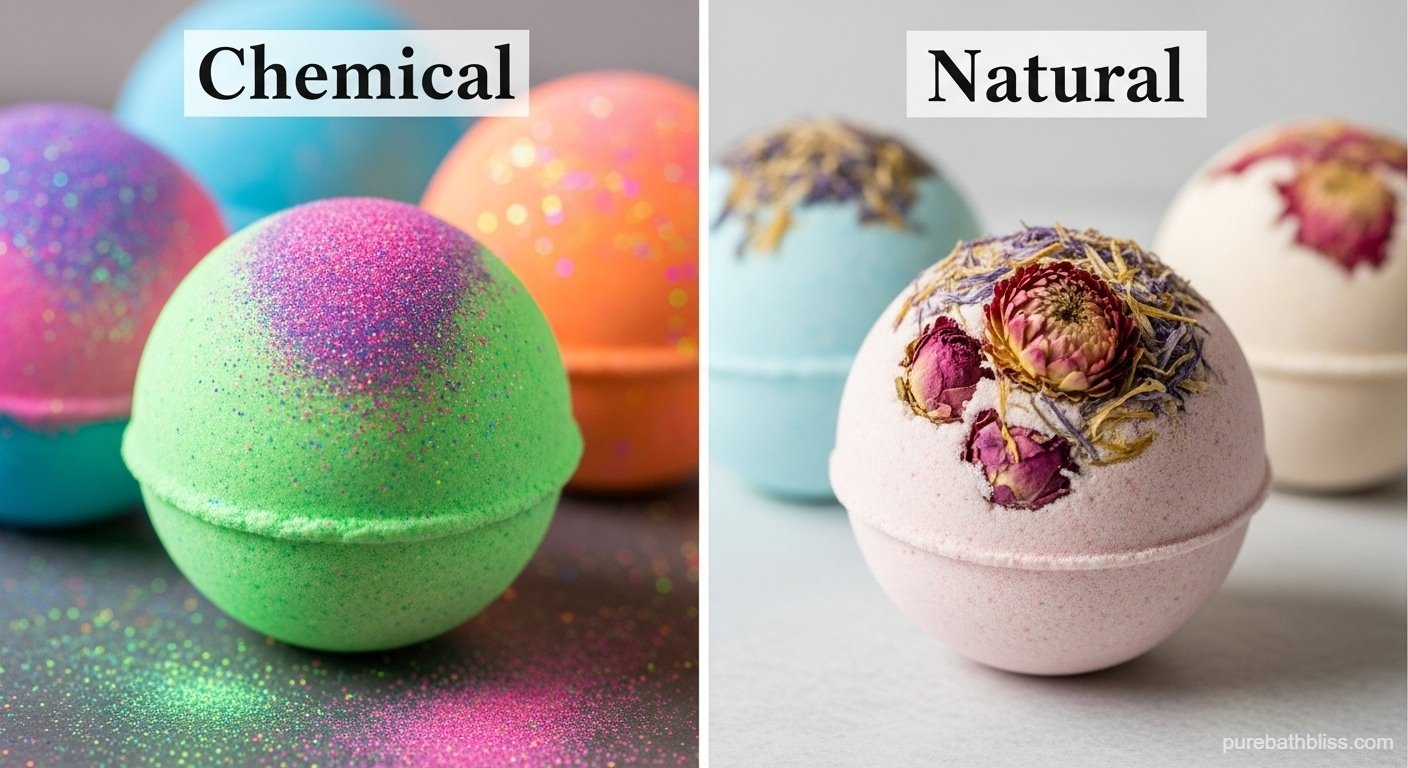
Are Bath Bombs Safe for Kids? The Ingredients to Avoid and 3 DIY Recipes
It is the highlight of bath time. You hand your child a brightly colored sphere, they drop it into the water, and the tub erupts in a symphony of fizz, foam, and neon color. Their eyes light up. For five minutes, it’s pure magic.
But then the water settles, turning a murky shade of purple. The scent of artificial grape fills the small bathroom. And later that night, you notice dry patches on their legs, or they complain of itching in sensitive areas.
As a parent trying to maintain a non-toxic home, you have to ask: Is sitting in that chemical fizz for twenty minutes actually safe for developing systems?
The short answer is that most commercial, brightly colored bath bombs are not designed for the sensitive skin of children. They are often packed with ingredients that can disrupt pH balance, trigger eczema, and cause irritation. However, that doesn't mean you have to be the "boring parent" who bans the fizz completely.
This guide will explain the hidden risks of store-bought bombs, the exact ingredient names to ban from your shopping cart, and how to make your own safe, natural versions at home for pennies.
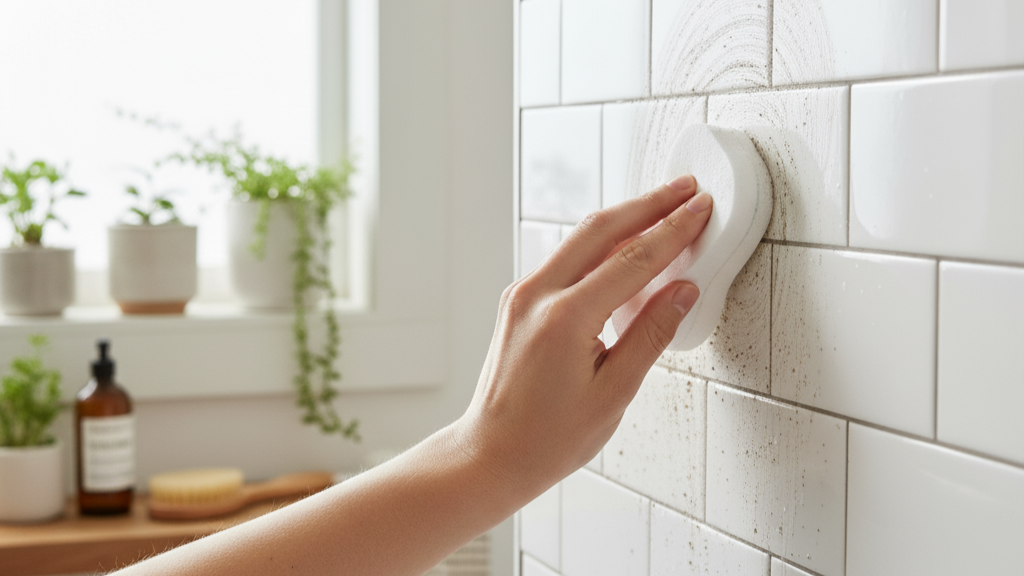
Pros and Cons of Using a Magic Eraser in Your Bathroom!
Magic erasers, made from melamine foam, are a popular cleaning tool for tackling tough stains in bathrooms. Their sponge-like texture works like ultra-fine sandpaper, removing grime without harsh chemicals. While they’re effective for scrubbing tiles, sinks, and shower doors, they have limitations and potential risks. Understanding the pros and cons of using a magic eraser in your bathroom can help you decide if it’s the right tool for your cleaning routine, ensuring a hygienic, sparkling space.

The Ammonia Myth: Why This Old-School Cleaner Has No Place in a Non-Toxic Bathroom (And What to Use Instead)
Grandma swore by it. A capful of cloudy ammonia in a bucket of hot water and suddenly even the grimiest tile sparkled like new. It was cheap, it was powerful, and it smelled like “real cleaning.”
We now know better.
Ammonia has no place in a home where barefoot kids, curious pets, and asthma sufferers walk the same floors. Here’s exactly why—and three plant-based recipes that clean just as deeply, without the lung-burning fumes or deadly mixing risks.
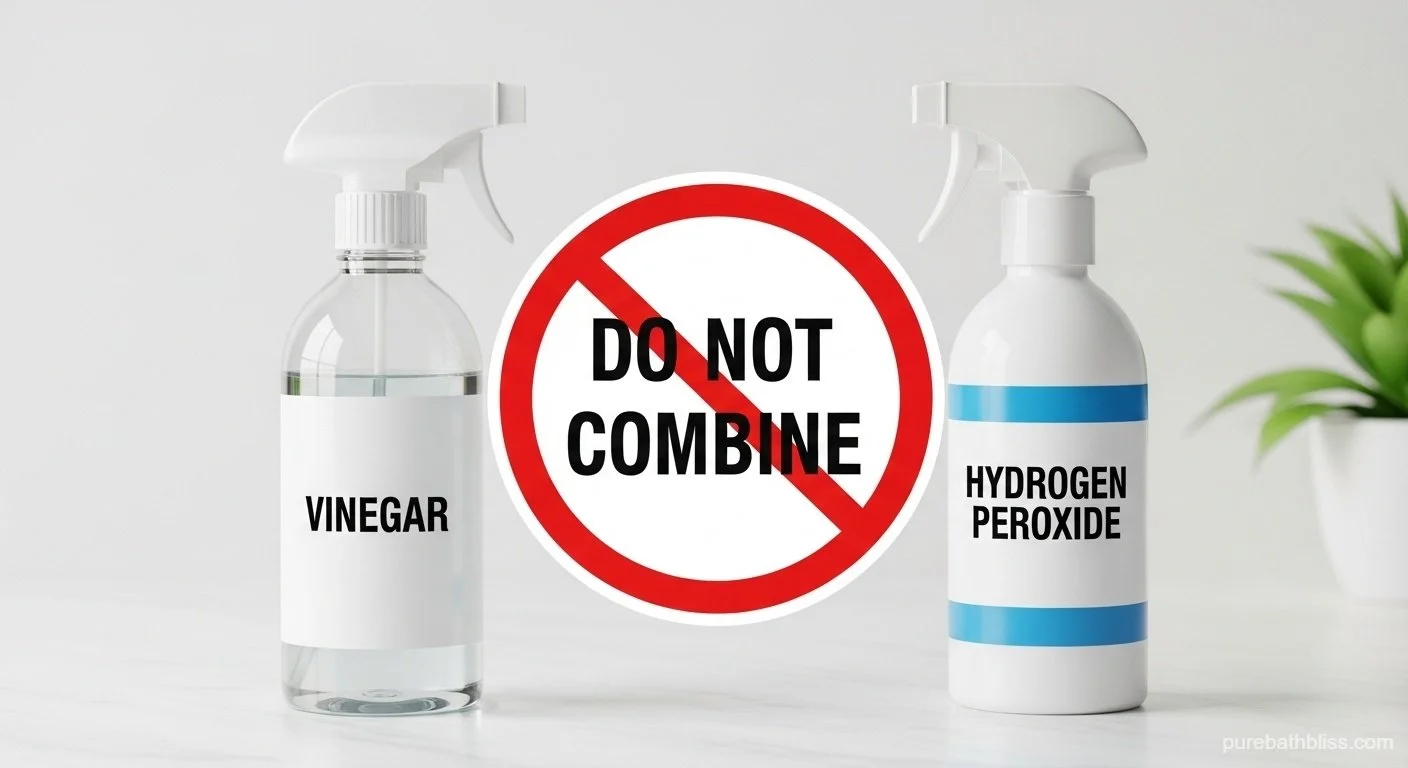
The Hidden Danger of Mixing Vinegar and Hydrogen Peroxide for Cleaning
I almost made this mistake myself a few years ago. I had read somewhere that mixing equal parts vinegar and hydrogen peroxide made an unstoppable natural disinfectant, and it made intuitive sense to me. Two cheap, green, pantry-staple ingredients combining into something stronger than either alone. I had the spray bottle in hand and the two bottles open on the counter before something nagged at me to actually look into it first. That five minutes of research changed my entire approach to natural cleaning.
What I learned is that vinegar and hydrogen peroxide react with each other the moment they touch. That reaction produces a compound called peracetic acid, which is a genuinely powerful industrial disinfectant used in hospitals and food processing plants under strict ventilation and protective equipment protocols. It is not something you want forming unpredictably in a closed spray bottle in your bathroom.
Here is exactly what happens chemically when you combine the two, what the real risks are, and the simple sequential method that gives you the disinfecting power you were after in the first place, without the hazard.
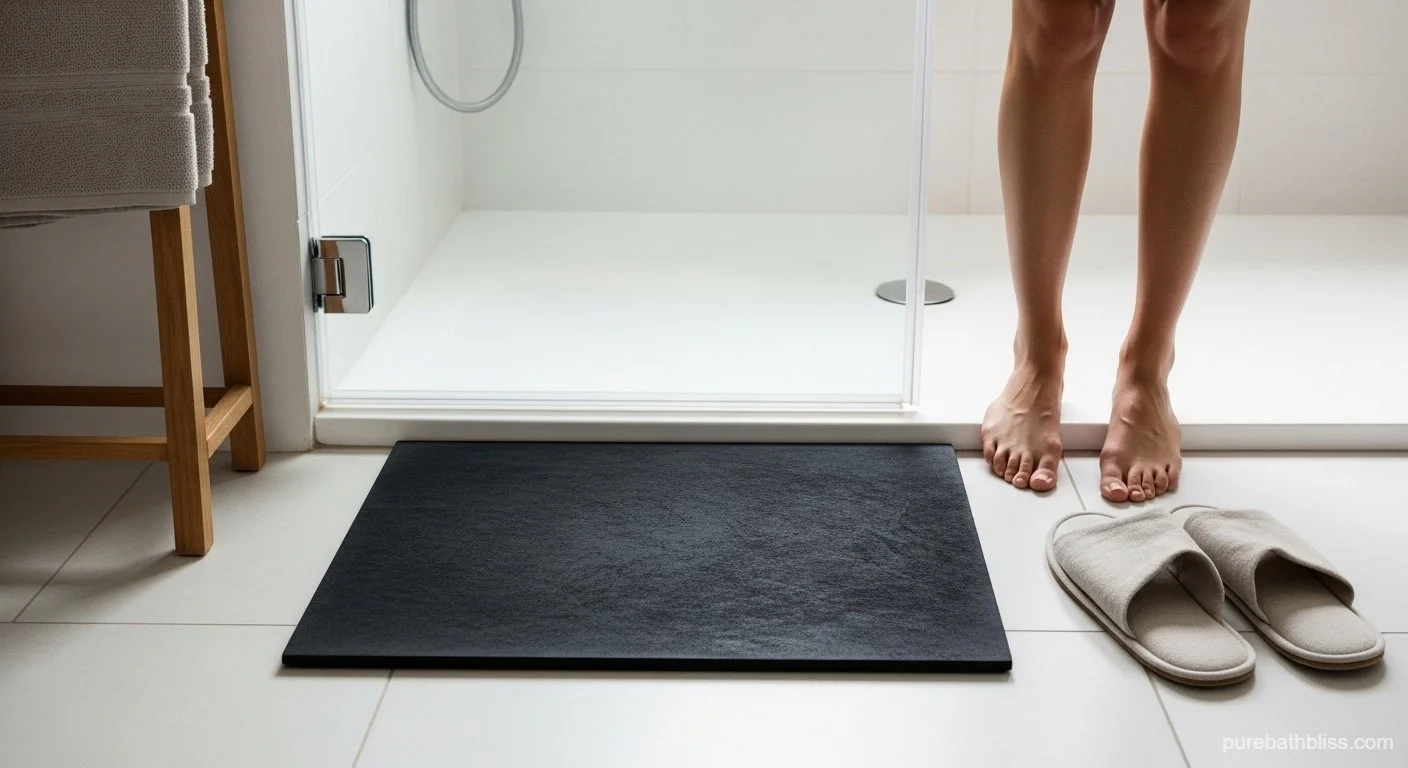
Are Diatomaceous Earth Bath Mats Worth the Hype?
You step out of the shower and straight into the dreaded “wet sock” moment. That cold, slimy fabric bath mat has been marinating in yesterday’s shower water for 18 hours. You swear you’ll replace it… until you see stone bath mats all over Instagram promising to stay bone-dry in 60 seconds and never grow mold.
Gimmick or miracle?
I lived with both for six months (cloth in one bathroom, three different stone mats in another) so you don’t have to gamble $80–$150 to find out.
Here’s the unfiltered truth.
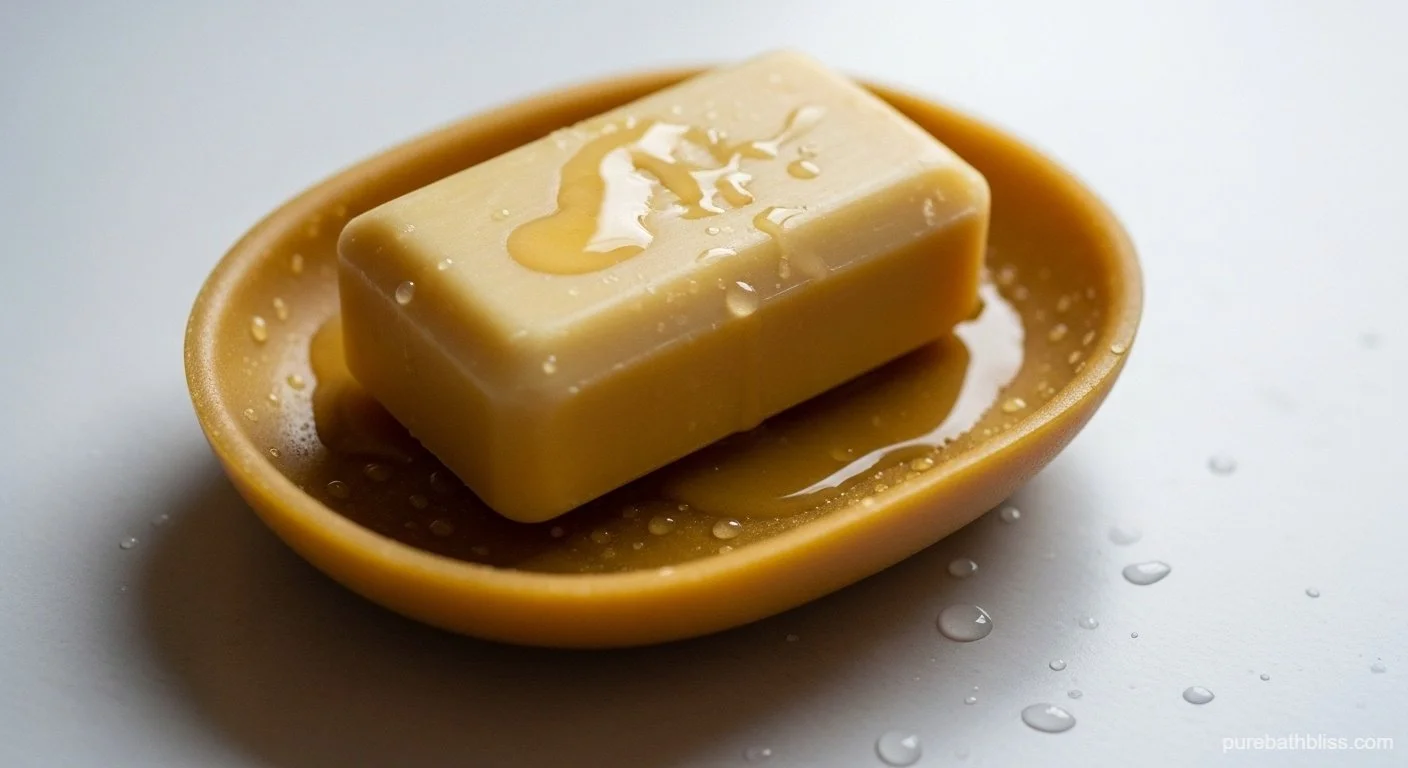
How to Make Your Own Beeswax Soap Dish (Zero Waste, 10-Year Lifespan)
Plastic soap dishes pool water, crack fast, and leach microplastics—coat scrap wood in beeswax for a drainage-grooved dish that keeps bars dry 3x longer, lasting 10+ years. This 20-minute build from reclaimed cedar yields a $2 heirloom that repels moisture naturally, saving 10 plastics and preventing moldy messes. Carve grooves, melt wax, brush on—slanted options for ultra-drain or dipped dyes for style. Re-wax annually for eternal waterproofing; pair with handmade soaps for gifting. Fits any aesthetic, mounts or freestands, and elevates hygiene sustainably. Upcycle garage leftovers into bathroom bliss: dry soap, extended life, zero waste. Support pollinators with local beeswax while slashing pollution—one dish, endless bubbles. Craft today for drier, kinder tomorrows
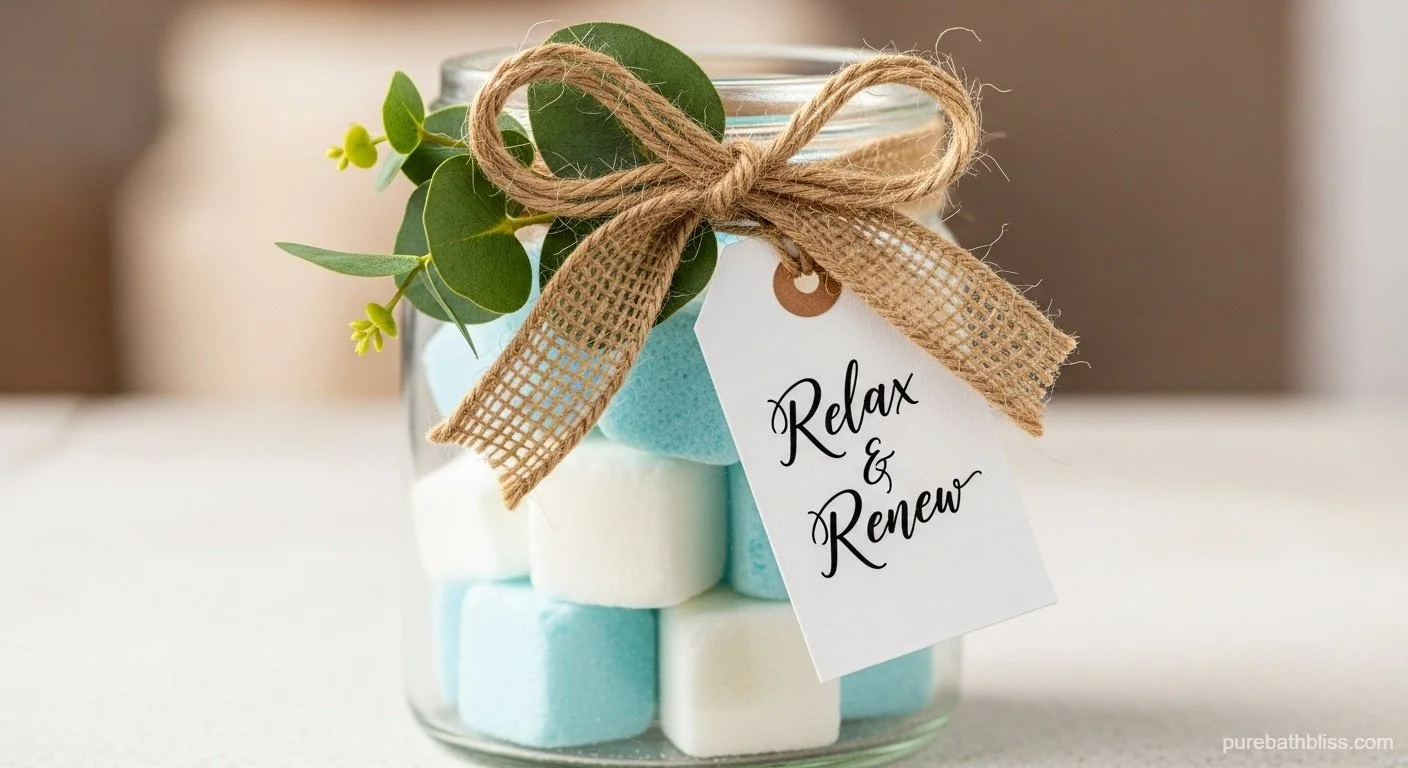
DIY Shower Steamer Cubes for Congestion (Zero Waste, 20 Cubes)
We’ve all been there: the winter cold hits, your sinuses are blocked, and you just want relief. Usually, that means reaching for a plastic jar of petroleum-based vapor rub. But what if you could get that same spa-like relief without the plastic waste or synthetic ingredients?
Meet the DIY Shower Steamer: a fizzing, aromatic cube that turns your morning shower into a therapeutic steam room.
With just 20 minutes of effort, you can mold a batch of 20 cubes using simple pantry staples. These steamers are septic-safe, shelf-stable for six months, and cost pennies compared to store-bought versions. Drop one in the corner of your shower, and let the steam do the rest.