The "January Reset": The Ultimate Guide to Detoxing Your Bath Routine for a Healthier Year

By the time January rolls around, most of us are feeling the "holiday hangover." We aren't just talking about the aftermath of New Year’s Eve champagne; we mean the cumulative exhaustion of a month filled with sugary treats, late nights, family stress, and biting cold weather. Our skin looks dull, our energy is low, and our minds are cluttered.
While "New Year, New Me" resolutions often feel overwhelming (and are frequently abandoned by February), upgrading your evening ritual is a sustainable change that yields immediate results. You don't need a week at an expensive Swiss retreat to hit the reset button; you just need to be intentional with your bathtub.
This isn't just about getting clean. It is about hydrotherapy—using water to heal, restore, and reset. Here is your comprehensive guide to turning your nightly soak into a wellness powerhouse that detoxes both your body and your mind.
1. The Science of the Soak: Why It Works
Before we get into the "how-to," it is important to understand why a bath is so effective for a January reset. It comes down to two main factors: Thermoregulation and Cortisol Reduction.
When you submerge yourself in warm water, your body temperature rises. This causes your blood vessels to dilate (widen), increasing circulation and allowing oxygen-rich blood to flow more freely to tired muscles. This process also mimics the body's natural state before sleep. When you step out of the tub, your body temperature rapidly cools, signaling your brain specifically to release melatonin, the sleep hormone.
Furthermore, the sensation of weightlessness relieves pressure on your joints and muscles, which signals your nervous system to switch from "sympathetic" (fight or flight) to "parasympathetic" (rest and digest). In a high-stress month like January, forcing this switch is crucial for mental health.
2. The Pre-Soak Ritual: Dry Brushing
Most people make the mistake of jumping straight into the water. For a true detox, the work starts three minutes before the tap turns on.
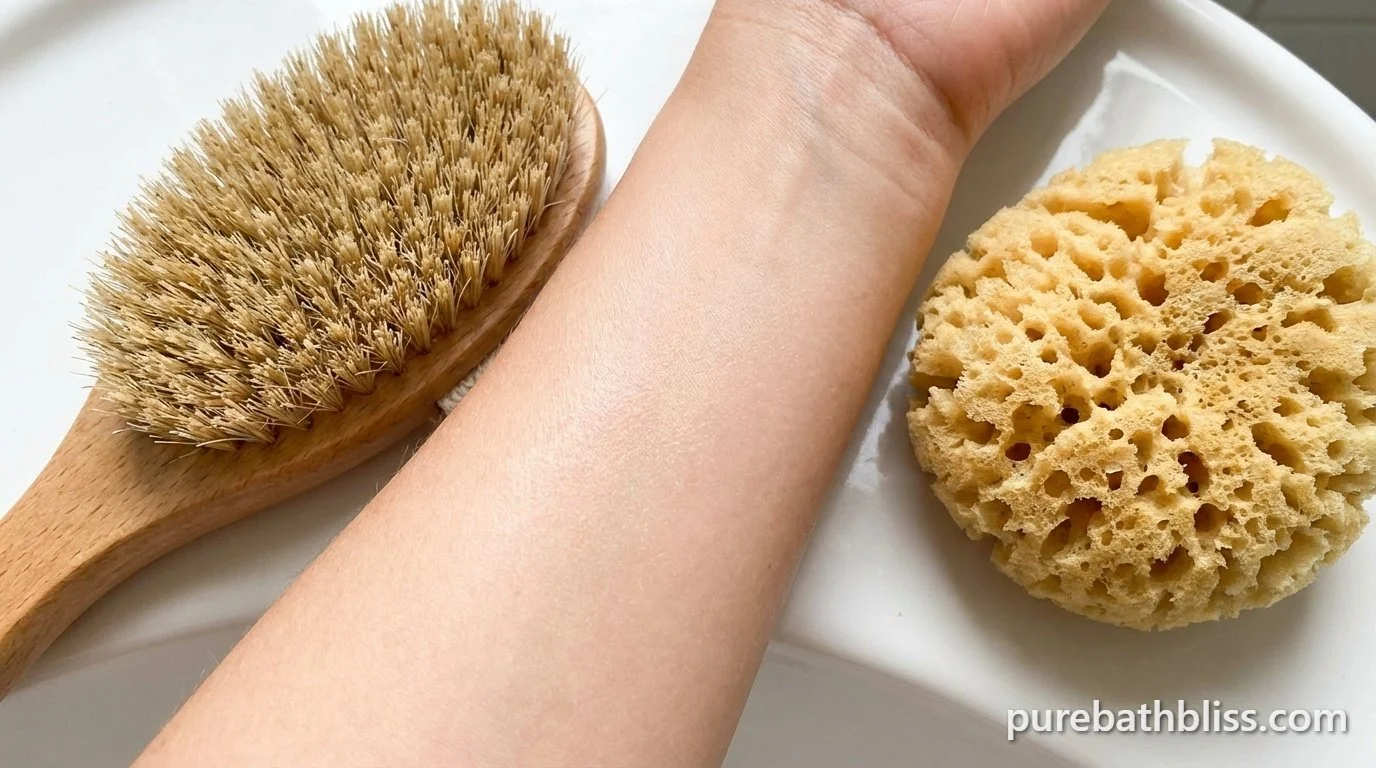
Winter skin is notoriously dry and flaky. This layer of dead skin cells acts like a barrier, preventing the beneficial minerals in your bath from absorbing into your pores. The solution is dry brushing.
The Benefits:
Exfoliation: Removes dead skin cells for a smoother texture.
Lymphatic Drainage: Stimulates the lymphatic system, which is responsible for eliminating cellular waste toxins from the body.
Energy Boost: The coarse bristles invigorate nerve endings, giving you a natural energy lift.
How to Do It: Using a natural bristle brush on dry skin, start at the soles of your feet and brush upwards toward your heart in long, sweeping motions. Move up your legs, then your arms, and finally your back. It only takes 3 minutes, but it changes the efficacy of the entire bath.
3. The "Purity" Audit: Ditch the Synthetic Fragrance
If your goal is wellness, your bubble bath shouldn't be working against you. Take a hard look at the bottles on your tub ledge. If you see the word "Fragrance" or "Parfum" listed without a specific source, it is often a hiding place for phthalates and synthetic chemicals that can irritate winter-sensitive skin and disrupt hormones.
The January Swap: Switch to products scented only with 100% essential oils or natural extracts.
Lavender: Clinically proven to lower heart rate and blood pressure.
Eucalyptus: ideal for "winter lung," clearing congestion and opening airways.
Bergamot: A citrus oil known to uplift mood and combat Seasonal Affective Disorder (SAD).
By choosing pure ingredients, you are turning your bath into an aromatherapy session rather than a chemical soup.
4. The "Bath Potion" Menu: 3 Recipes for Your Needs
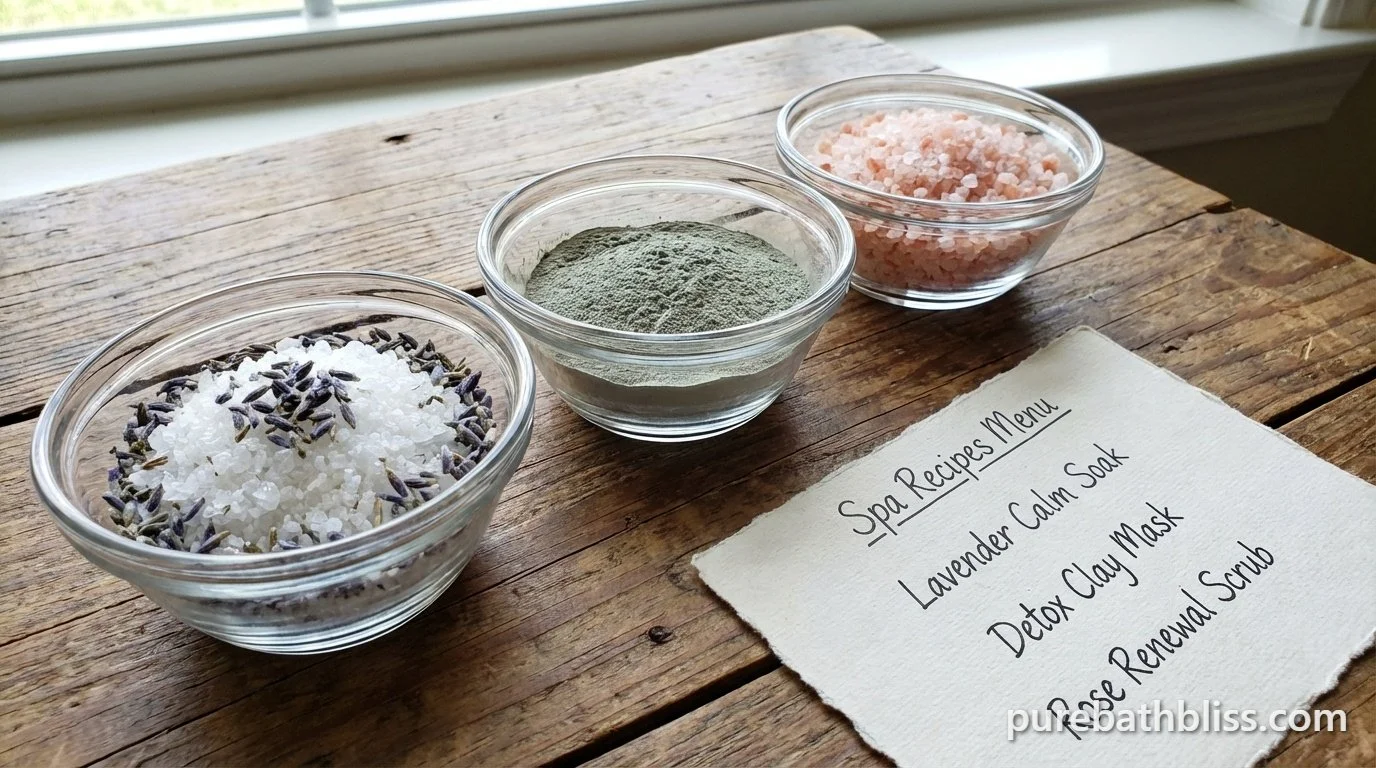
Don't just run plain water. Treat your bath like a recipe. Here are three distinct blends depending on what your body needs this January.
The "Deep Sleep" Blend (For Insomnia)
Base: 2 cups Epsom Salt (Magnesium helps relax muscles).
Oil: 10 drops Lavender + 5 drops Vetiver (a grounding, earthy scent).
Add-in: 1 cup powdered oat milk (to soothe itchy winter skin).
The "Winter Detox" Blend (For Sluggishness)
Base: 1 cup Epsom Salt + ½ cup Baking Soda (neutralizes chlorine).
Oil: 10 drops Grapefruit + 5 drops Rosemary (invigorating and cleansing).
Add-in: ½ cup Bentonite Clay (helps pull impurities from pores).
Note: If using clay, rinse your tub immediately after to prevent residue.
The "Muscle Melt" Blend (Post-Workout)
Base: 2 cups Magnesium Flakes (absorbs faster than Epsom salts).
Oil: 10 drops Peppermint + 5 drops Arnica oil.
Add-in: A handful of dried chamomile flowers (anti-inflammatory).
5. The Digital Detox Boundary
The hardest part of a "wellness bath" isn't the water temperature; it's leaving your phone in the other room.
Bathing is one of the few times in modern life where we can be naked and disconnected. If you are scrolling through emails, news, or social media in the tub, your brain remains in "alert mode," keeping cortisol levels high. You are physically relaxing, but mentally racing.
The Rule: No electronics in the bathroom. Instead, lean into "analog" entertainment:
Candlelight: Dimming the artificial overhead lights triggers melatonin production.
Reading: A physical book or magazine (no Kindles!).
Silence: Allow your mind to wander. This boredom is often where creativity strikes.
6. Hydration: The Inside-Out Approach
Hot baths are amazing for relaxing muscles, but they can be dehydrating. The "sweat equity" of a hot bath releases toxins, but you need to replenish those fluids immediately to avoid feeling woozy or lethargic.
The Ritual: Bring a large glass of room-temperature water into the bathroom with you. Enhance it with a slice of lemon, cucumber, or a sprig of mint. Sip it while you soak. This prevents dehydration headaches and ensures your skin stays plump and hydrated from the inside out.
7. The Post-Bath "Seal"
The critical window for winter skin care is the first 3 minutes after you step out of the tub.
When you soak, your skin absorbs water. If you towel off completely and wait 20 minutes to apply lotion, that water evaporates, leaving your skin drier than before (a process called transepidermal water loss).
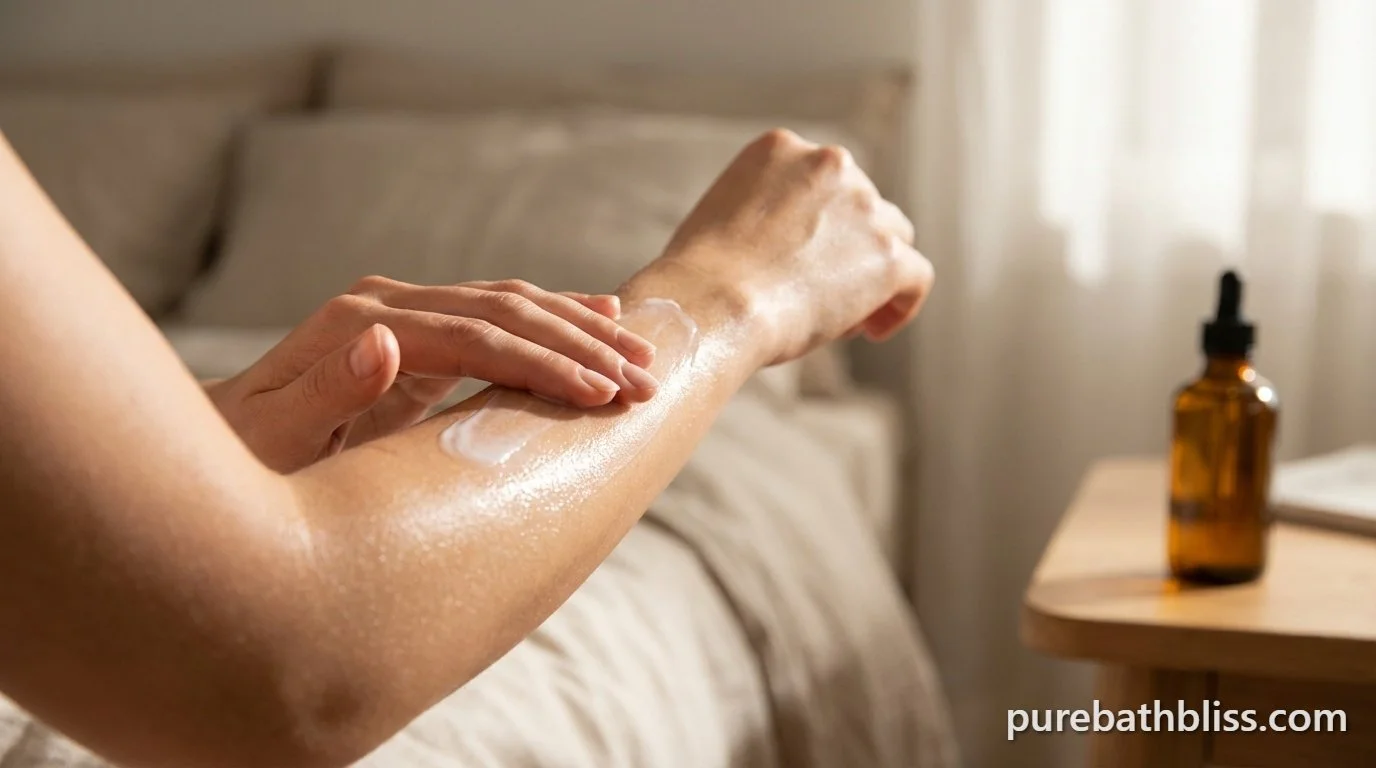
The Fix: Pat your skin gently with a towel so it is damp, not dry. While your pores are still open from the steam, apply a heavy body oil (like jojoba or almond oil) or a thick shea butter cream. This "seals" the hydration into your skin barrier, keeping you soft and itch-free for 24 hours.
Frequently Asked Questions (FAQ)
Q: How hot should the water be? A: Aim for "warm," not scalding. The ideal temperature is between 98°F and 100°F (37°C - 38°C). Water that is too hot can strip natural oils from your skin and cause dizziness.
Q: How long should I soak for a detox? A: Aim for 20 minutes. The first 10 minutes are for cleaning and acclimating; the second 10 minutes are when the osmosis process happens (where minerals like magnesium are absorbed and toxins are released).
Q: Can I take a detox bath if I’m pregnant? A: Always consult your doctor first. Generally, pregnant women are advised to keep water temperature lower (under 100°F) to avoid raising core body temperature too high. Avoid certain essential oils like rosemary or clary sage.
Q: Do I need to rinse off after an Epsom salt bath? A: It is not strictly necessary, but if you have sensitive skin, the salt residue might feel itchy as it dries. A quick 10-second rinse with cool water is usually a good idea to close the pores.
The Bottom Line
A bath can be just a frantic 10 minutes to get clean, or it can be a restorative therapy session. This January, choose the latter. By purifying your products, disconnecting from the noise, and treating your soak with intention, you create a sanctuary that sets the tone for a calmer, healthier year.