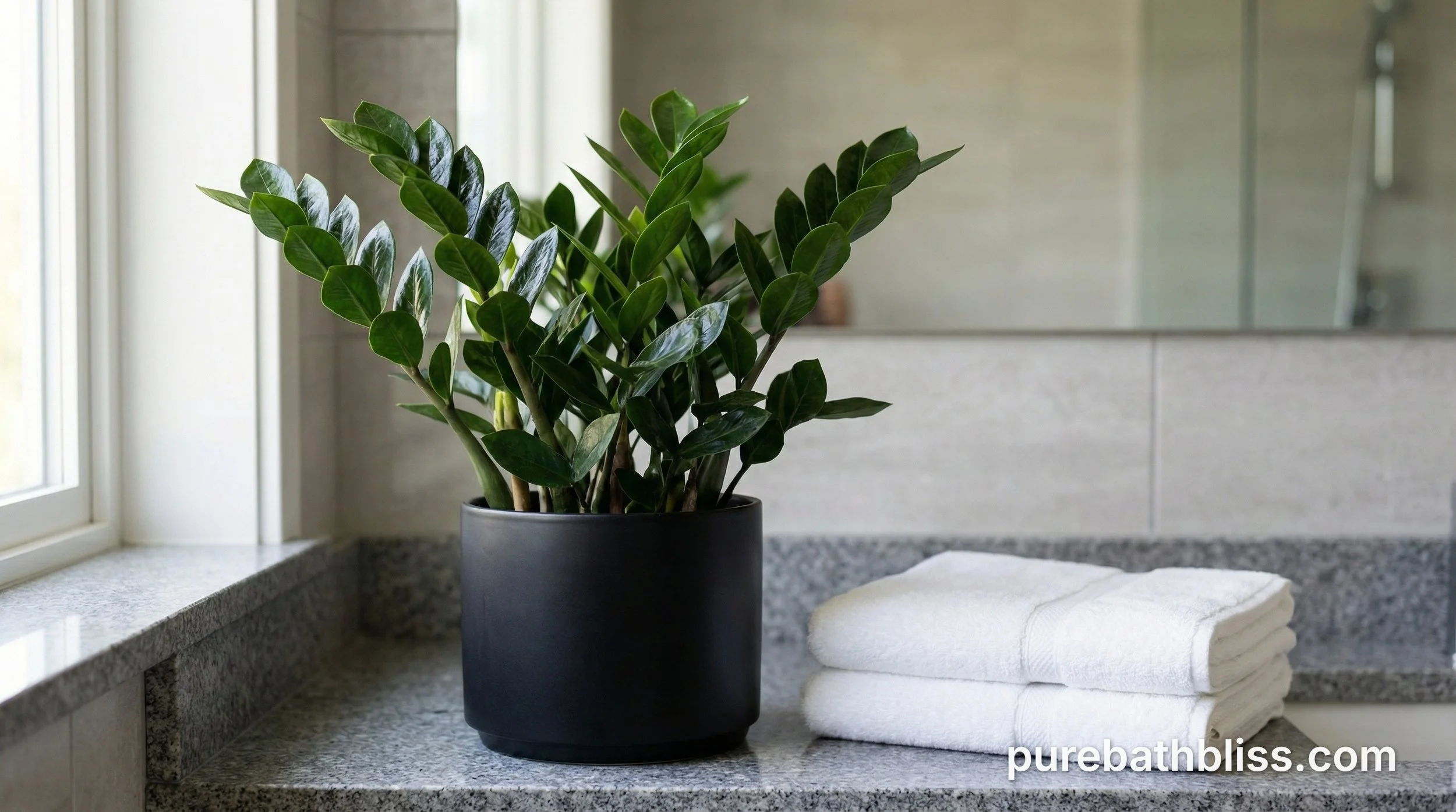
ZZ Plant Care: How to Grow the "King of Neglect" in Your Bathroom
Whenever a friend tells me they have a "black thumb" and kill everything they touch, I always point them toward the ZZ Plant. If the Snake Plant is tough, the ZZ is practically made of iron. It’s the kind of plant that actually thrives when you forget about it for a few weeks.
In our list of 7 "Unkillable" Plants for Windowless Bathrooms, the ZZ plant earned a top spot because it handles low light like a pro. But if you want to see those stems reach their full height (they can get quite statuesque!), there are a few little secrets you should know.
Between you and me, the ZZ plant is like a camel—it’s built for survival. Let’s make sure you’re giving it the right kind of "tough love."
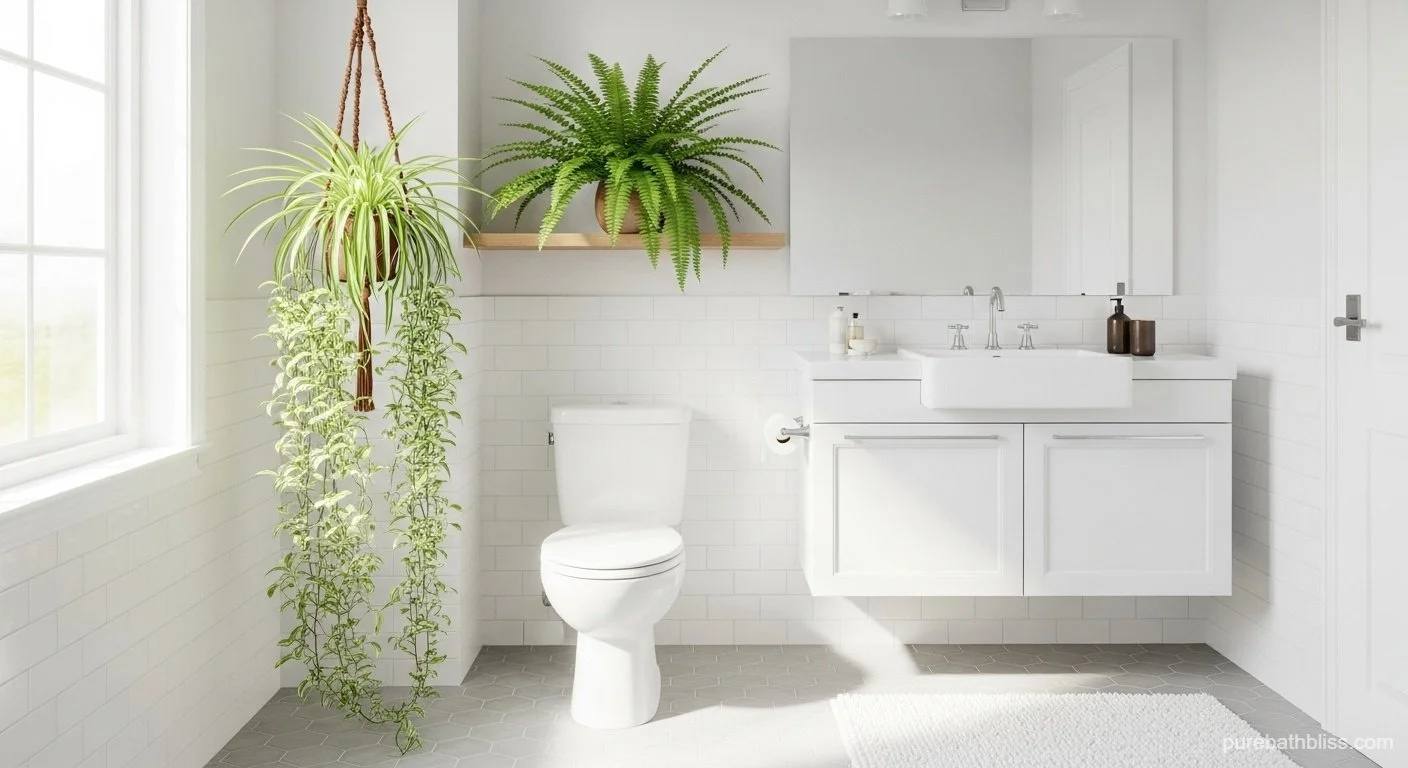
Clean Air, Clear Mind: Ensuring a Toxin-Free Bathroom for Your Baby
When it comes to caring for your baby, every parent strives to create a safe, nurturing, and healthy environment. We meticulously choose organic foods, chemical-free skincare, and furniture free from harmful substances. Yet, one critical area often overlooked is the air quality within our homes, particularly in the bathroom. This space, with its high humidity and frequent use of various products, can become a breeding ground for invisible threats that pose significant risks to your baby's delicate developing system.
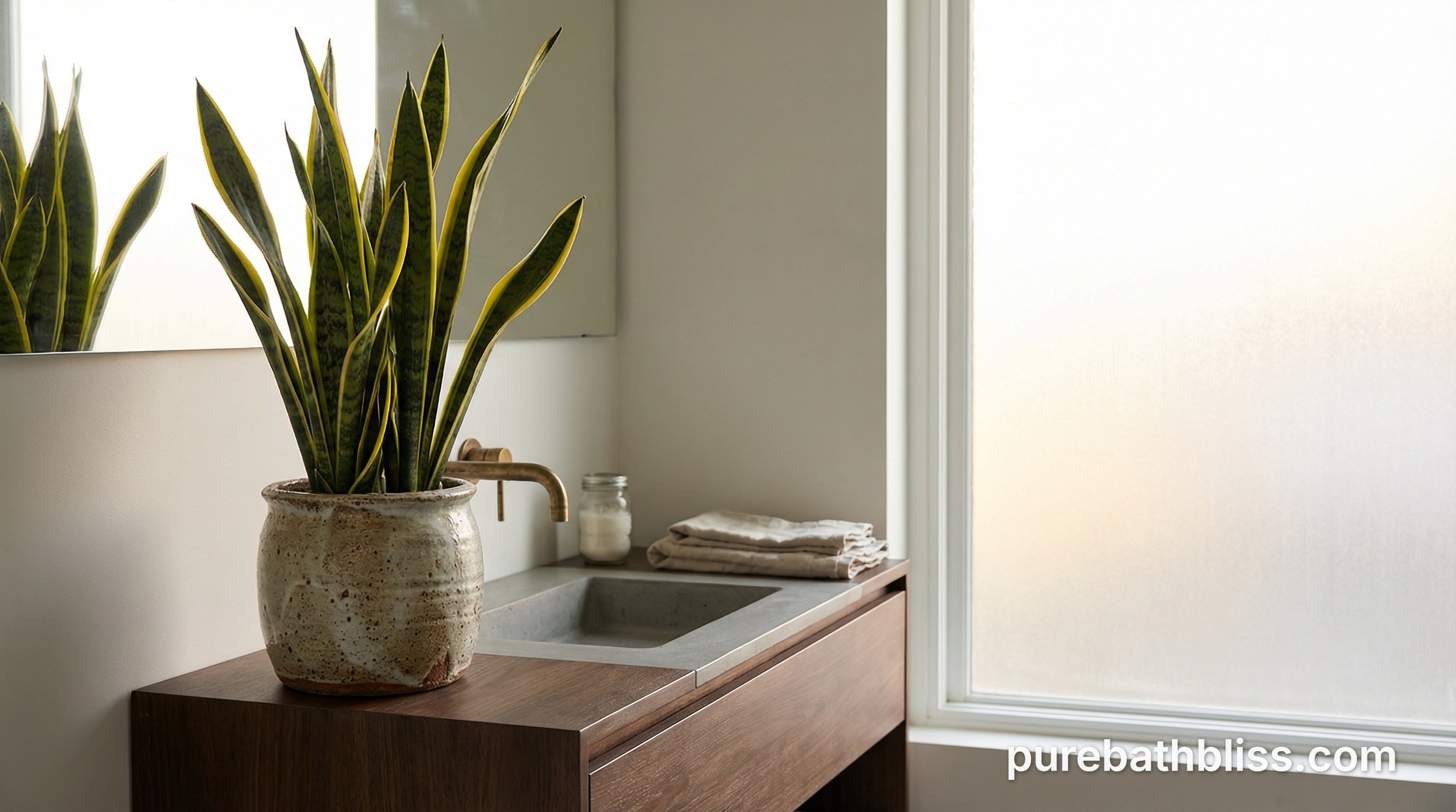
Snake Plant Care 101: How to Keep Your Bathroom’s Toughest Plant Thriving
If you’ve spent any time on Pinterest lately, you’ve probably seen the Snake Plant (or Sansevieria) starring in every dream bathroom photo. It’s tall, architectural, and—as I always tell my friends—it’s just about the closest thing you can get to a "set it and forget it" plant.
In our guide to 7 "Unkillable" Plants That Thrive in Your Windowless Bathroom, we highlighted the Snake Plant as a top contender for those dark, humid spaces. But because so many of you have been asking about the nitty-gritty of keeping them healthy, I thought we’d take a closer look at what actually makes these plants tick.
Between you and me, the reason people "kill" Snake Plants isn't because they neglect them—it’s usually because they care too much. Let’s break down how to treat them right.
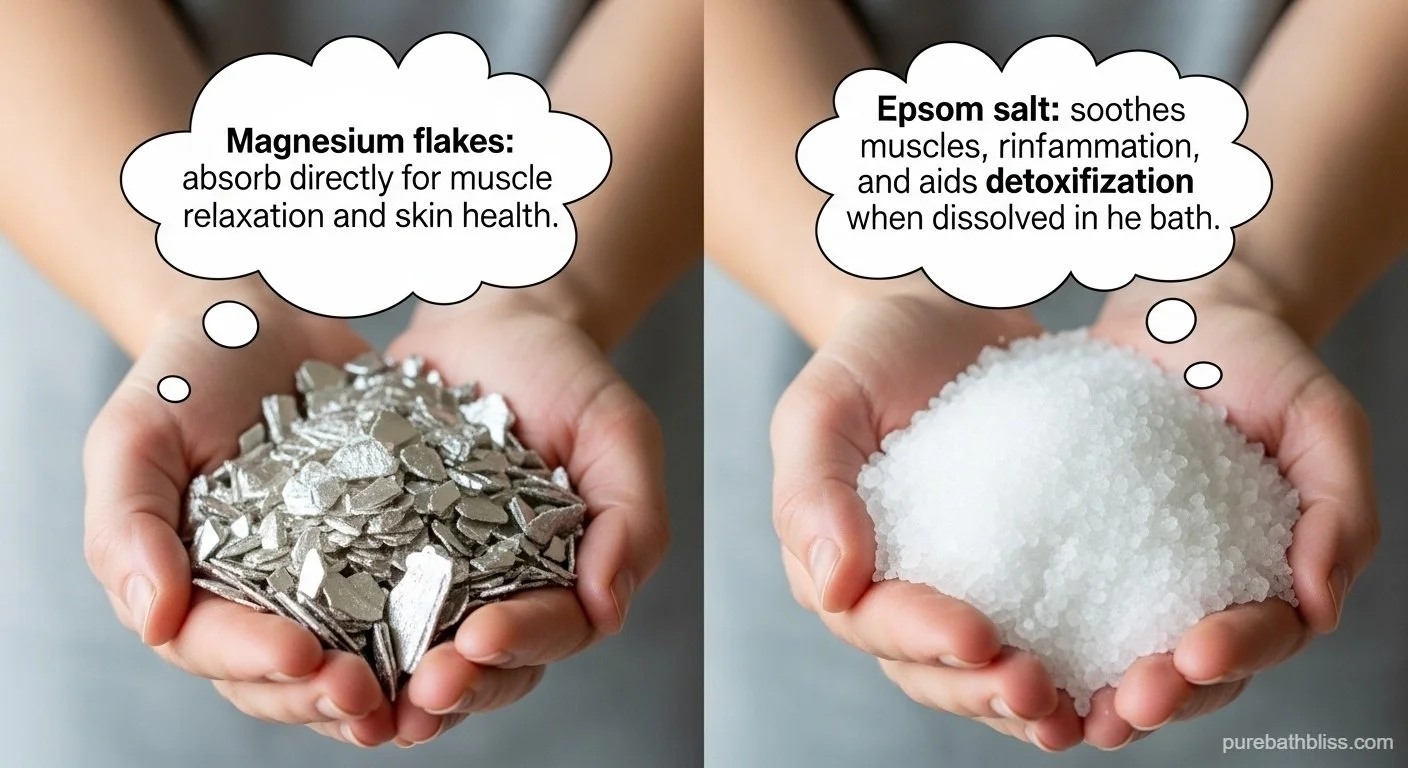
Magnesium Flakes vs. Epsom Salt: The Science Behind Deep Muscle Relaxation
In the relentless rhythm of modern life, where deadlines stretch and screens glow incessantly, the yearning for a sanctuary of calm becomes a primal whisper. For centuries, humanity has sought solace in warm waters, a therapeutic embrace promising respite from physical exertion and mental strain. Among the most revered allies in this quest for deep muscle relaxation are two distinct, yet often conflated, compounds: magnesium flakes and Epsom salt. Both promise a journey to tranquility, a soothing balm for weary bodies, but beneath their crystalline forms lies a fascinating scientific divergence. This article embarks on an investigative voyage, dissecting the chemical intricacies, absorption pathways, and distinct benefits of each, ultimately empowering you to make an informed choice for your personal ritual of restoration.
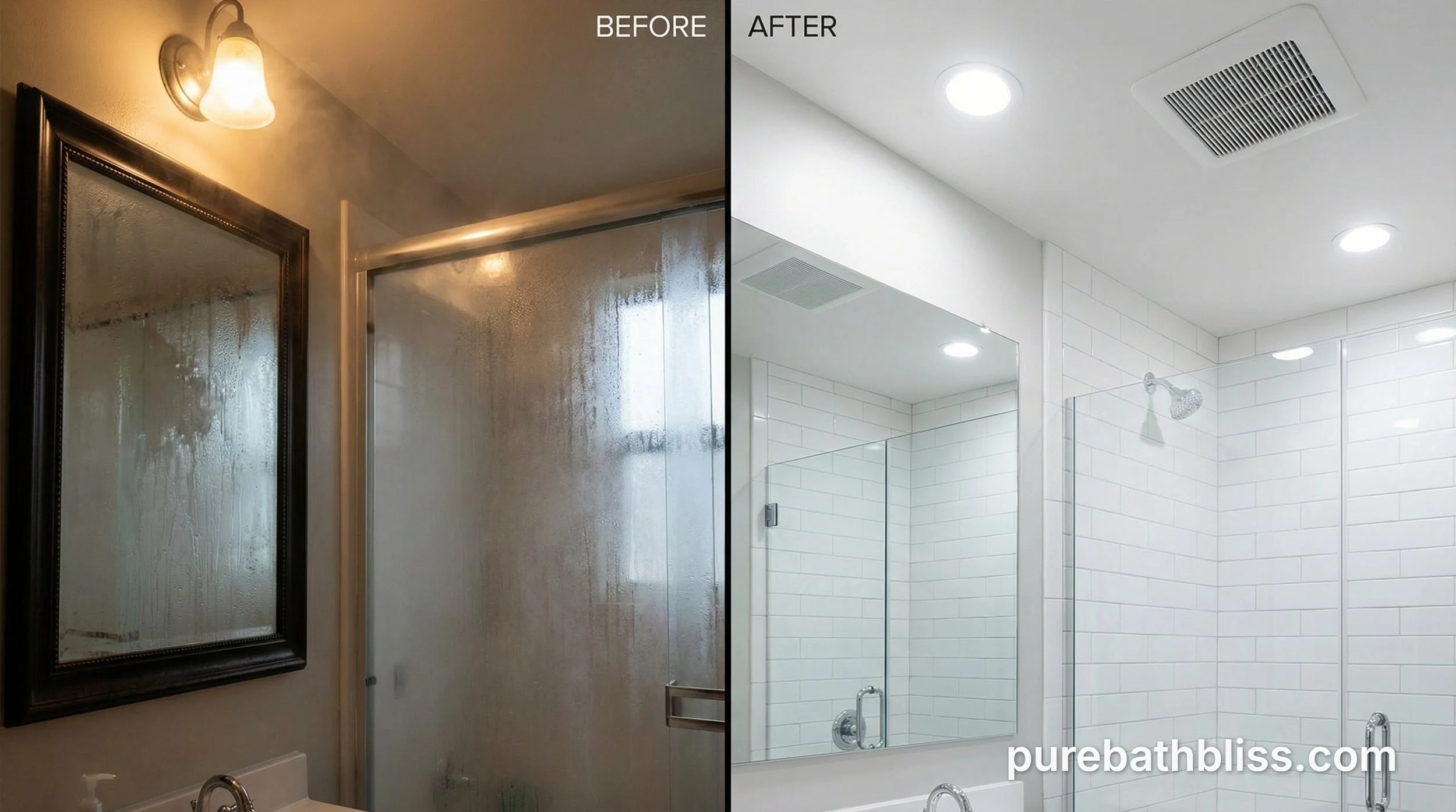
Why Fan Location in the Bathroom Matters (And Where to Place It for Maximum Efficiency)
You’ve finally finished the renovation: sleek new tiles, a water-saving rainfall showerhead, and a fresh coat of low-VOC paint. But every time you step out of the shower, the room feels like a tropical rainforest. The mirror is fogged for an hour, the walls are "sweating," and a faint, musty smell begins to linger in the corners.
The culprit is rarely the fan itself—it is almost always where the fan is sitting. In the eco-friendly home niche, we talk a lot about air quality and "breathable" spaces. Bathroom fans are not just about removing odors; they are your primary mechanical defense against structural decay and toxic mold. This guide breaks down the science of air movement and the 2026 standards for bathroom ventilation.
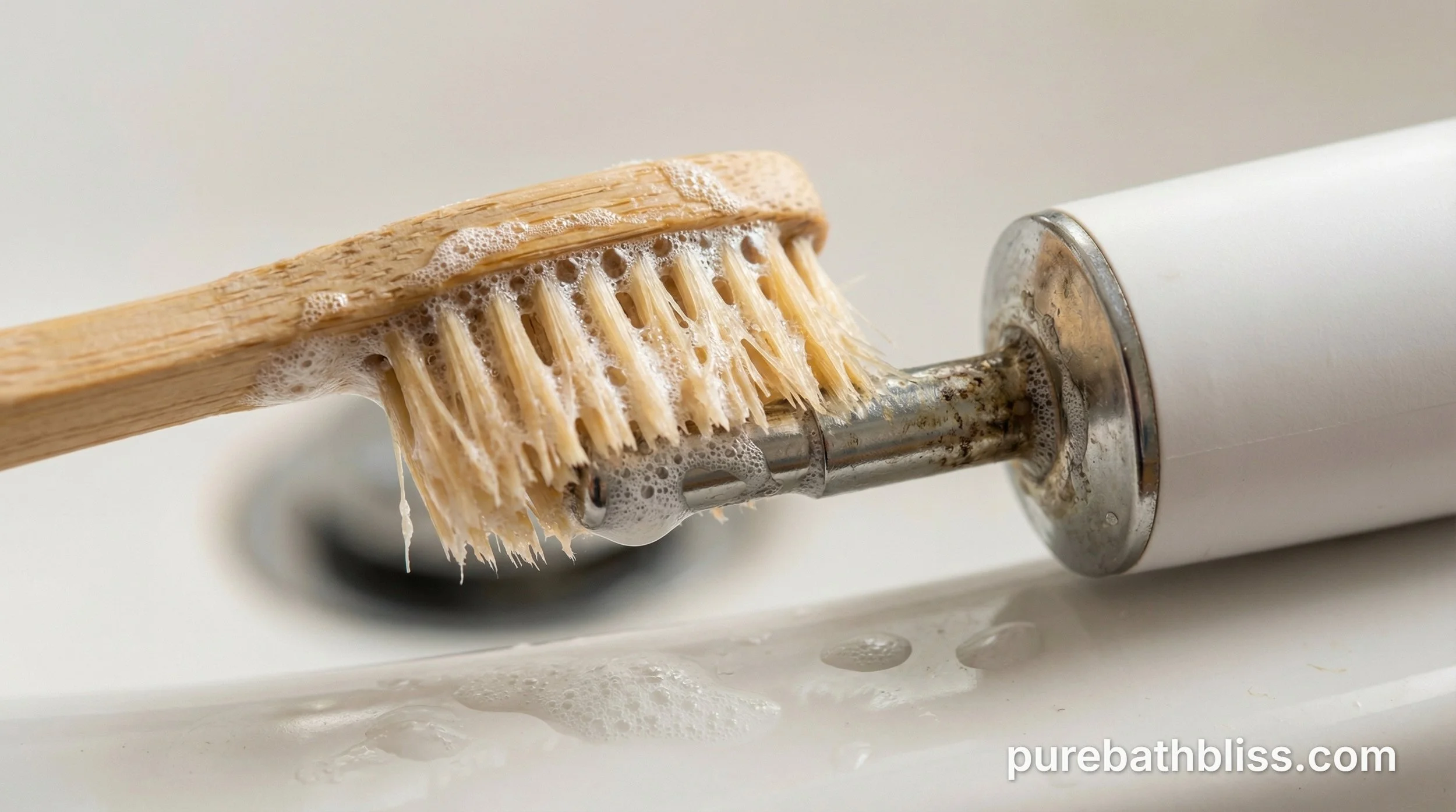
How to Clean Your Electric Toothbrush: The Ultimate Eco-Friendly Guide
We spend a lot of time thinking about what we put into our mouths—organic food, fluoride-free toothpaste, and plastic-free floss. But how often do you look at the tool delivering those goods?
If you use an electric toothbrush, take a close look at the area where the head meets the handle. If you see a crusty white residue or, worse, a dark, slimy buildup, you aren’t alone. This "toothbrush gunk" is a mixture of dried toothpaste, hard water minerals, and bacteria.
In a high-humidity environment (like the one we discussed in our Bathroom Fan Placement Guide), this area becomes a breeding ground for mold. Today, we’re going to master the 15-minute eco-friendly deep clean that will extend the life of your brush and keep your morning routine truly hygienic.

10 Zero-Waste Toilet Paper Storage Hacks for a Clutter-Free Bathroom
Remember the pandemic days of 2020? There was a brief moment in history when toilet paper was more precious than gold. Hiding rolls became a survival skill, and "hoarding" became a household necessity. Fast forward to today, and that survivalist cleverness is evolving into something much more refined: smart, sustainable ways to keep your bathroom tidy without sacrificing your eco-friendly values.
The days of kitschy "jellyfish" disguises or dusty crocheted poodle covers are officially over. In 2026, the "Zero-Waste Sanctuary" is all about subtle, functional solutions that blend seamlessly into a modern, organic aesthetic. We want our bathrooms to feel like a spa, not a warehouse—but we also want to be prepared.
In this guide, we’re exploring 10 brilliant hacks that use upcycled materials, natural fibers, and a dash of creativity to store your TP without adding a single ounce of plastic clutter to the planet.
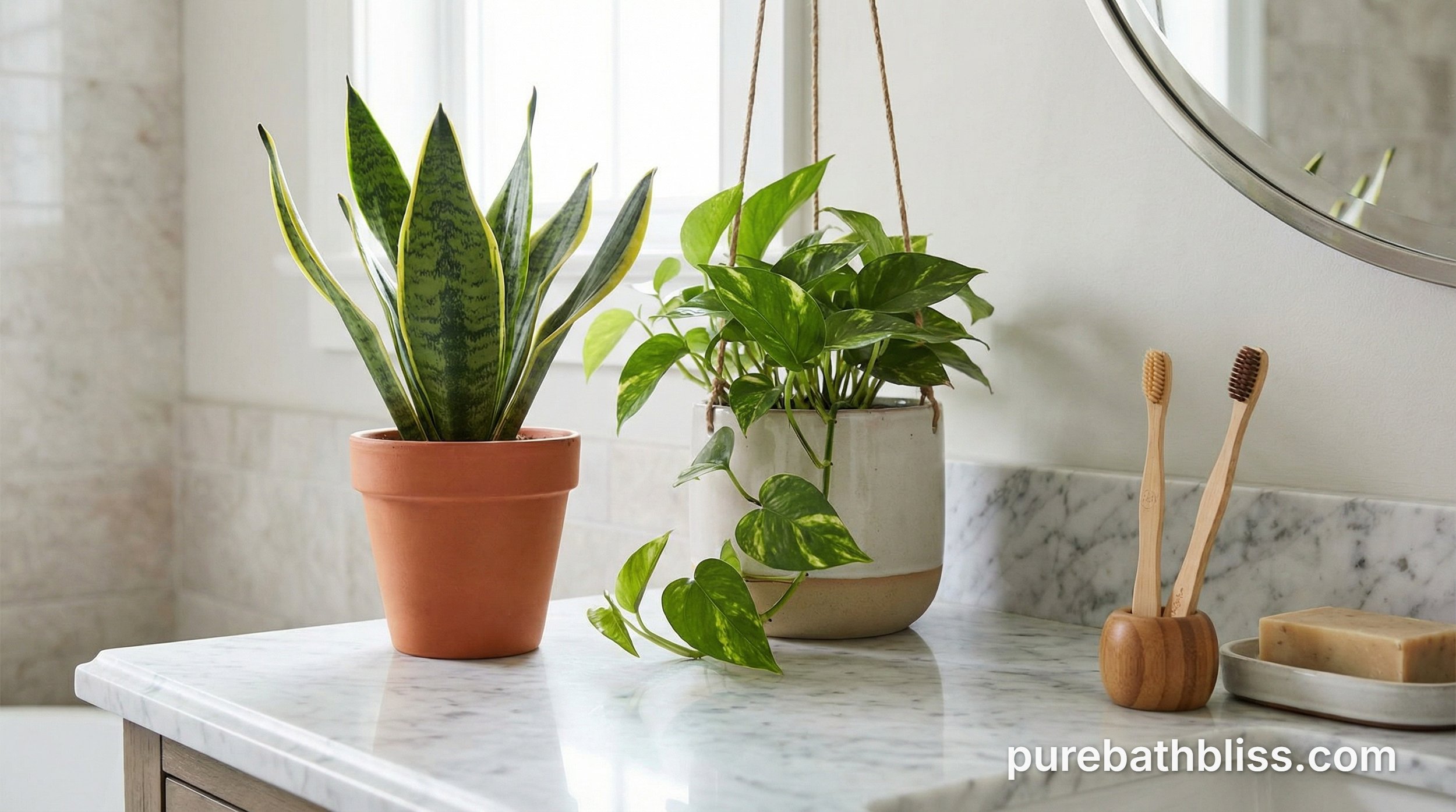
The Ultimate Guide to Shower Plants: 12 Humidity-Lovers for a Greener Bathroom
There is something inherently calming about a bathroom filled with life. If you’ve ever stepped into a luxury spa and felt an immediate sense of peace, it likely wasn't just the essential oils, it was the greenery.
In the eco-friendly home niche, "shower plants" have moved from a design trend to a functional necessity. Not only do they look stunning, but they also act as natural air purifiers, regulate humidity, and even help prevent the buildup of bathroom mold.
However, the bathroom is a unique ecosystem. With its spikes in temperature, low light, and high steam, not every houseplant is cut out to survive. In this guide, we’ll explore the top 12 plants that don’t just tolerate your shower—they thrive in it.
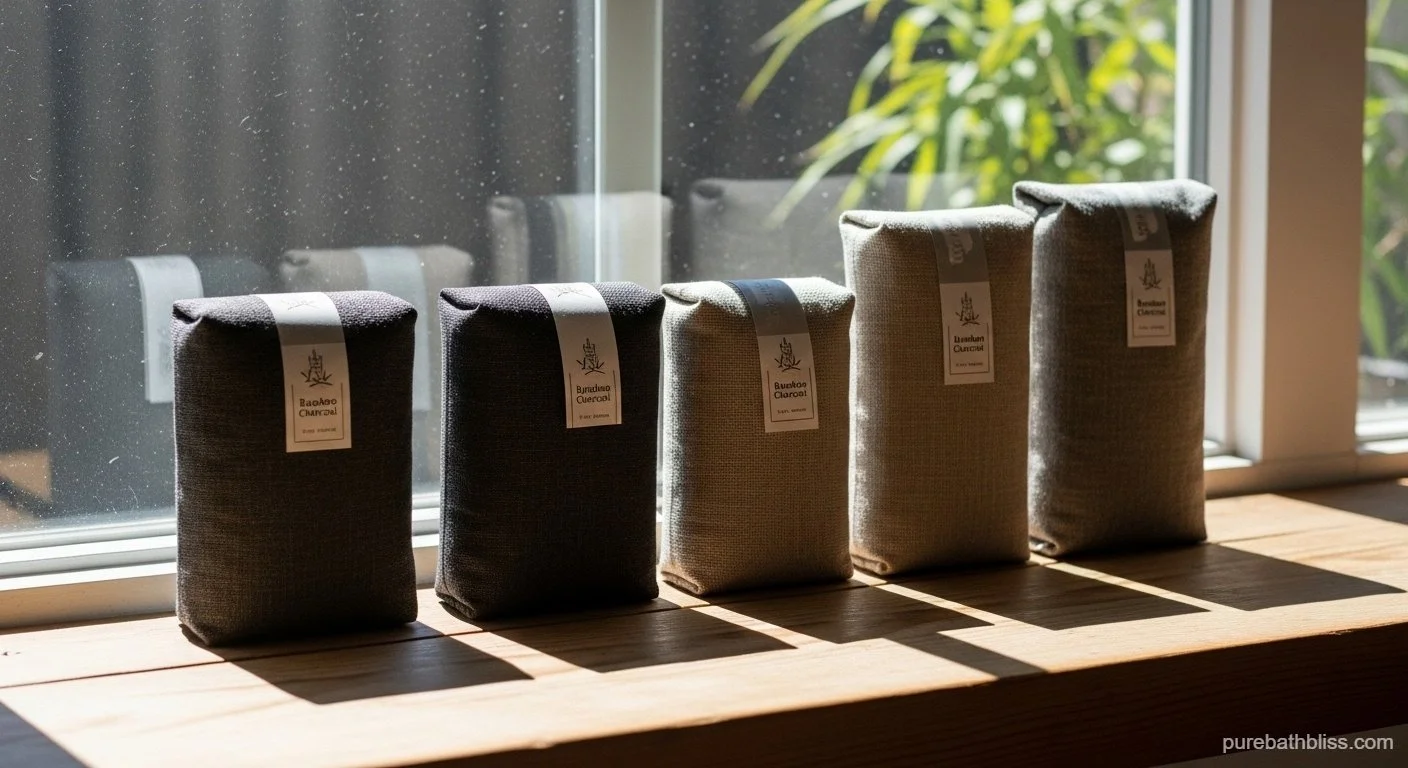
Bamboo Charcoal Bags for an Eco-Friendly Bathroom
In an increasingly conscious world, the quest for sustainable living practices extends into every corner of our homes. While often overlooked, the bathroom presents a unique opportunity for significant environmental improvements. From constant moisture to lingering odors and the pervasive use of chemical-laden products, bathrooms can be a hotbed for indoor air pollutants and unnecessary waste. Fortunately, a simple yet powerful solution has emerged as a cornerstone for a greener, healthier washroom: bamboo charcoal bags. These unassuming pouches of activated carbon from a highly sustainable resource are revolutionizing how we tackle common bathroom challenges, acting as a potent odor eliminator, moisture absorber, and natural air purifier, all without a single drop of harmful chemicals.
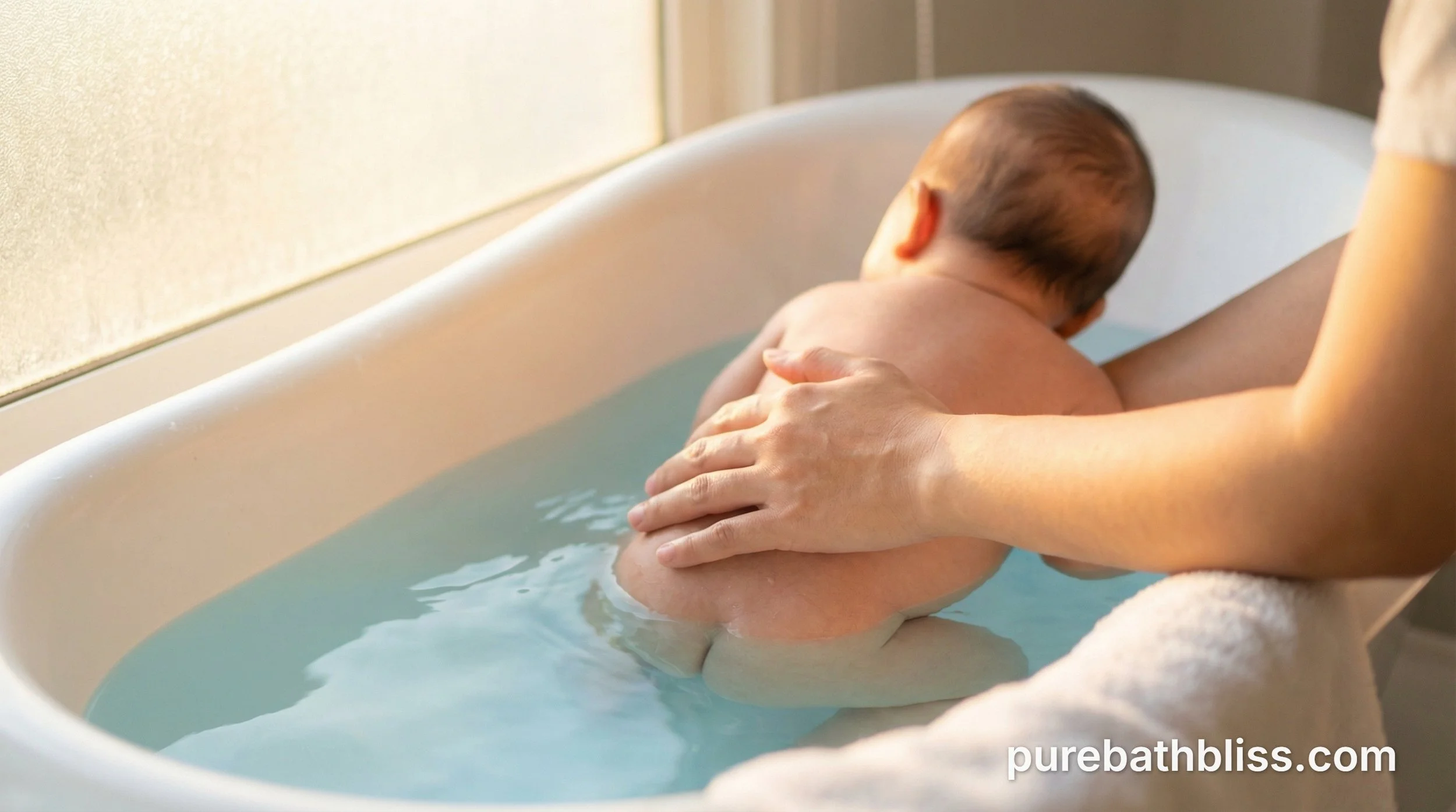
Baby Bath Safety Guide: Creating a Secure & Serene Splash Time
For many parents, bath time is a highlight of the day—a chance for giggles, bubbles, and bonding. But let’s be honest: wet porcelain, slippery skin, and water can also make it a source of anxiety.
At PureBathBliss.com, we believe that a "blissful" bathroom is, first and foremost, a safe one. Whether you are bathing a newborn in the sink or a toddler in the big tub, this guide covers the essential protocols for 2025, blending strict safety standards with our signature eco-friendly approach.
Here is how to turn potential panic into a peaceful, secure ritual.
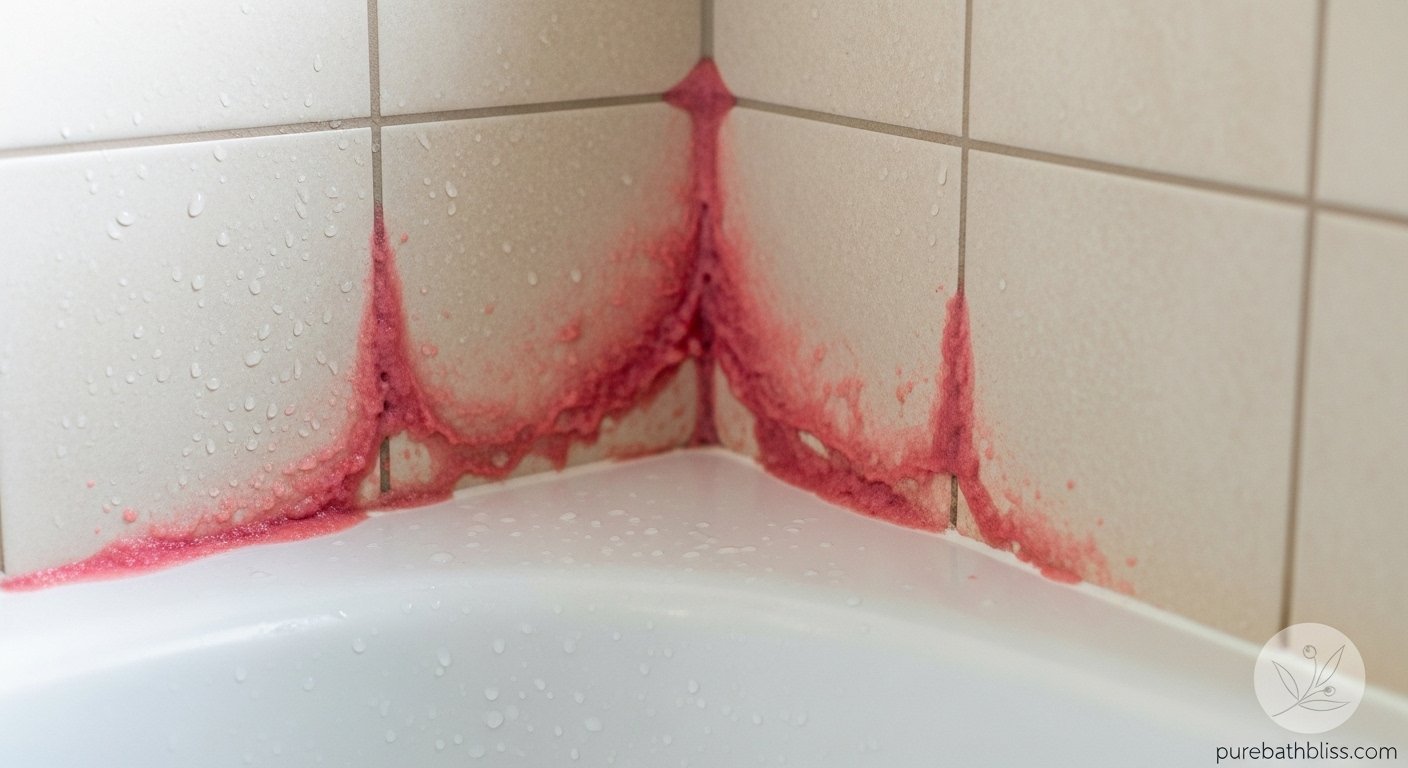
How to Get Rid of the Red Stuff (Serratia marcescens) in Your Bathroom
The reddish-pink film in your shower or bathroom, often called “pink mold” or “pink slime,” is actually Serratia marcescens, a bacteria that thrives in moist, soapy environments. This slimy, red-orange residue appears on tiles, grout, drains, or shower curtains, feeding on soap scum and hard water minerals. While typically harmless for healthy people, it can trigger allergies or look unsightly. This guide explains how to identify, remove, and prevent Serratia marcescens using eco-friendly methods and tools, keeping your bathroom hygienic and fresh. Shop our affiliate links for the best cleaning products!
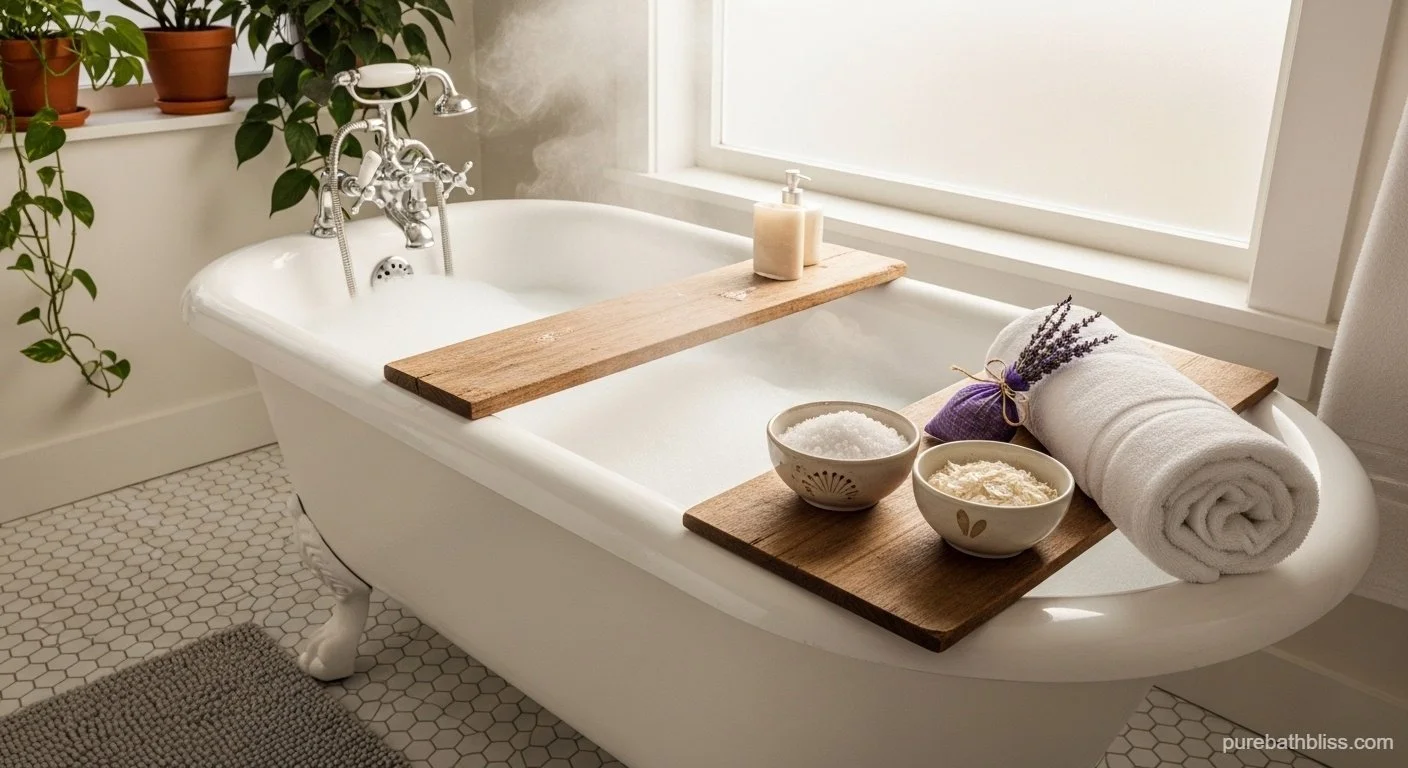
Epsom Salt vs. Magnesium Flakes: Which is the Best Bath Soak for Recovery?
In the quest for ultimate physical and mental recovery, bath soaks have emerged as a time-honored tradition and a modern wellness staple. The market is awash with various options, but two stand out for their purported benefits: Epsom salt and magnesium flakes. Both promise to melt away stress, soothe aching muscles, and promote relaxation, yet they are distinct in their chemical composition and potential efficacy. For athletes, stressed professionals, or anyone seeking a therapeutic escape, understanding the nuances between these two popular choices is crucial. This comprehensive guide delves into the science, benefits, and practical applications of Epsom salt and magnesium flakes, helping you decide which bath soak reigns supreme for your recovery needs.
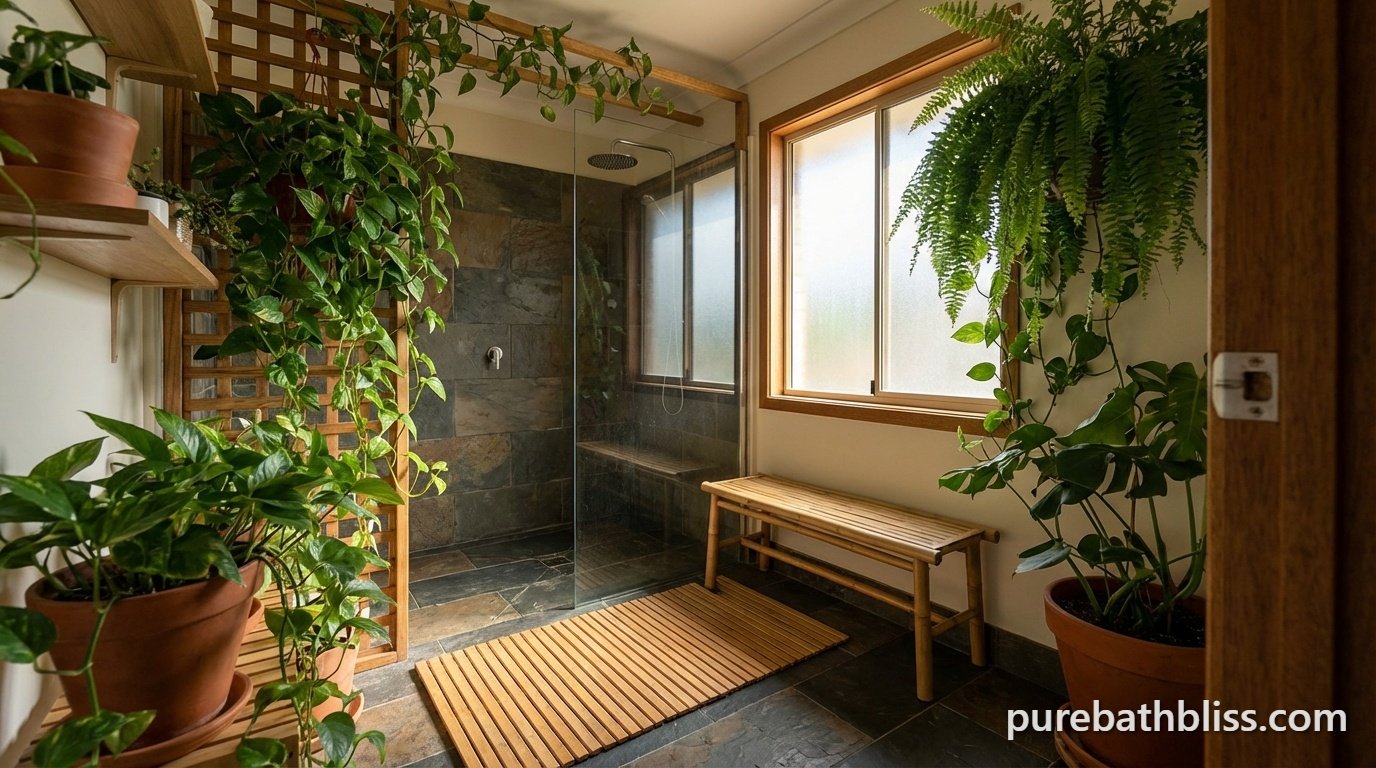
Why Bamboo Is Perfect to Use in the Bathroom
When you think of upgrading your bathroom, you might think of cold materials: chrome faucets, white porcelain, and glass dividers. While these look clean, they can often leave a space feeling sterile and "hospital-like."
To bring warmth back into the room, many designers turn to wood. But there is a problem: wood and water generally do not mix. High humidity causes traditional oak or pine to warp, crack, and rot.
Enter Bamboo.
Technically a grass rather than a tree, bamboo has rapidly become the gold standard for bathroom accessories. From bath mats to toothbrush holders, this material isn't just an aesthetic choice—it is a functional powerhouse. It is naturally antibacterial, incredibly water-resistant, and stronger than many hardwoods.
If you are looking to banish plastic from your home and create a sanctuary that feels like a Balinese spa, here is why bamboo should be your material of choice.
The Psychology of White Towels: Why 5-Star Hotels Never Use Colors
Think back to the last time you walked into a high-end hotel bathroom. What is the first thing you noticed?
It likely wasn't the marble countertops or the designer toiletries. It was the towels. A perfectly folded stack of thick, pristine, brilliantly white towels.
You will almost never see a navy blue towel in a Ritz-Carlton, or a patterned beige towel in a Four Seasons. From boutique inns to sprawling resorts, stark white is the undisputed industry standard for luxury linens.
This isn't a coincidence of design. The ubiquitous white towel is a carefully calculated choice rooted in practicality, psychology, and the subtle art of hospitality. It is a visual cue that tells your brain you are in a place of luxury and safety.
Here is a look inside the "hotel secret" of white linens and why you should consider adopting this standard for your own home.
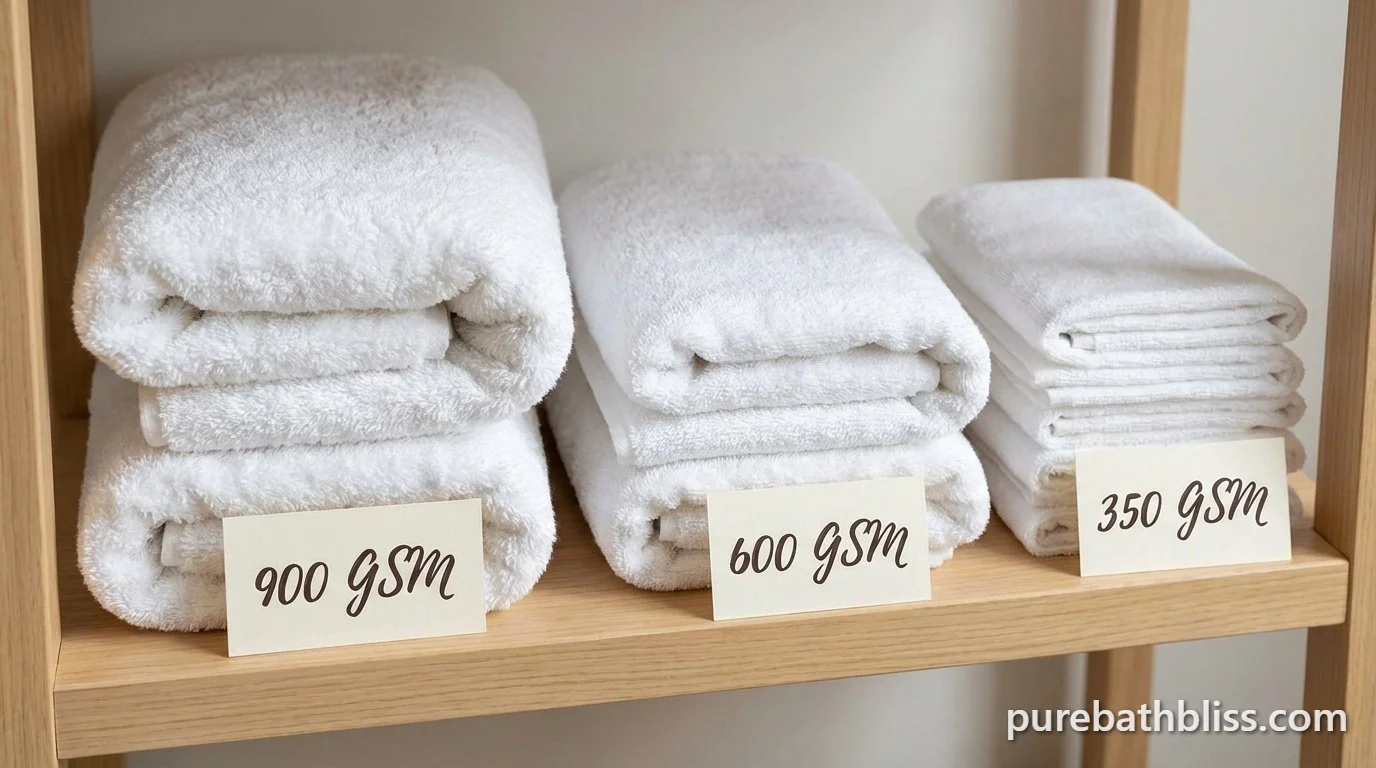
GSM Explained: How to Decode Towel Labels to Find True Luxury
We have all been there. You are standing in the aisle of a home goods store, surrounded by a towering wall of bath towels. You reach out and touch one; it feels incredibly soft, almost silky. You buy a whole set, excited for your next shower.
But a few weeks and a few washes later, that initial softness has vanished. The towel feels thin, it pushes water around instead of absorbing it, and it takes forever to dry between uses.
Why does this happen? It's because in the store, manufacturers often coat towels with temporary softeners that wash right off. If you want to buy a towel that performs as good as it feels, you need to ignore the "ultra-soft" marketing labels and look at the hard data.
The secret to finding true quality lies in a three-letter acronym hidden on the tag: GSM.
This guide will decode the confusing world of towel specs, explaining exactly what GSM is and the crucial difference between cotton types, ensuring you never buy a disappointing towel again.
How to Soften Stiff Towels with a Simple Citric Acid Trick
There is a distinct moment of disappointment that happens in bathrooms all over the world. You step out of a steamy, refreshing shower, reach for your towel expecting a warm, cloud-like embrace, and instead, you are met with something that feels akin to sandpaper.
It is a common household mystery: Why do the plush, luxurious towels we buy at the store transform into stiff, scratchy "cardboard" after just a few months of use?
Most of us assume the towel has simply reached the end of its life. We demote these scratchy towels to "dog washing" duty or cleaning rags and head to the store to buy new ones. But the truth is, the cotton fibers in your towels aren't usually worn out—they are just clogged.
The culprit is rarely the quality of the cotton, but rather a combination of your water chemistry and your laundry routine. Fortunately, you don't need to replace your linens or buy expensive chemical softeners. In fact, commercial softeners are part of the problem.
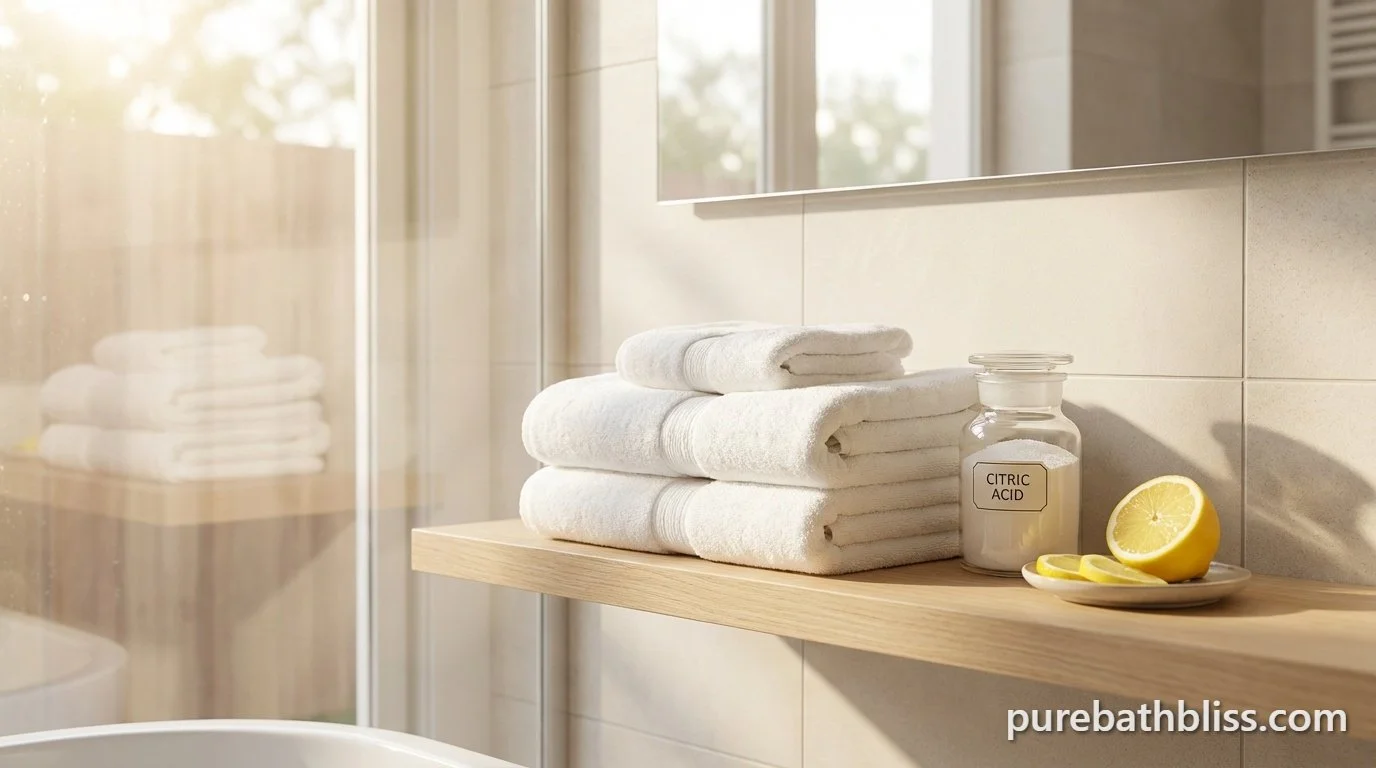
The solution is likely sitting in your kitchen pantry or is available for a few dollars at the grocery store: Citric Acid.
This guide will walk you through the science of why towels go bad, why citric acid is the miracle cure, and exactly how to use it to restore your linens to their original, 5-star hotel glory.
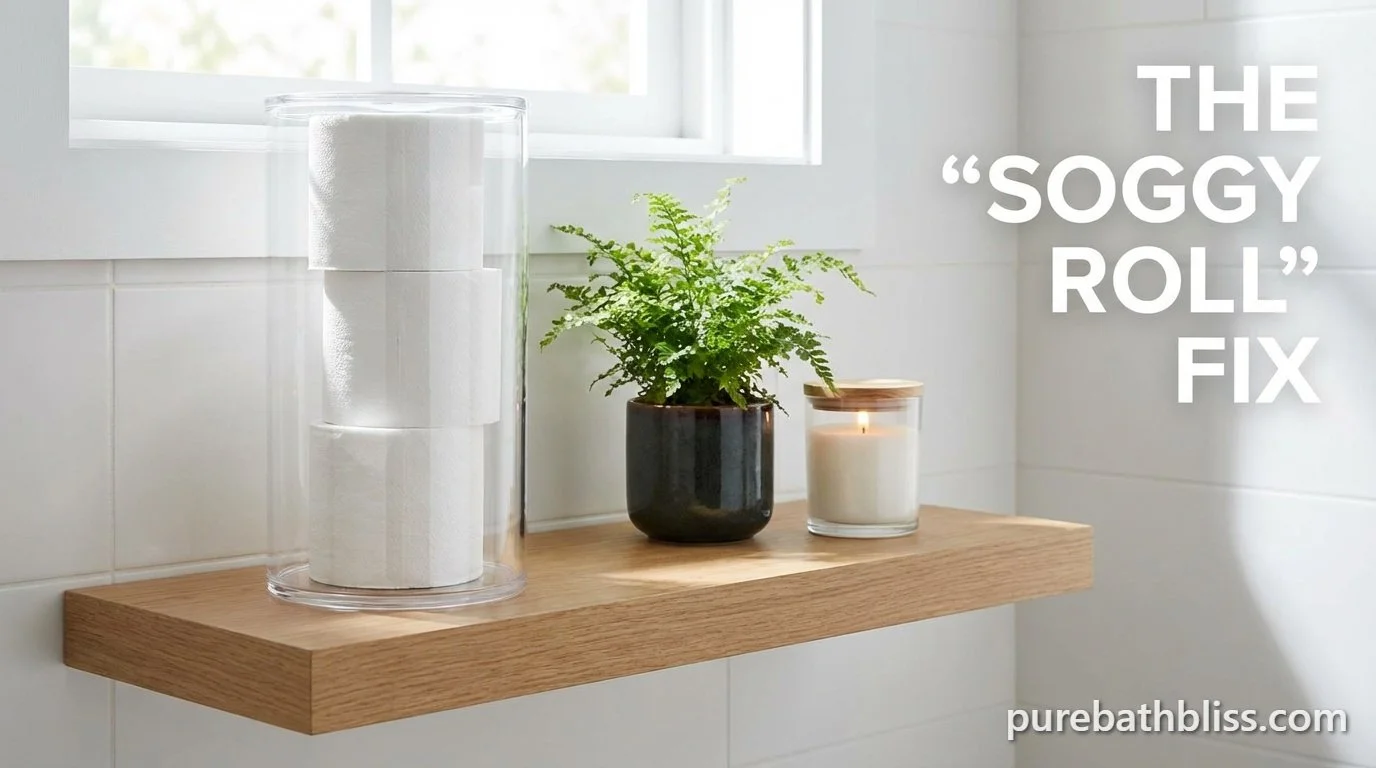
Is Your "Emergency Stash" of Toilet Paper Growing Mold? (And How to Store It Safely)
It is the dirty secret of bathroom organization: You buy the mega-pack of toilet paper, stuff 12 rolls into the dark cabinet under the sink, and forget about them.
Months later, you reach for that back-of-the-cabinet roll, and it feels... damp. Maybe it smells a little musty. Or worse, it has faint grey spots.
That isn't dust. It’s mildew.
Most people don't realize that toilet paper is essentially a sponge made of organic material (cellulose). When you store it in a dark, humid bathroom cabinet—especially near leaky pipes or right next to the shower—it becomes a petri dish for mold.
You don't have to stop storing TP in the bathroom (we aren't monsters; nobody wants to run to the hallway closet in an emergency). But you do need to upgrade how you store it.
Here is why the "Cabinet Stash" is failing you, and the 3-step system to fix it.
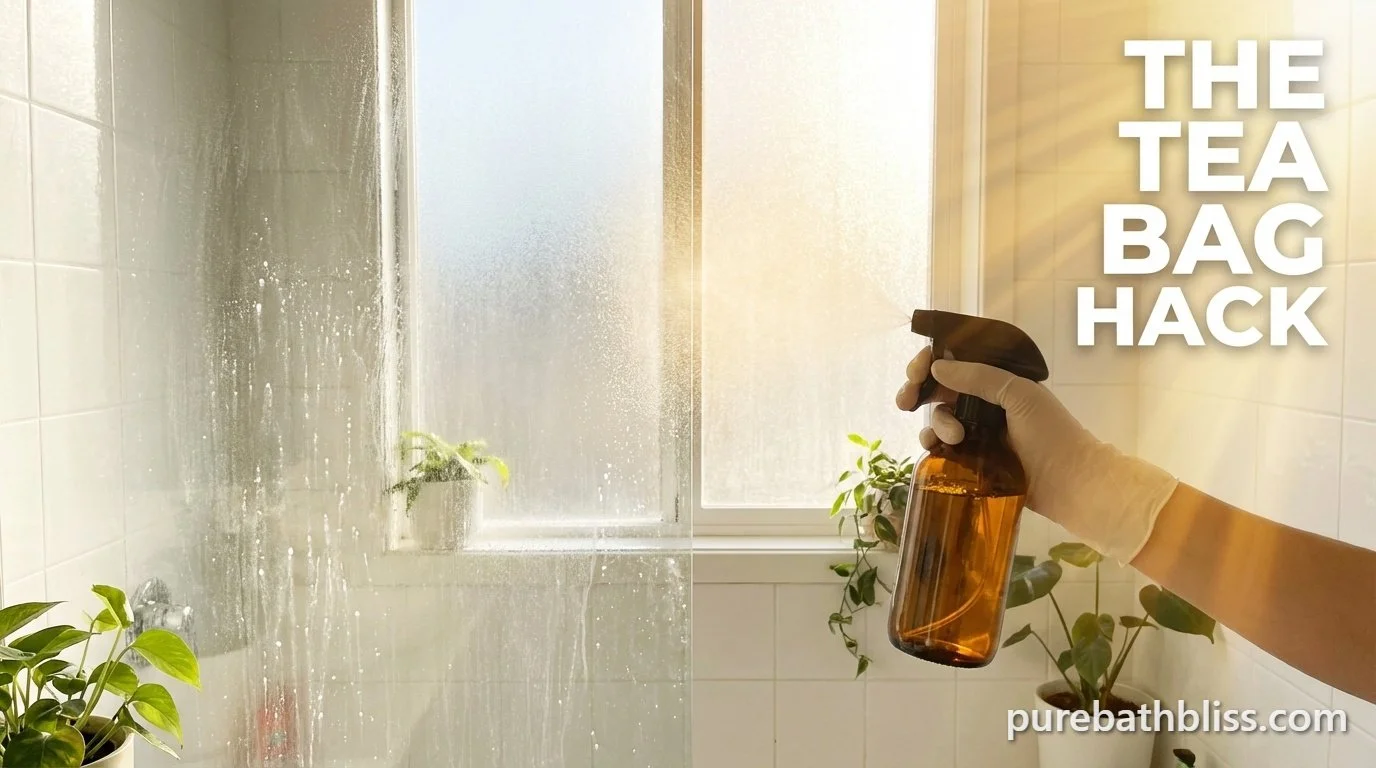
Stop Scrubbing: Why Black Tea (Yes, Tea) Is the Secret to Streak-Free Shower Glass
Stop using harsh chemicals. Learn why tannic acid in black tea dissolves soap scum and hard water spots, and see the before/after results.
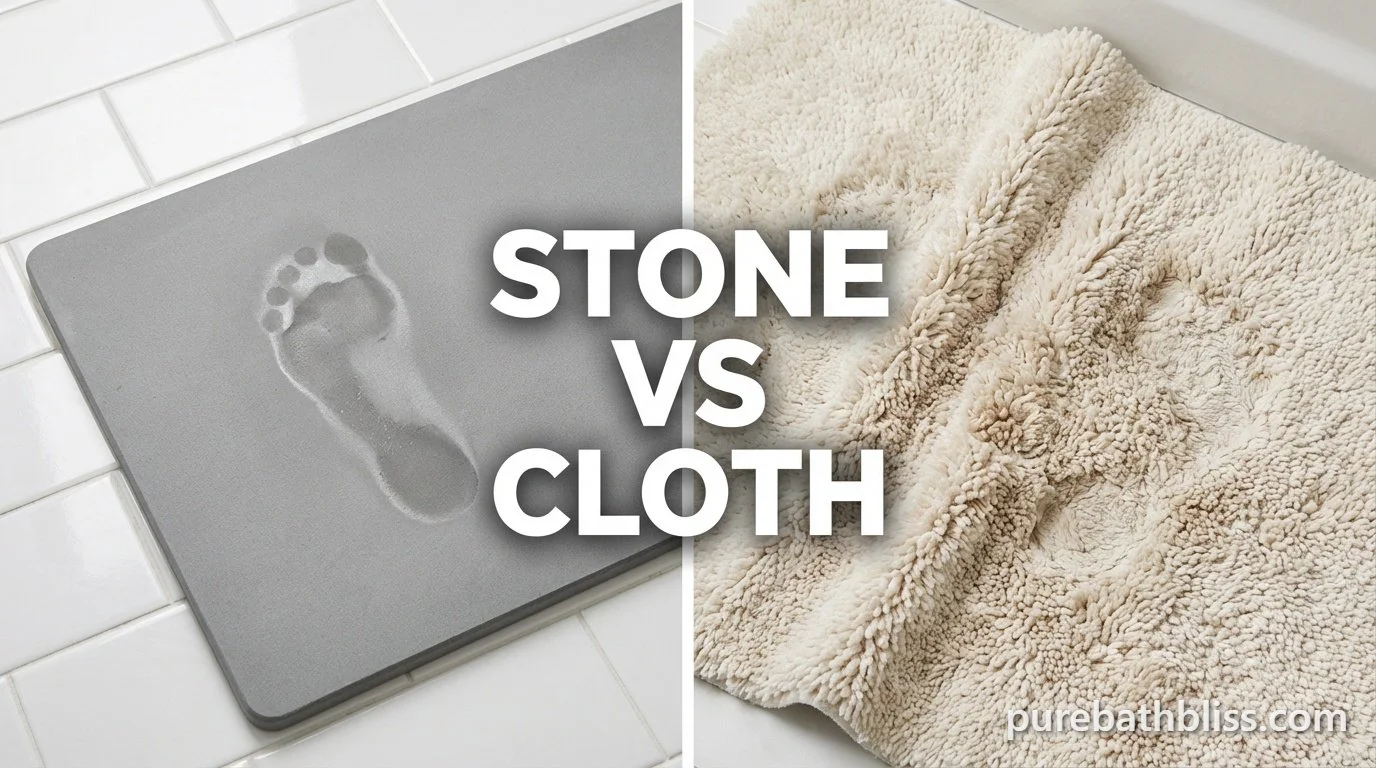
Stone vs. Cloth: Are Diatomaceous Earth Bath Mats Worth the Hype?
We have all been there. You step out of a relaxing, steamy shower—clean, warm, and refreshed—only to squish your toes into a damp, cold, slightly musty bath mat.
It is the one part of the bathroom experience that hasn’t changed in fifty years. We rely on terry cloth or shag rugs to catch water, but let's be honest: they are essentially heavy sponges lying on the floor, trapping moisture, hair, and dust.
If you have scrolled through Instagram or TikTok lately, you have likely seen the ads for "Stone Bath Mats." These rigid slabs made of Diatomaceous Earth claim to dry instantly, never mold, and look like a 5-star spa accessory. But are they actually practical? Or are they just another expensive aesthetic trend that you’ll regret buying?
To find out, we broke down the science, the hygiene factor, and the day-to-day reality of swapping your trusty cotton rug for a slab of stone.
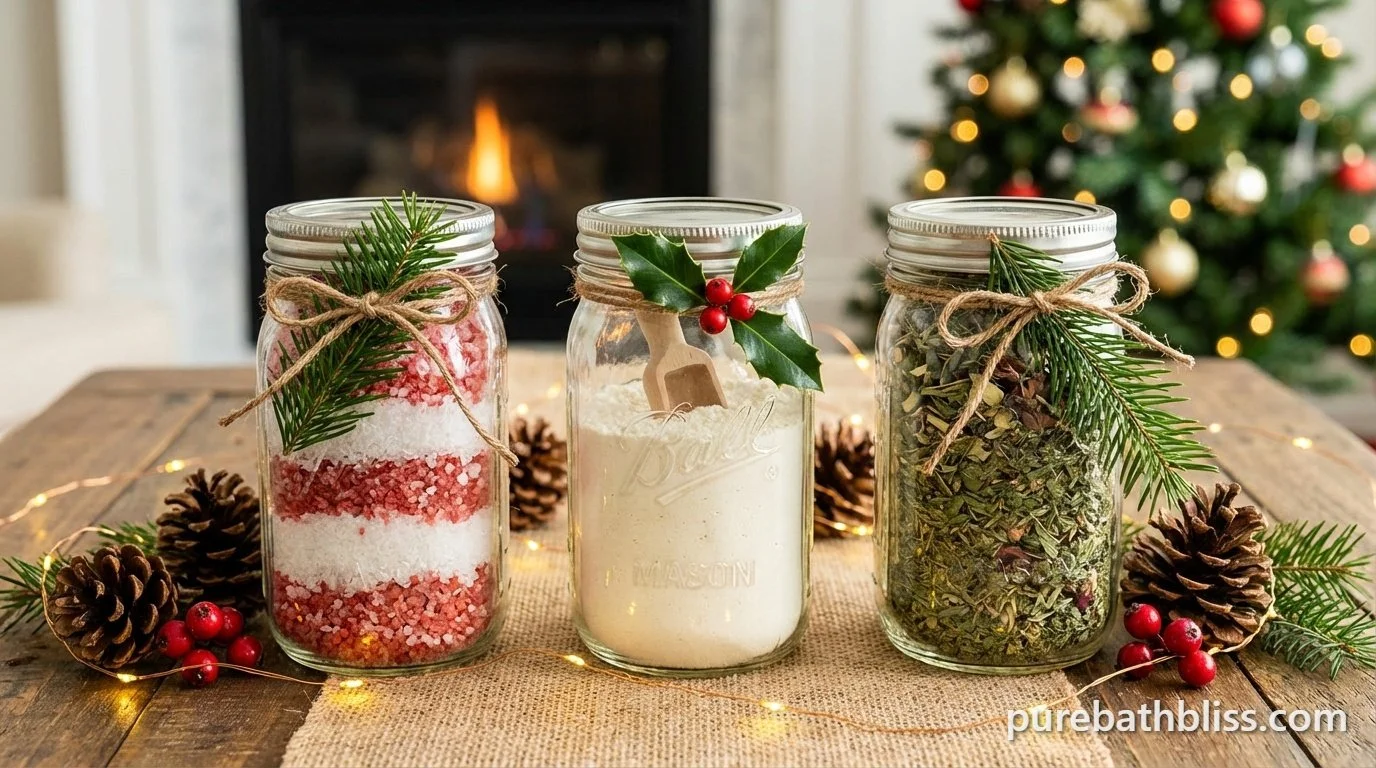
Panic-Free Gifting: 3 Last-Minute DIY Spa Jars That Look Expensive (Under $5)
t happens every year. You think you’re done with your holiday shopping, and then you remember: The neighbor who watches your cat. The mail carrier. Your child’s piano teacher. The "White Elephant" exchange at work.
You need a gift, you need it fast, and you don’t want to spend $30 on another generic candle.
The solution is likely already in your pantry. With a bag of Epsom salts and a few essential oils, you can create luxurious, boutique-style bath soaks in less than 10 minutes. They are thoughtful, all-natural, and cost less than $5 per jar.
Here are 3 "Master Recipes" for last-minute DIY gifts that look like you spent hours making them.