Epsom Salt vs. Magnesium Flakes: Which is the Best Bath Soak for Recovery?
In the quest for ultimate physical and mental recovery, bath soaks have emerged as a time-honored tradition and a modern wellness staple. The market is awash with various options, but two stand out for their purported benefits: Epsom salt and magnesium flakes. Both promise to melt away stress, soothe aching muscles, and promote relaxation, yet they are distinct in their chemical composition and potential efficacy. For athletes, stressed professionals, or anyone seeking a therapeutic escape, understanding the nuances between these two popular choices is crucial. This comprehensive guide delves into the science, benefits, and practical applications of Epsom salt and magnesium flakes, helping you decide which bath soak reigns supreme for your recovery needs.

The Ancient Embrace of Epsom Salt
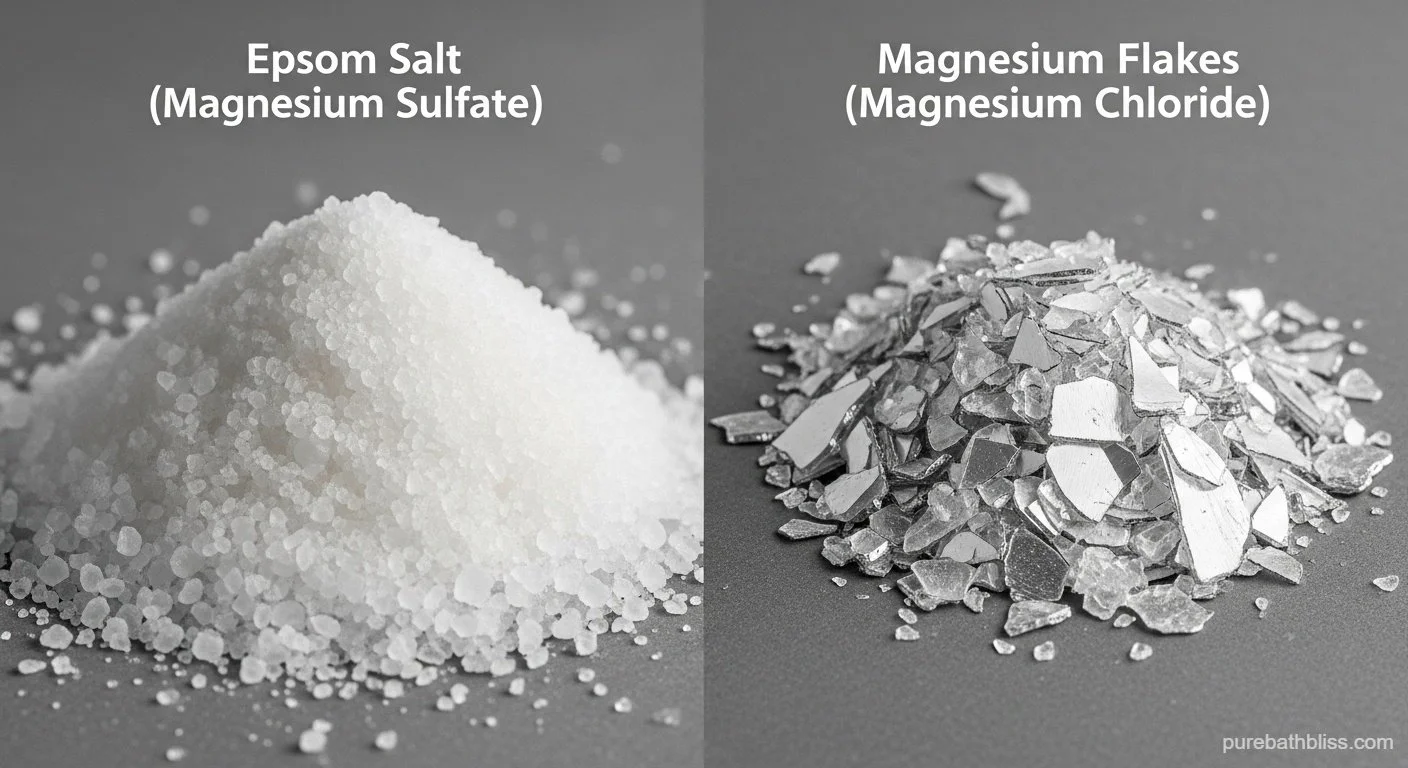
Epsom salt, despite its name, is not a traditional salt but a naturally occurring mineral compound composed of magnesium sulfate heptahydrate. Discovered in Epsom, England, in the 17th century, it quickly gained recognition for its therapeutic properties. For centuries, people have dissolved these small, crystal-like granules in bathwater to alleviate a myriad of ailments, from muscle soreness and swelling to constipation and skin irritations. Its widespread availability and affordability have cemented its status as a household staple in wellness routines globally.
Unpacking Magnesium Sulfate Heptahydrate
At a technical level, the chemical structure of Epsom salt is fascinating. It consists of magnesium, sulfur, and oxygen. When dissolved in water, it breaks down into magnesium ions and sulfate ions. Proponents suggest that these ions are absorbed through the skin, entering the bloodstream and exerting their beneficial effects. The descriptive experience of an Epsom salt bath is often characterized by a feeling of deep warmth and muscular relaxation, a sensation many attribute to this transdermal absorption.
The Claimed Benefits of Epsom Salt for Recovery
The journalistic narrative surrounding Epsom salt often highlights several key benefits for recovery:
Muscle Relaxation and Pain Relief: Magnesium is a crucial electrolyte involved in muscle contraction and relaxation. It's believed that absorbed magnesium can help relax tight muscles, reduce inflammation, and alleviate cramps and soreness after intense physical activity.
Stress Reduction and Improved Sleep: Magnesium plays a role in regulating neurotransmitters that promote calm and sleep. Soaking in an Epsom salt bath is often recommended as a pre-sleep ritual to encourage relaxation and deeper rest.
Reduced Swelling: The sulfate component is thought to aid in detoxification pathways, potentially reducing swelling and bruising.
Skin Health: Some users report softer skin and relief from conditions like eczema or psoriasis, though scientific evidence for this is less robust.
While the anecdotal evidence is vast and compelling, the scientific community still debates the extent of transdermal absorption of magnesium sulfate. Studies on the topic have yielded mixed results, with some suggesting significant absorption and others indicating minimal uptake through the skin. Nonetheless, the subjective experience of relief and relaxation remains a powerful motivator for its continued use.
The Modern Marvel: Magnesium Flakes
Magnesium flakes, often referred to as magnesium bath flakes or magnesium chloride flakes, represent a more contemporary approach to transdermal magnesium therapy. Sourced primarily from ancient seabeds, such as the pristine Zechstein Sea in the Netherlands, these flakes are essentially a highly concentrated form of magnesium chloride. Unlike Epsom salt, which is a sulfate, magnesium flakes are direct magnesium chloride, boasting a slightly different chemical profile and, many argue, superior bioavailability.
The Pristine Purity of Magnesium Chloride
From a technical standpoint, magnesium chloride is a different beast. It is highly soluble in water and, importantly, is the form of magnesium that the human body utilizes most readily. The flakes themselves are harvested directly from deposits that have been protected from modern pollution for millions of years, ensuring a high degree of purity. This descriptive element of origin adds to their allure, painting a picture of ancient, untainted mineral goodness.
The Potent Promise of Magnesium Flakes for Recovery
The journalistic discourse surrounding magnesium flakes often positions them as a more potent and efficient alternative to Epsom salts for recovery. Their claimed benefits mirror those of Epsom salt but are often presented with an emphasis on enhanced effectiveness:
Superior Magnesium Absorption: This is the flagship claim for magnesium flakes. Magnesium chloride is believed to have a higher rate of transdermal absorption compared to magnesium sulfate. This means more magnesium might penetrate the skin and enter the bloodstream more efficiently, offering a more direct route to cellular repair and muscle relaxation.
Rapid Muscle Soreness Relief: Due to the purported higher absorption, magnesium flakes are frequently recommended for athletes or individuals experiencing significant muscle fatigue, cramps, and post-exercise recovery. The idea is to replenish magnesium levels quickly.
Deep Relaxation and Improved Sleep Quality: Like Epsom salt, magnesium chloride contributes to nerve and muscle function, essential for relaxation. The increased absorption is thought to amplify these effects, leading to profound stress reduction and better sleep.
Nervous System Support: Magnesium plays a vital role in nervous system regulation. Topical application is believed to calm an overactive nervous system, contributing to a sense of well-being.
Skin Barrier Support: Magnesium chloride also has properties that can support the skin's barrier function, potentially reducing inflammation and improving hydration, making it suitable for sensitive skin types.
The creative narrative often paints magnesium flakes as a shortcut to magnesium repletion, a "direct injection" of wellness through the skin, circumventing the digestive system which can sometimes be inefficient in absorbing oral magnesium supplements.
Key Differences: A Comparative Analysis
While both Epsom salt and magnesium flakes are rich in magnesium and offer similar benefits, their distinct chemical compositions lead to crucial differences in efficacy, absorption, and application.
Chemical Composition and Bioavailability
Epsom Salt (Magnesium Sulfate): Contains magnesium bound to sulfate. While magnesium is essential, the sulfate component's role in transdermal absorption is less clear. Many believe that the magnesium needs to separate from the sulfate to be effectively absorbed.
Magnesium Flakes (Magnesium Chloride): Contains magnesium bound to chloride. Magnesium chloride is known for its high bioavailability, meaning the body can readily absorb and utilize it. This form is often considered superior for transdermal delivery because chloride ions are naturally present in the body and facilitate magnesium absorption.
This technical distinction is paramount. If the goal is to maximize magnesium uptake through the skin, magnesium chloride is often cited as the more effective choice due to its chemical structure and how it interacts with the skin.
Absorption Rate and Efficacy
Epsom Salt: The absorption of magnesium sulfate through the skin is a subject of ongoing debate. Some studies suggest it can be absorbed, while others find minimal evidence. The general consensus points to a slower and potentially less efficient absorption compared to magnesium chloride.
Magnesium Flakes: Research and anecdotal evidence strongly suggest that magnesium chloride is absorbed more efficiently and rapidly through the skin. This makes magnesium flakes a potentially more effective option for quickly addressing magnesium deficiencies and acute muscle discomfort.
The journalistic approach here emphasizes the consensus that if transdermal absorption is your primary goal for recovery, flakes likely offer a more direct and potent pathway.
Skin Sensitivity and Irritation
Epsom Salt: Generally well-tolerated by most skin types. It can be quite gentle, though some individuals might experience dryness if used too frequently or in very high concentrations.
Magnesium Flakes: Due to their higher concentration and potential for more rapid absorption, magnesium flakes can occasionally cause a mild tingling or itching sensation, especially for those with very sensitive skin or when used in very high concentrations. This is often referred to as a "magnesium flush" and usually subsides as the body adjusts. Starting with a lower concentration is often recommended.
This descriptive element of potential skin sensation is important for users to be aware of.
Cost and Availability
Epsom Salt: Universally available, found in most pharmacies, supermarkets, and online. It is typically very affordable, making it an accessible option for regular use.
Magnesium Flakes: Becoming more widely available in health food stores and online, but generally more expensive per pound than Epsom salt. The higher cost reflects their premium source and perceived enhanced efficacy.
The creative framing here might be that Epsom salt is the "everyday hero," while magnesium flakes are the "premium performance upgrade."
Maximizing Your Recovery: How to Use Them Effectively
Regardless of your chosen soak, proper usage is key to unlocking its full recovery potential.
Dosage and Concentration
Epsom Salt: For a standard bath, dissolve 1-2 cups (approximately 250-500g) in warm water. For specific muscle relief, some recommend up to 4 cups.
Magnesium Flakes: Due to their higher concentration, a smaller amount is typically needed. Start with 1/2 to 1 cup (approximately 125-250g) for a standard bath. For more intensive recovery, some might use up to 2 cups. Always follow product-specific instructions.
Water Temperature and Duration
For both, a warm bath (not excessively hot) is ideal, around 98-102°F (37-39°C). This temperature promotes relaxation and opens pores for better absorption without causing overheating. Aim for a soak duration of 20-30 minutes. This allows sufficient time for the minerals to work their magic and for your body to relax. Soaking for too long can sometimes lead to dehydration.
Enhancing the Experience
To elevate your recovery bath into a truly creative and therapeutic ritual:
Essential Oils: Add a few drops of calming essential oils like lavender, frankincense, or eucalyptus for aromatherapy benefits.
Lighting: Dim the lights, light some candles.
Music: Play soothing instrumental music or nature sounds.
Hydration: Keep a glass of water nearby to sip during and after your bath.
Post-Bath Care: Pat your skin dry and apply a natural moisturizer to lock in hydration and prevent dryness.

Benefits for Holistic Recovery: Beyond Just Muscles
Both Epsom salt and magnesium flakes offer a spectrum of benefits that contribute to overall recovery, extending beyond just muscle aches.
Muscle Soreness and Aches
Epsom Salt: Provides reliable relief for general muscle soreness, stiffness, and minor aches, making it a great choice after a moderate workout or a long day on your feet.
Magnesium Flakes: Often preferred for more intense muscle recovery, severe cramps, and post-marathon or heavy lifting soreness due to their potentially higher and faster magnesium uptake.
Stress Reduction and Mental Clarity
Both: The act of taking a warm bath in itself is incredibly stress-reducing. The magnesium content in both types of soaks further enhances this by supporting neurotransmitter function that calms the nervous system. The descriptive feeling of tension melting away is a common experience.
Magnesium Flakes: May offer a slightly more pronounced effect for severe stress due to the potential for greater magnesium absorption, helping to restore mental equilibrium more effectively.
Sleep Quality Improvement
Both: Magnesium is critical for regulating sleep. A warm bath before bed with either soak can lower core body temperature (post-bath), signaling to the body that it's time to sleep, while the magnesium relaxes muscles and calms the mind.
Epsom Salt: A consistent pre-sleep ritual with Epsom salt can significantly improve sleep patterns over time.
Magnesium Flakes: May offer a quicker and deeper dive into restful sleep for those particularly struggling with insomnia or restless nights, owing to its perceived higher bioavailability.
Skin Health and Detoxification
Epsom Salt: Can soften skin and is often used in foot soaks for its purported antifungal properties and ability to draw out splinters. The sulfates are thought to aid in detoxification pathways.
Magnesium Flakes: Can help improve skin hydration and barrier function, making them suitable for people with dry or irritated skin. Some sources suggest magnesium chloride aids more directly in cellular detoxification processes.
The journalistic angle here is to emphasize that while both are beneficial, the degree of benefit might lean towards flakes for more intensive needs, while Epsom salt remains an excellent general wellness tool.
The Scientific Perspective: What Does Research Say?
The technical understanding of transdermal magnesium absorption is still evolving. While numerous studies support the efficacy of oral magnesium supplementation, research specifically on topical absorption has been more challenging to conduct and interpret definitively.
Transdermal Absorption: Some studies suggest that the skin can absorb magnesium, particularly through hair follicles, sebaceous glands, and eccrine glands. The ionic nature of magnesium chloride might facilitate this process more effectively than magnesium sulfate. However, the exact mechanisms and extent of absorption, especially regarding raising systemic magnesium levels significantly, are still areas of active research.
Sulfate Absorption: The absorption of sulfate from Epsom salt baths is also debated. If absorbed, sulfates play a role in detoxification and various metabolic pathways.
Placebo Effect: It’s important not to underestimate the powerful placebo effect. The calming ritual of a warm bath itself, combined with the belief in its therapeutic properties, can significantly contribute to feelings of relaxation and recovery, regardless of the chemical composition of the soak. This creative element of the mind-body connection is a valid component of recovery.
Nonetheless, the anecdotal evidence from millions of users who report tangible benefits cannot be ignored. The lack of definitive, large-scale clinical trials does not necessarily negate the experienced benefits, but it does highlight the need for more rigorous scientific investigation.
Which is Right for You? Making an Informed Choice
The decision between Epsom salt and magnesium flakes ultimately depends on your specific needs, preferences, and budget.
For General Relaxation and Maintenance: If you're looking for a cost-effective, readily available solution for general muscle relaxation, stress relief, and a pleasant bath experience, Epsom salt is an excellent choice. It's gentle, effective for everyday use, and has a long history of traditional use. Think of it as your reliable, everyday recovery partner.
For Intensive Recovery and Targeted Support: If you're an athlete, regularly engage in strenuous physical activity, suffer from chronic muscle cramps, or suspect a magnesium deficiency, magnesium flakes might be a more potent option. Their purported higher bioavailability makes them a strong contender for faster, more effective relief and magnesium replenishment. Consider them your high-performance recovery tool.
For Sensitive Skin: If you have very sensitive skin, start with Epsom salt, or use a lower concentration of magnesium flakes to gauge your skin's reaction.
For Budget-Conscious Users: Epsom salt offers significantly more bang for your buck, allowing for more frequent and generous use without breaking the bank.
A journalistic conclusion here would be that both are valuable tools, but with different strengths.
Conclusion: The Art of Restorative Soaking
In the fascinating world of transdermal mineral therapy, both Epsom salt and magnesium flakes hold significant sway, each offering a distinct pathway to recovery and well-being. Epsom salt, with its historical pedigree and accessible nature, provides a gentle yet effective solution for everyday aches, stress, and general relaxation. Its magnesium sulfate composition has soothed muscles and minds for centuries, making it a beloved staple in countless homes.
Magnesium flakes, on the other hand, represent a targeted approach, leveraging the superior bioavailability of magnesium chloride for potentially faster and more profound effects. For those seeking intensive muscle recovery, addressing suspected magnesium deficiencies, or aiming for a more potent stress-reduction experience, these ancient seabed minerals present a compelling, albeit often pricier, alternative.
Ultimately, the "best" bath soak for recovery isn't a one-size-fits-all answer. It's a personal journey of discovery, influenced by individual needs, body chemistry, and budget. Whether you opt for the time-tested comfort of Epsom salt or the powerful purity of magnesium flakes, the act of immersing yourself in a warm, mineral-rich bath remains a profoundly creative and beneficial ritual. It's a deliberate pause, a moment to honor your body's need for rest and repair, transforming a simple bath into a potent recovery session. Embrace the soothing warmth, feel the tension release, and allow the chosen minerals to work their quiet magic. Your body, and your mind, will undoubtedly thank you for this restorative