Clean Air, Clear Mind: Ensuring a Toxin-Free Bathroom for Your Baby
When it comes to caring for your baby, every parent strives to create a safe, nurturing, and healthy environment. We meticulously choose organic foods, chemical-free skincare, and furniture free from harmful substances. Yet, one critical area often overlooked is the air quality within our homes, particularly in the bathroom. This space, with its high humidity and frequent use of various products, can become a breeding ground for invisible threats that pose significant risks to your baby's delicate developing system.
Beyond concerns about water purity and the safety of baby bath products, the air your baby breathes during bath time and throughout the day in the bathroom warrants equal, if not greater, attention. Young lungs are especially vulnerable to airborne toxins, allergens, and irritants. Ensuring a toxin-free bathroom environment isn't just about cleanliness; it's about safeguarding your child's long-term health, promoting better respiratory function, reducing exposure to allergens, and fostering a clear, healthy start in life. This comprehensive guide will dive into practical strategies, from maximizing natural ventilation to embracing non-toxic cleaning agents and even leveraging the power of specific plants, all designed to transform your bathroom into a sanctuary of clean air for your little one.
The Invisible Threat: Why Bathroom Air Quality Matters for Babies
The bathroom is a unique environment within your home. It's often warm, humid, and typically enclosed, making it susceptible to a range of air quality issues. For adults, these issues might cause minor discomfort, but for babies, with their developing respiratory systems, smaller body mass, and faster breathing rates, the impact can be far more severe and lasting. Understanding these threats is the first step towards mitigating them.
Volatile Organic Compounds (VOCs) and Other Chemical Culprits
Many common household products release Volatile Organic Compounds (VOCs) into the air. These organic chemicals evaporate at room temperature and can be found in a surprising array of items, from conventional cleaning supplies and air fresheners to paints, sealants, and even some shower curtains. During a warm bath, these chemicals can be released more readily into the humid air. Babies inhale these compounds, which can irritate their eyes, nose, and throat, trigger asthma attacks, and contribute to long-term health problems, including developmental issues and increased cancer risk with prolonged exposure. Formaldehyde, benzene, and phthalates are just a few examples of dangerous VOCs frequently found in bathrooms. Phthalates, in particular, are common in fragranced products and plastics, known endocrine disruptors that can affect hormonal development.
Mold and Mildew: The Damp Danger
The bathroom's inherent humidity makes it a prime location for mold and mildew growth. These fungi thrive in damp, warm conditions, commonly appearing on grout, caulk, shower curtains, ceilings, and even behind tiles. Mold spores are airborne allergens that, when inhaled, can cause respiratory problems, allergic reactions, skin rashes, and exacerbate asthma, especially in infants and young children who have more sensitive immune systems. Certain types of mold, like black mold (Stachybotrys chartarum), produce mycotoxins that can be particularly harmful. Beyond the visual ugliness, mold signifies a significant air quality issue that must be addressed promptly.
Excessive Humidity and Stagnant Air
High humidity levels, while necessary for a warm bath, can linger and create an ideal breeding ground not just for mold but also for dust mites. Dust mites are another common allergen that thrives in humid environments. Stagnant air, often a result of poor ventilation, allows these allergens, along with VOCs and other particulate matter, to accumulate rather than dissipate. This creates a concentrated "toxic soup" that your baby is continually breathing in. A stuffy, damp bathroom also feels uncomfortable and can make existing respiratory conditions worse for sensitive individuals.
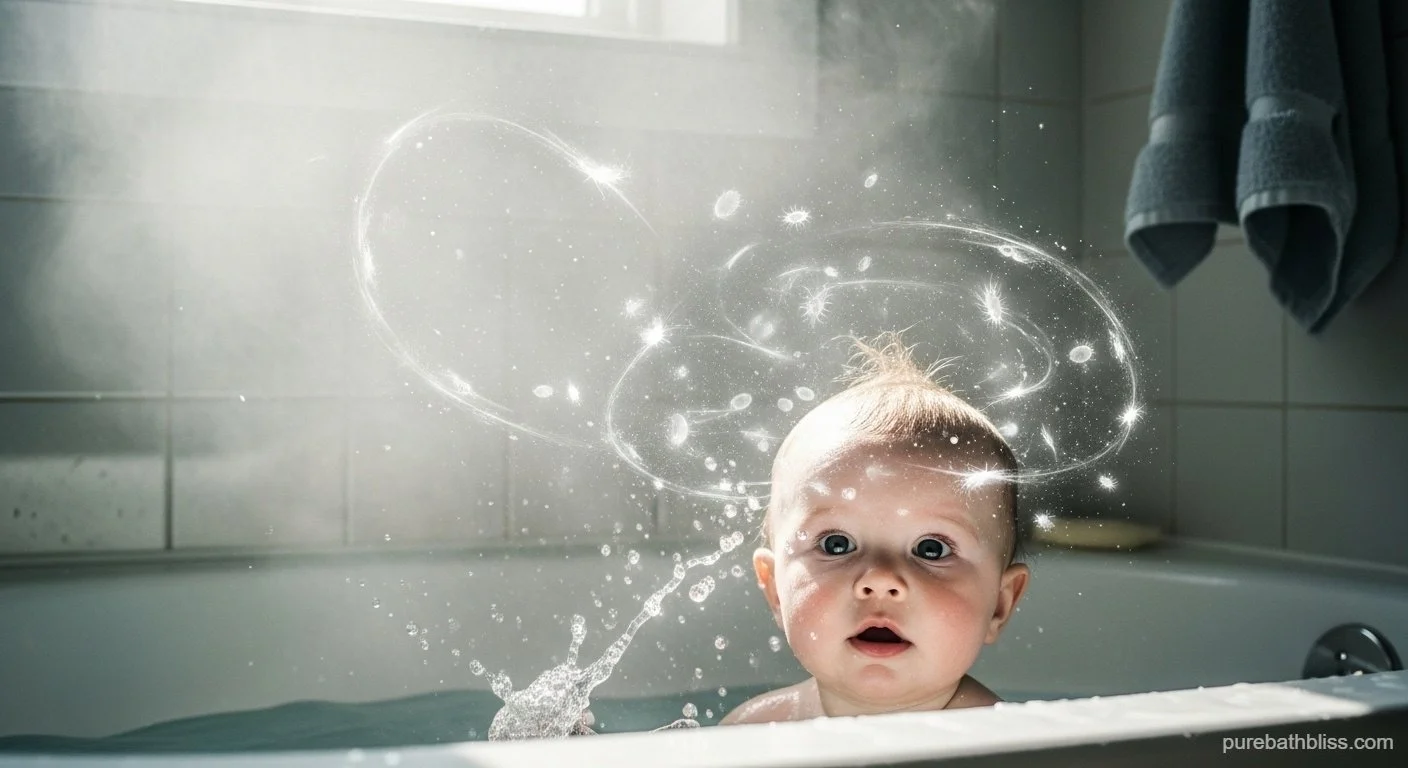
Ventilation: Your First Line of Defense Against Airborne Toxins
Effective ventilation is the cornerstone of maintaining superior air quality in any bathroom, especially one used by a baby. It actively removes stale, humid, and contaminated air, replacing it with fresh, cleaner air from outside. Without proper ventilation, all other efforts to create a toxin-free environment will be significantly hampered.
Harnessing the Power of Natural Ventilation
Nature provides the most straightforward and often most effective method of ventilation: fresh air.
Open Windows and Doors: Whenever possible, especially during and after a baby's bath, open the bathroom window wide. If there's no window, open the bathroom door and crack open a window in an adjacent room to create a cross-breeze. This allows humid, toxin-laden air to escape and fresh air to circulate. Aim to keep the window open for at least 15-30 minutes after each bath until all steam has dissipated and surfaces are dry.
Create a Draft: If opening a window isn't feasible, strategically open doors within your home to create a natural air current that can help draw stale air out of the bathroom. Be mindful of drafts on your baby, ensuring they are not exposed to cold air directly after their bath.
Consider Window Screens: If you live in an area with insects or significant outdoor pollen, install fine mesh screens on windows to allow airflow while keeping unwanted elements out. Regular cleaning of these screens is important.
The Role of Mechanical Ventilation: Exhaust Fans
While natural ventilation is excellent, many bathrooms require the assistance of mechanical ventilation, primarily through exhaust fans, to effectively manage humidity and airborne pollutants.
Understanding Your Exhaust Fan: Not all exhaust fans are created equal. Look for fans with a higher "Sones" rating for noise level (lower is quieter) and a sufficient "CFM" (Cubic Feet per Minute) rating for your bathroom's size. A general rule of thumb is 1 CFM per square foot of bathroom area, but for bathrooms over 100 square feet, a more complex calculation based on fixtures may be needed.
Proper Usage is Key:
Turn it On Before, During, and After: Start the exhaust fan a few minutes before running bath water, keep it on during the entire bath, and, critically, leave it running for at least 20-30 minutes after the bath. This ensures that most of the moisture and airborne particles are removed.
Keep the Door Ajar: For optimal performance, slightly crack open the bathroom door while the fan is running. This allows fresh make-up air to enter the bathroom, improving the fan's efficiency in pulling out humid air.
Maintenance for Optimal Performance:
Regular Cleaning: Dust and grime can accumulate on the fan's grill and blades, reducing its efficiency. Clean the fan cover and blades every few months with a damp cloth or vacuum cleaner.
Check the Vent: Periodically check the exterior vent (where the fan expels air) to ensure it's not obstructed by debris, bird nests, or leaves.
Professional Inspection: If your fan seems to be struggling or making unusual noises, consider having a professional inspect it to ensure proper function and ductwork integrity.
Humidity Monitoring: Invest in a simple hygrometer to monitor the humidity levels in your bathroom. Aim to keep relative humidity below 60%, ideally between 30% and 50%, to inhibit mold and dust mite growth. If levels consistently remain high even with ventilation, you might need to increase fan usage or consider a small dehumidifier, though typically proper fan usage is sufficient.
Non-Toxic Cleaning: Purifying Surfaces, Not Air
Traditional household cleaners are often laden with harsh chemicals that can severely compromise indoor air quality. These products release VOCs and other respiratory irritants into the air, which can linger long after the cleaning process. When you have a baby, switching to non-toxic cleaning methods isn't just a preference; it's a necessity for their health.
The Dangers of Conventional Cleaners
Many popular bathroom cleaners contain a cocktail of hazardous ingredients:
Ammonia and Bleach: These powerful disinfectants release strong fumes that can irritate the respiratory tract, eyes, and skin. Mixing them can create highly toxic chloramine gas.
Phthalates: Often found in fragranced cleaning products and air fresheners, these endocrine disruptors can affect hormonal development.
Quaternary Ammonium Compounds (Quats): Common in antibacterial sprays, quats are known asthma triggers and skin irritants.
Glycol Ethers: Found in some glass cleaners and all-purpose sprays, these can cause respiratory irritation and potential reproductive harm.
Surfactants: Many synthetic surfactants can be skin irritants and contribute to water pollution.
When you spray or wipe these chemicals, they don't just disappear; they become airborne, settle on surfaces, and can be inhaled or absorbed through the skin, posing a direct threat to a curious baby who might touch surfaces and then put their hands in their mouth.
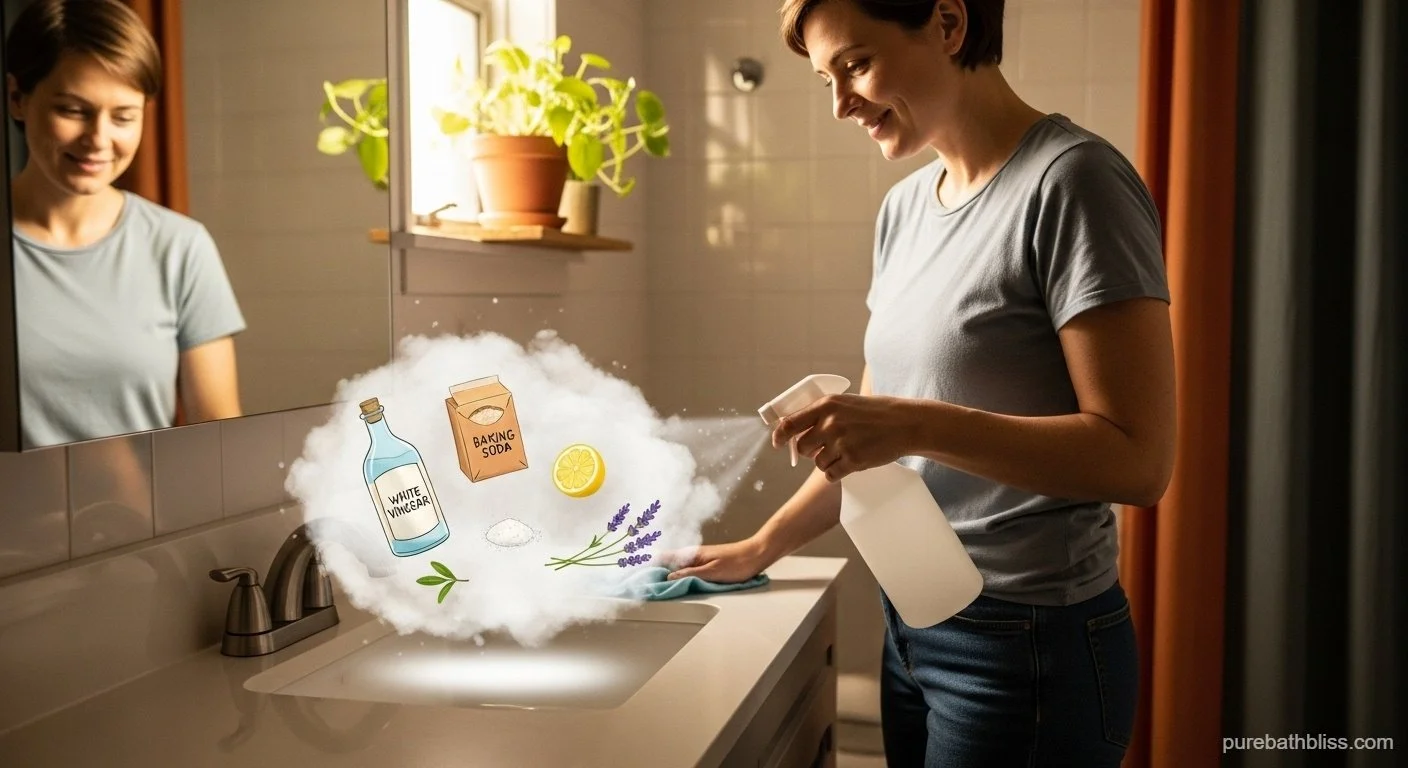
DIY Natural Cleaning Agents: Simple, Safe, and Effective
Creating your own non-toxic cleaners is surprisingly easy, cost-effective, and incredibly safe.
White Vinegar: A miracle worker! Its acetic acid is a natural disinfectant and deodorizer.
All-Purpose Bathroom Cleaner: Mix equal parts white vinegar and water in a spray bottle. Add a few drops of baby-safe essential oils (like tea tree for extra antibacterial properties, used with extreme caution around babies and diluted significantly) for scent and extra cleaning power. Use it to wipe down countertops, sinks, shower walls, and floors. Always avoid using vinegar on natural stone surfaces like marble or granite, as it can etch them.
Toilet Bowl Cleaner: Pour a cup of white vinegar into the toilet bowl, let it sit for 30 minutes to an hour (or overnight for tough stains), then scrub with a brush and flush.
Mold and Mildew Remover: Spray full-strength vinegar on moldy areas, let it sit for at least an hour, then scrub and rinse.
Baking Soda (Sodium Bicarbonate): A gentle abrasive, deodorizer, and mild disinfectant.
Scrubbing Paste: Mix baking soda with a little water to form a paste. Use it to scrub tough stains on sinks, tubs, and grout. It's excellent for removing soap scum.
Deodorizer: Sprinkle baking soda in the toilet bowl, on floors, or in a small dish to absorb odors.
Lemon Juice: A natural bleach alternative, degreaser, and fresh scent provider.
Stain Remover: Mix lemon juice with baking soda to create a powerful stain-removing paste for porcelain.
Shine Enhancer: Polish chrome fixtures with a cut lemon to remove water spots and leave a shine.
Castile Soap: A versatile, plant-based soap for gentle cleaning.
Liquid All-Purpose Cleaner: Mix a few drops of unscented liquid castile soap with water in a spray bottle.
Hydrogen Peroxide (3%): A powerful disinfectant and mild whitener.
Disinfectant Spray: Use 3% hydrogen peroxide in a spray bottle to disinfect surfaces. Let it sit for 5-10 minutes before wiping. Store it in its original dark bottle, as light breaks it down. Do not mix hydrogen peroxide with vinegar in the same bottle, as it can create peracetic acid, a corrosive substance. It's best to use them sequentially if needed.
Important Note on Essential Oils: While many essential oils have antibacterial or antifungal properties, exercise extreme caution when using them around babies. Some essential oils can be too potent for infant respiratory systems. Always dilute heavily, use only a few drops in a well-ventilated space, and avoid direct application or diffusion when your baby is in the room. Opt for unscented cleaners or rely on the natural, subtle scents of vinegar and lemon where possible.
Choosing Commercial Non-Toxic Options
If DIY isn't your preference, many reputable brands offer genuinely non-toxic cleaning products. Look for:
Transparency in Ingredients: Companies that list all ingredients clearly.
Third-Party Certifications: Certifications like EPA Safer Choice, EWG Verified, or Green Seal indicate that products meet stringent safety and environmental standards.
"Free From" Labels: Products labeled "fragrance-free," "phthalate-free," "dye-free," and "chlorine-free." Be wary of "greenwashing" – terms like "natural" or "eco-friendly" without specific certifications.
Minimal Ingredients: Generally, the shorter the ingredient list, the better.
Cleaning Frequency and Technique
Regular, Gentle Cleaning: Instead of infrequent deep cleans with harsh chemicals, opt for more frequent, gentle cleaning with non-toxic solutions. Wipe down sinks, tubs, and toilets several times a week.
Immediate Spill Cleanup: Address spills and dampness immediately to prevent mold growth.
Ventilate While Cleaning: Even with natural cleaners, it's good practice to ensure good ventilation during cleaning to dissipate any fumes, even benign ones.
Keep Baby Away: While natural cleaners are safer, it's always best to keep your baby out of the bathroom during cleaning time and ensure all surfaces are dry before they return.
Tools Matter: Use reusable microfiber cloths instead of disposable wipes, which can contain chemicals. Wash cloths regularly.
Plants: Nature's Air Purifiers (with Important Caveats)
Integrating certain houseplants into your bathroom decor can be more than just aesthetically pleasing; some plants are known for their ability to filter common airborne toxins. However, when a baby is involved, careful consideration of plant choice, placement, and care is paramount.
How Plants Purify Air
Through a process called phytoremediation, plants absorb gases and particulate matter through their leaves, converting them into nutrients or storing them. Studies, most notably NASA's Clean Air Study, have identified several common houseplants capable of removing VOCs like formaldehyde, benzene, and trichloroethylene from the air.
Suitable Bathroom Plants for Air Purification
To thrive in a bathroom, plants need to tolerate high humidity, fluctuating temperatures, and often lower light conditions. Here are a few air-purifying options, keeping in mind baby safety:
Spider Plant (Chlorophytum comosum): Extremely easy to care for, non-toxic to pets and humans, and excellent at removing formaldehyde and xylene. Its hanging nature makes it easy to keep out of reach.
Boston Fern (Nephrolepis exaltata 'Bostoniensis'): Loves humidity and is effective at removing formaldehyde and xylene. Non-toxic, but its feathery fronds can shed, requiring occasional cleanup.
Peace Lily (Spathiphyllum): Elegant and effective at removing a broad range of VOCs, including benzene, formaldehyde, and trichloroethylene. However, peace lilies contain calcium oxalate, which can cause irritation if ingested. Must be placed completely out of reach of babies and curious toddlers.
Pothos (Epipremnum aureum): Very hardy and adaptable, good for removing formaldehyde, benzene, and carbon monoxide. Like the peace lily, it's mildly toxic if ingested due to calcium oxalate crystals. Strictly out of reach.
Aloe Vera (Aloe barbadensis miller): A fantastic medicinal plant, also good at clearing formaldehyde and benzene. Mildly toxic if ingested in large quantities, so place it out of reach.
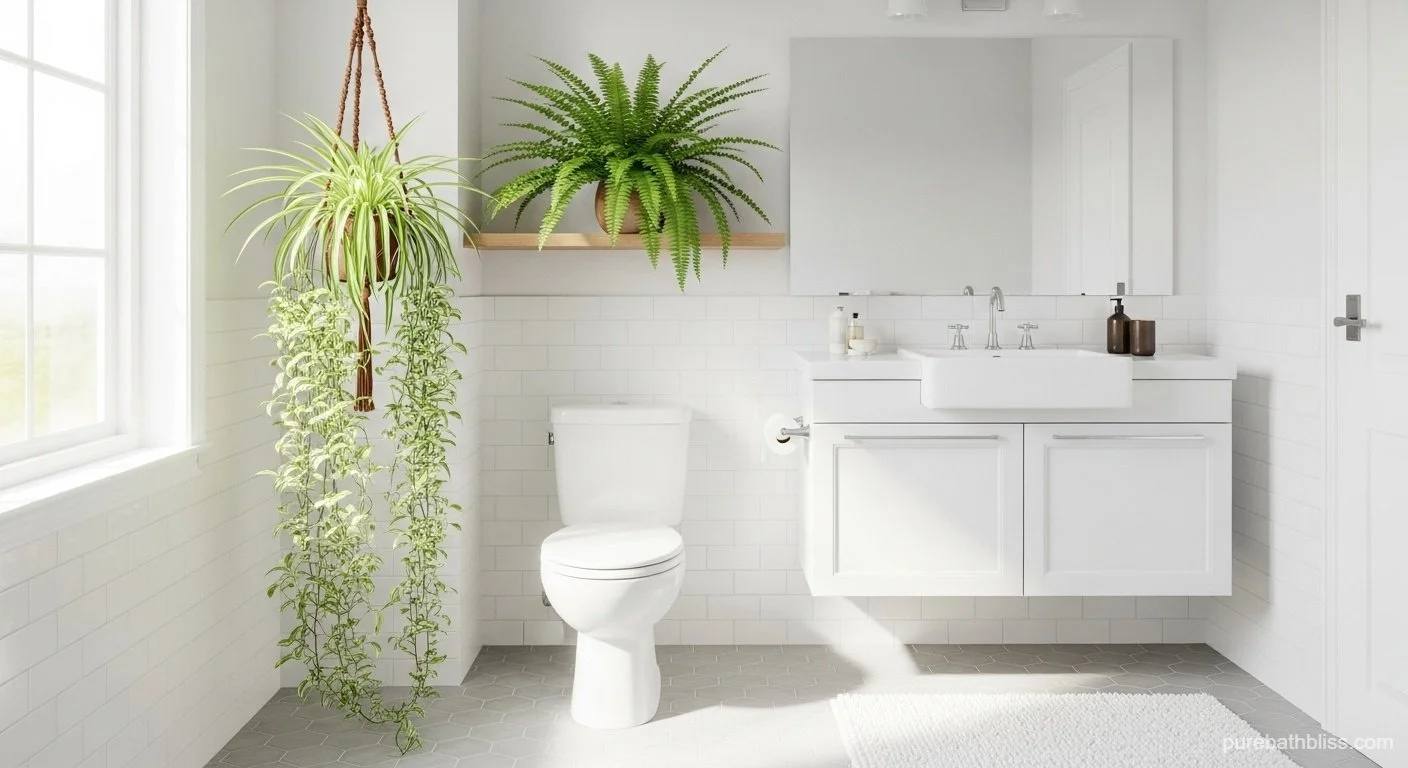
Important Considerations for Plants in Baby's Bathroom
Toxicity is Key: This is the most crucial factor. Many common houseplants are toxic if ingested. Research every plant thoroughly before bringing it into your home, especially if it will be in a room your baby accesses. When in doubt, choose non-toxic options like the spider plant.
Placement is Everything: Even non-toxic plants can pose a choking hazard if leaves or soil are pulled off and ingested. Place all plants well out of your baby's reach – on high shelves, hanging baskets securely mounted, or in areas where your baby cannot possibly grab them.
Drainage and Mold: Ensure all plant pots have excellent drainage to prevent standing water, which can lead to mold growth in the soil itself. Use trays to catch drips and empty them promptly. Regularly check the soil for any signs of mold. Overwatering is a common cause of soil mold.
Light Requirements: Match plants to your bathroom's light conditions. Most bathrooms have low to medium light.
Pest Control: Regularly inspect plants for pests. If you find any, use natural pest control methods (e.g., neem oil solution, insecticidal soap) rather than chemical sprays.
While plants offer a natural boost to air quality, they are a supplementary measure, not a replacement for proper ventilation and non-toxic cleaning.
Beyond the Basics: Additional Steps for a Pristine Environment
Creating a toxin-free bathroom for your baby involves a holistic approach. Beyond ventilation, cleaning, and plants, several other considerations can significantly contribute to better air quality.
Minimize Clutter and Porous Materials
Declutter Regularly: Excess items on countertops and shelves can trap dust, mold spores, and cleaning residue. A minimalist approach makes cleaning easier and reduces potential hiding spots for contaminants.
Choose Non-Porous Materials: Where possible, opt for shower curtains made from natural materials like organic cotton or hemp, or choose PVC-free PEVA or EVA plastic curtains, which off-gas fewer VOCs than traditional vinyl. Ensure bath mats are made from washable, quick-drying materials and are dried thoroughly after each use.
Store Products Safely: Keep all baby bath products, shampoos, and lotions in closed cabinets, especially if they contain any fragrances or chemicals, to prevent their contents from off-gassing into the air.
Dry, Dry, Dry: The Enemy of Mold
Towels and Bath Mats: After each use, hang towels and bath mats to dry completely. Do not leave them bunched on the floor or draped over the tub, as this encourages mold and mildew growth. Consider rotating between a few sets of towels so they have ample time to dry.
Shower Walls and Tub: A quick wipe-down of shower walls and the tub after each bath can dramatically reduce moisture accumulation and prevent soap scum and mold formation. A squeegee can be an excellent tool for this.
Grout and Caulk: Regularly inspect grout and caulk for signs of wear or mold. Re-caulk or seal grout as needed to maintain a waterproof barrier and prevent moisture from seeping behind tiles.
Low-VOC Building Materials and Finishes
If you're undertaking a bathroom renovation or even just a repaint, choose materials with low or zero VOCs.
Paints: Opt for zero-VOC or low-VOC paints for walls and ceilings.
Sealants and Adhesives: Select low-VOC options for caulks, grouts, and any adhesives used in flooring or fixtures.
Flooring: Consider natural linoleum, ceramic tile, or porcelain, which are generally low-VOC, over conventional vinyl flooring that can off-gas for extended periods.
Air Purifiers: When Extra Support is Needed
While not a substitute for proper ventilation, a high-quality air purifier can provide an additional layer of protection, especially in bathrooms with persistent air quality challenges or for babies with sensitivities.
HEPA Filters: Look for purifiers with true HEPA filters, which capture 99.97% of airborne particles 0.3 microns or larger, including mold spores, dust mites, and pet dander.
Activated Carbon Filters: These are essential for adsorbing VOCs and odors. Many good purifiers combine both HEPA and activated carbon.
Placement and Usage: Place the air purifier in an area where it won't be exposed to direct moisture or steam. Run it periodically, especially after bath time or if you notice any lingering odors.
Avoid Ionizers/Ozone Generators: Steer clear of air purifiers that produce ozone (often marketed as "ionizers" or "ozone generators"), as ozone itself is a lung irritant and harmful, particularly for babies.
Regular Deep Cleaning and Maintenance Schedules
Beyond your routine wipe-downs, schedule a more thorough deep clean periodically. This includes:
Cleaning Fan Vents: As mentioned, remove the cover and clean the blades and housing of your exhaust fan.
Grout Cleaning: Use baking soda paste or a dedicated oxygen-bleach (non-chlorine) solution to clean grout lines.
Showerhead Descaling: Remove and descale your showerhead every few months to prevent mineral buildup and ensure proper water flow.
Checking for Leaks: Periodically check under sinks, around toilets, and behind showers for any signs of leaks, which can quickly lead to hidden mold growth.
Conclusion: Breathing Easier, Living Healthier
Creating a toxin-free bathroom environment for your baby is a powerful step towards ensuring their optimal health and well-being. It moves beyond the visible to address the invisible threats that can impact developing lungs and overall health. By embracing robust ventilation practices, transitioning to natural and safe cleaning agents, and thoughtfully incorporating air-purifying plants, you establish a crucial layer of protection for your little one.
Remember, every small change contributes to a healthier home. It's about being mindful of the products we use, understanding the dynamics of air quality, and taking proactive steps to control the environment your baby breathes in daily. A clean, fresh-air bathroom is more than just a place to bathe; it's a testament to your commitment to providing the safest, most nurturing start possible. With "Clean Air, Clear Mind," you can rest assured that your baby is breathing easy, allowing both of you to enjoy the precious moments of bath time with peace of mind.